

Vibrant Wonders of Peru & Antarctica - Cruise & Land Lourney
CRUISE ID # SCENICOSL1011228-1
Lima TO Buenos Aires
$27,180
WITH SPECIAL SAVINGS APPLIED
FARES SHOWN ARE PER GUEST
Suites & Fares
CHOOSE START DATE
: December 01, 2028
Itinerary
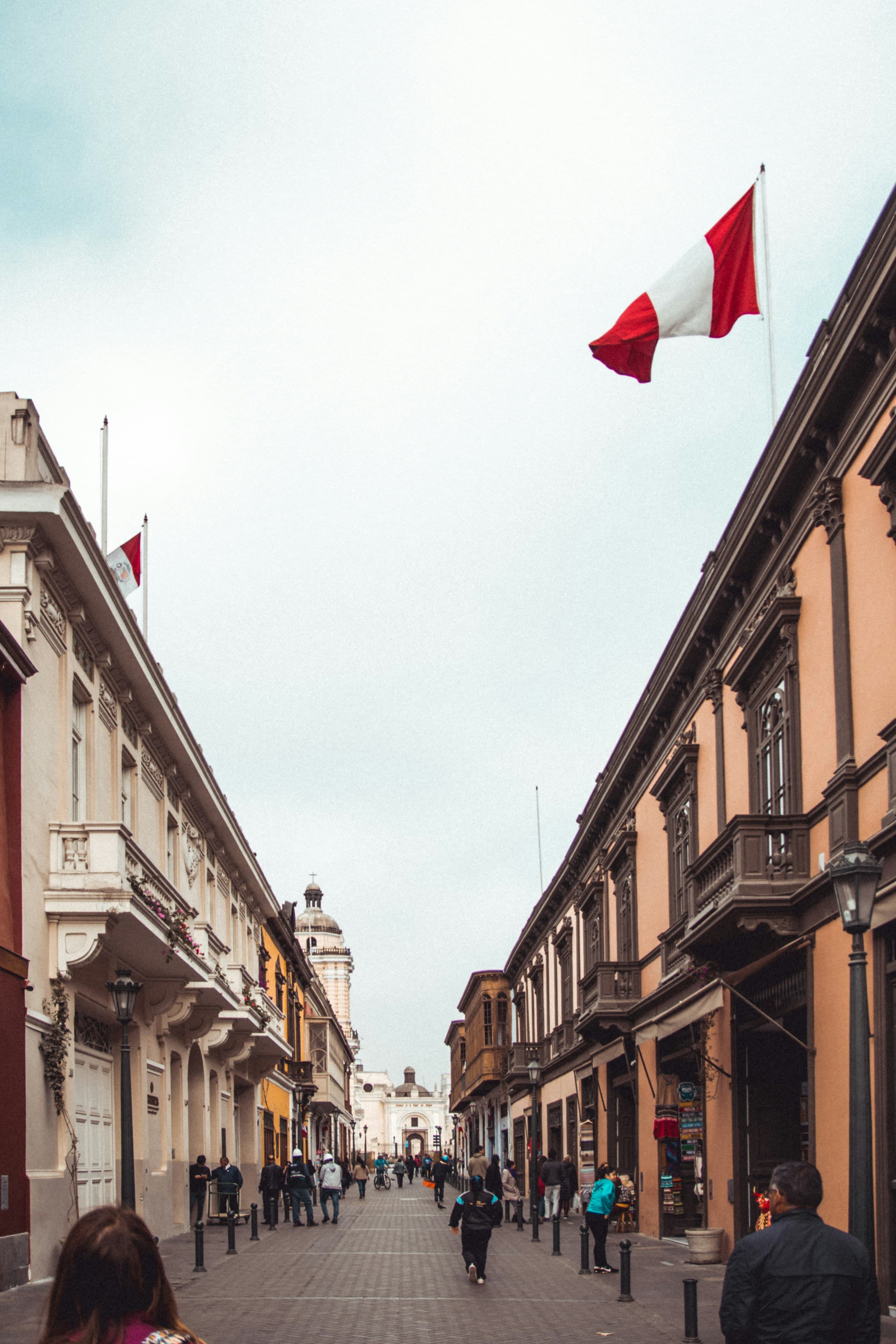
Lima, Peru, the vibrant capital, blends colonial charm with modern dynamism. Known for its rich history, the city showcases splendid architecture in the historic center, a UNESCO World Heritage site. Nestled along the Pacific coast, Lima boasts scenic ocean views, exquisite cuisine, and lively cultural scenes. Its diverse neighborhoods, from Miraflores' upscale vibe to Barranco's bohemian allure, offer unique experiences. Renowned museums, bustling markets, and the iconic Huaca Pucllana ruins highlight its heritage. Lima's bustling streets and warm, welcoming atmosphere make it a captivating destination for travelers.
Lima, Peru, the vibrant capital, blends colonial charm with modern dynamism. Known for its rich history, the city showcases splendid architecture in the historic center, a UNESCO World Heritage site. Nestled along the Pacific coast, Lima boasts scenic ocean views, exquisite cuisine, and lively cultural scenes. Its diverse neighborhoods, from Miraflores' upscale vibe to Barranco's bohemian allure, offer unique experiences. Renowned museums, bustling markets, and the iconic Huaca Pucllana ruins highlight its heritage. Lima's bustling streets and warm, welcoming atmosphere make it a captivating destination for travelers.
Lima, Peru, the vibrant capital, blends colonial charm with modern dynamism. Known for its rich history, the city showcases splendid architecture in the historic center, a UNESCO World Heritage site. Nestled along the Pacific coast, Lima boasts scenic ocean views, exquisite cuisine, and lively cultural scenes. Its diverse neighborhoods, from Miraflores' upscale vibe to Barranco's bohemian allure, offer unique experiences. Renowned museums, bustling markets, and the iconic Huaca Pucllana ruins highlight its heritage. Lima's bustling streets and warm, welcoming atmosphere make it a captivating destination for travelers.
Join your expert local guide for a walking tour of Ollantaytambo, the site where Manco Inca defeated the Spanish conquistadors in 1537.
Scenic Enrich
Indulge in an authentic Andean feast at a local hacienda, where tradition comes to life through vibrant weaving demonstrations and stories of local customs.
The afternoon invites you to wander the charming village of Urubamba at your leisure.
With another full day in the Sacred Valley, discover more of its distinctive heritage and culture.
Scenic Freechoice:
Tailor your day to your tastes and pace with one of these excursions:
Pisac Ruins and Markets: Explore the ruins of Pisac, built by the Incas in the 15th century, and its vibrant markets. Peruvians from surrounding villages come to purchase their fruit, vegetables and meat, and you can find authentic crafts and clothing.
Maras and Moray: Discover the agricultural and engineering wonders of the mountains. Explore the mysterious circular terraces of Moray and the mesmerising Incan salt pans of Maras, where thousands of pools are dug into the mountainside.
Later, indulge in a culinary extravaganza featuring five tantalising meats, each prepared in a unique style using ingredients sourced from the hotel's own organic garden.
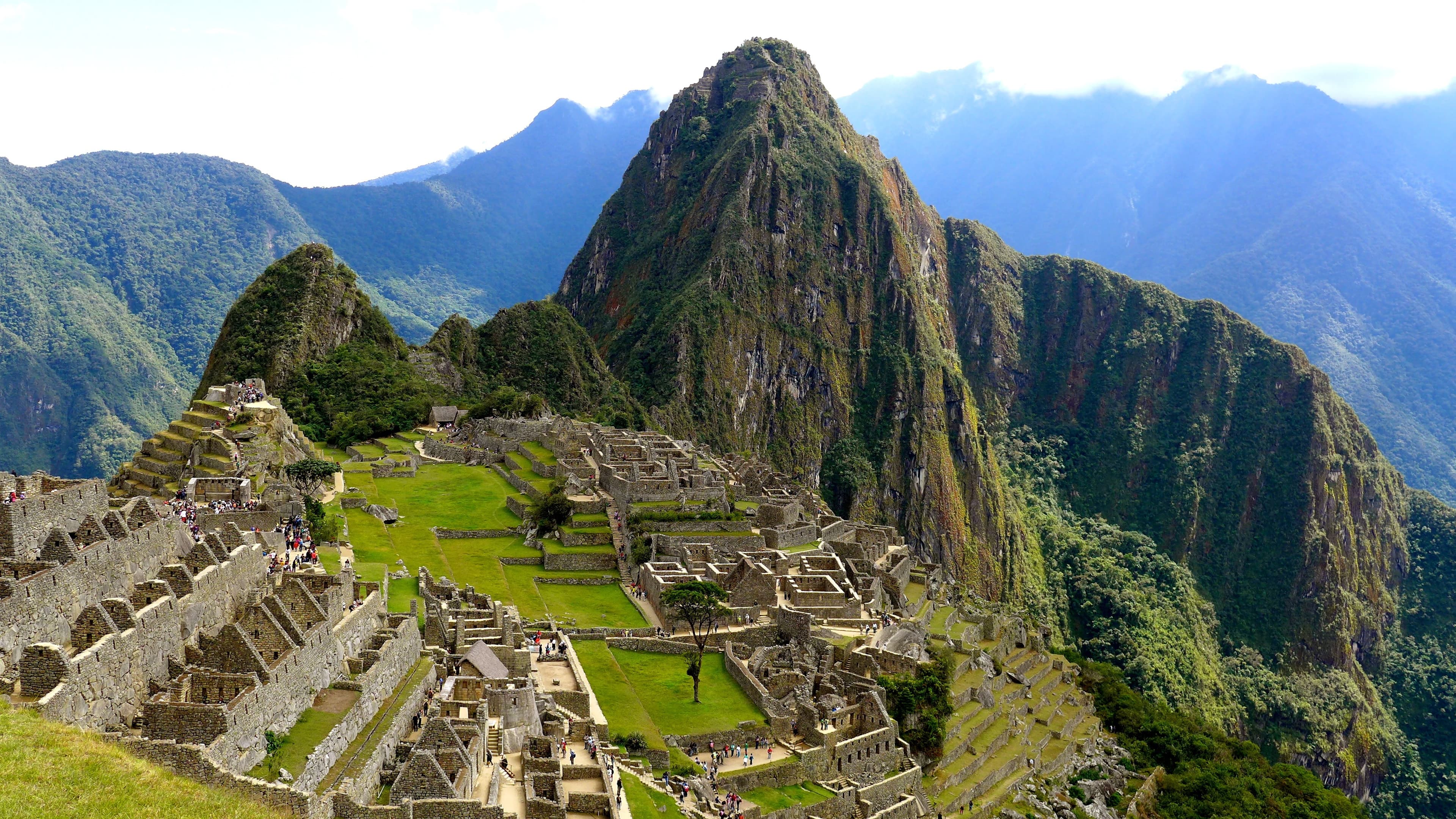
This morning, embark on one of the world's most spectacular rail journeys on a Vistadome train that climbs through breathtaking landscapes to the legendary Machu Picchu. The most famous archaeological site in South America, this mountaintop citadel was built by the Incas in the 15th century but remained lost to history until it was rediscovered in the early 1900s. Explore the enigmatic ruins with expert guides, delving into the mysteries of this timeless site.
As night falls, retreat to your comfortable hotel in the nearby town of Aguas Calientes.
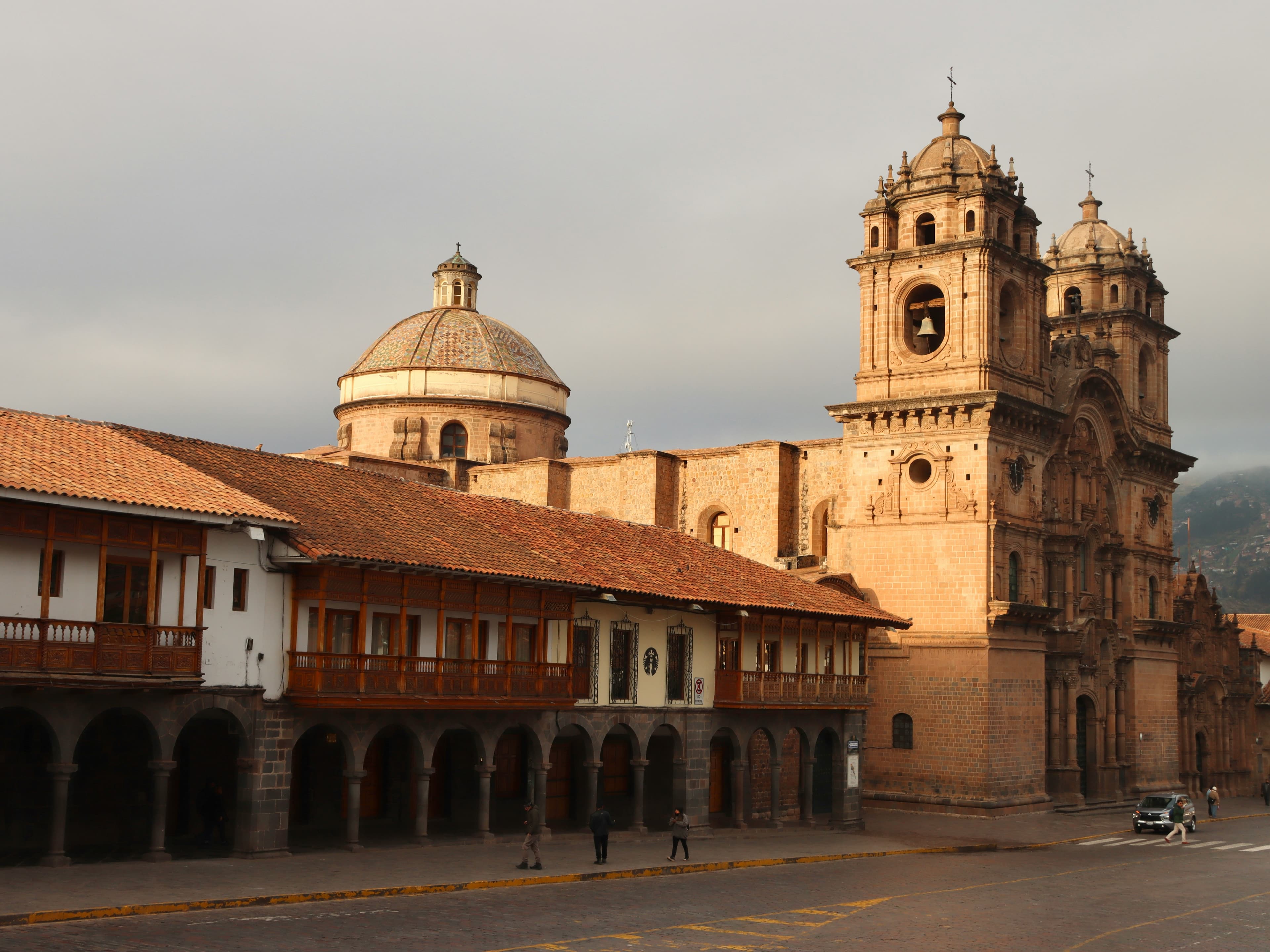
Continue your journey by train to the charming city of Cuzco, the imperial capital of the Incas. The oldest continually occupied city on the continent, it sits at a soaring 3,399 metres above sea level, making it one of the highest settlements in the world.
You will be welcomed to the luxurious Palacio del Inka, a Luxury Collection Hotel. Set inside a 500-year-old mansion, enjoy a two-night Scenic Special Stay ensconced in the heart of this storied city, surrounded by opulence and history.
Unravel the secrets of Cuzco as you wander through its cobblestone streets and past grand architecture. On your walking tour, you will uncover the history of this World Heritage-listed site where ancient Incan ruins sit alongside colonial whitewashed houses and Baroque palaces. Your final stop will be the imposing ruins of Sacsayhuamán fortress, where the carved stone blocks form the shape of a puma’s head.
Experience vibrant local culture as you explore the bustling San Pedro Market, where traditions, aromas and flavours create an authentic cultural encounter at every turn.
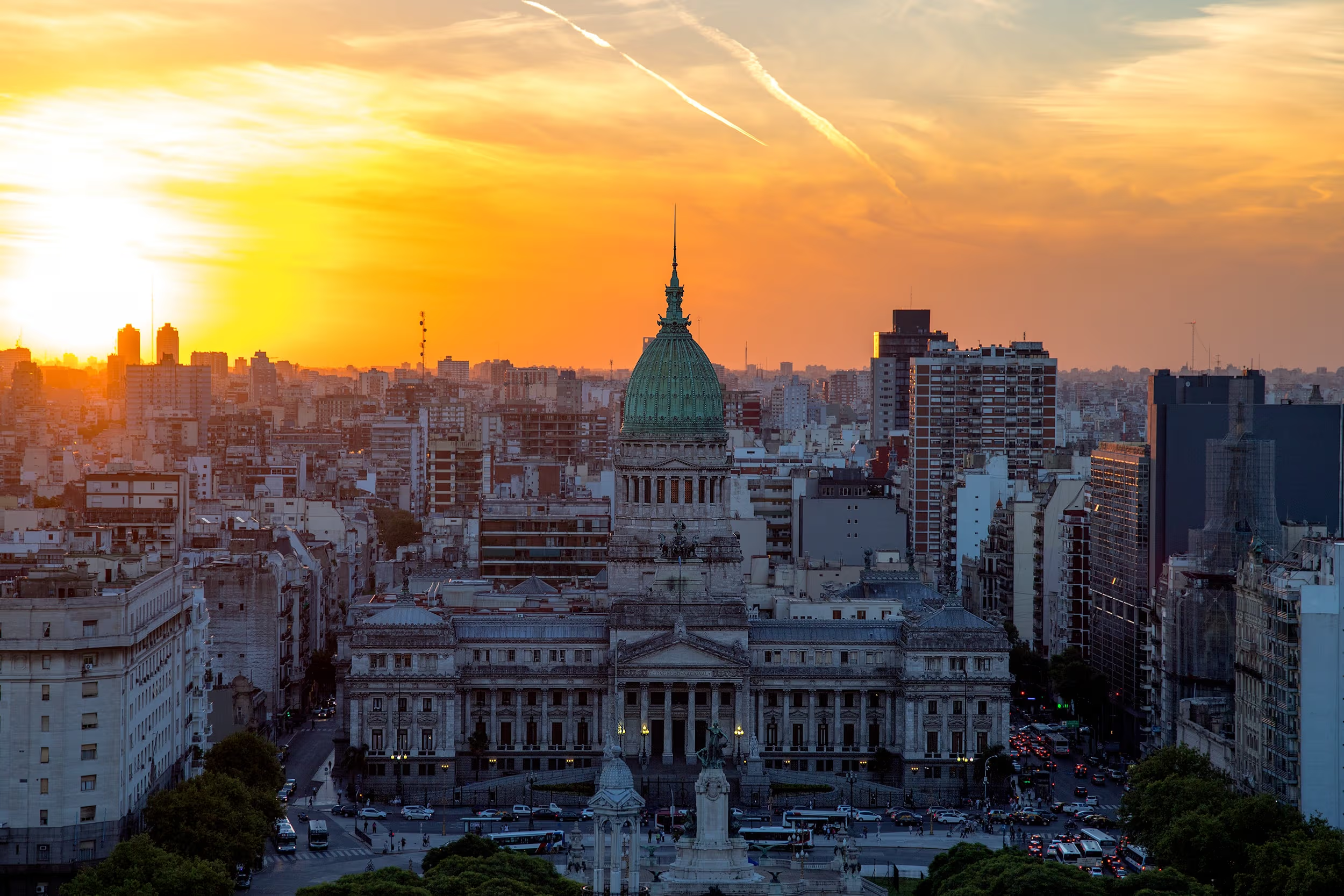
Welcome to Buenos Aires. The colourful Argentine capital is known as the ‘Paris of the Americas’ and is an elegant city with pockets of unique character. Check in to your hotel for a two-night stay.
Glamorous and gritty, Buenos Aires is two cities in one. What makes Argentina's capital so fascinating is its dual heritage—part European, part Latin American. Plaza de Mayo resembles a grand square in Madrid, and the ornate Teatro Colón would not be out of place in Vienna. But you’ll know you’re in South America by the leather shoes for sale on cobbled streets and impromptu parades of triumphant soccer fans. Limited-production wines, juicy steaks, and ice cream in countless flavors are among the old-world imports the city has perfected.
Glamorous and gritty, Buenos Aires is two cities in one. What makes Argentina's capital so fascinating is its dual heritage—part European, part Latin American. Plaza de Mayo resembles a grand square in Madrid, and the ornate Teatro Colón would not be out of place in Vienna. But you’ll know you’re in South America by the leather shoes for sale on cobbled streets and impromptu parades of triumphant soccer fans. Limited-production wines, juicy steaks, and ice cream in countless flavors are among the old-world imports the city has perfected.
Glamorous and gritty, Buenos Aires is two cities in one. What makes Argentina's capital so fascinating is its dual heritage—part European, part Latin American. Plaza de Mayo resembles a grand square in Madrid, and the ornate Teatro Colón would not be out of place in Vienna. But you’ll know you’re in South America by the leather shoes for sale on cobbled streets and impromptu parades of triumphant soccer fans. Limited-production wines, juicy steaks, and ice cream in countless flavors are among the old-world imports the city has perfected.
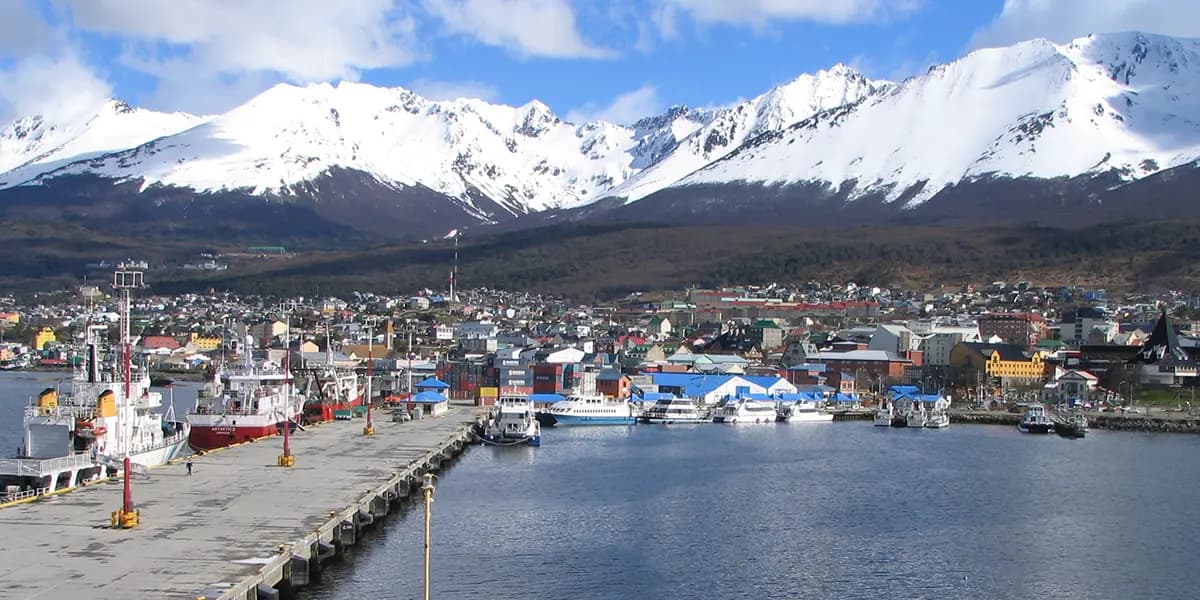
At 55 degrees latitude south, Ushuaia (pronounced oo-swy-ah) is closer to the South Pole than to Argentina's northern border with Bolivia. It is the capital and tourism base for Tierra del Fuego, the island at the southernmost tip of Argentina.Although its stark physical beauty is striking, Tierra del Fuego's historical allure is based more on its mythical past than on rugged reality. The island was inhabited for 6,000 years by Yámana, Haush, Selk'nam, and Alakaluf Indians. But in 1902 Argentina, eager to populate Patagonia to bolster its territorial claims, moved to initiate an Ushuaian penal colony, establishing the permanent settlement of its most southern territories and, by implication, everything in between.When the prison closed in 1947, Ushuaia had a population of about 3,000, made up mainly of former inmates and prison staff. Today the Indians of Darwin's "missing link" theory are long gone—wiped out by diseases brought by settlers and by indifference to their plight—and the 60,000 residents of Ushuaia are hitching their star to tourism.The city rightly (if perhaps too loudly) promotes itself as the southernmost city in the world (Puerto Williams, a few miles south on the Chilean side of the Beagle Channel, is a small town). You can make your way to the tourism office to get your clichéd, but oh-so-necessary, "Southernmost City in the World" passport stamp. Ushuaia feels like a frontier boomtown, at heart still a rugged, weather-beaten fishing village, but exhibiting the frayed edges of a city that quadrupled in size in the '70s and '80s and just keeps growing. Unpaved portions of Ruta 3, the last stretch of the Pan-American Highway, which connects Alaska to Tierra del Fuego, are finally being paved. The summer months (December through March) draw more than 120,000 visitors, and dozens of cruise ships. The city is trying to extend those visits with events like March's Marathon at the End of the World and by increasing the gamut of winter activities buoyed by the excellent snow conditions.A terrific trail winds through the town up to the Martial Glacier, where a ski lift can help cut down a steep kilometer of your journey. The chaotic and contradictory urban landscape includes a handful of luxury hotels amid the concrete of public housing projects. Scores of "sled houses" (wooden shacks) sit precariously on upright piers, ready for speedy displacement to a different site. But there are also many small, picturesque homes with tiny, carefully tended gardens. Many of the newer homes are built in a Swiss-chalet style, reinforcing the idea that this is a town into which tourism has breathed new life. At the same time, the weather-worn pastel colors that dominate the town's landscape remind you that Ushuaia was once just a tiny fishing village, snuggled at the end of the Earth.As you stand on the banks of the Canal Beagle (Beagle Channel) near Ushuaia, the spirit of the farthest corner of the world takes hold. What stands out is the light: at sundown the landscape is cast in a subdued, sensual tone; everything feels closer, softer, and more human in dimension despite the vastness of the setting. The snowcapped mountains reflect the setting sun back onto a stream rolling into the channel, as nearby peaks echo their image—on a windless day—in the still waters.Above the city rise the last mountains of the Andean Cordillera, and just south and west of Ushuaia they finally vanish into the often-stormy sea. Snow whitens the peaks well into summer. Nature is the principal attraction here, with trekking, fishing, horseback riding, wildlife spotting, and sailing among the most rewarding activities, especially in the Parque Nacional Tierra del Fuego (Tierra del Fuego National Park).
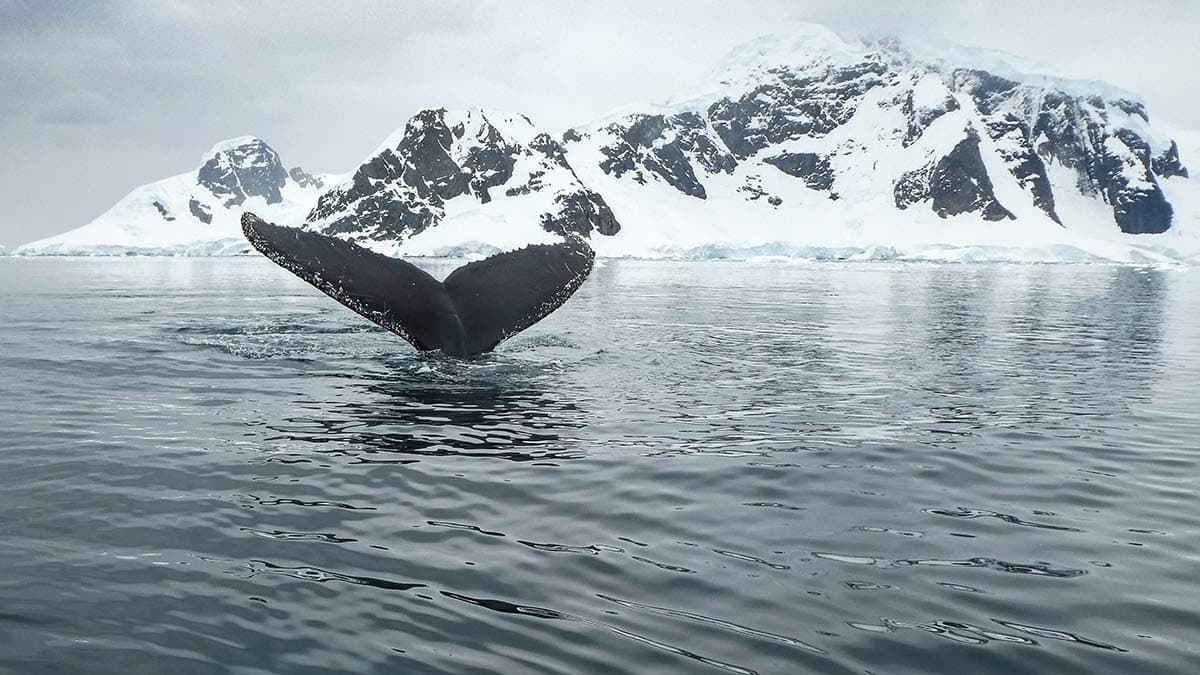
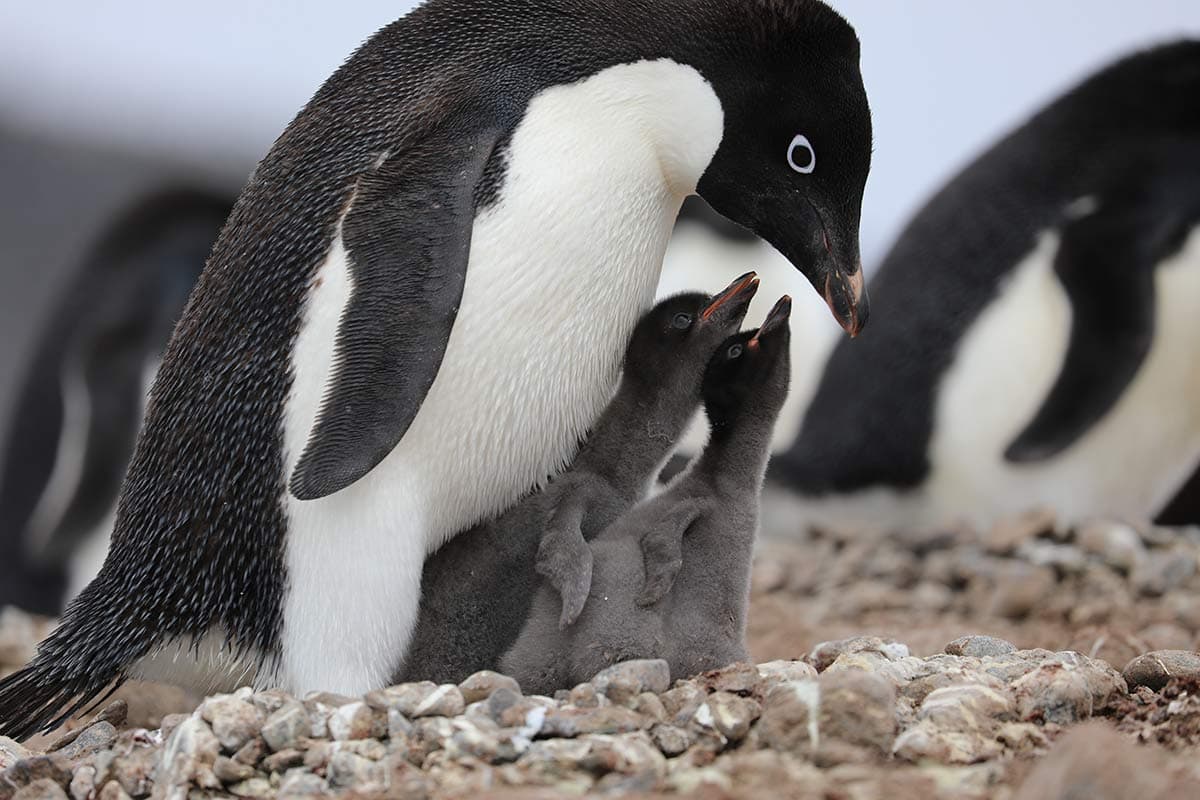
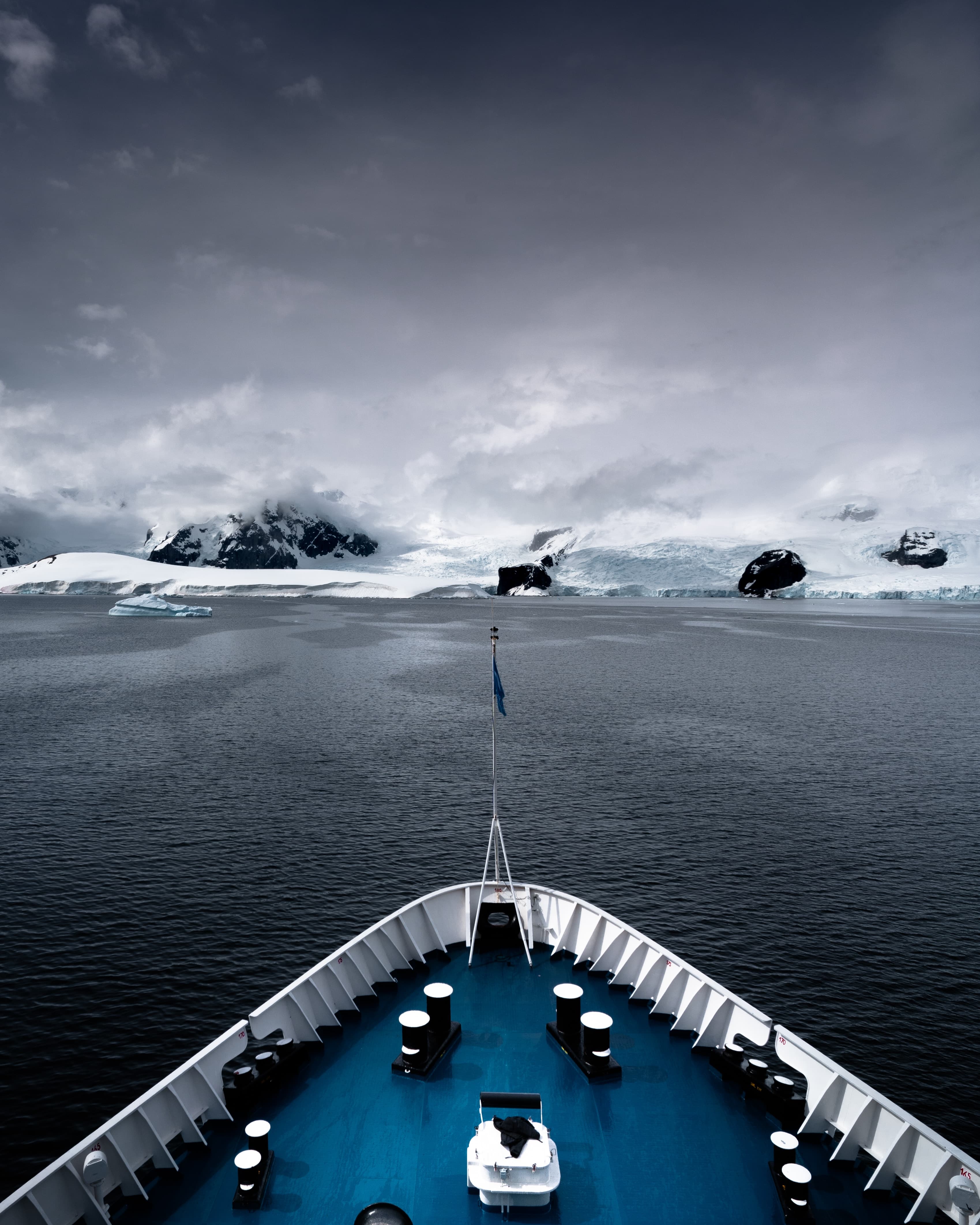
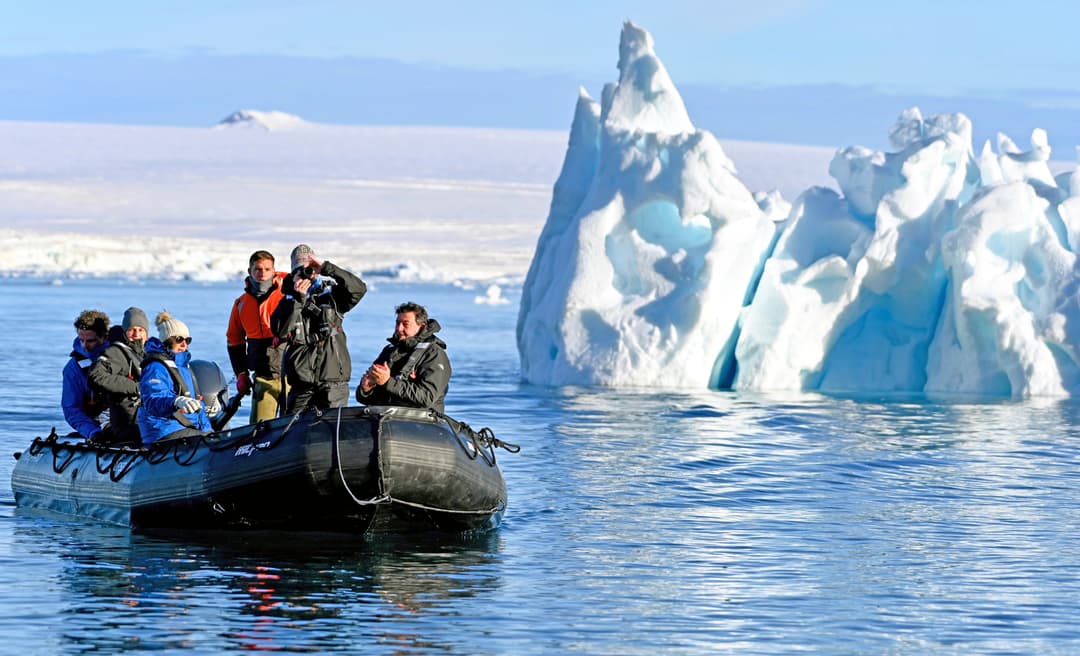
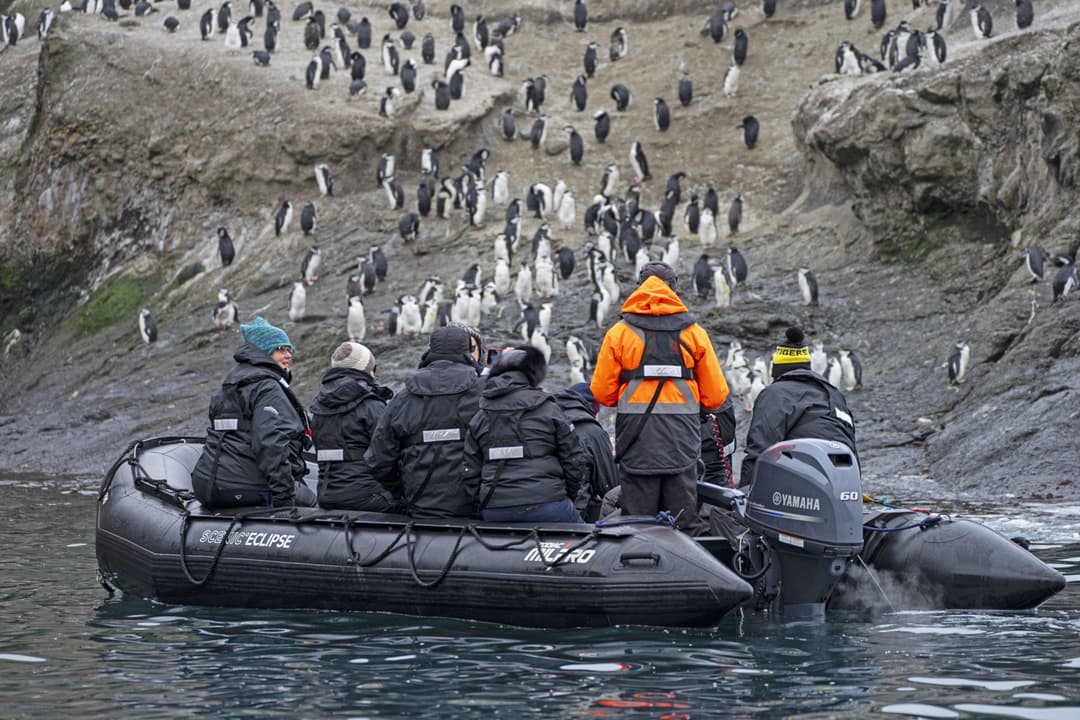
Remote and otherworldly, Antarctic is irresistible for its spectacular iceberg sculptures and calving glaciers, and for the possibility of up-close encounters with marine mammals and the iconic penguins. The Antarctic Peninsula – the main peninsula closest to South America – has a human history of almost 200 years, with explorers, sealers, whalers, and scientists who have come to work, and eventually intrepid visitors coming to enjoy this pristine and remote wilderness. It is a region of protected bays, unscaled snow-capped mountains, vast glaciers and a few places where whalers or scientists have worked. Just as irresistible are the many Gentoo and Chinstrap Penguin colonies, the seals basking on ice floes, the whales and orcas.
Remote and otherworldly, Antarctic is irresistible for its spectacular iceberg sculptures and calving glaciers, and for the possibility of up-close encounters with marine mammals and the iconic penguins. The Antarctic Peninsula – the main peninsula closest to South America – has a human history of almost 200 years, with explorers, sealers, whalers, and scientists who have come to work, and eventually intrepid visitors coming to enjoy this pristine and remote wilderness. It is a region of protected bays, unscaled snow-capped mountains, vast glaciers and a few places where whalers or scientists have worked. Just as irresistible are the many Gentoo and Chinstrap Penguin colonies, the seals basking on ice floes, the whales and orcas.
Remote and otherworldly, Antarctic is irresistible for its spectacular iceberg sculptures and calving glaciers, and for the possibility of up-close encounters with marine mammals and the iconic penguins. The Antarctic Peninsula – the main peninsula closest to South America – has a human history of almost 200 years, with explorers, sealers, whalers, and scientists who have come to work, and eventually intrepid visitors coming to enjoy this pristine and remote wilderness. It is a region of protected bays, unscaled snow-capped mountains, vast glaciers and a few places where whalers or scientists have worked. Just as irresistible are the many Gentoo and Chinstrap Penguin colonies, the seals basking on ice floes, the whales and orcas.
Remote and otherworldly, Antarctic is irresistible for its spectacular iceberg sculptures and calving glaciers, and for the possibility of up-close encounters with marine mammals and the iconic penguins. The Antarctic Peninsula – the main peninsula closest to South America – has a human history of almost 200 years, with explorers, sealers, whalers, and scientists who have come to work, and eventually intrepid visitors coming to enjoy this pristine and remote wilderness. It is a region of protected bays, unscaled snow-capped mountains, vast glaciers and a few places where whalers or scientists have worked. Just as irresistible are the many Gentoo and Chinstrap Penguin colonies, the seals basking on ice floes, the whales and orcas.
Remote and otherworldly, Antarctic is irresistible for its spectacular iceberg sculptures and calving glaciers, and for the possibility of up-close encounters with marine mammals and the iconic penguins. The Antarctic Peninsula – the main peninsula closest to South America – has a human history of almost 200 years, with explorers, sealers, whalers, and scientists who have come to work, and eventually intrepid visitors coming to enjoy this pristine and remote wilderness. It is a region of protected bays, unscaled snow-capped mountains, vast glaciers and a few places where whalers or scientists have worked. Just as irresistible are the many Gentoo and Chinstrap Penguin colonies, the seals basking on ice floes, the whales and orcas.
Remote and otherworldly, Antarctic is irresistible for its spectacular iceberg sculptures and calving glaciers, and for the possibility of up-close encounters with marine mammals and the iconic penguins. The Antarctic Peninsula – the main peninsula closest to South America – has a human history of almost 200 years, with explorers, sealers, whalers, and scientists who have come to work, and eventually intrepid visitors coming to enjoy this pristine and remote wilderness. It is a region of protected bays, unscaled snow-capped mountains, vast glaciers and a few places where whalers or scientists have worked. Just as irresistible are the many Gentoo and Chinstrap Penguin colonies, the seals basking on ice floes, the whales and orcas.
Remote and otherworldly, Antarctic is irresistible for its spectacular iceberg sculptures and calving glaciers, and for the possibility of up-close encounters with marine mammals and the iconic penguins. The Antarctic Peninsula – the main peninsula closest to South America – has a human history of almost 200 years, with explorers, sealers, whalers, and scientists who have come to work, and eventually intrepid visitors coming to enjoy this pristine and remote wilderness. It is a region of protected bays, unscaled snow-capped mountains, vast glaciers and a few places where whalers or scientists have worked. Just as irresistible are the many Gentoo and Chinstrap Penguin colonies, the seals basking on ice floes, the whales and orcas.
At 55 degrees latitude south, Ushuaia (pronounced oo-swy-ah) is closer to the South Pole than to Argentina's northern border with Bolivia. It is the capital and tourism base for Tierra del Fuego, the island at the southernmost tip of Argentina.Although its stark physical beauty is striking, Tierra del Fuego's historical allure is based more on its mythical past than on rugged reality. The island was inhabited for 6,000 years by Yámana, Haush, Selk'nam, and Alakaluf Indians. But in 1902 Argentina, eager to populate Patagonia to bolster its territorial claims, moved to initiate an Ushuaian penal colony, establishing the permanent settlement of its most southern territories and, by implication, everything in between.When the prison closed in 1947, Ushuaia had a population of about 3,000, made up mainly of former inmates and prison staff. Today the Indians of Darwin's "missing link" theory are long gone—wiped out by diseases brought by settlers and by indifference to their plight—and the 60,000 residents of Ushuaia are hitching their star to tourism.The city rightly (if perhaps too loudly) promotes itself as the southernmost city in the world (Puerto Williams, a few miles south on the Chilean side of the Beagle Channel, is a small town). You can make your way to the tourism office to get your clichéd, but oh-so-necessary, "Southernmost City in the World" passport stamp. Ushuaia feels like a frontier boomtown, at heart still a rugged, weather-beaten fishing village, but exhibiting the frayed edges of a city that quadrupled in size in the '70s and '80s and just keeps growing. Unpaved portions of Ruta 3, the last stretch of the Pan-American Highway, which connects Alaska to Tierra del Fuego, are finally being paved. The summer months (December through March) draw more than 120,000 visitors, and dozens of cruise ships. The city is trying to extend those visits with events like March's Marathon at the End of the World and by increasing the gamut of winter activities buoyed by the excellent snow conditions.A terrific trail winds through the town up to the Martial Glacier, where a ski lift can help cut down a steep kilometer of your journey. The chaotic and contradictory urban landscape includes a handful of luxury hotels amid the concrete of public housing projects. Scores of "sled houses" (wooden shacks) sit precariously on upright piers, ready for speedy displacement to a different site. But there are also many small, picturesque homes with tiny, carefully tended gardens. Many of the newer homes are built in a Swiss-chalet style, reinforcing the idea that this is a town into which tourism has breathed new life. At the same time, the weather-worn pastel colors that dominate the town's landscape remind you that Ushuaia was once just a tiny fishing village, snuggled at the end of the Earth.As you stand on the banks of the Canal Beagle (Beagle Channel) near Ushuaia, the spirit of the farthest corner of the world takes hold. What stands out is the light: at sundown the landscape is cast in a subdued, sensual tone; everything feels closer, softer, and more human in dimension despite the vastness of the setting. The snowcapped mountains reflect the setting sun back onto a stream rolling into the channel, as nearby peaks echo their image—on a windless day—in the still waters.Above the city rise the last mountains of the Andean Cordillera, and just south and west of Ushuaia they finally vanish into the often-stormy sea. Snow whitens the peaks well into summer. Nature is the principal attraction here, with trekking, fishing, horseback riding, wildlife spotting, and sailing among the most rewarding activities, especially in the Parque Nacional Tierra del Fuego (Tierra del Fuego National Park).
At 55 degrees latitude south, Ushuaia (pronounced oo-swy-ah) is closer to the South Pole than to Argentina's northern border with Bolivia. It is the capital and tourism base for Tierra del Fuego, the island at the southernmost tip of Argentina.Although its stark physical beauty is striking, Tierra del Fuego's historical allure is based more on its mythical past than on rugged reality. The island was inhabited for 6,000 years by Yámana, Haush, Selk'nam, and Alakaluf Indians. But in 1902 Argentina, eager to populate Patagonia to bolster its territorial claims, moved to initiate an Ushuaian penal colony, establishing the permanent settlement of its most southern territories and, by implication, everything in between.When the prison closed in 1947, Ushuaia had a population of about 3,000, made up mainly of former inmates and prison staff. Today the Indians of Darwin's "missing link" theory are long gone—wiped out by diseases brought by settlers and by indifference to their plight—and the 60,000 residents of Ushuaia are hitching their star to tourism.The city rightly (if perhaps too loudly) promotes itself as the southernmost city in the world (Puerto Williams, a few miles south on the Chilean side of the Beagle Channel, is a small town). You can make your way to the tourism office to get your clichéd, but oh-so-necessary, "Southernmost City in the World" passport stamp. Ushuaia feels like a frontier boomtown, at heart still a rugged, weather-beaten fishing village, but exhibiting the frayed edges of a city that quadrupled in size in the '70s and '80s and just keeps growing. Unpaved portions of Ruta 3, the last stretch of the Pan-American Highway, which connects Alaska to Tierra del Fuego, are finally being paved. The summer months (December through March) draw more than 120,000 visitors, and dozens of cruise ships. The city is trying to extend those visits with events like March's Marathon at the End of the World and by increasing the gamut of winter activities buoyed by the excellent snow conditions.A terrific trail winds through the town up to the Martial Glacier, where a ski lift can help cut down a steep kilometer of your journey. The chaotic and contradictory urban landscape includes a handful of luxury hotels amid the concrete of public housing projects. Scores of "sled houses" (wooden shacks) sit precariously on upright piers, ready for speedy displacement to a different site. But there are also many small, picturesque homes with tiny, carefully tended gardens. Many of the newer homes are built in a Swiss-chalet style, reinforcing the idea that this is a town into which tourism has breathed new life. At the same time, the weather-worn pastel colors that dominate the town's landscape remind you that Ushuaia was once just a tiny fishing village, snuggled at the end of the Earth.As you stand on the banks of the Canal Beagle (Beagle Channel) near Ushuaia, the spirit of the farthest corner of the world takes hold. What stands out is the light: at sundown the landscape is cast in a subdued, sensual tone; everything feels closer, softer, and more human in dimension despite the vastness of the setting. The snowcapped mountains reflect the setting sun back onto a stream rolling into the channel, as nearby peaks echo their image—on a windless day—in the still waters.Above the city rise the last mountains of the Andean Cordillera, and just south and west of Ushuaia they finally vanish into the often-stormy sea. Snow whitens the peaks well into summer. Nature is the principal attraction here, with trekking, fishing, horseback riding, wildlife spotting, and sailing among the most rewarding activities, especially in the Parque Nacional Tierra del Fuego (Tierra del Fuego National Park).
Glamorous and gritty, Buenos Aires is two cities in one. What makes Argentina's capital so fascinating is its dual heritage—part European, part Latin American. Plaza de Mayo resembles a grand square in Madrid, and the ornate Teatro Colón would not be out of place in Vienna. But you’ll know you’re in South America by the leather shoes for sale on cobbled streets and impromptu parades of triumphant soccer fans. Limited-production wines, juicy steaks, and ice cream in countless flavors are among the old-world imports the city has perfected.
About the Ship
Name
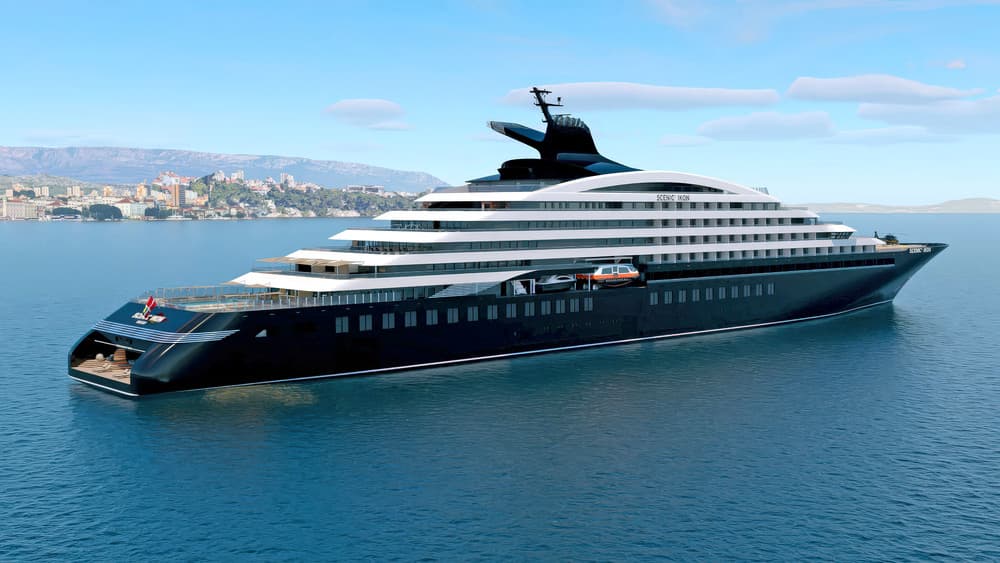
Scenic Ikon
Operator
Scenic Ocean Cruises

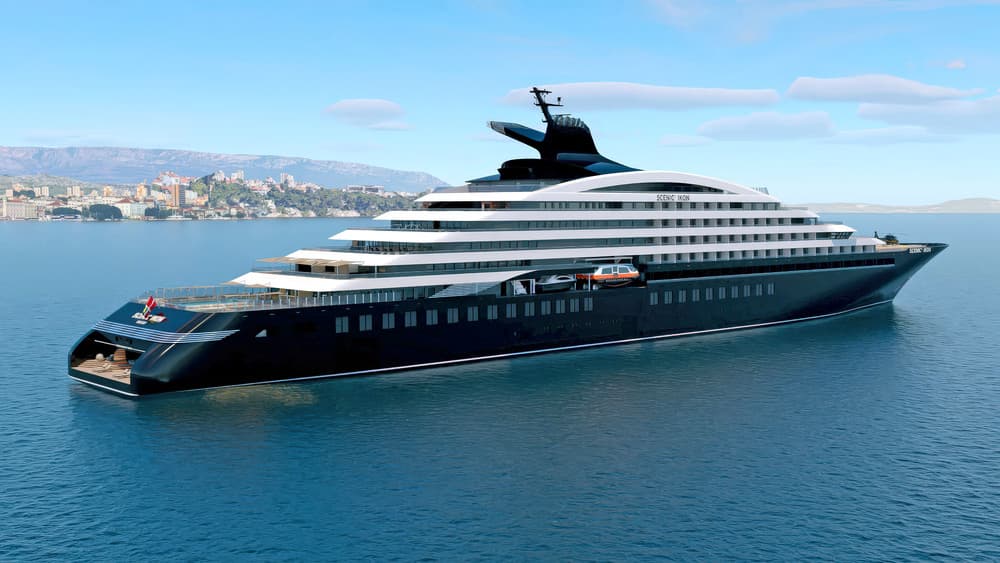
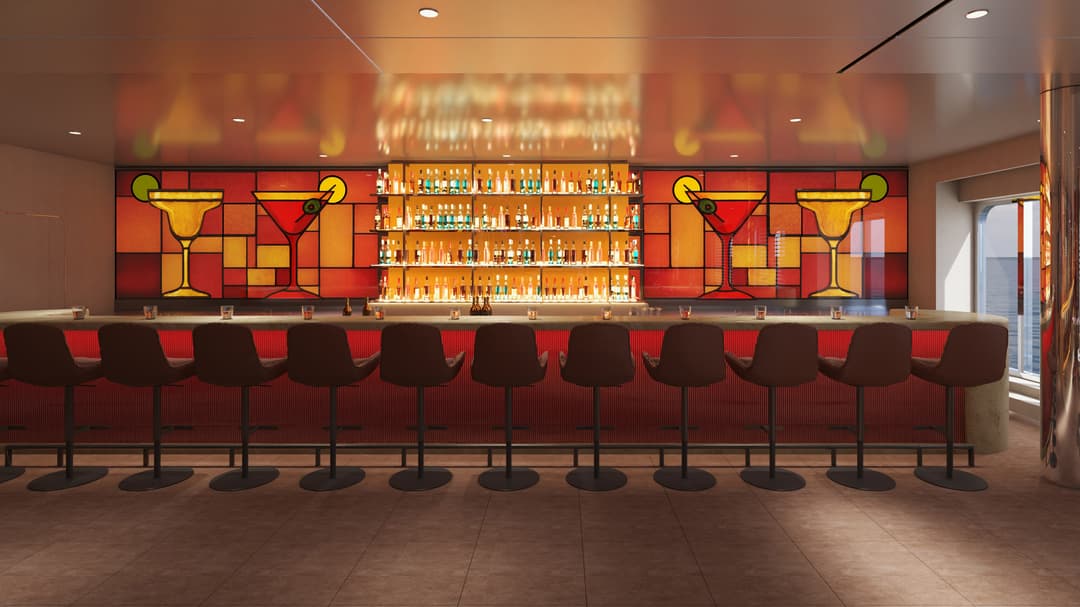
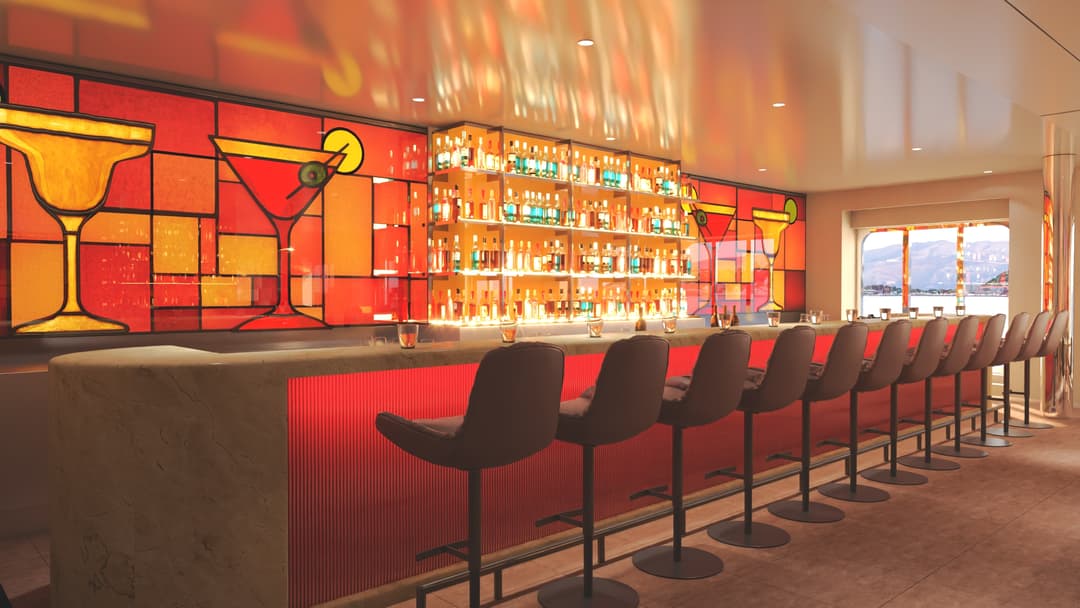
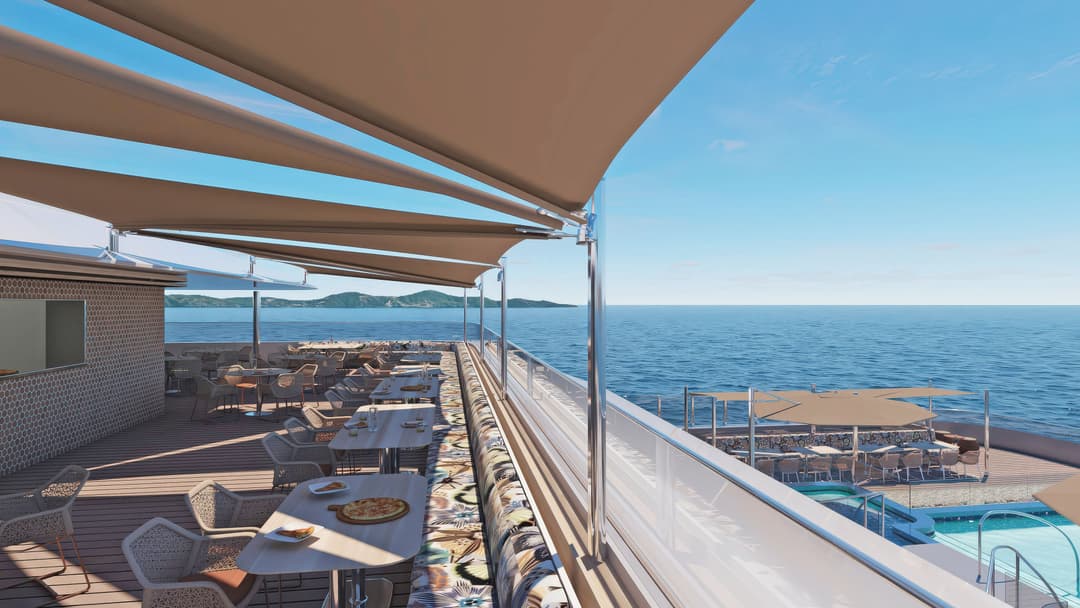
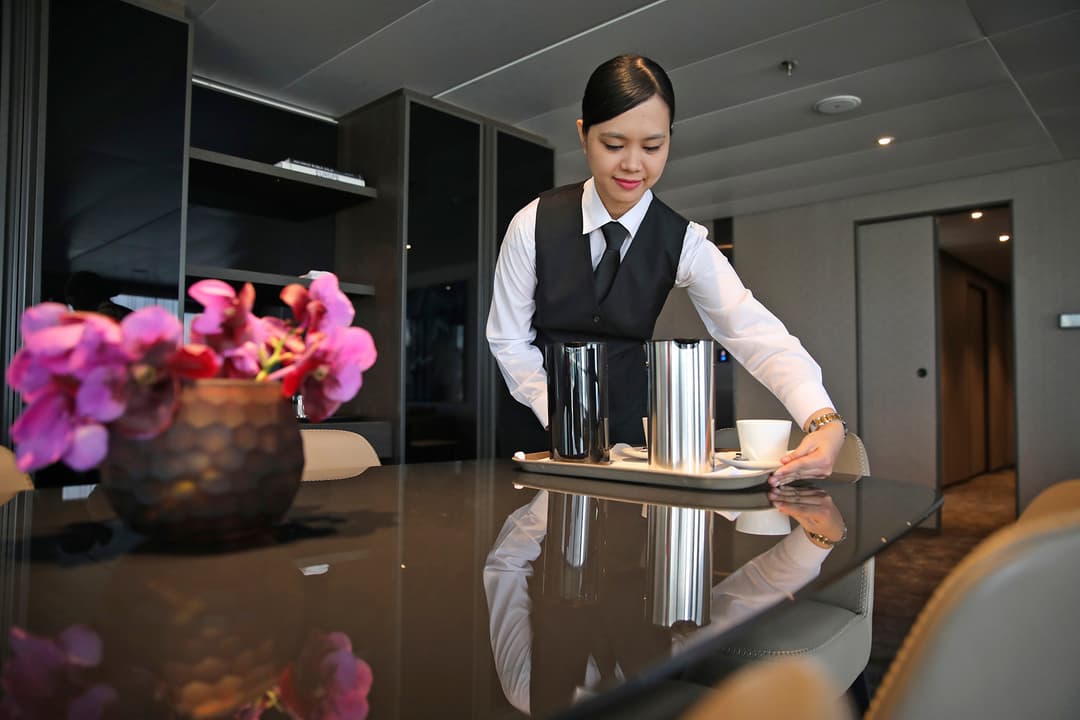
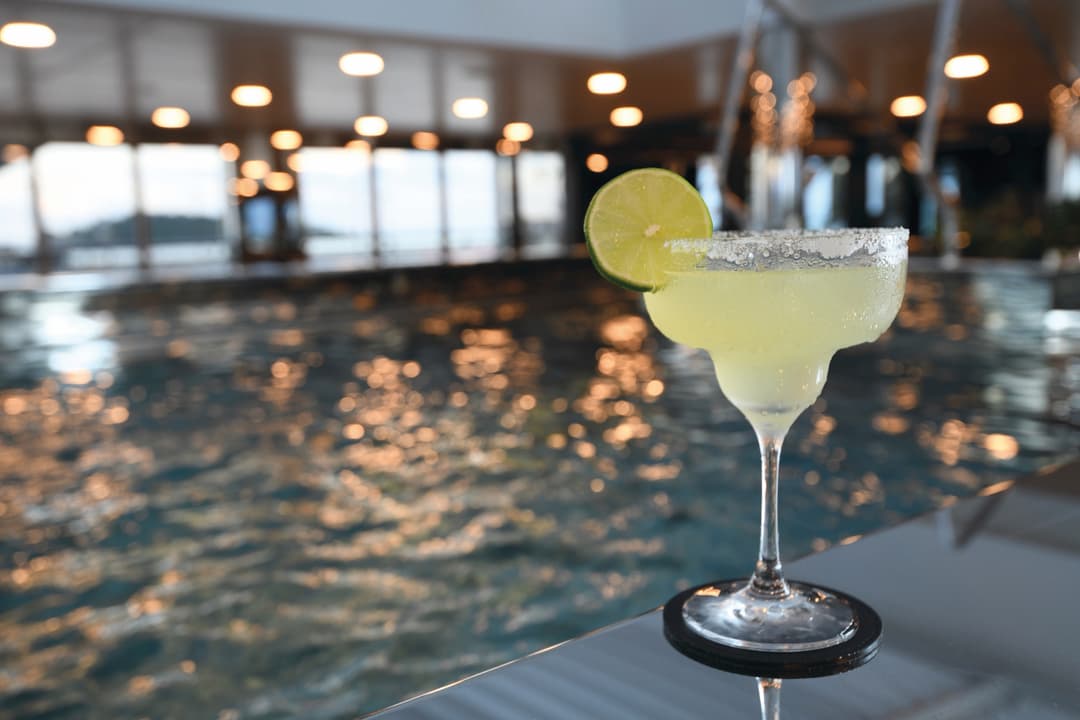
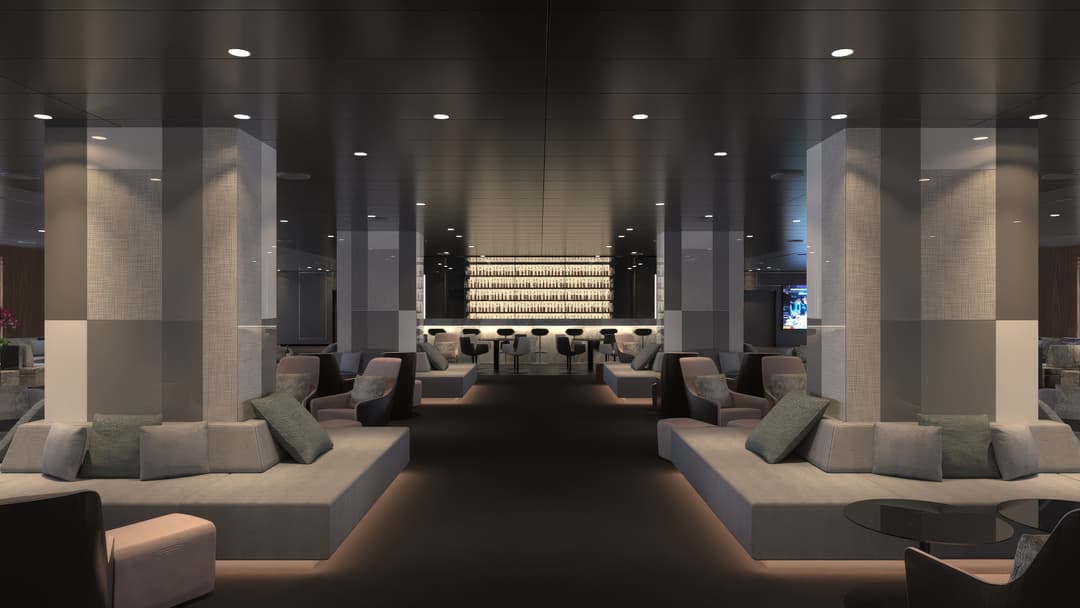
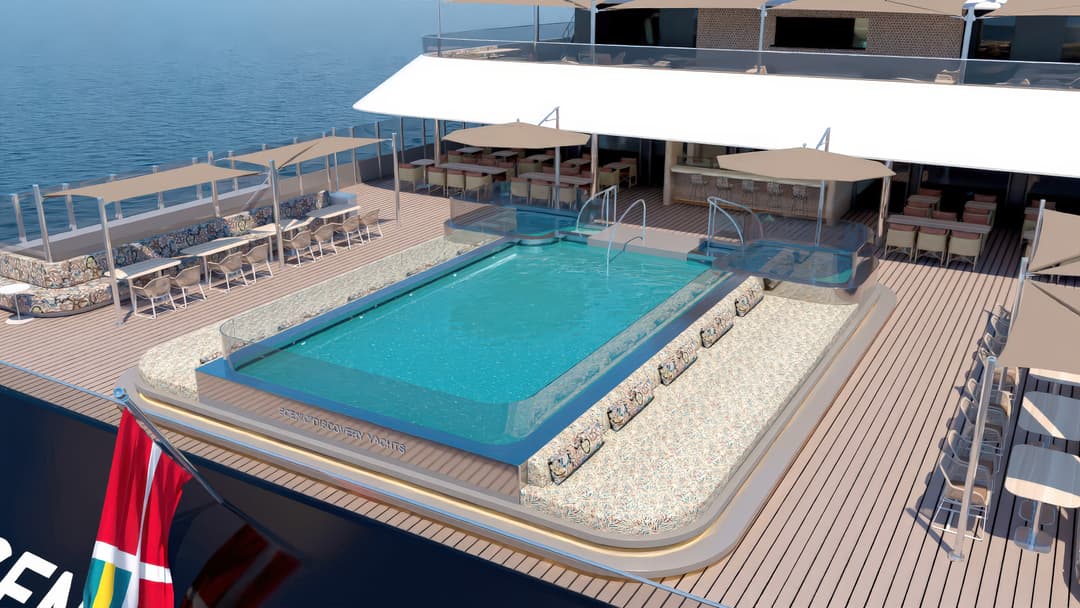
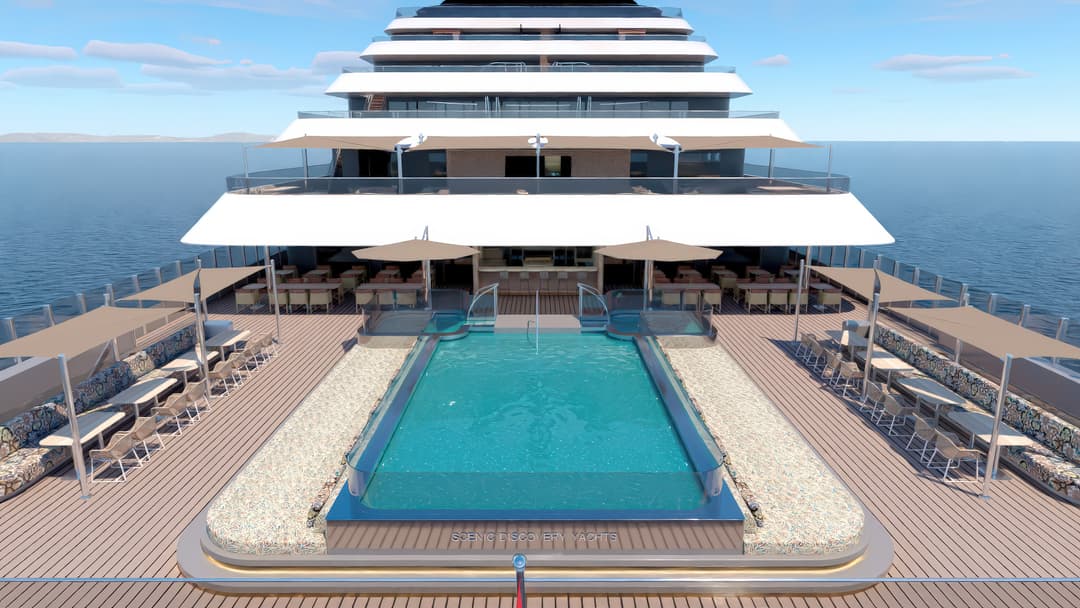
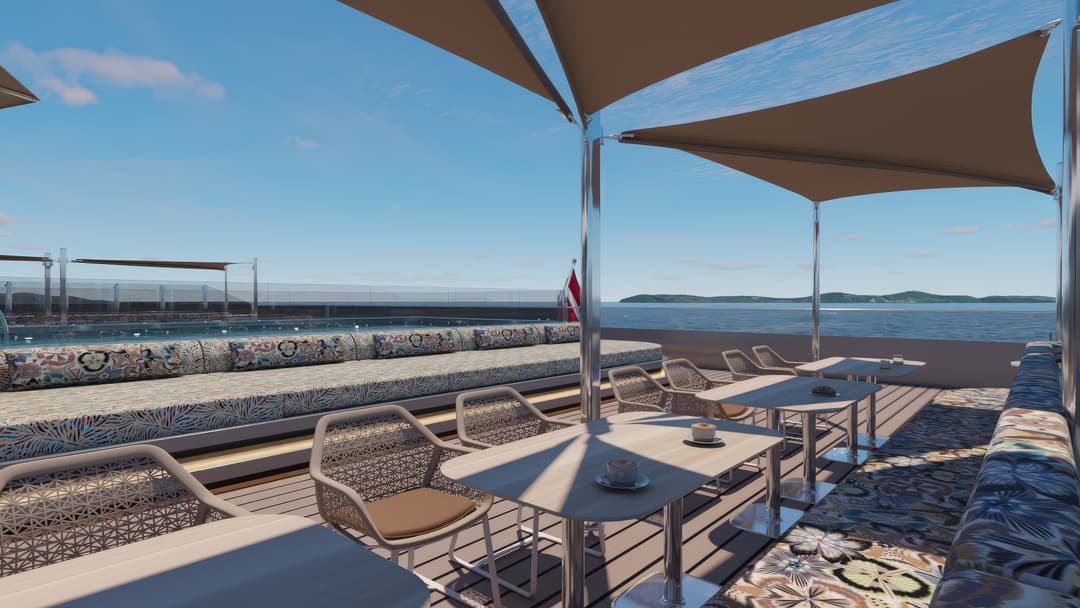
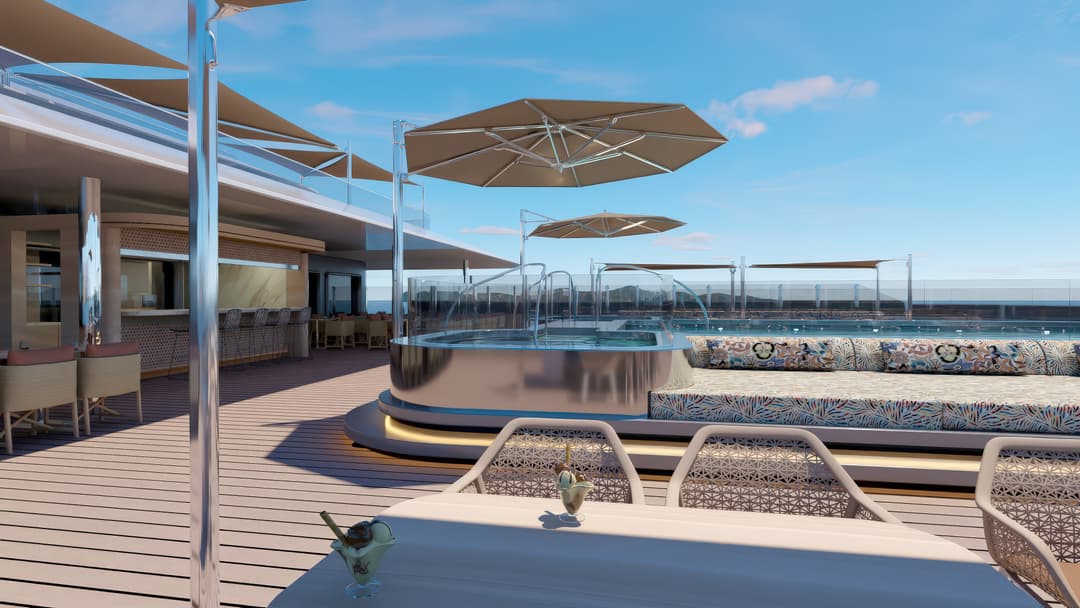
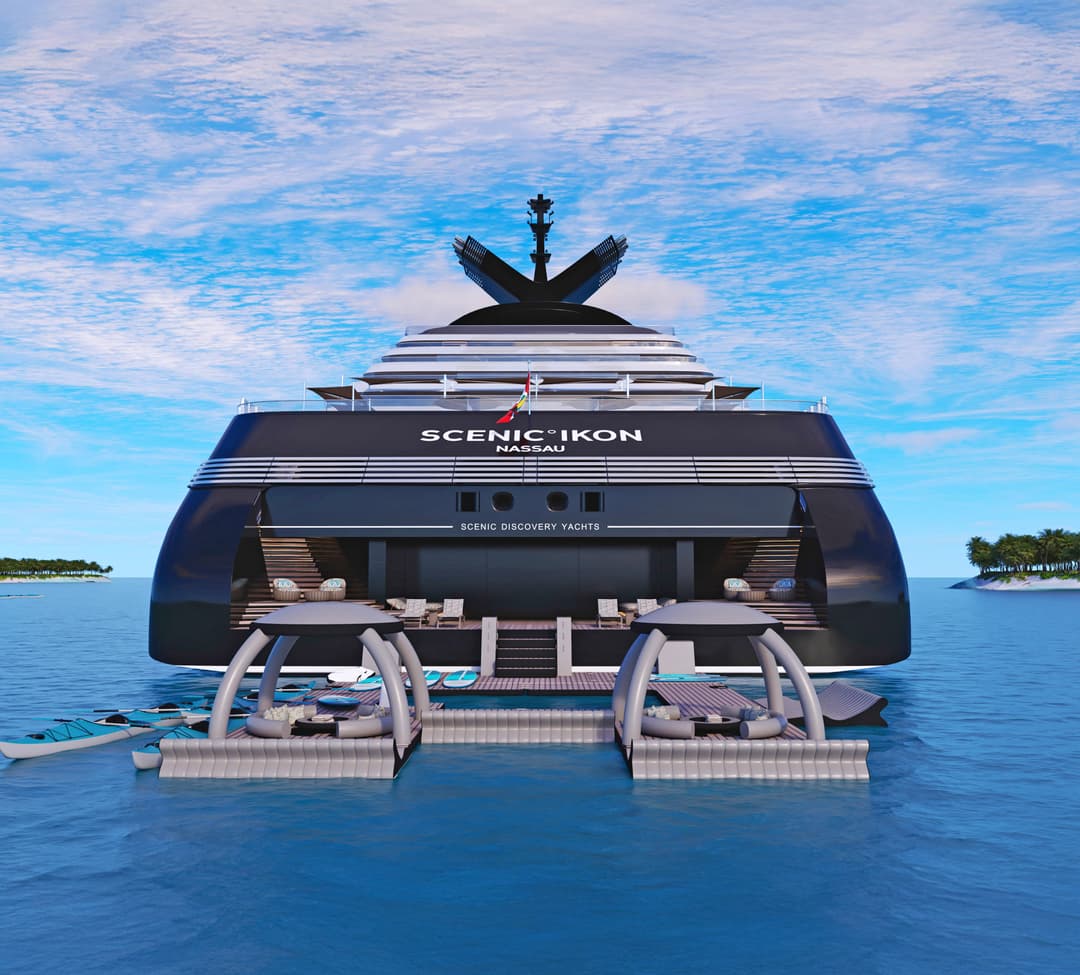
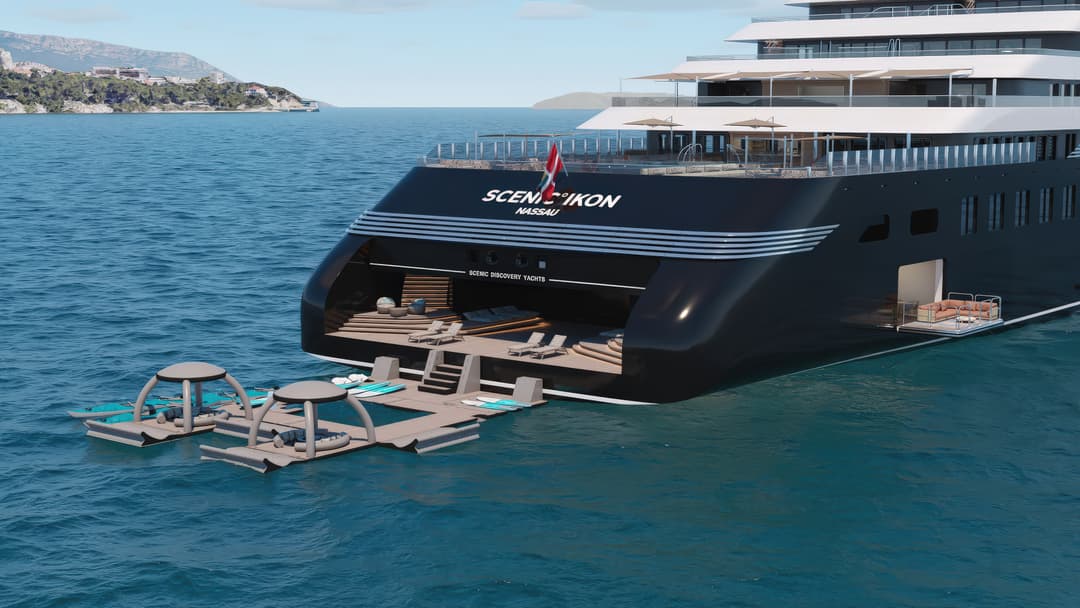
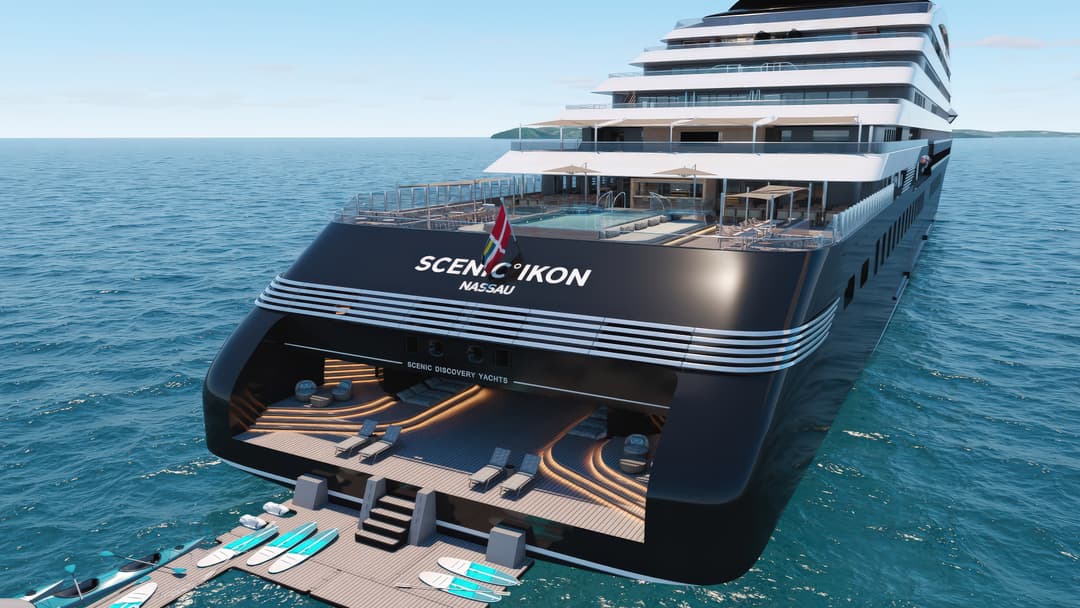
Launching in April 2028, Scenic Ikon will welcome guests into luxuriously appointed suites, 15 distinctive dining venues, expansive lounges and entertainment spaces.
Loading...
Culinary Excellence at Sea
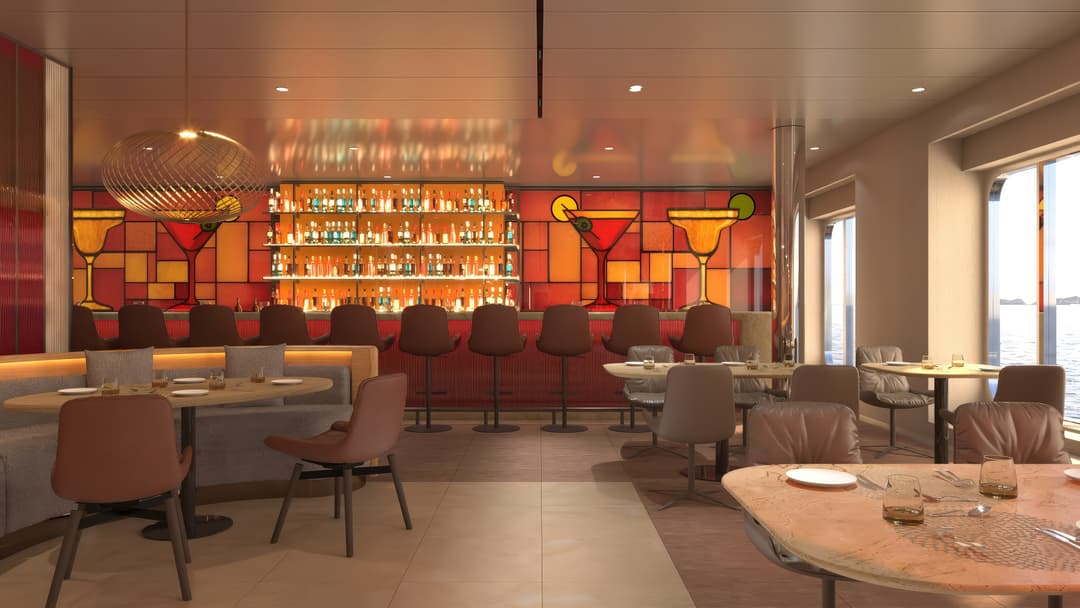
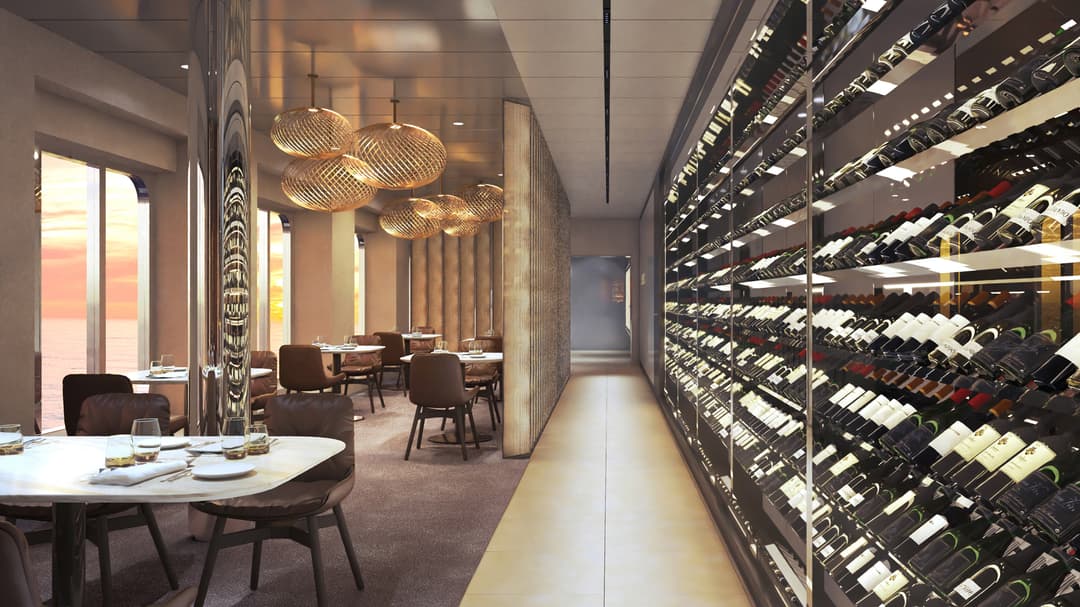
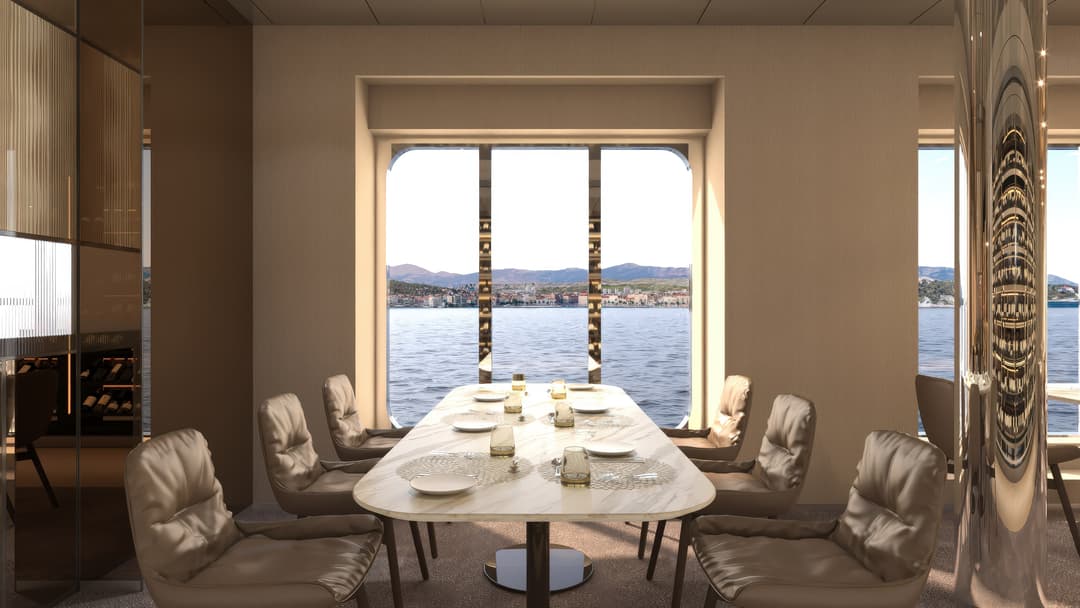
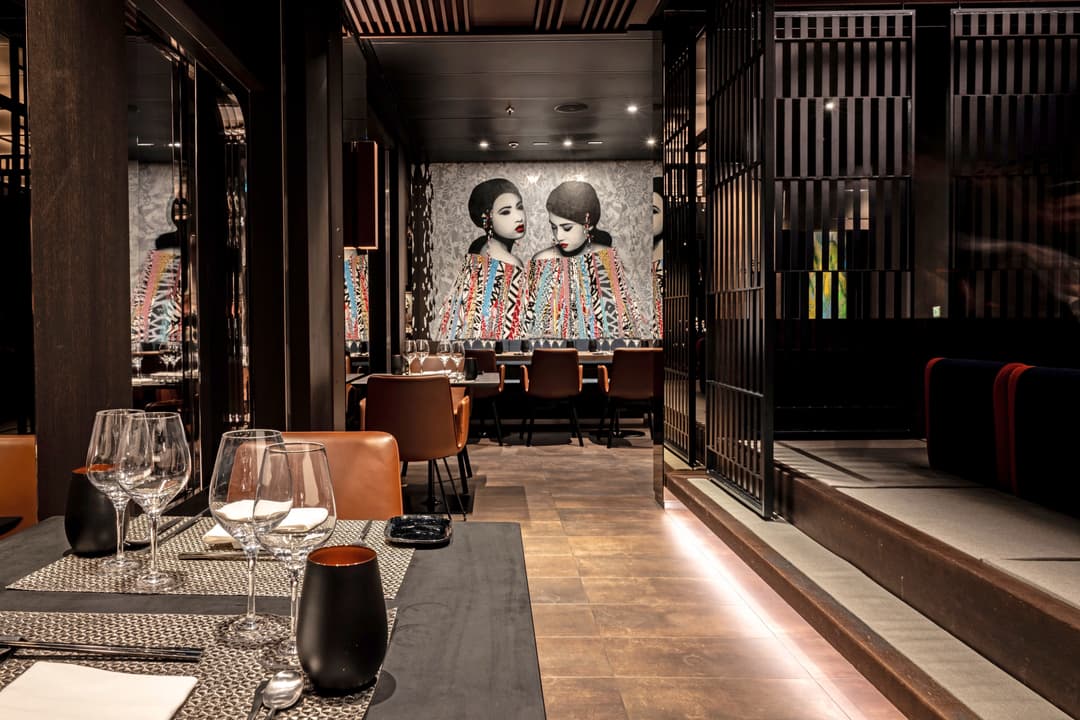
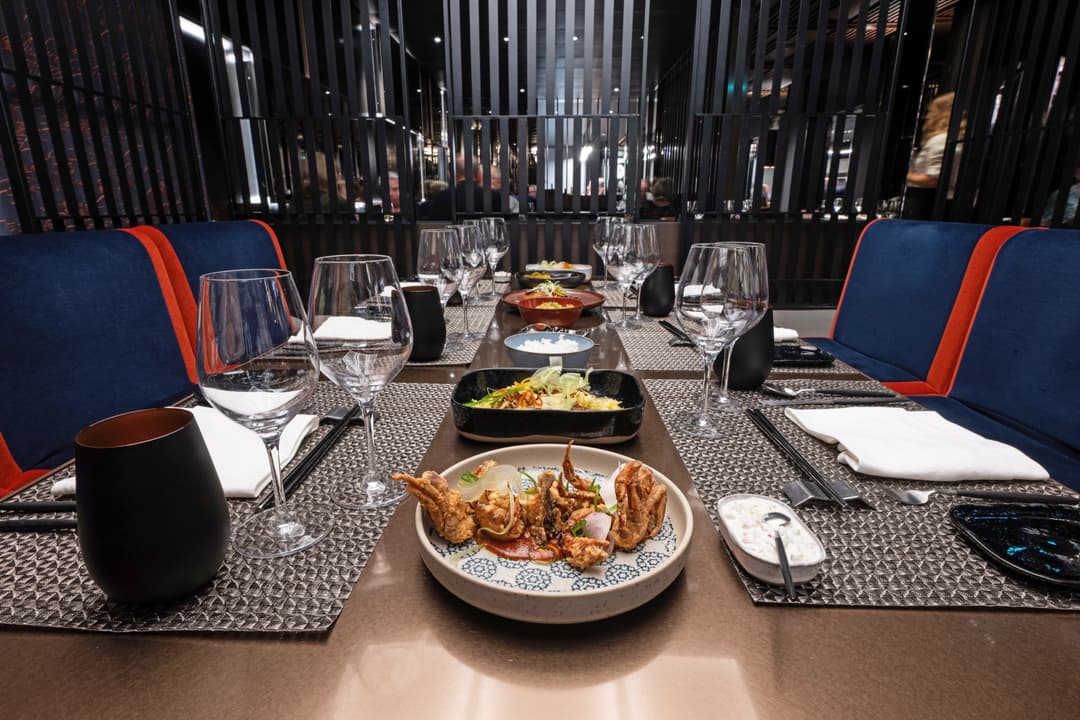
On Scenic Ikon, dining is an art form. Embark on a global culinary journey across 15 distinctive all-inclusive venues, each offering a unique experience.
Signature Scenic Discovery Yachts dining highlights culinary artistry, excellence and sustainably sourced ingredients.


Immersive Entertainment
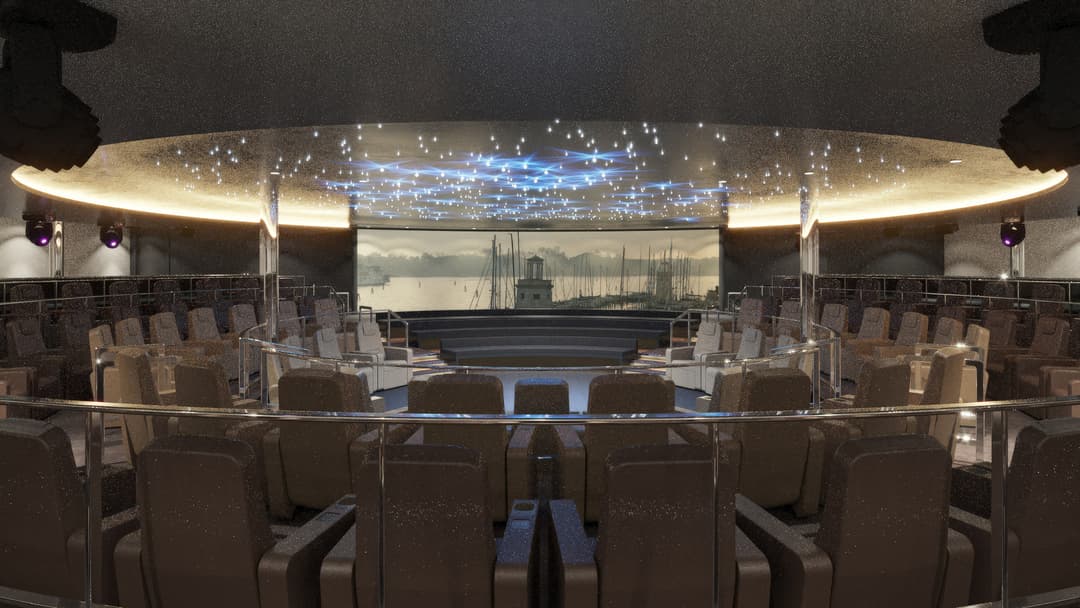
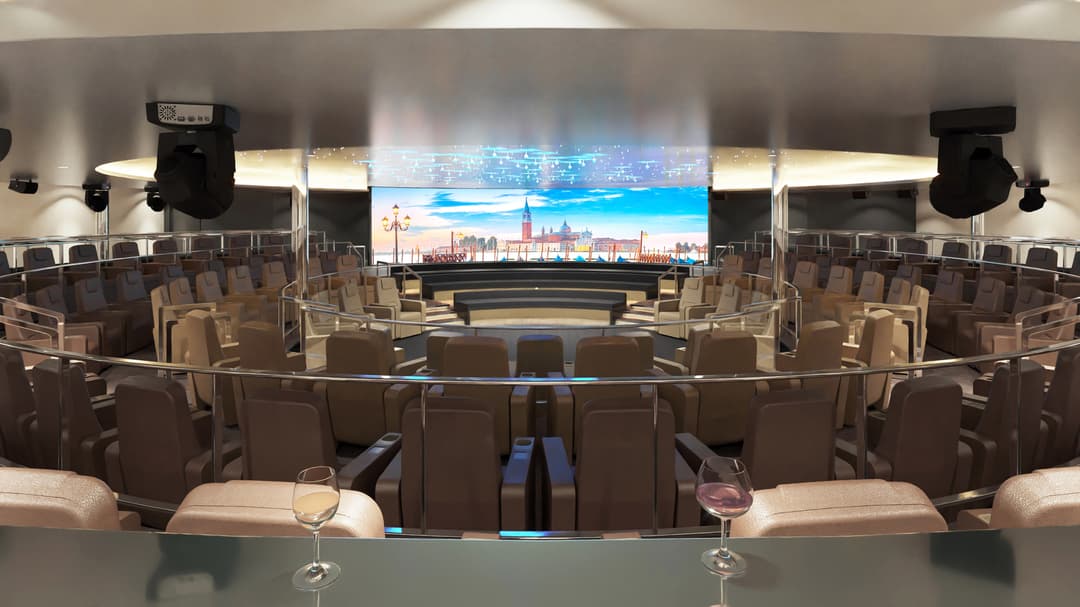
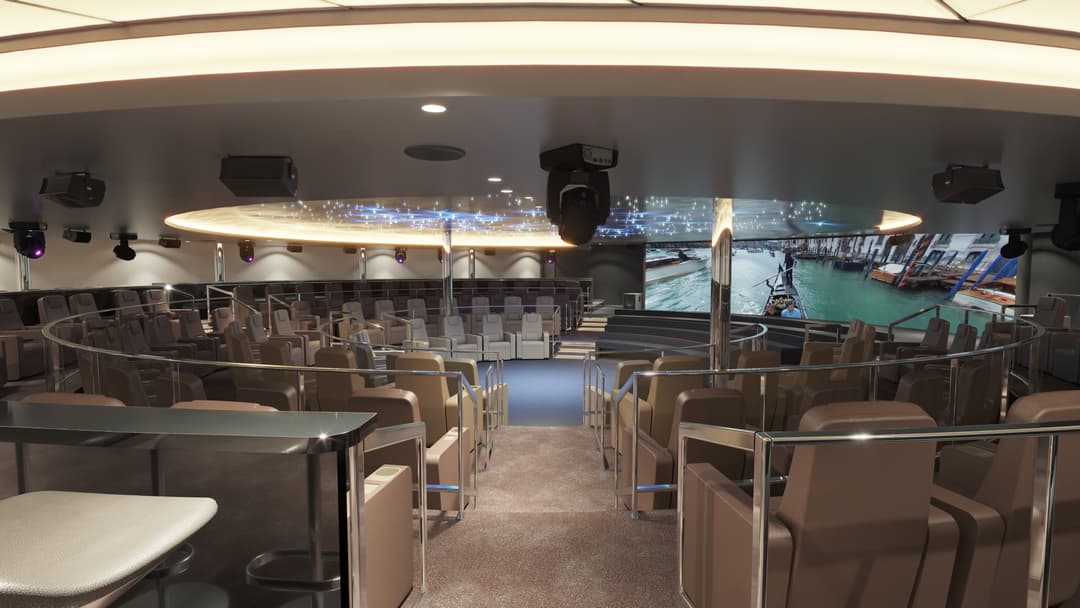
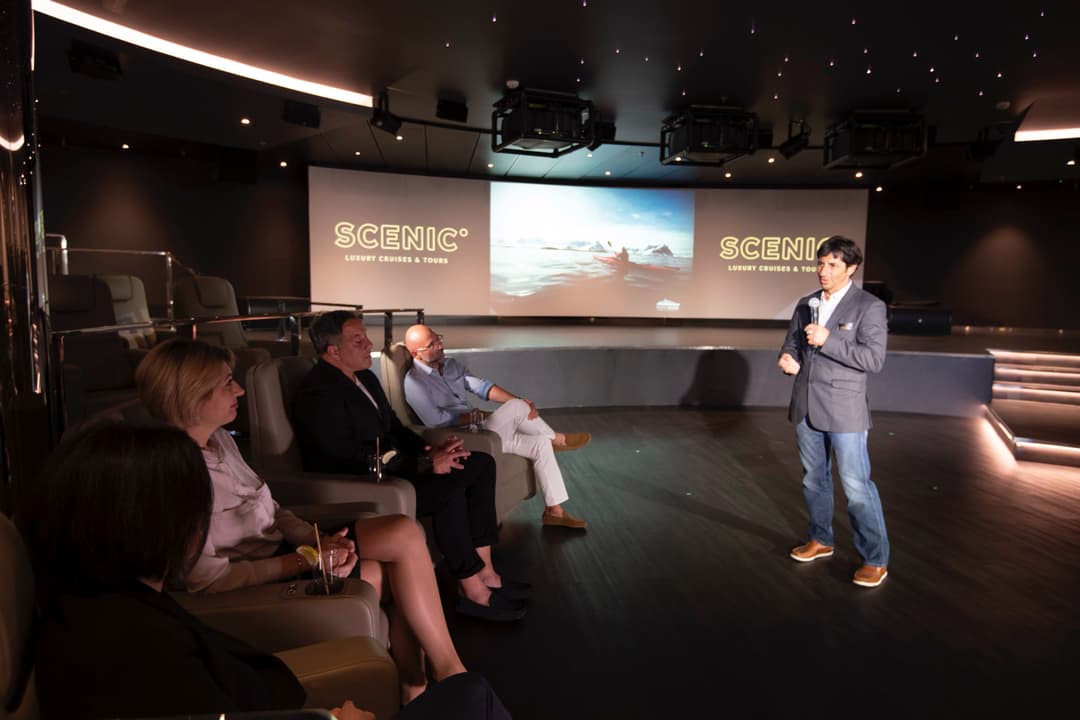
Enjoy captivating performances in the innovative in-the-round theatre. Where bespoke shows, culinary masterclasses and Discovery Team presentations come to life.
Rejuvenation of the Senses
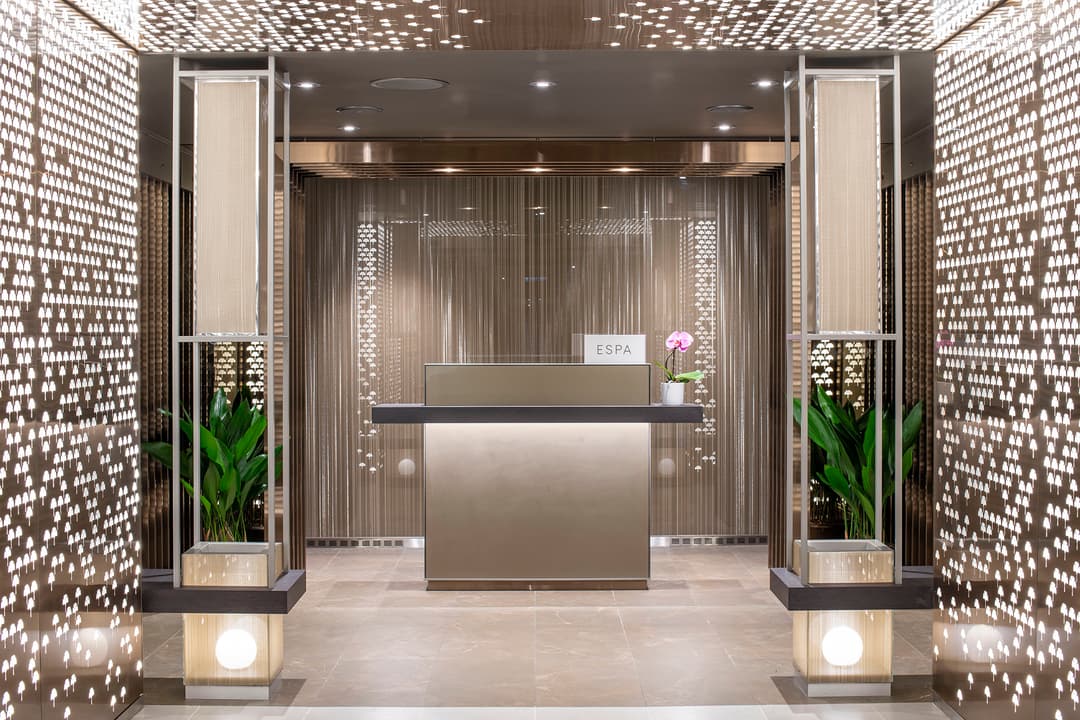
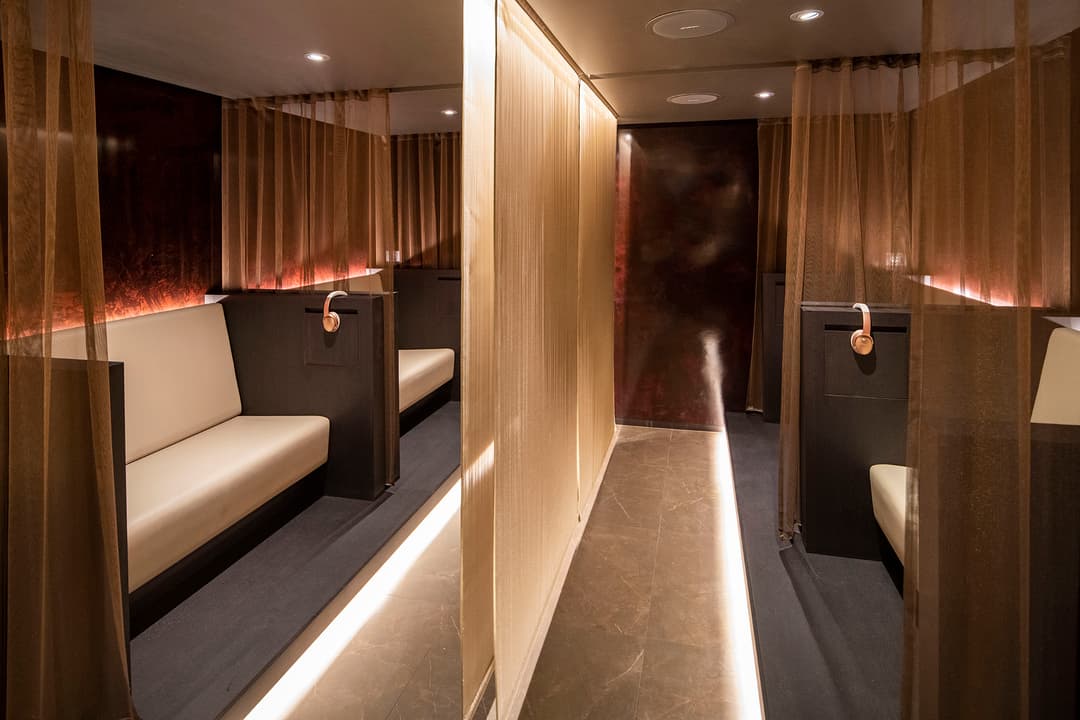
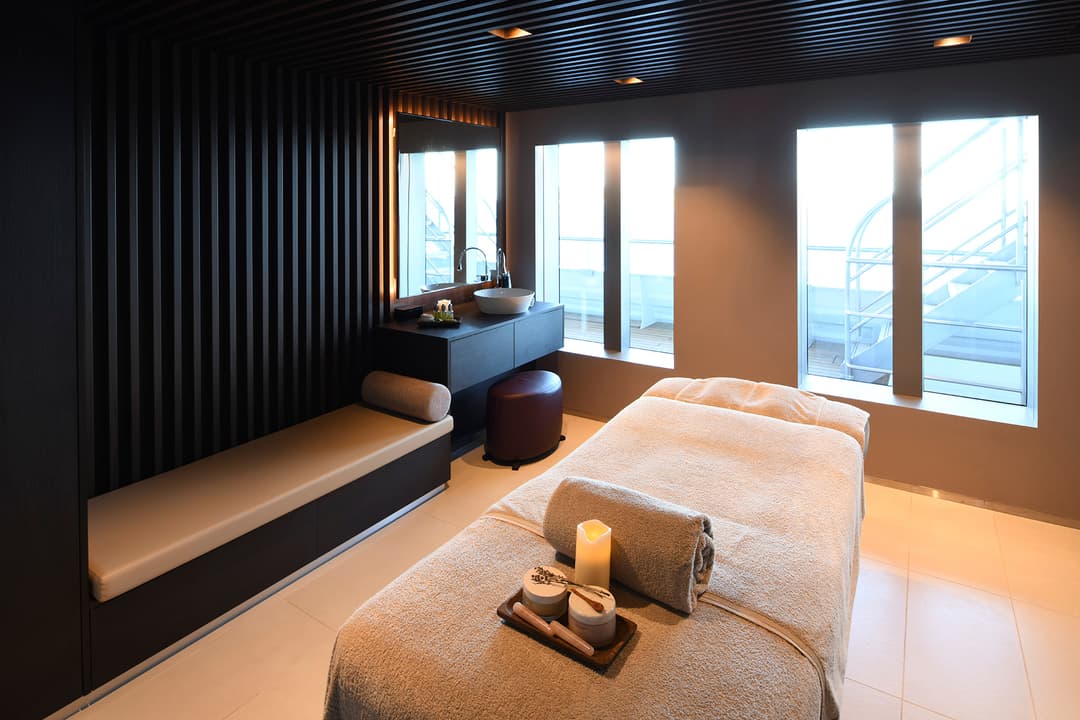
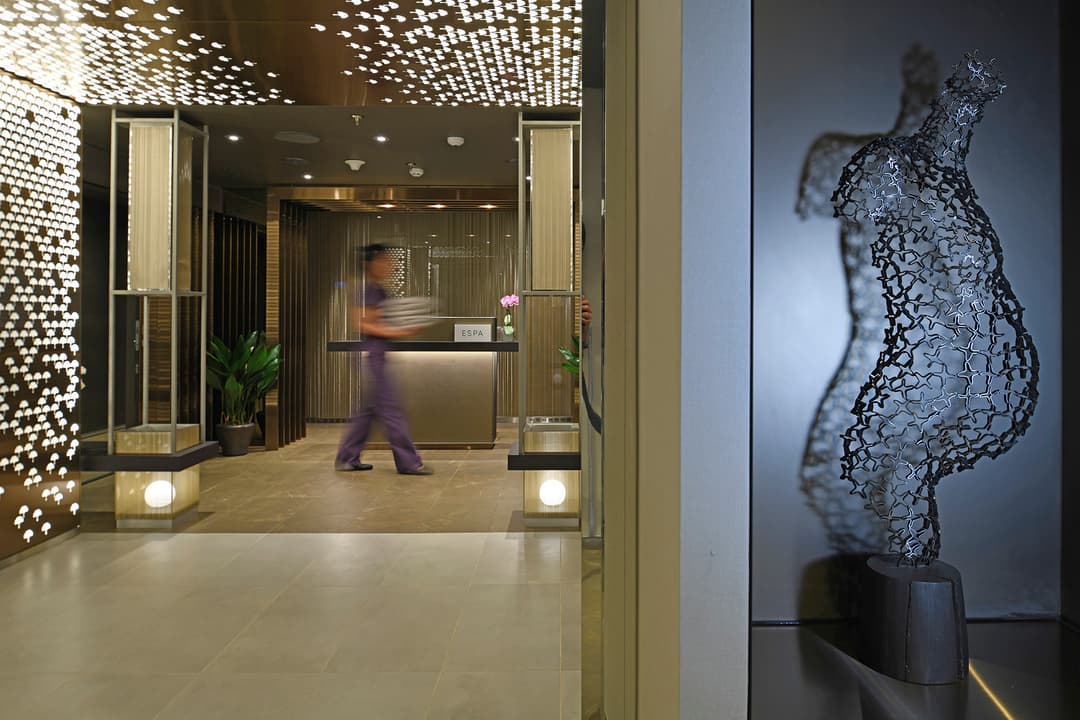
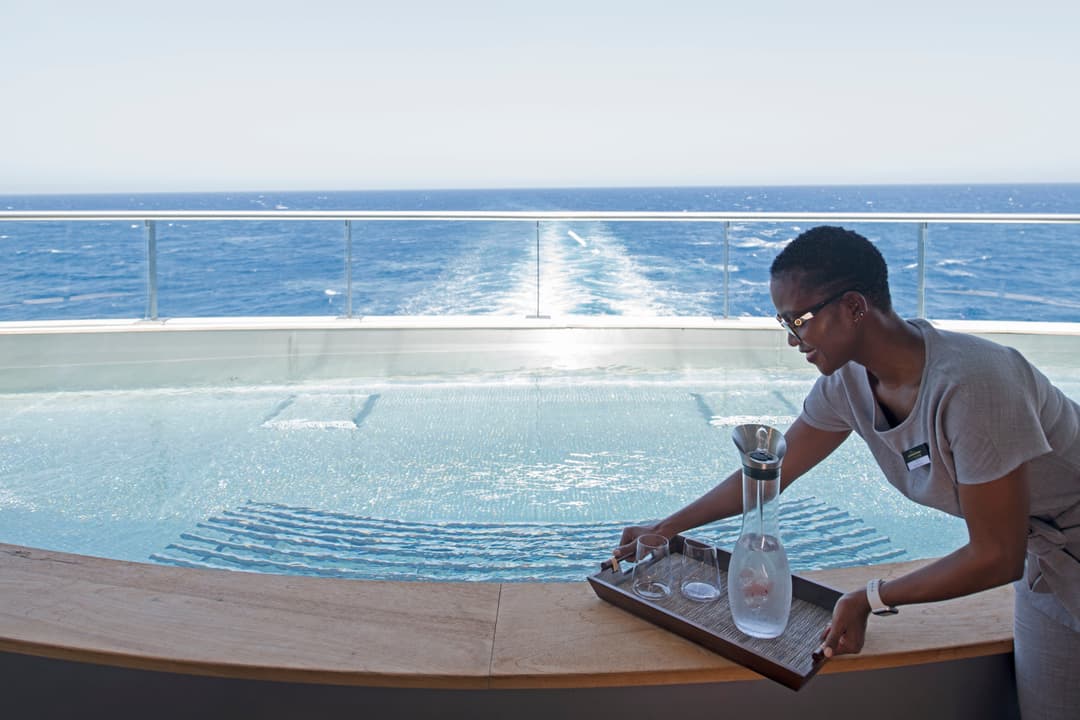
The Senses Rejuvenation Spa, spanning 1,700m² across two levels, reflects a philosophy that unites advanced science, therapeutic expertise, and pure, sustainably sourced ingredients.
- 1,700 square metres across two serene levels, the Senses Rejuvenation Spa is unmatched at sea.
- Designed for ultimate privacy and tranquillity, it offers an atmosphere of effortless calm, where every element invites deep relaxation and renewal.
- In partnership with ESPA, a globally celebrated spa and wellness brand, the Senses Rejuvenation Spa reflects a philosophy that unites advanced science, therapeutic expertise, and pure, sustainably sourced ingredients.
- A defining feature is the exclusive design of separate male and female spa areas, each complete with its own suite of thermal and hydrotherapy experiences — offering guests an exceptional level of privacy and comfort.
Loading...


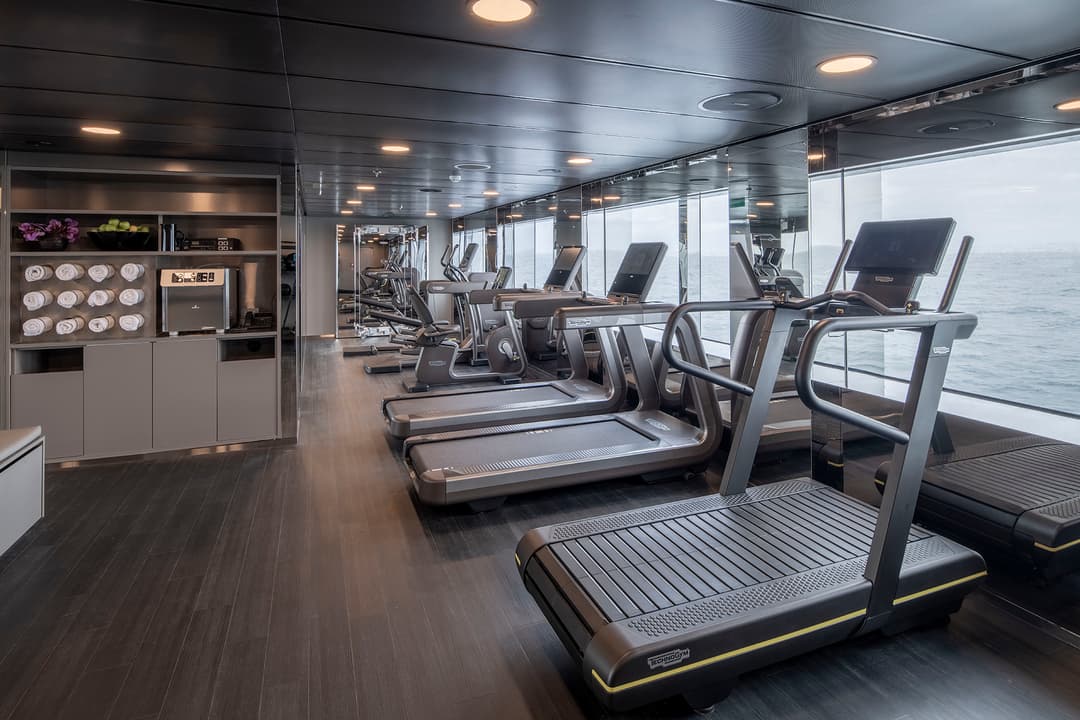



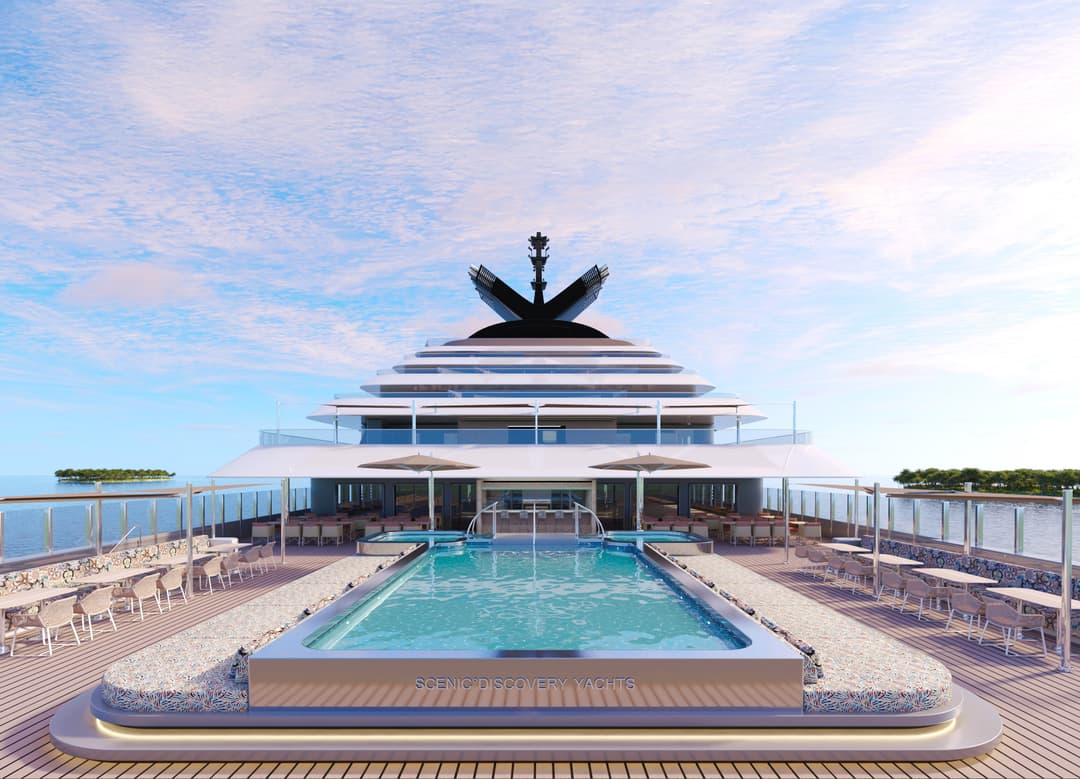
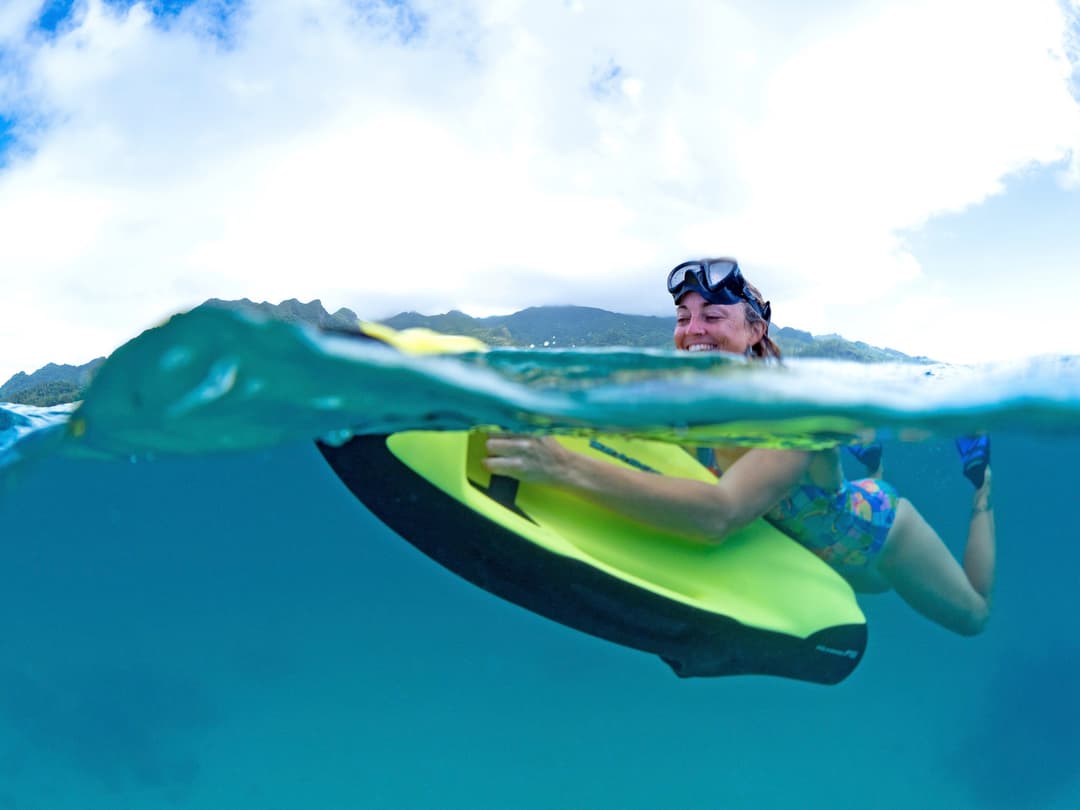
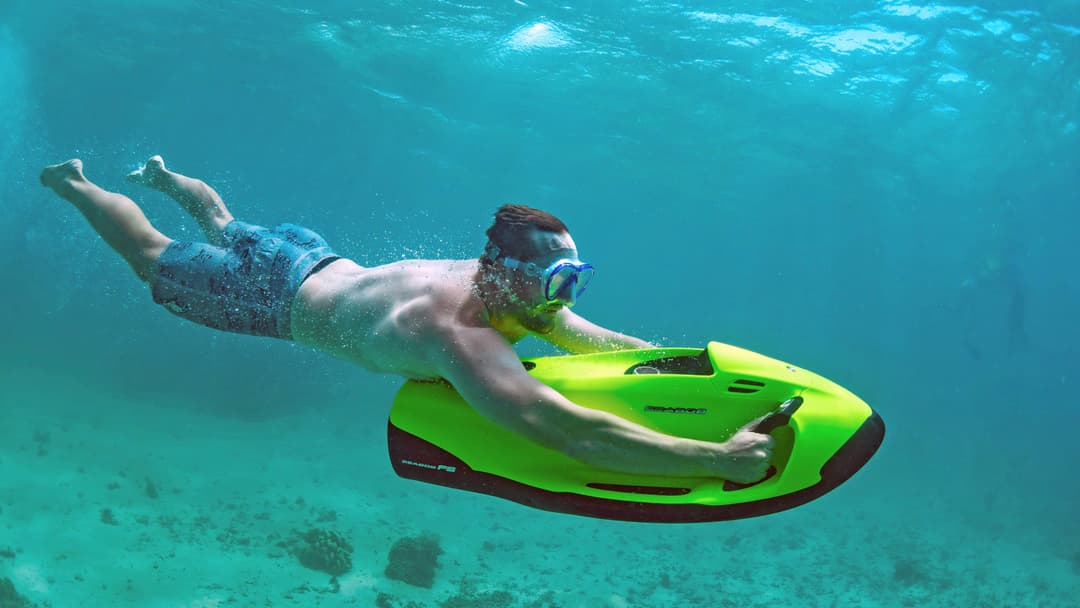

You can experience the wonders of the world through an exciting variety of included excursion options. Enjoy Scenic Discovery Excursions led by our Discovery Team who will share their knowledge and expertise on Expedition and Discovery Voyages. On Discovery and Cruise Voyages, Scenic Freechoice activities are curated to cater to your interests and fitness level, and our Scenic Enrich experiences will immerse you in unique and exclusively handcrafted encounters such as discovering the untouched beauty of Antarctica!
Your Discovery Team
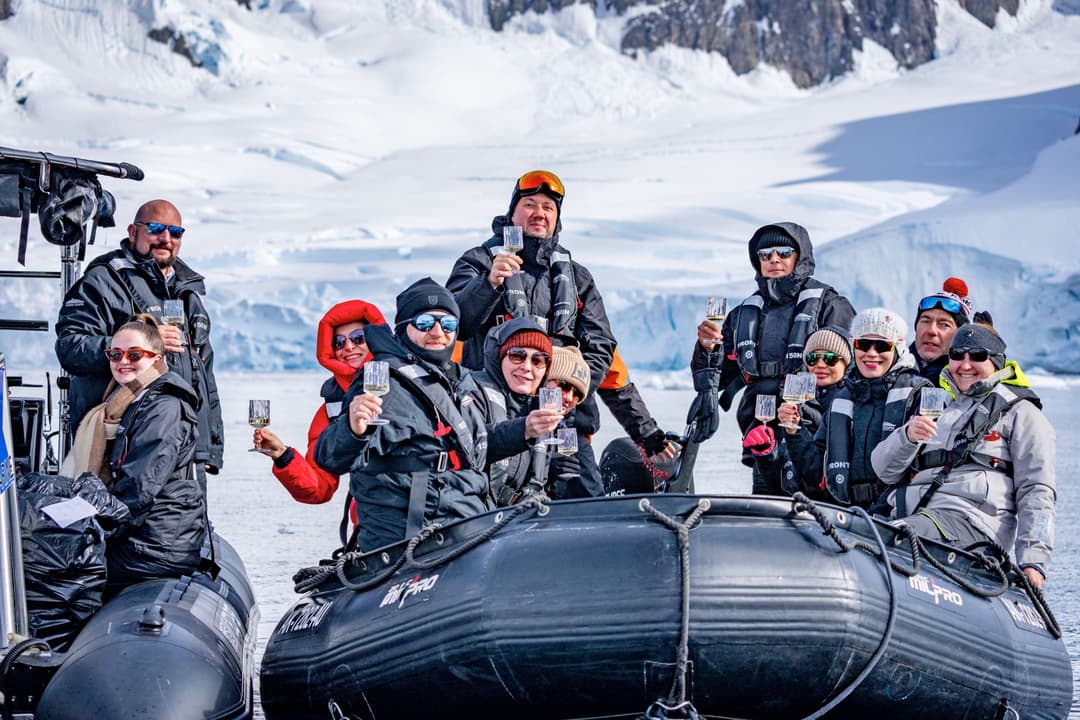
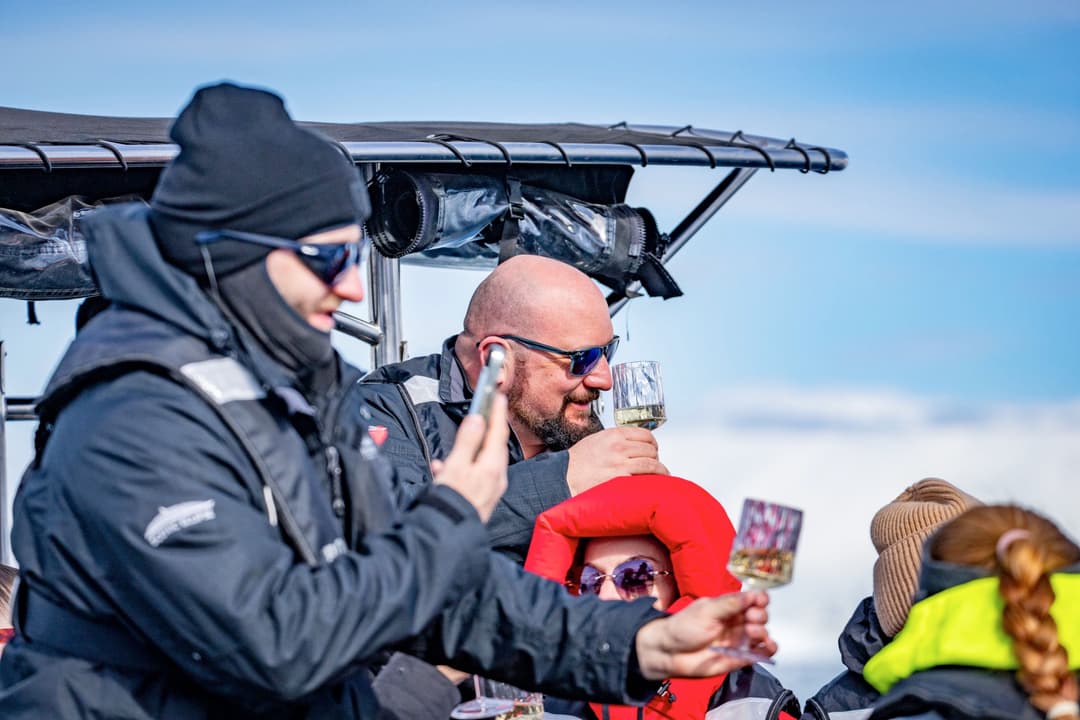
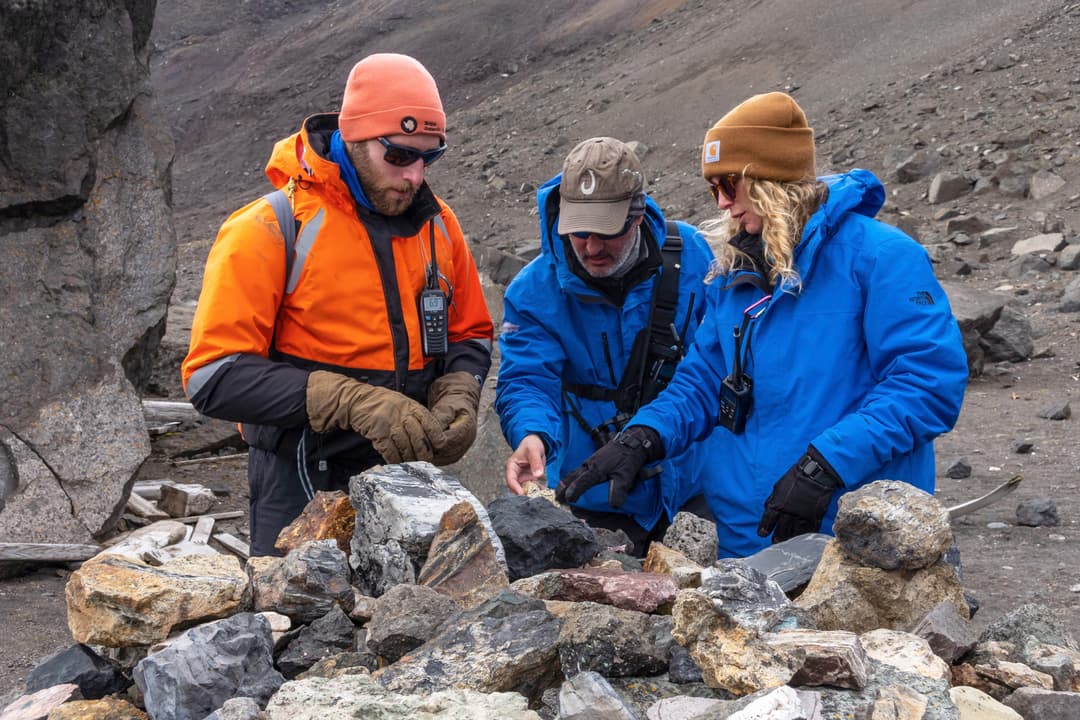
The Discovery Team are experts in their fields including history, geology, science, glaciology, archaeology, nature, photography and marine biology. Be safely guided and learn from their insights throughout every step of your cruise. The Discovery Team are incredibly passionate about their roles and bringing to life every element of your voyage. You come away with a deep understanding and lifelong memories of the cultures, landscapes and wildlife you will encounter. Join them in the Discovery Yacht’s theatre for information sessions or on the Observation Terrace. Follow their lead on guided kayak excursions or nature walks. Seamlessly disembark by Zodiac and cruise with your Discovery Team member past dramatic glaciers and fjords. For many past guests, the connection formed with the Discovery Team becomes one of their most treasured memories.
Unrivalled Discovery
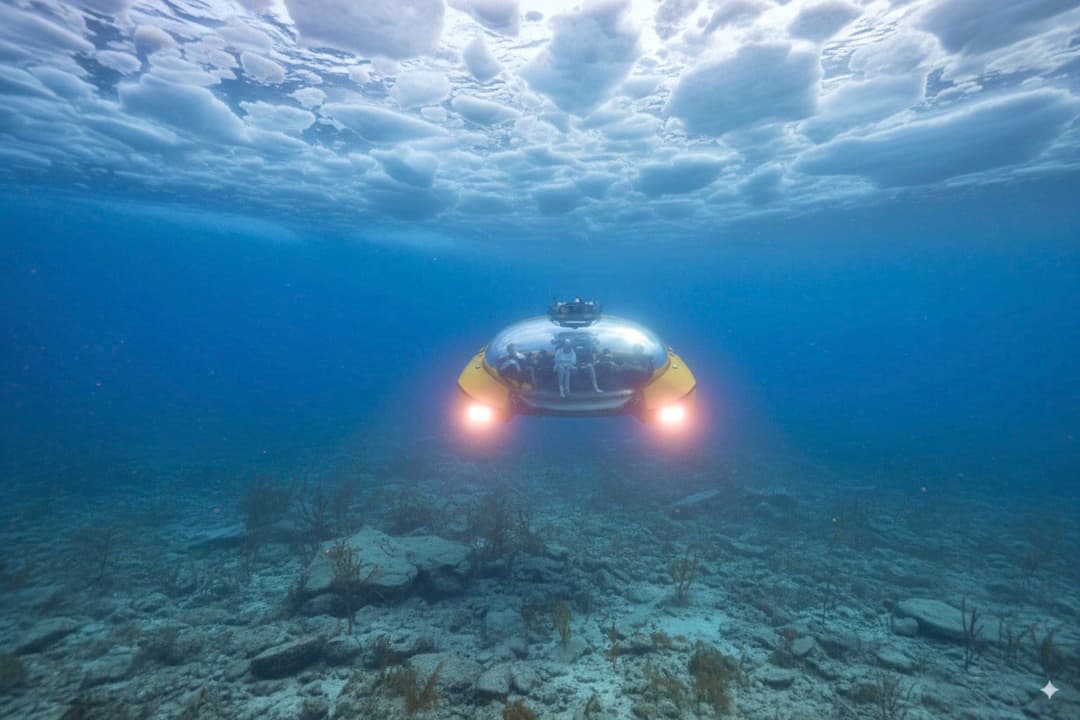
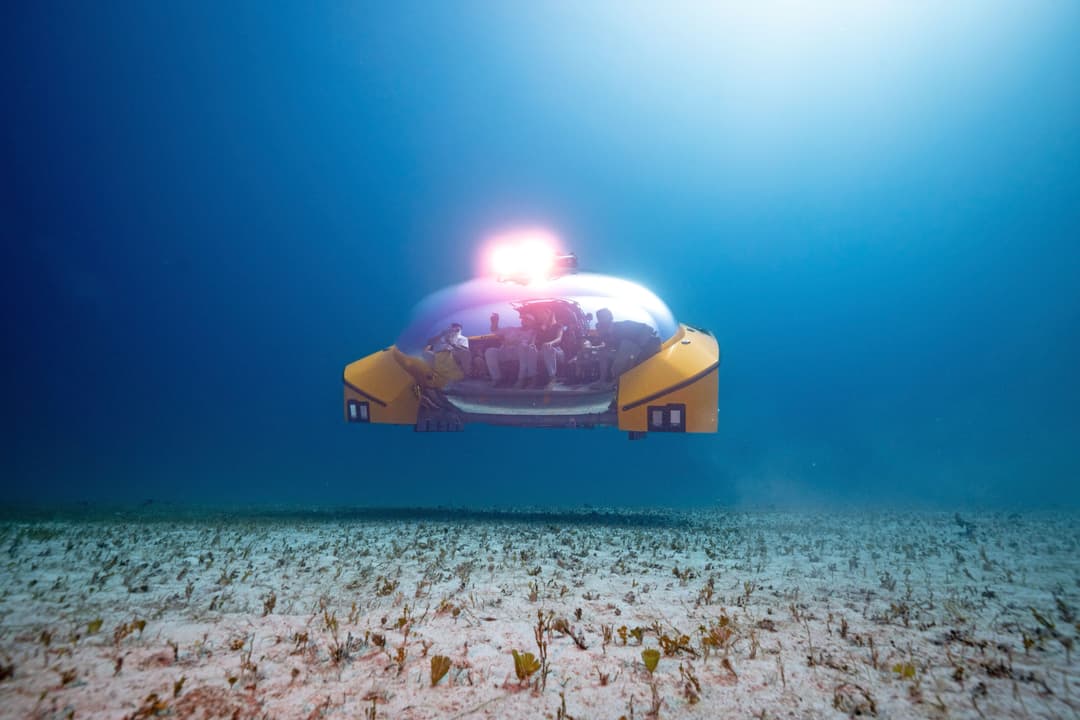
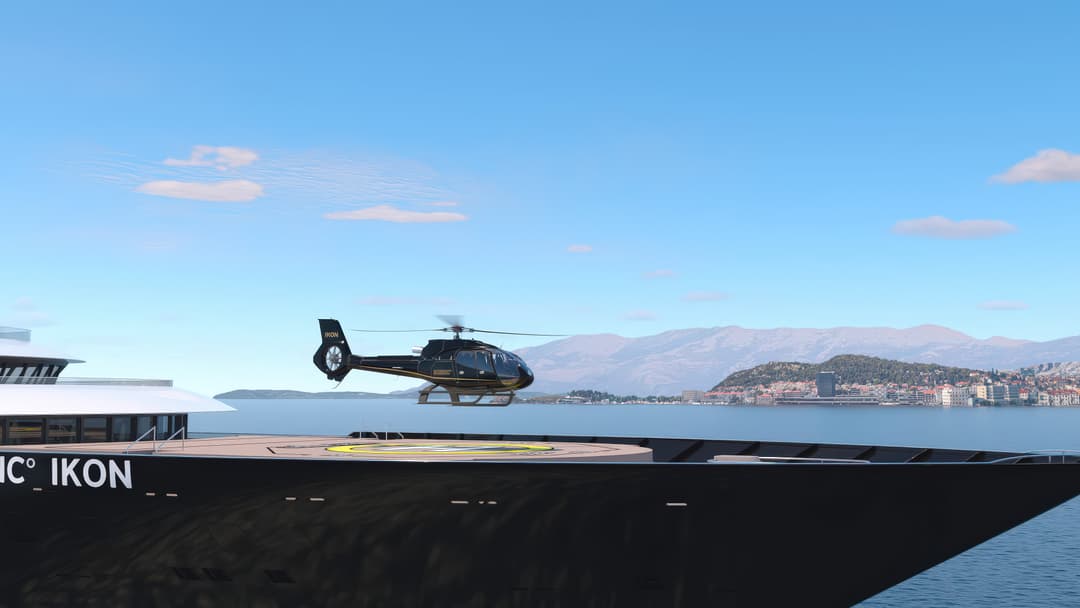
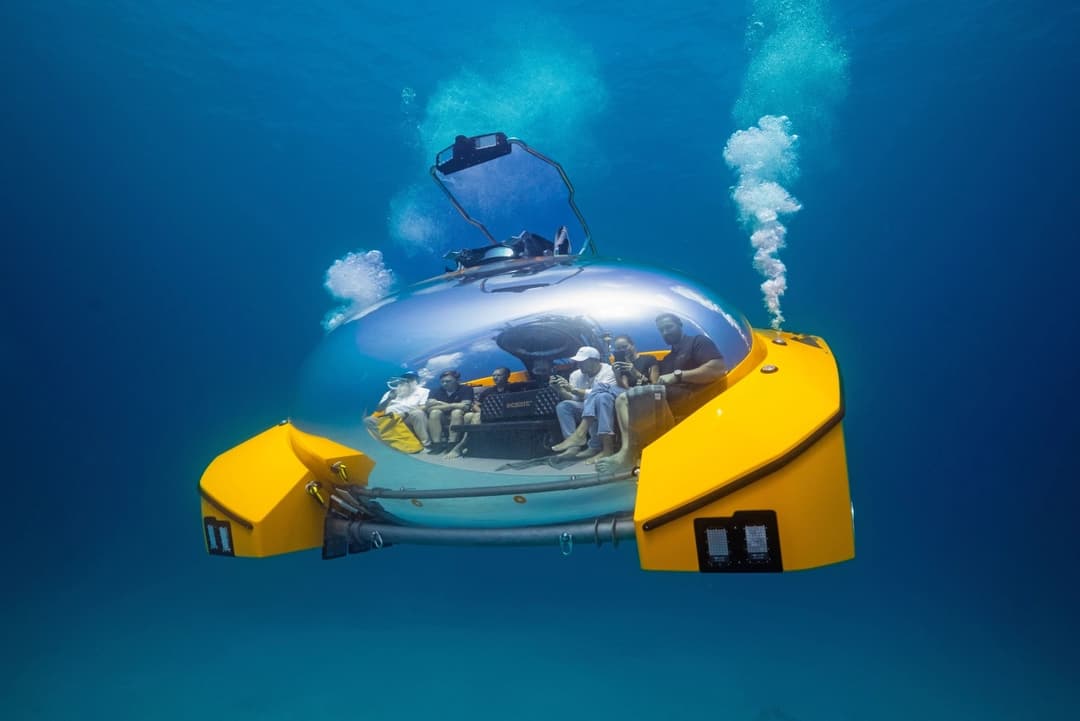
Scenic Discovery Yachts are the only ships with two helicopters^ and a submersible^. Delivering unmatched exploration experiences, all led by our specialist Discovery Team.
Loading...
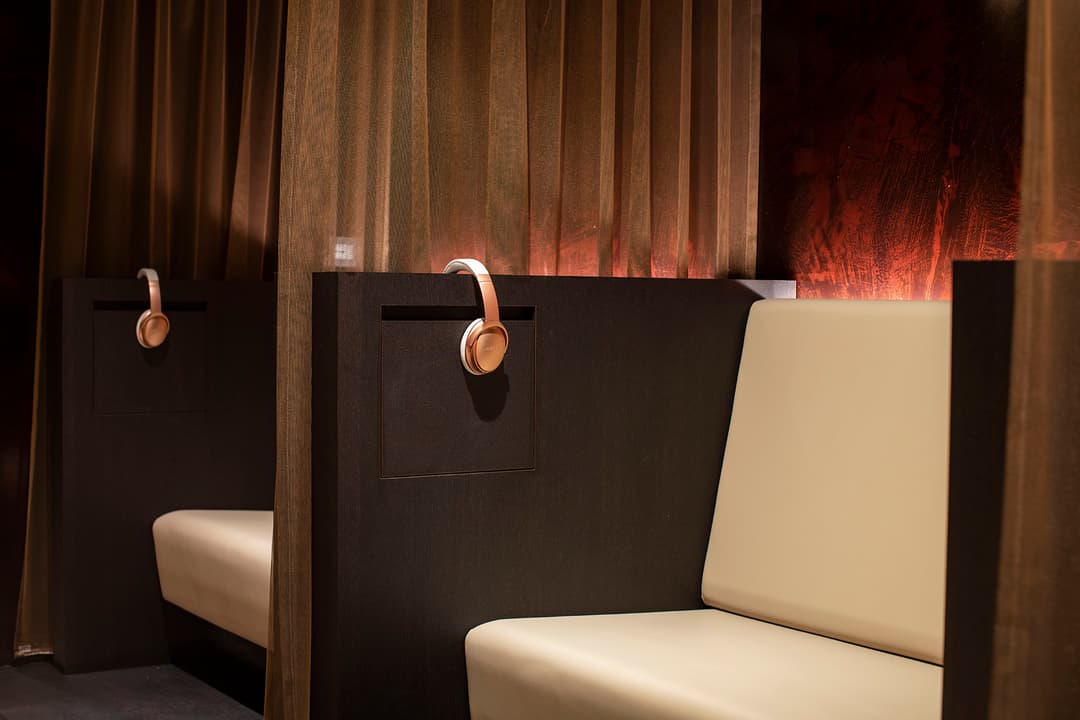
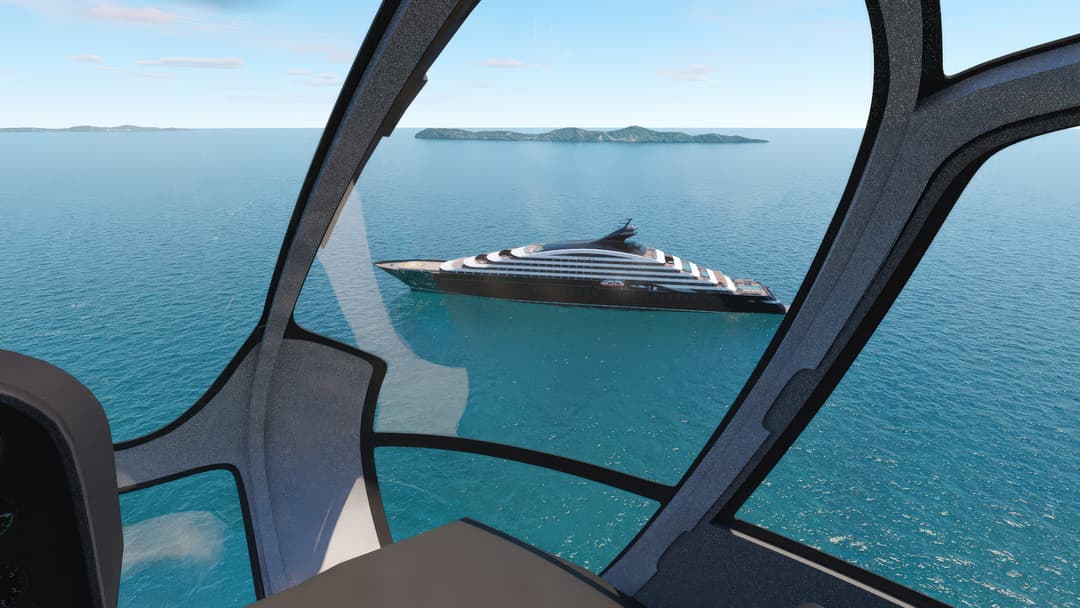
Two Airbus H130-T2 helicopters for up to 6 guests plus pilot. The quietest in the sky. Outstanding visibility from all seats, expansive windows and large, wrap-around windscreen. Noise cancelling Bose headphones.
Guests can elevate their voyage of discovery to the next level through thoughtfully curated helicopter experiences. With exclusive landings at prestigious golf courses, celebrated local restaurants and special access to hist....

Please note: there are no kid/teen specific facilities onboard Scenic Ikon.
Scenic accommodates special dietary requirements to the best of our ability across our river cruises, ocean voyages and land journeys where applicable. If you have special dietary requests, please notify us at the time of booking and inform your Cruise Director when you arrive.
Please note: while we do our best to accommodate all dietary requirements, special requests are not guaranteed and failure to meet any request is not a breach of ....
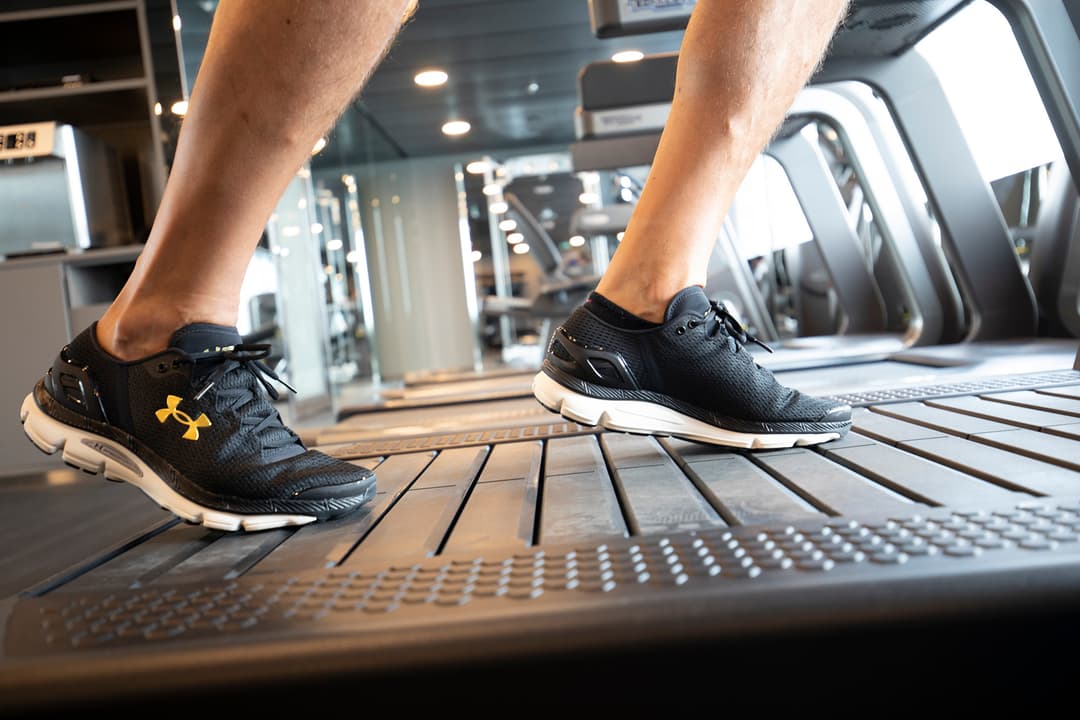
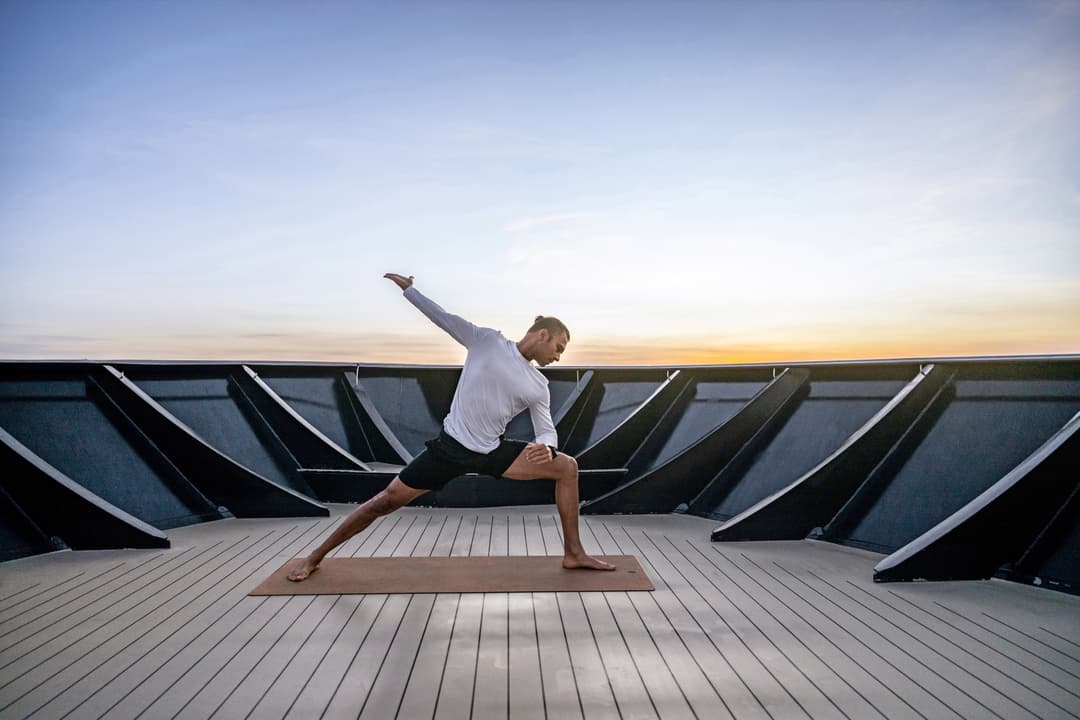
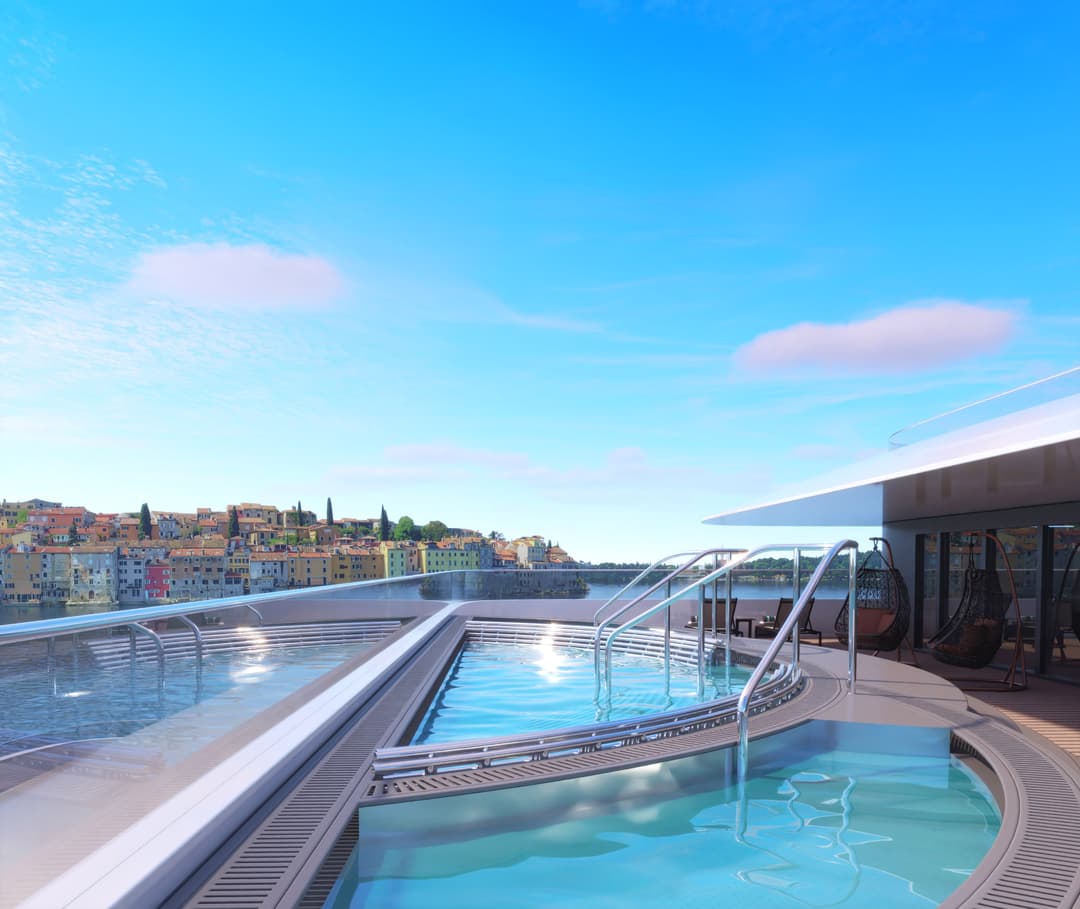
When you are relaxing on board, the dress code is smart casual and comfortable. Do not forget your swimsuits and exercise attire for the heated pools and plunge pools, the wellness areas and the gym, yoga and Pilates studio.
For evenings, while there are no formal nights, the recommended o board dress code is elegant casual for most restaurants. Suggested attire for women includes a dress, skirt or trousers with a sweater or blouse, and ....