

Crossing 66º South Latitude
CRUISE ID # POSEIDON344
Ushuaia TO Ushuaia

$21,695
WITH SPECIAL SAVINGS APPLIED
FARES SHOWN ARE PER GUEST
Suites & Fares
CHOOSE START DATE
: January 26, 2027
Itinerary
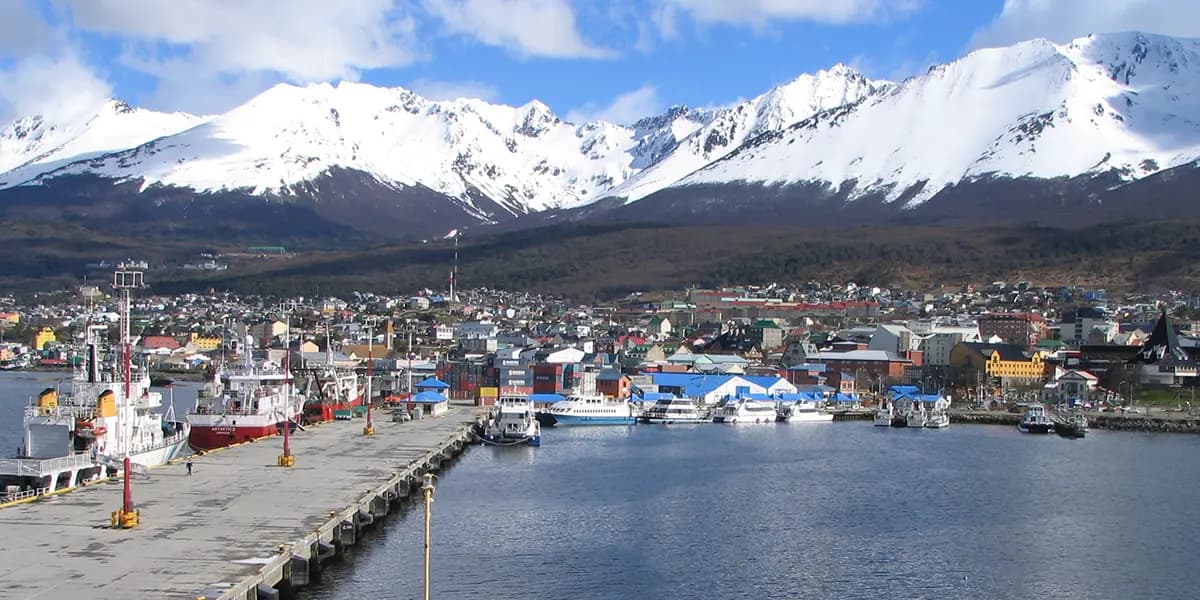
At 55 degrees latitude south, Ushuaia (pronounced oo-swy-ah) is closer to the South Pole than to Argentina's northern border with Bolivia. It is the capital and tourism base for Tierra del Fuego, the island at the southernmost tip of Argentina.Although its stark physical beauty is striking, Tierra del Fuego's historical allure is based more on its mythical past than on rugged reality. The island was inhabited for 6,000 years by Yámana, Haush, Selk'nam, and Alakaluf Indians. But in 1902 Argentina, eager to populate Patagonia to bolster its territorial claims, moved to initiate an Ushuaian penal colony, establishing the permanent settlement of its most southern territories and, by implication, everything in between.When the prison closed in 1947, Ushuaia had a population of about 3,000, made up mainly of former inmates and prison staff. Today the Indians of Darwin's "missing link" theory are long gone—wiped out by diseases brought by settlers and by indifference to their plight—and the 60,000 residents of Ushuaia are hitching their star to tourism.The city rightly (if perhaps too loudly) promotes itself as the southernmost city in the world (Puerto Williams, a few miles south on the Chilean side of the Beagle Channel, is a small town). You can make your way to the tourism office to get your clichéd, but oh-so-necessary, "Southernmost City in the World" passport stamp. Ushuaia feels like a frontier boomtown, at heart still a rugged, weather-beaten fishing village, but exhibiting the frayed edges of a city that quadrupled in size in the '70s and '80s and just keeps growing. Unpaved portions of Ruta 3, the last stretch of the Pan-American Highway, which connects Alaska to Tierra del Fuego, are finally being paved. The summer months (December through March) draw more than 120,000 visitors, and dozens of cruise ships. The city is trying to extend those visits with events like March's Marathon at the End of the World and by increasing the gamut of winter activities buoyed by the excellent snow conditions.A terrific trail winds through the town up to the Martial Glacier, where a ski lift can help cut down a steep kilometer of your journey. The chaotic and contradictory urban landscape includes a handful of luxury hotels amid the concrete of public housing projects. Scores of "sled houses" (wooden shacks) sit precariously on upright piers, ready for speedy displacement to a different site. But there are also many small, picturesque homes with tiny, carefully tended gardens. Many of the newer homes are built in a Swiss-chalet style, reinforcing the idea that this is a town into which tourism has breathed new life. At the same time, the weather-worn pastel colors that dominate the town's landscape remind you that Ushuaia was once just a tiny fishing village, snuggled at the end of the Earth.As you stand on the banks of the Canal Beagle (Beagle Channel) near Ushuaia, the spirit of the farthest corner of the world takes hold. What stands out is the light: at sundown the landscape is cast in a subdued, sensual tone; everything feels closer, softer, and more human in dimension despite the vastness of the setting. The snowcapped mountains reflect the setting sun back onto a stream rolling into the channel, as nearby peaks echo their image—on a windless day—in the still waters.Above the city rise the last mountains of the Andean Cordillera, and just south and west of Ushuaia they finally vanish into the often-stormy sea. Snow whitens the peaks well into summer. Nature is the principal attraction here, with trekking, fishing, horseback riding, wildlife spotting, and sailing among the most rewarding activities, especially in the Parque Nacional Tierra del Fuego (Tierra del Fuego National Park).
At 55 degrees latitude south, Ushuaia (pronounced oo-swy-ah) is closer to the South Pole than to Argentina's northern border with Bolivia. It is the capital and tourism base for Tierra del Fuego, the island at the southernmost tip of Argentina.Although its stark physical beauty is striking, Tierra del Fuego's historical allure is based more on its mythical past than on rugged reality. The island was inhabited for 6,000 years by Yámana, Haush, Selk'nam, and Alakaluf Indians. But in 1902 Argentina, eager to populate Patagonia to bolster its territorial claims, moved to initiate an Ushuaian penal colony, establishing the permanent settlement of its most southern territories and, by implication, everything in between.When the prison closed in 1947, Ushuaia had a population of about 3,000, made up mainly of former inmates and prison staff. Today the Indians of Darwin's "missing link" theory are long gone—wiped out by diseases brought by settlers and by indifference to their plight—and the 60,000 residents of Ushuaia are hitching their star to tourism.The city rightly (if perhaps too loudly) promotes itself as the southernmost city in the world (Puerto Williams, a few miles south on the Chilean side of the Beagle Channel, is a small town). You can make your way to the tourism office to get your clichéd, but oh-so-necessary, "Southernmost City in the World" passport stamp. Ushuaia feels like a frontier boomtown, at heart still a rugged, weather-beaten fishing village, but exhibiting the frayed edges of a city that quadrupled in size in the '70s and '80s and just keeps growing. Unpaved portions of Ruta 3, the last stretch of the Pan-American Highway, which connects Alaska to Tierra del Fuego, are finally being paved. The summer months (December through March) draw more than 120,000 visitors, and dozens of cruise ships. The city is trying to extend those visits with events like March's Marathon at the End of the World and by increasing the gamut of winter activities buoyed by the excellent snow conditions.A terrific trail winds through the town up to the Martial Glacier, where a ski lift can help cut down a steep kilometer of your journey. The chaotic and contradictory urban landscape includes a handful of luxury hotels amid the concrete of public housing projects. Scores of "sled houses" (wooden shacks) sit precariously on upright piers, ready for speedy displacement to a different site. But there are also many small, picturesque homes with tiny, carefully tended gardens. Many of the newer homes are built in a Swiss-chalet style, reinforcing the idea that this is a town into which tourism has breathed new life. At the same time, the weather-worn pastel colors that dominate the town's landscape remind you that Ushuaia was once just a tiny fishing village, snuggled at the end of the Earth.As you stand on the banks of the Canal Beagle (Beagle Channel) near Ushuaia, the spirit of the farthest corner of the world takes hold. What stands out is the light: at sundown the landscape is cast in a subdued, sensual tone; everything feels closer, softer, and more human in dimension despite the vastness of the setting. The snowcapped mountains reflect the setting sun back onto a stream rolling into the channel, as nearby peaks echo their image—on a windless day—in the still waters.Above the city rise the last mountains of the Andean Cordillera, and just south and west of Ushuaia they finally vanish into the often-stormy sea. Snow whitens the peaks well into summer. Nature is the principal attraction here, with trekking, fishing, horseback riding, wildlife spotting, and sailing among the most rewarding activities, especially in the Parque Nacional Tierra del Fuego (Tierra del Fuego National Park).
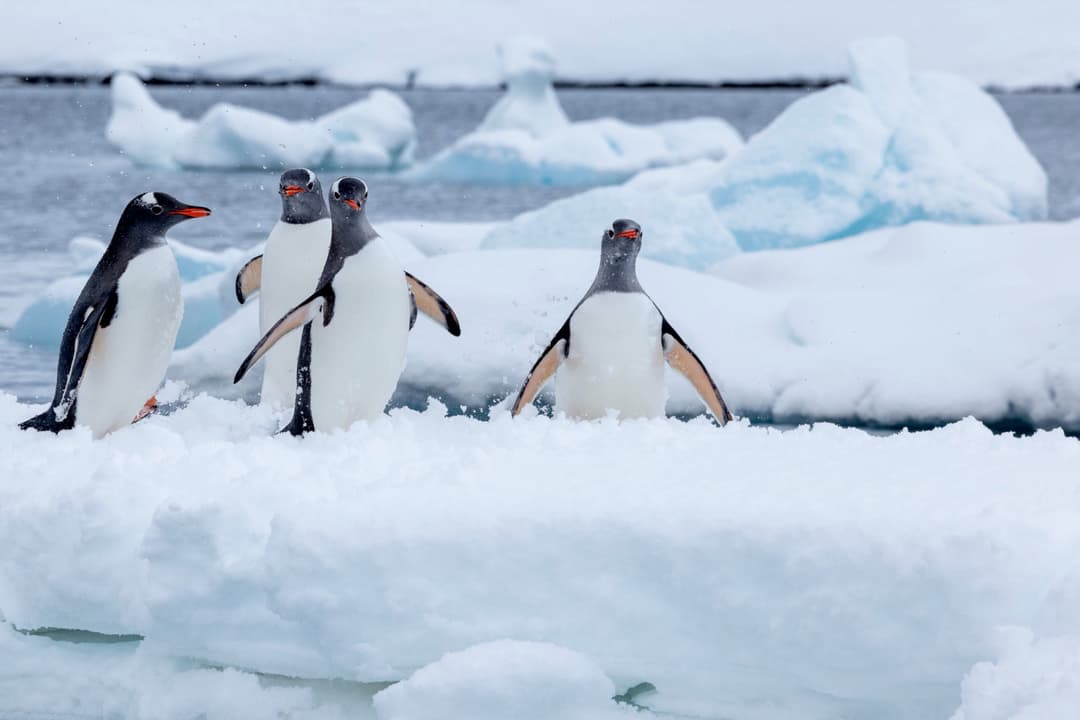
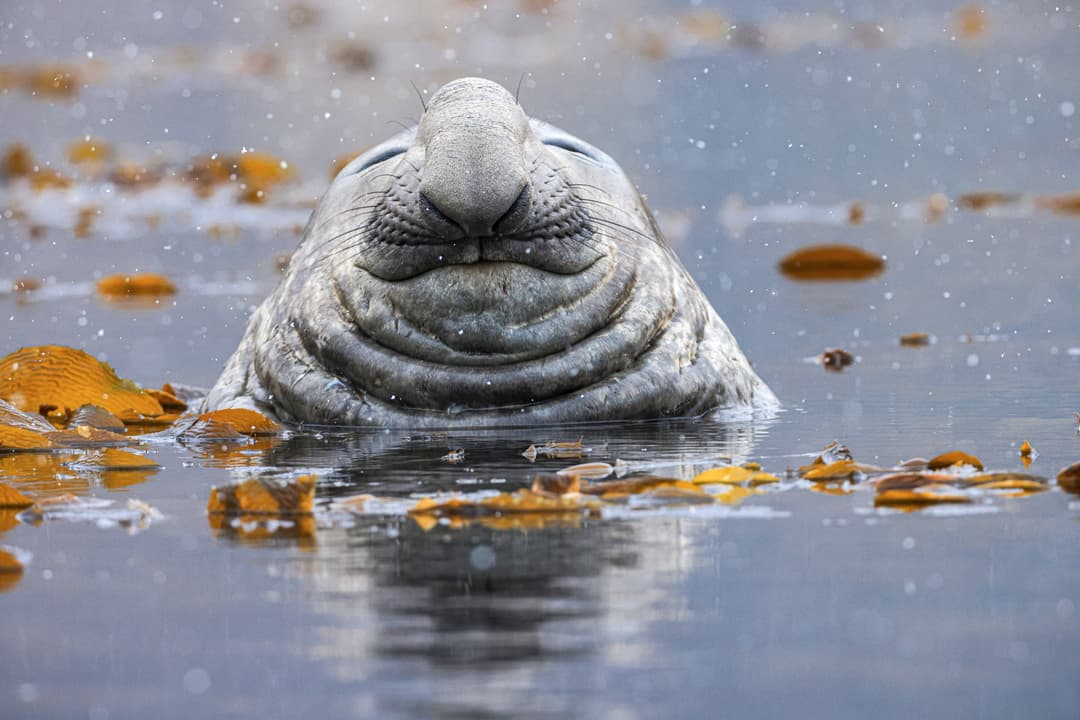
Some 770 kilometers (478 miles) south of Cape Horn, the South Shetland Islands are usually the first land seen in Antarctica. Separated from the Antarctic Peninsula by the Bransfield Strait, nine major islands make up the group. The region was the first to be exploited by sealers in the early 19th century, and because of its proximity to South America, it still is the most visited by scientists and tourists. Chinstrap, Adelie, Gentoo and Macaroni Penguins all breed here. In addition, because it is the warmest part of the continent, large moss beds as well as orange, black, grey and green lichens grow –even hair grass and pearlwort manage to survive. Leopard seals, Weddell seals, crabeater seals, Southern elephant seals and Antarctic fur seals can be seen in the water and on the beaches.
Some 770 kilometers (478 miles) south of Cape Horn, the South Shetland Islands are usually the first land seen in Antarctica. Separated from the Antarctic Peninsula by the Bransfield Strait, nine major islands make up the group. The region was the first to be exploited by sealers in the early 19th century, and because of its proximity to South America, it still is the most visited by scientists and tourists. Chinstrap, Adelie, Gentoo and Macaroni Penguins all breed here. In addition, because it is the warmest part of the continent, large moss beds as well as orange, black, grey and green lichens grow –even hair grass and pearlwort manage to survive. Leopard seals, Weddell seals, crabeater seals, Southern elephant seals and Antarctic fur seals can be seen in the water and on the beaches.
Some 770 kilometers (478 miles) south of Cape Horn, the South Shetland Islands are usually the first land seen in Antarctica. Separated from the Antarctic Peninsula by the Bransfield Strait, nine major islands make up the group. The region was the first to be exploited by sealers in the early 19th century, and because of its proximity to South America, it still is the most visited by scientists and tourists. Chinstrap, Adelie, Gentoo and Macaroni Penguins all breed here. In addition, because it is the warmest part of the continent, large moss beds as well as orange, black, grey and green lichens grow –even hair grass and pearlwort manage to survive. Leopard seals, Weddell seals, crabeater seals, Southern elephant seals and Antarctic fur seals can be seen in the water and on the beaches.
Some 770 kilometers (478 miles) south of Cape Horn, the South Shetland Islands are usually the first land seen in Antarctica. Separated from the Antarctic Peninsula by the Bransfield Strait, nine major islands make up the group. The region was the first to be exploited by sealers in the early 19th century, and because of its proximity to South America, it still is the most visited by scientists and tourists. Chinstrap, Adelie, Gentoo and Macaroni Penguins all breed here. In addition, because it is the warmest part of the continent, large moss beds as well as orange, black, grey and green lichens grow –even hair grass and pearlwort manage to survive. Leopard seals, Weddell seals, crabeater seals, Southern elephant seals and Antarctic fur seals can be seen in the water and on the beaches.
Some 770 kilometers (478 miles) south of Cape Horn, the South Shetland Islands are usually the first land seen in Antarctica. Separated from the Antarctic Peninsula by the Bransfield Strait, nine major islands make up the group. The region was the first to be exploited by sealers in the early 19th century, and because of its proximity to South America, it still is the most visited by scientists and tourists. Chinstrap, Adelie, Gentoo and Macaroni Penguins all breed here. In addition, because it is the warmest part of the continent, large moss beds as well as orange, black, grey and green lichens grow –even hair grass and pearlwort manage to survive. Leopard seals, Weddell seals, crabeater seals, Southern elephant seals and Antarctic fur seals can be seen in the water and on the beaches.
Some 770 kilometers (478 miles) south of Cape Horn, the South Shetland Islands are usually the first land seen in Antarctica. Separated from the Antarctic Peninsula by the Bransfield Strait, nine major islands make up the group. The region was the first to be exploited by sealers in the early 19th century, and because of its proximity to South America, it still is the most visited by scientists and tourists. Chinstrap, Adelie, Gentoo and Macaroni Penguins all breed here. In addition, because it is the warmest part of the continent, large moss beds as well as orange, black, grey and green lichens grow –even hair grass and pearlwort manage to survive. Leopard seals, Weddell seals, crabeater seals, Southern elephant seals and Antarctic fur seals can be seen in the water and on the beaches.
Some 770 kilometers (478 miles) south of Cape Horn, the South Shetland Islands are usually the first land seen in Antarctica. Separated from the Antarctic Peninsula by the Bransfield Strait, nine major islands make up the group. The region was the first to be exploited by sealers in the early 19th century, and because of its proximity to South America, it still is the most visited by scientists and tourists. Chinstrap, Adelie, Gentoo and Macaroni Penguins all breed here. In addition, because it is the warmest part of the continent, large moss beds as well as orange, black, grey and green lichens grow –even hair grass and pearlwort manage to survive. Leopard seals, Weddell seals, crabeater seals, Southern elephant seals and Antarctic fur seals can be seen in the water and on the beaches.
Some 770 kilometers (478 miles) south of Cape Horn, the South Shetland Islands are usually the first land seen in Antarctica. Separated from the Antarctic Peninsula by the Bransfield Strait, nine major islands make up the group. The region was the first to be exploited by sealers in the early 19th century, and because of its proximity to South America, it still is the most visited by scientists and tourists. Chinstrap, Adelie, Gentoo and Macaroni Penguins all breed here. In addition, because it is the warmest part of the continent, large moss beds as well as orange, black, grey and green lichens grow –even hair grass and pearlwort manage to survive. Leopard seals, Weddell seals, crabeater seals, Southern elephant seals and Antarctic fur seals can be seen in the water and on the beaches.
At 55 degrees latitude south, Ushuaia (pronounced oo-swy-ah) is closer to the South Pole than to Argentina's northern border with Bolivia. It is the capital and tourism base for Tierra del Fuego, the island at the southernmost tip of Argentina.Although its stark physical beauty is striking, Tierra del Fuego's historical allure is based more on its mythical past than on rugged reality. The island was inhabited for 6,000 years by Yámana, Haush, Selk'nam, and Alakaluf Indians. But in 1902 Argentina, eager to populate Patagonia to bolster its territorial claims, moved to initiate an Ushuaian penal colony, establishing the permanent settlement of its most southern territories and, by implication, everything in between.When the prison closed in 1947, Ushuaia had a population of about 3,000, made up mainly of former inmates and prison staff. Today the Indians of Darwin's "missing link" theory are long gone—wiped out by diseases brought by settlers and by indifference to their plight—and the 60,000 residents of Ushuaia are hitching their star to tourism.The city rightly (if perhaps too loudly) promotes itself as the southernmost city in the world (Puerto Williams, a few miles south on the Chilean side of the Beagle Channel, is a small town). You can make your way to the tourism office to get your clichéd, but oh-so-necessary, "Southernmost City in the World" passport stamp. Ushuaia feels like a frontier boomtown, at heart still a rugged, weather-beaten fishing village, but exhibiting the frayed edges of a city that quadrupled in size in the '70s and '80s and just keeps growing. Unpaved portions of Ruta 3, the last stretch of the Pan-American Highway, which connects Alaska to Tierra del Fuego, are finally being paved. The summer months (December through March) draw more than 120,000 visitors, and dozens of cruise ships. The city is trying to extend those visits with events like March's Marathon at the End of the World and by increasing the gamut of winter activities buoyed by the excellent snow conditions.A terrific trail winds through the town up to the Martial Glacier, where a ski lift can help cut down a steep kilometer of your journey. The chaotic and contradictory urban landscape includes a handful of luxury hotels amid the concrete of public housing projects. Scores of "sled houses" (wooden shacks) sit precariously on upright piers, ready for speedy displacement to a different site. But there are also many small, picturesque homes with tiny, carefully tended gardens. Many of the newer homes are built in a Swiss-chalet style, reinforcing the idea that this is a town into which tourism has breathed new life. At the same time, the weather-worn pastel colors that dominate the town's landscape remind you that Ushuaia was once just a tiny fishing village, snuggled at the end of the Earth.As you stand on the banks of the Canal Beagle (Beagle Channel) near Ushuaia, the spirit of the farthest corner of the world takes hold. What stands out is the light: at sundown the landscape is cast in a subdued, sensual tone; everything feels closer, softer, and more human in dimension despite the vastness of the setting. The snowcapped mountains reflect the setting sun back onto a stream rolling into the channel, as nearby peaks echo their image—on a windless day—in the still waters.Above the city rise the last mountains of the Andean Cordillera, and just south and west of Ushuaia they finally vanish into the often-stormy sea. Snow whitens the peaks well into summer. Nature is the principal attraction here, with trekking, fishing, horseback riding, wildlife spotting, and sailing among the most rewarding activities, especially in the Parque Nacional Tierra del Fuego (Tierra del Fuego National Park).
About the Ship
Name
m/v Sea Spirit
Operator
Poseidon Expeditions

COME ABOARD OUR SHIP FOR AN UNFORGETTABLE ANTARCTIC OR ARCTIC CRUISE EXPERIENCE!
Join a small group of curious, like-minded travellers for the trip of a lifetime — an Antarctic or Arctic cruise. Step aboard our ship and travel to destinations unlike any other — lands of other-worldly icescapes, towering glaciers and unique wildlife.
Loading...
PUBLIC AREAS
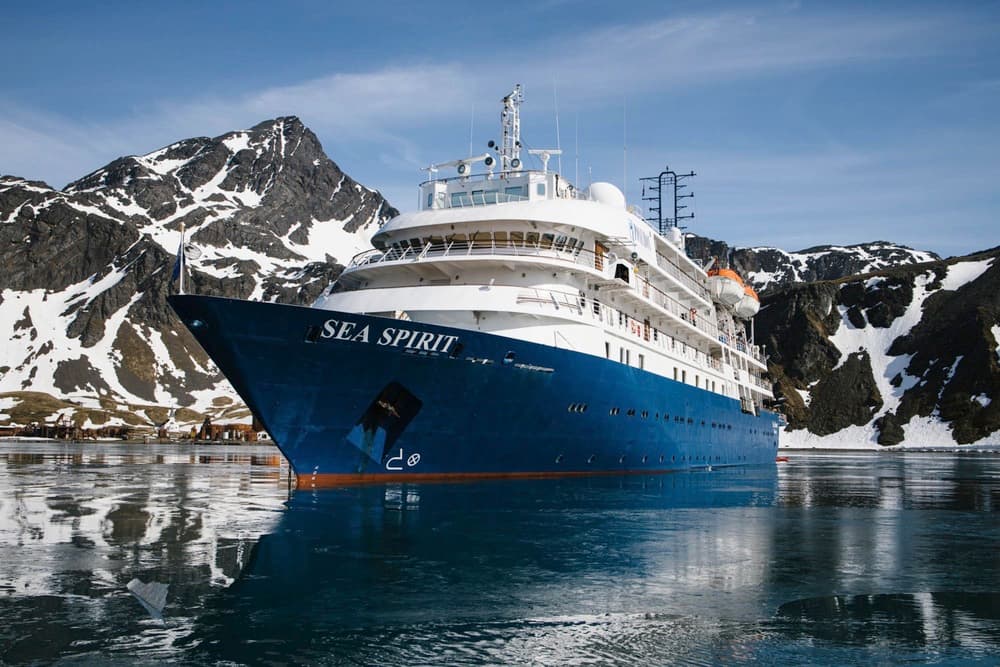
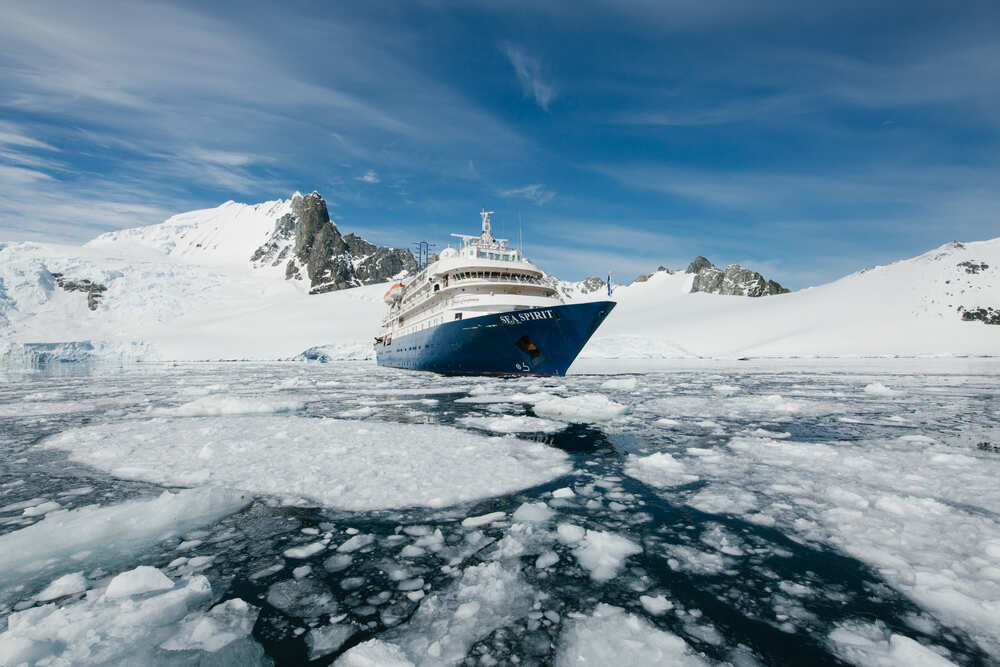
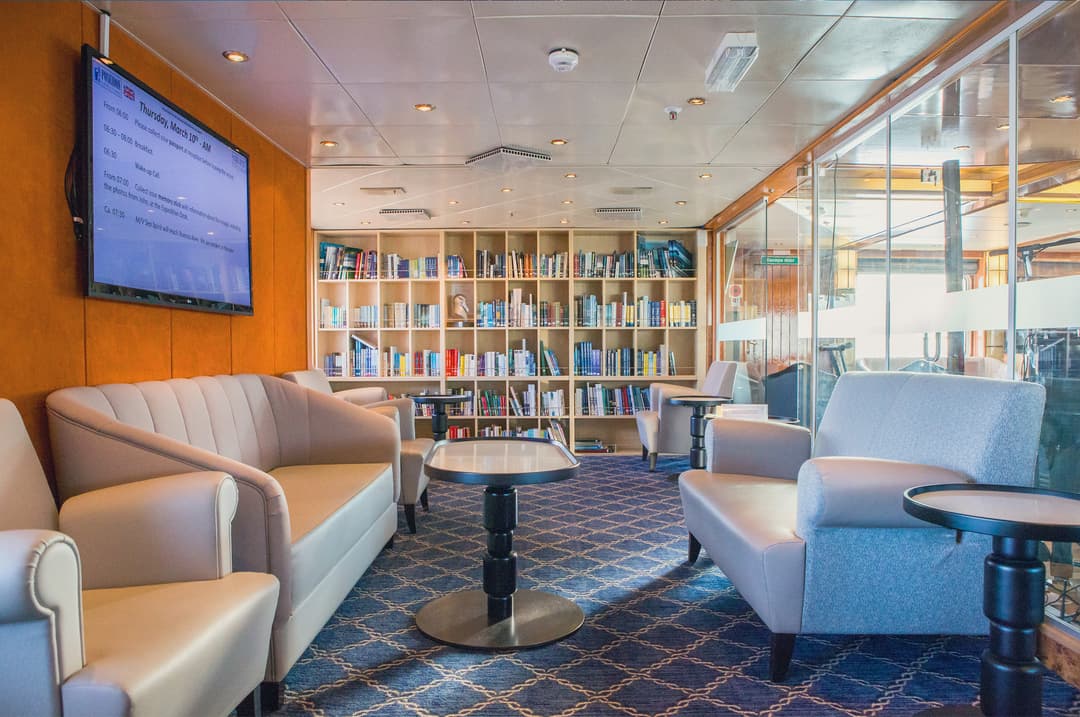
Explore the Polar Regions in style and comfort aboard the all-suite Sea Spirit. Providing spacious suites and social areas for 114 guests the Sea Spirit at the same time features maneuverability and friendly atmosphere of small ships.
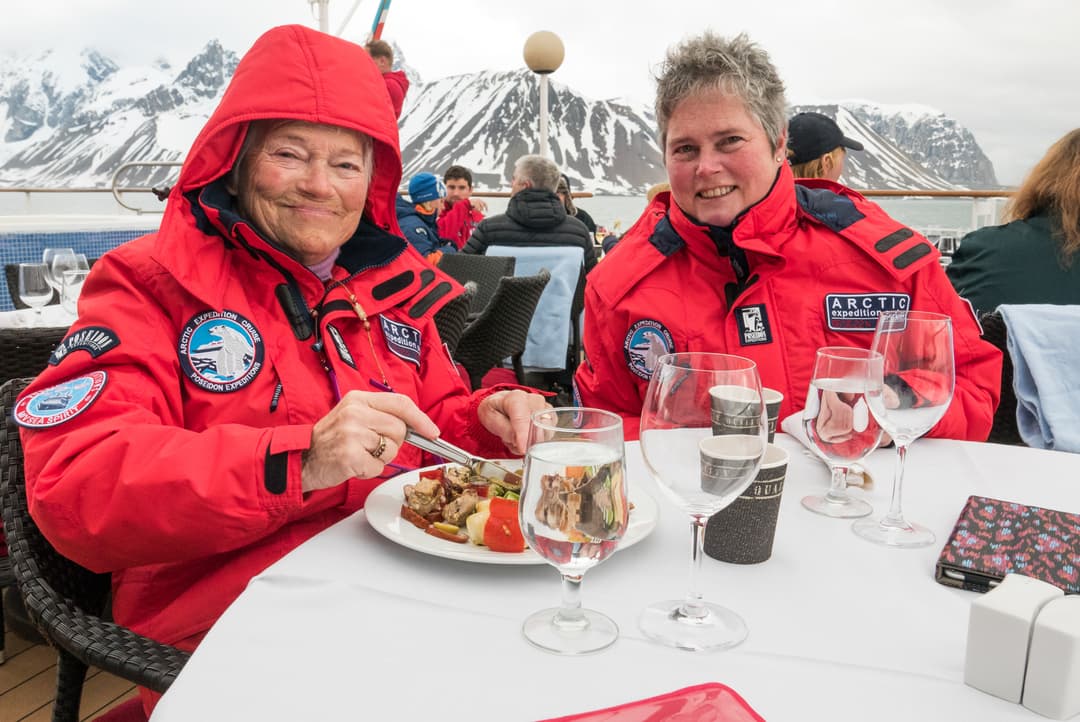
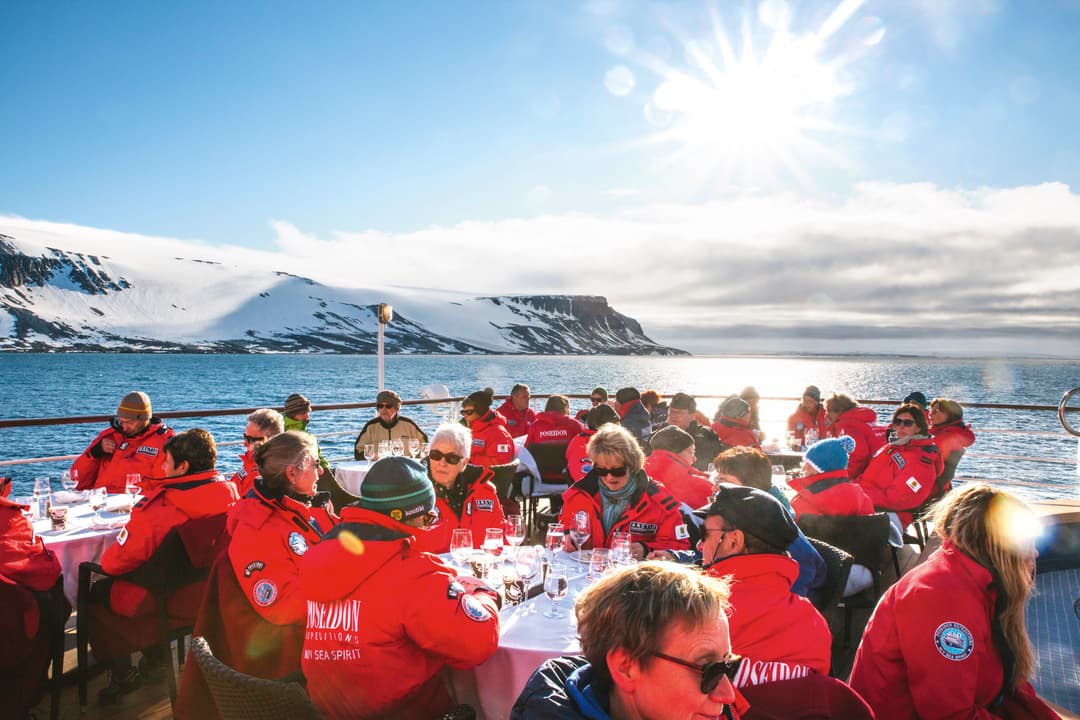
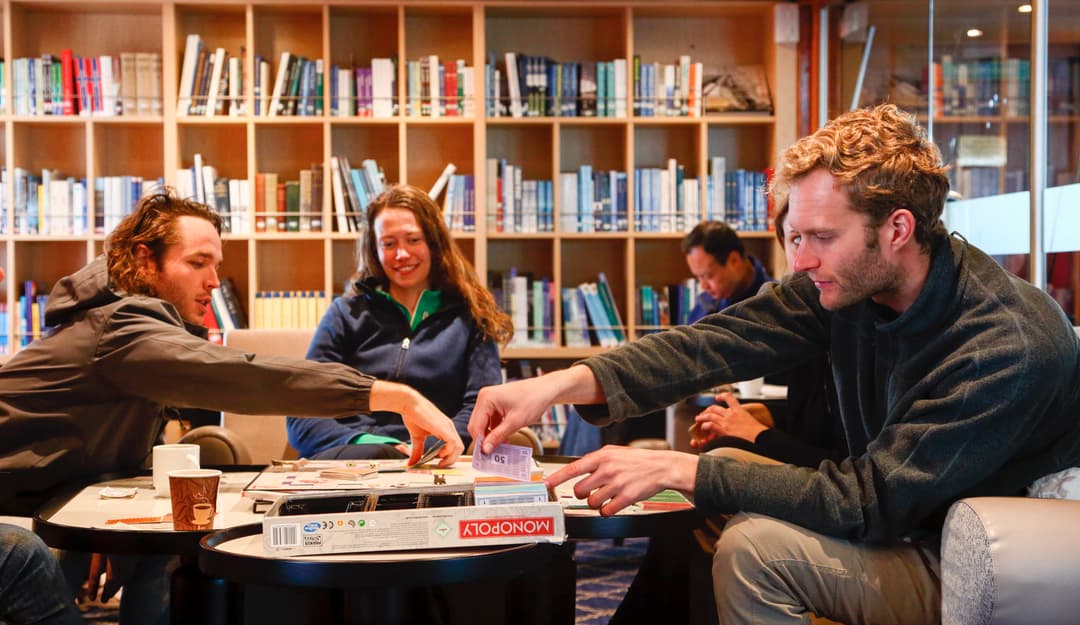
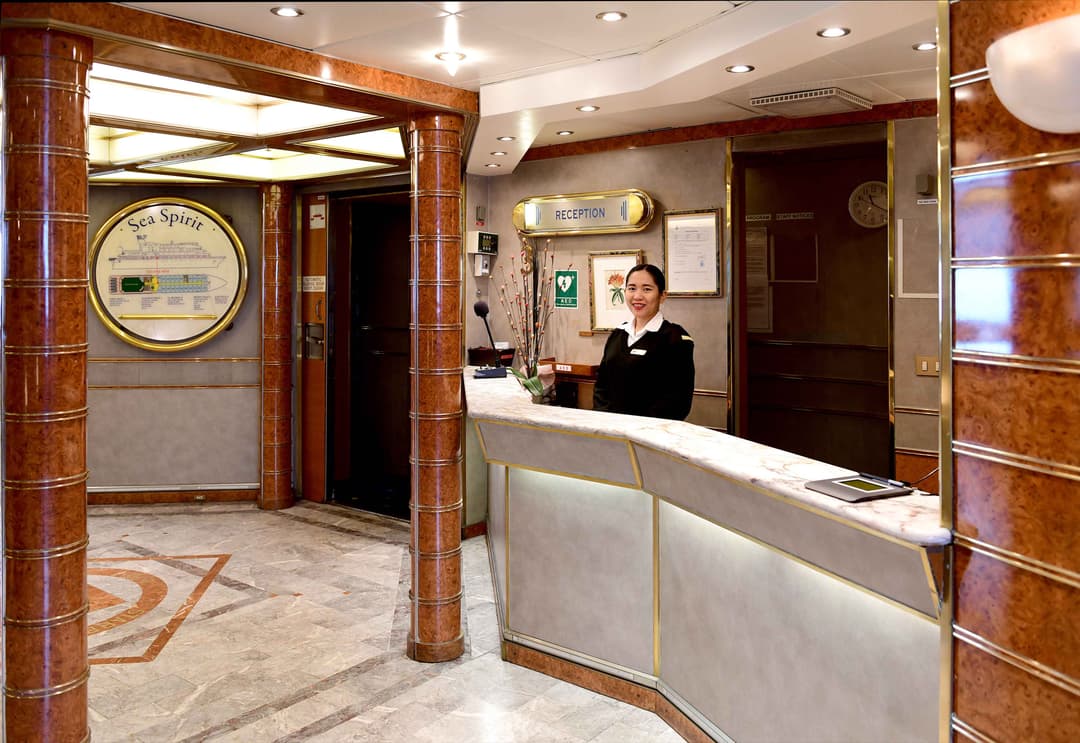
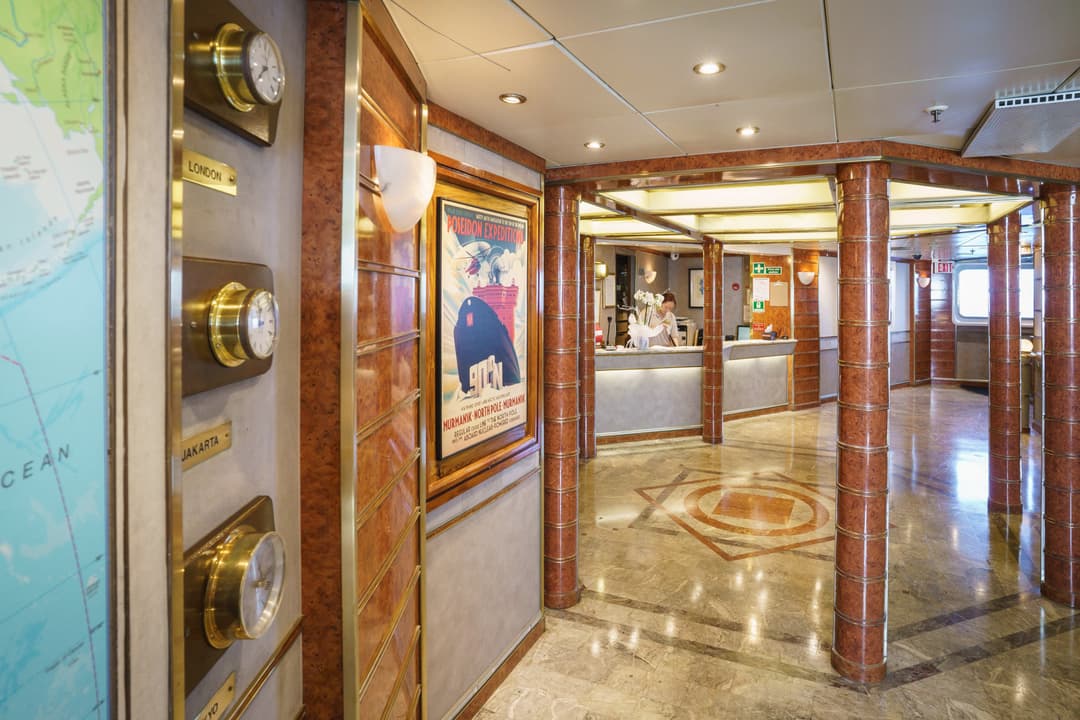
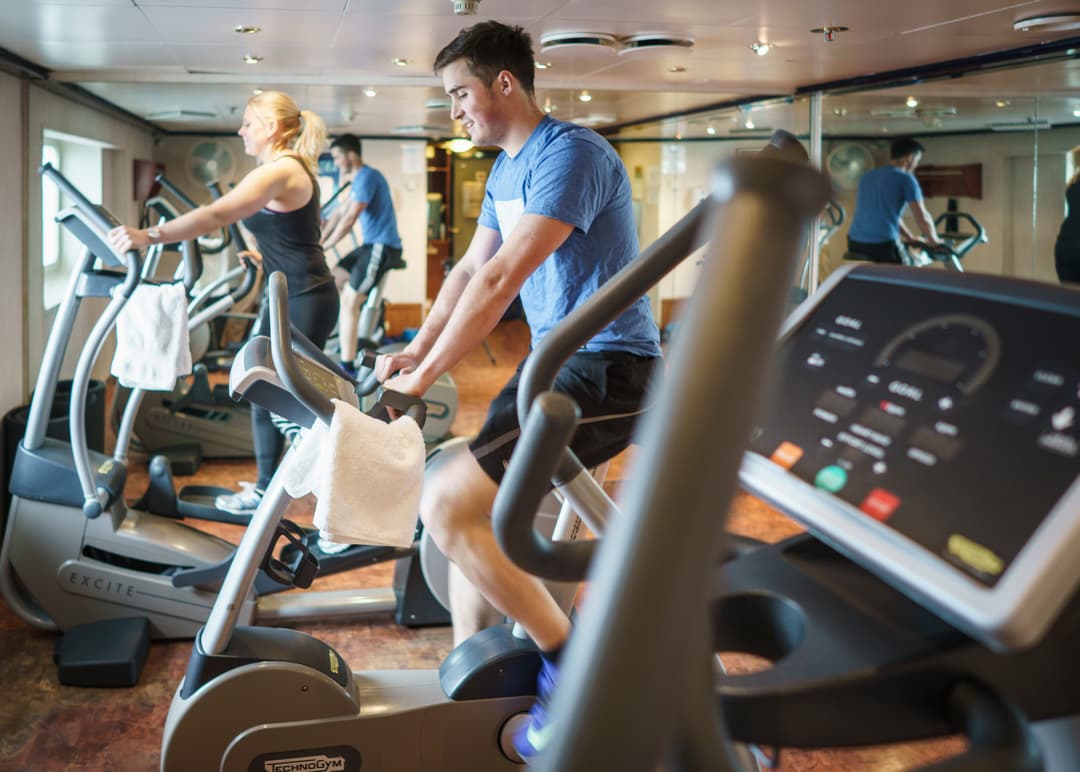
Public areas include: Reception, Restaurant, Bar, Outdoor Bistro, Club Lounge, Library, Presentation Lounge, Infirmary, Gym, Bridge.
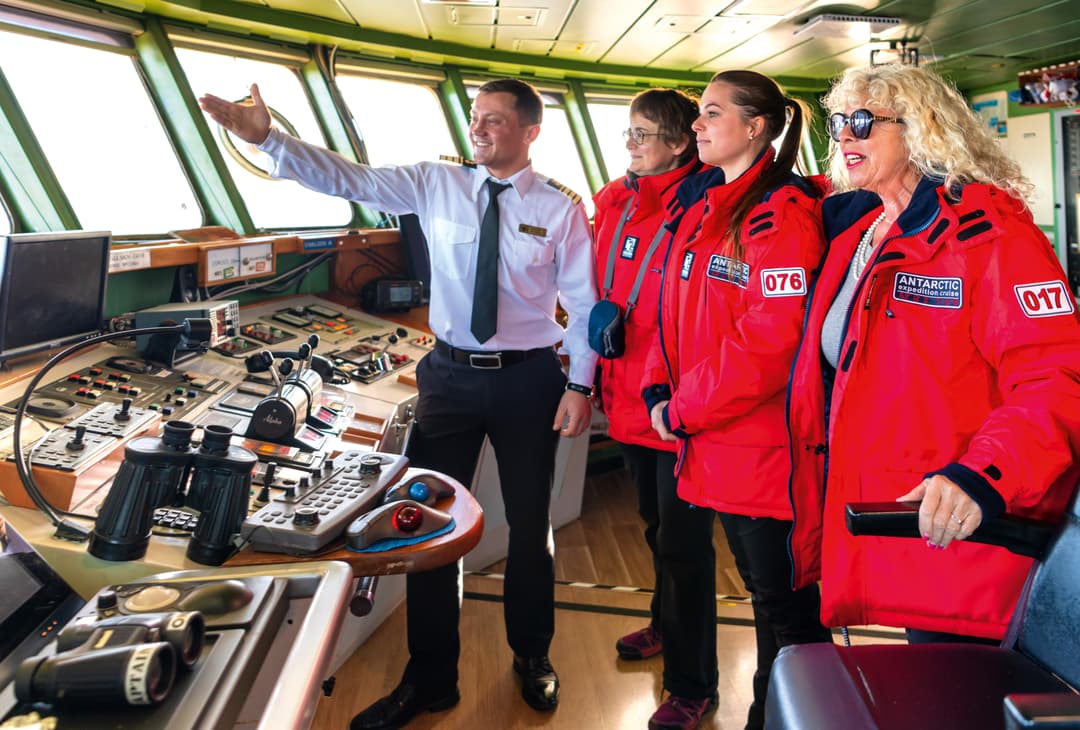
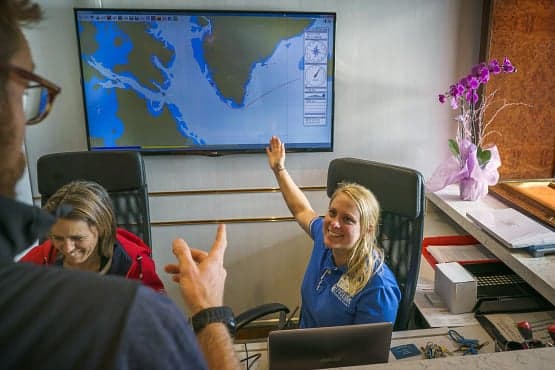
We have open Bridge policy. Talk to the Captain and officers. Watch landscapes from this special angle of view. Fix your location at a map of your expedition.

PUBLIC AREAS
Explore the Polar Regions in style and comfort aboard the all-suite Sea Spirit. Providing spacious suites and social areas for 114 guests the Sea Spirit at the same time features manoeuvrability and friendly atmosphere of small ships.
Public areas include: Reception, Restaurant, Bar, Outdoor Bistro, Club Lounge, Library, Presentation Lounge, Infirmary, Gym, Bridge.
We have open Bridge policy. Talk to the Captain and officers. Watch landscapes from this special angle of view. Fix your location at a map of your expedition.
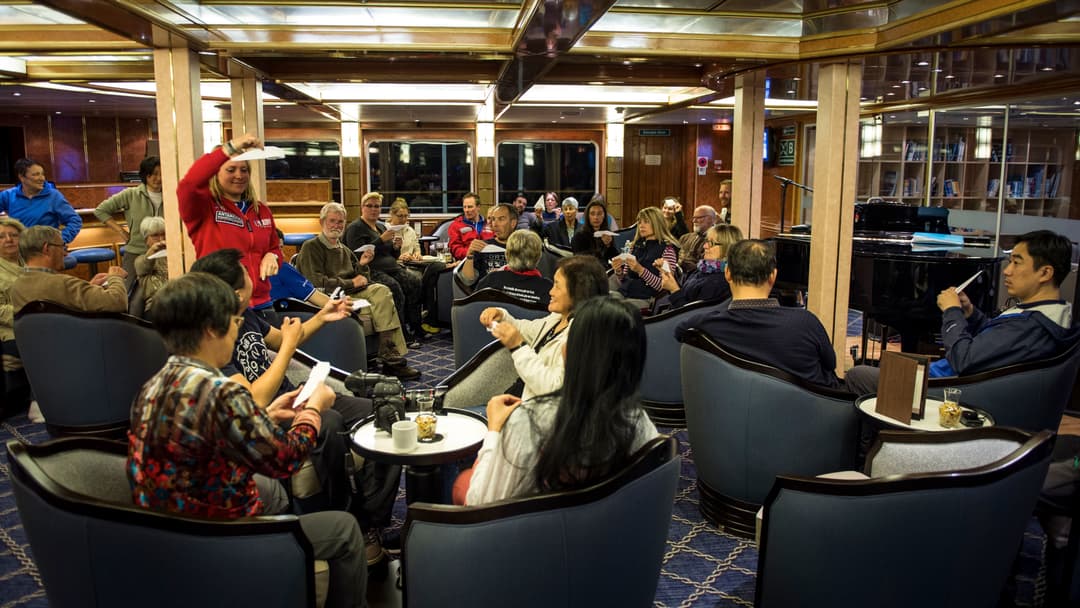
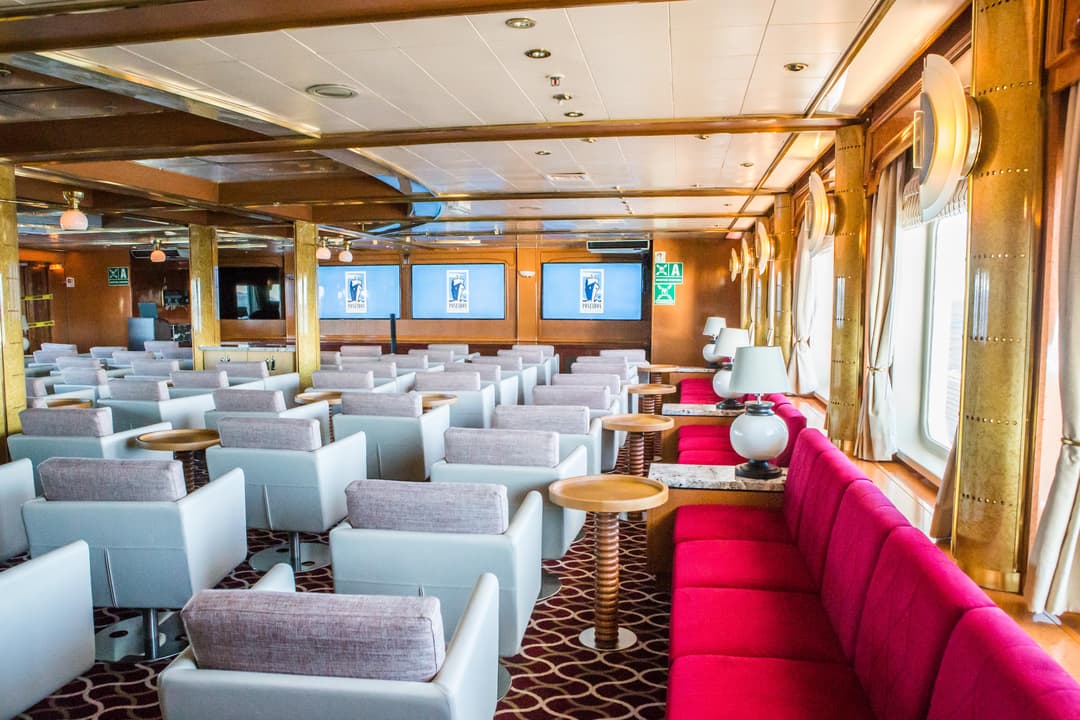
Club Lounge provides great opportunities for socialising and observing fantastic landscapes passing by. This comfortable seating area also offers a 24-hour self-service coffee and tea bar.
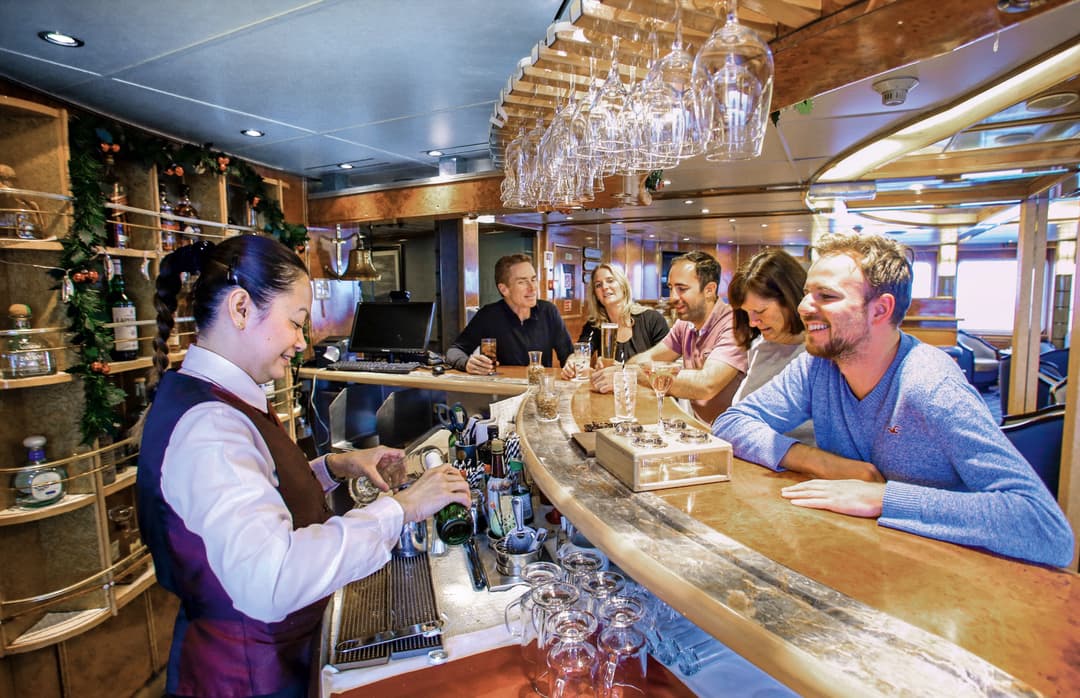
After a day of explorations passengers may relax at a Bar staffed by a professional bartender. With a wide variety of alcoholic and non-alcoholic drinks and engaging conversation, the bar on board this small luxury ship welcomes guests to mix and m....
PUBLIC AREAS
Explore the Polar Regions in style and comfort aboard the all-suite Sea Spirit. Providing spacious suites and social areas for 114 guests the Sea Spirit at the same time features maneuverability and friendly atmosphere of small ships.
Public areas include: Reception, Restaurant, Bar, Outdoor Bistro, Club Lounge, Library, Presentation Lounge, Infirmary, Gym, Bridge.
We have open Bridge policy. Talk to the Captain and officers. Watch landscapes from this special angle of view. Fix your location at a map of your expedition.
Loading...
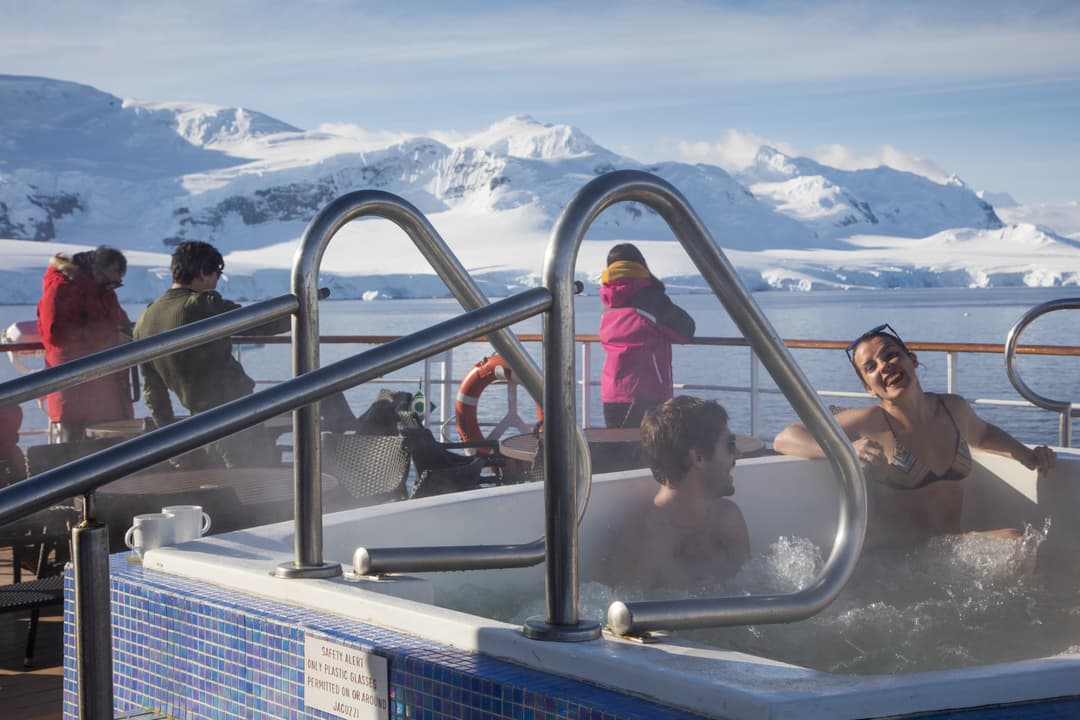
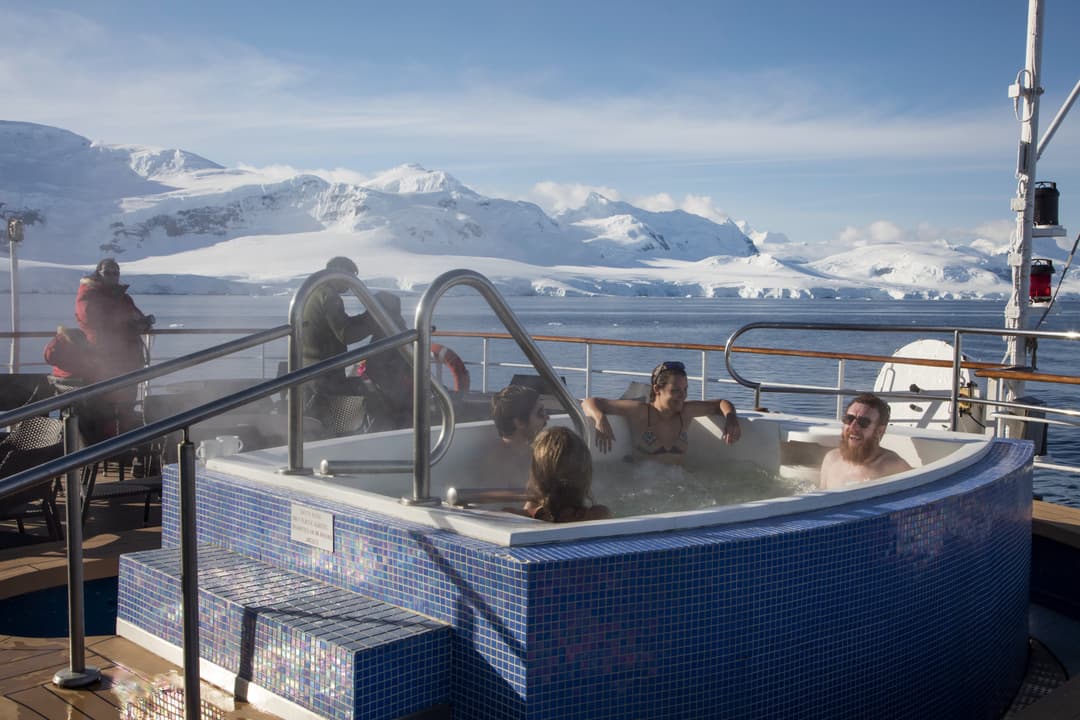
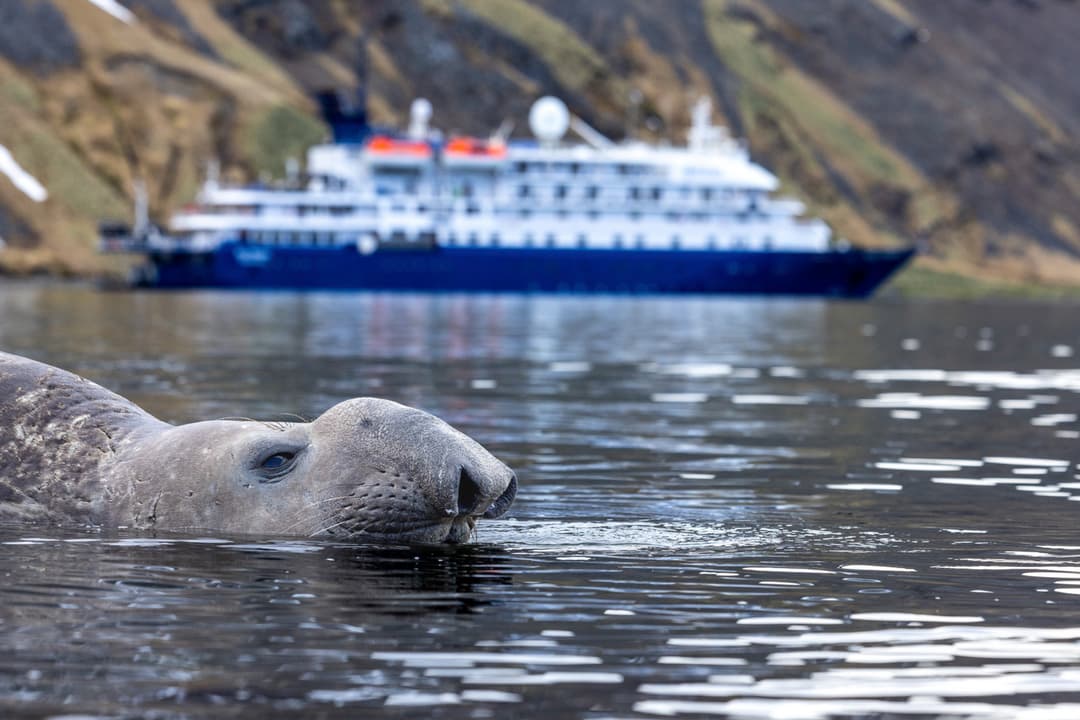
Traveling to the polar regions is a unique experience, and so is every moment of your expedition cruise. Each day is packed with opportunities to discover something new and exciting. Whether it be a pod of whales greeting the ship, or a polar bear cub playing in the snow, or an iceberg being born from a massive glacier front – both the Arctic and Antarctica hold a wealth of pristine natural wonders.
Loading...
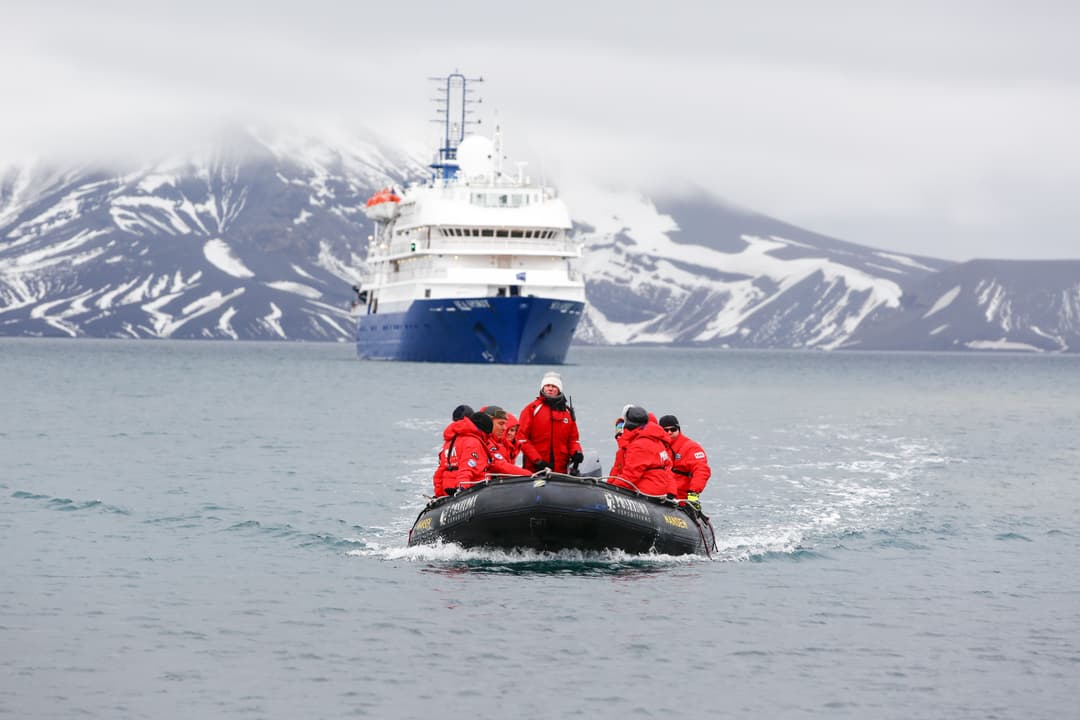
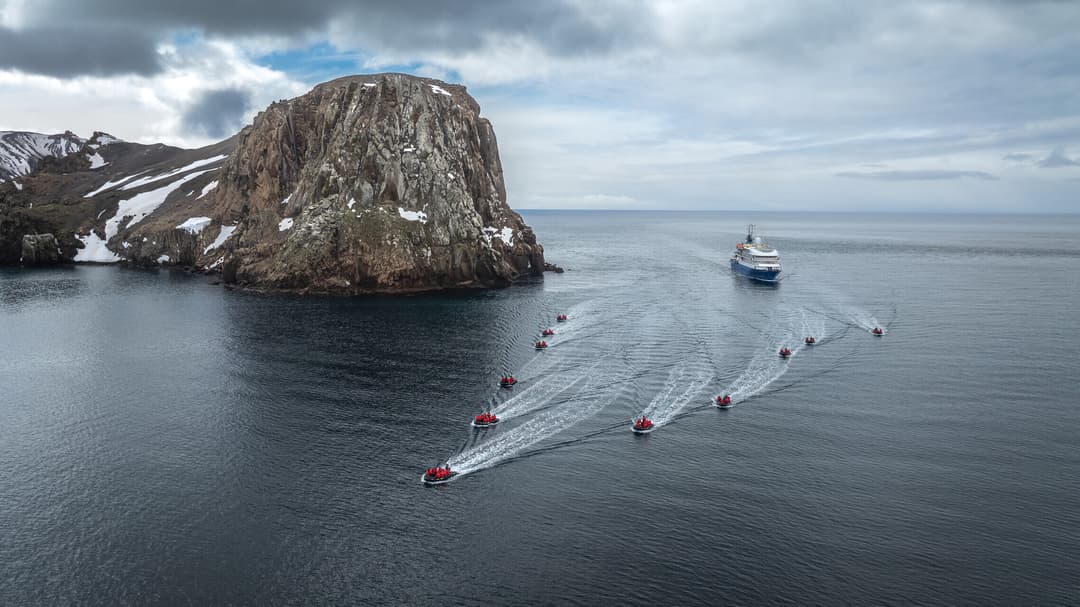
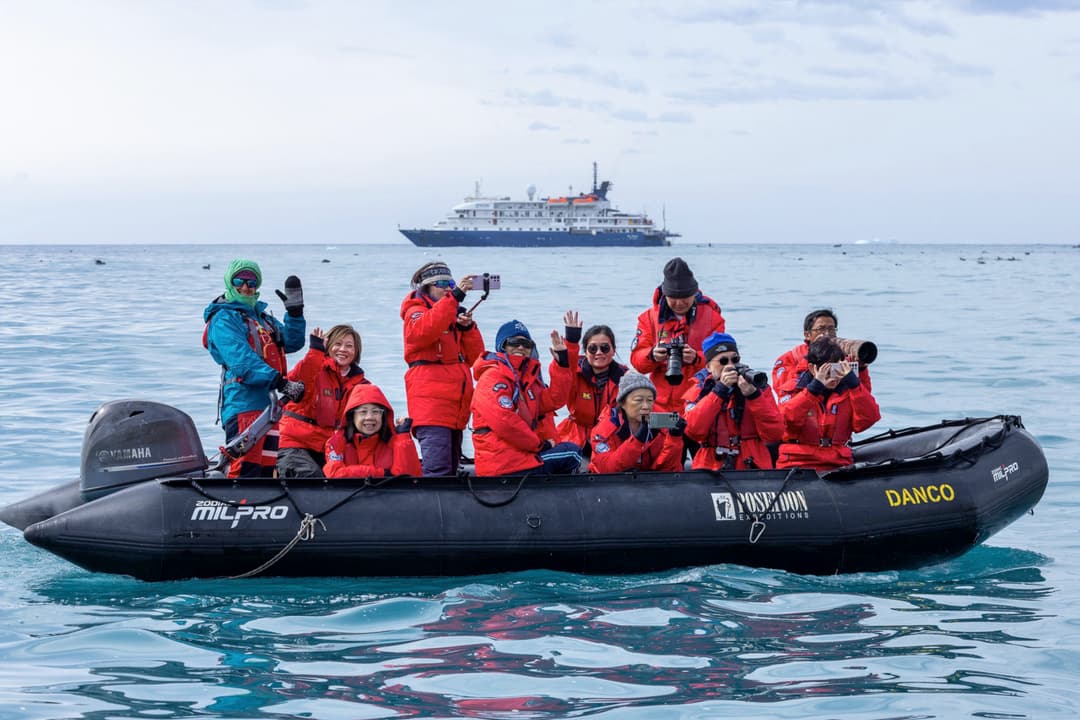
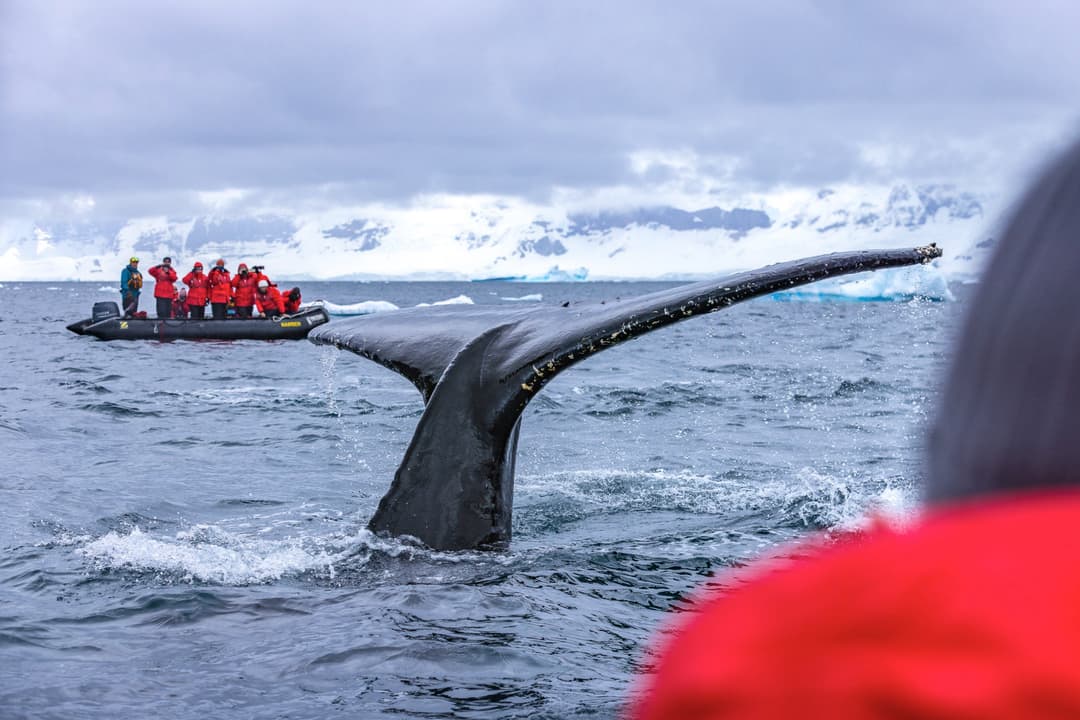
One of the most thrilling aspects of our expeditions aboard Sea Spirit is the chance to explore the polar regions up close through Zodiac cruising. With 10 Zodiac boats and just about 100 guests on board, everyone can head out at the same time, ensuring no rotations and more time to enjoy the incredible wildlife and dramatic landscapes in an intimate and exciting way.
What Are Zodiac Boats?
Zodiac boats are inflatable, rigid....
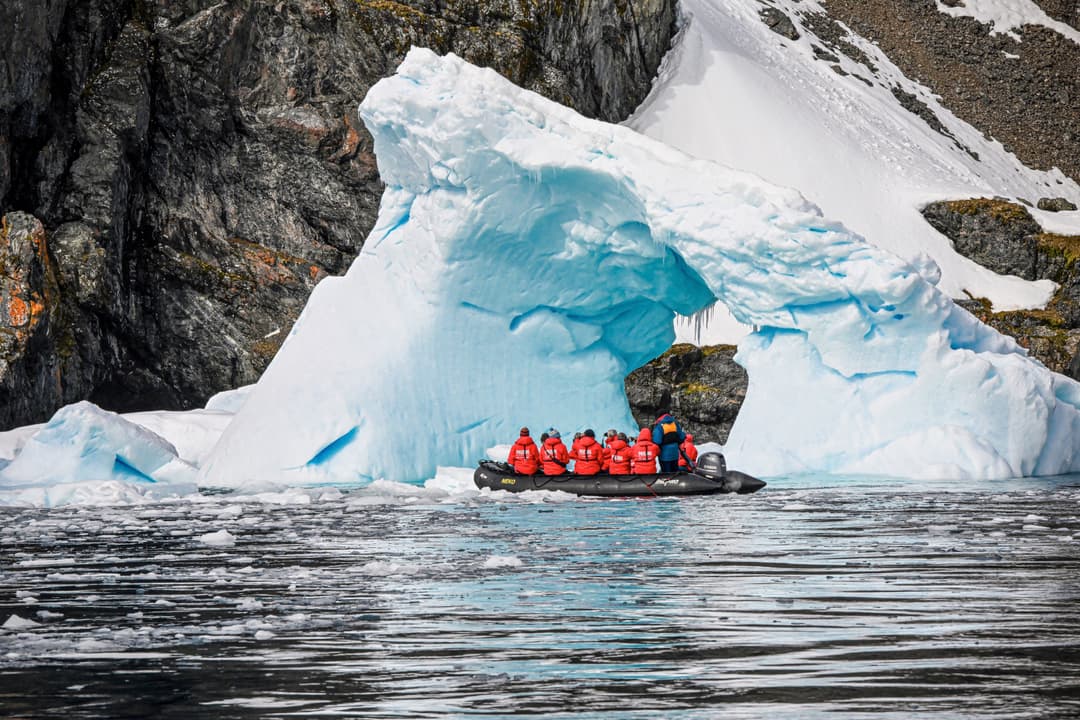
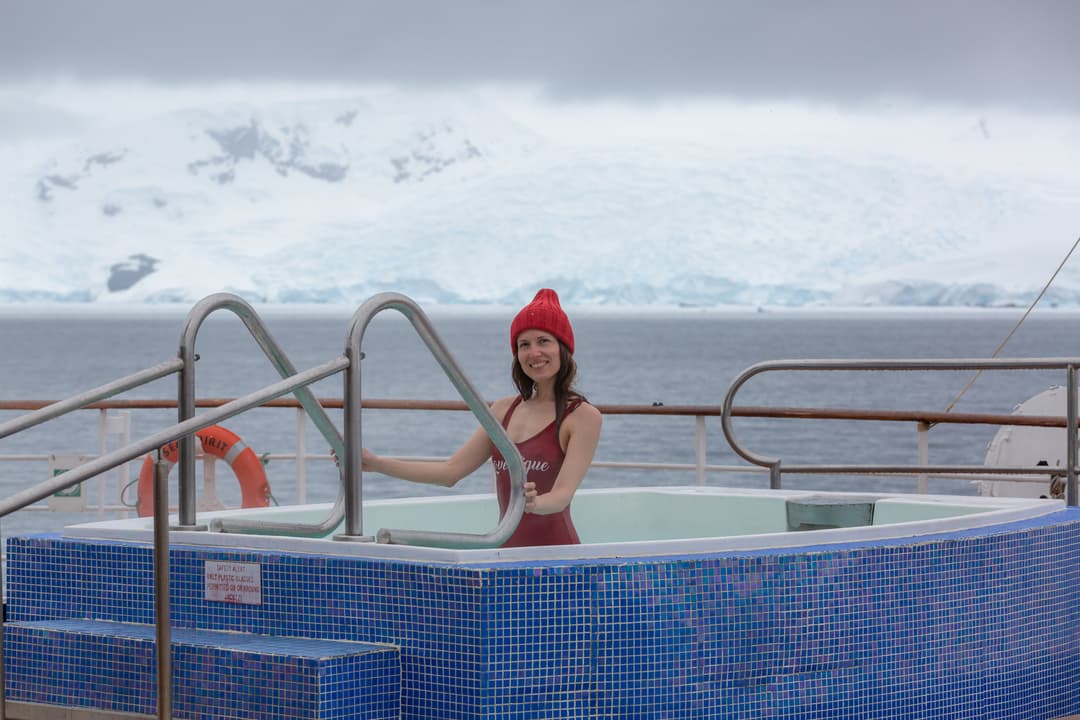
Take the leap with the unforgettable Polar Plunge! Offered on most of our Arctic and Antarctic cruises, this exhilarating experience invites travelers of different ages to dive into the icy polar waters—a thrilling highlight of any expedition.
What Is the Polar Plunge?
The Polar Plunge is a controlled, heart-pounding experience where you jump into near-freezing waters under the watchful eyes of our experienced team. It’s a c....

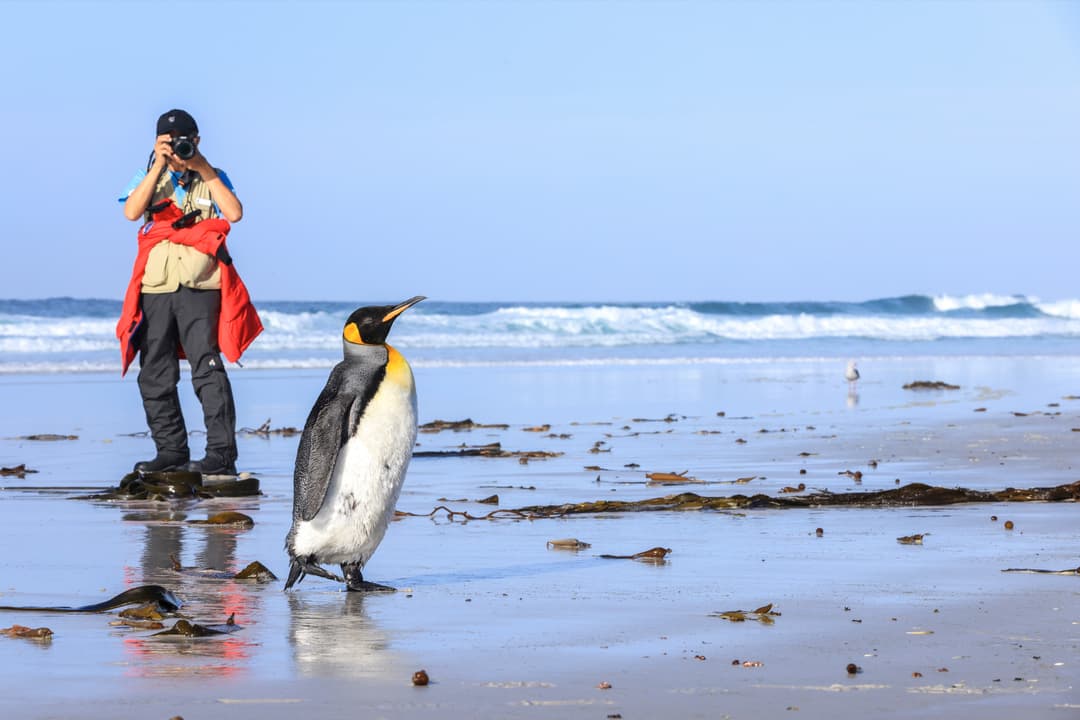
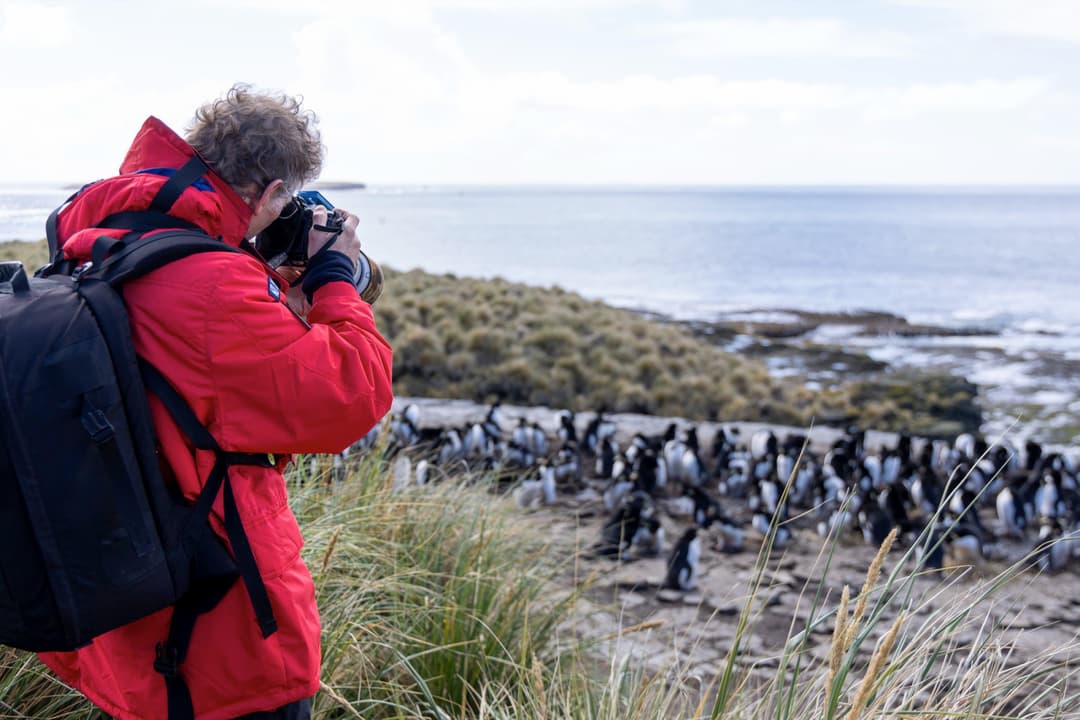
A giant iceberg right next to your Zodiac, glacier-covered mountains, a penguin stumbling by on a scenic beach and magnificent polar landscapes – there is no way to return from an expedition cruise without bringing home the best photos of your life!
The Polar Regions are perhaps the most photogenic on earth, with countless beautiful scenes presenting themselves every day. Endless expanses of ice, beaches crowded with seals or penguins, s....
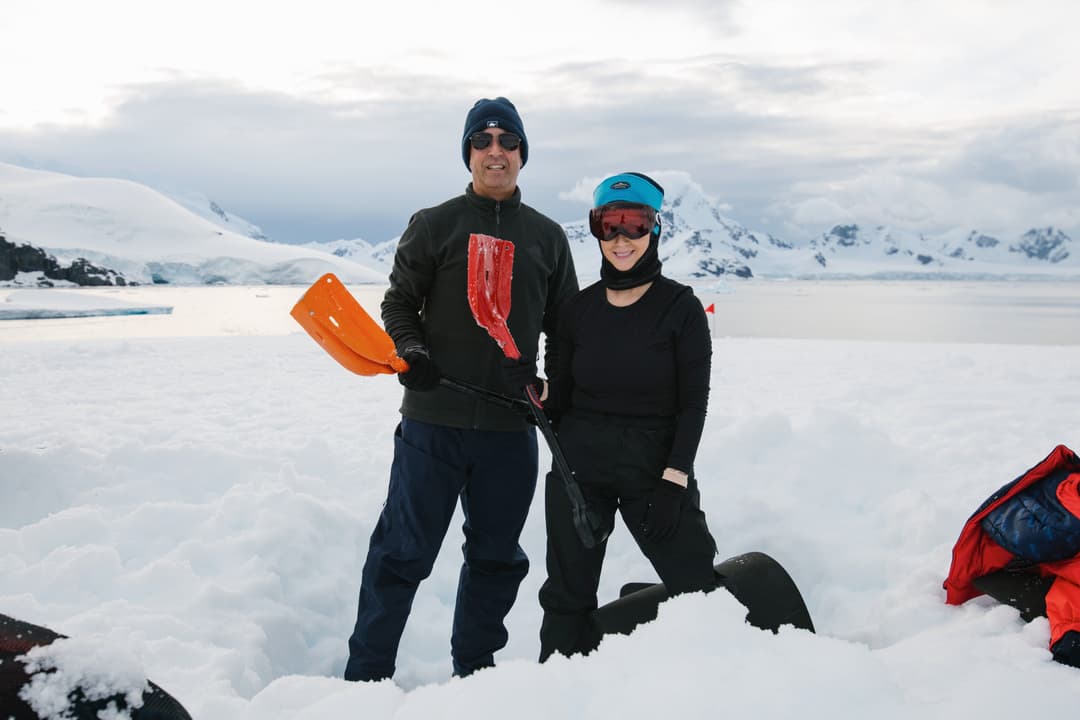
Imagine a pristine polar paradise, icebergs, penguins and the feeling of being far away from the civilized world…and yourself cuddled up in a warm sleeping bag in the middle of it all! Have you got what it takes to become a real polar expeditioner? Then sign up for camping in Antarctica! Swap your comfy Sea Spirit cabin for a night of polar adventure on the ice. And don’t worry, we’ll provide everything you need for an unforgettable adventure ....


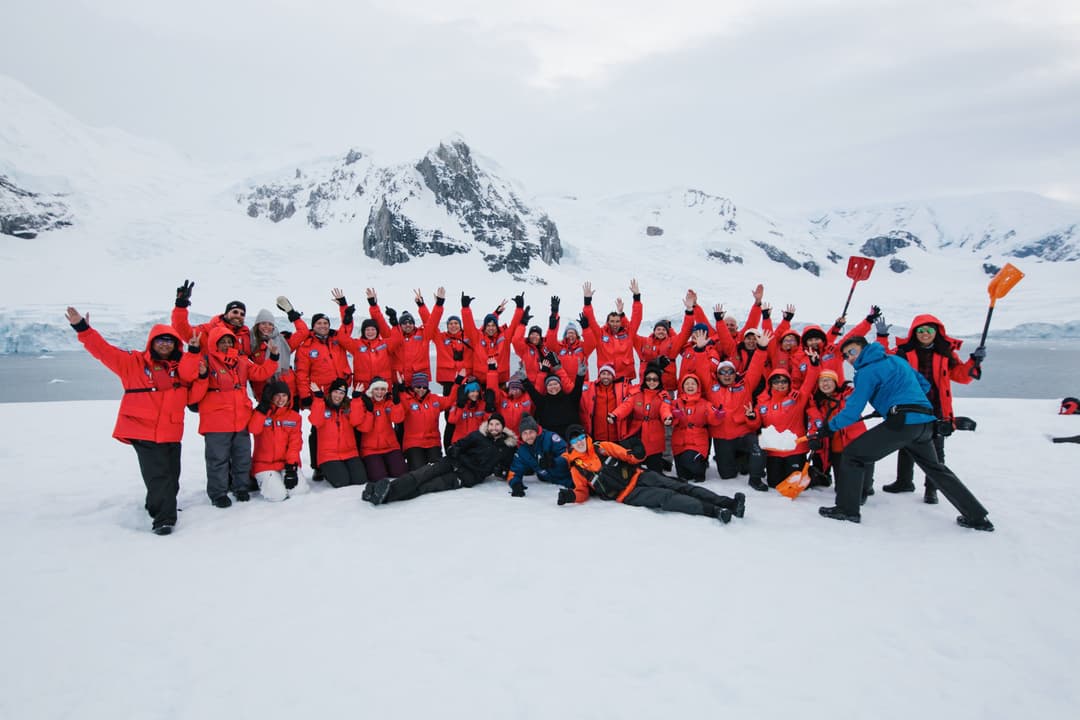
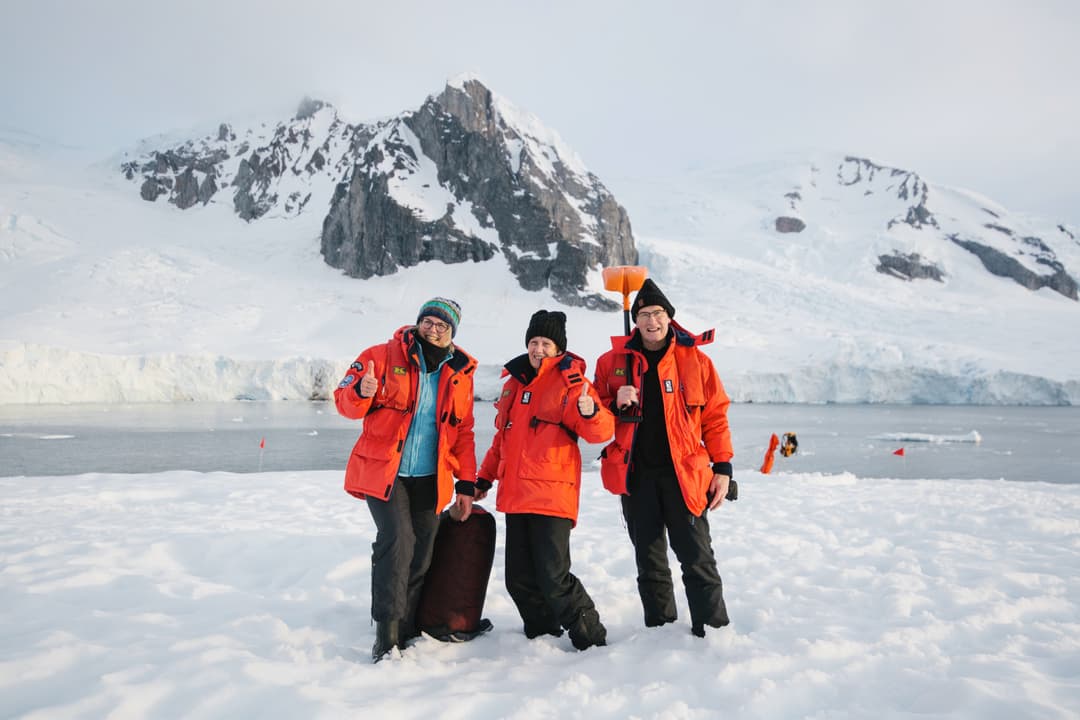
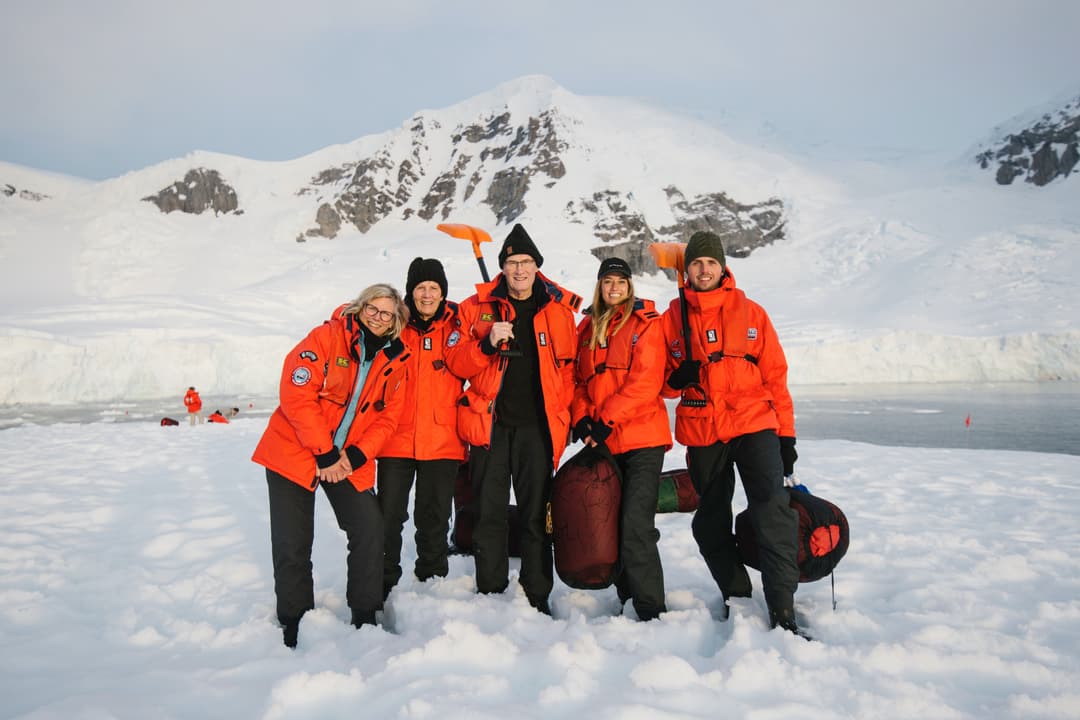
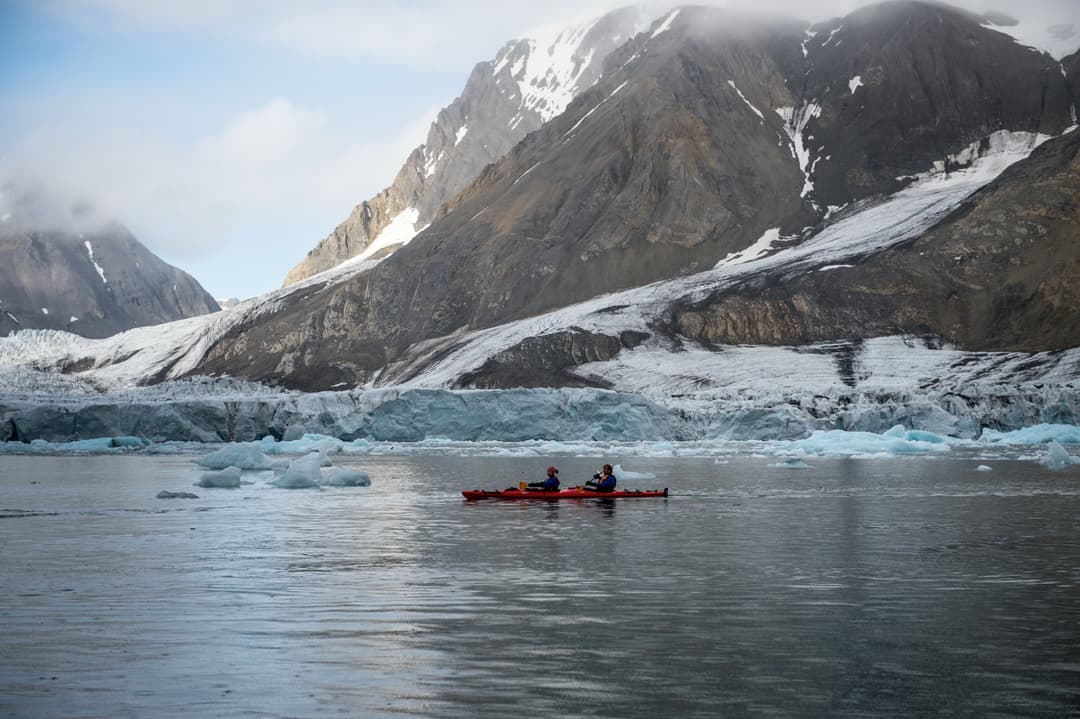
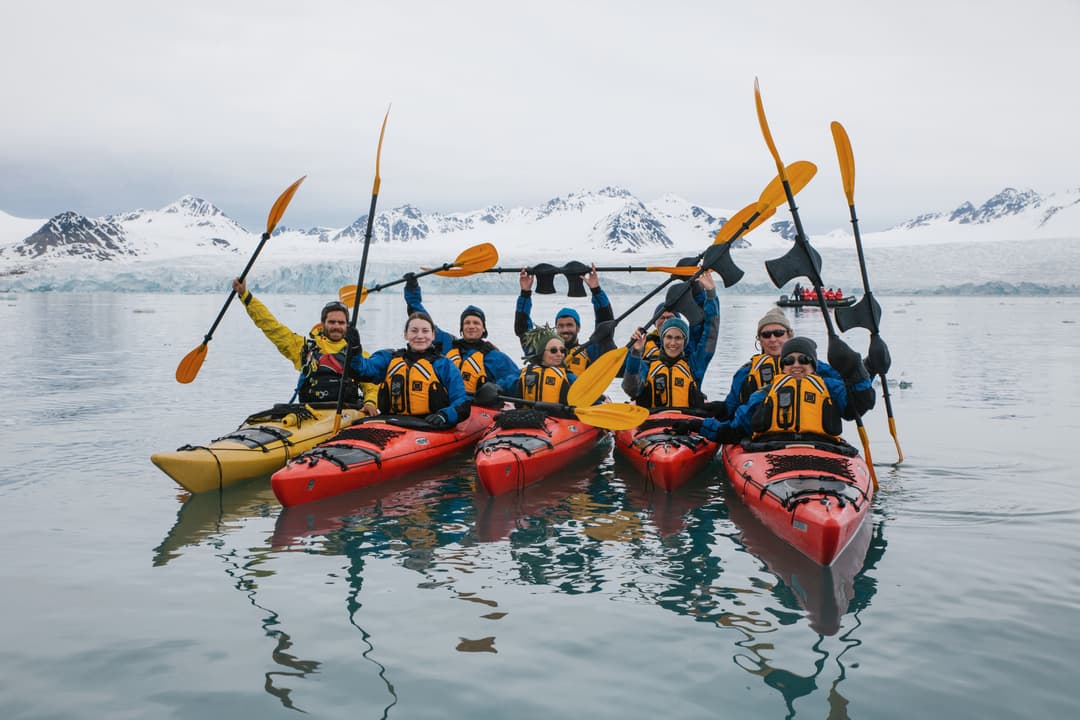
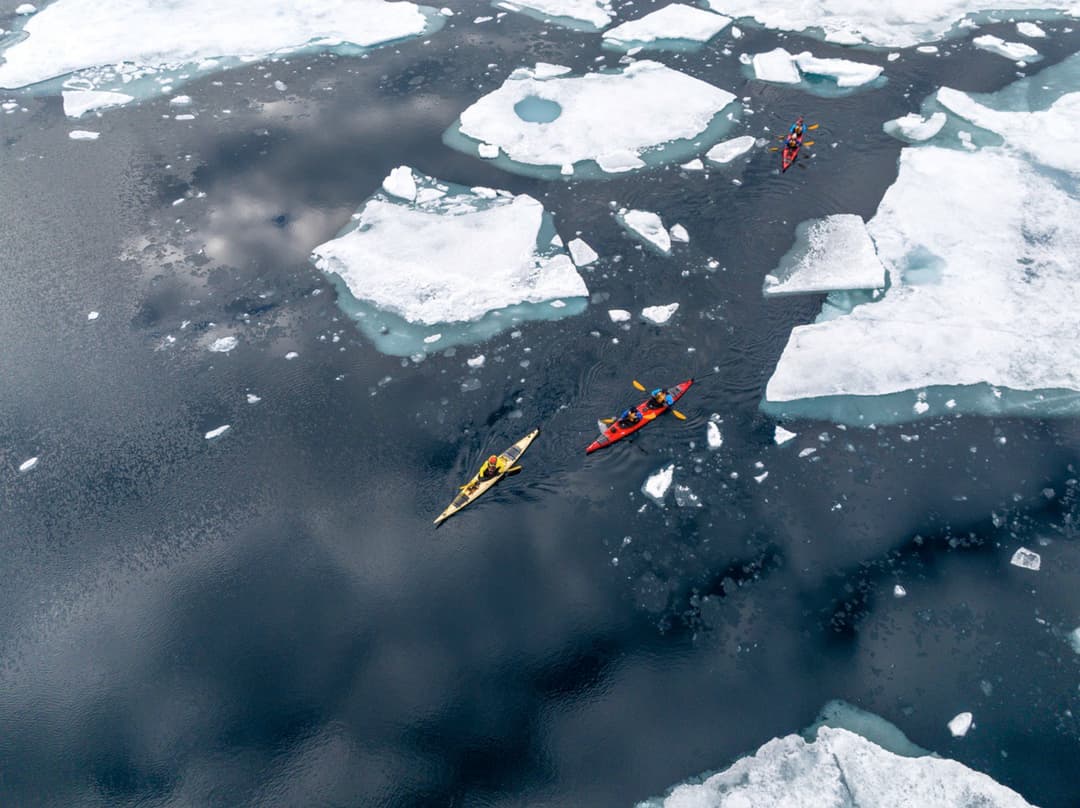
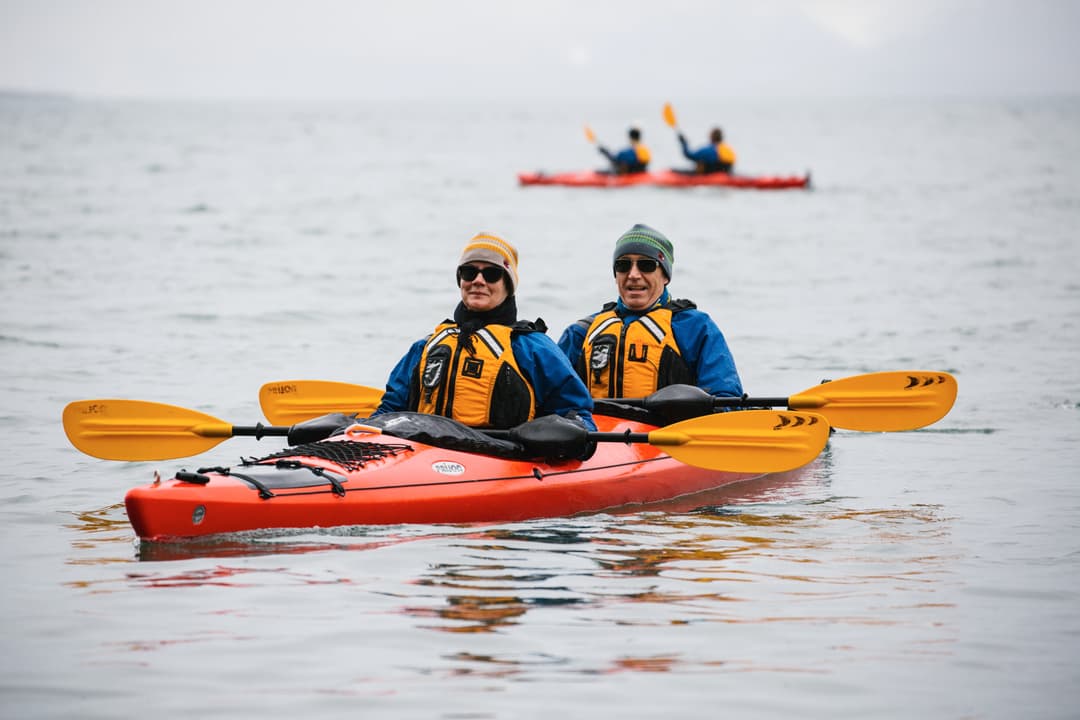
Imagine yourself floating amid icebergs, paddling pristine bays and exploring some of the most beautiful places on Earth at your own pace! Get close-up views of wildlife and immerse yourself fully into the breathtaking polar world from the comfort of your sturdy sea kayak. We guarantee that this will be one of the highlights on your polar expedition, but booking in advance is crucial. We keep our kayak groups small and it’s an all-time favorit....


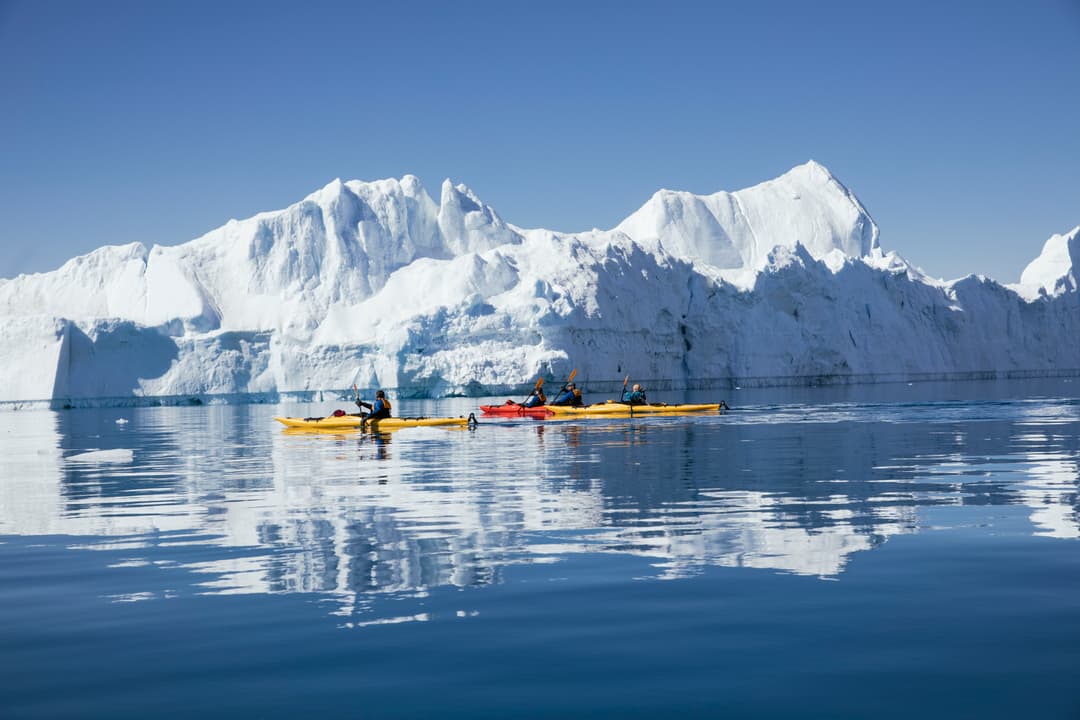
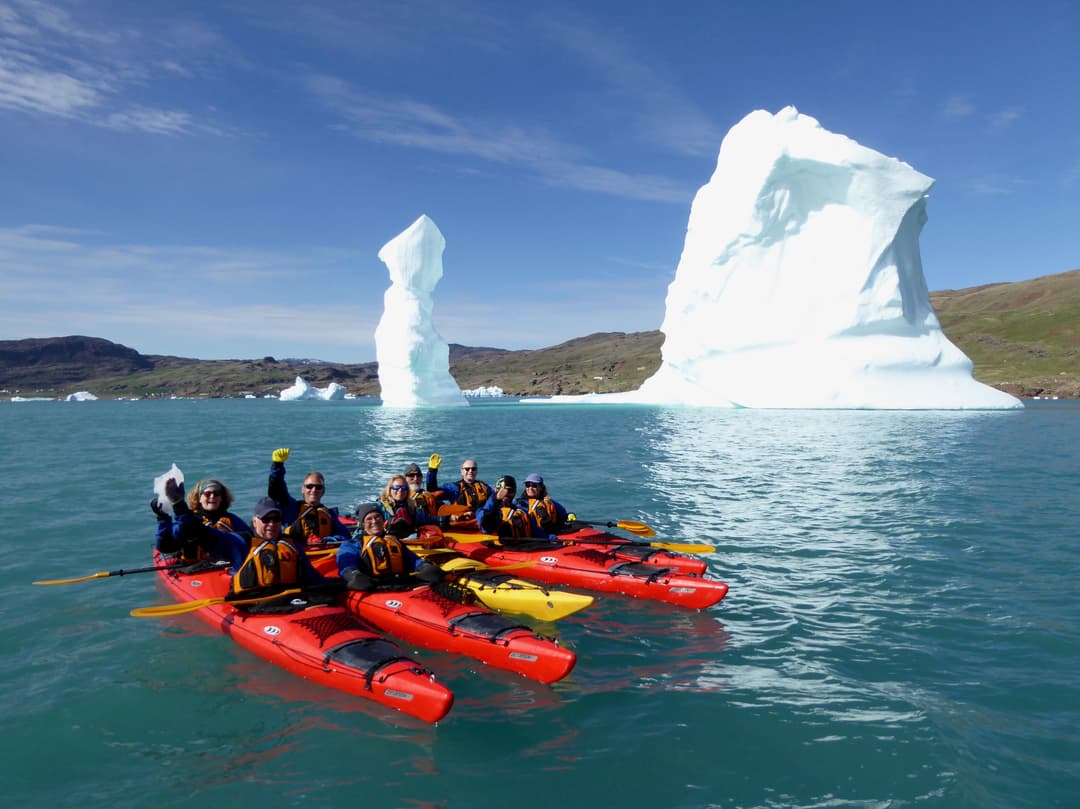

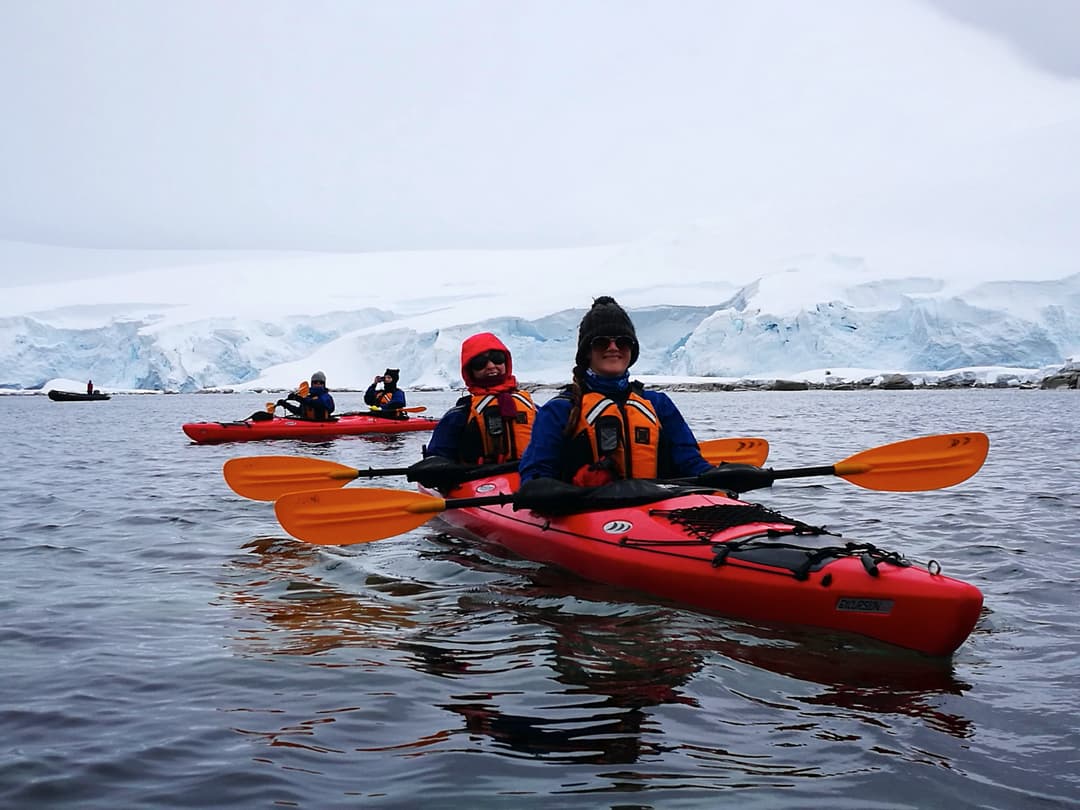
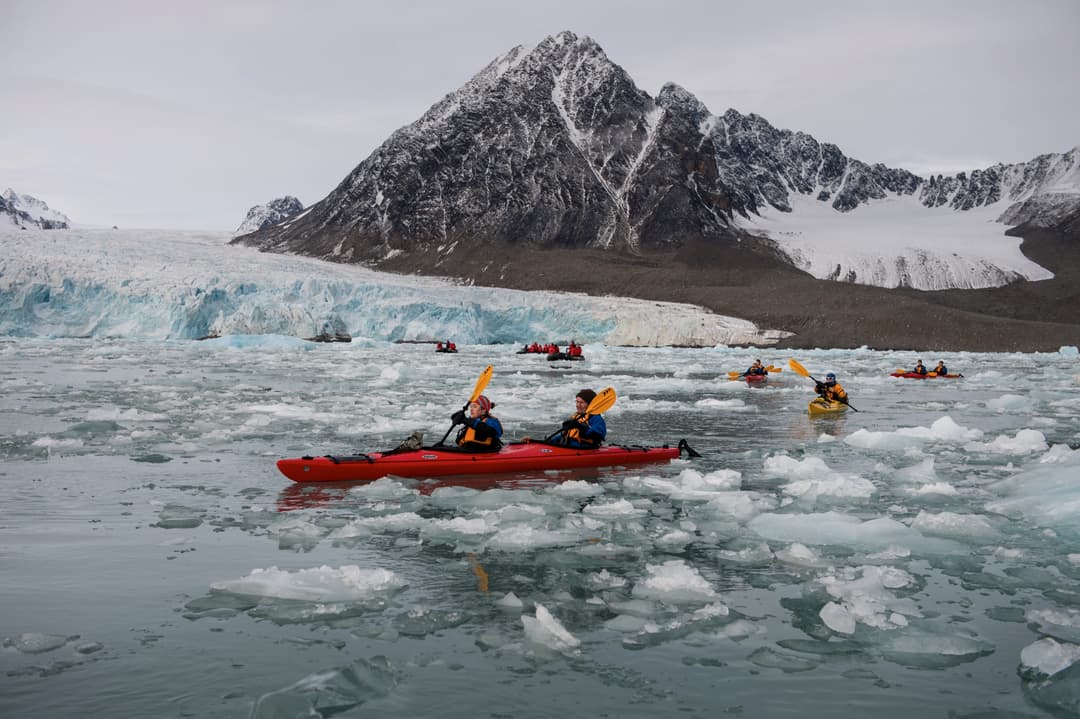
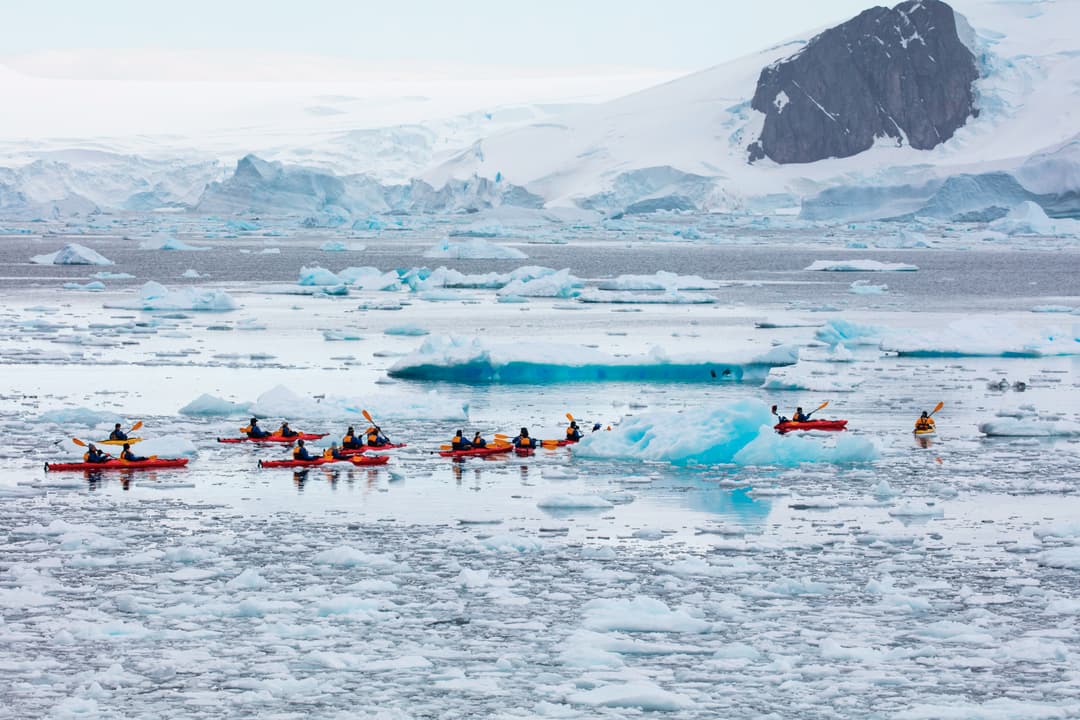
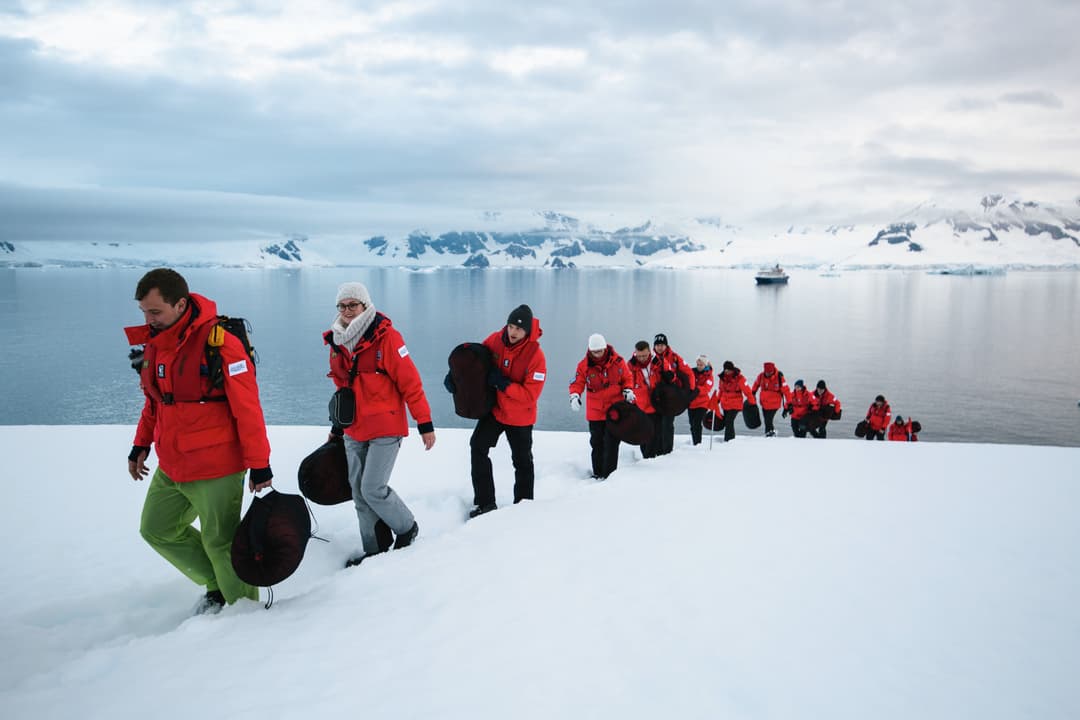
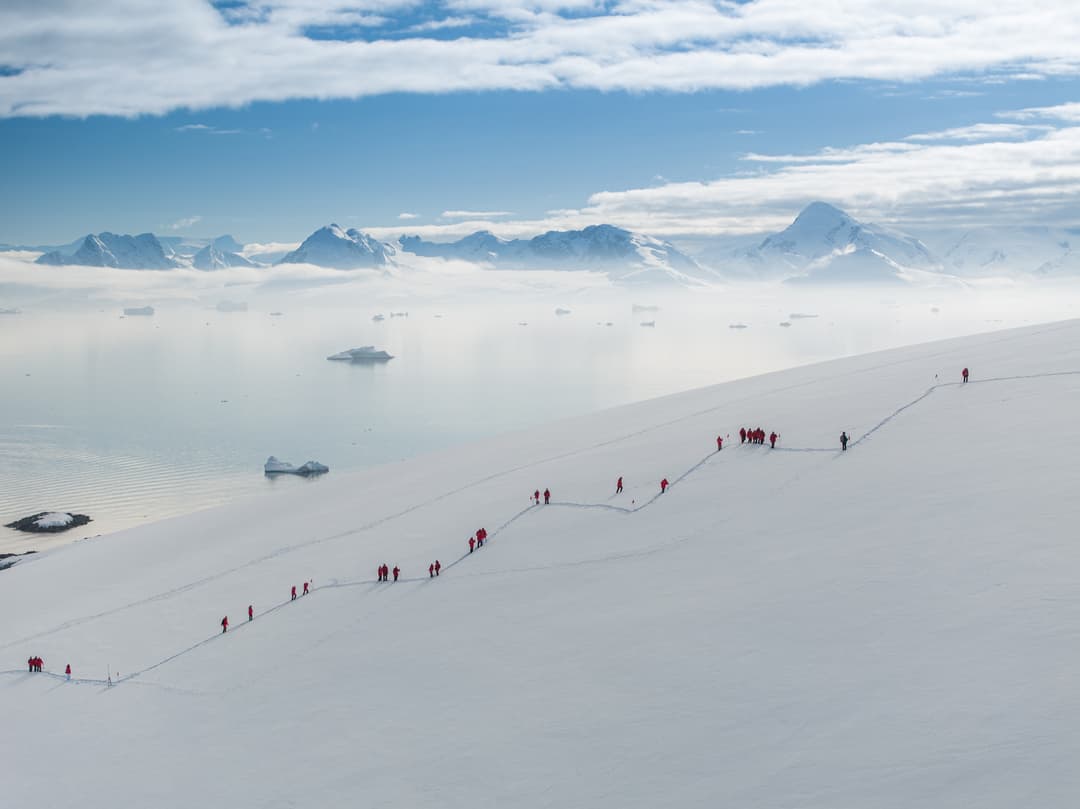
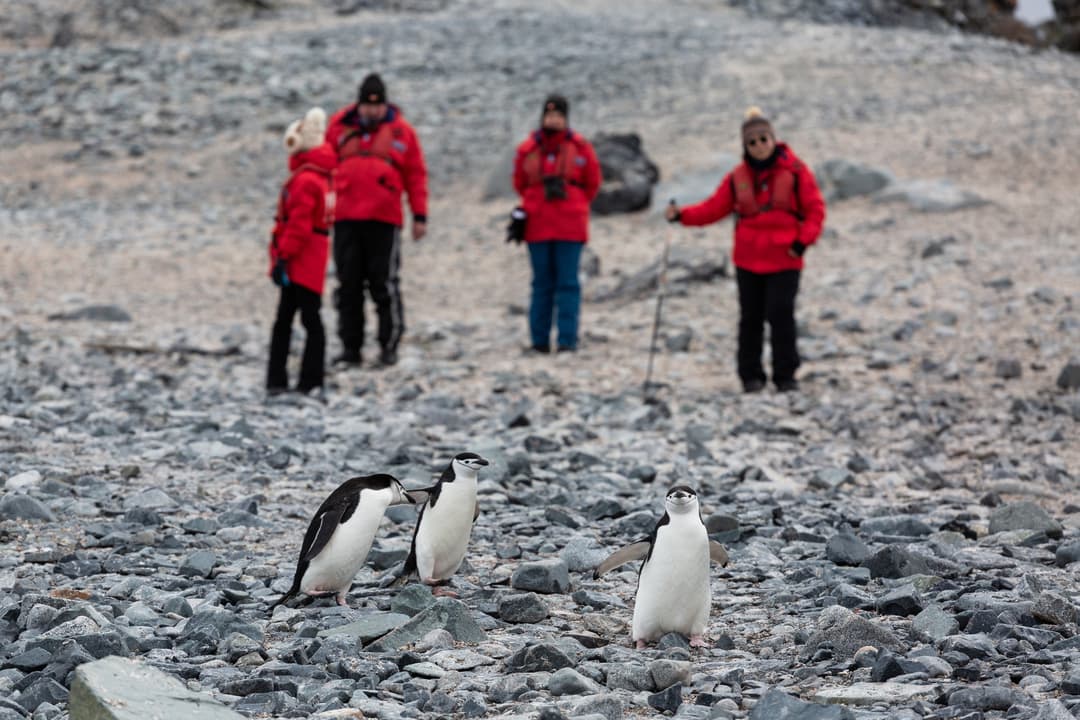
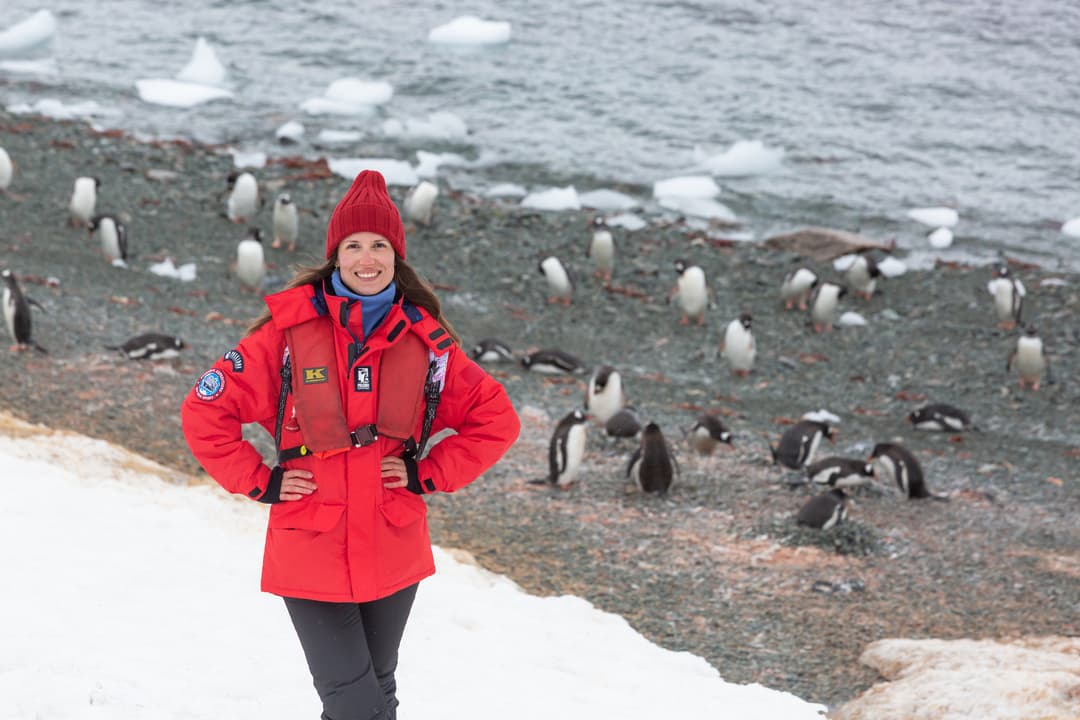
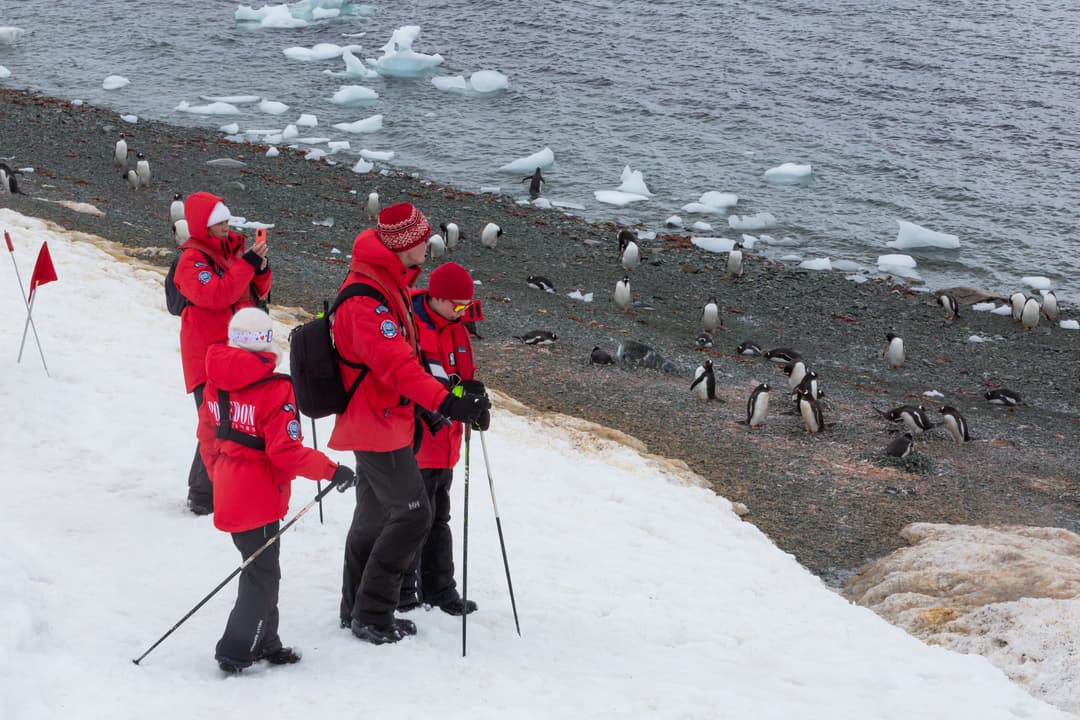
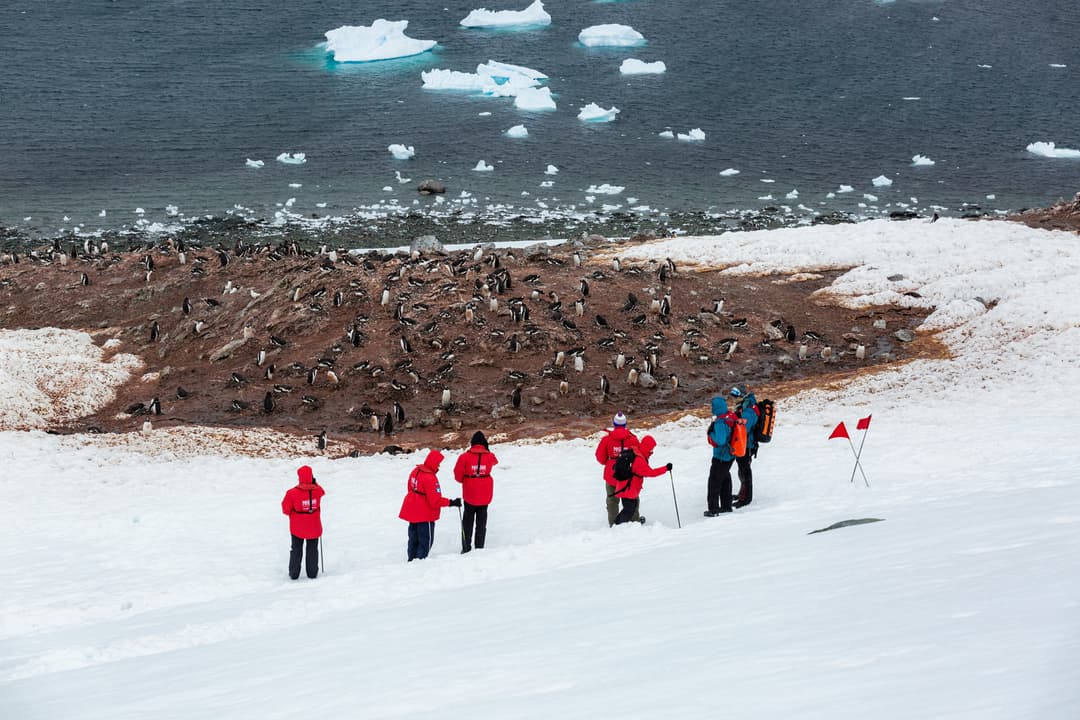
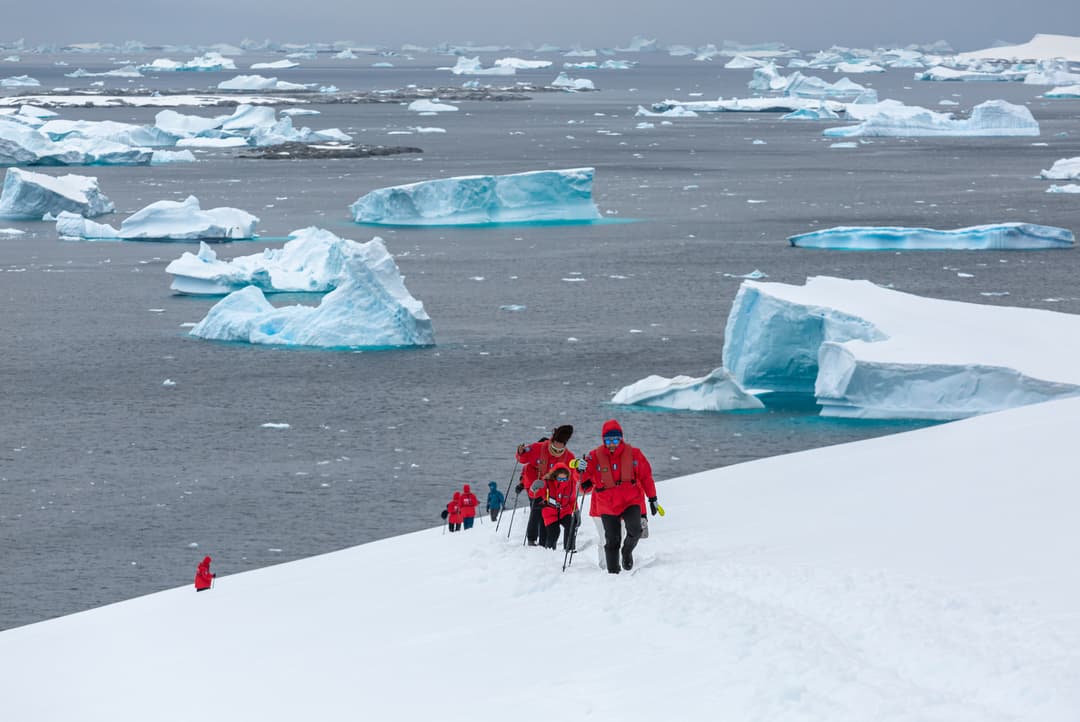
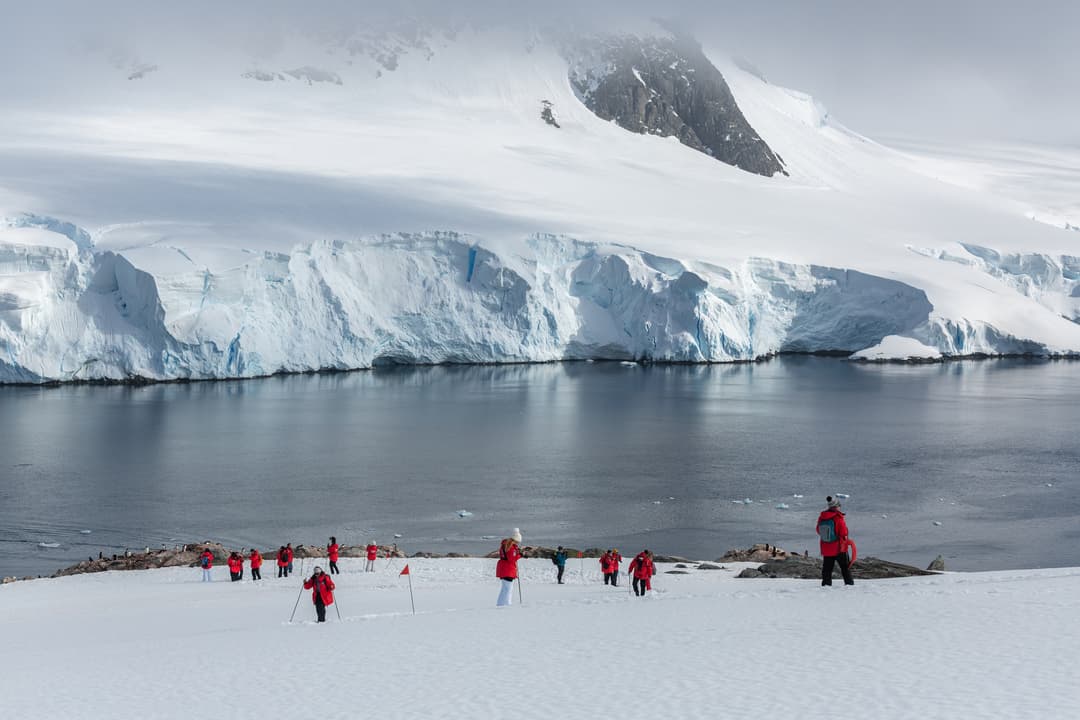
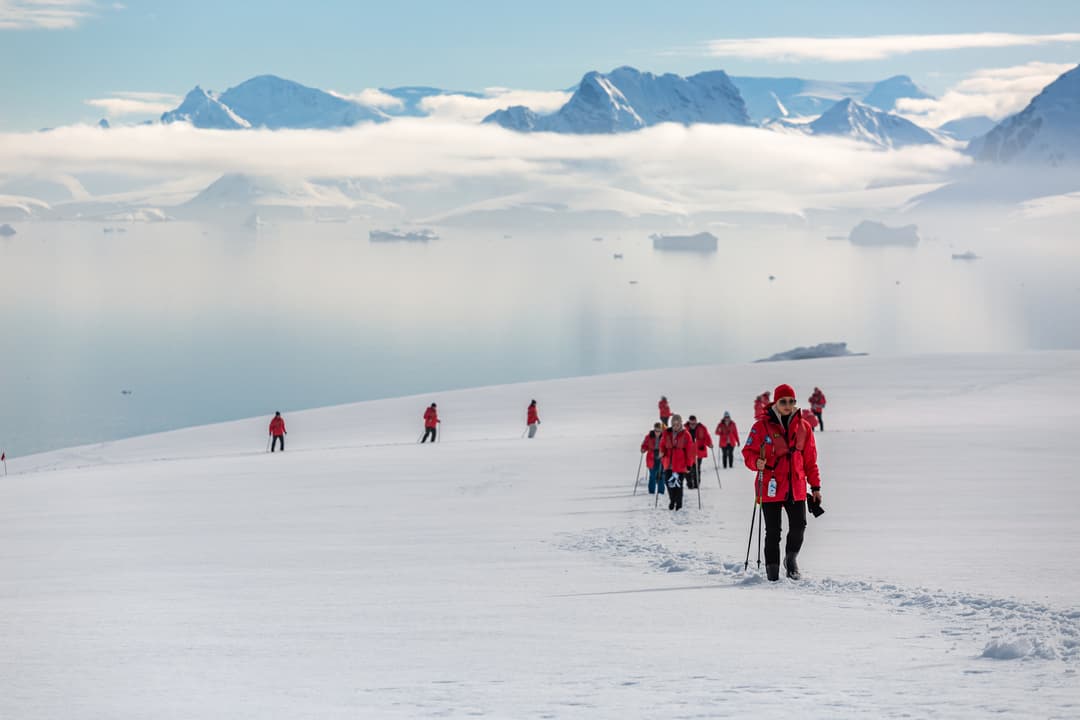
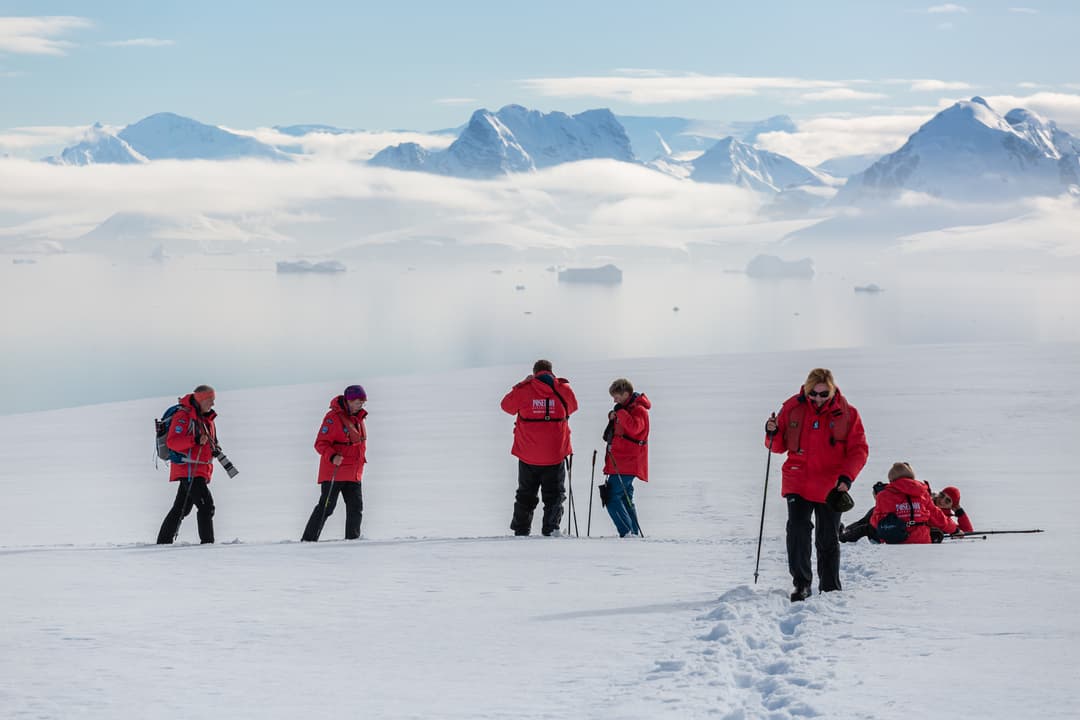
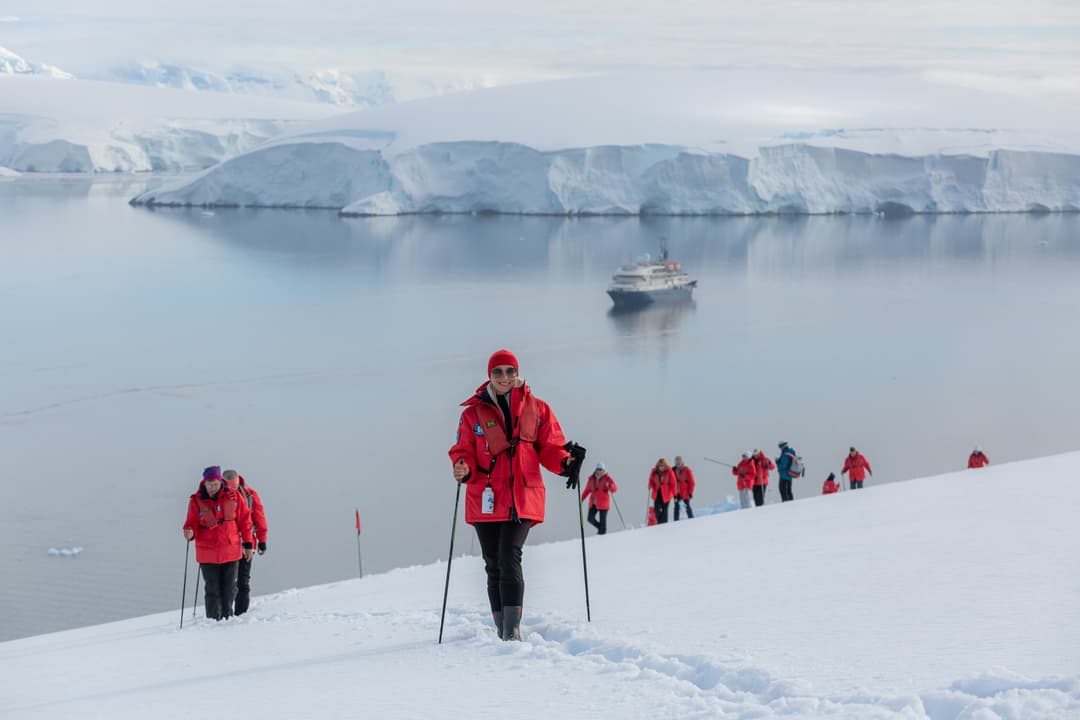
Experience the thrill of hiking during our polar expeditions, immersing yourself in the breathtaking landscapes of the Arctic or Antarctic. Traveling aboard our small ship with just around 100 passengers means everyone can go ashore at the same time, avoiding long waits or rotations. This gives you plenty of time to fully enjoy your landing without feeling rushed, making every moment unforgettable.
Hiking for All Levels
Our ....
Can I fly drones in Antarctica?
Pristine landscapes, gigantic icebergs and iconic wildlife in their natural habitat – no wonder that, as an avid expeditioner, you’ll be blown away by the beauty of the White Continent. And of course, you’d like to remember these magical moments with lots of photos and video footage! But what about Antarctica drone footage? Even though you can visit Antarctica for tourism, it is still a natural rese....

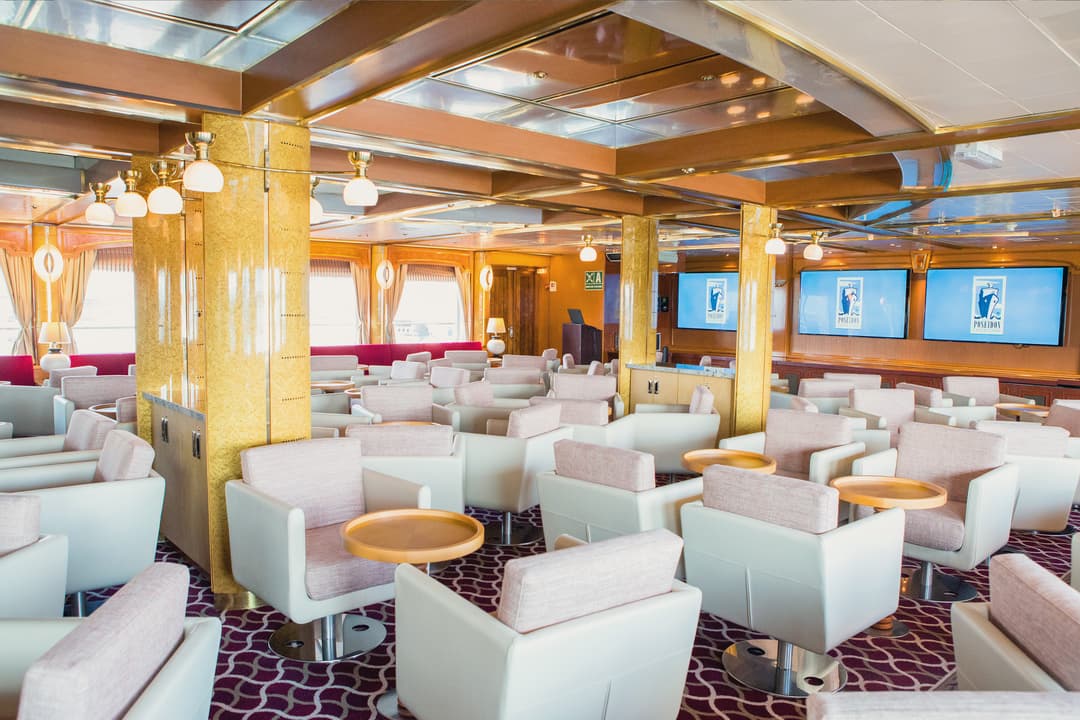
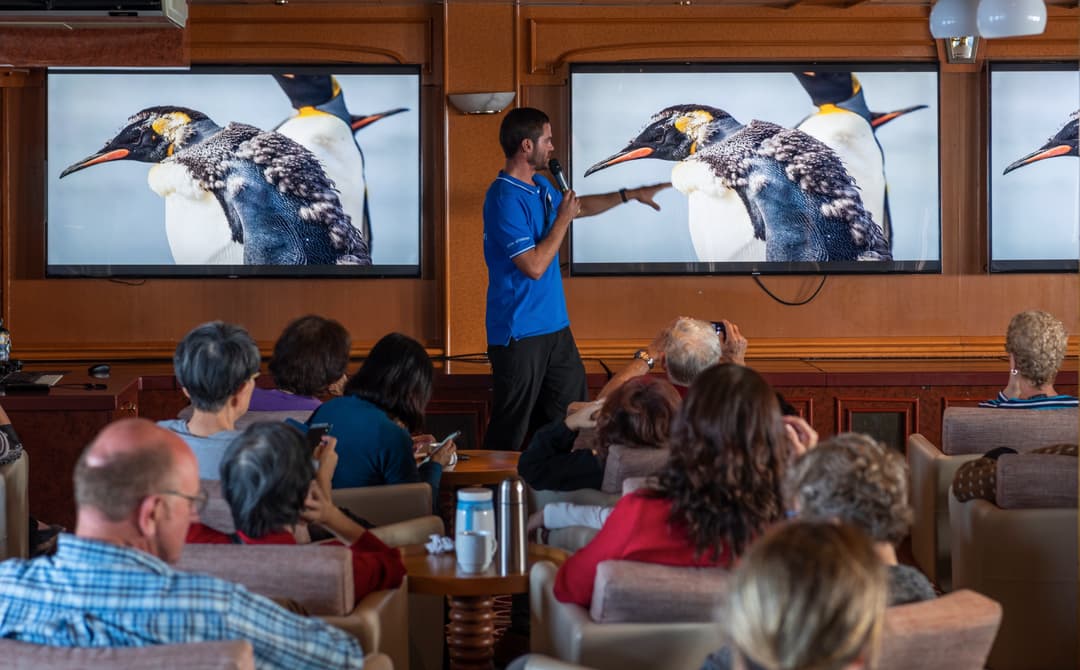
The Presentation Lounge with state-of-the-art equipment is where all lectures, briefings and social gatherings take place. Attend informative lectures, recaps and briefings, and enjoy views outside in our Presentation Lounge.
Edutainment Aboard — An Educational Adventure
A polar cruise with Poseidon Expeditions is not just about breathtaking landscapes and unique wildlife encounters — it's also an immersive learning experien....
Poseidon Expeditions actively supports Citizen Science and environmental conservation. Guests aboard the Sea Spirit can participate in projects like the Happy Whale Project, photographing whales to aid research on migration, population, and health. Beyond science, the company engages in initiatives such as Clean Up Svalbard, helping remove marine debris and protect Arctic wildlife. By combining exploration with meaningful contribution, Poseido....


Please note: there are no children's facilities onboard.
Loading...
Created specifically for our tra....
Our recommendation is to bring «arctic quality» clothes that will fit into a layered clothing scheme. For example, packing «arctic quality», light-weight long-sleeve t-shirts, turtlenecks, and a water-proof shell is better than packing five big, cotton sweaters and two huge «winter-down» coats. Three to five pairs of active-wear pants, and then a pair of waterproof pants such as ski or snowboard pants, which is designed to respond to temperatu....
Our Expedition Team always includes a doctor who is responsible for the health of our passengers and Expedition Team. Also, each ship has a clinic area equipped to handle foreseeable emergencies.
Medications
It is extremely important that you bring any prescribed medicines with you. While we do carry emergency supplies of common medications, we cannot access the kinds of information necessary to guarantee a surplus o....
Antarctica - Everyone reacts differently to the occasional, rough water of the Drake Passage. Passengers should consult their personal physician prior to travel to Antarctica and carry the recommended preventative medications at all times. That said, not all Drake Passage crossings are tumultuous.
The Arctic – While we are navigating between the Arctic islands we may get into rough seas. But once sheltered by islands in icebound waters, ....
There are no universal physical requirements for travel in polar regions. However, for certain expedition cruises participants are expected to be fit to undertake the expedition, including the ability to bring any necessary medications and to cope with the challenges of remote and climatically demanding, and rough-sea conditions. Please note that specialized medical assistance is not available in these regions. Passengers with certain medical/....
- Group transfer to the ship for embarkation on Day 2;
- Group transfer upon disembarkation;
- Cozy accommodation aboard the elegant Sea Spirit, your home away from home;
- Group transfer from the airport to the hotel on Day 1;
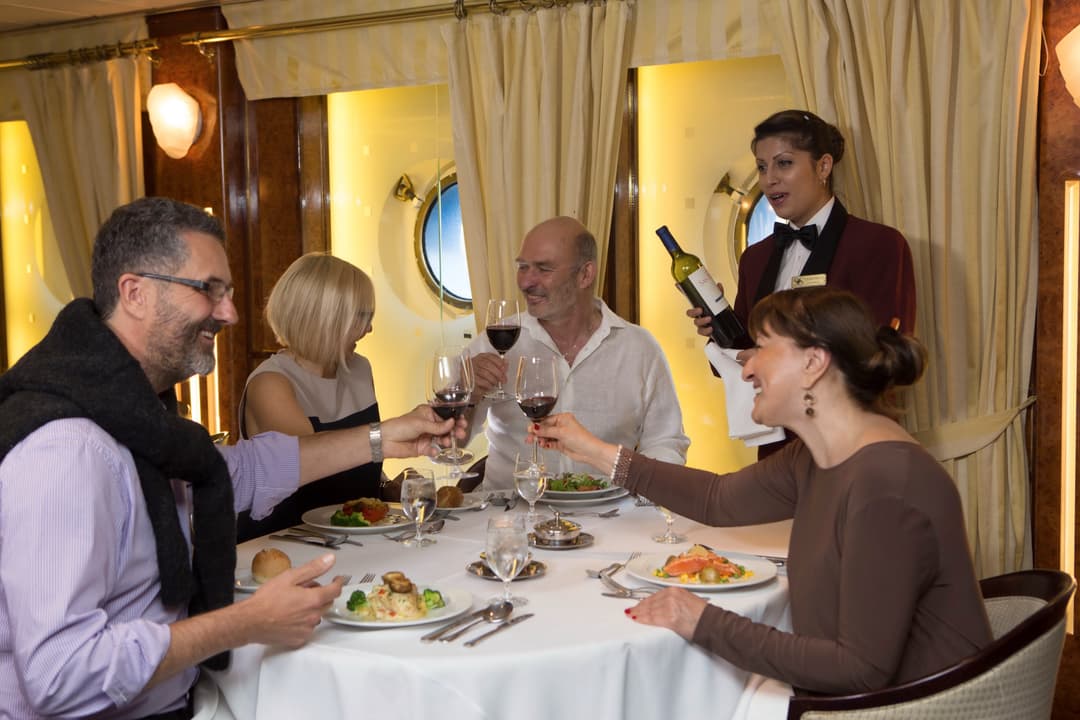
- Delicious gourmet meals crafted by our chef throughout your voyage;
- All-inclusive beverage package that includes soft drinks, house wine and beer, and house spirits
Traveling Solo Doesn’t Mean Going It Alone
Share the Journey — and Save
If you’ve ever dreamed of setting out on an adventure on your own, you’re not alone. We’ll thoughtfully pair you with a like-minded traveler of the same gender in your chosen stateroom category. (Available for Triple, Main Deck, Classic and Superior cabins).
Explore Your Way — With a Suite All to Yourself
For a little extra privacy, y....