

Wild Arctic Shores: Circumnavigating Iceland and Exploring Greenland
CRUISE ID # LINDBLADEDICGR-270709
Reykjavík TO Reykjavík
$16,900
WITH SPECIAL SAVINGS APPLIED
FARES SHOWN ARE PER GUEST
Suites & Fares
CHOOSE START DATE
: July 09, 2027
Itinerary
Sprawling Reykjavík, the nation's nerve center and government seat, is home to half the island's population. On a bay overlooked by proud Mt. Esja (pronounced eh-shyuh), with its ever-changing hues, Reykjavík presents a colorful sight, its concrete houses painted in light colors and topped by vibrant red, blue, and green roofs. In contrast to the almost treeless countryside, Reykjavík has many tall, native birches, rowans, and willows, as well as imported aspen, pines, and spruces.Reykjavík's name comes from the Icelandic words for smoke, reykur, and bay, vík. In AD 874, Norseman Ingólfur Arnarson saw Iceland rising out of the misty sea and came ashore at a bay eerily shrouded with plumes of steam from nearby hot springs. Today most of the houses in Reykjavík are heated by near-boiling water from the hot springs. Natural heating avoids air pollution; there's no smoke around. You may notice, however, that the hot water brings a slight sulfur smell to the bathroom.Prices are easily on a par with other major European cities. A practical option is to purchase a Reykjavík City Card at the Tourist Information Center or at the Reykjavík Youth Hostel. This card permits unlimited bus usage and admission to any of the city's seven pools, the Family Park and Zoo, and city museums. The cards are valid for one (ISK 3,300), two (ISK 4,400), or three days (ISK 4,900), and they pay for themselves after three or four uses a day. Even lacking the City Card, paying admission (ISK 500, or ISK 250 for seniors and people with disabilities) to one of the city art museums (Hafnarhús, Kjarvalsstaðir, or Ásmundarsafn) gets you free same-day admission to the other two.
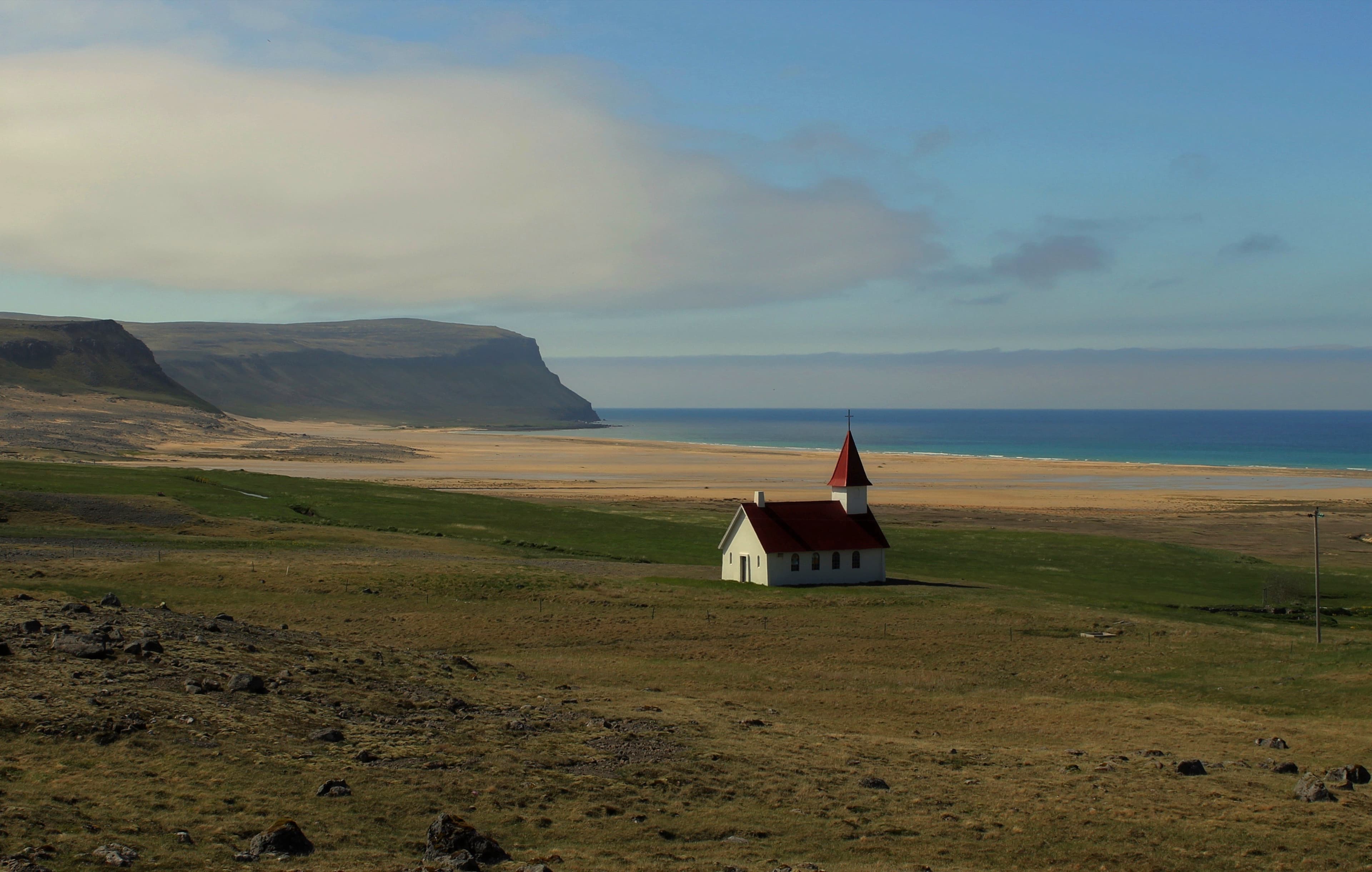
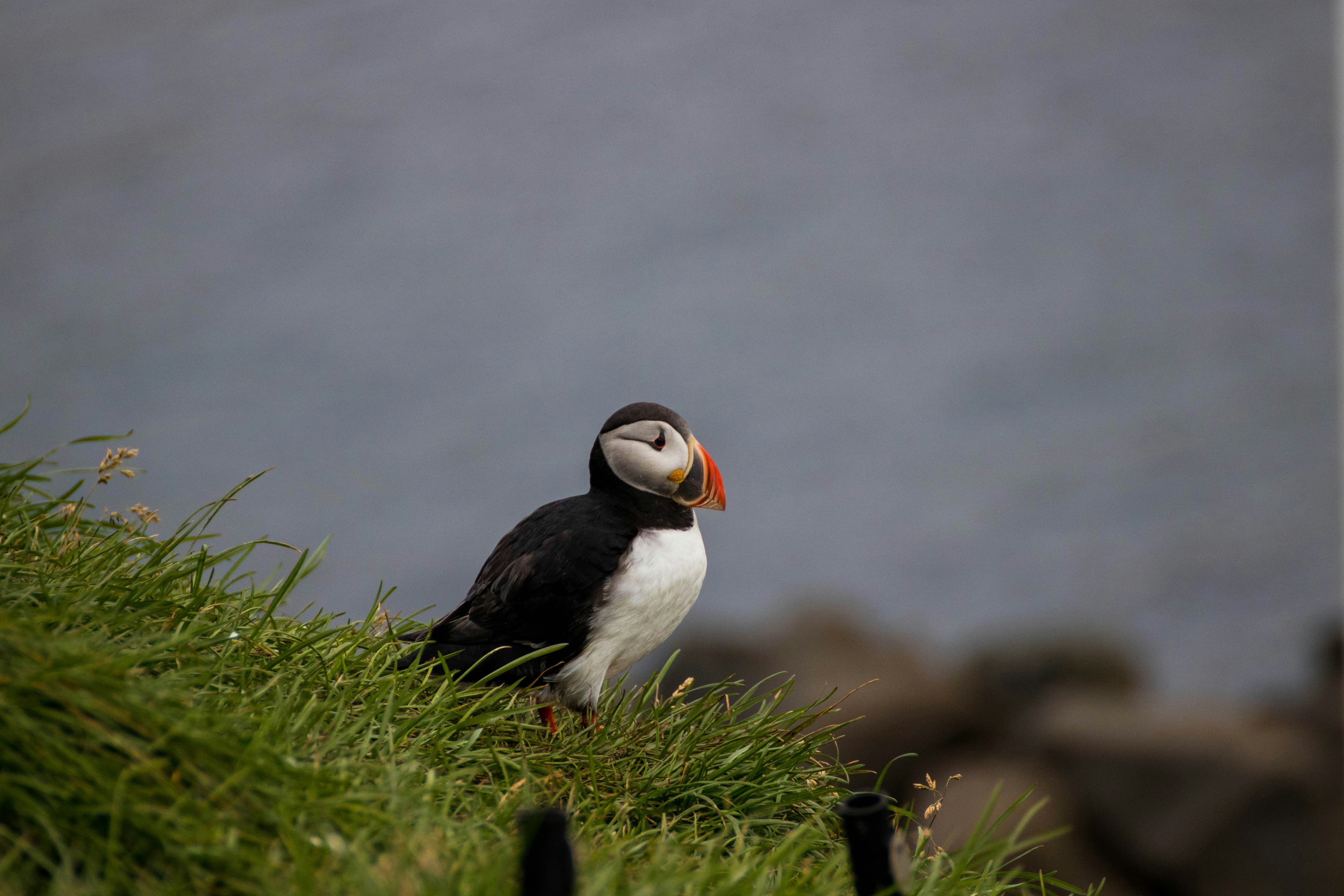
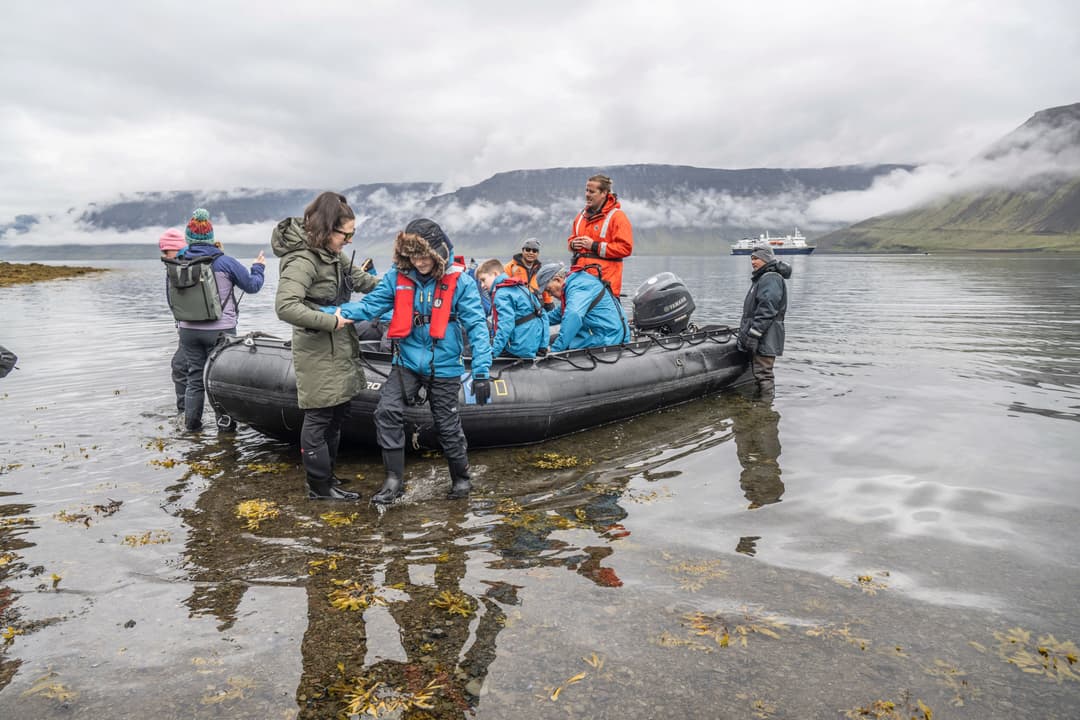
Explore the dramatic and remote Westfjords region of Iceland. Hike along the base of a fjord to discover a towering waterfall before entering Ísafjarðardjúp, known for its wealth of wildlife, including whales, seals and countless nesting seabirds. Land at Vigur Island, a fragile wildlife sanctuary, where the landowners continue the traditional eiderdown collection and cleaning process and are active stewards of the colonies of puffins, eider ducks and black guillemots who call the island home.
Siglufjörður was the center of Iceland’s once-thriving herring industry. Stop by the Herring Museum for a salting demonstration and a tasting. Enjoy the surroundings of Iceland's northern most mainland settlement by joining the local forestry association for an afternoon of conservation in their local woods.
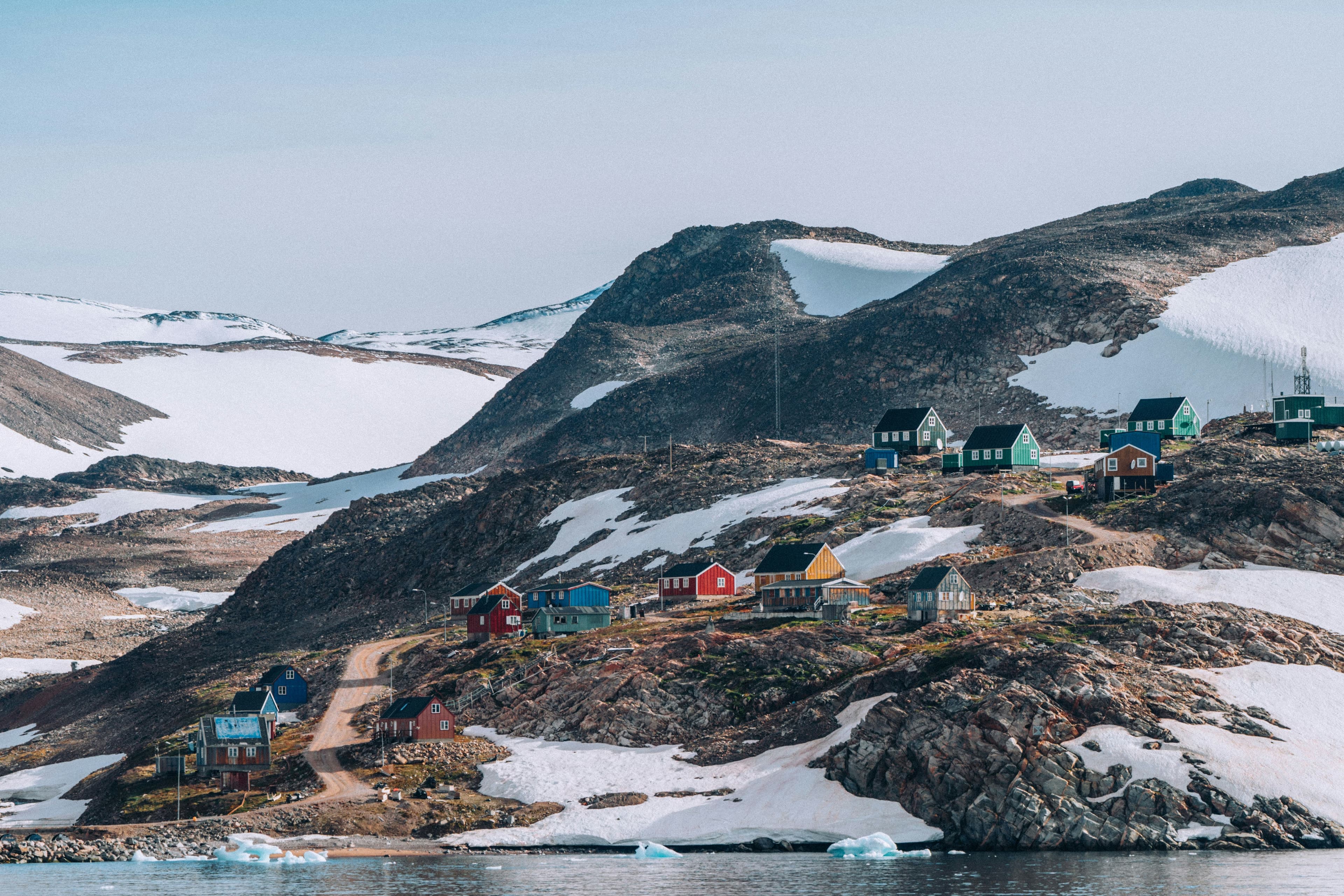
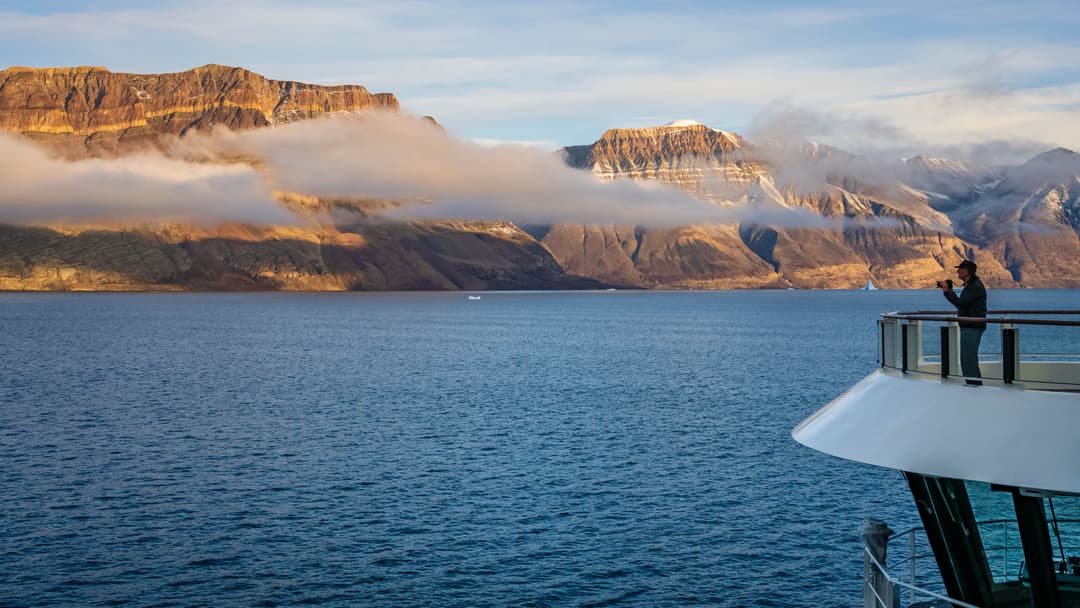
Strike out across the Denmark Strait to the wild shores of East Greenland, where exploration is shaped by the Arctic’s ever-changing ice. On June departures, sea ice typically lines the coast, guiding your journey through vast floes as you navigate among sculpted icebergs. These departures also bring shifting fog that rolls across the ice floes, formed where warm continental air meets the polar ice moving southward. By July and August, fjords often begin to open. When conditions permit, venture into these dramatic waterways and potentially make landings along the coast, with opportunities for hiking, kayaking or Zodiac cruising.
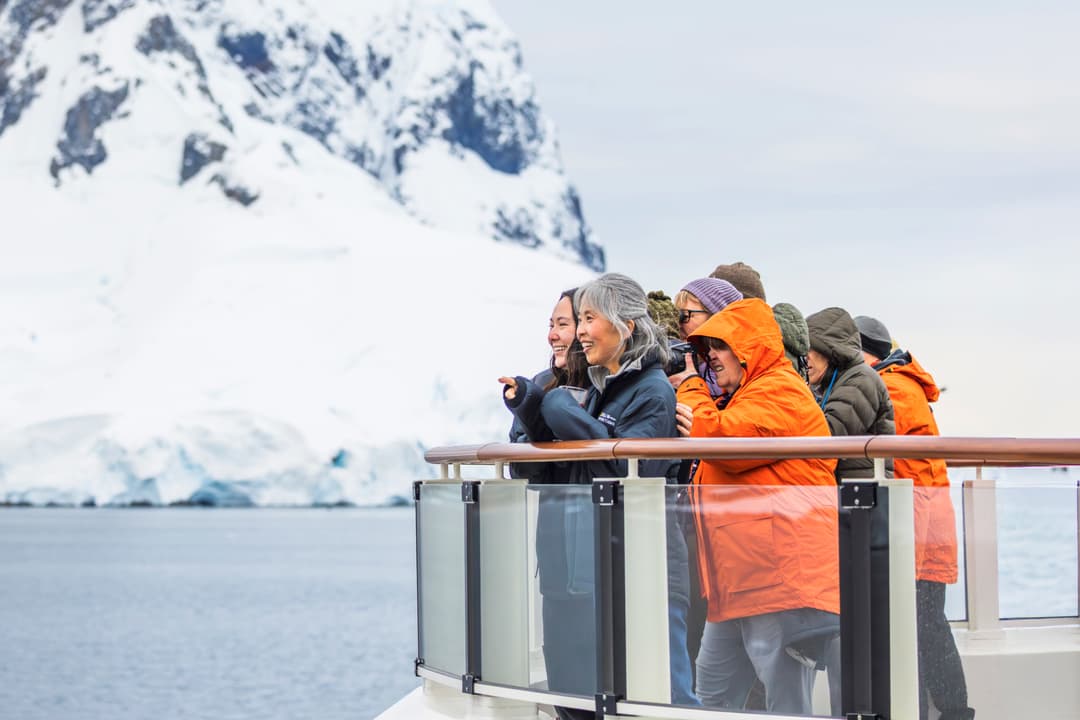
As you explore these remote waters, keep watch from the Bridge or deck for humpbacks, beluga whales and seals—and, with luck, the elusive polar bear.
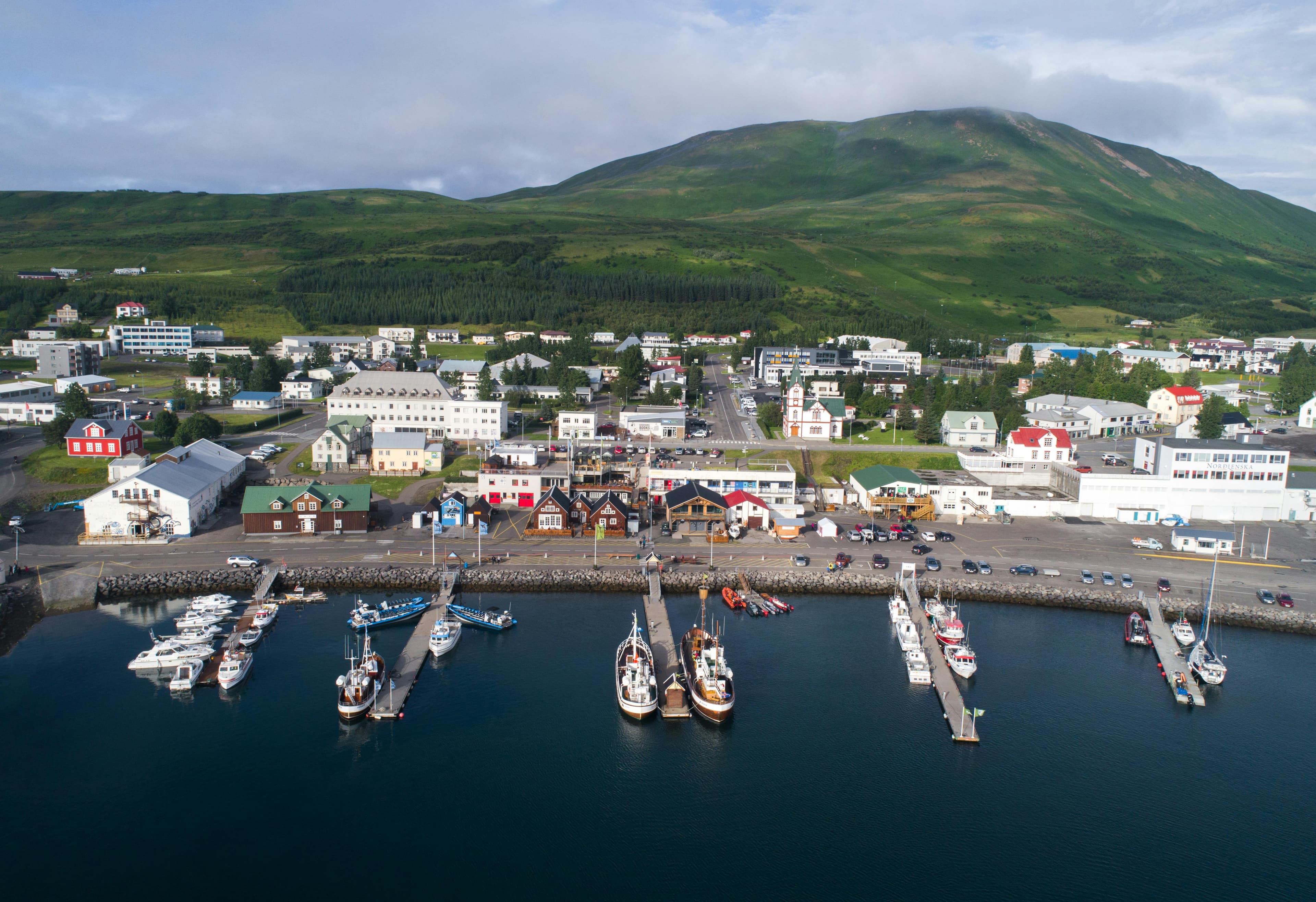
The town of Húsavík sits below Húsavíkurfjall mountain on the eastern shore of Skjálfandi bay. Just above the town is lake Botnsvatn, a popular place for outings. The lake is just the right size for a nice hike around it. The lakes surroundings are rich in vegetation and bird life and trout is said to be abundant, though small. Húsavík harbour lies below the bank right in the heart of town. The harbour once boasted a large fishing fleet, bustling with the activity of fishermen. It still serves as a fishing harbour but today's activity revolves more around the successful whale watching businesses. The first organised whale watching excursions in Iceland started from here in 1995. Since then, whale watching has become a major attraction and Húsavík continues to be the leading destination for whale watching. In addition to the tours, a fascinating whale museum is located right by the harbour. Húsavík is considered to be the oldest settlement in Iceland. The Swedish explorer, Gardar Svavarsson, spent one winter there in 870 AD during which time he built himself a house from which the settlement derives its name.
This morning, take Zodiacs ashore to the tiny island of Grímsey, which lies exactly on the Arctic Circle. Celebrate officially arriving in the Arctic, in the company of nesting arctic terns, fulmars and puffins in their burrows. Enjoy an afternoon at sea sailing around the northern corner of Iceland as you continue circumnavigating the island.
Located on the eastern shore of Iceland, Borgarfjörður Eystri is well known for its local puffin colony and stunning fjord framed by the Svartvell Summit. Challenge yourself with a hike up to the summit, standing over 1000 feet above sea level, or bike into the backcountry to take in a different perspective on the surrounding mountain range. Join a local guide on a walk through the small village, including a stop at the local eider down shop or get a taste of the local libations. Throughout the day, enjoy some free time observing the puffins in their bustling island colony as they make their way in and out of their burrows.
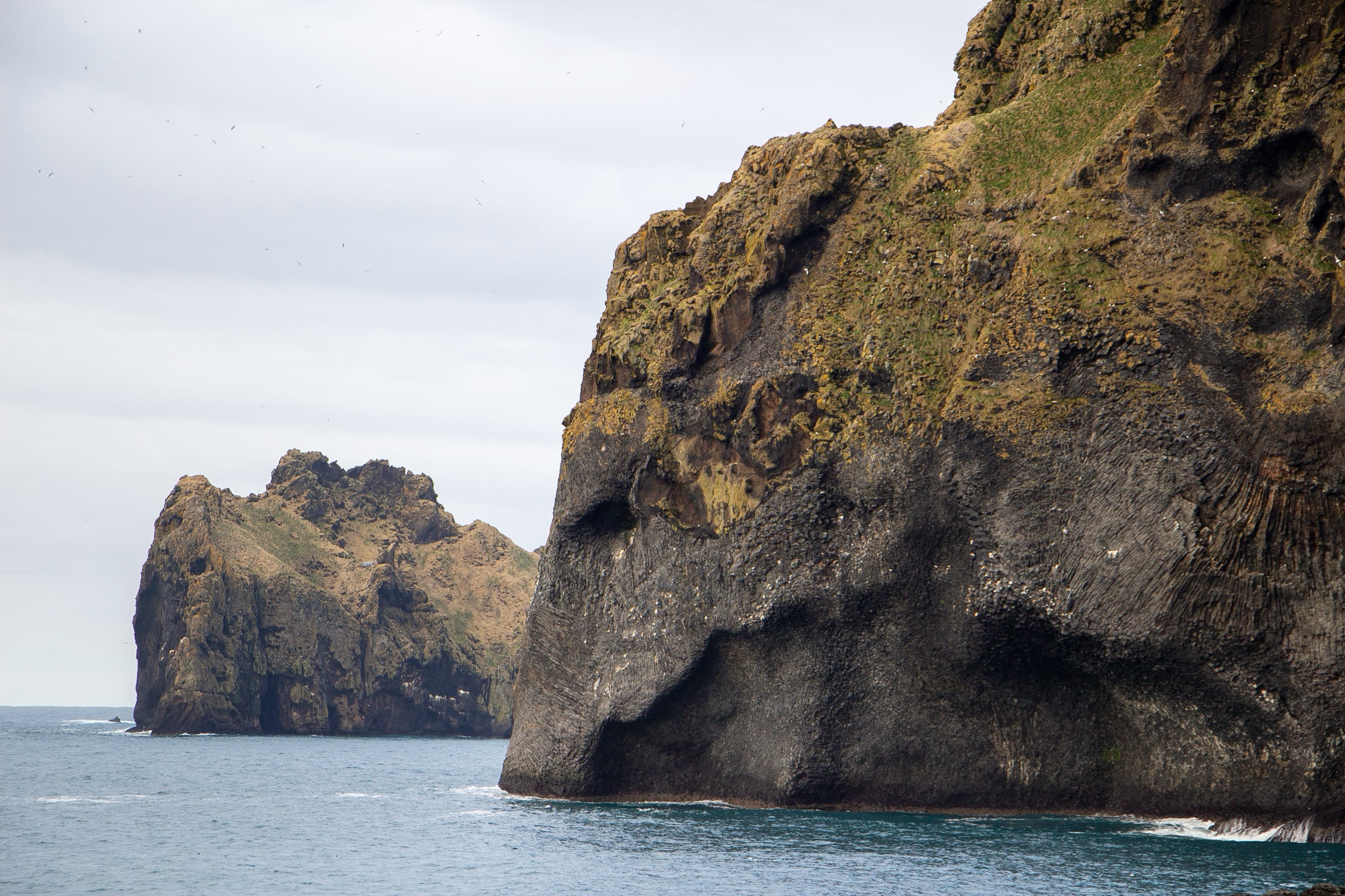
The name Vestmannaeyjar refers to both a town and an archipelago off the south coast of Iceland. The largest Vestmannaeyjar island is called Heimaey. It is the only inhabited island in the group and is home to over 4000 people. The eruption of the Eldfell Volcano put Vestmannaeyjar into the international lime light in 1973. The volcano’s eruption destroyed many buildings and forced an evacuation of the residents to mainland Iceland. The lava flow was stopped in its tracks by the application of billions of liters of cold sea water. Since the eruption, life on the small island outpost has returned to the natural ebb and flow of a small coastal fishing community on the edge of the chilly and wild North Atlantic.
Sprawling Reykjavík, the nation's nerve center and government seat, is home to half the island's population. On a bay overlooked by proud Mt. Esja (pronounced eh-shyuh), with its ever-changing hues, Reykjavík presents a colorful sight, its concrete houses painted in light colors and topped by vibrant red, blue, and green roofs. In contrast to the almost treeless countryside, Reykjavík has many tall, native birches, rowans, and willows, as well as imported aspen, pines, and spruces.Reykjavík's name comes from the Icelandic words for smoke, reykur, and bay, vík. In AD 874, Norseman Ingólfur Arnarson saw Iceland rising out of the misty sea and came ashore at a bay eerily shrouded with plumes of steam from nearby hot springs. Today most of the houses in Reykjavík are heated by near-boiling water from the hot springs. Natural heating avoids air pollution; there's no smoke around. You may notice, however, that the hot water brings a slight sulfur smell to the bathroom.Prices are easily on a par with other major European cities. A practical option is to purchase a Reykjavík City Card at the Tourist Information Center or at the Reykjavík Youth Hostel. This card permits unlimited bus usage and admission to any of the city's seven pools, the Family Park and Zoo, and city museums. The cards are valid for one (ISK 3,300), two (ISK 4,400), or three days (ISK 4,900), and they pay for themselves after three or four uses a day. Even lacking the City Card, paying admission (ISK 500, or ISK 250 for seniors and people with disabilities) to one of the city art museums (Hafnarhús, Kjarvalsstaðir, or Ásmundarsafn) gets you free same-day admission to the other two.
About the Ship
Name
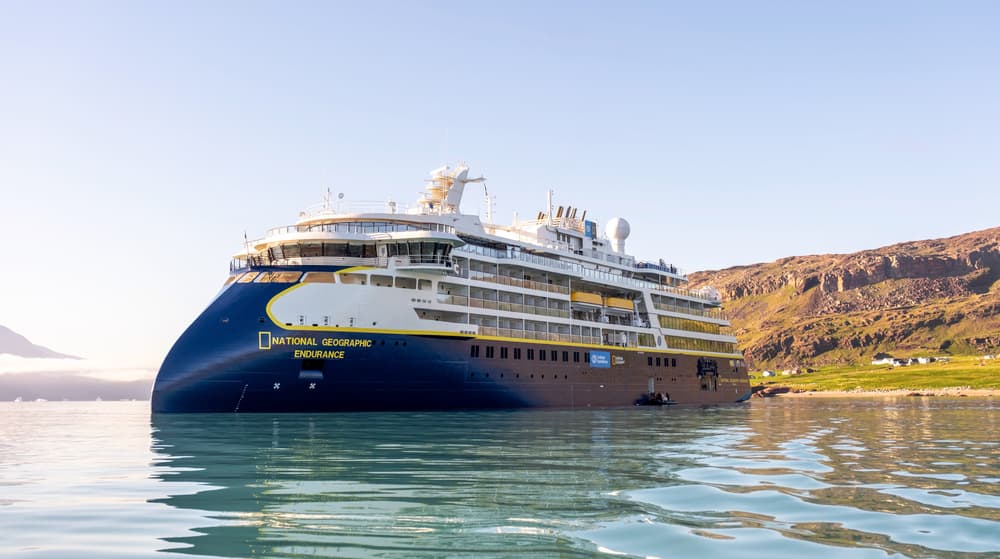
National Geographic Endurance
Operator
National Geographic - Lindblad Expeditions

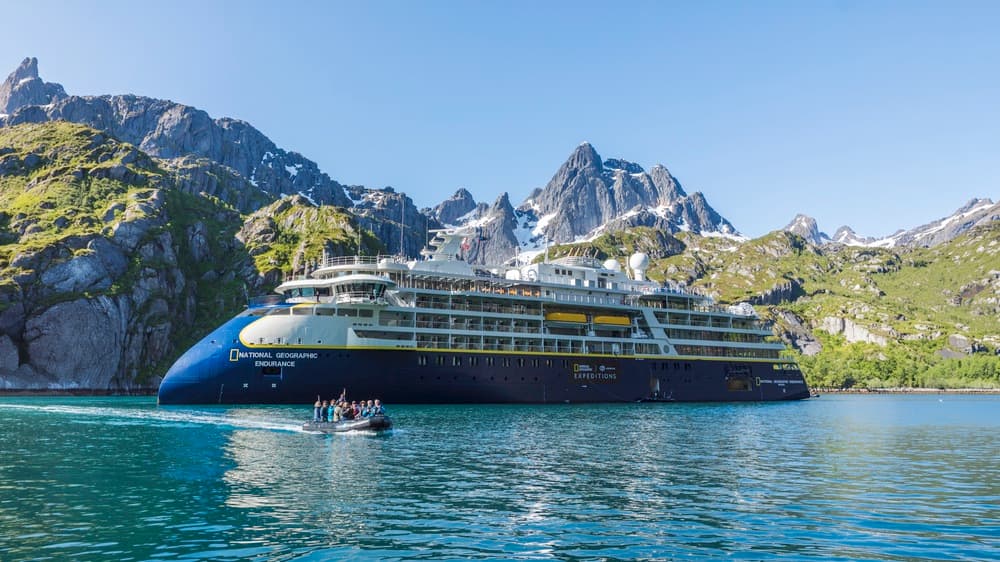
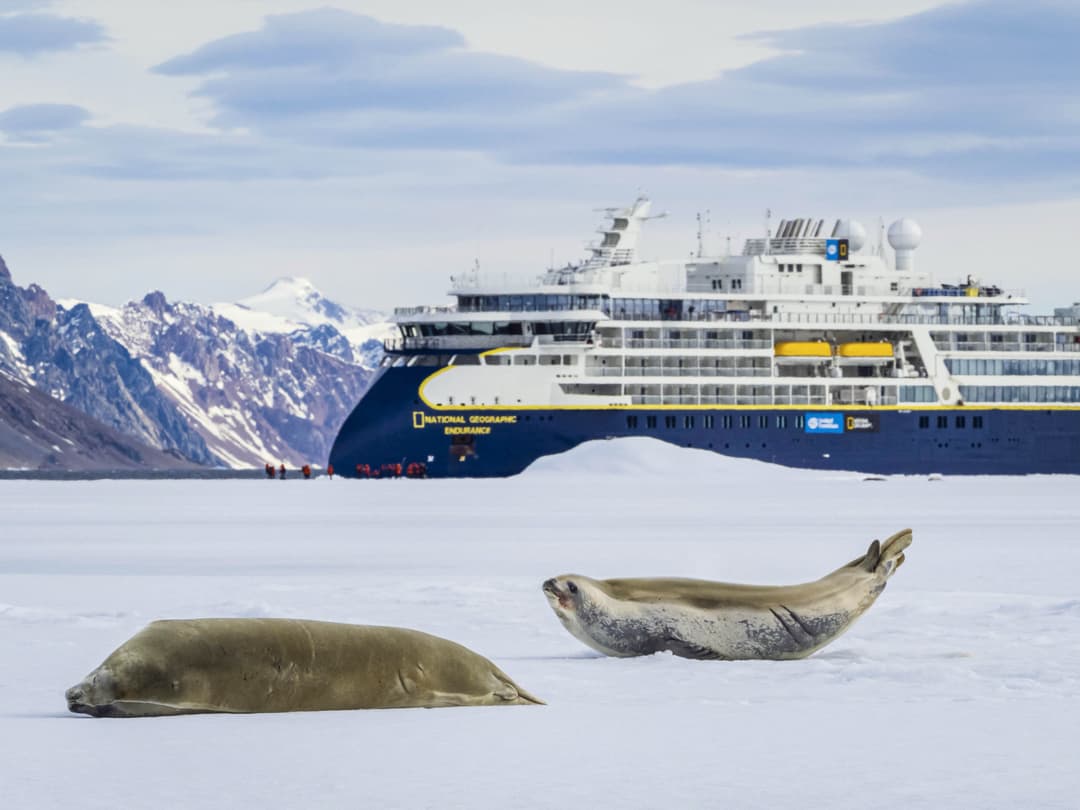
The most advanced ice-class expedition ship afloat, the National Geographic Endurance offers unprecedented access to polar regions.
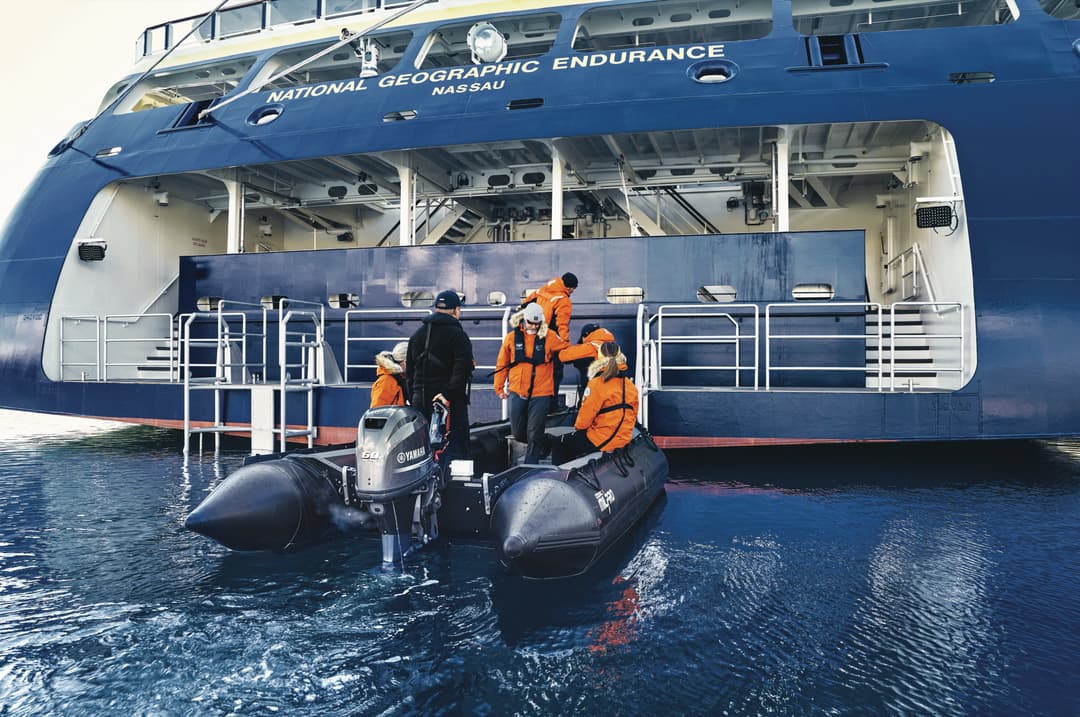
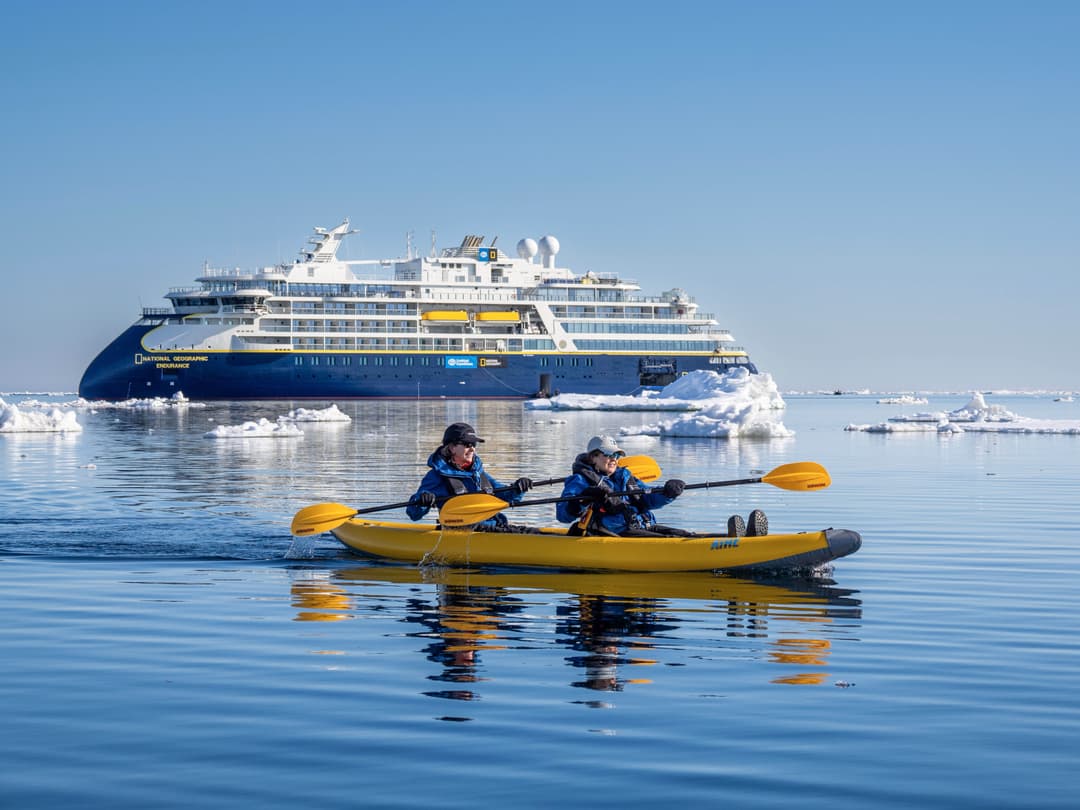
The first new polar build in Lindblad's 50-year history, National Geographic Endurance is named to honor explorer Ernest Shackleton and his legendary Transantarctic Expedition. A fully-stabilized vessel of the highest ice class (PC5 Category A), she will enable adventurous guests to go where few have or can. Endurance's most striking exterior feature is her distinctive profile, the patented X-Bow®, a game-changing design that guarantees the smoothest, most comfortable ride in all kinds of conditions; and since it eliminates bow impact, a quieter ride, as well.
Loading...
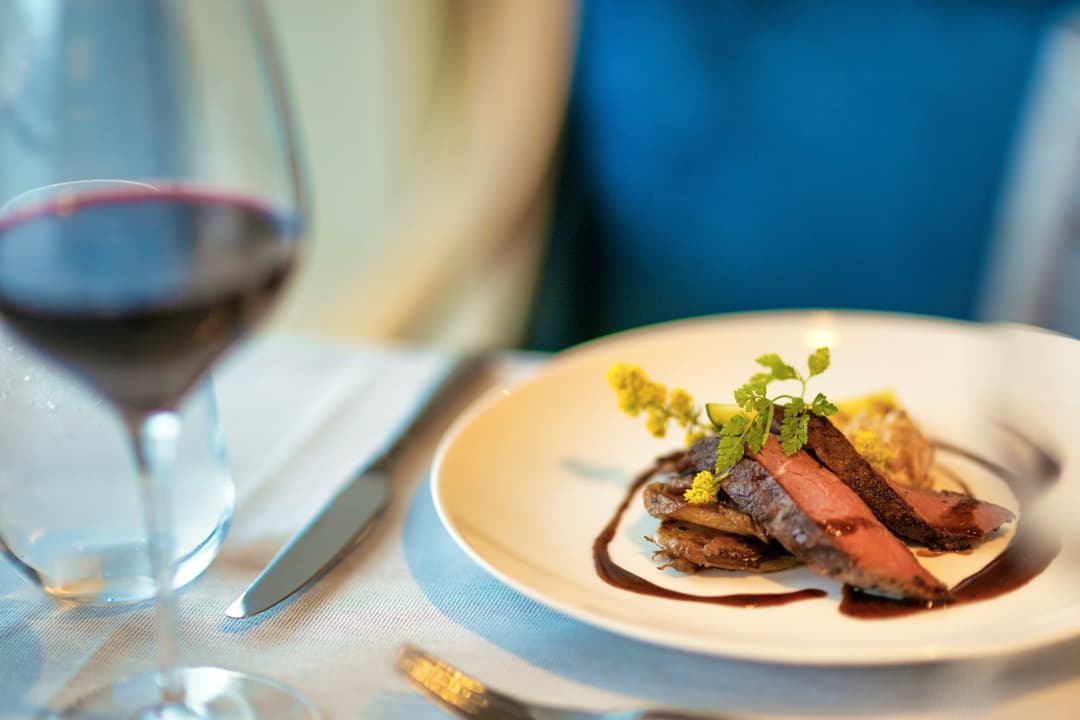
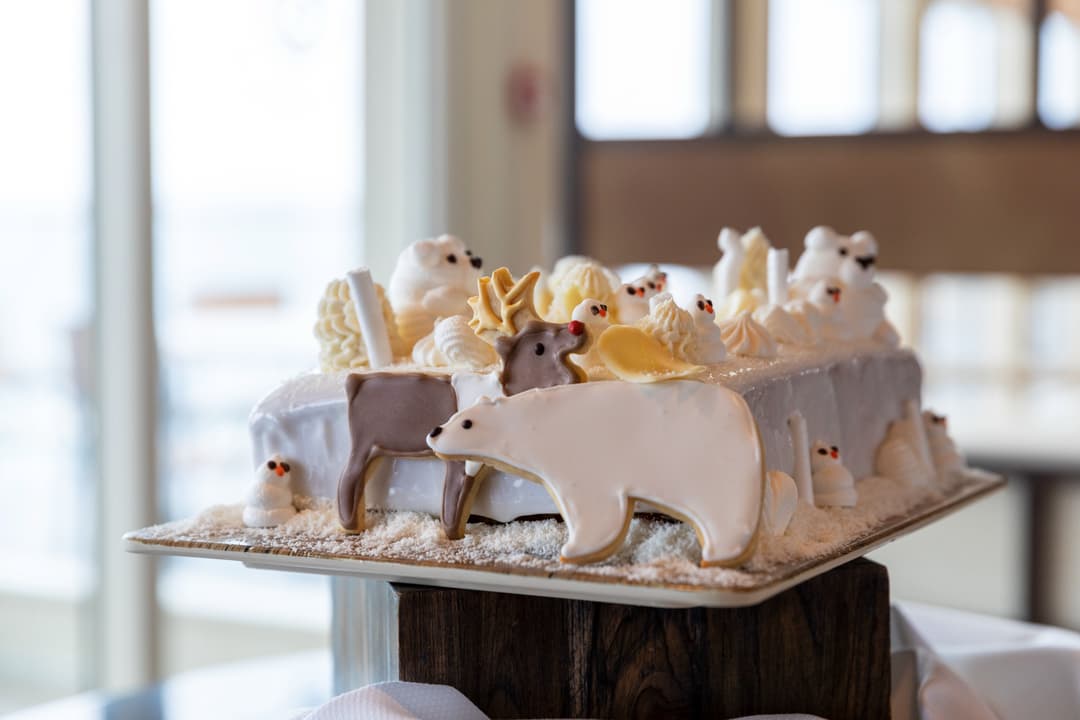
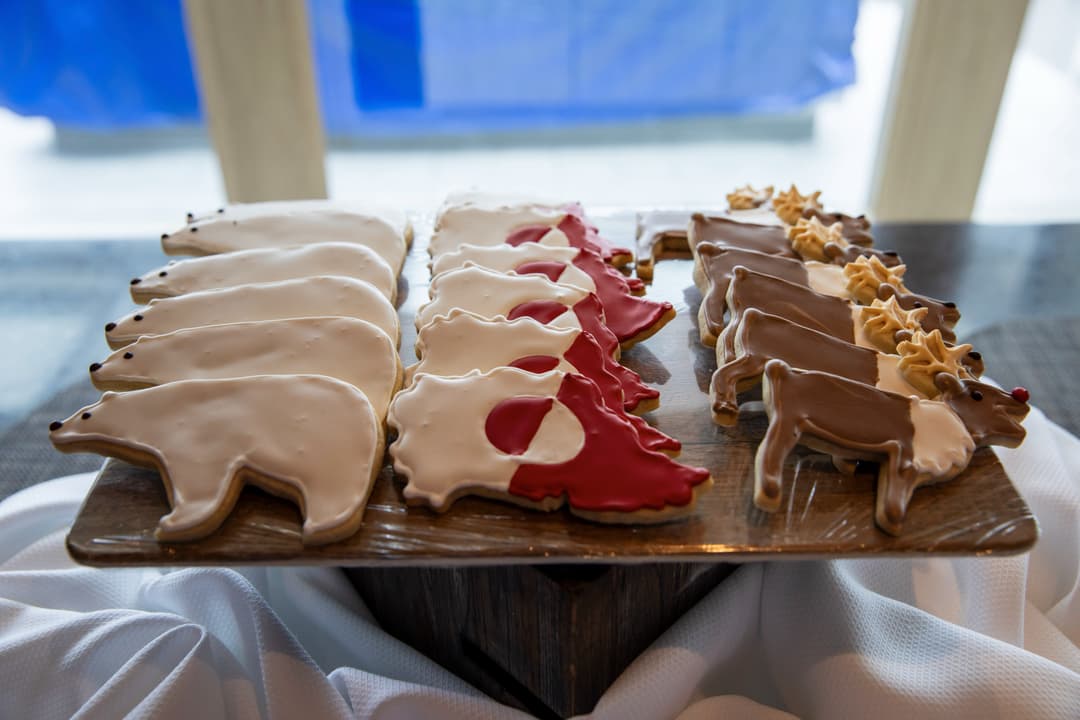
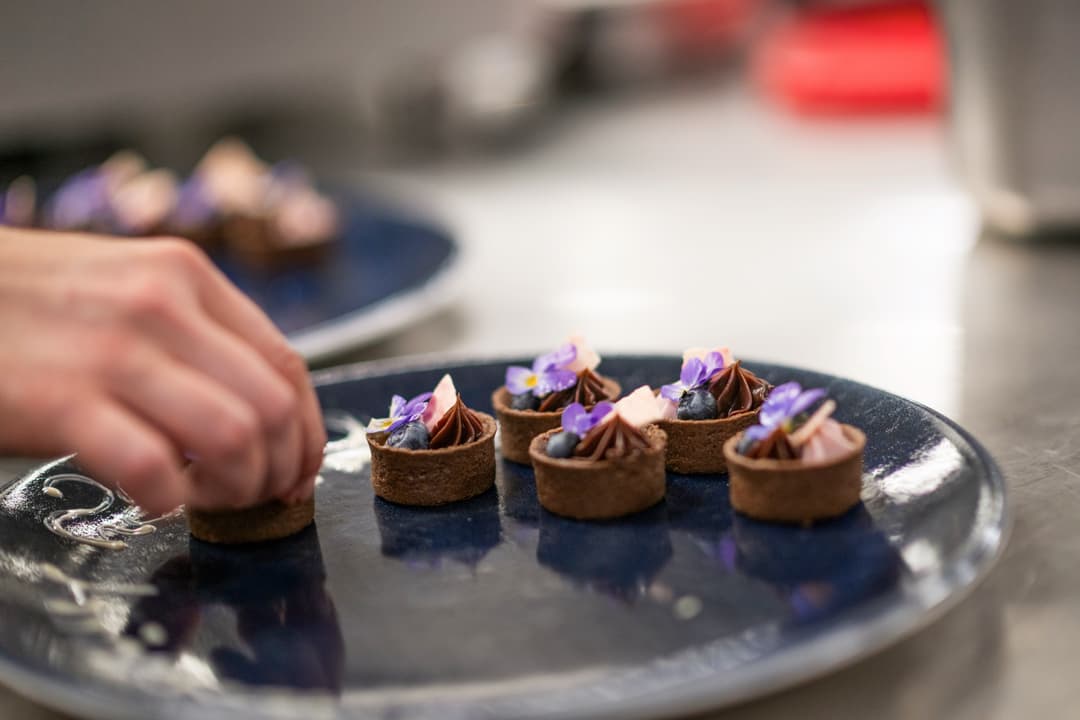
Meals aboard the fleet offer the chance to savor the flavors of the places you visit. Our chefs design distinctive menus that celebrate regional culinary traditions, whether it’s paella in Spain or udon in Japan. Through pioneering farm-to-table programs in destinations like the Galápagos and the Pacific Northwest, and by partnering with local farmers, fishers and vintners who are committed to sustainable practices, we bring authentic tastes and stories to your table. Each meal reflects the character of your destination, making cuisine a memorable part of your journey.
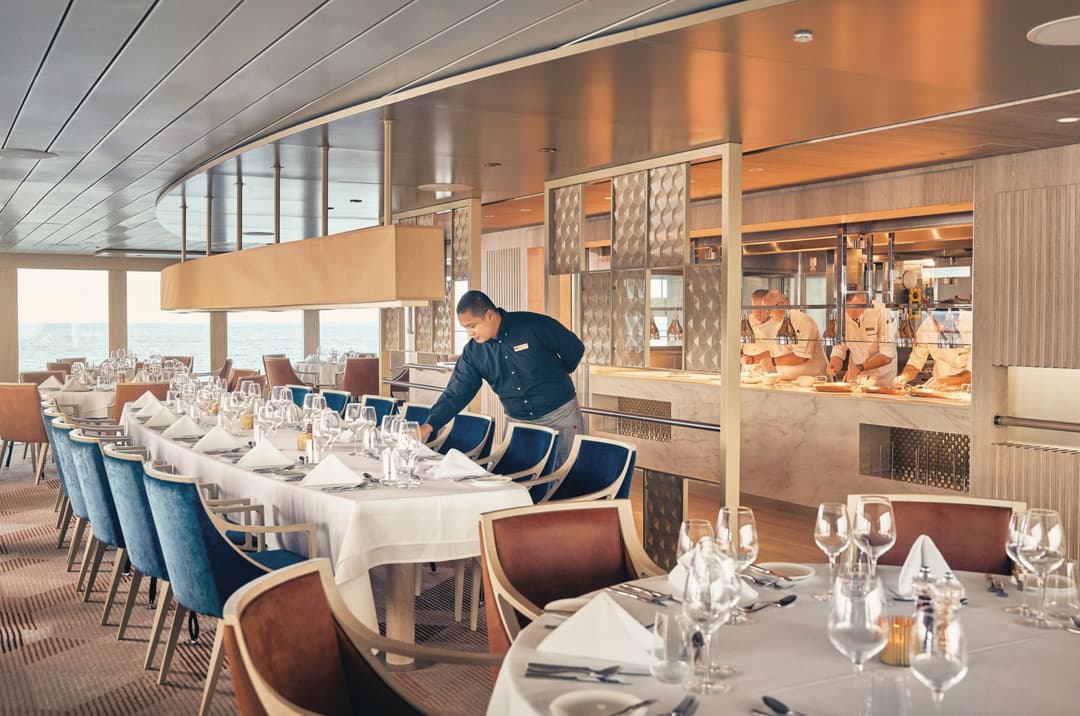
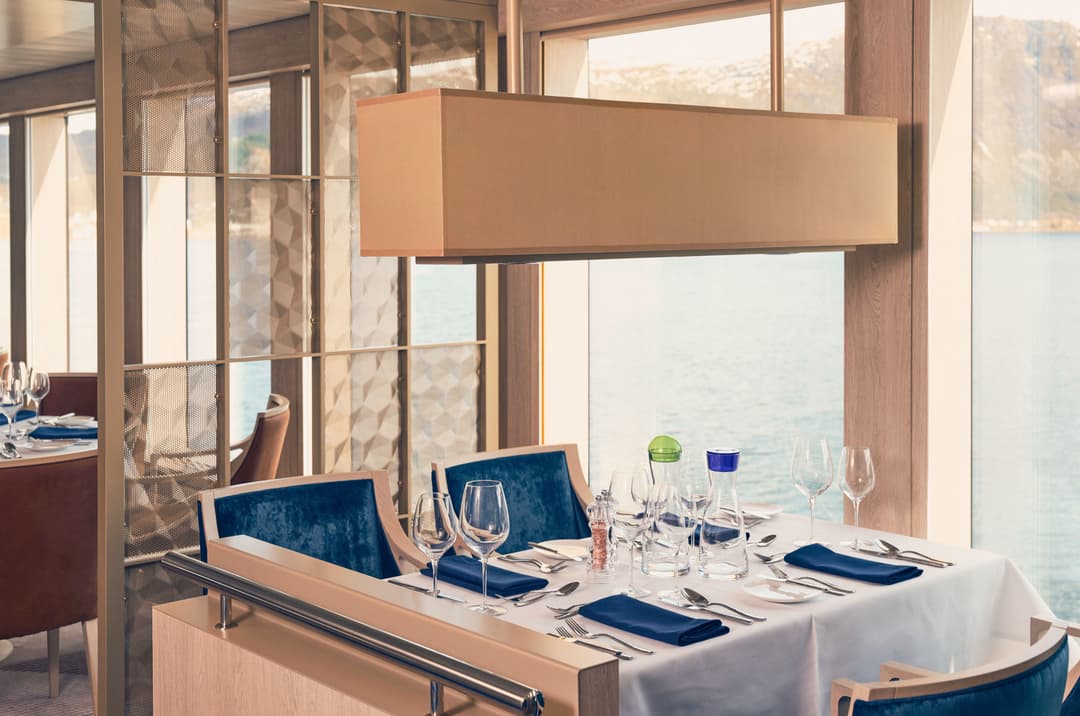
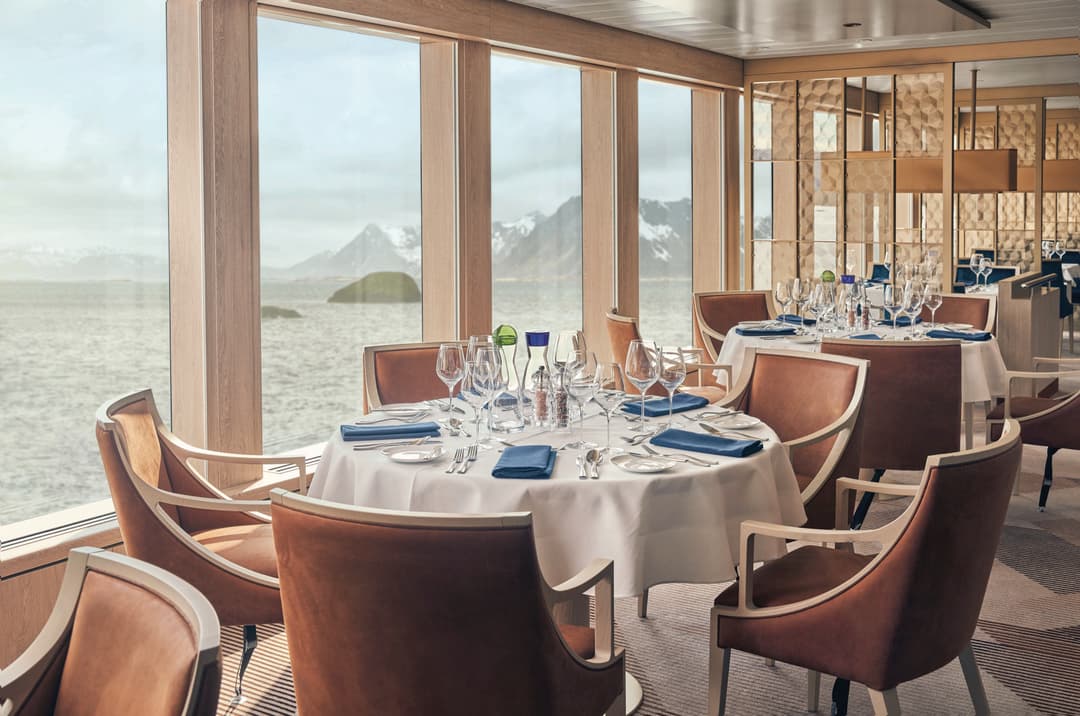

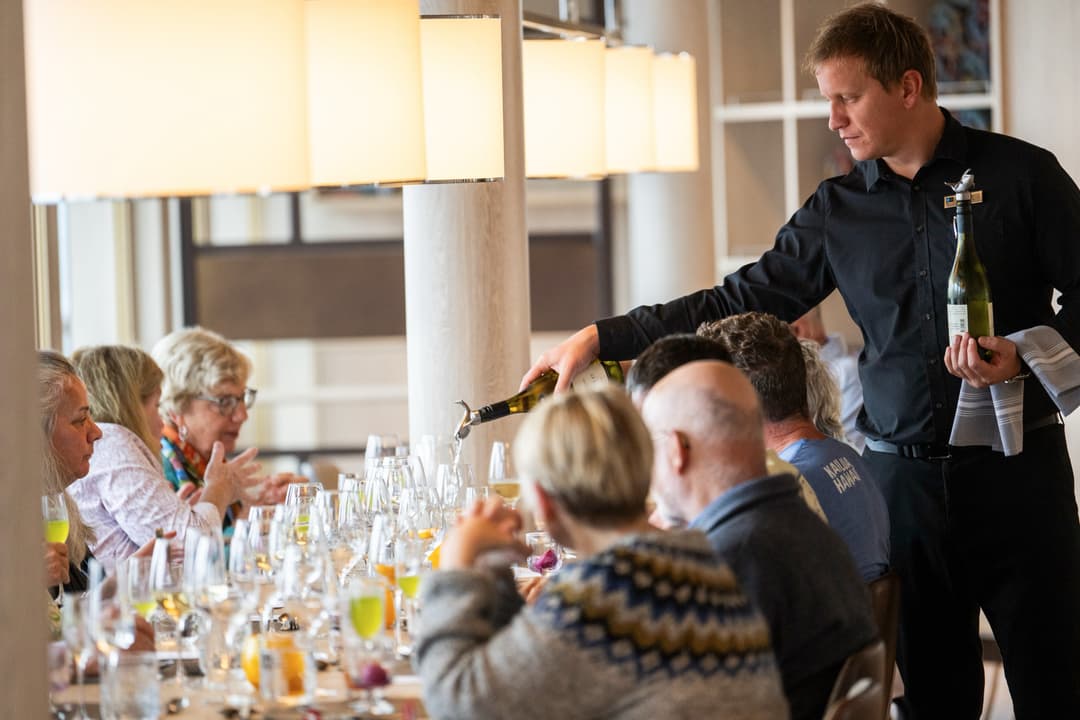


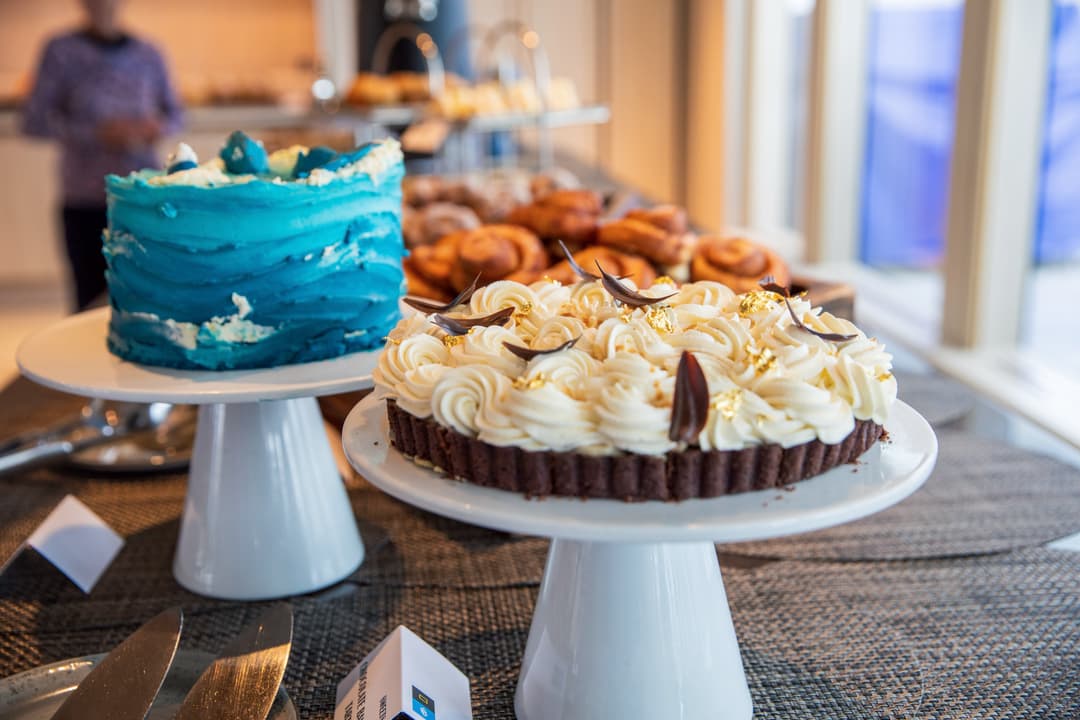


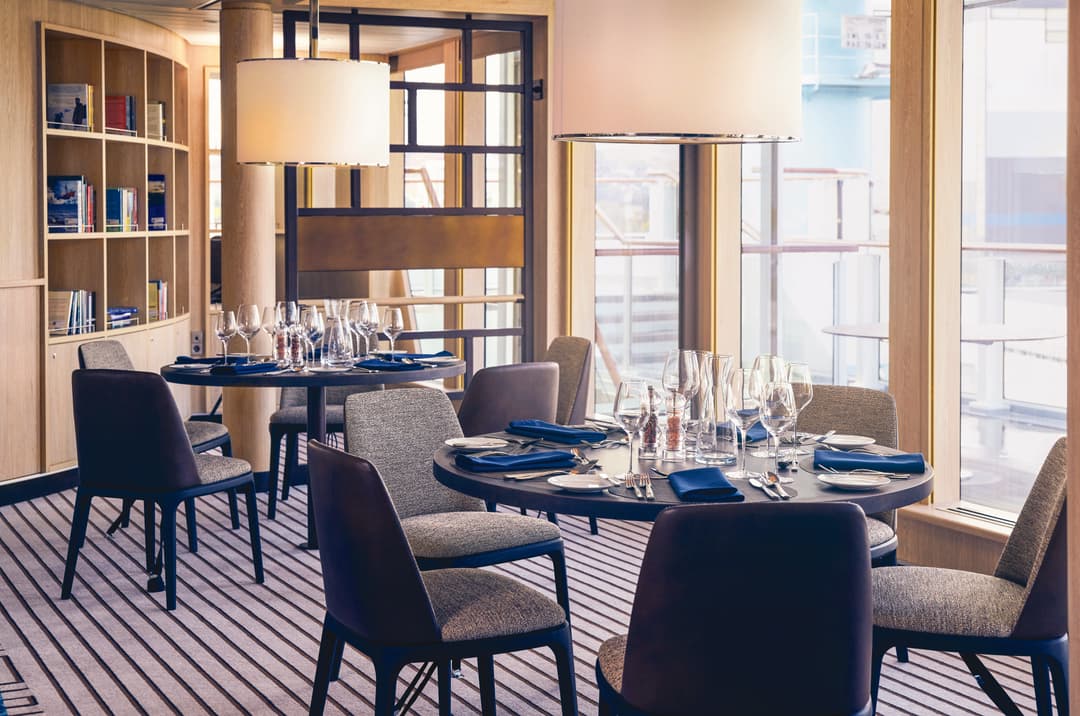
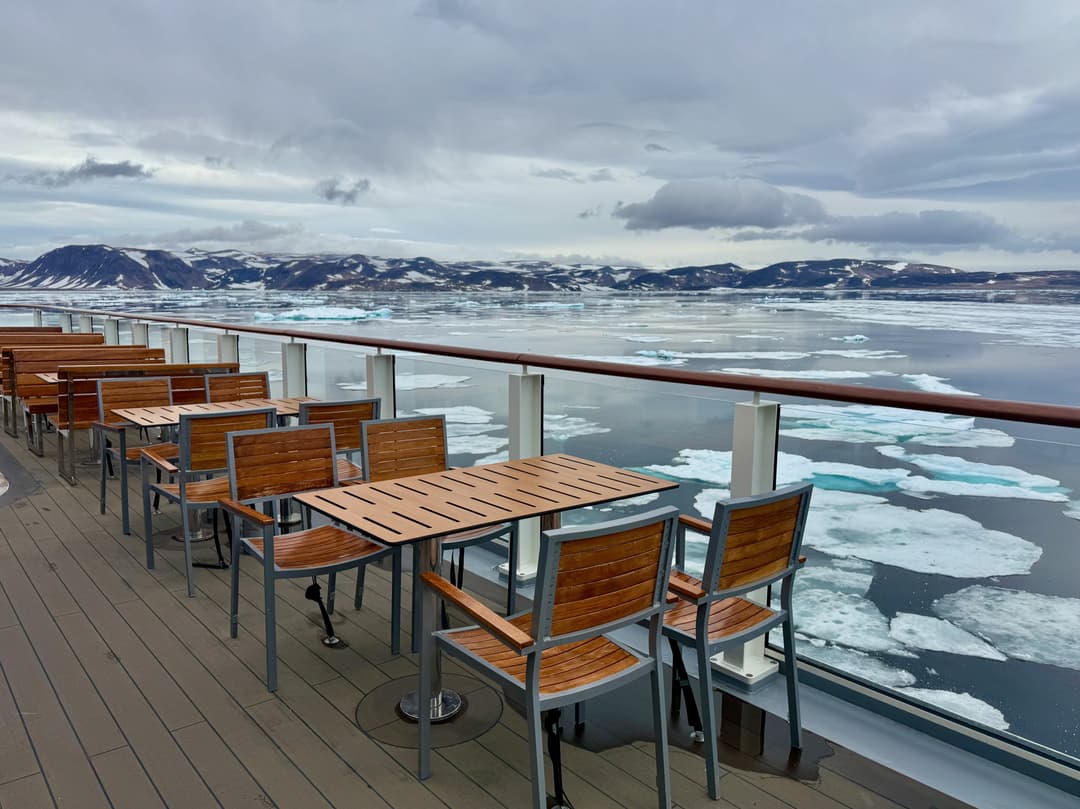
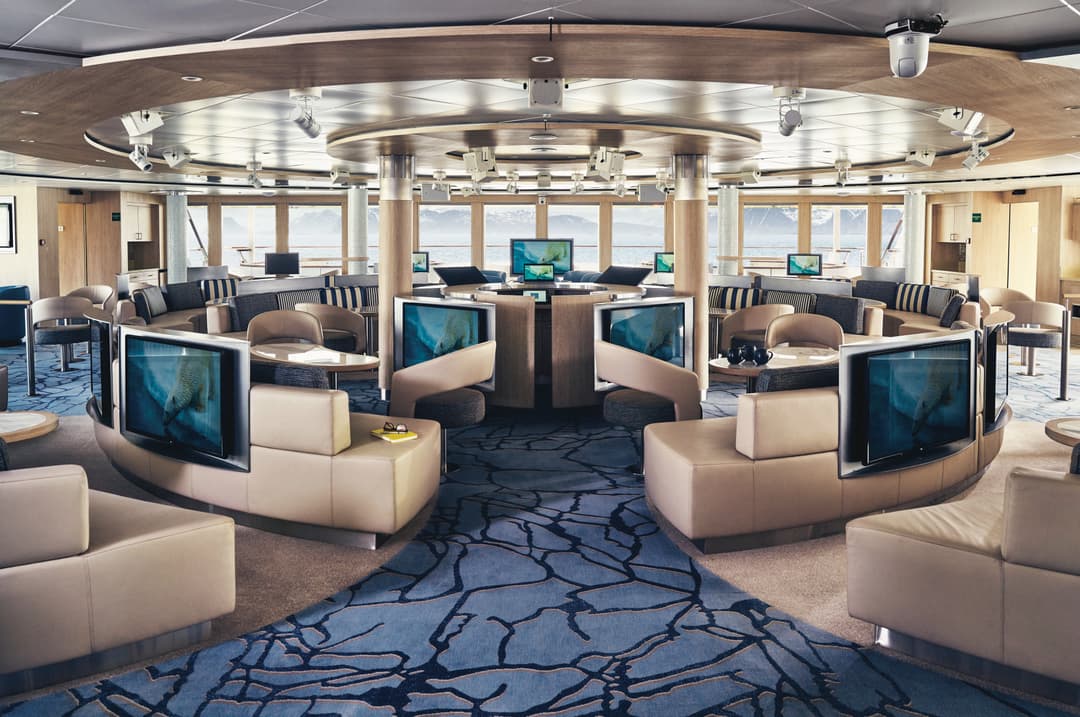
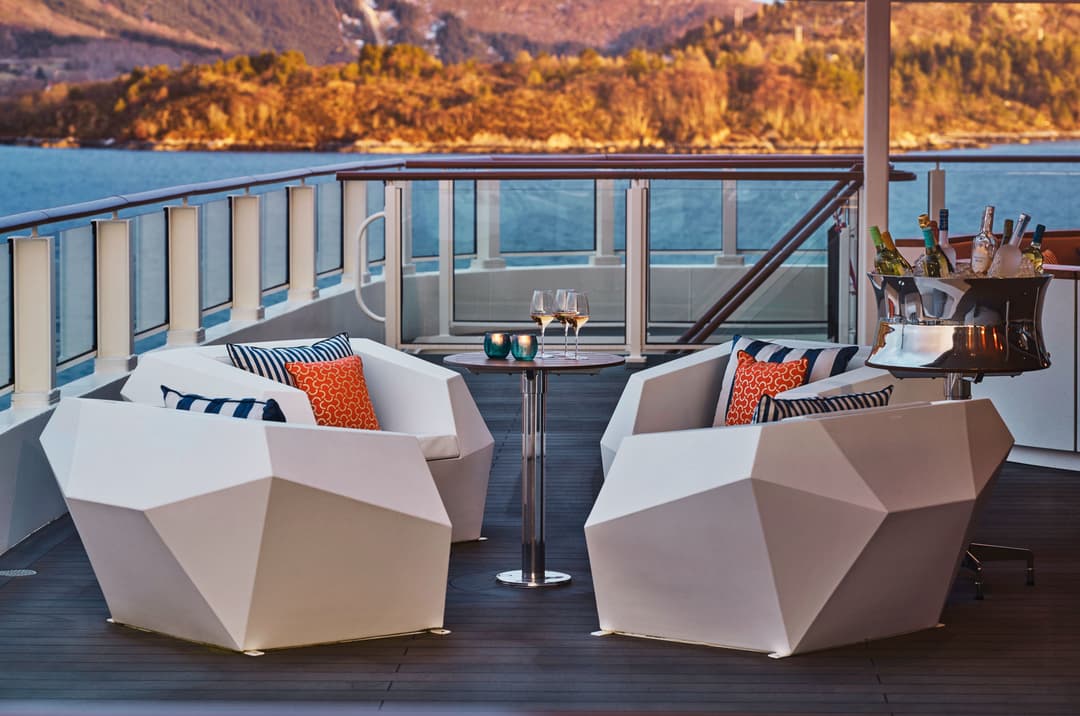
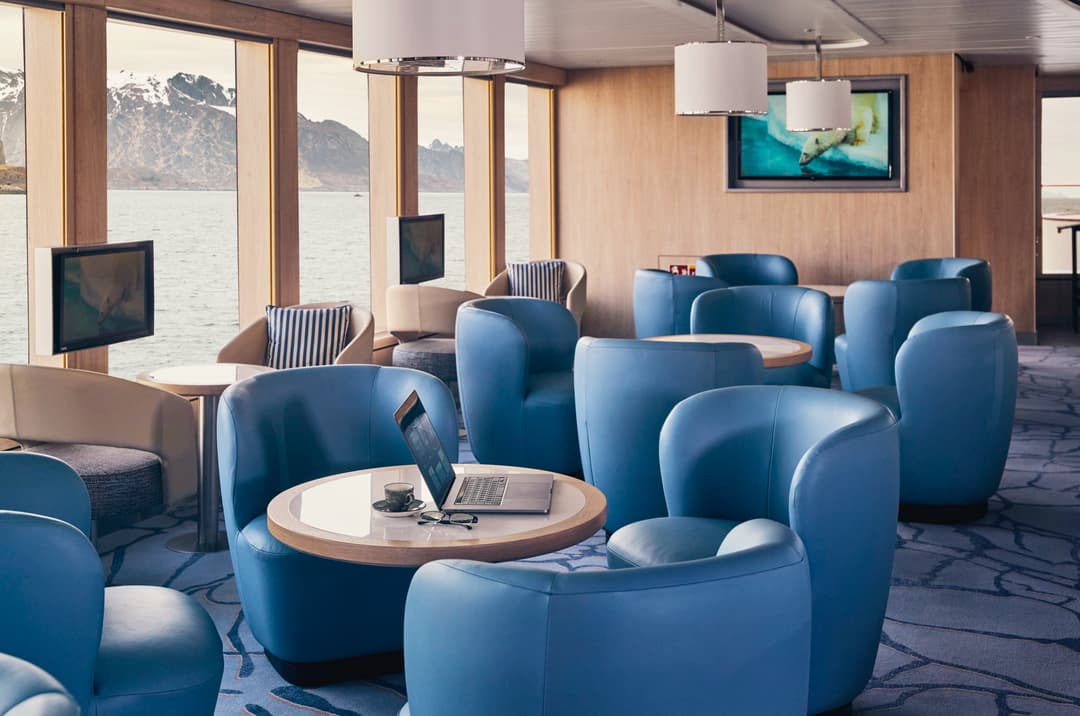
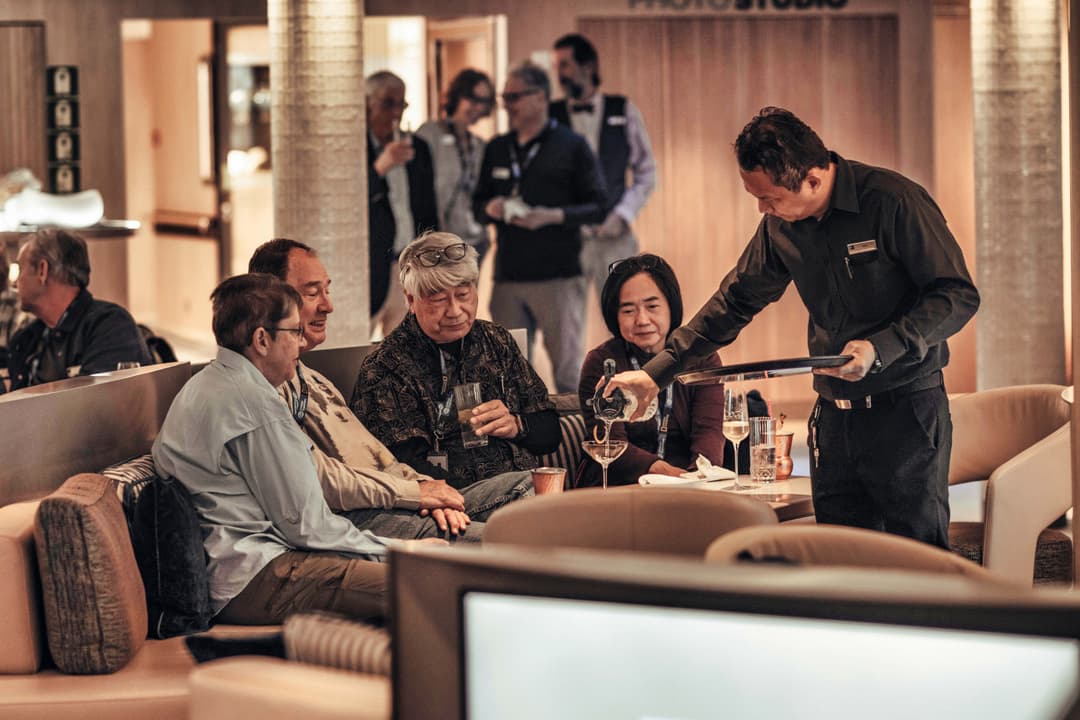
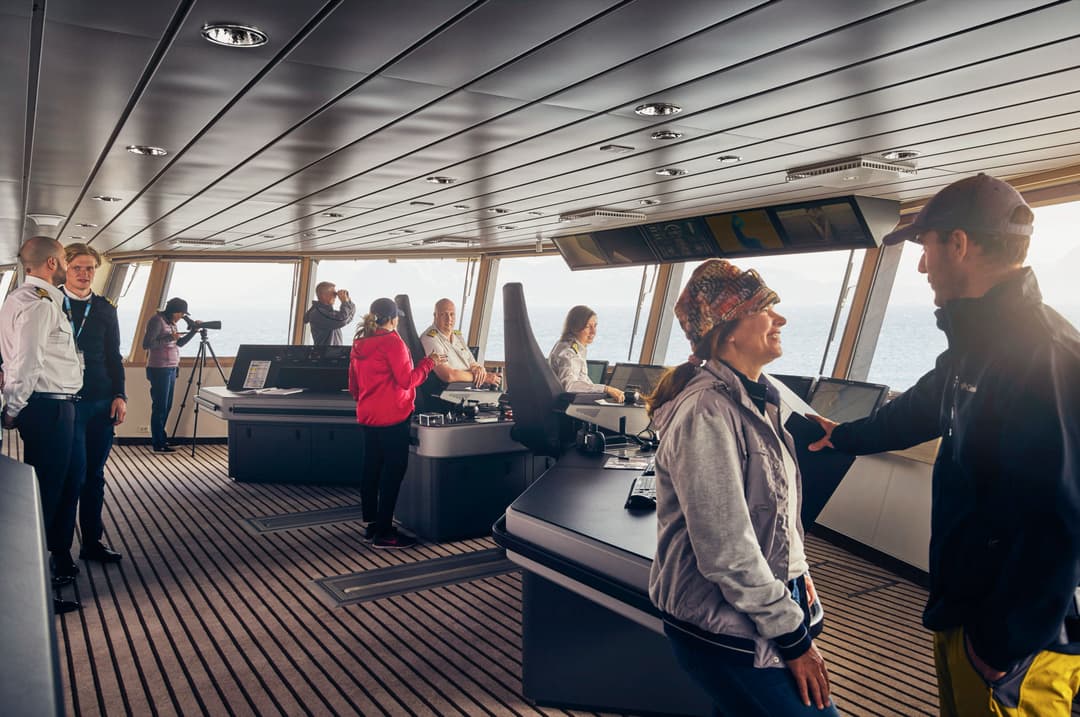
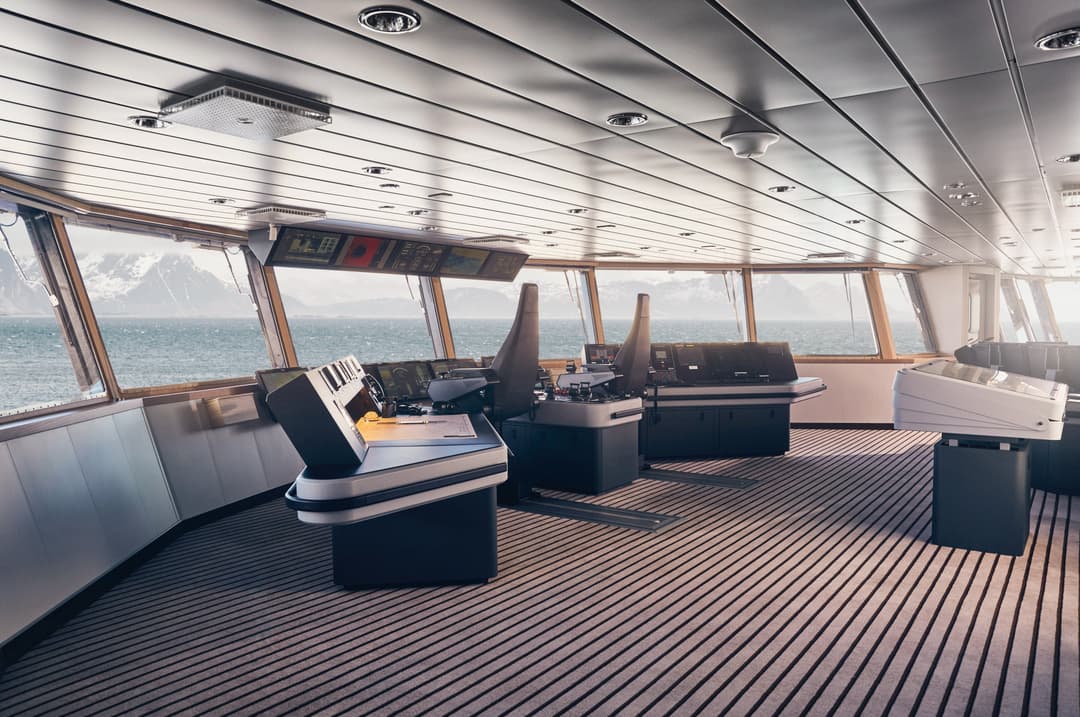
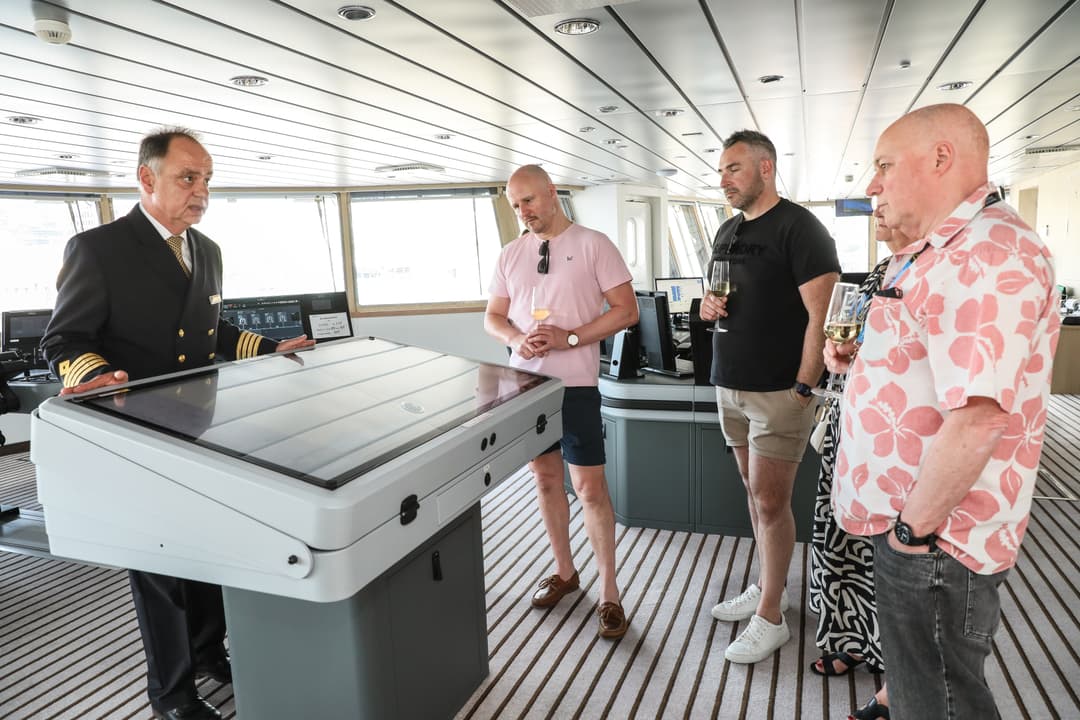
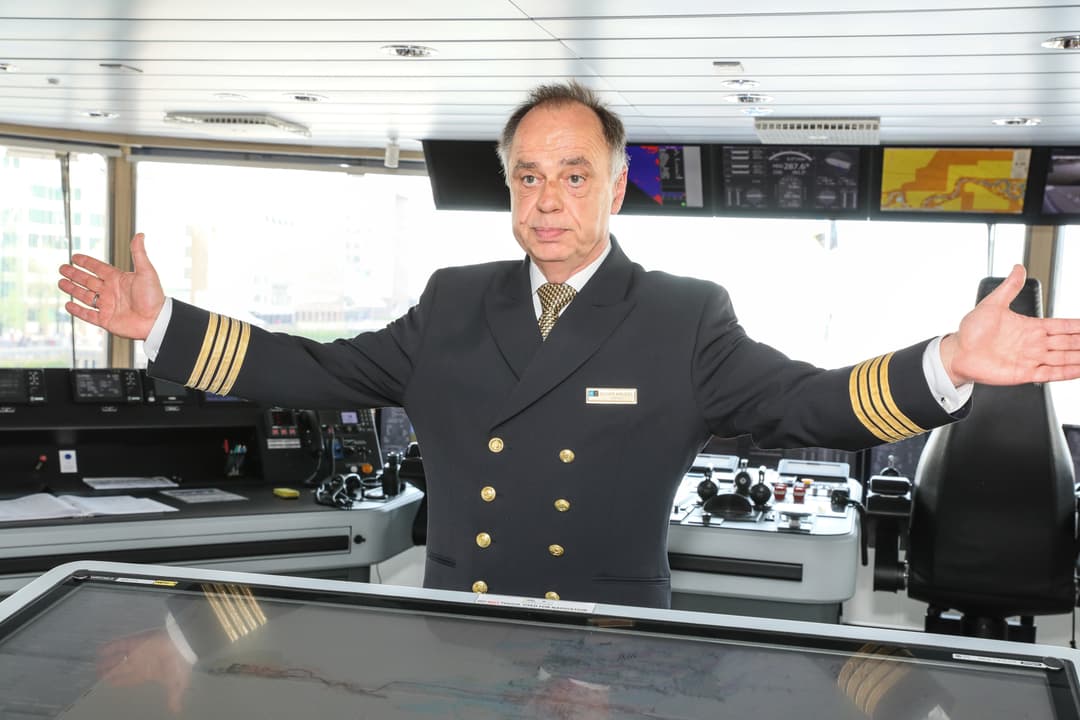
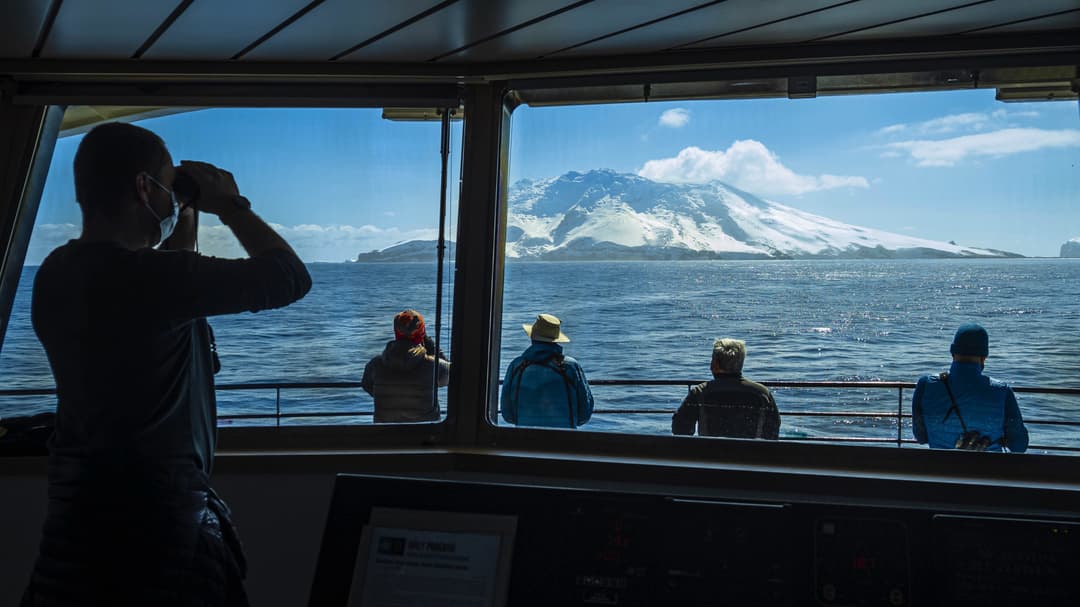
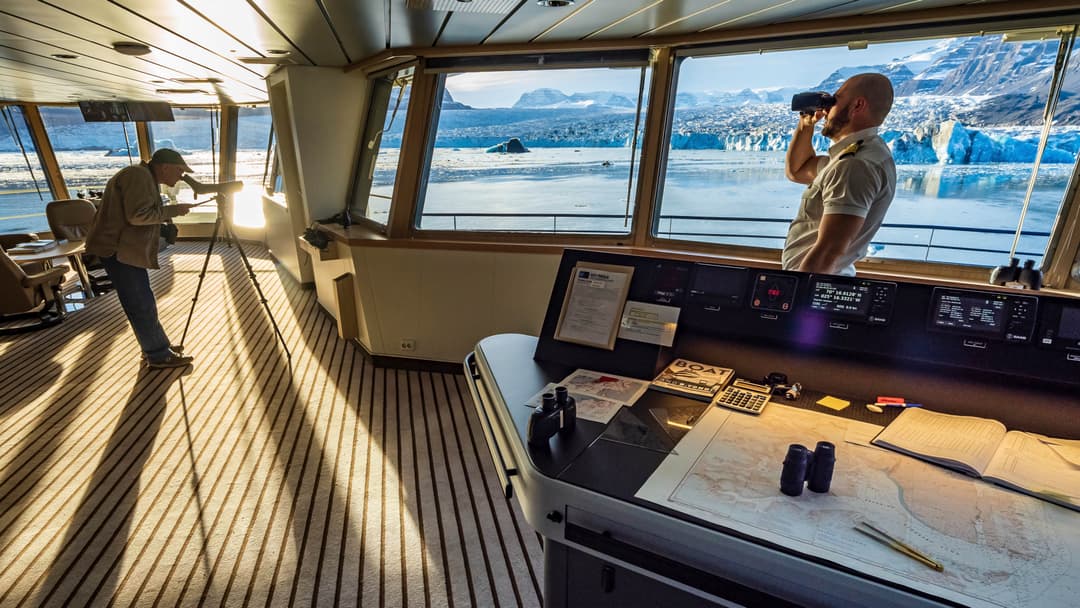
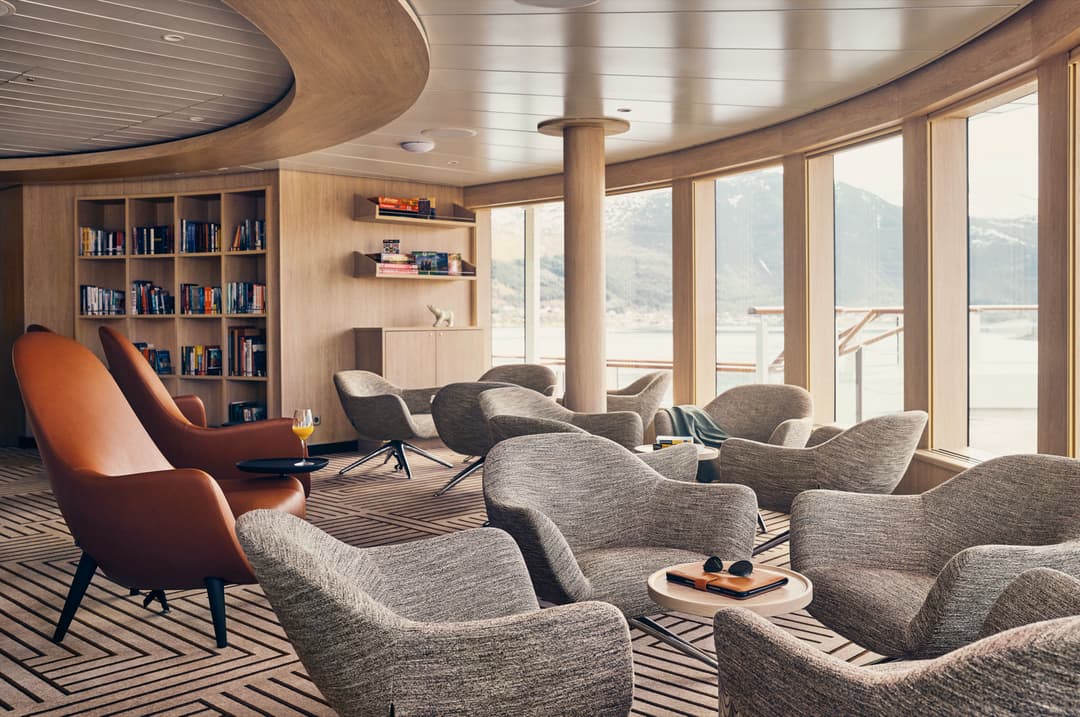
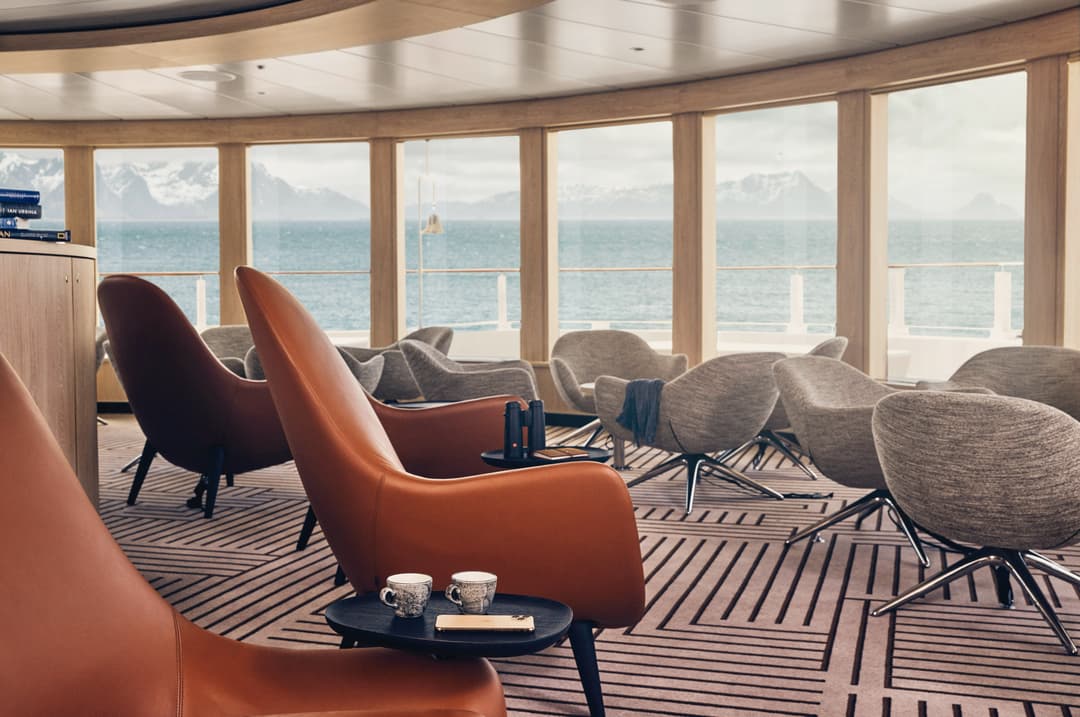
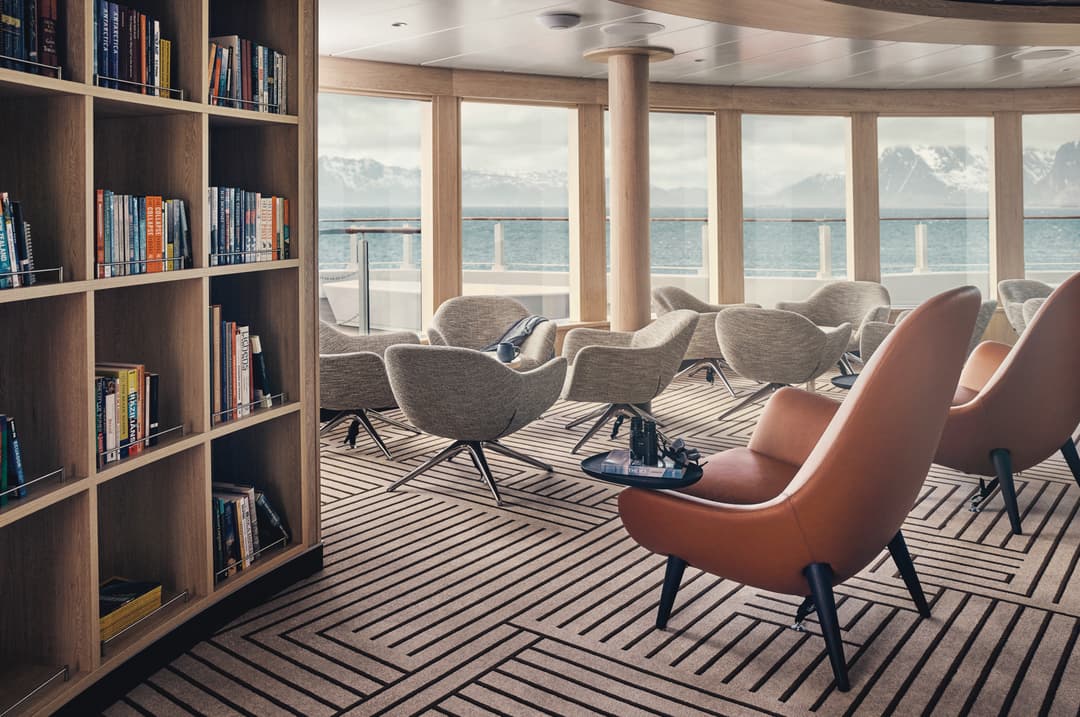
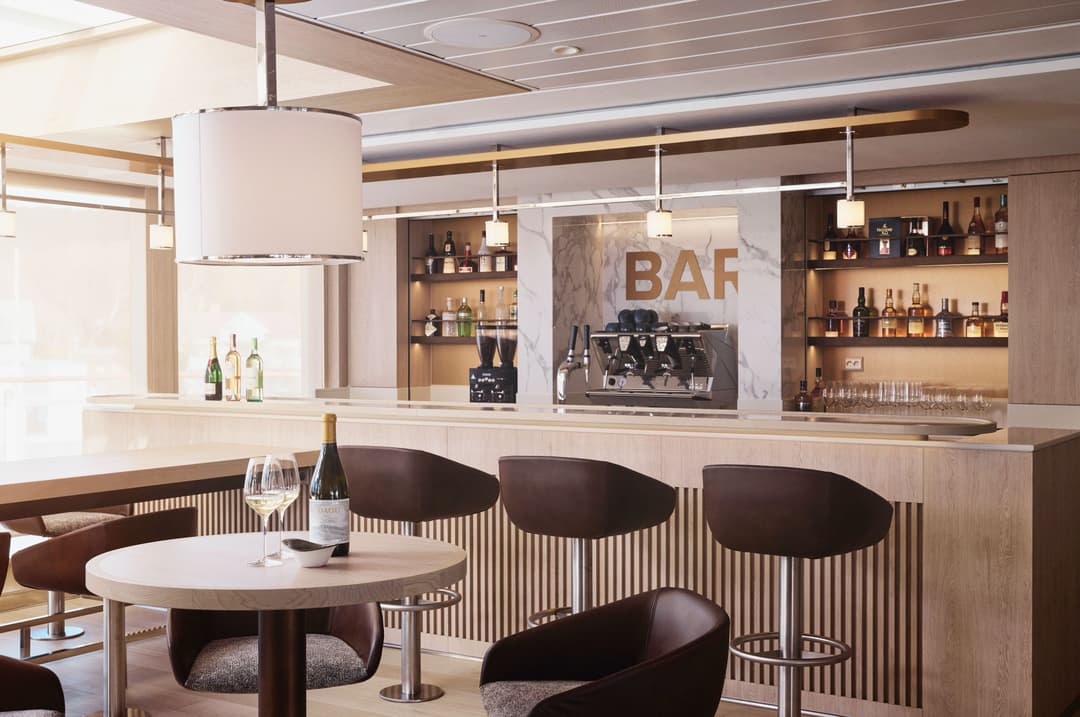
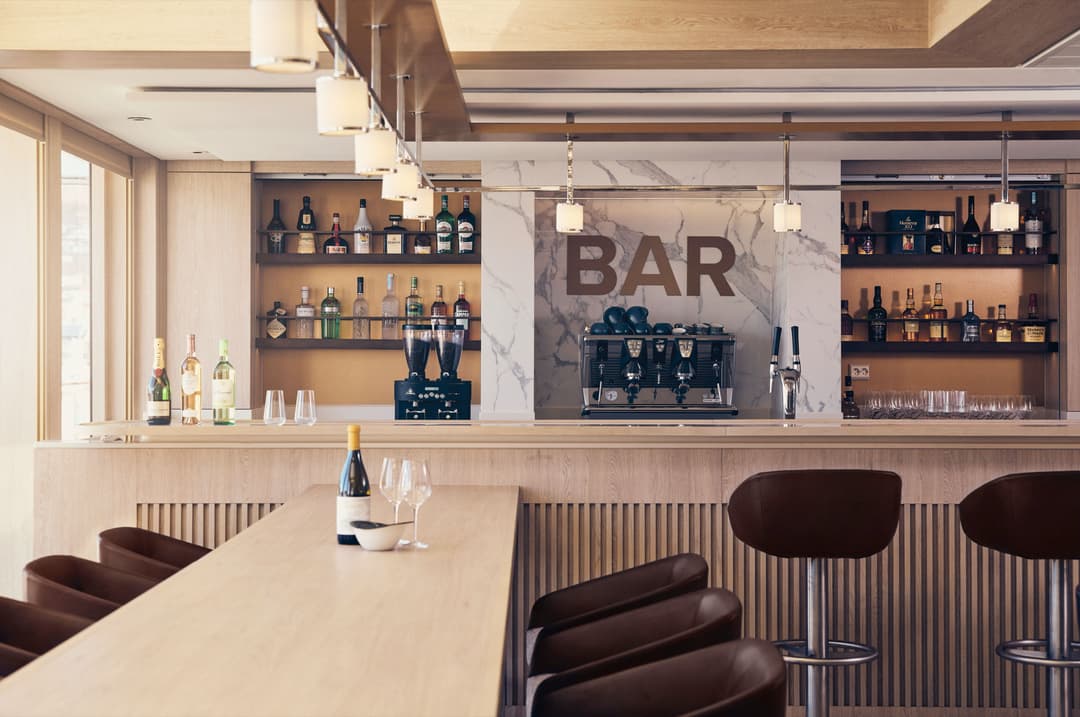
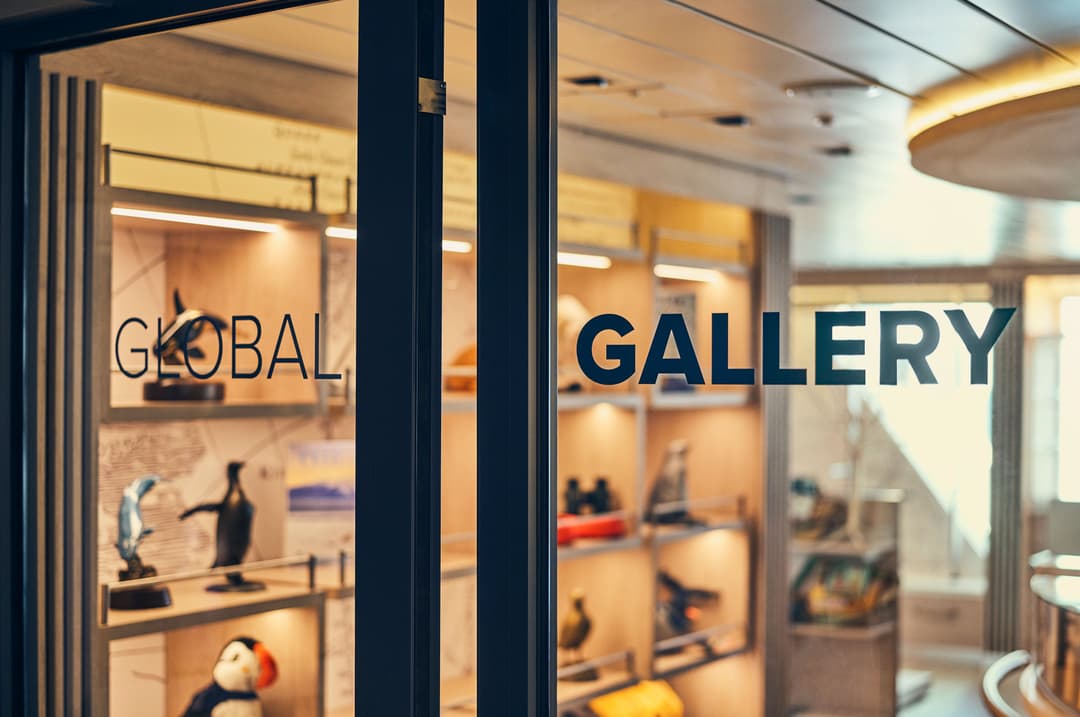
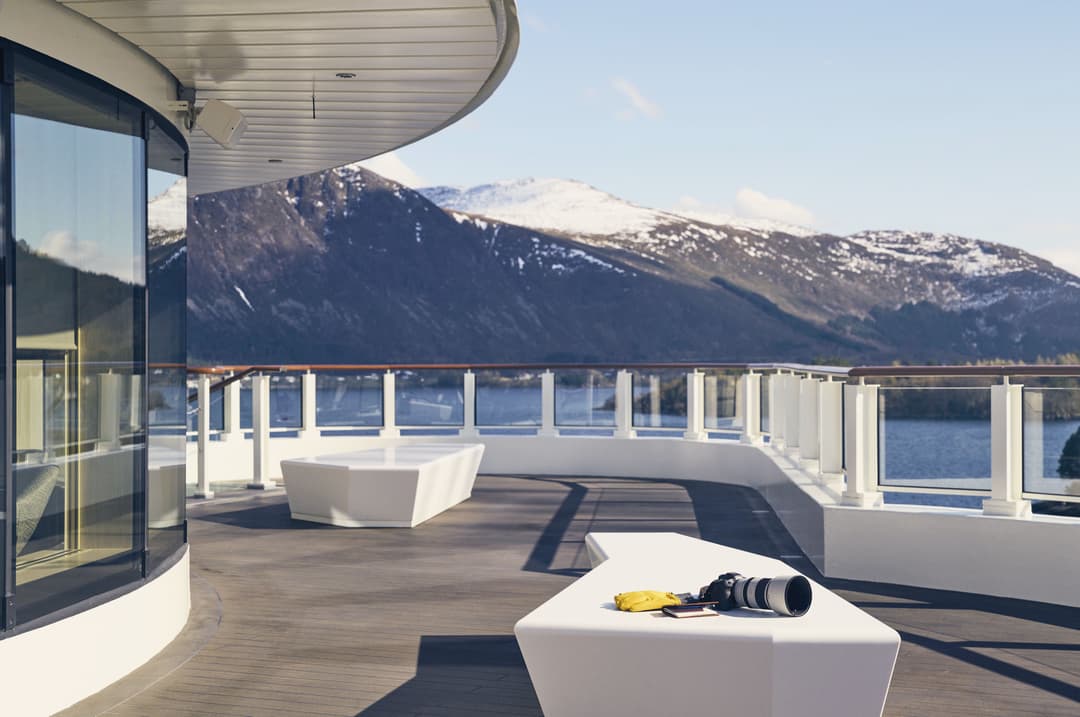
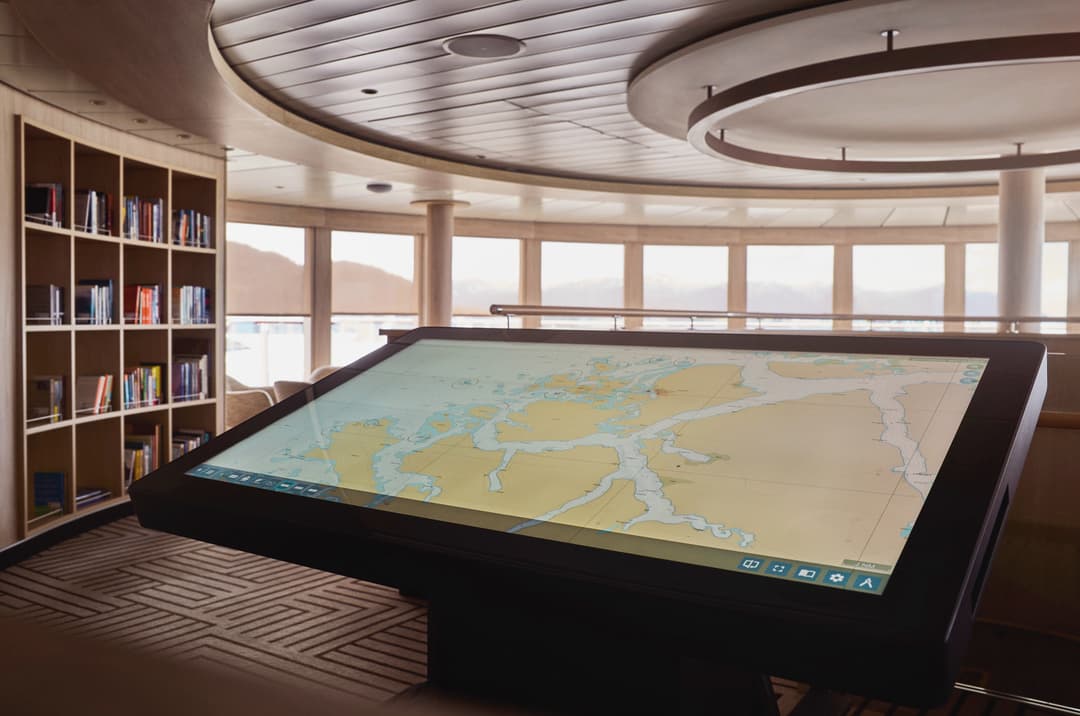
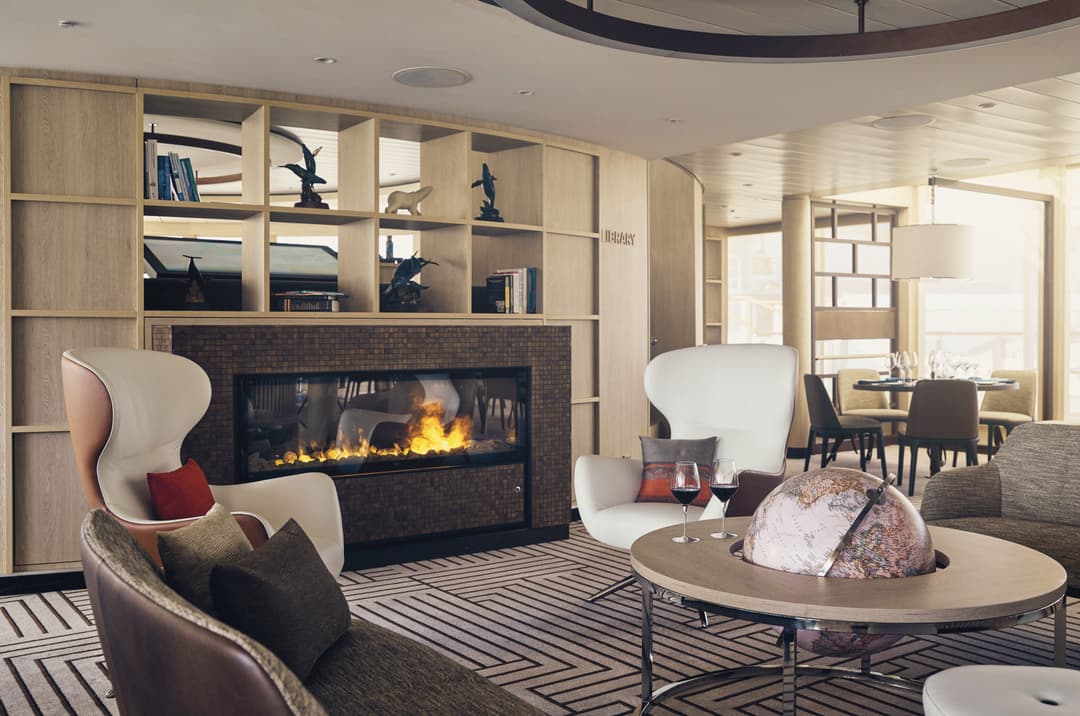
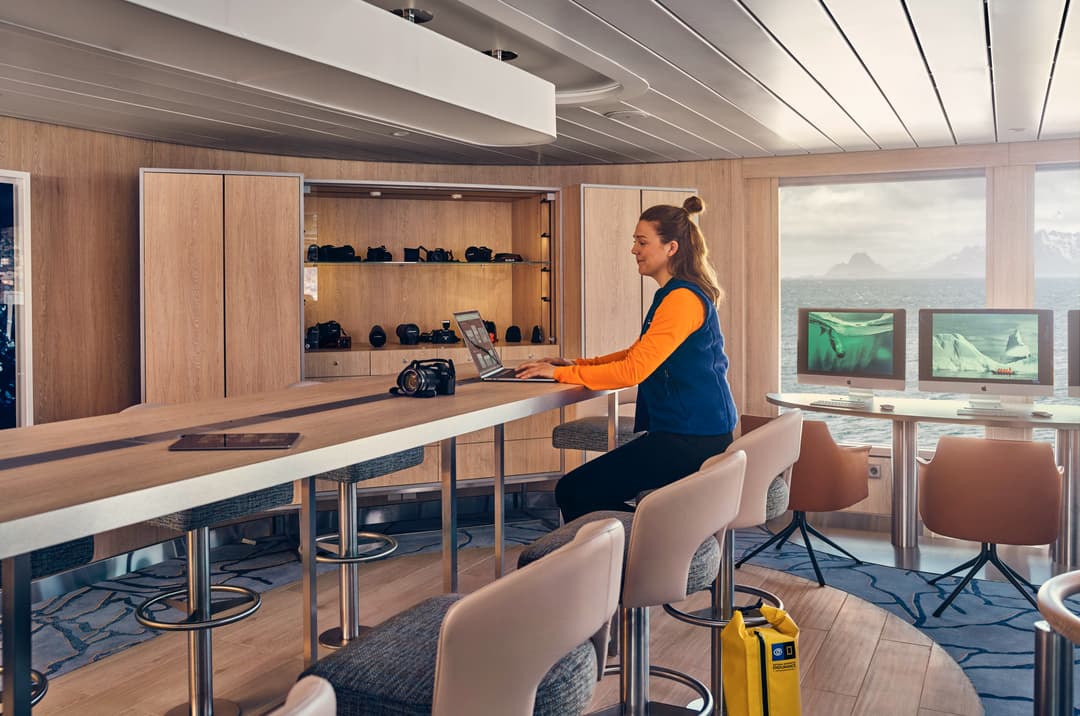
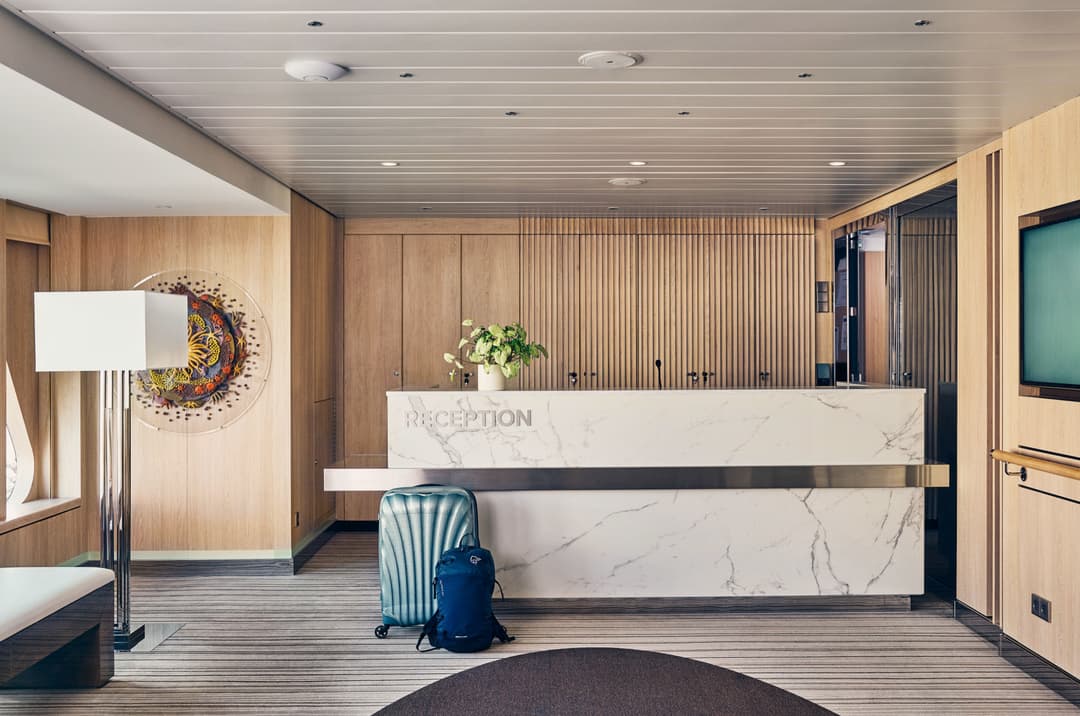
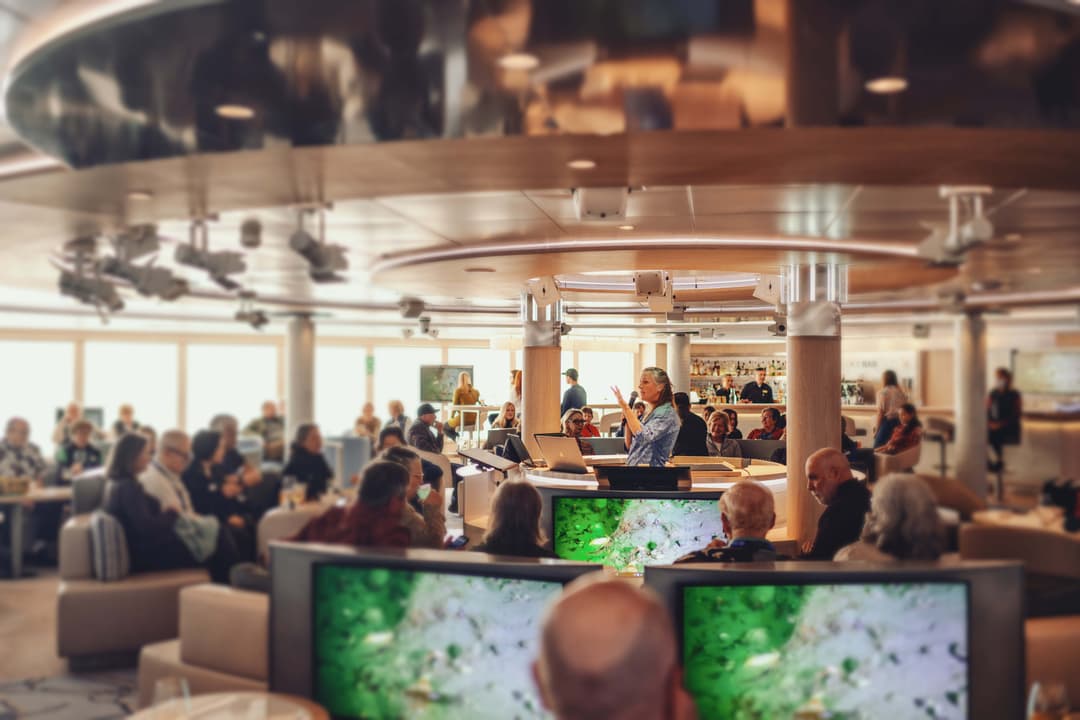
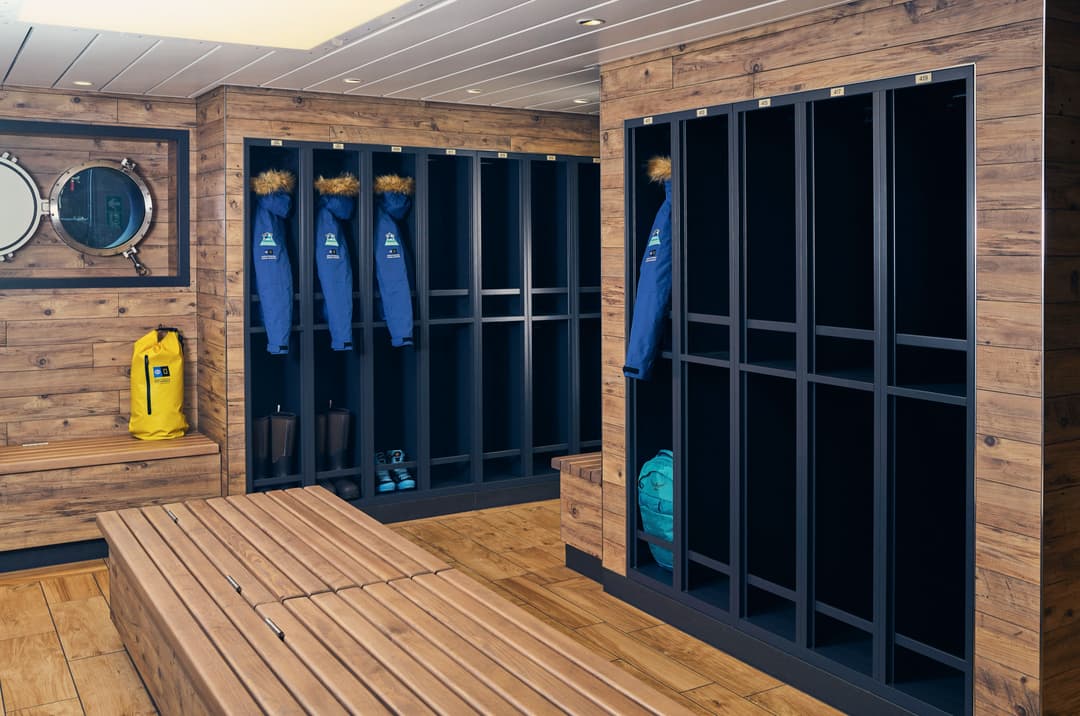
National Geographic Endurance's public spaces ensure that your time on board is as rewarding and enriching as your time on shore. Spaces include an observation lounge; library; main lounge with full service bar, 24-hour beverage station, and state-of-the art tech for films/presentations; an expedition base with lockers for expedition gear; and open access to the Bridge, Captain, officers, and on-duty wildlife spotters. Restaurant 270° features wrap-around views; two other dining areas offer lighter, made-to-order fare or intimate, small group dinners. All feature sustainable choices and unassigned, flexible, inclusive seating.
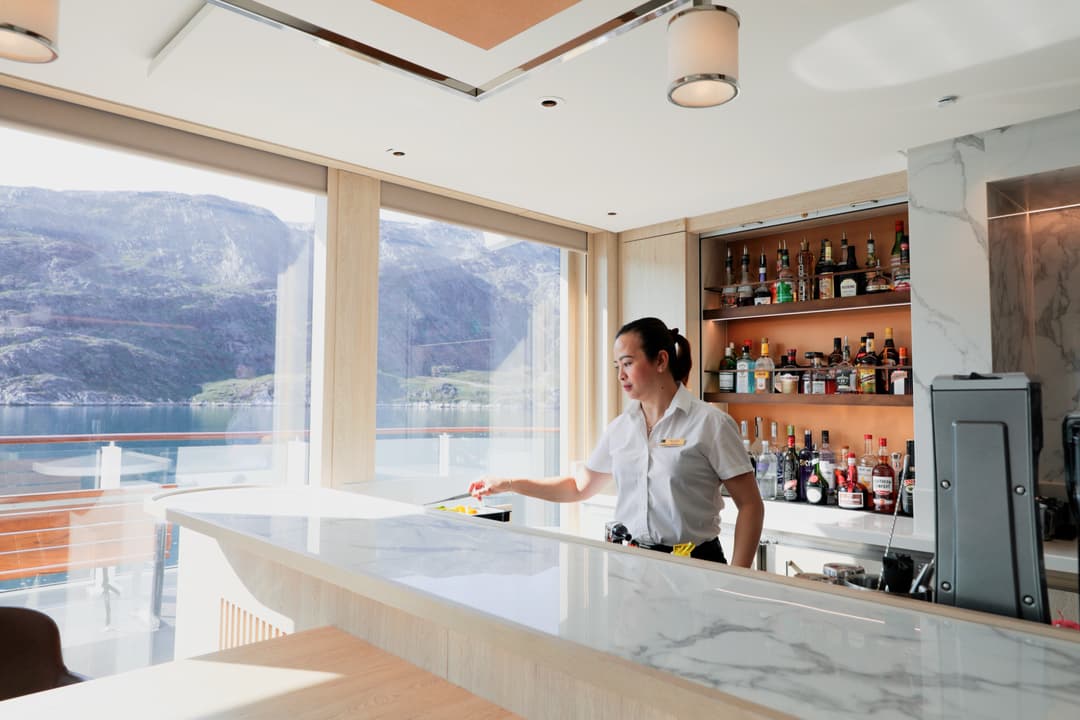
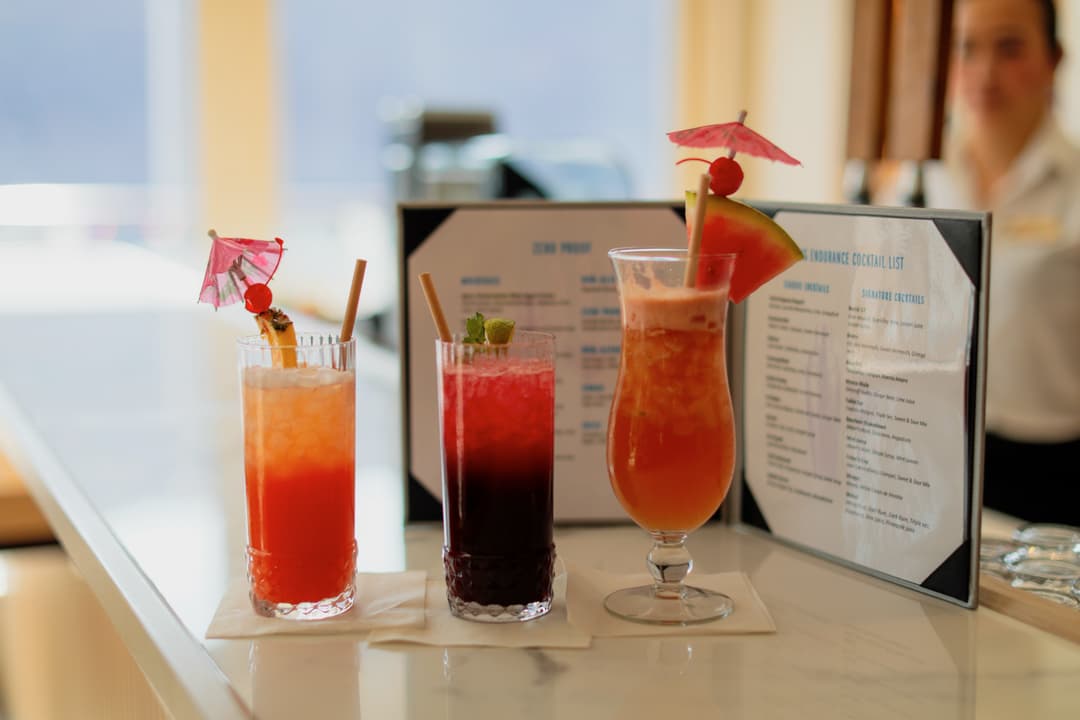
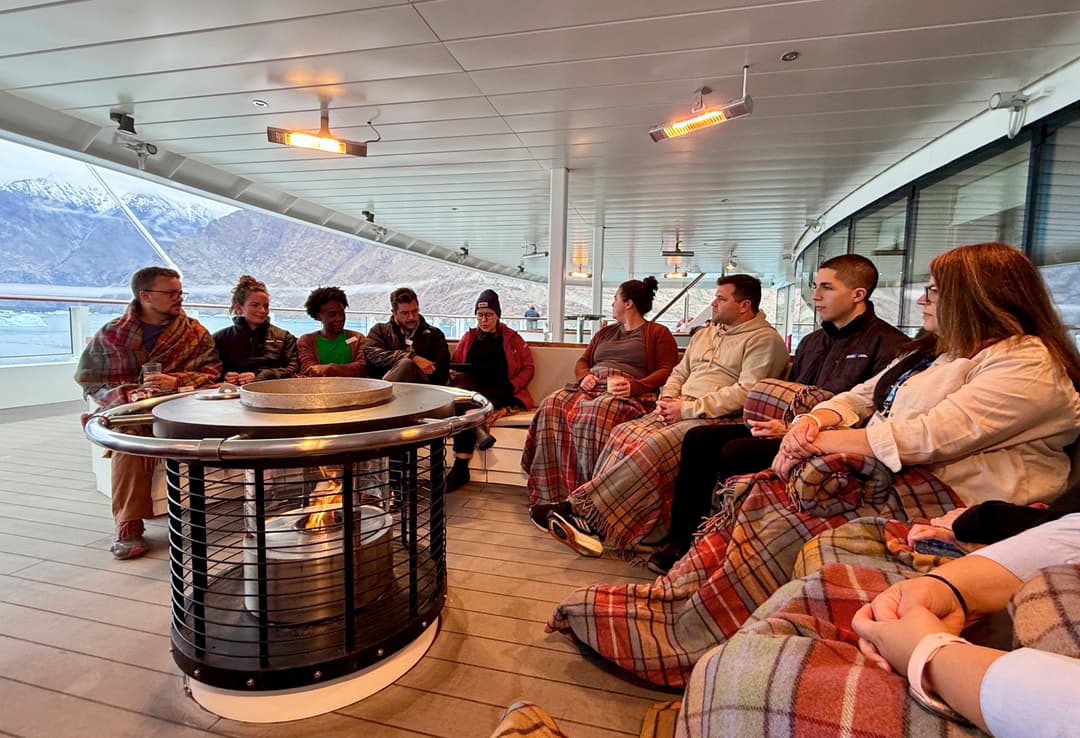
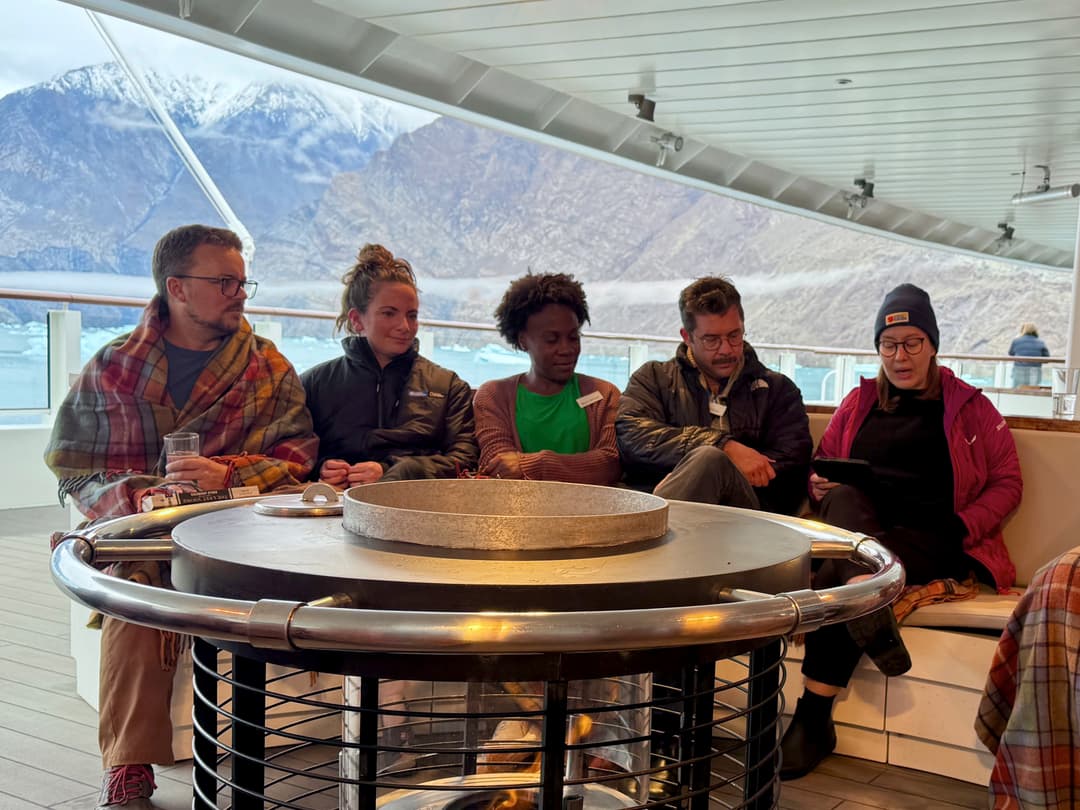
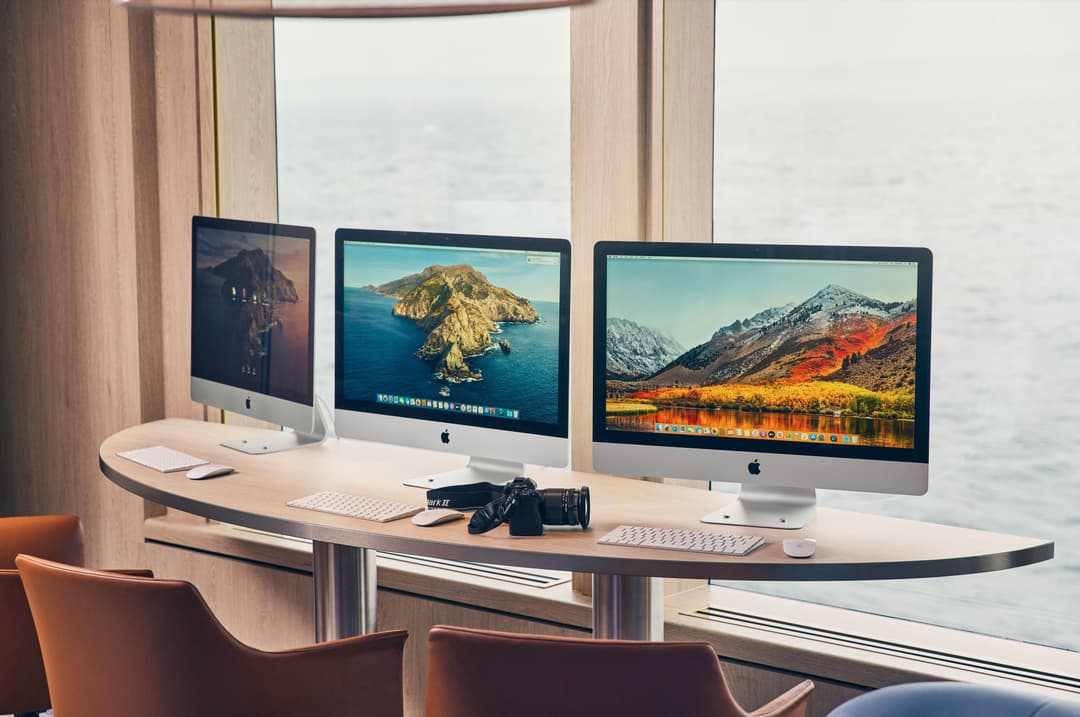
The Ice Lounge is the community hub for Recaps, talks, and presentations, offering an extensive variety of alcoholic and non-alcoholic beverages, The Deck immediately aft of the Ice Lounge comprises of two fire pits that are lit up every evening for social gatherings and storytelling. Self-service coffee and tea, cold beverage station, and photo kiosks are also available.
Amenities
- 2 fire pits
- Blankets
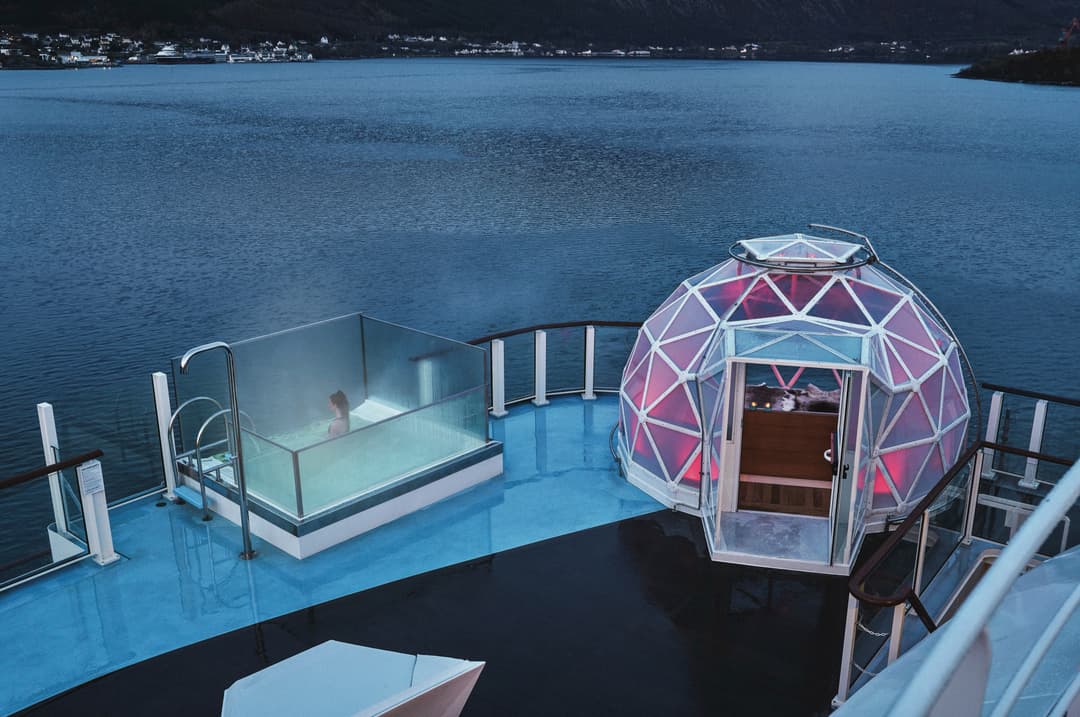
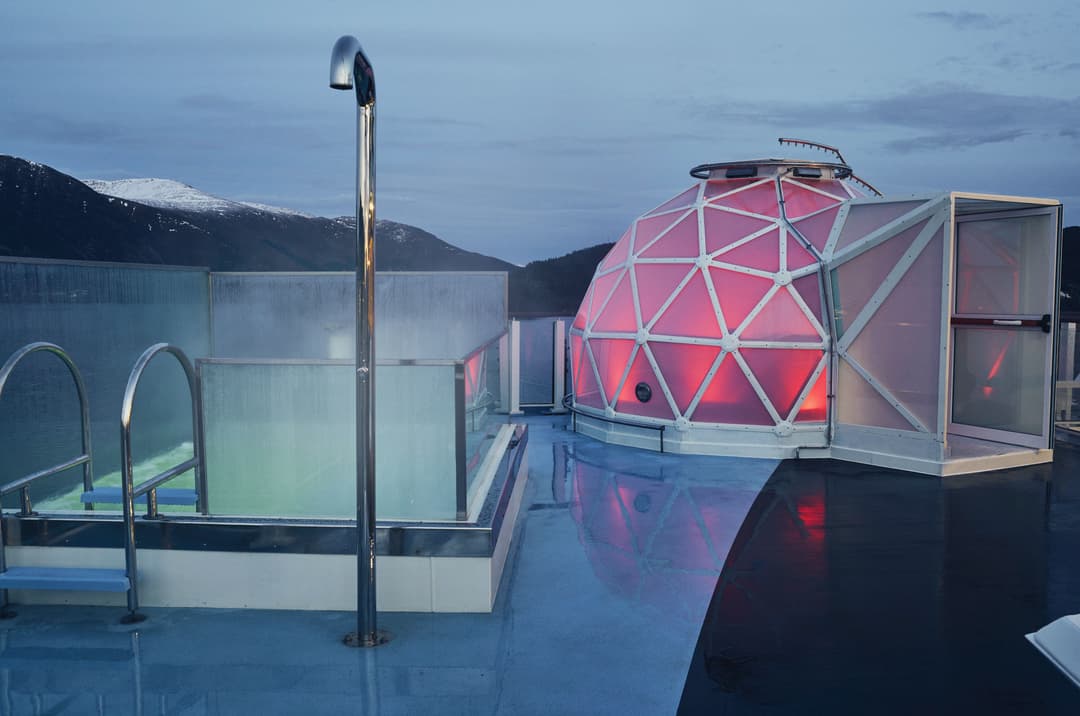
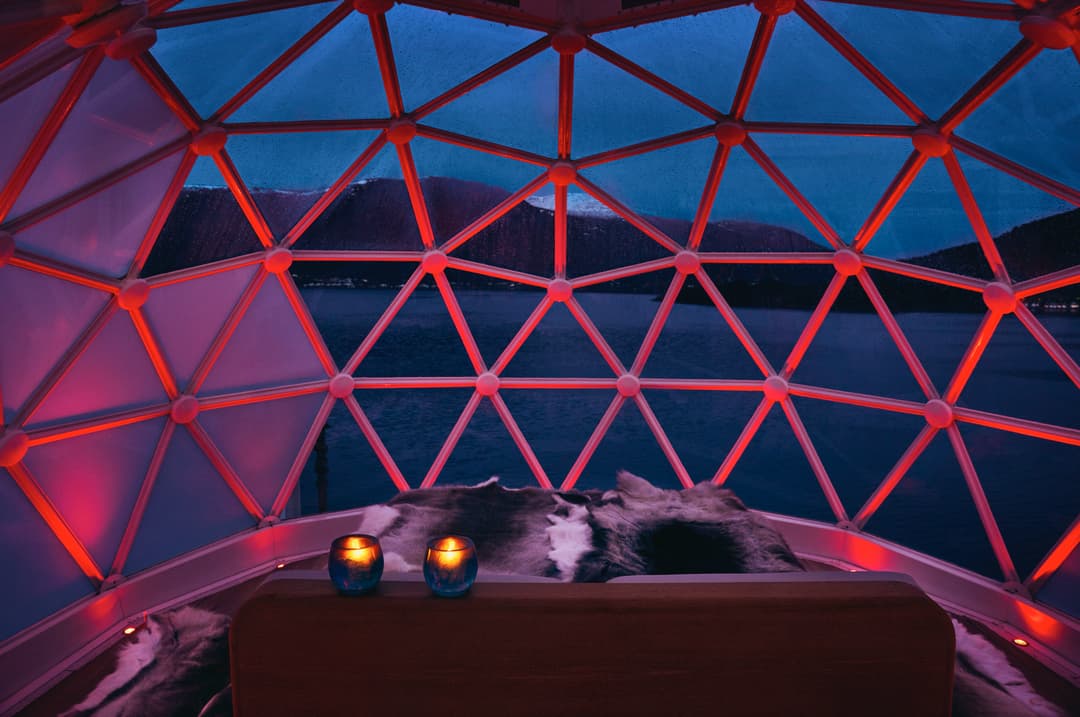
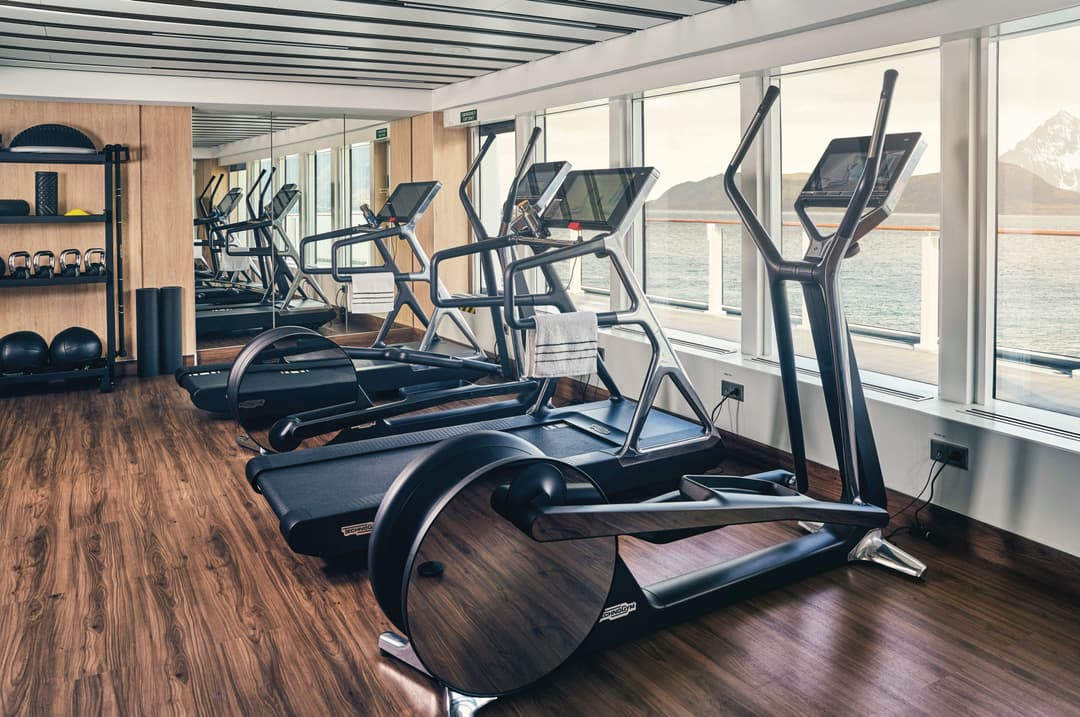
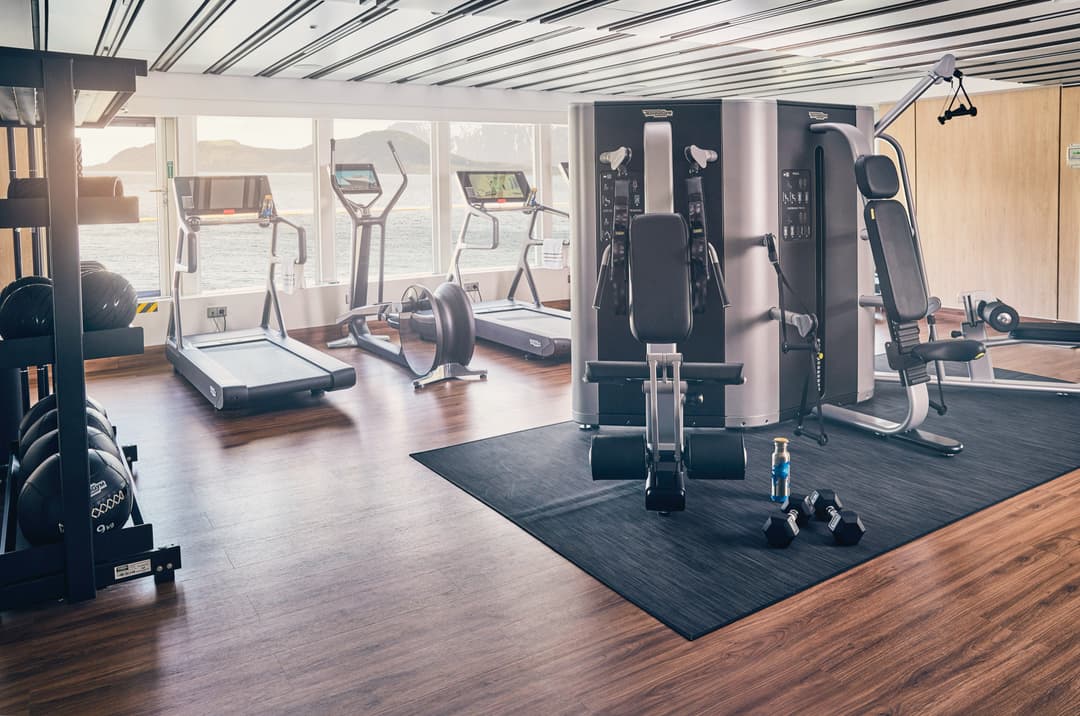
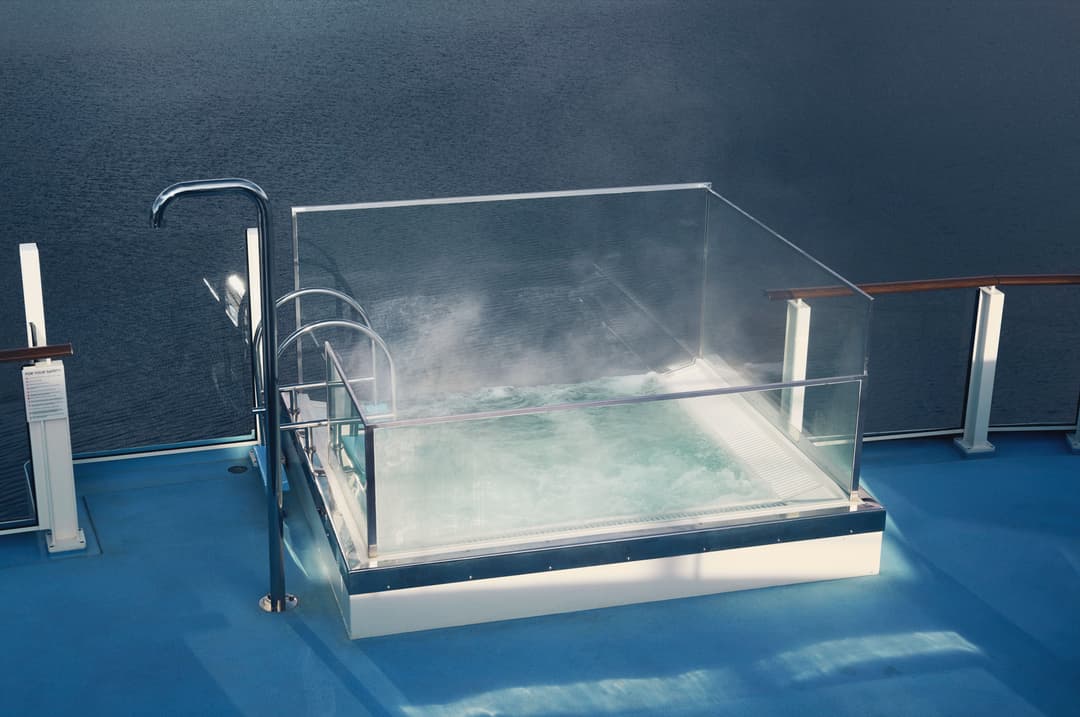
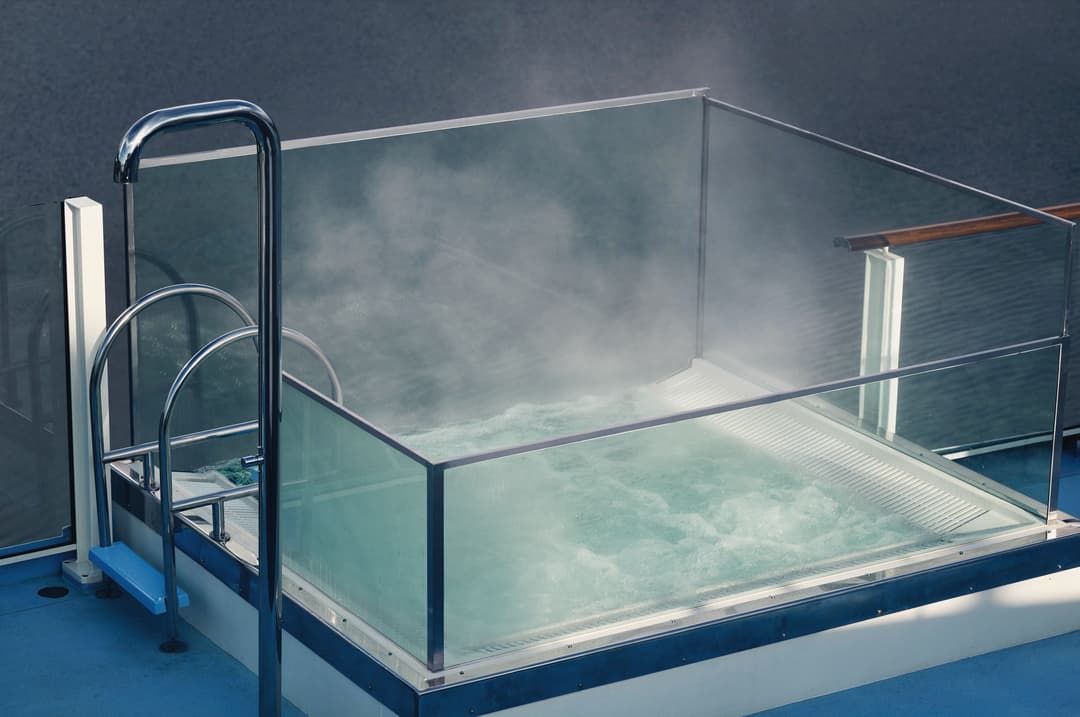
Find tranquility at sea with our wellness program, designed to refresh the body and renew the mind. While offerings vary, most ships have spa treatment rooms and other dedicated wellness spaces, such as fitness centers, yoga studios and saunas. Greet the day with a sunrise stretch session, or wind down after an adventure ashore with a restorative massage. Each experience is tailored to your unique wellness needs, leaving you feeling refreshed and ready for the journey ahead.
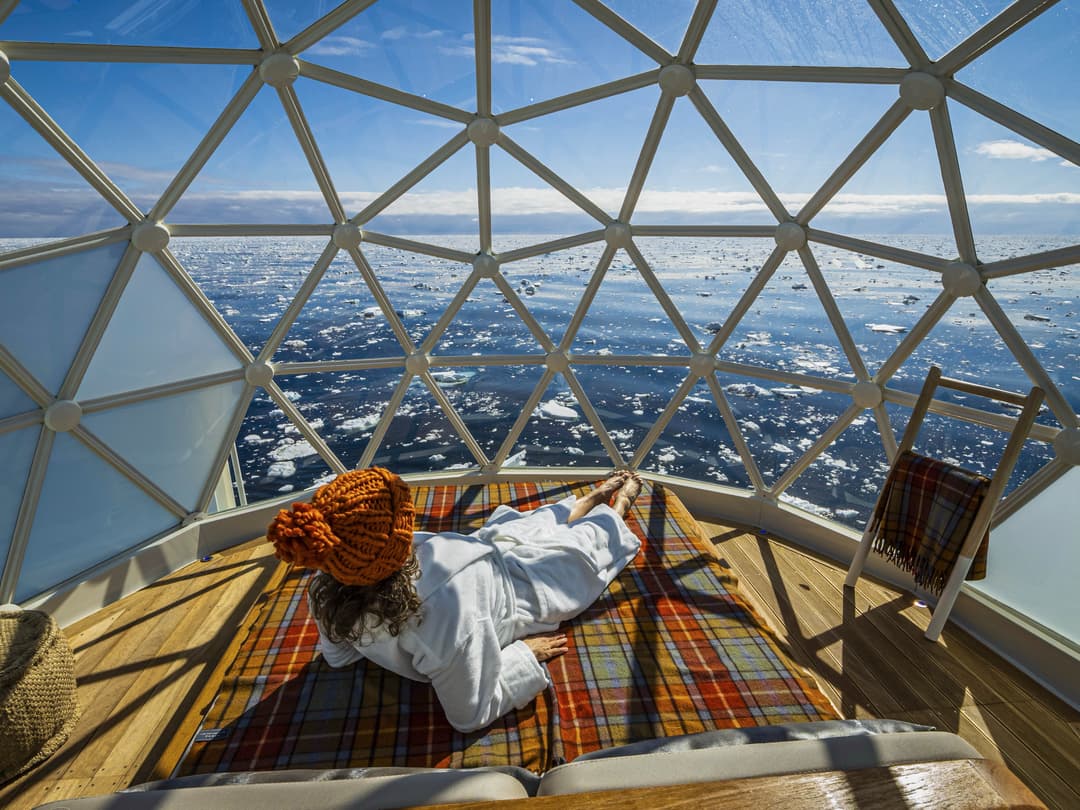


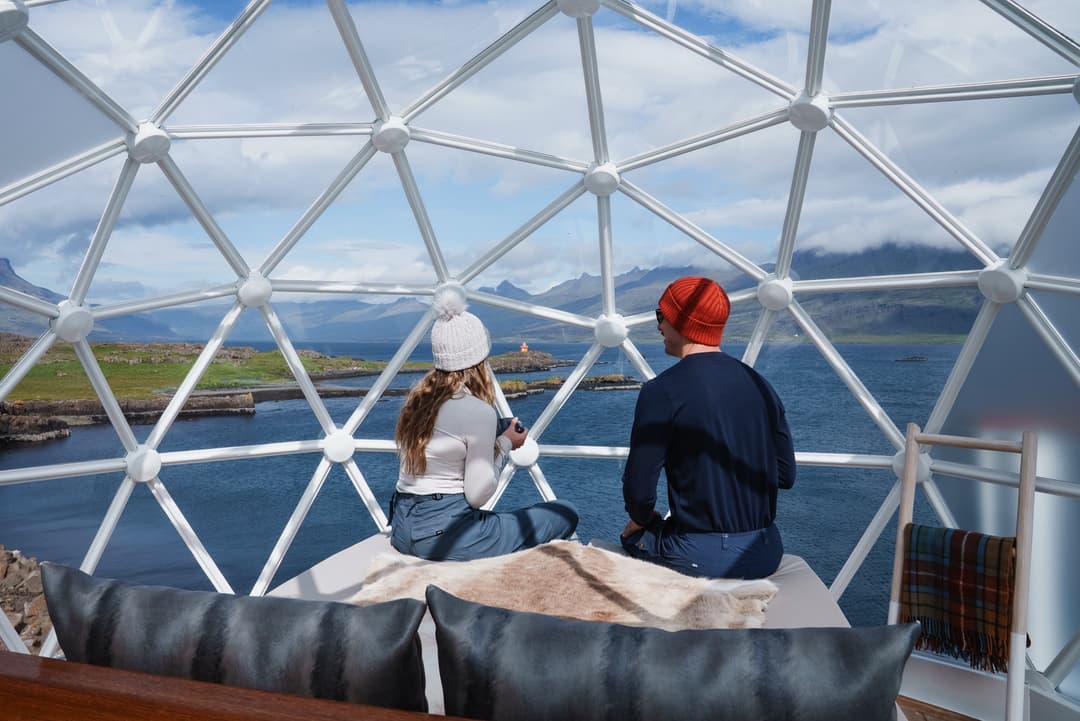
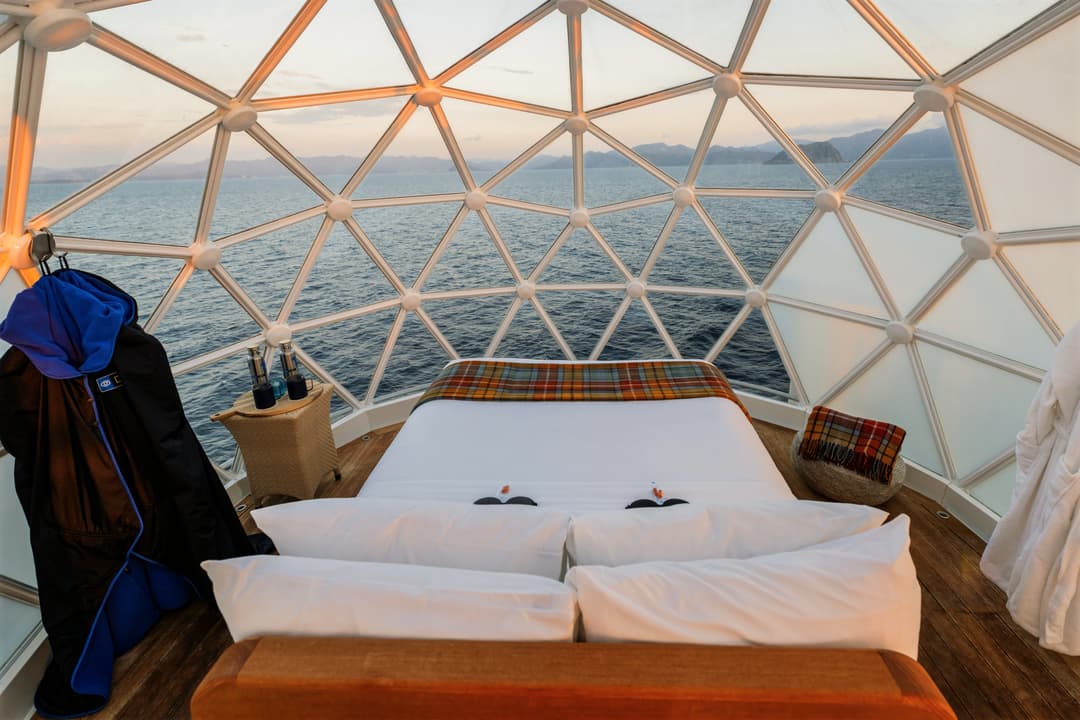
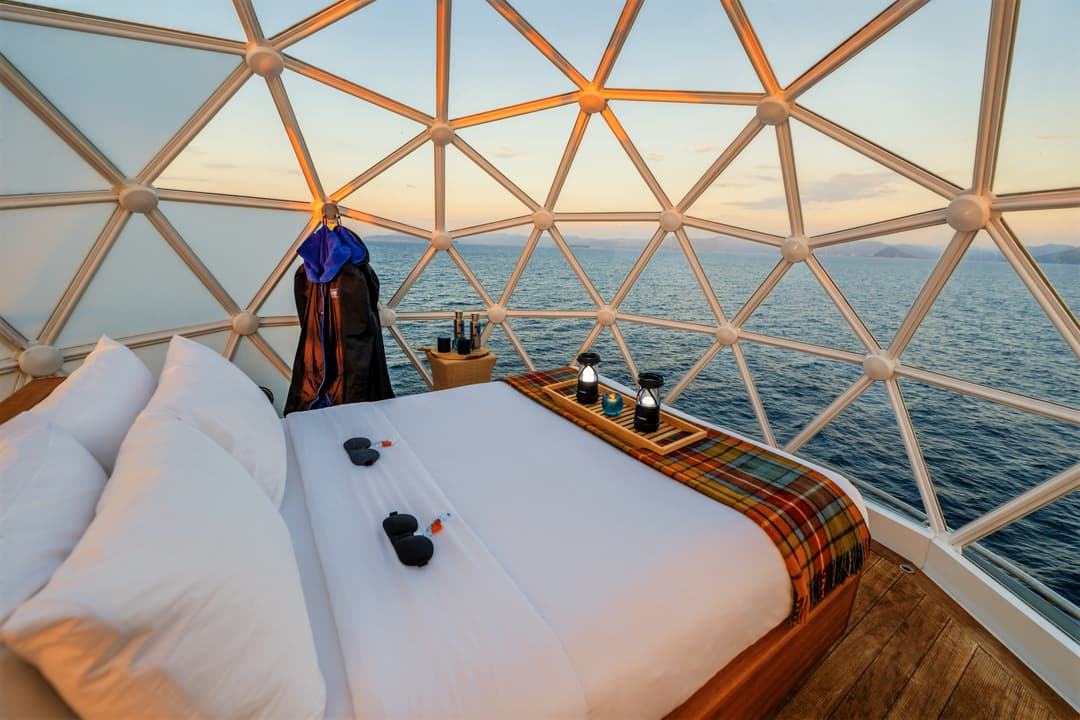
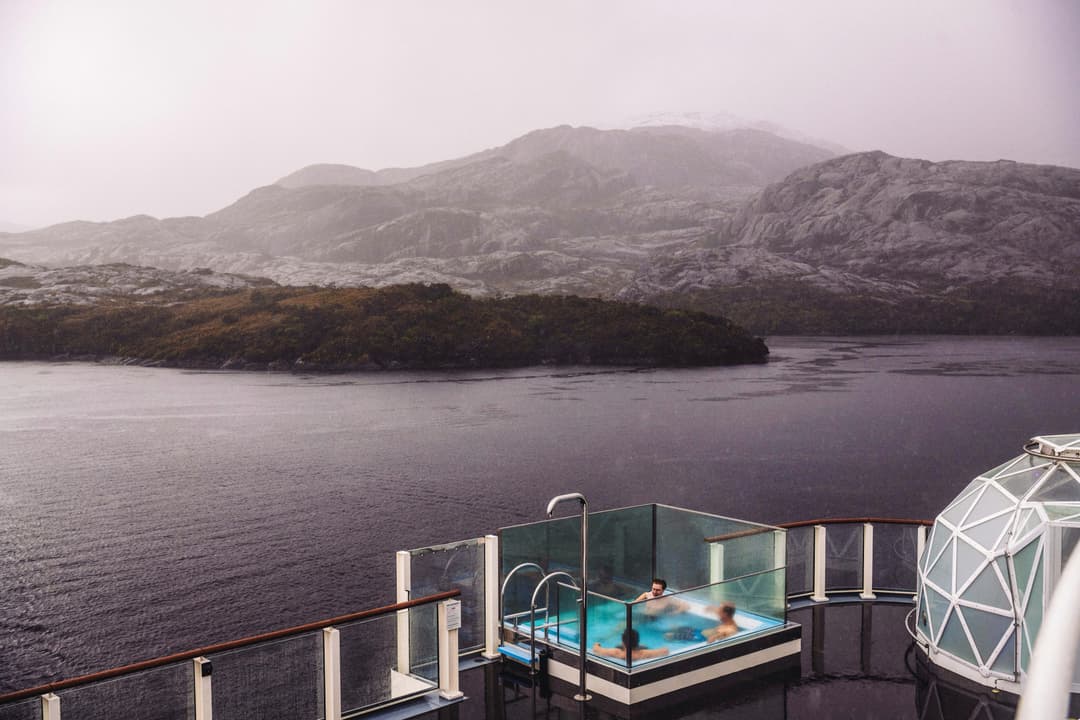
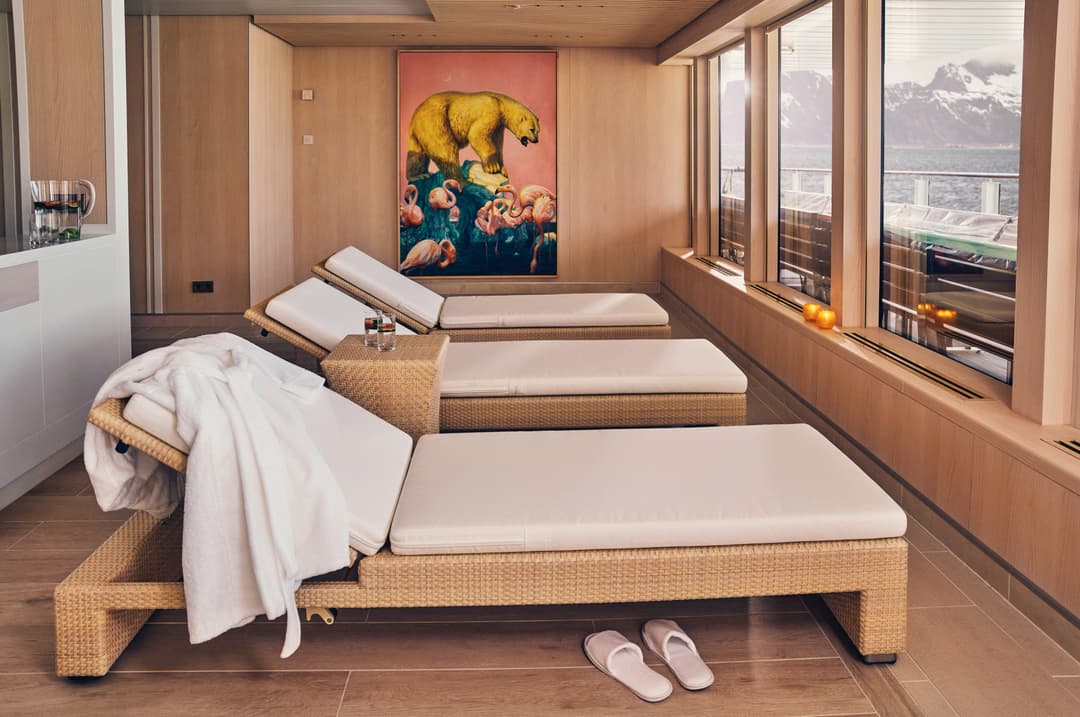
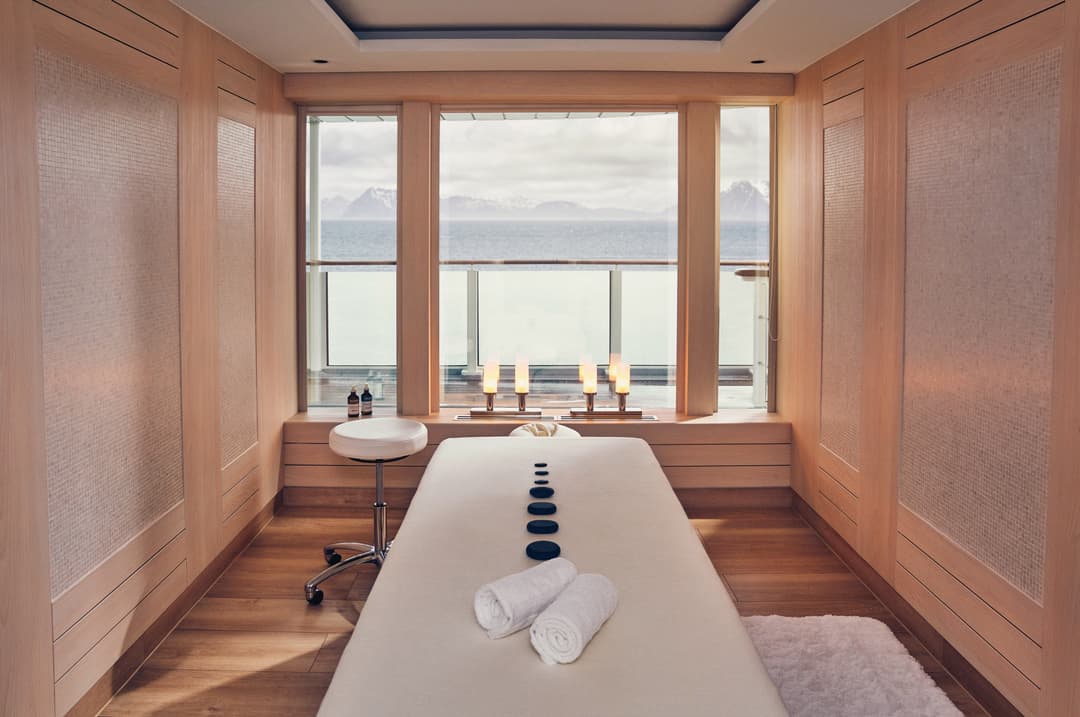
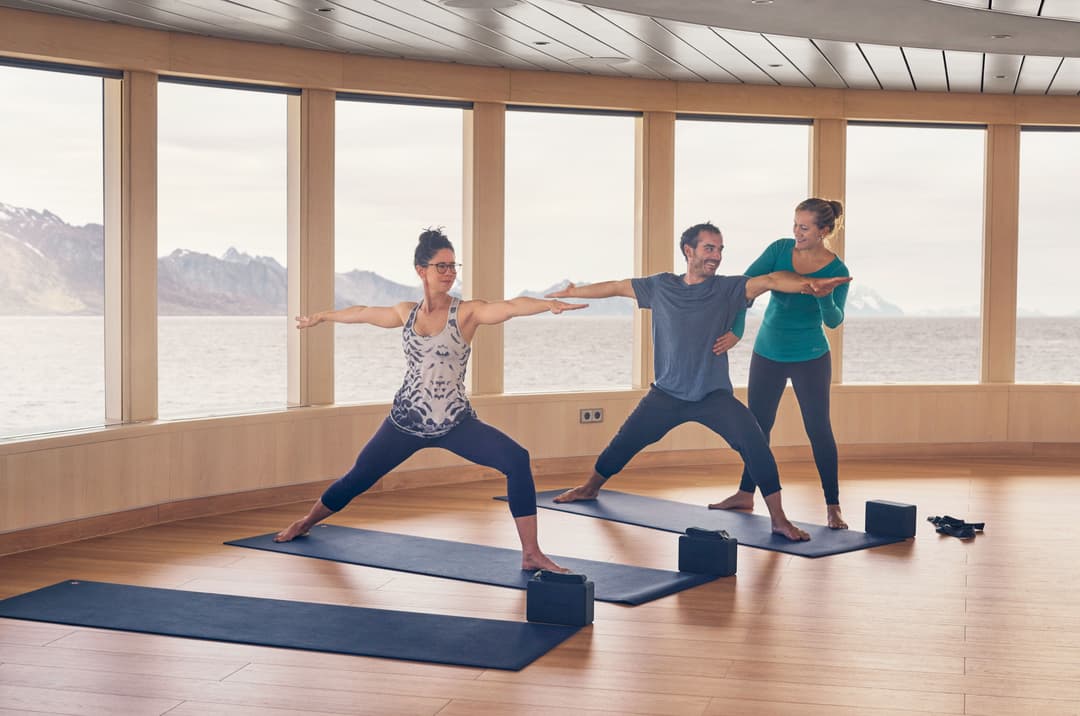
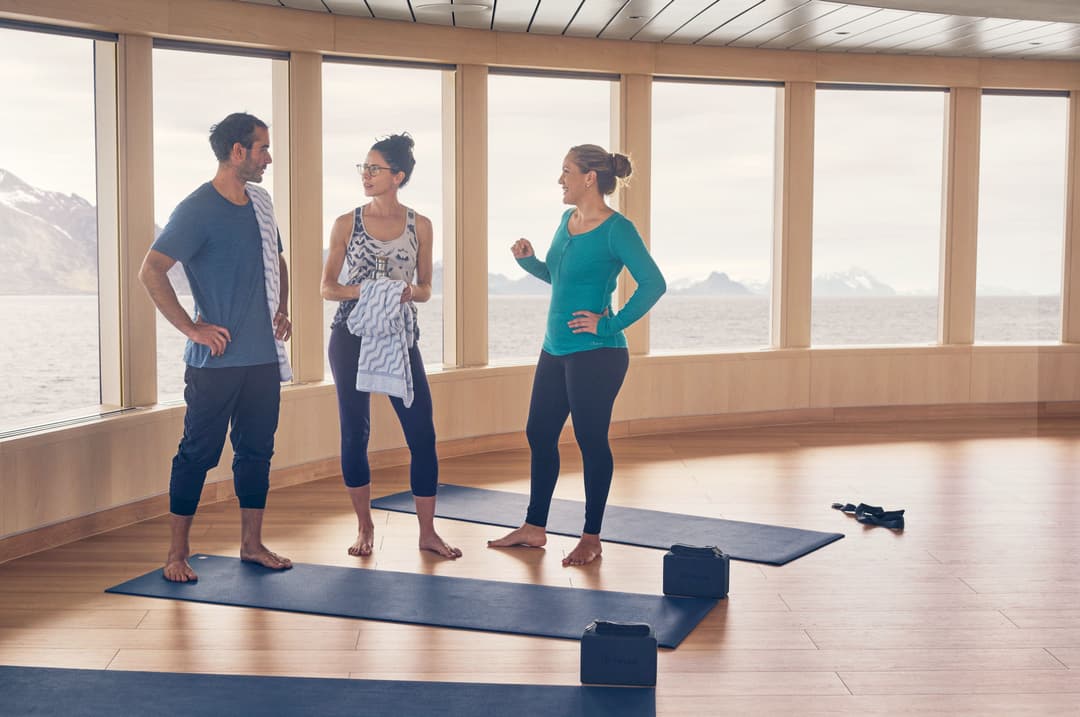
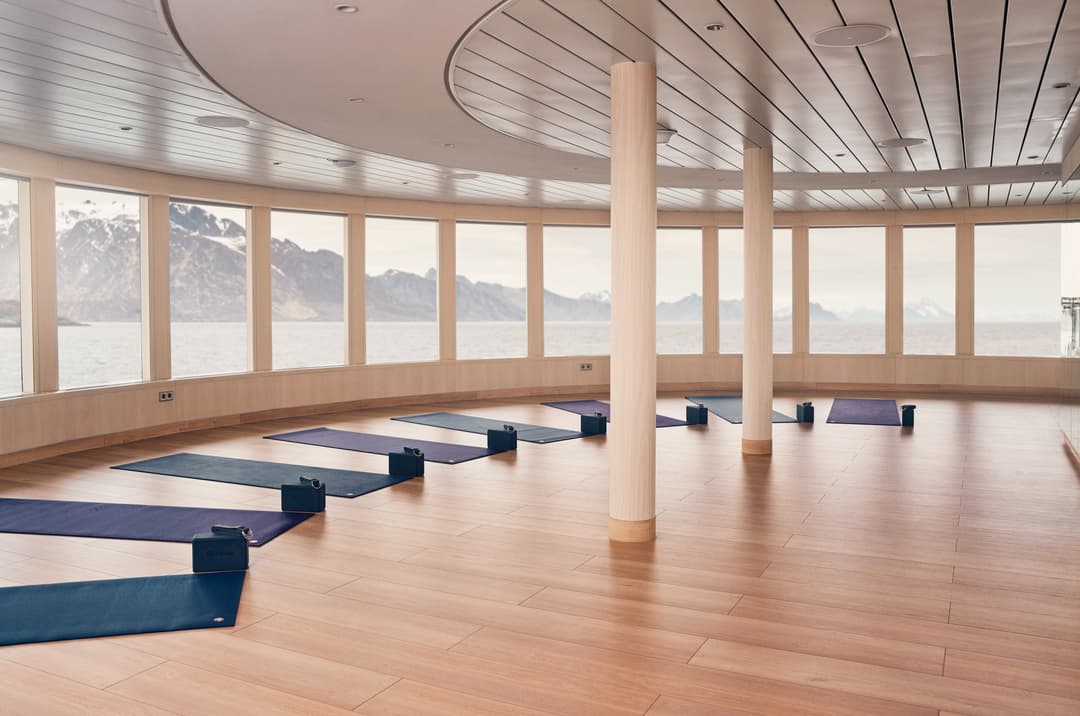
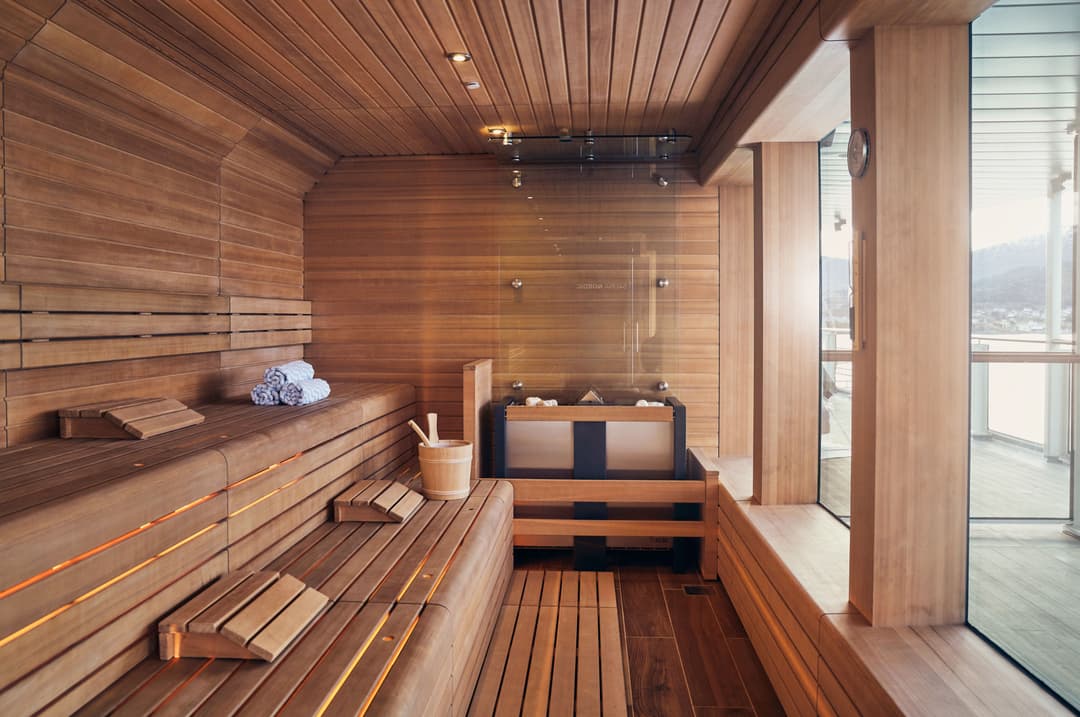
Ships elegantly crafted and equipped for discovery
National Geographic-Lindblad Expeditions' ships are uniquely equipped with state-of-the-art tools so you can experience the excitement and wonder of genuine exploration, no matter where you travel with us. Navigate along rocky shorelines and into secluded coves in a kayak or on a stand-up paddleboard or dive into remote waters to discover a galaxy of brightly colored fish—we suppl....
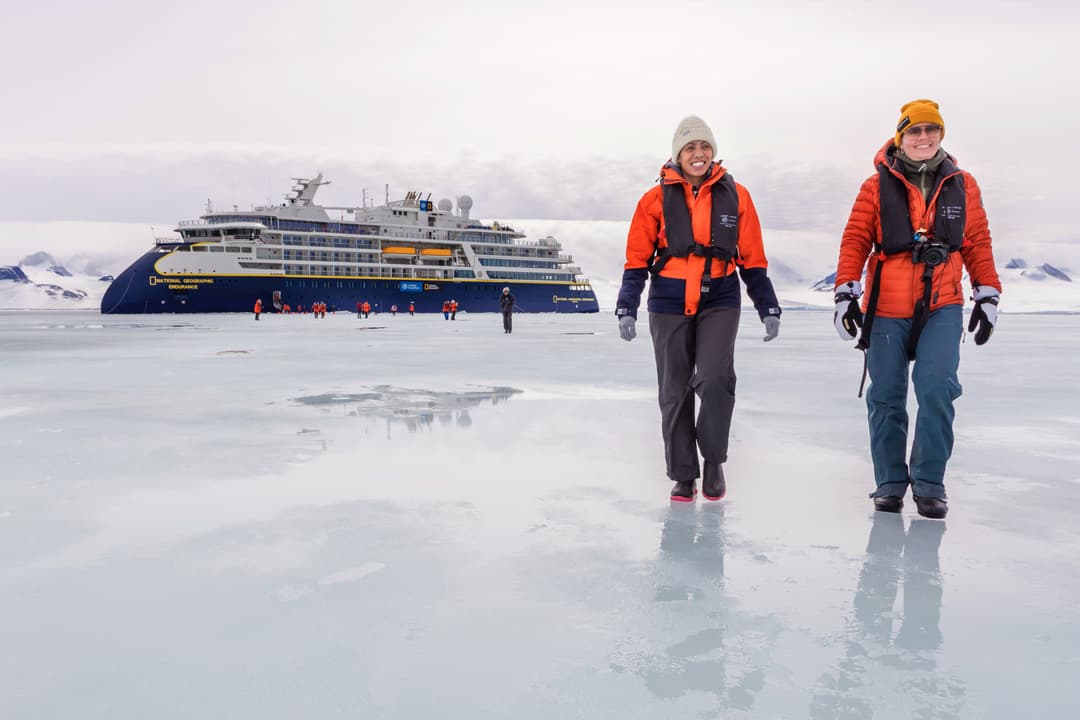
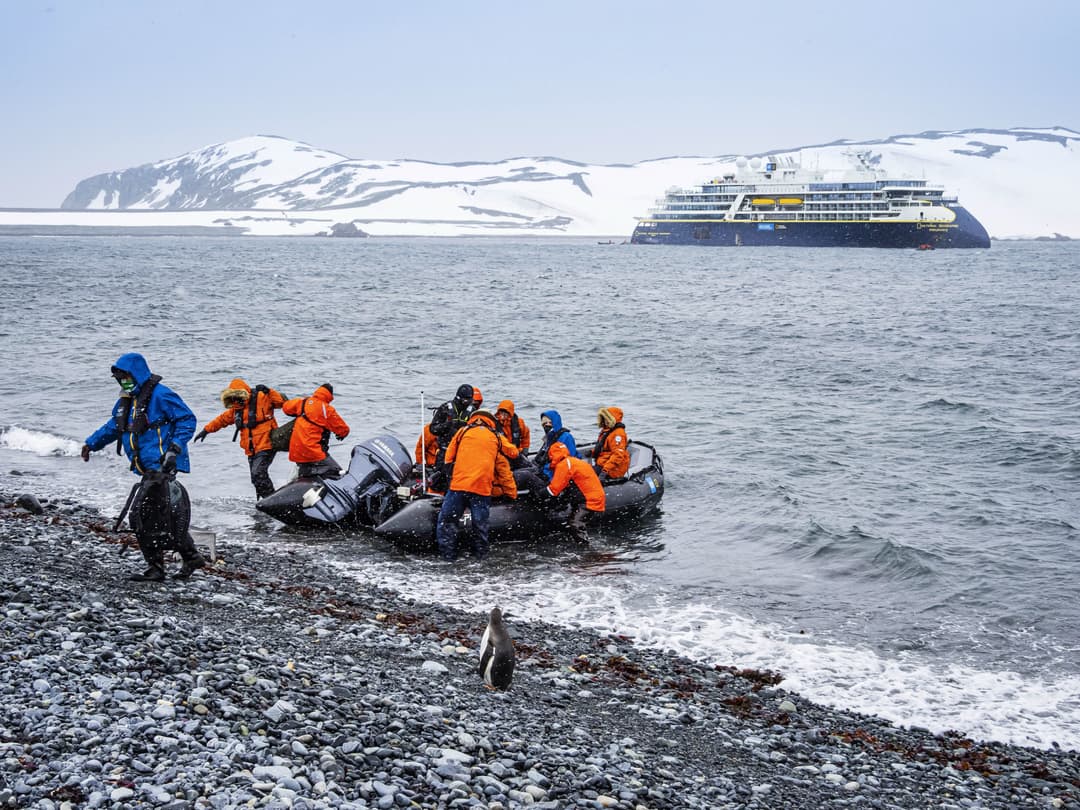
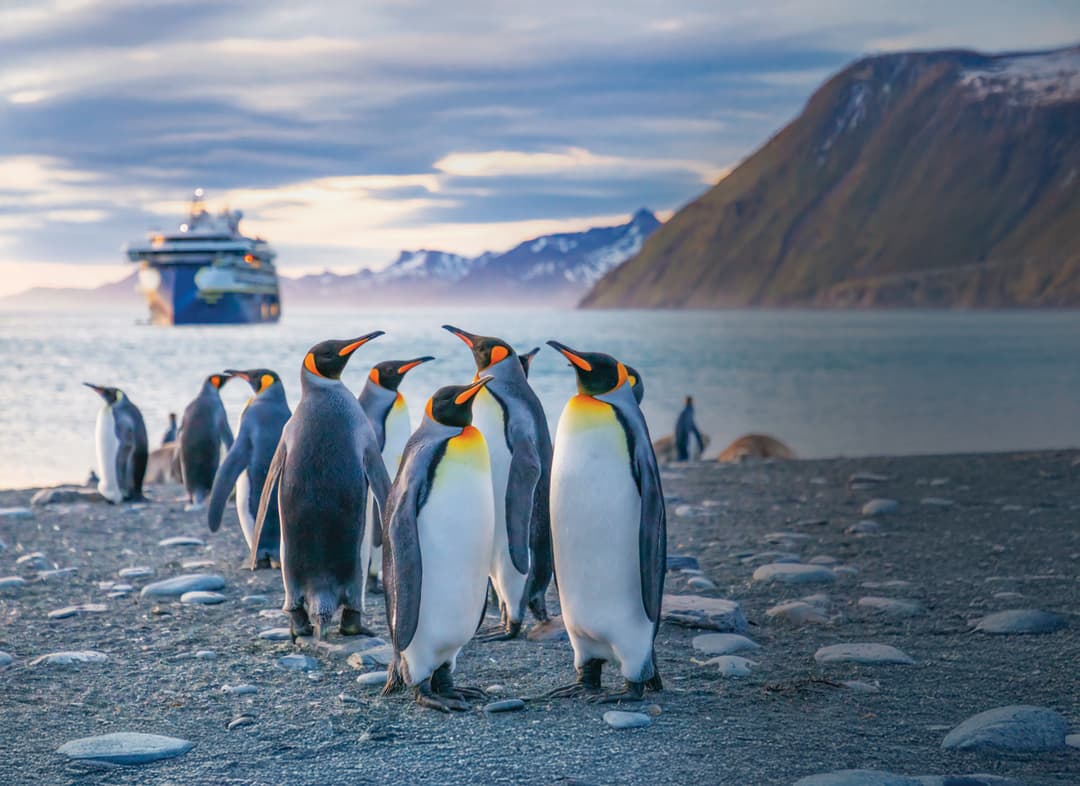
Wherever in the world you choose to explore with National Geographic-Lindblad Expeditions, you will travel alongside a team of experts who are deeply passionate about discovering the places you visit. They are scientists, photographers, and cultural experts at the top of their fields who have spent time immersed in your destination—and they thrive on sharing their knowledge and seeking out new insights alongside our inquisitive guests. For the....
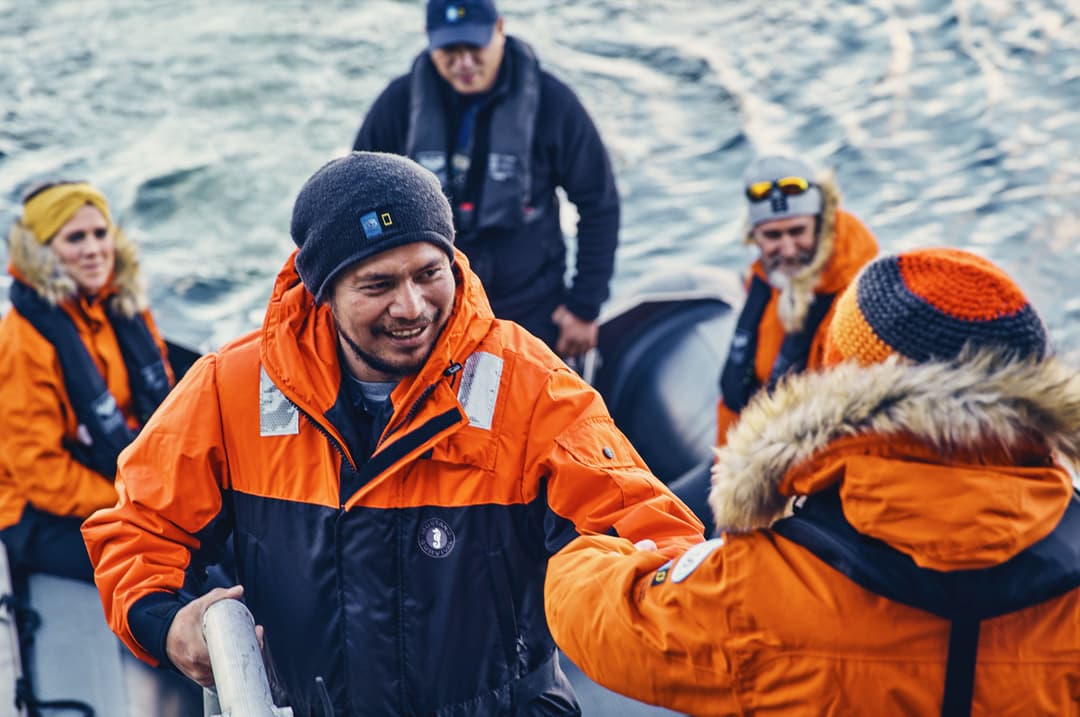
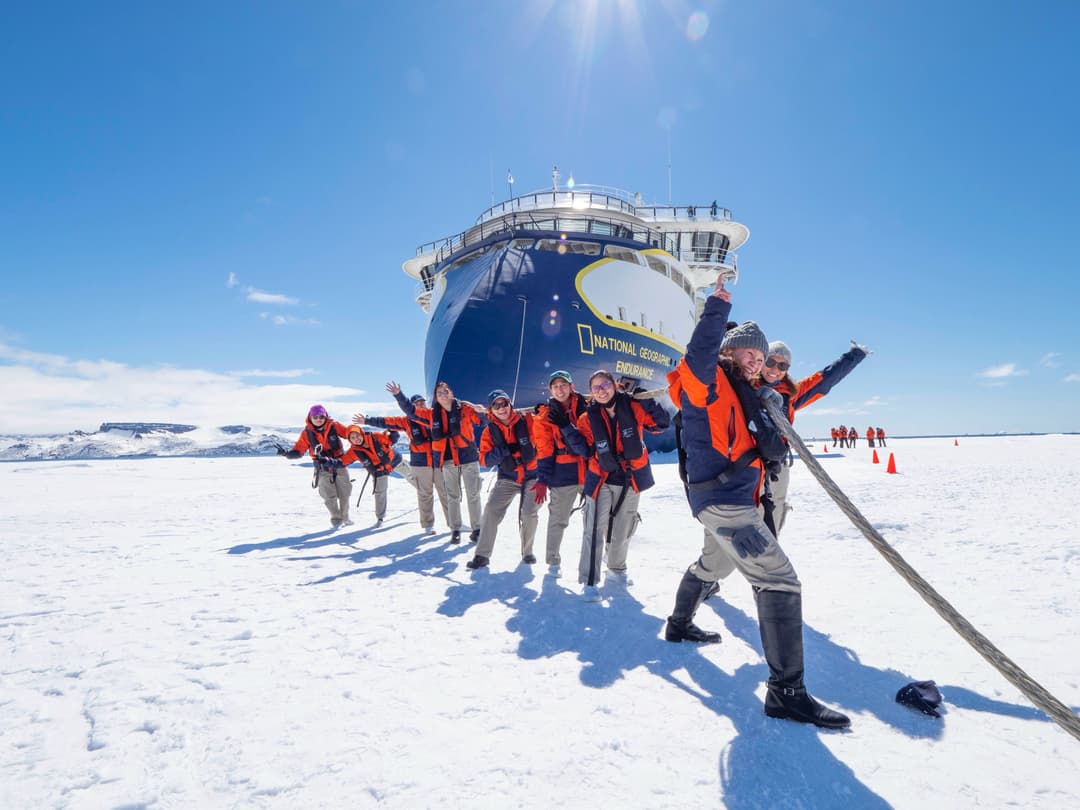
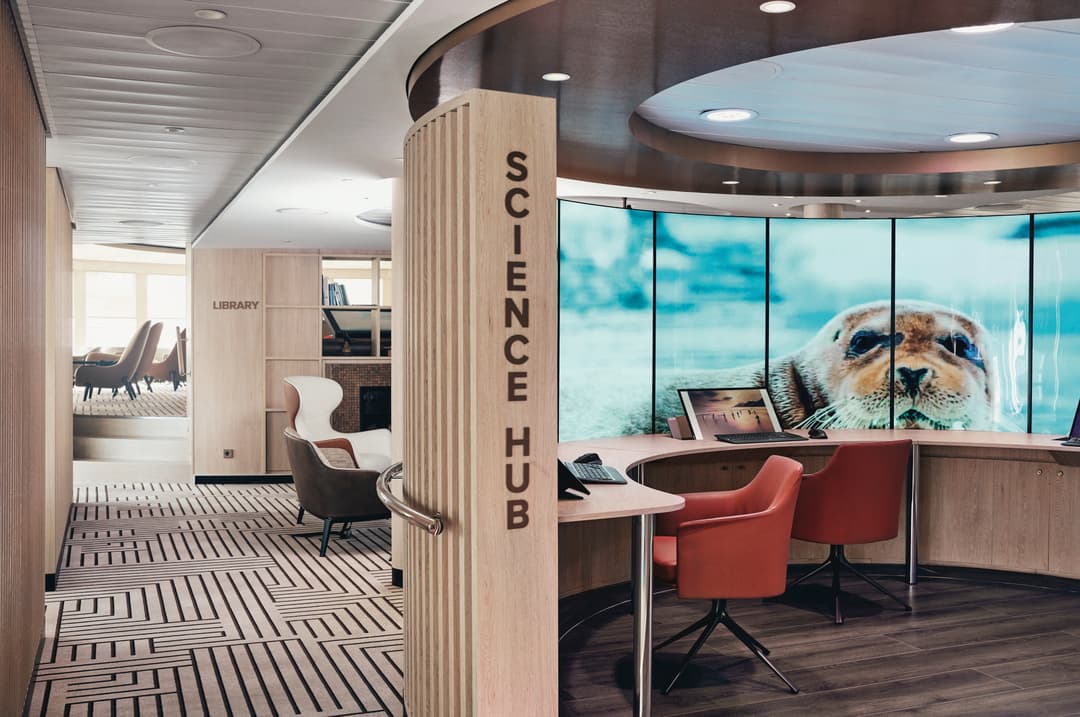
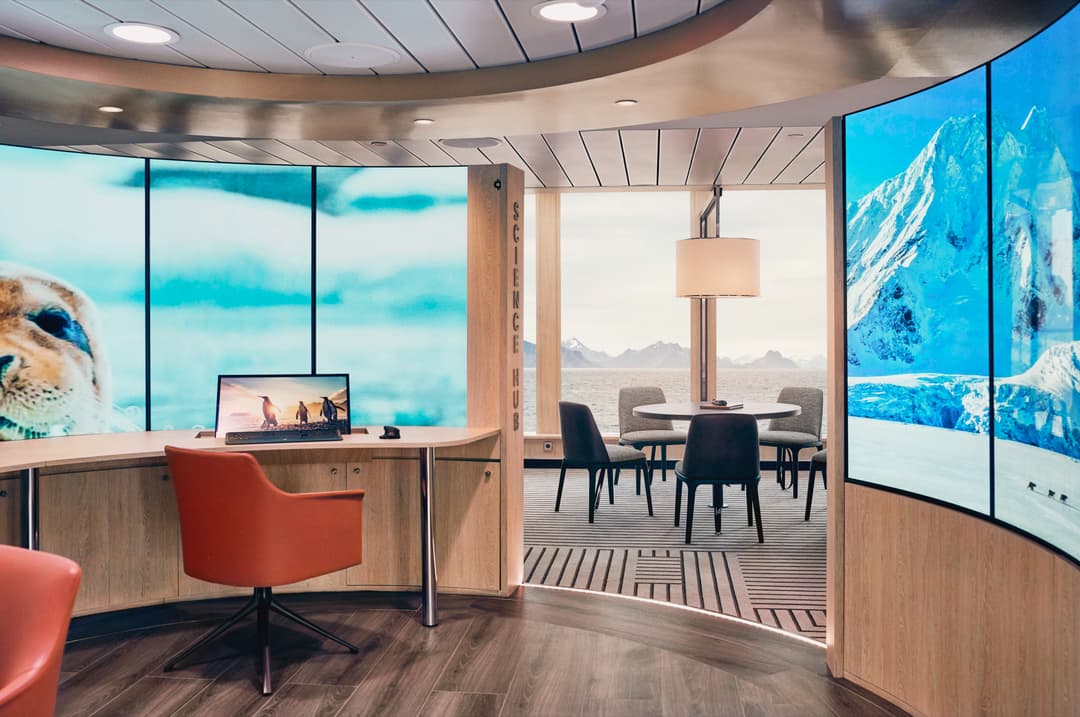
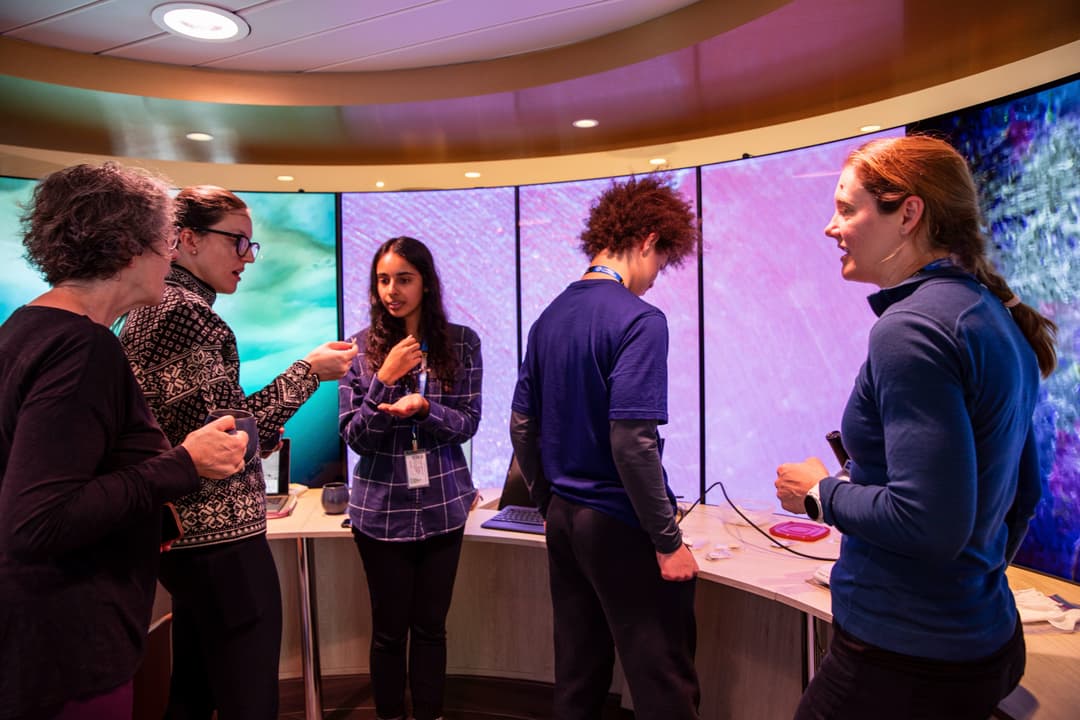
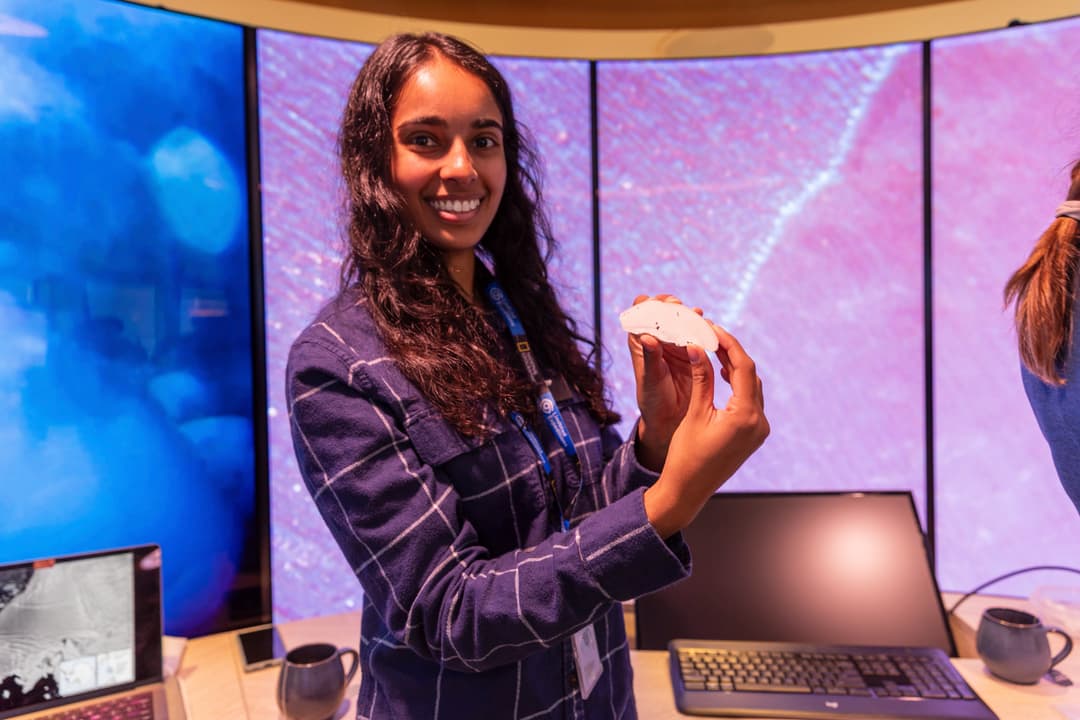
The ships in the National Geographic-Lindblad Expeditions fleet are not only equipped for adventure—they also host important research and conservation work as part of the Visiting Scientist Program. This innovative initiative allows scientists to use the fleet as a platform to build and foster their research endeavors in places like Antarctica, the Arctic and the Galápagos.
The Visiting Scientist Program has been active for years, and i....

Guests can get involved in the advancement of science by participating in a variety of research projects hosted on their expedition..
Happywhale
Whales have unique markings on their flukes that allow scientists to identify individuals and track them across the globe. When guests capture pictures of the whales spotted on expedition, they can submit them to the Happywhale app to aid in the tracking process. National Geographic....
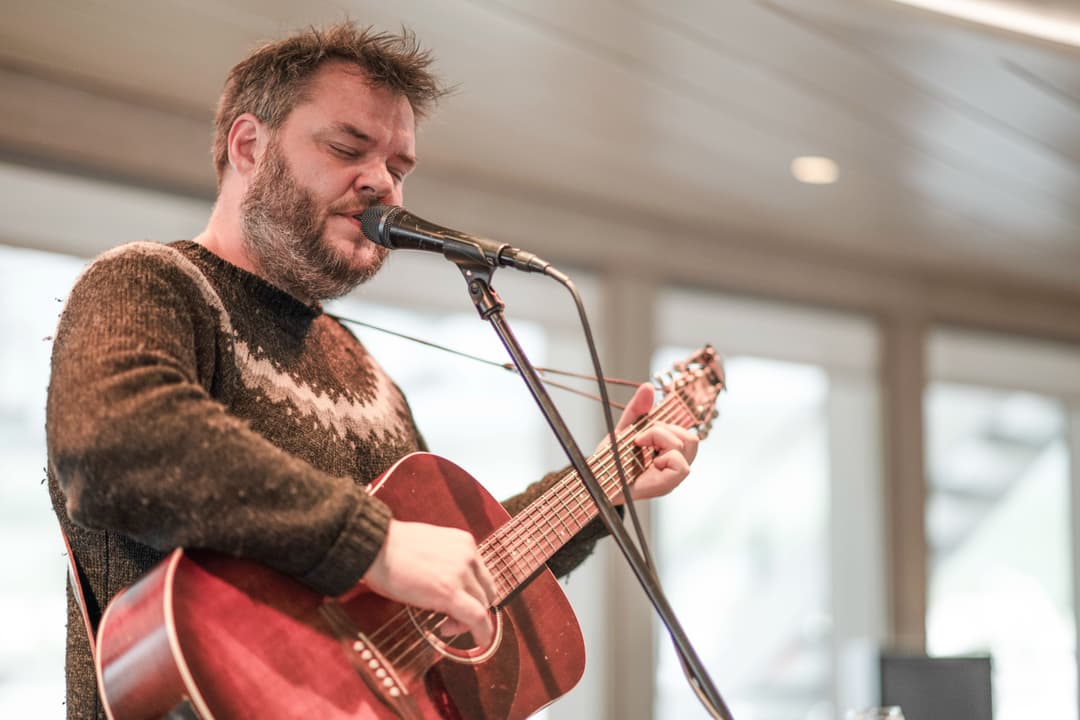
When you travel with Lindblad Expeditions, you'll enjoy exclusive experiences featuring renowned individuals from the worlds of science, exploration, literature, music, photography, culture and more, thoughtfully curated to enrich your expedition.
From performances of original music inspired by the destinations we visit to treks with iconic explorers, our guest speakers offer in-depth insights and compelling conversations, helping you to....


Nurture Their Passion For The Planet
One of the most rewarding sights in Baja California is witnessing the spark of curiosity in a young traveler, whether they’re locking eyes with a sea lion while snorkelling or watching a powerful humpback breach the water’s surface. Moments like these are especially meaningful when complemented with the learning opportunities in our exclusive National Geographic Explorers-in-Training programme.....


ACT Clean CoatTM is a light-activated, self-disinfecting cleaning process that continuously breaks down viruses, bacteria, mold, and airborne allergens across all ship surfaces. Not only does this create a cleaner, healthier shipboard environment for guests and crew alike, but this non-toxic, chemical-free system also saves more than one million gallons of water each year in our cleaning procedures, and reduces our carbon footprint as well as ....
- Excursions, hotels and airport transfers, as indicated in the itinerary
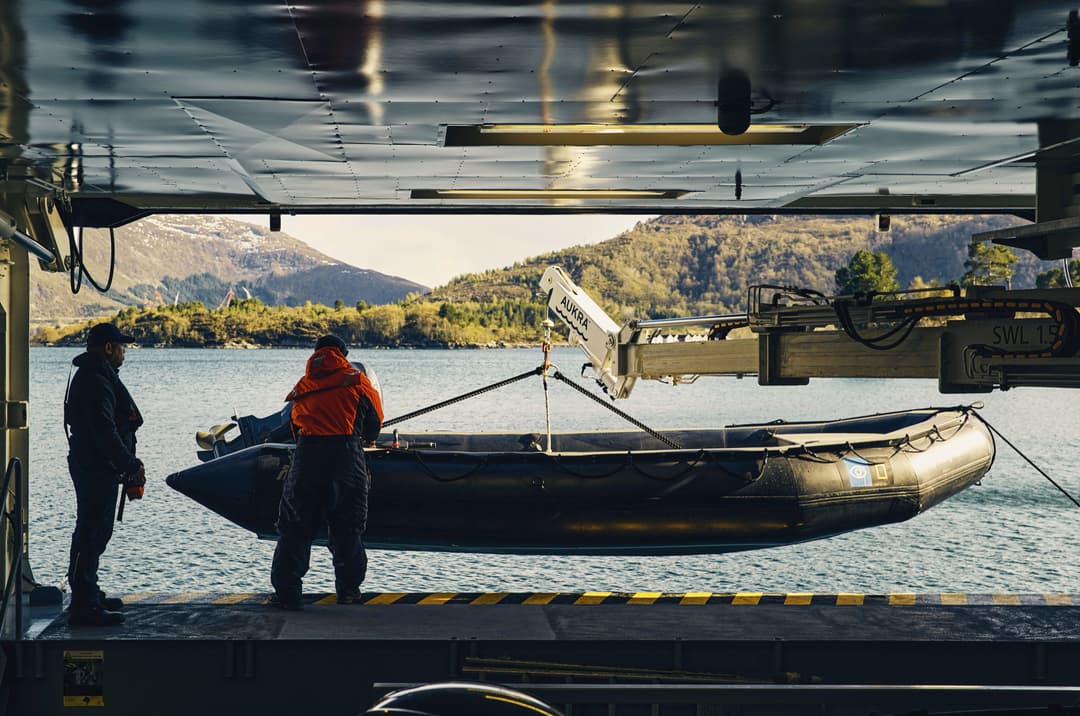
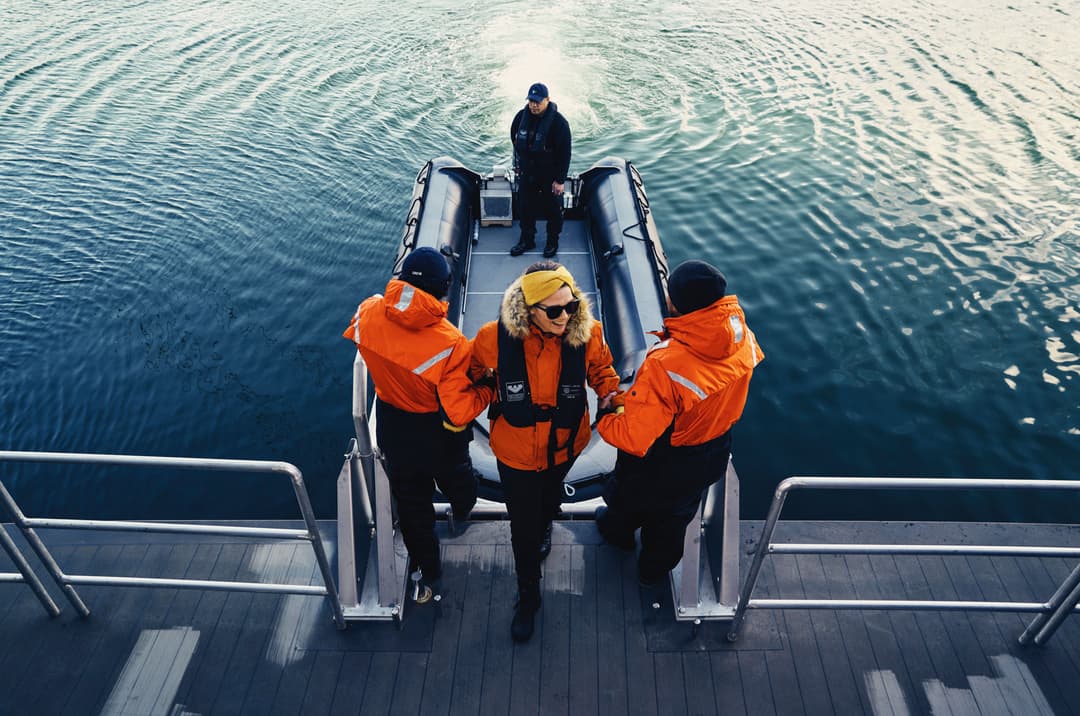
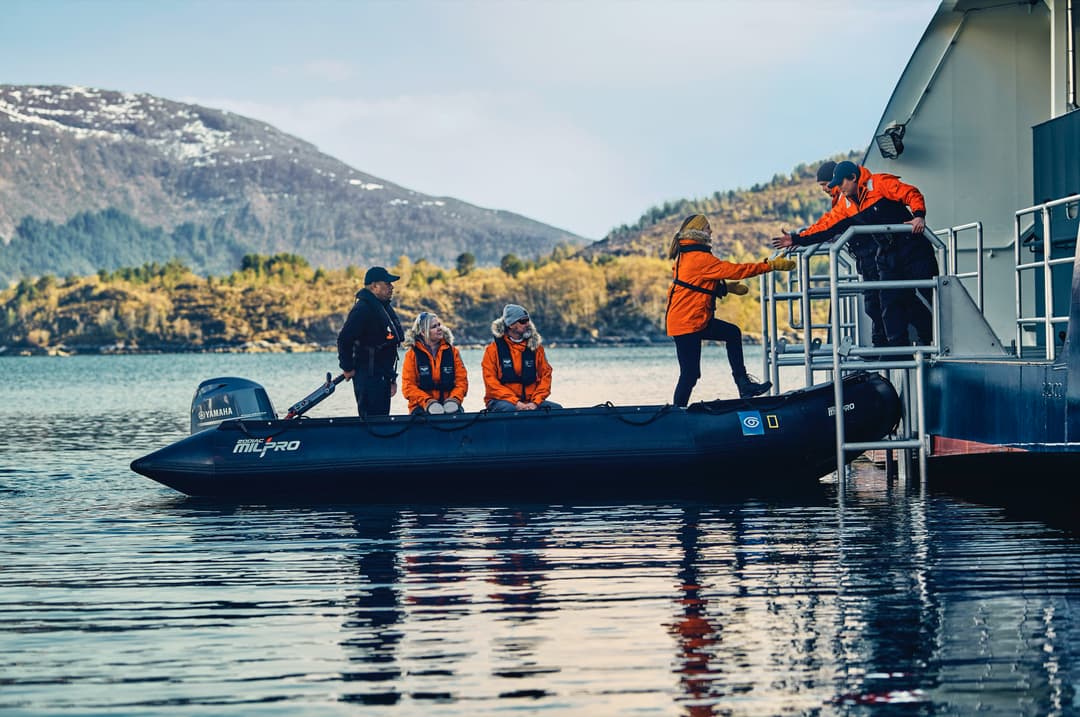
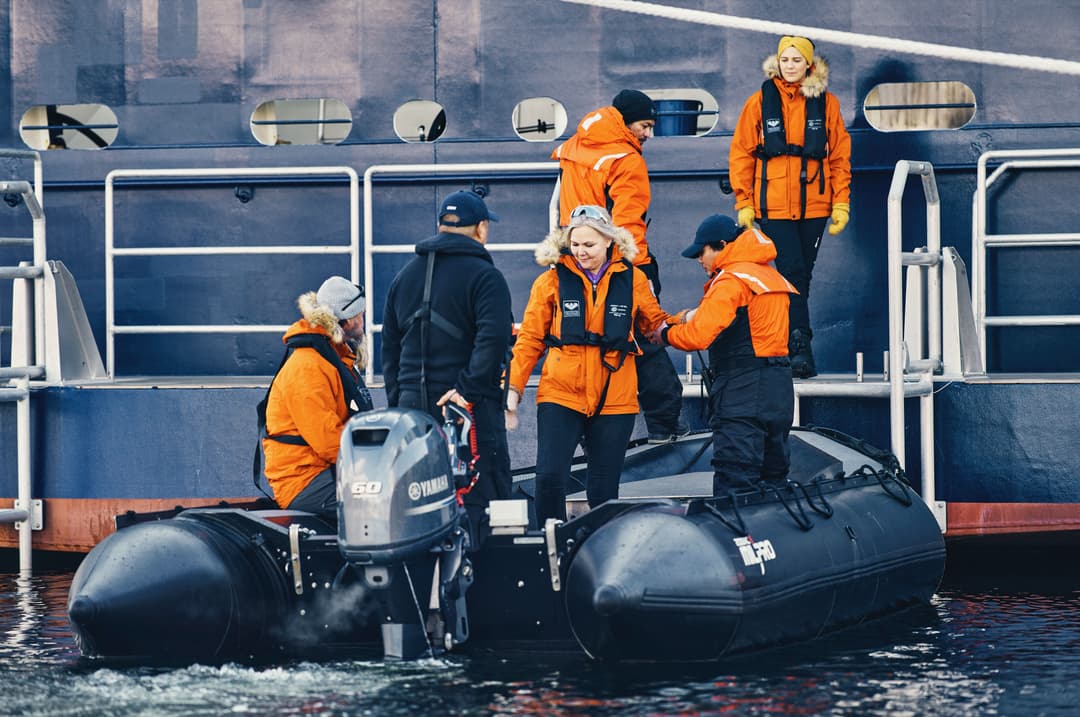
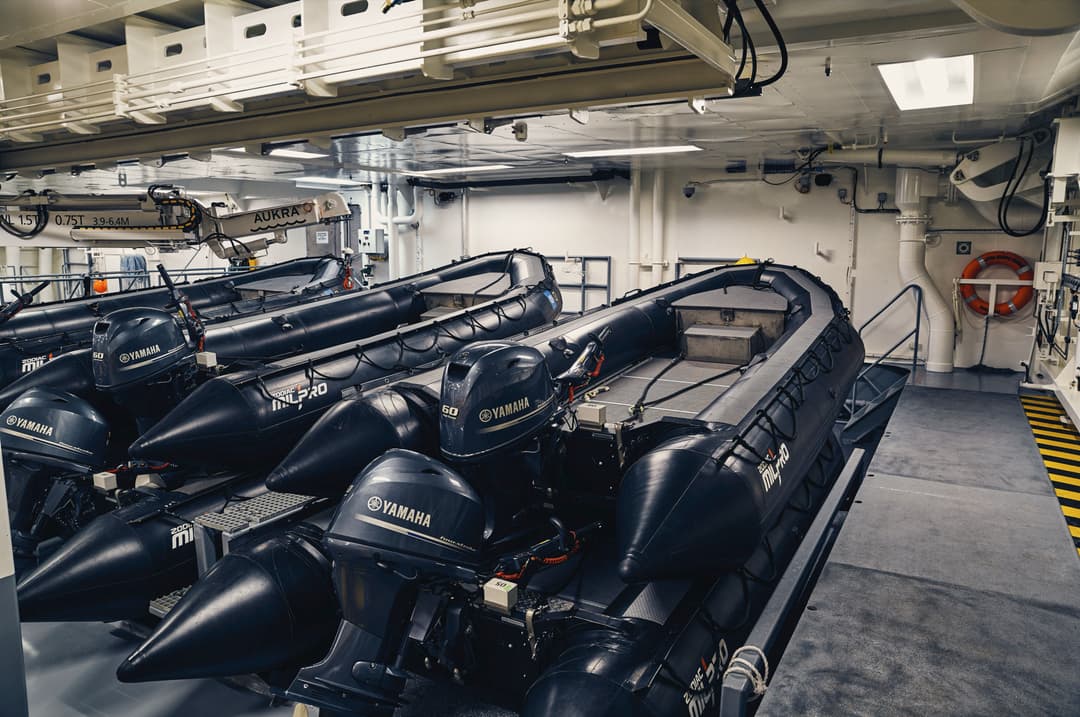
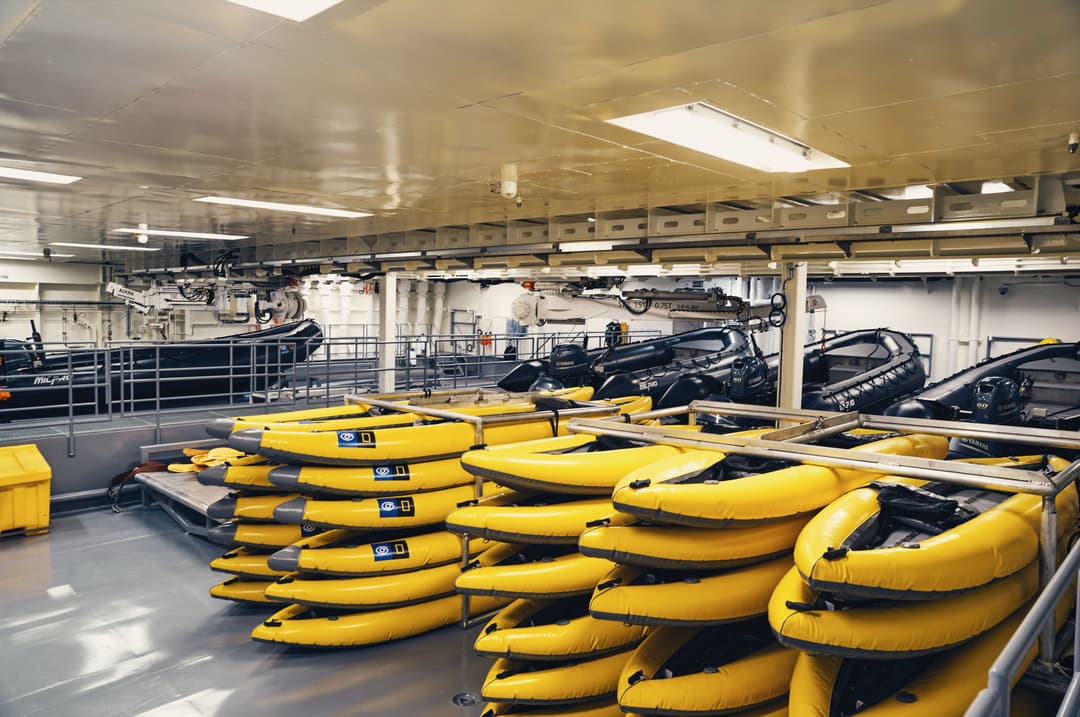
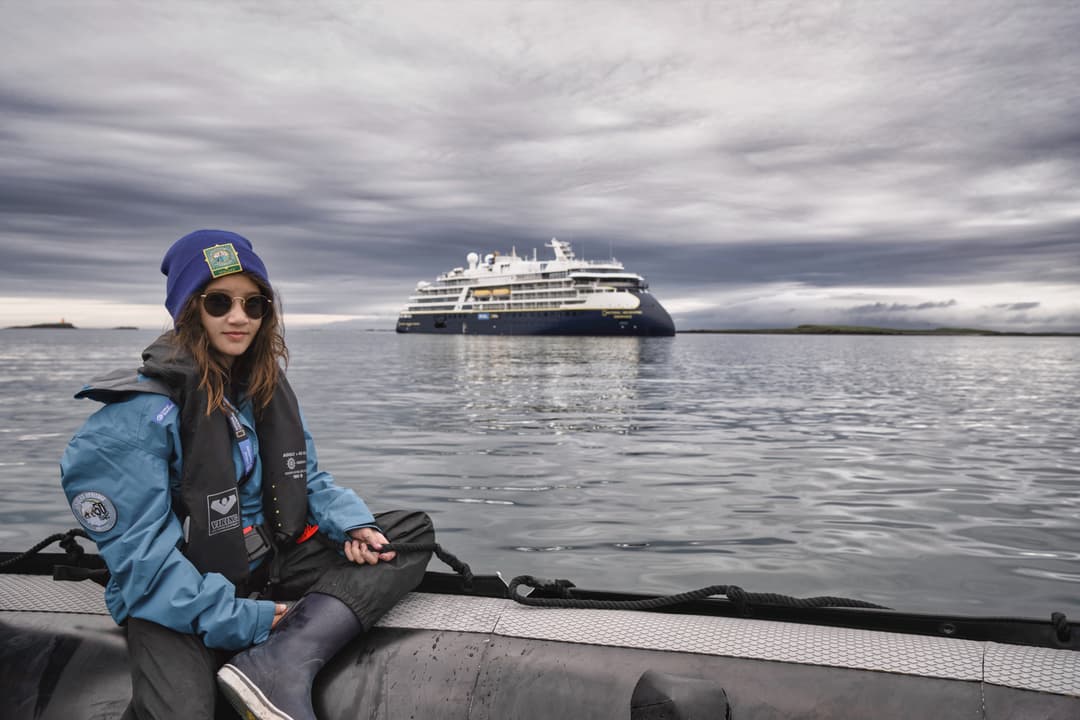
- Selection of exploration tools curated to your destination, such as Zodiacs and glass-bottom boats, stand-up paddleboards, kayaks, snorkeling equipment (including wetsuits, masks, and fins) and other state-of-the-art gear
- Guidance and company of our leading expedition staff
- All meals as indicated in the itinerary, both aboard and onshore....
- Airfare (except flights when indicated as included), pre- and post-expedition extensions, additional hotel nights and private transfers (except when indicated as included)
- Travel protection plans
- Passport, visa and immigration fees
- Laundry, spa treatments, scuba diving* and phone services (except when indicated as included)
- Additional costs associated with medical services outside onboard physician c....