

Quest for the Antarctic Circle
CRUISE ID # LINDBLADEDACIR-270111
Buenos Aires TO Buenos Aires

$29,900
WITH SPECIAL SAVINGS APPLIED
FARES SHOWN ARE PER GUEST
Suites & Fares
CHOOSE START DATE
: January 11, 2027
Itinerary
Glamorous and gritty, Buenos Aires is two cities in one. What makes Argentina's capital so fascinating is its dual heritage—part European, part Latin American. Plaza de Mayo resembles a grand square in Madrid, and the ornate Teatro Colón would not be out of place in Vienna. But you’ll know you’re in South America by the leather shoes for sale on cobbled streets and impromptu parades of triumphant soccer fans. Limited-production wines, juicy steaks, and ice cream in countless flavors are among the old-world imports the city has perfected.
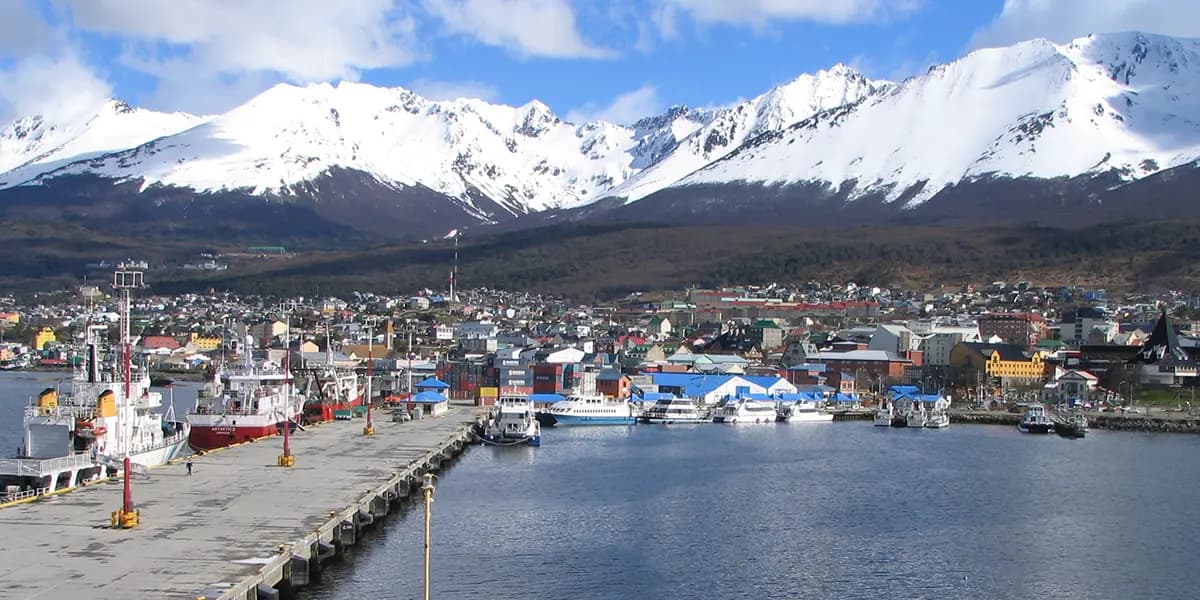
At 55 degrees latitude south, Ushuaia (pronounced oo-swy-ah) is closer to the South Pole than to Argentina's northern border with Bolivia. It is the capital and tourism base for Tierra del Fuego, the island at the southernmost tip of Argentina.Although its stark physical beauty is striking, Tierra del Fuego's historical allure is based more on its mythical past than on rugged reality. The island was inhabited for 6,000 years by Yámana, Haush, Selk'nam, and Alakaluf Indians. But in 1902 Argentina, eager to populate Patagonia to bolster its territorial claims, moved to initiate an Ushuaian penal colony, establishing the permanent settlement of its most southern territories and, by implication, everything in between.When the prison closed in 1947, Ushuaia had a population of about 3,000, made up mainly of former inmates and prison staff. Today the Indians of Darwin's "missing link" theory are long gone—wiped out by diseases brought by settlers and by indifference to their plight—and the 60,000 residents of Ushuaia are hitching their star to tourism.The city rightly (if perhaps too loudly) promotes itself as the southernmost city in the world (Puerto Williams, a few miles south on the Chilean side of the Beagle Channel, is a small town). You can make your way to the tourism office to get your clichéd, but oh-so-necessary, "Southernmost City in the World" passport stamp. Ushuaia feels like a frontier boomtown, at heart still a rugged, weather-beaten fishing village, but exhibiting the frayed edges of a city that quadrupled in size in the '70s and '80s and just keeps growing. Unpaved portions of Ruta 3, the last stretch of the Pan-American Highway, which connects Alaska to Tierra del Fuego, are finally being paved. The summer months (December through March) draw more than 120,000 visitors, and dozens of cruise ships. The city is trying to extend those visits with events like March's Marathon at the End of the World and by increasing the gamut of winter activities buoyed by the excellent snow conditions.A terrific trail winds through the town up to the Martial Glacier, where a ski lift can help cut down a steep kilometer of your journey. The chaotic and contradictory urban landscape includes a handful of luxury hotels amid the concrete of public housing projects. Scores of "sled houses" (wooden shacks) sit precariously on upright piers, ready for speedy displacement to a different site. But there are also many small, picturesque homes with tiny, carefully tended gardens. Many of the newer homes are built in a Swiss-chalet style, reinforcing the idea that this is a town into which tourism has breathed new life. At the same time, the weather-worn pastel colors that dominate the town's landscape remind you that Ushuaia was once just a tiny fishing village, snuggled at the end of the Earth.As you stand on the banks of the Canal Beagle (Beagle Channel) near Ushuaia, the spirit of the farthest corner of the world takes hold. What stands out is the light: at sundown the landscape is cast in a subdued, sensual tone; everything feels closer, softer, and more human in dimension despite the vastness of the setting. The snowcapped mountains reflect the setting sun back onto a stream rolling into the channel, as nearby peaks echo their image—on a windless day—in the still waters.Above the city rise the last mountains of the Andean Cordillera, and just south and west of Ushuaia they finally vanish into the often-stormy sea. Snow whitens the peaks well into summer. Nature is the principal attraction here, with trekking, fishing, horseback riding, wildlife spotting, and sailing among the most rewarding activities, especially in the Parque Nacional Tierra del Fuego (Tierra del Fuego National Park).
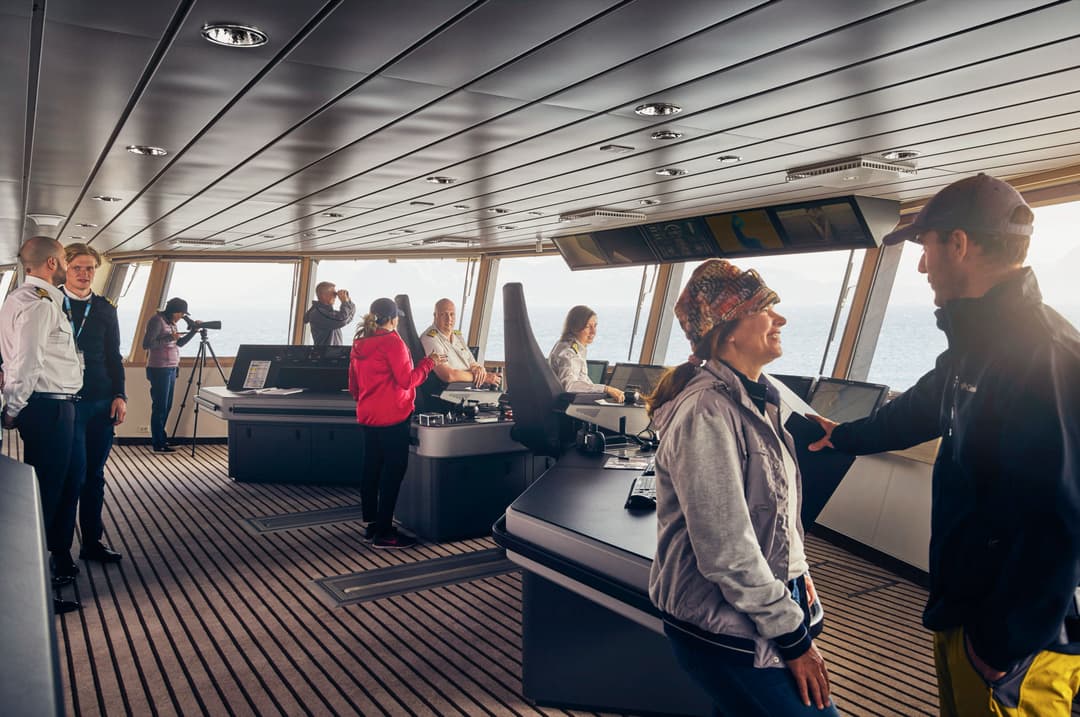
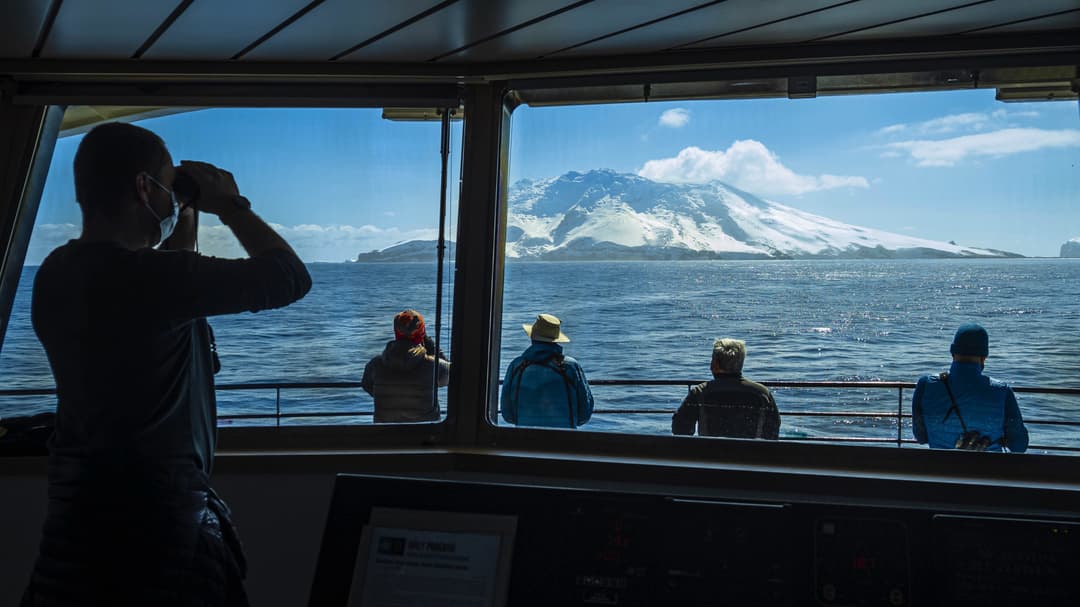
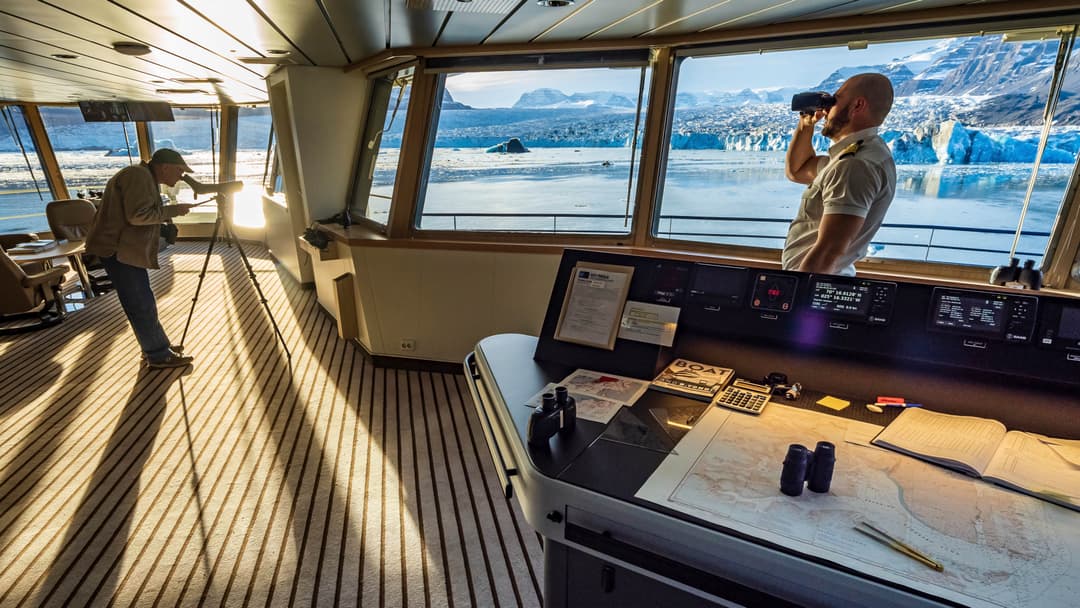
This 500-mile-wide strait between South America and the Antarctic Peninsula is one of the most famous bodies of water in the world. Sometimes ferocious, sometimes flat calm, the Drake is always a fascinating place in its own right. This part of your journey is the best opportunity to see gorgeous seabirds like the wandering albatross, and you might be lucky enough to encounter killer whales or rare species of dolphins. This is also a day to get to know the ship and prepare for your adventures ahead. Visit the Bridge (a great place to spot wildlife), have a relaxing massage, attend a talk about the biology of the penguins you’ll soon be seeing or settle into a comfy chair in the observation lounge looking out over the waves and reflect on the incredible history of this fabled passage. If it does get a little rough, just take a couple of nice naps; you'll be in Antarctica before you know it.
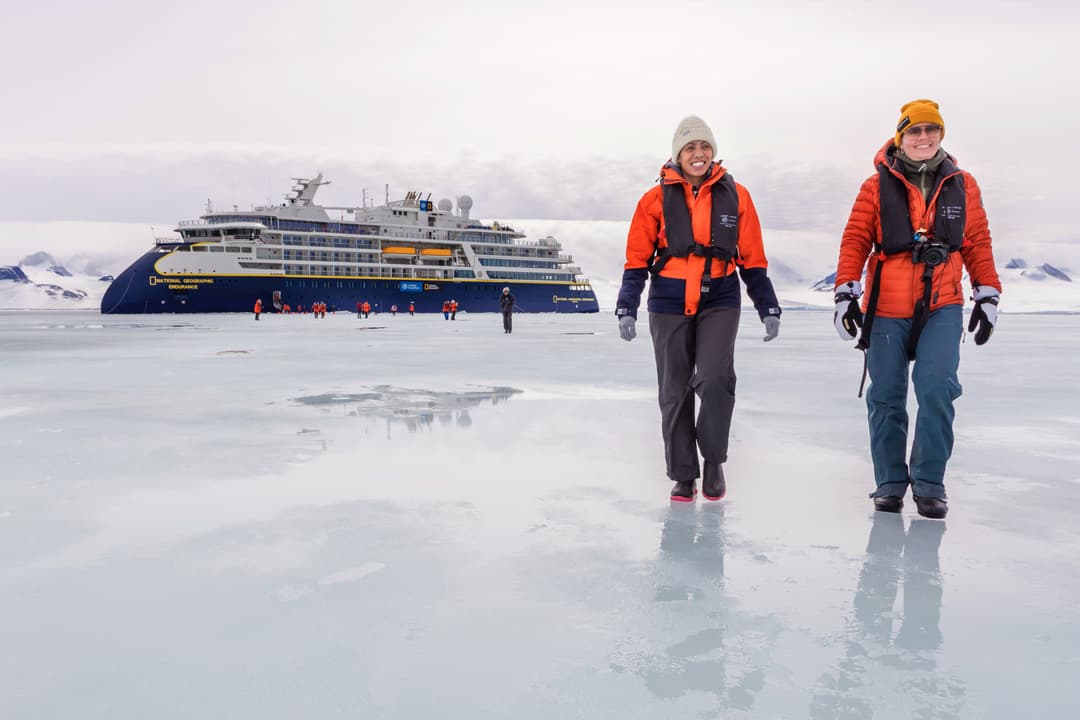
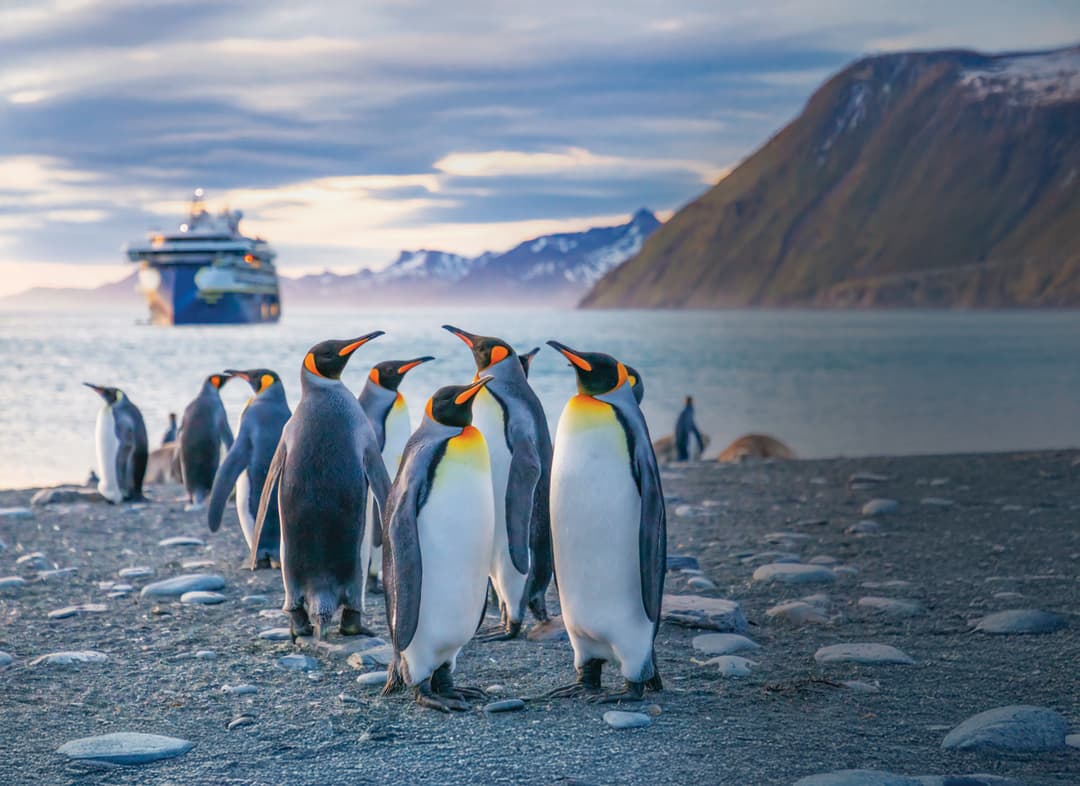
With long hours of daylight at this time of year and nine days on the Continent, you'll experience more as you sail in the wake of history’s boldest explorers on a quest to cross the legendary Antarctic Circle. Your schedule is flexible, and the state-of-the-art ship you'll be sailing on allows you to get deeper and go further to explore the unexpected—whether it's watching whales at play off the bow of the ship, walking amid thousands of Adélie and gentoo penguins, enjoying an evening Zodiac cruise under the spectacular midnight sun or even discovering a new uncharted cove. While wildlife is magnificent, ice defines the Antarctic. You’ll get to know ice up close and personal, from icebergs the size of islands, bergy bits and near-vertical glaciers to the fragile, nearly invisible layers that have just begun to freeze.
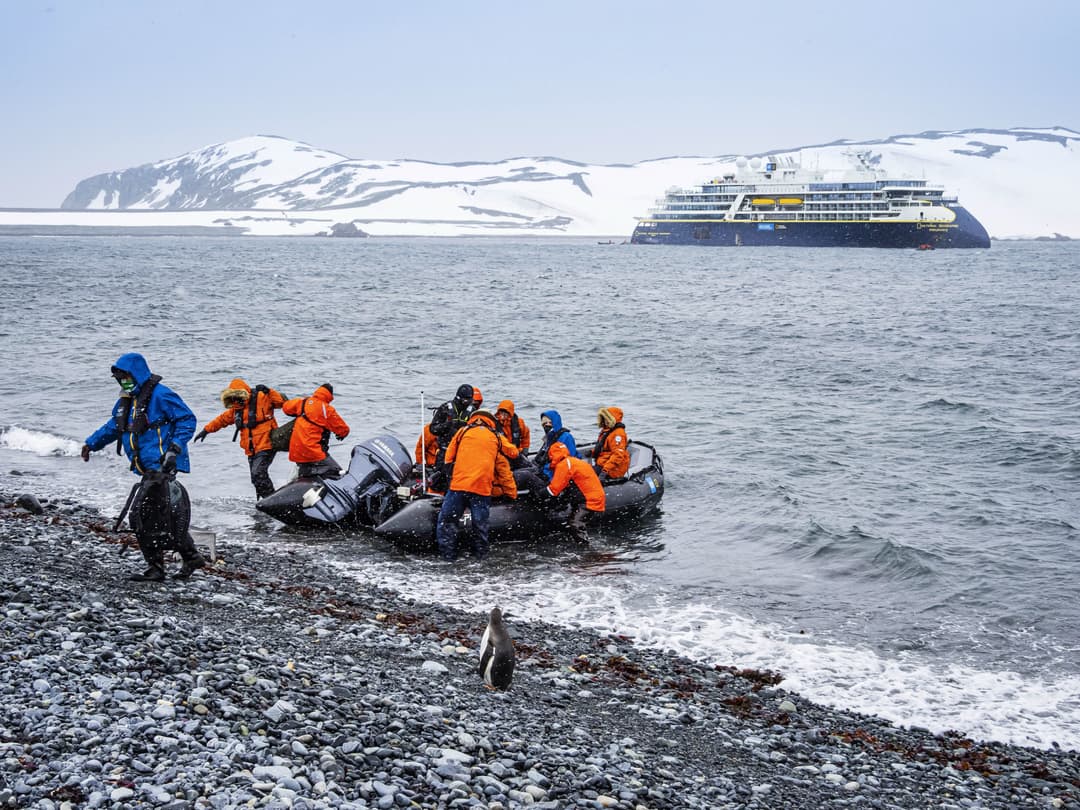
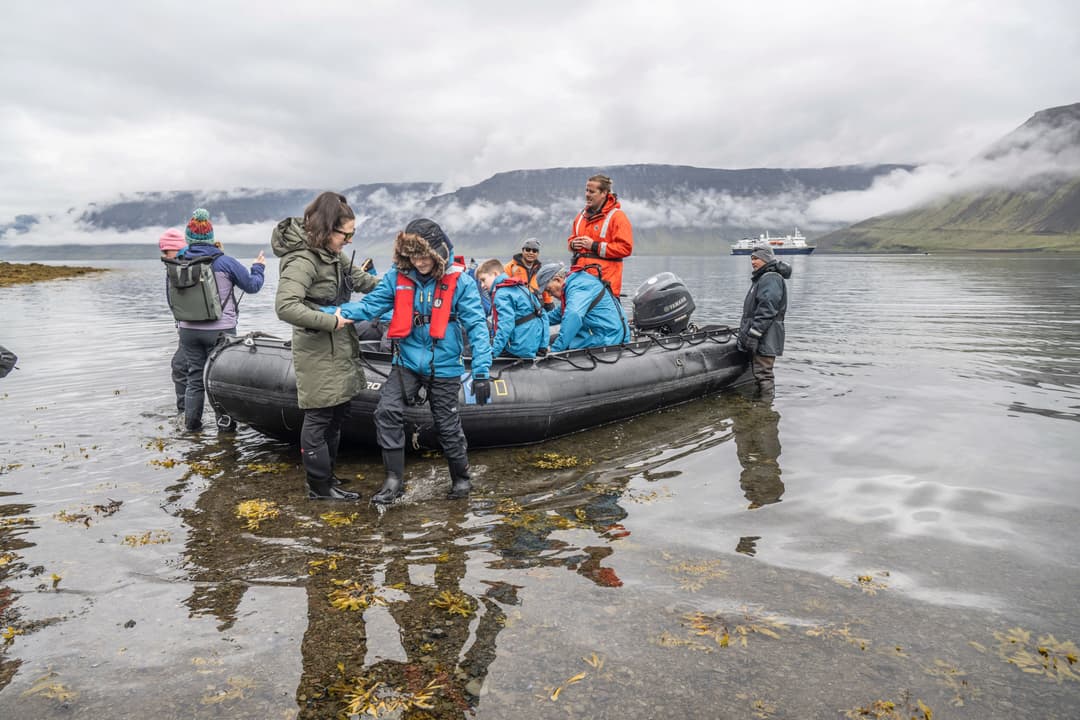
One day, you might set out by kayak to encounter towering icebergs at water level or embark on a Zodiac excursion in search of seals and blue-eyed shags. The next, you might experience the thrill of the ship crunching through pack ice. No matter where you go in Antarctica, you're surrounded by opportunities to capture uniquely beautiful images. Along the way, your expert expedition team will enrich your experiences and the vessel's Icemaster Captain will navigate you safely through these icy waters.
At 55 degrees latitude south, Ushuaia (pronounced oo-swy-ah) is closer to the South Pole than to Argentina's northern border with Bolivia. It is the capital and tourism base for Tierra del Fuego, the island at the southernmost tip of Argentina.Although its stark physical beauty is striking, Tierra del Fuego's historical allure is based more on its mythical past than on rugged reality. The island was inhabited for 6,000 years by Yámana, Haush, Selk'nam, and Alakaluf Indians. But in 1902 Argentina, eager to populate Patagonia to bolster its territorial claims, moved to initiate an Ushuaian penal colony, establishing the permanent settlement of its most southern territories and, by implication, everything in between.When the prison closed in 1947, Ushuaia had a population of about 3,000, made up mainly of former inmates and prison staff. Today the Indians of Darwin's "missing link" theory are long gone—wiped out by diseases brought by settlers and by indifference to their plight—and the 60,000 residents of Ushuaia are hitching their star to tourism.The city rightly (if perhaps too loudly) promotes itself as the southernmost city in the world (Puerto Williams, a few miles south on the Chilean side of the Beagle Channel, is a small town). You can make your way to the tourism office to get your clichéd, but oh-so-necessary, "Southernmost City in the World" passport stamp. Ushuaia feels like a frontier boomtown, at heart still a rugged, weather-beaten fishing village, but exhibiting the frayed edges of a city that quadrupled in size in the '70s and '80s and just keeps growing. Unpaved portions of Ruta 3, the last stretch of the Pan-American Highway, which connects Alaska to Tierra del Fuego, are finally being paved. The summer months (December through March) draw more than 120,000 visitors, and dozens of cruise ships. The city is trying to extend those visits with events like March's Marathon at the End of the World and by increasing the gamut of winter activities buoyed by the excellent snow conditions.A terrific trail winds through the town up to the Martial Glacier, where a ski lift can help cut down a steep kilometer of your journey. The chaotic and contradictory urban landscape includes a handful of luxury hotels amid the concrete of public housing projects. Scores of "sled houses" (wooden shacks) sit precariously on upright piers, ready for speedy displacement to a different site. But there are also many small, picturesque homes with tiny, carefully tended gardens. Many of the newer homes are built in a Swiss-chalet style, reinforcing the idea that this is a town into which tourism has breathed new life. At the same time, the weather-worn pastel colors that dominate the town's landscape remind you that Ushuaia was once just a tiny fishing village, snuggled at the end of the Earth.As you stand on the banks of the Canal Beagle (Beagle Channel) near Ushuaia, the spirit of the farthest corner of the world takes hold. What stands out is the light: at sundown the landscape is cast in a subdued, sensual tone; everything feels closer, softer, and more human in dimension despite the vastness of the setting. The snowcapped mountains reflect the setting sun back onto a stream rolling into the channel, as nearby peaks echo their image—on a windless day—in the still waters.Above the city rise the last mountains of the Andean Cordillera, and just south and west of Ushuaia they finally vanish into the often-stormy sea. Snow whitens the peaks well into summer. Nature is the principal attraction here, with trekking, fishing, horseback riding, wildlife spotting, and sailing among the most rewarding activities, especially in the Parque Nacional Tierra del Fuego (Tierra del Fuego National Park).
Glamorous and gritty, Buenos Aires is two cities in one. What makes Argentina's capital so fascinating is its dual heritage—part European, part Latin American. Plaza de Mayo resembles a grand square in Madrid, and the ornate Teatro Colón would not be out of place in Vienna. But you’ll know you’re in South America by the leather shoes for sale on cobbled streets and impromptu parades of triumphant soccer fans. Limited-production wines, juicy steaks, and ice cream in countless flavors are among the old-world imports the city has perfected.
About the Ship
Name
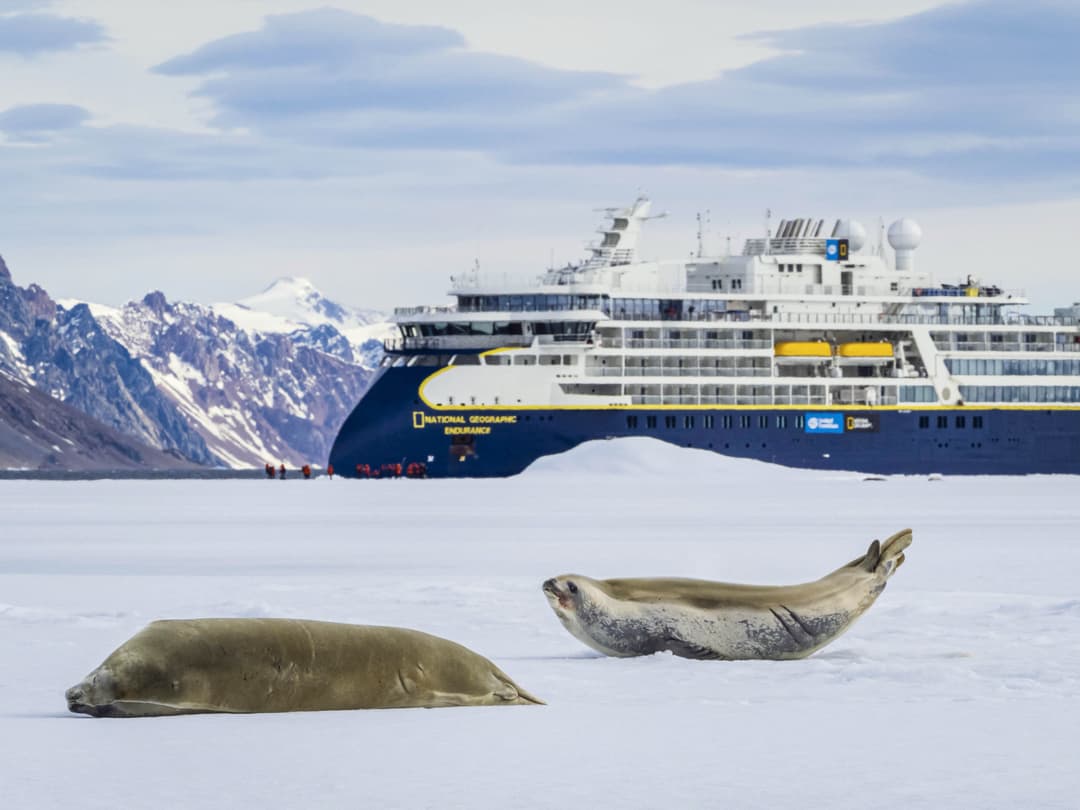
National Geographic Endurance
Operator
National Geographic - Lindblad Expeditions

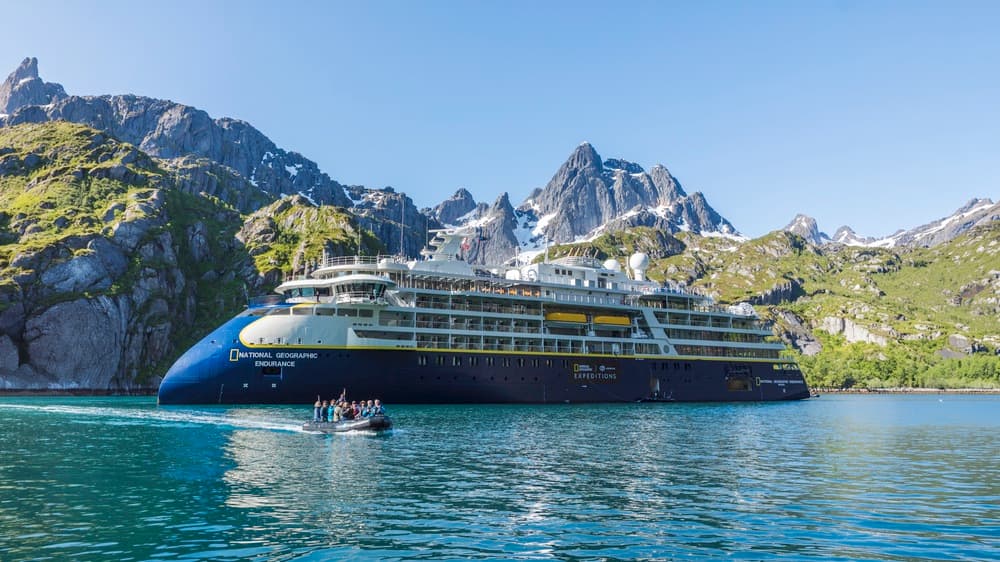
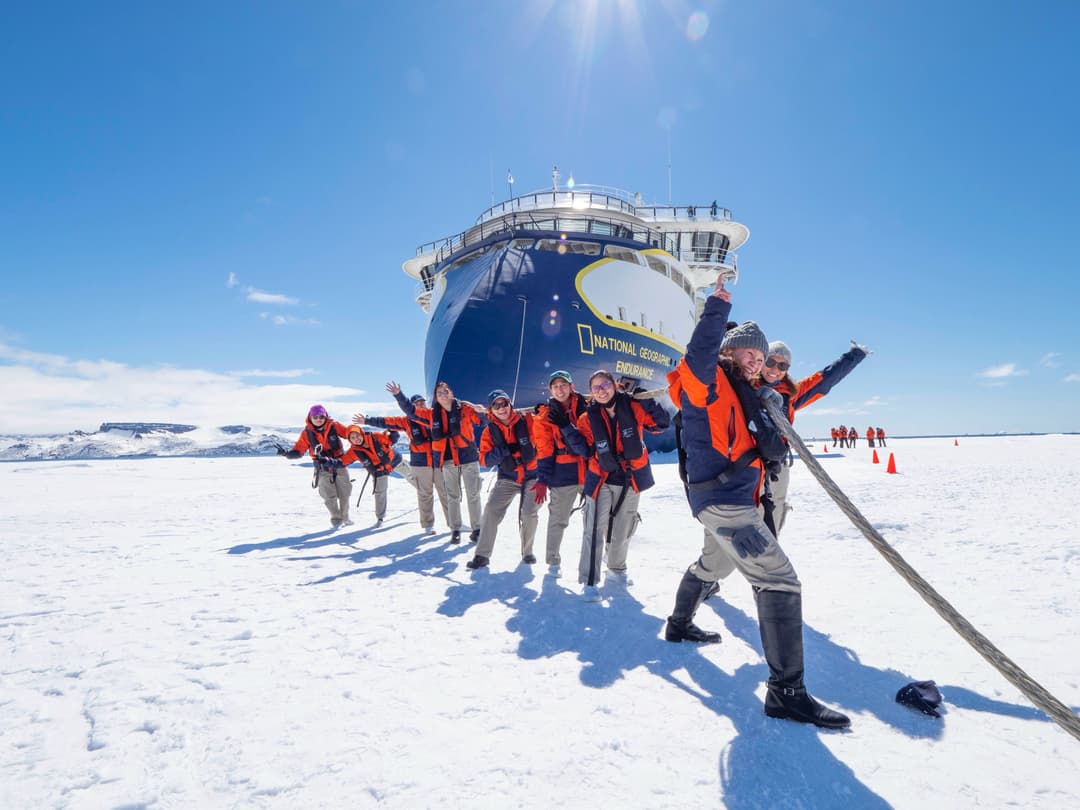
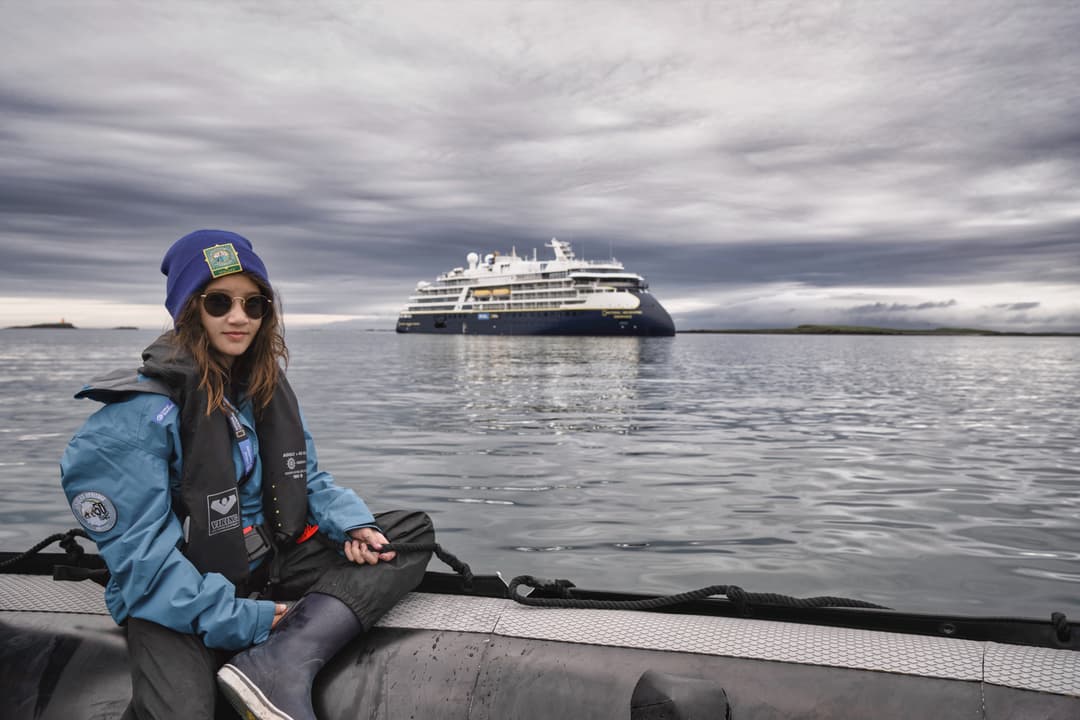
The most advanced ice-class expedition ship afloat, the National Geographic Endurance offers unprecedented access to polar regions.
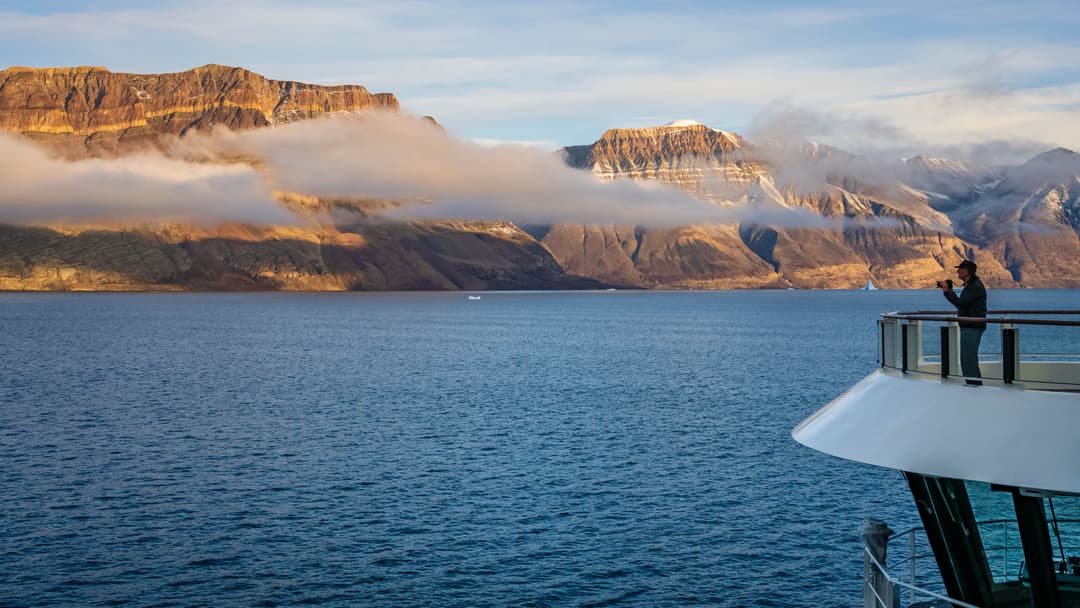
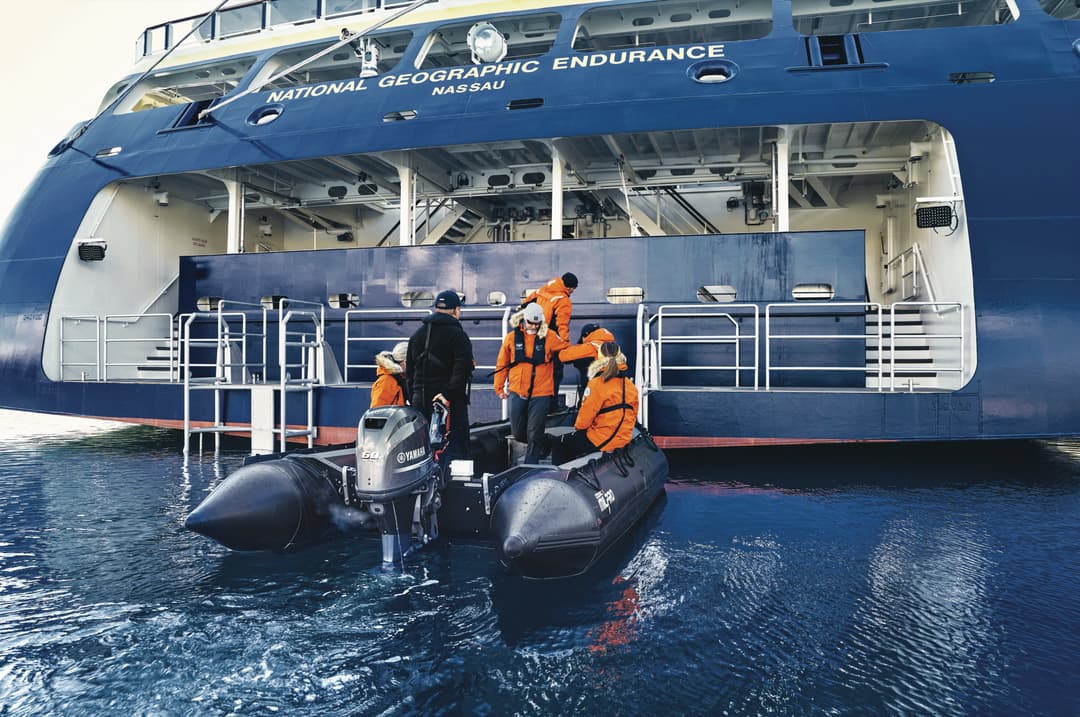
The first new polar build in Lindblad's 50-year history, National Geographic Endurance is named to honor explorer Ernest Shackleton and his legendary Transantarctic Expedition. A fully-stabilized vessel of the highest ice class (PC5 Category A), she will enable adventurous guests to go where few have or can. Endurance's most striking exterior feature is her distinctive profile, the patented X-Bow®, a game-changing design that guarantees the smoothest, most comfortable ride in all kinds of conditions; and since it eliminates bow impact, a quieter ride, as well.
Loading...
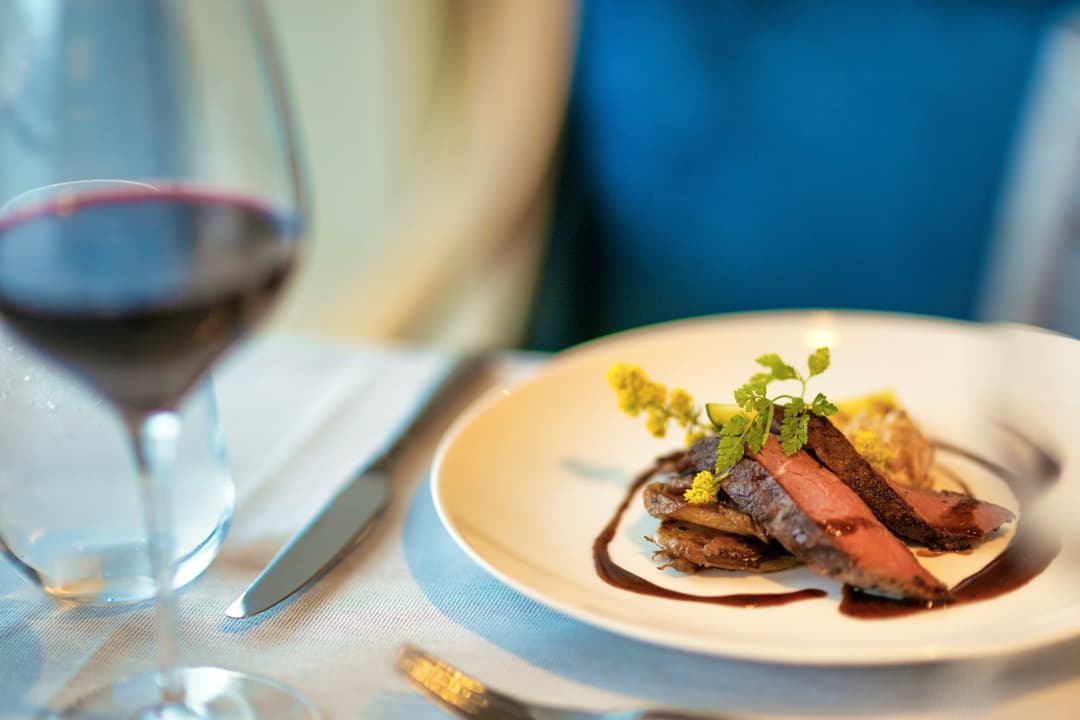
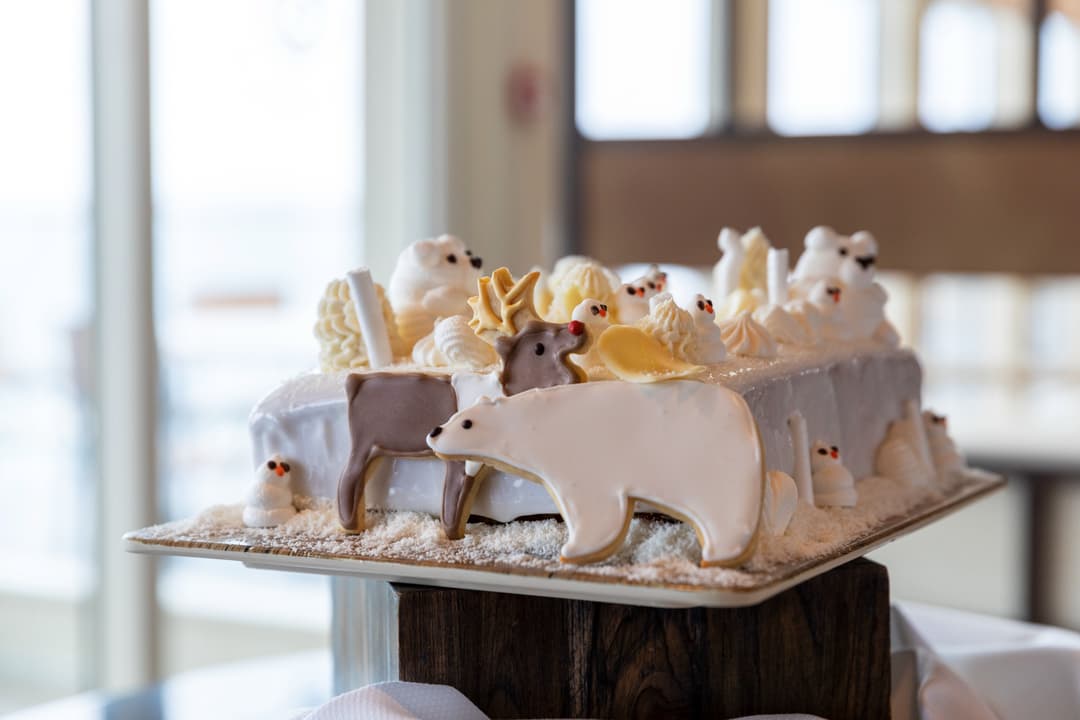
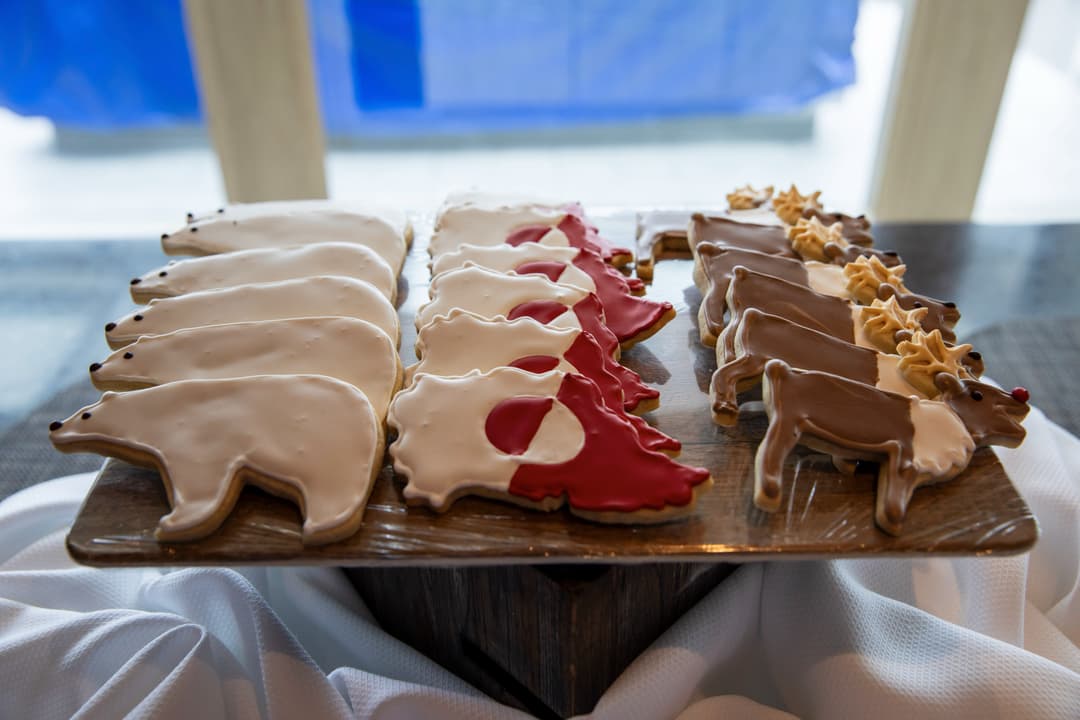
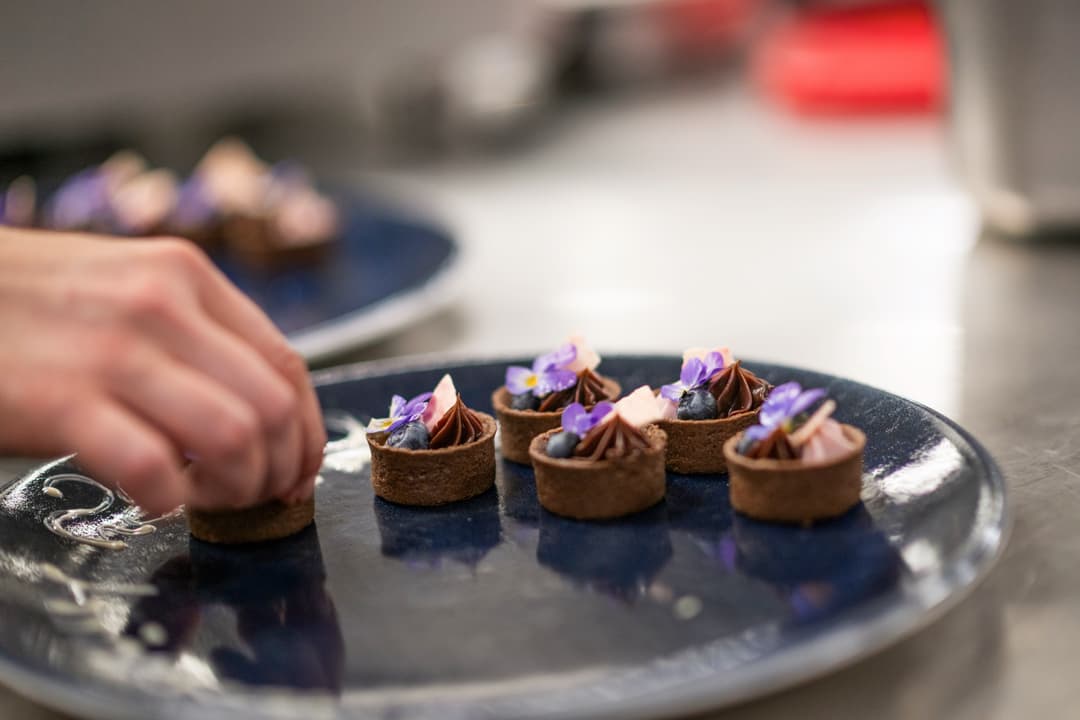
Meals aboard the fleet offer the chance to savor the flavors of the places you visit. Our chefs design distinctive menus that celebrate regional culinary traditions, whether it’s paella in Spain or udon in Japan. Through pioneering farm-to-table programs in destinations like the Galápagos and the Pacific Northwest, and by partnering with local farmers, fishers and vintners who are committed to sustainable practices, we bring authentic tastes and stories to your table. Each meal reflects the character of your destination, making cuisine a memorable part of your journey.
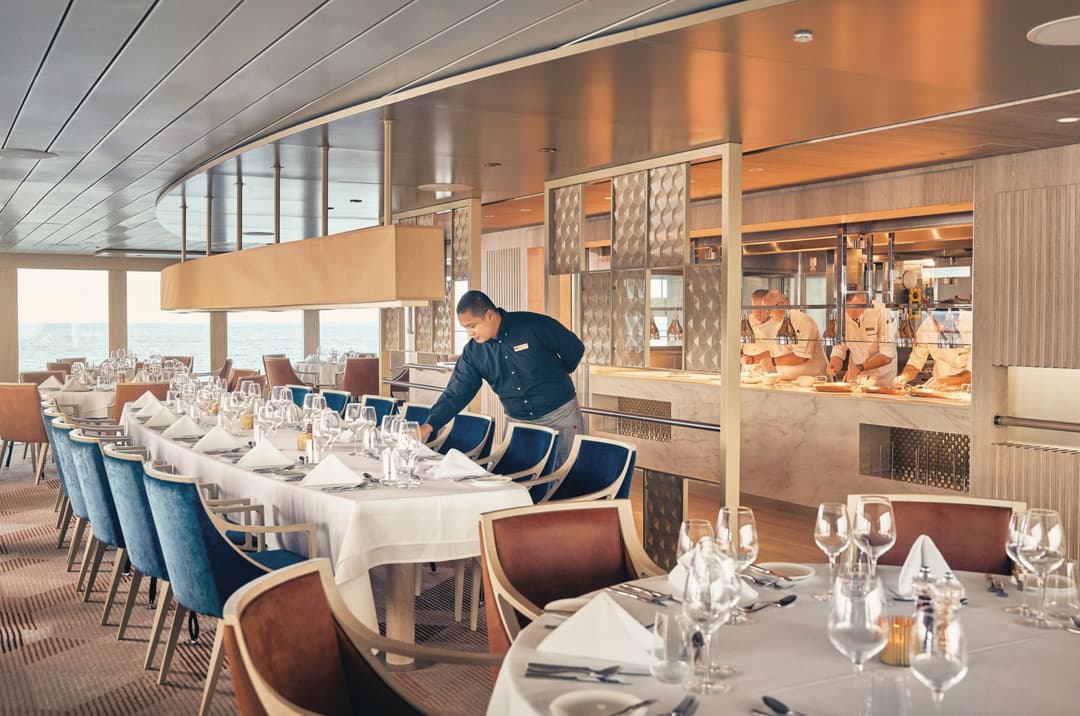
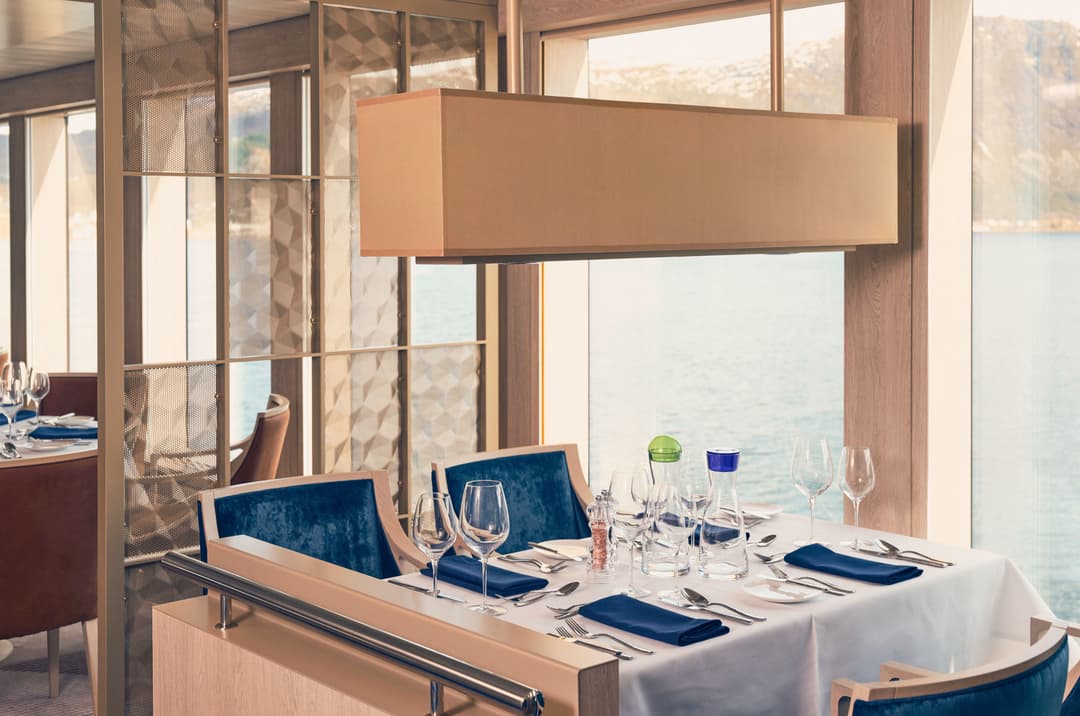
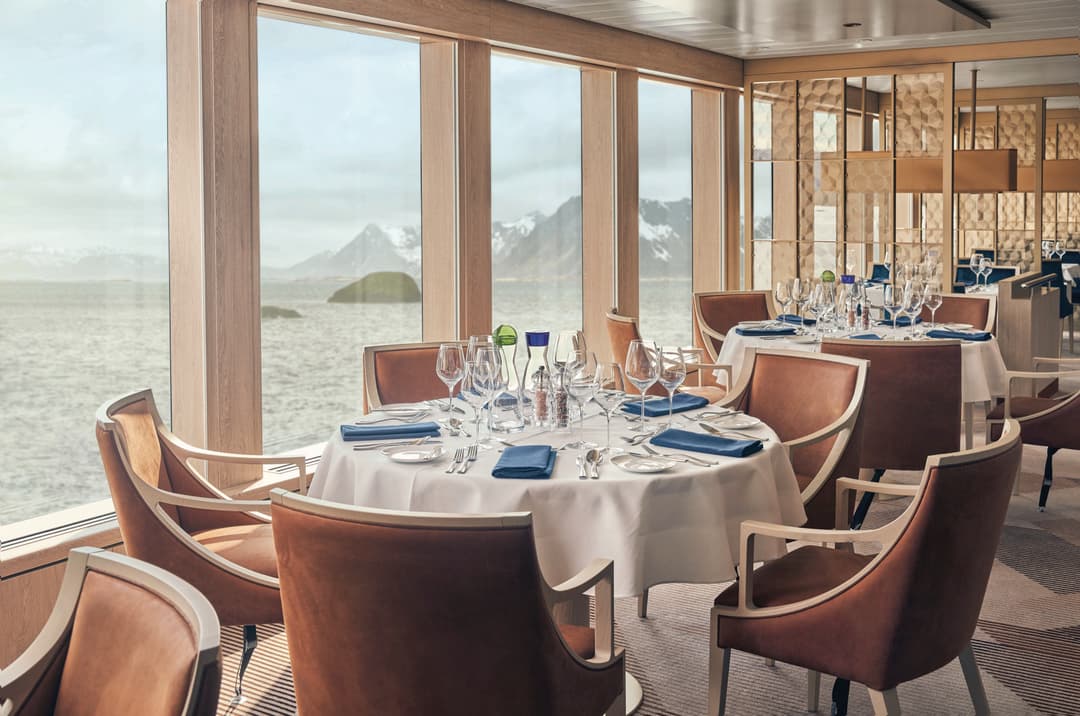







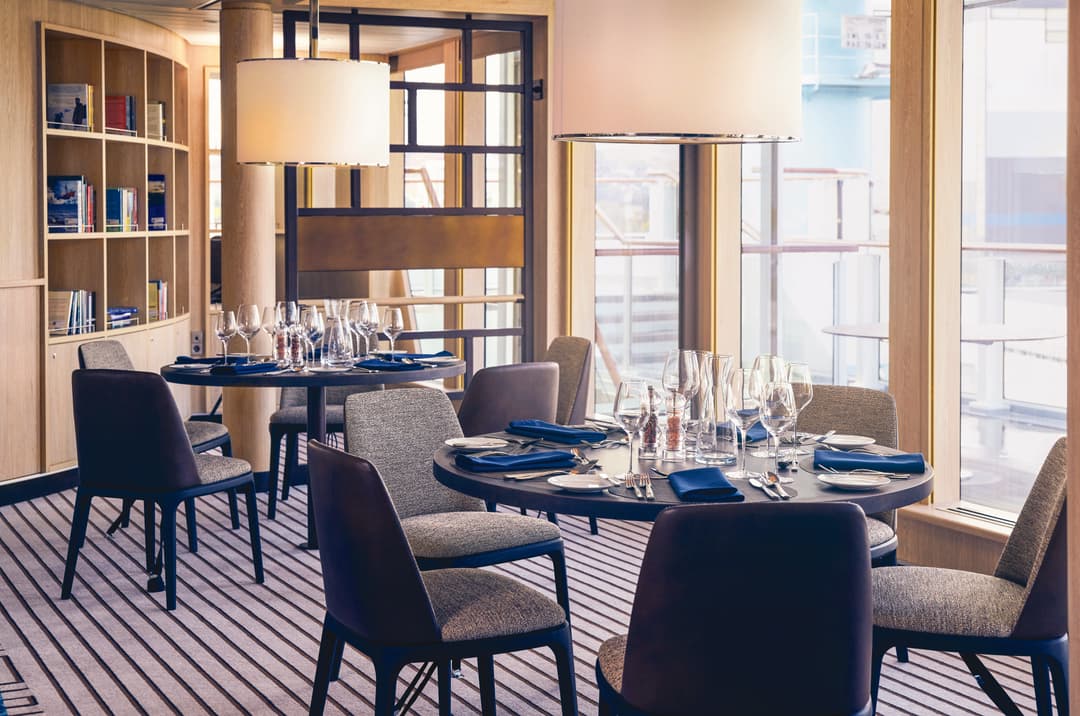
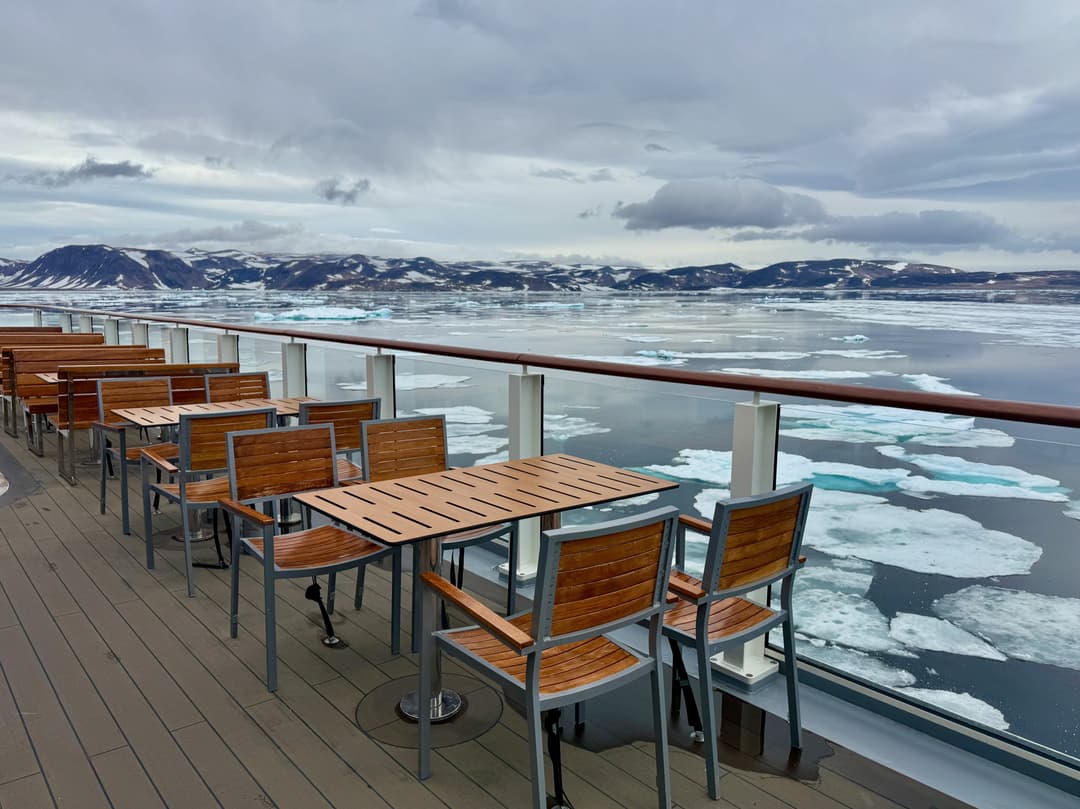
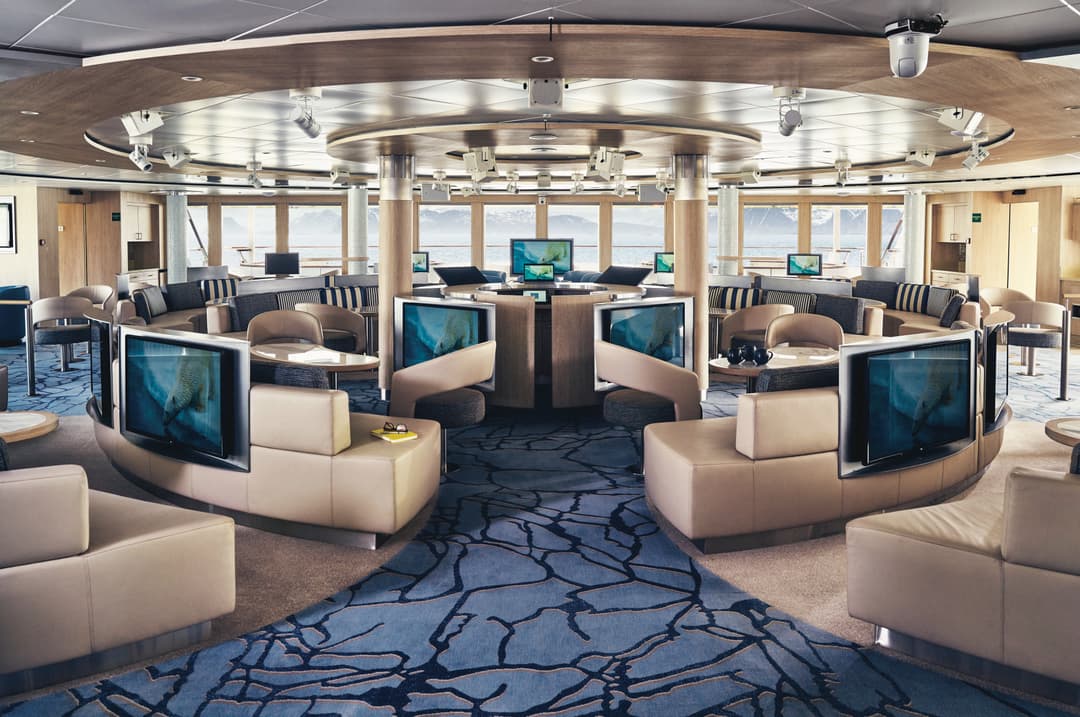
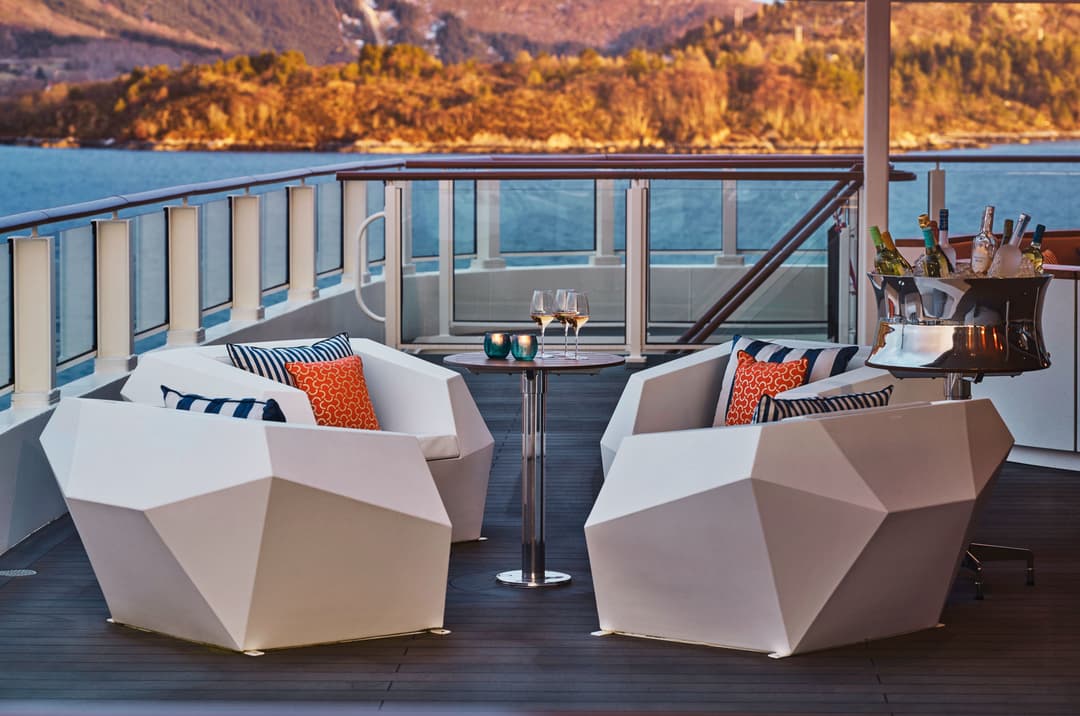
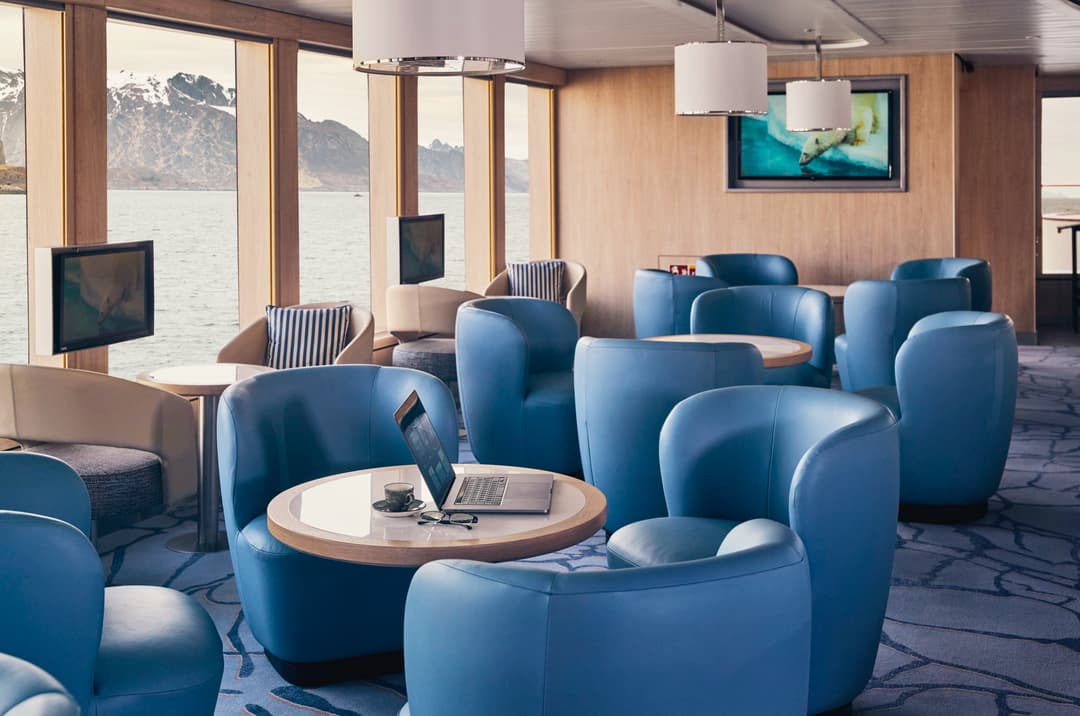
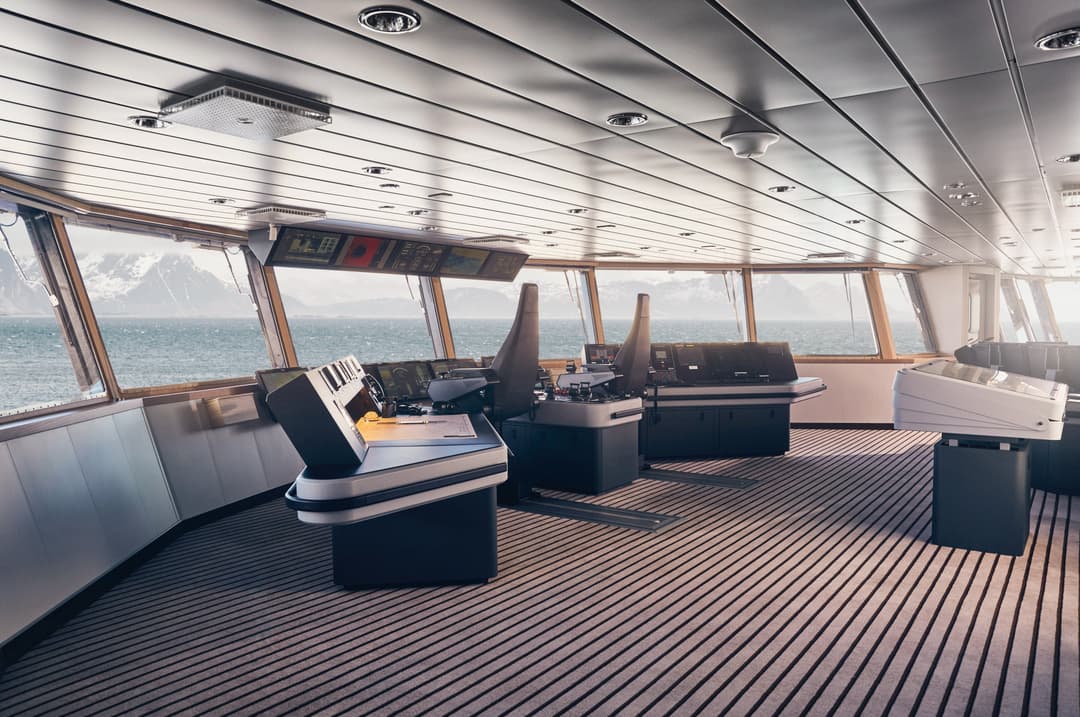
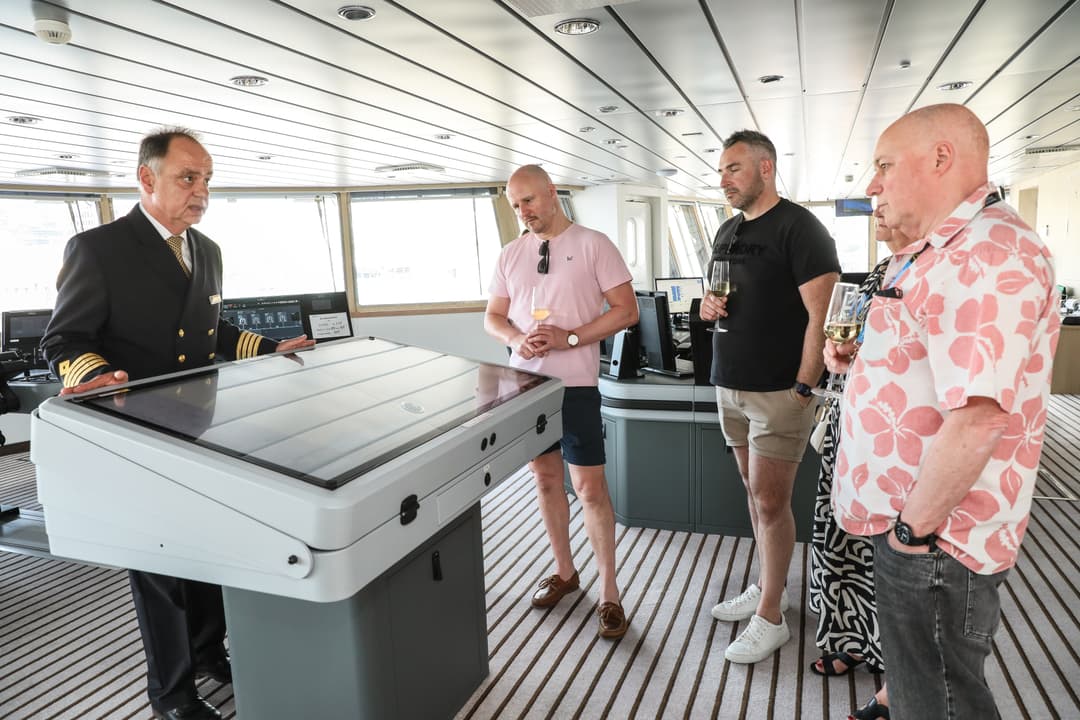
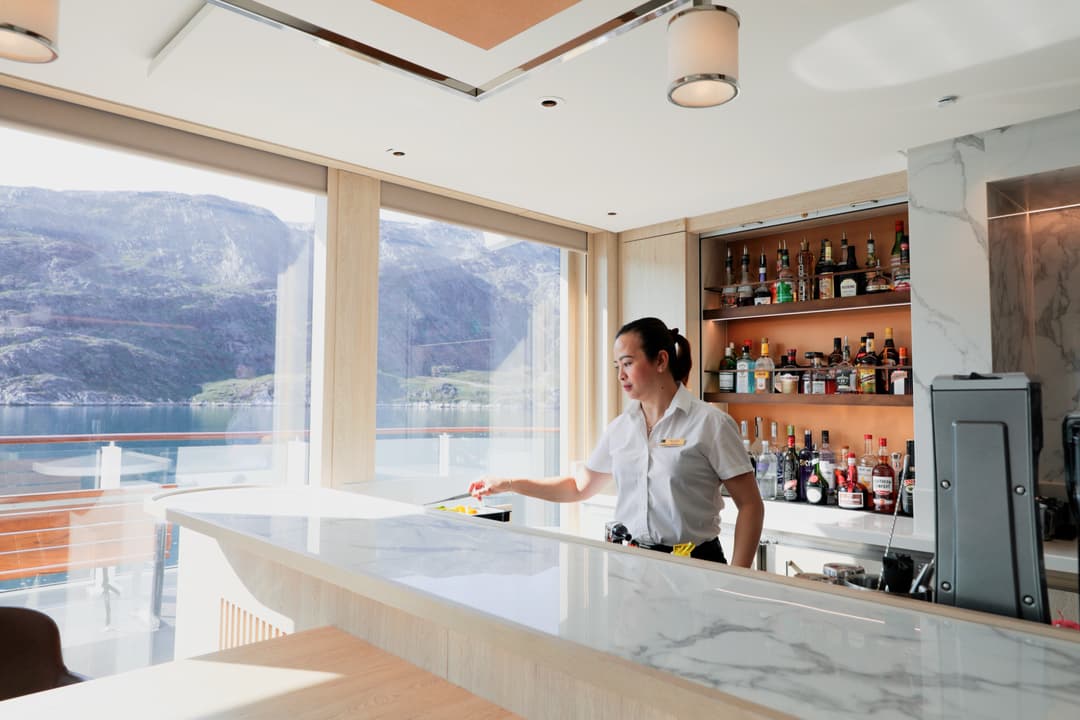
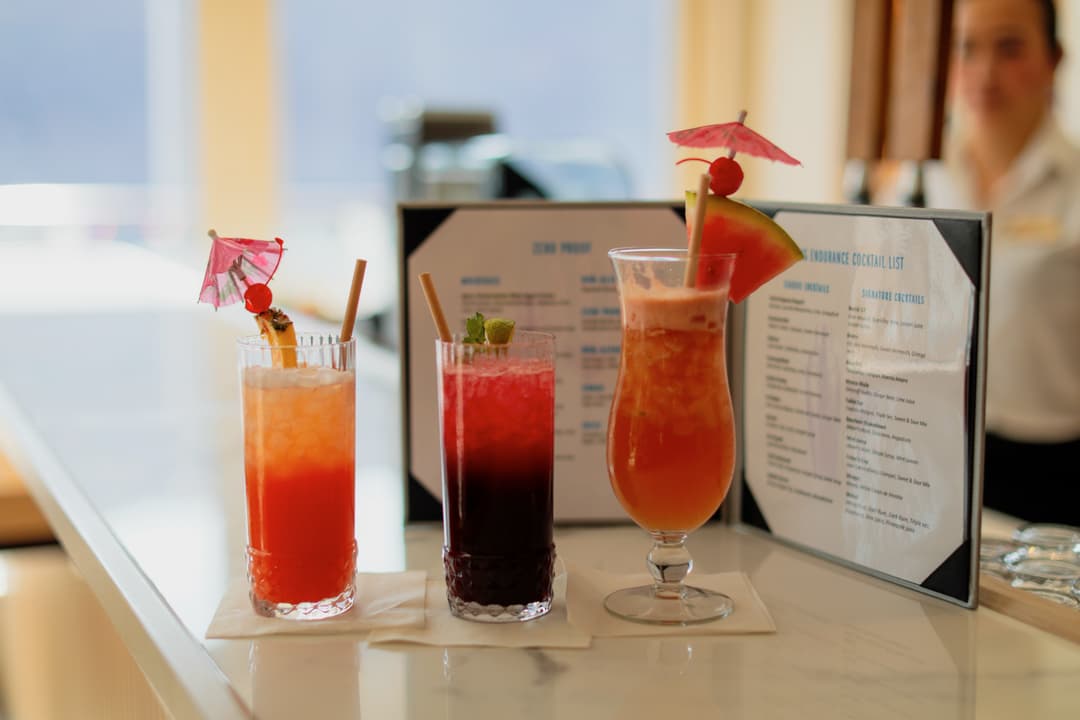
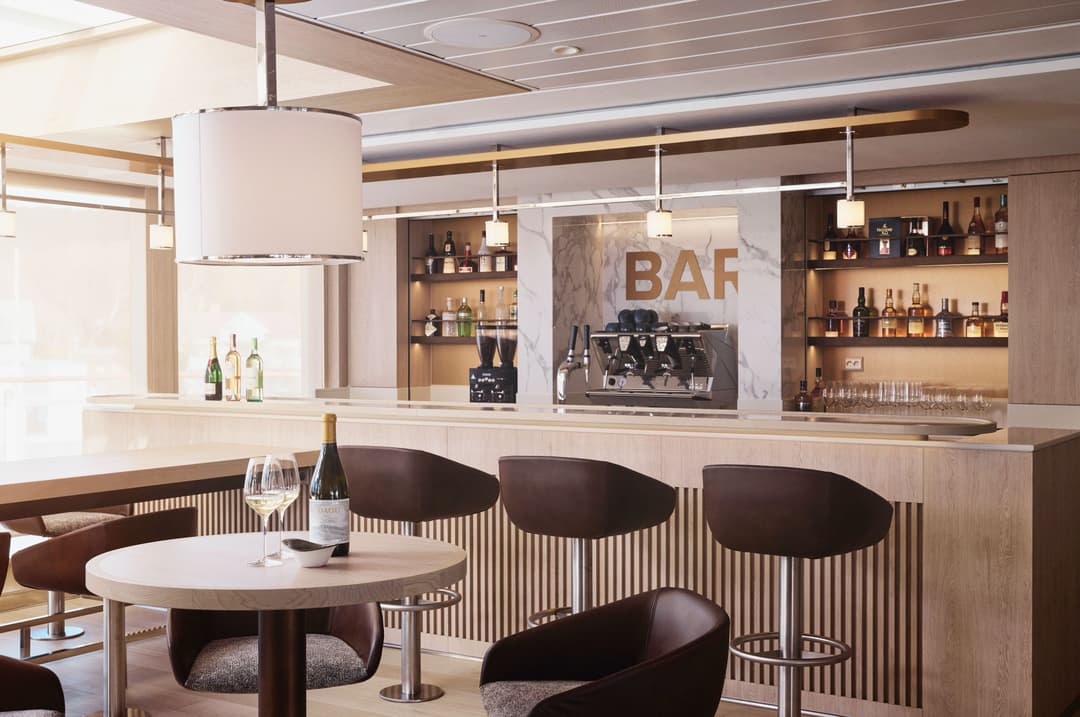
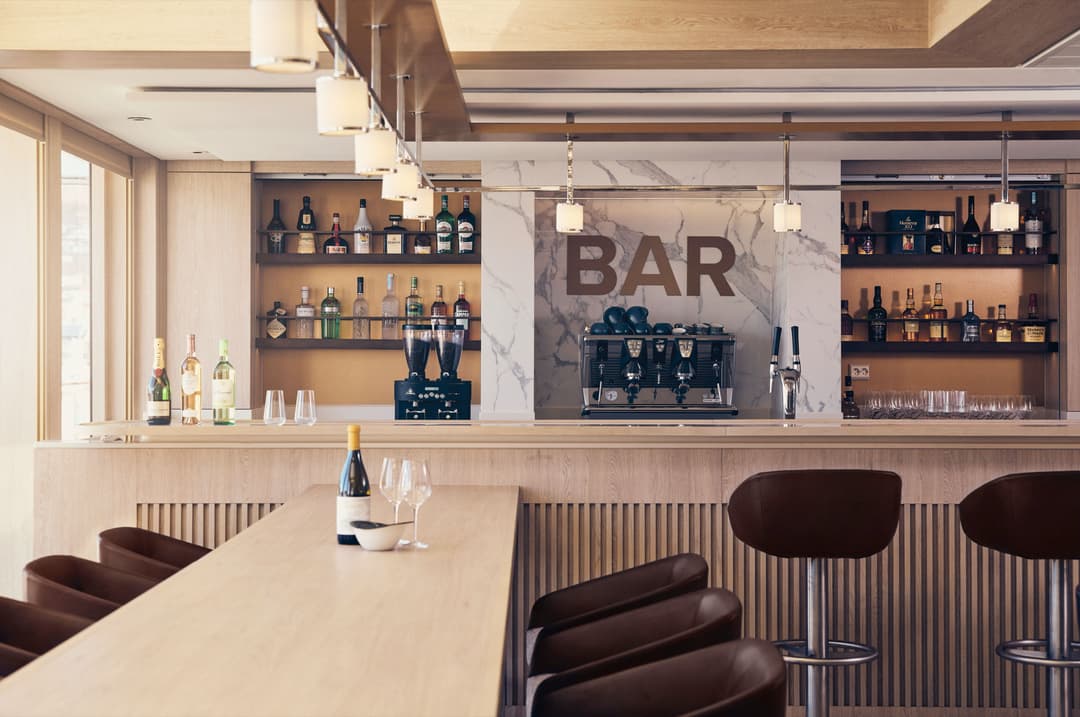
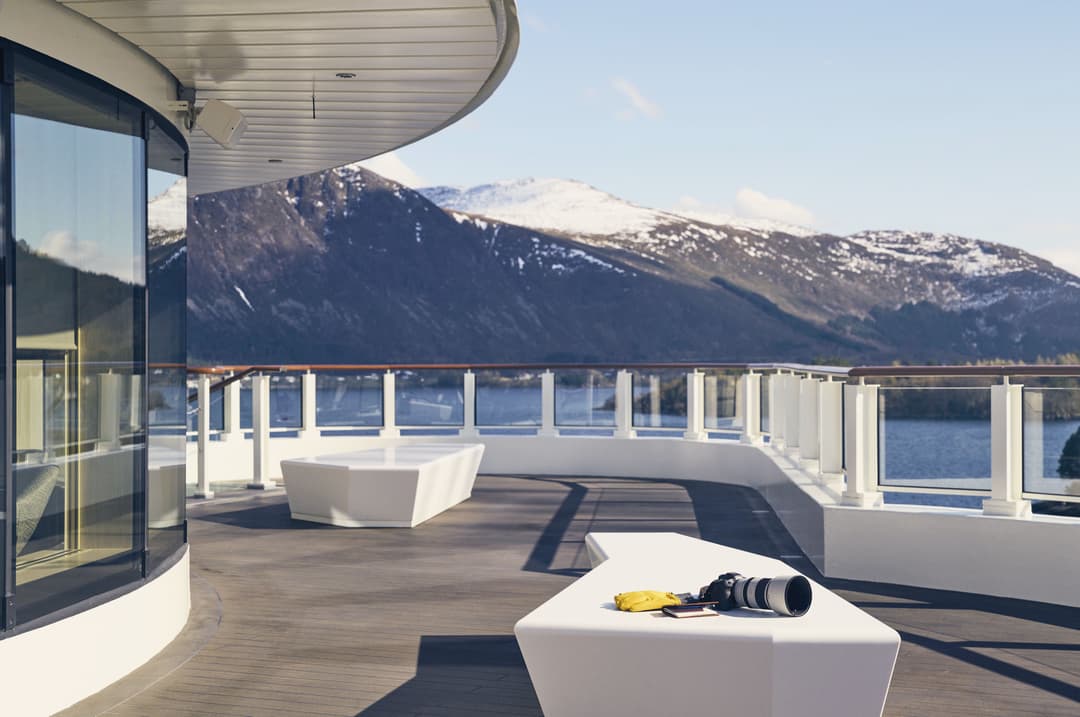
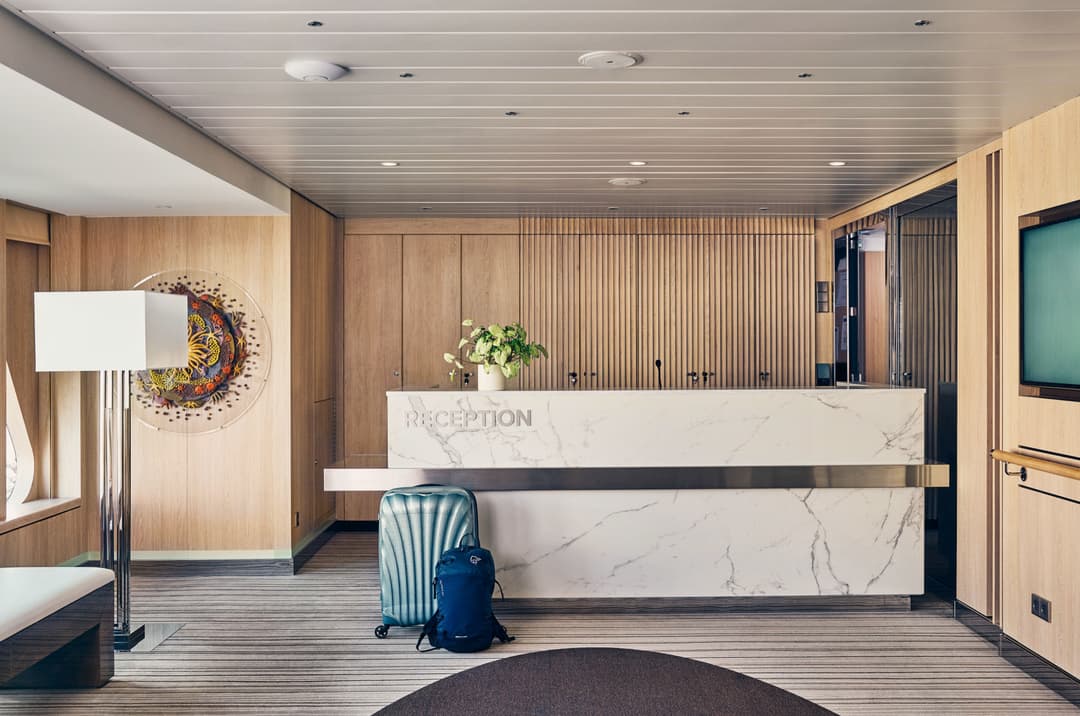
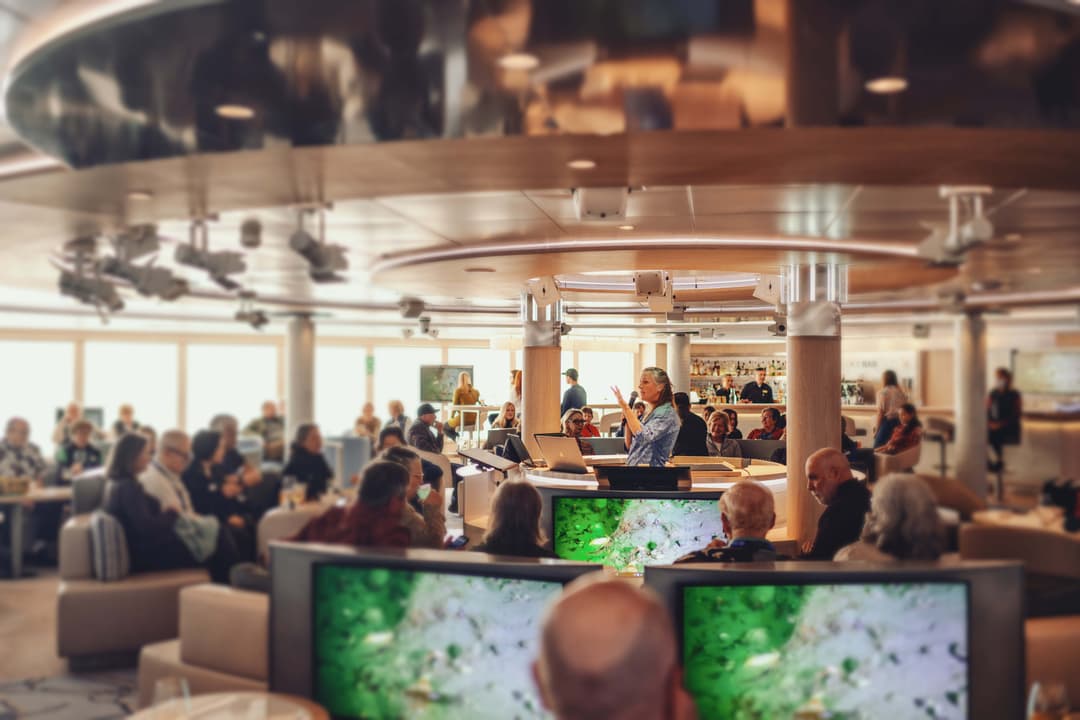
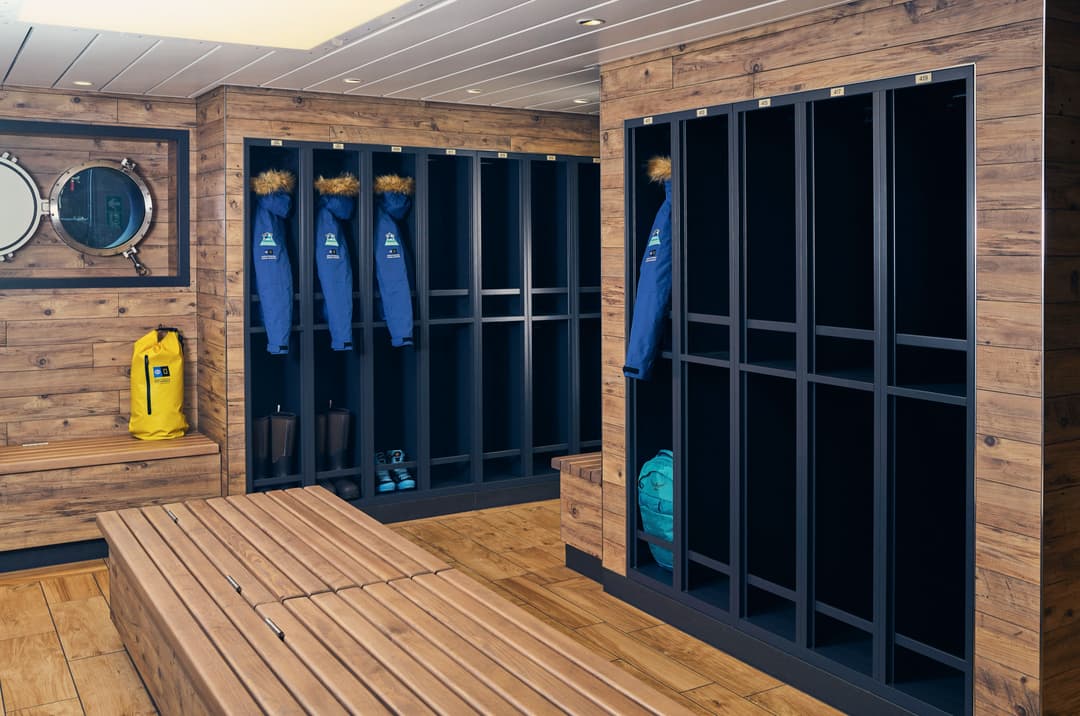
National Geographic Endurance's public spaces ensure that your time on board is as rewarding and enriching as your time on shore. Spaces include an observation lounge; library; main lounge with full service bar, 24-hour beverage station, and state-of-the art tech for films/presentations; an expedition base with lockers for expedition gear; and open access to the Bridge, Captain, officers, and on-duty wildlife spotters. Restaurant 270° features wrap-around views; two other dining areas offer lighter, made-to-order fare or intimate, small group dinners. All feature sustainable choices and unassigned, flexible, inclusive seating.
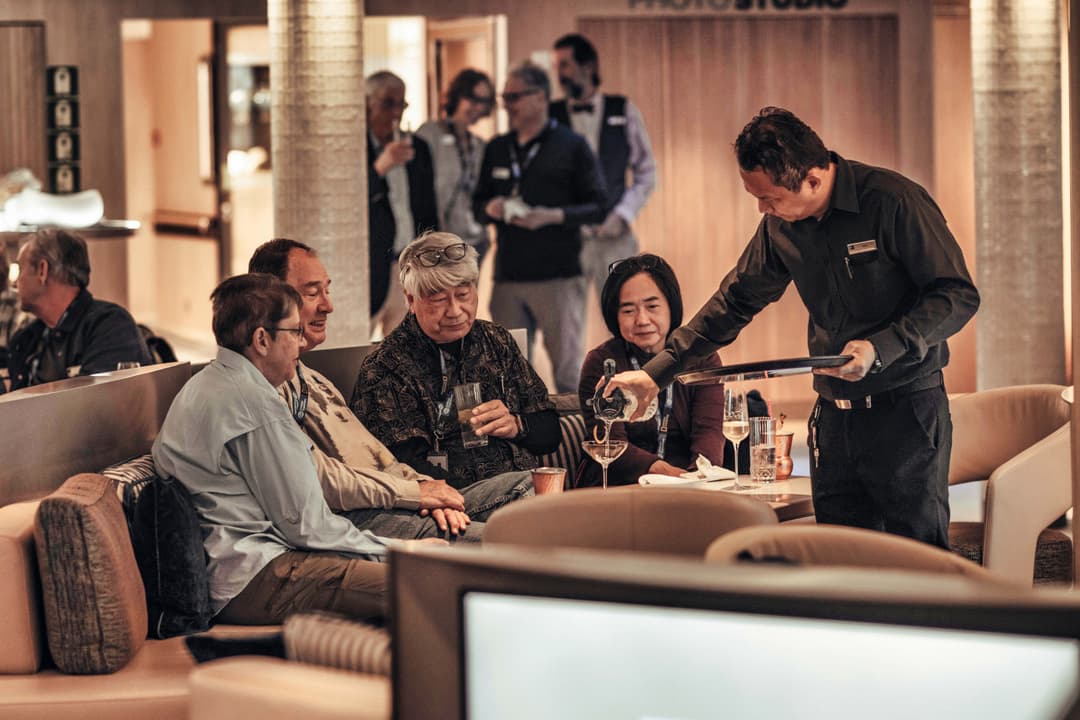
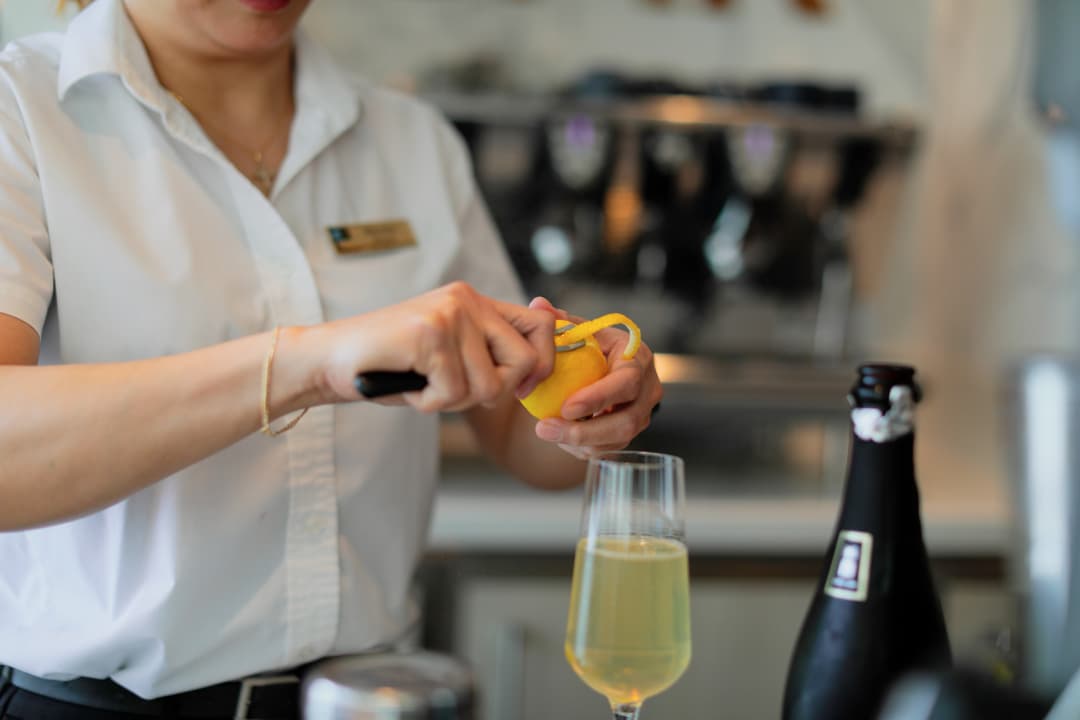
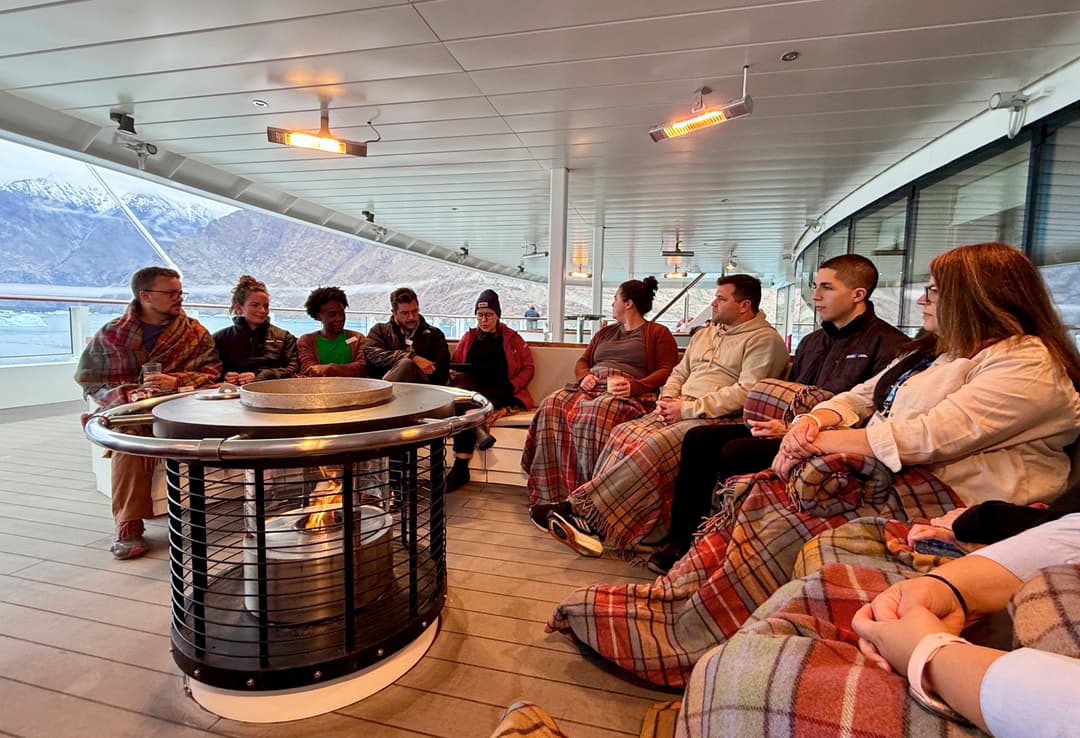
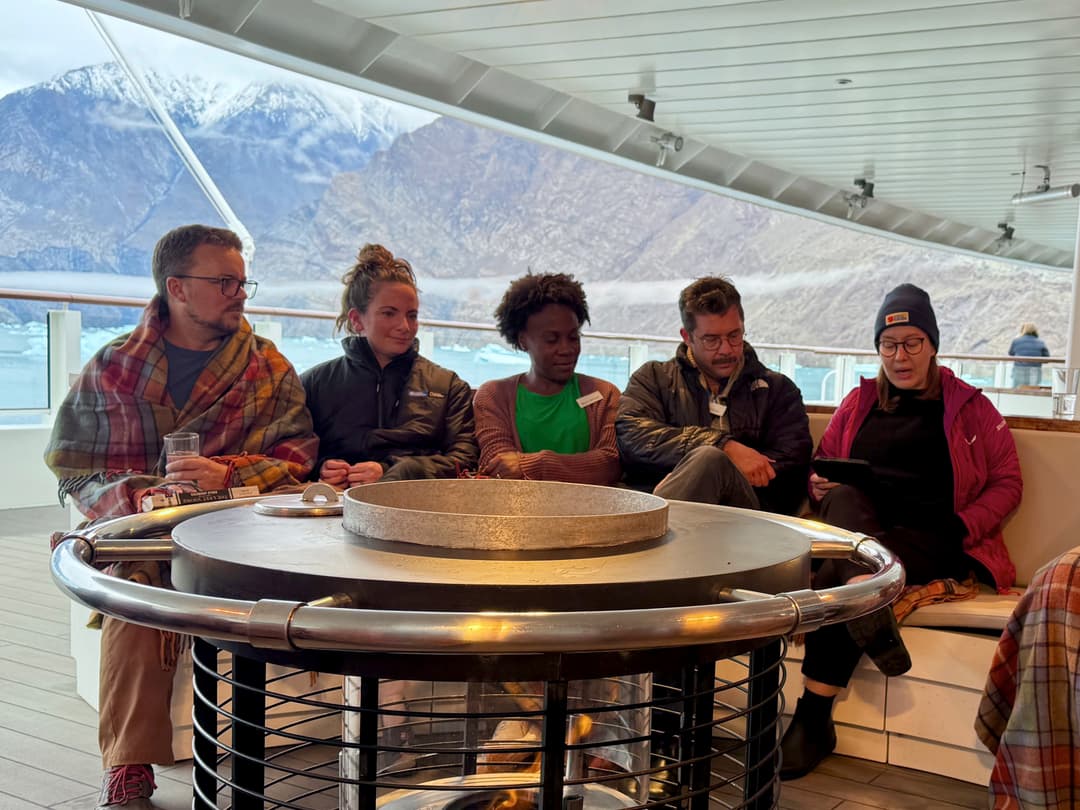
The Ice Lounge is the community hub for Recaps, talks, and presentations, offering an extensive variety of alcoholic and non-alcoholic beverages, The Deck immediately aft of the Ice Lounge comprises of two fire pits that are lit up every evening for social gatherings and storytelling. Self-service coffee and tea, cold beverage station, and photo kiosks are also available.
Amenities
- 2 fire pits
- Blankets


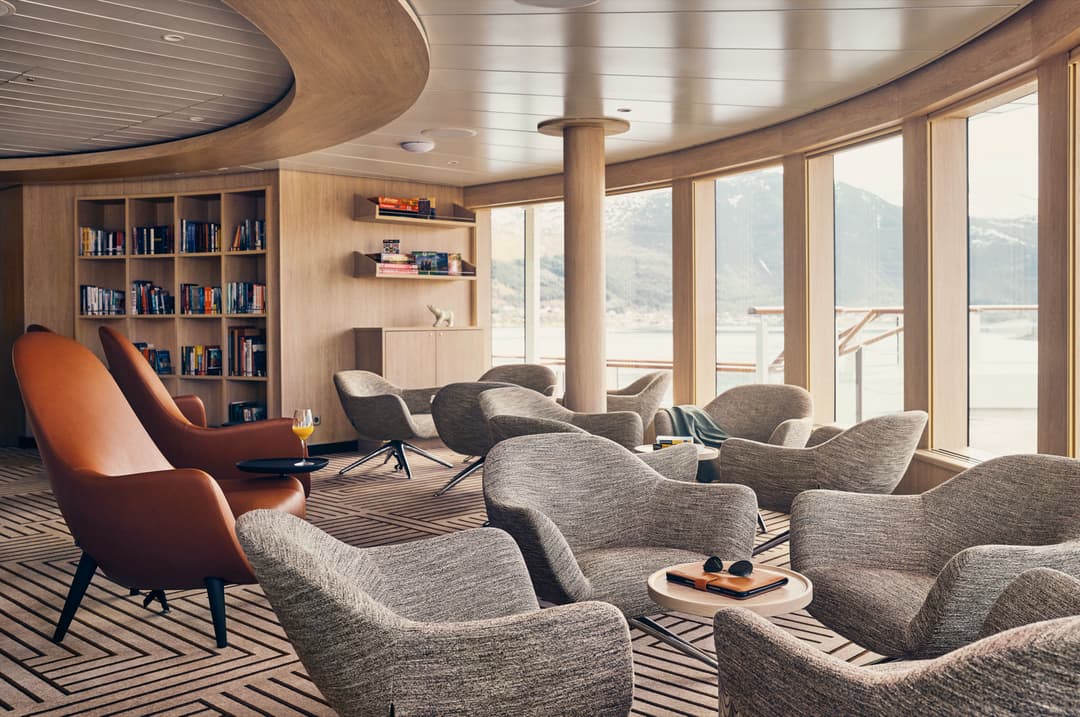
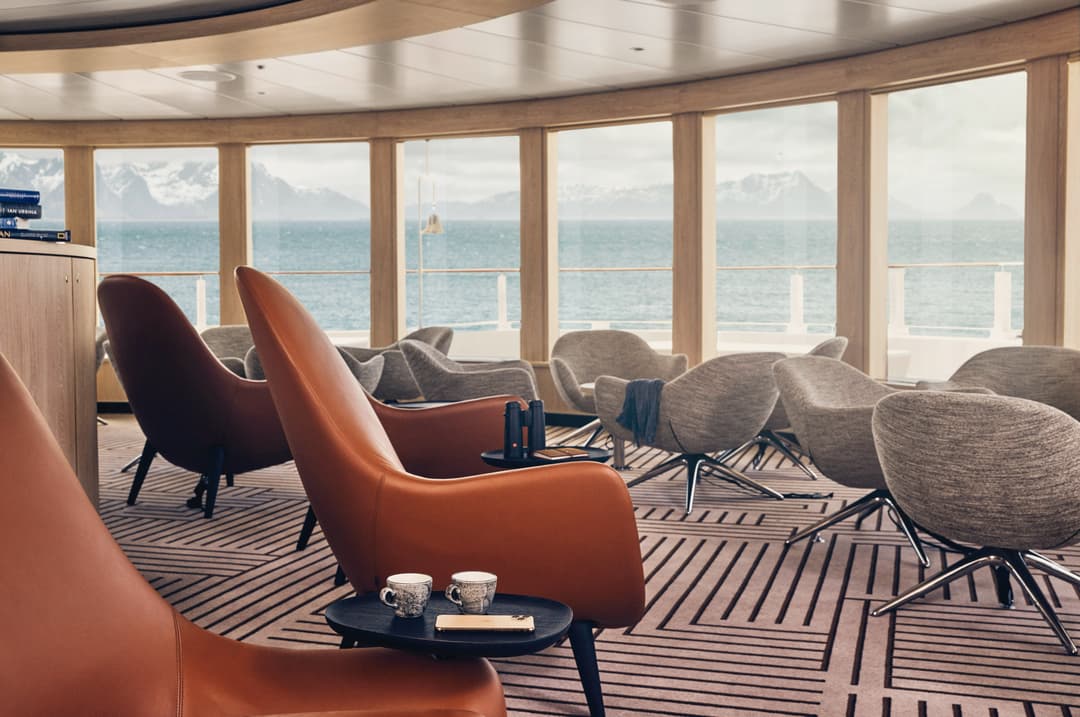
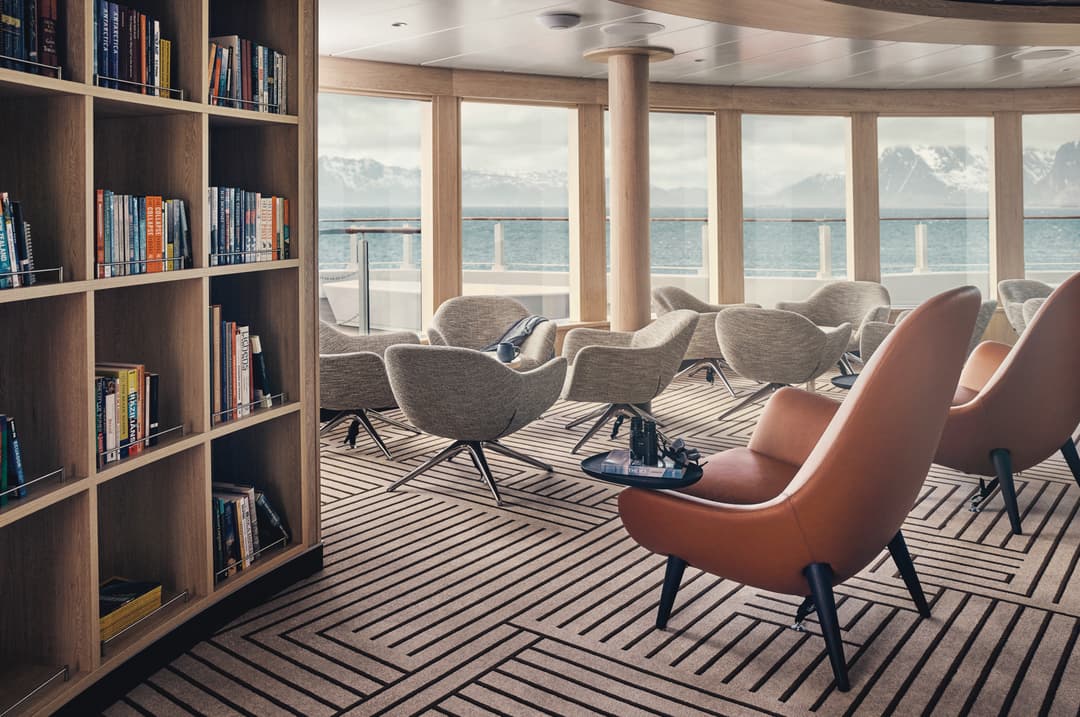

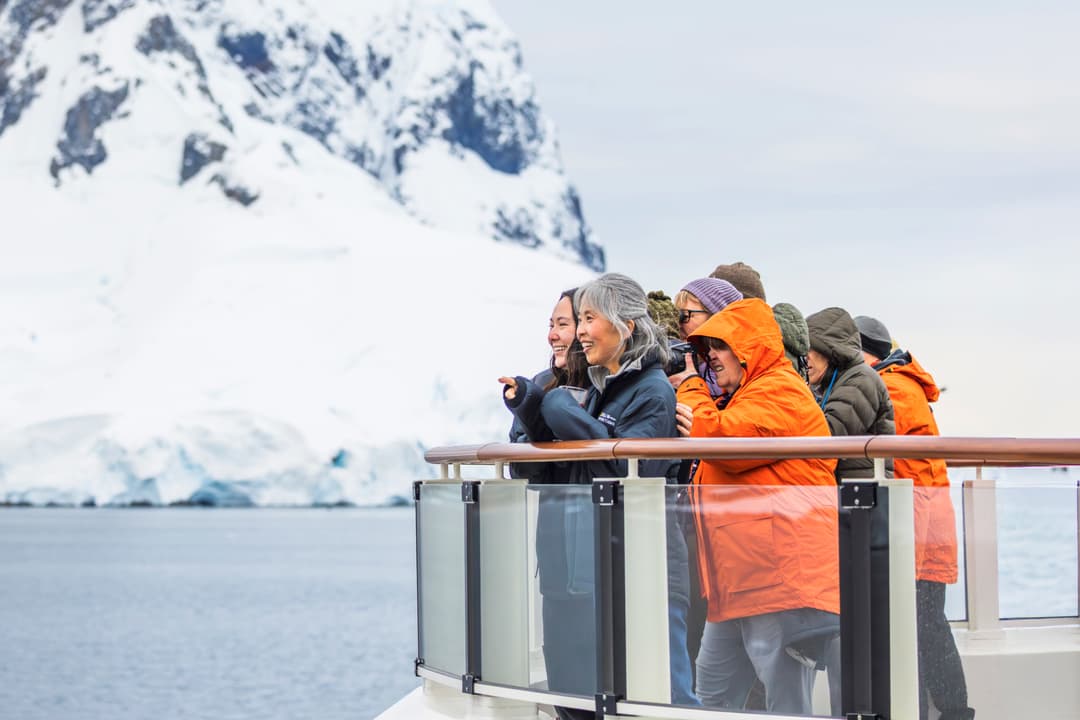
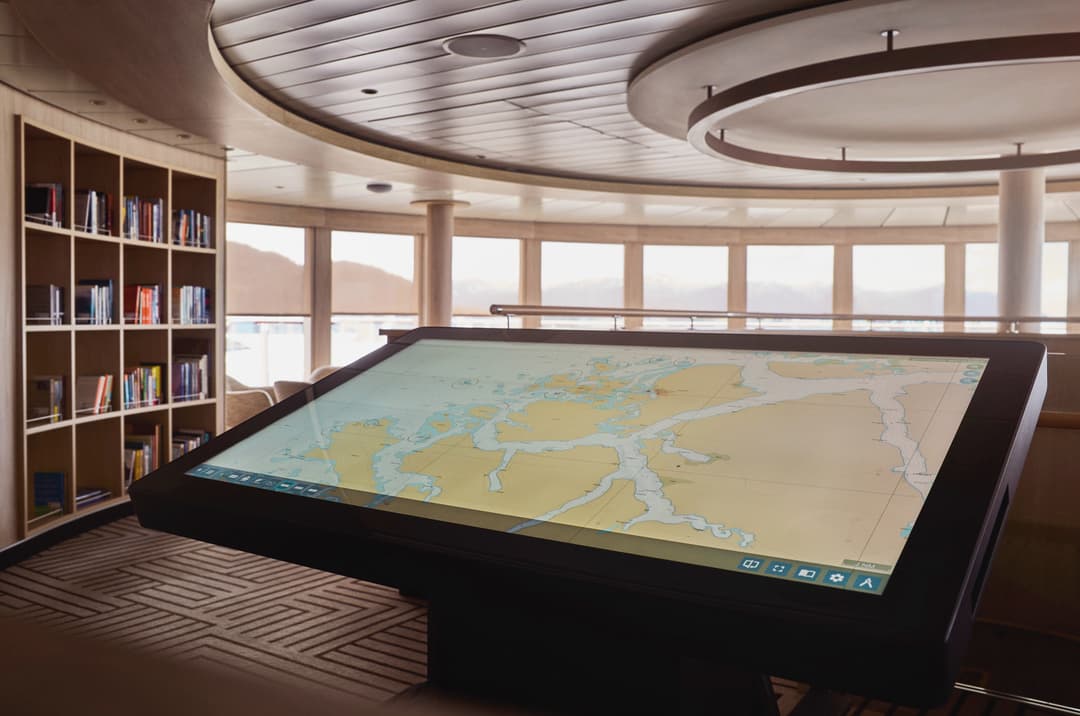
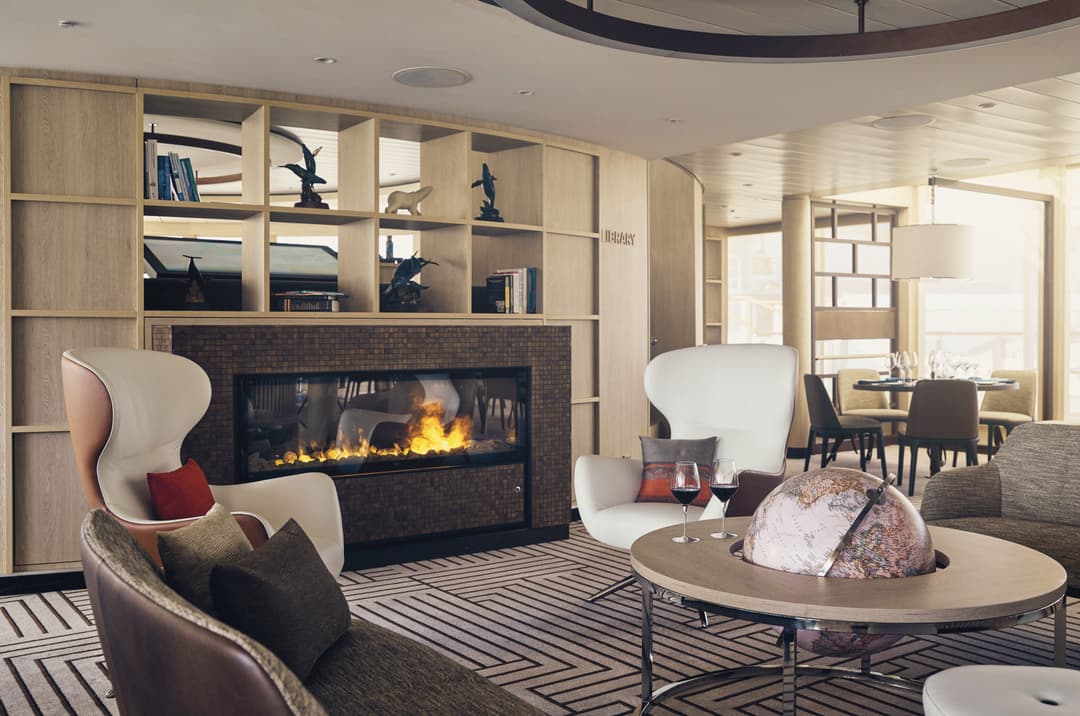

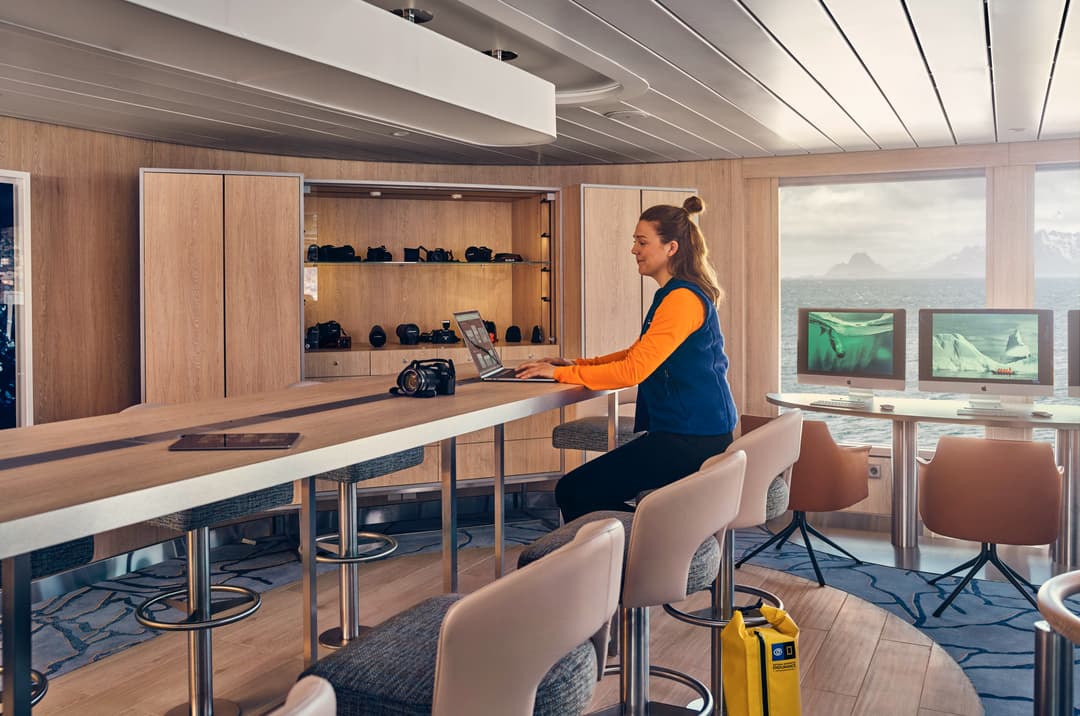
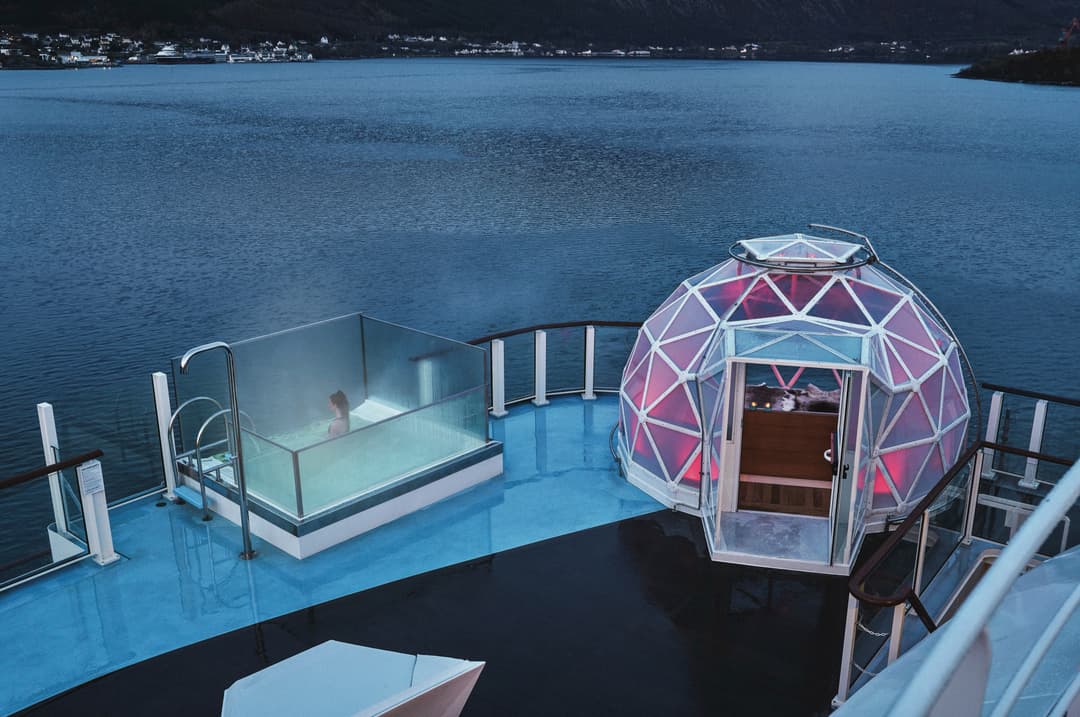
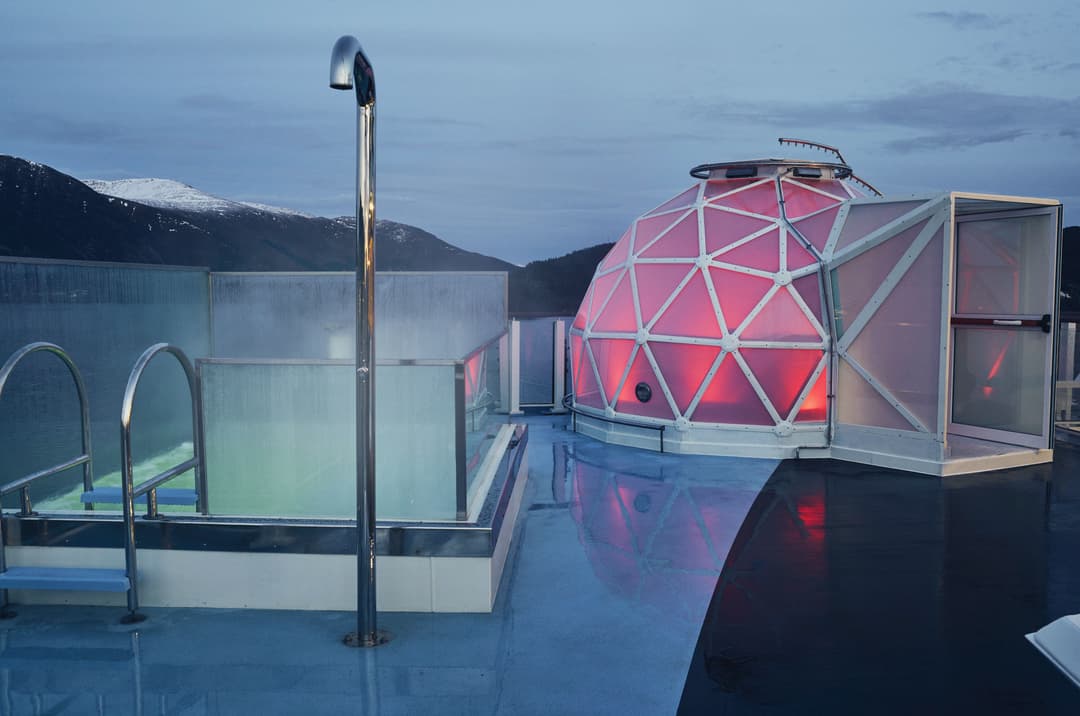
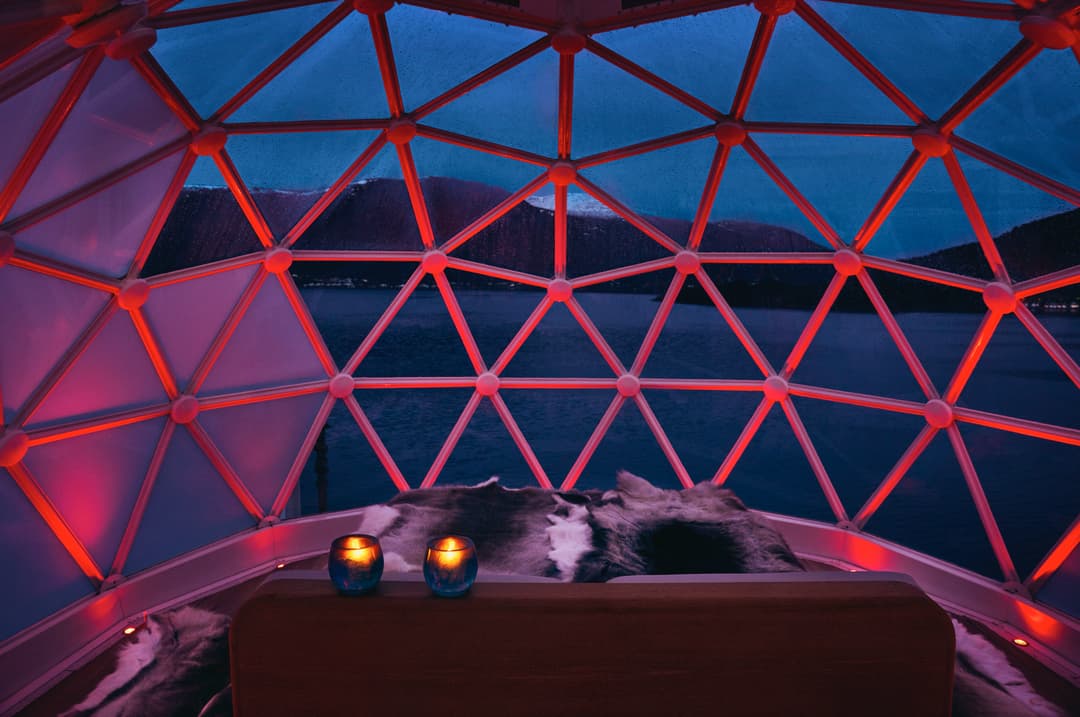
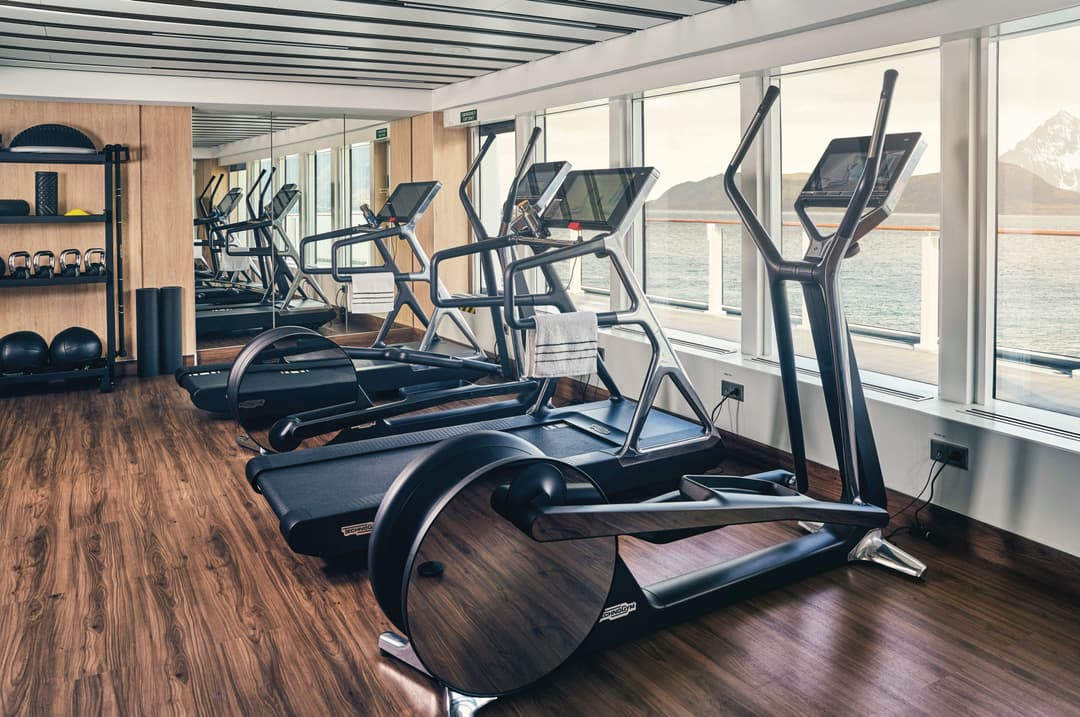
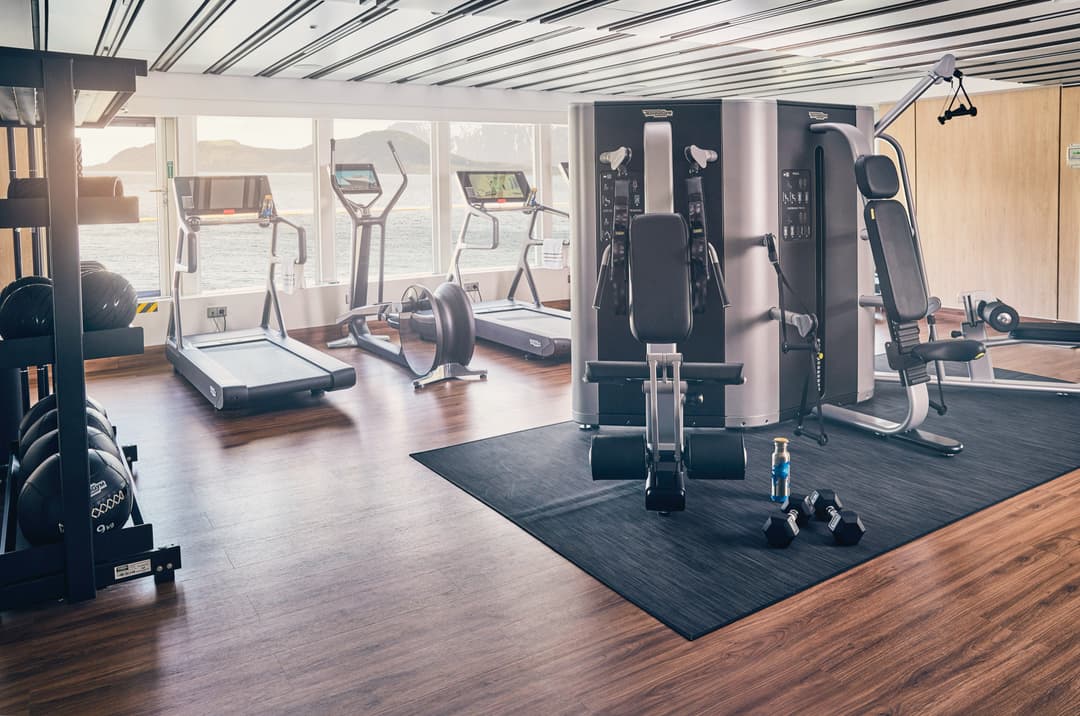
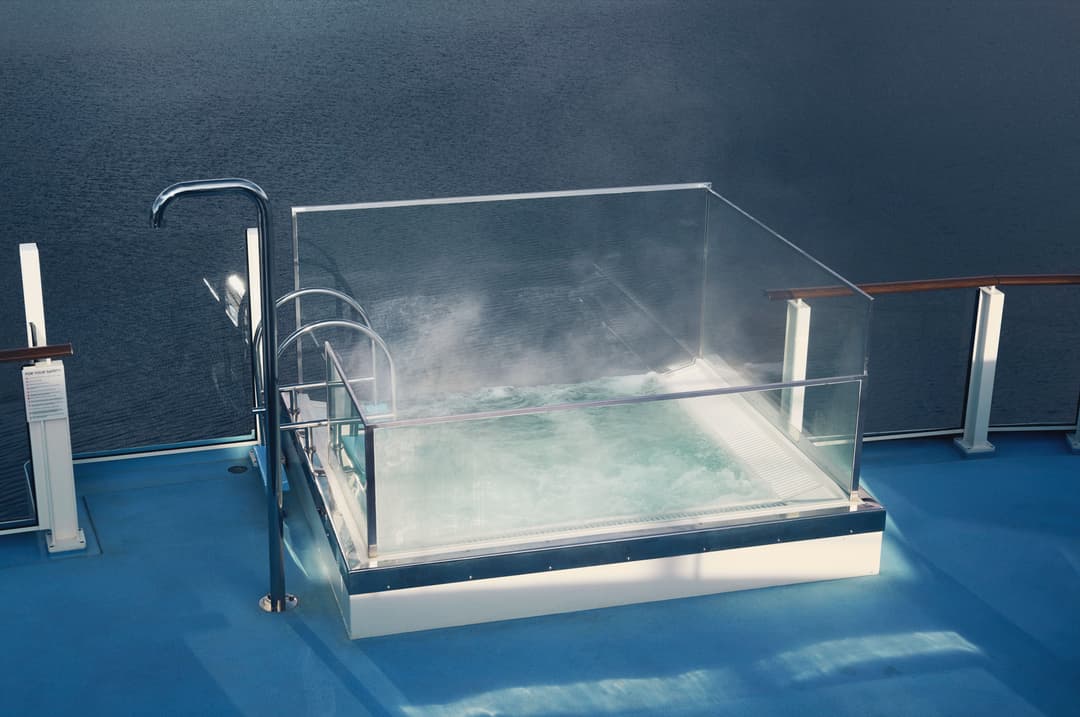
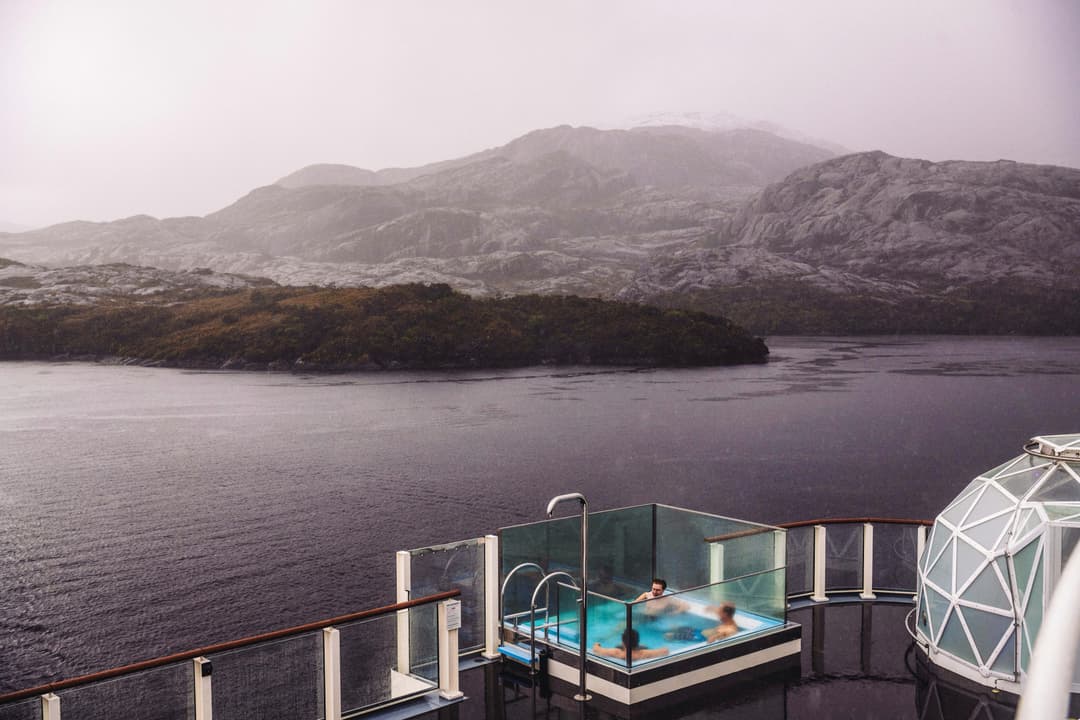
Find tranquility at sea with our wellness program, designed to refresh the body and renew the mind. While offerings vary, most ships have spa treatment rooms and other dedicated wellness spaces, such as fitness centers, yoga studios and saunas. Greet the day with a sunrise stretch session, or wind down after an adventure ashore with a restorative massage. Each experience is tailored to your unique wellness needs, leaving you feeling refreshed and ready for the journey ahead.
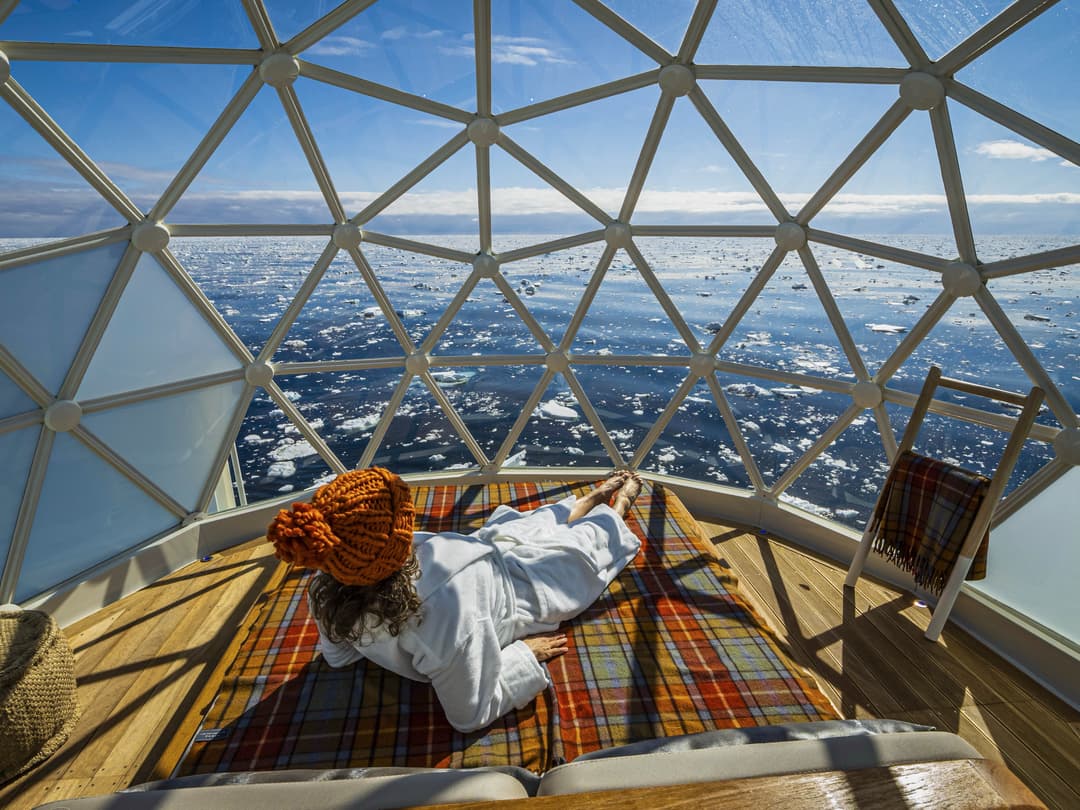


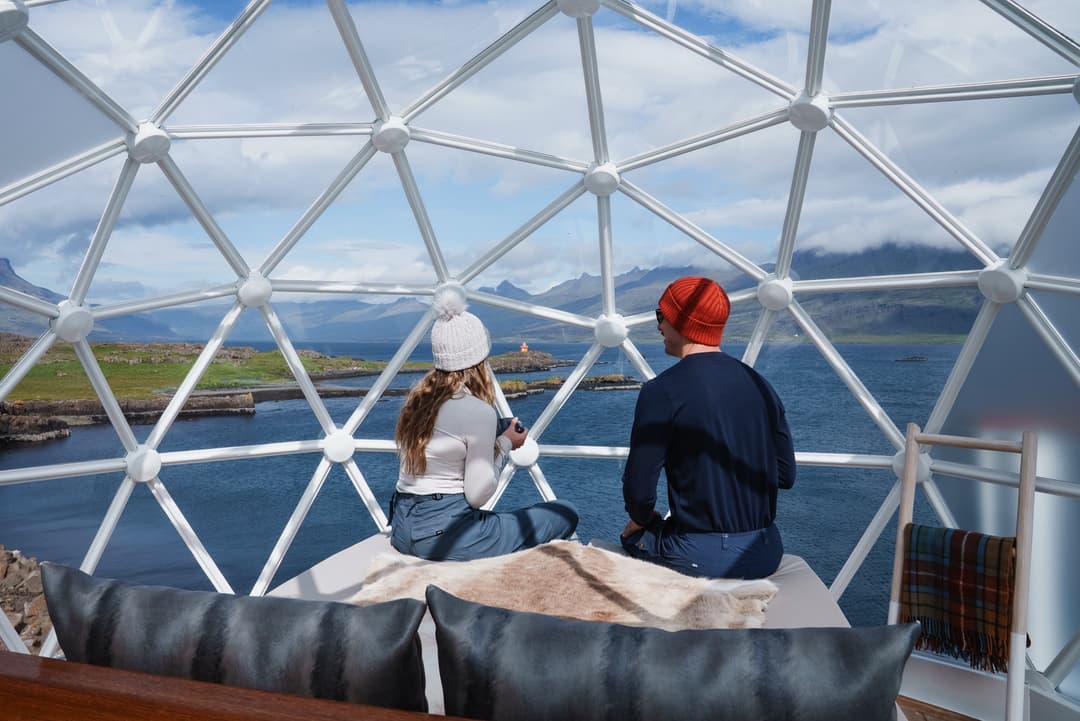
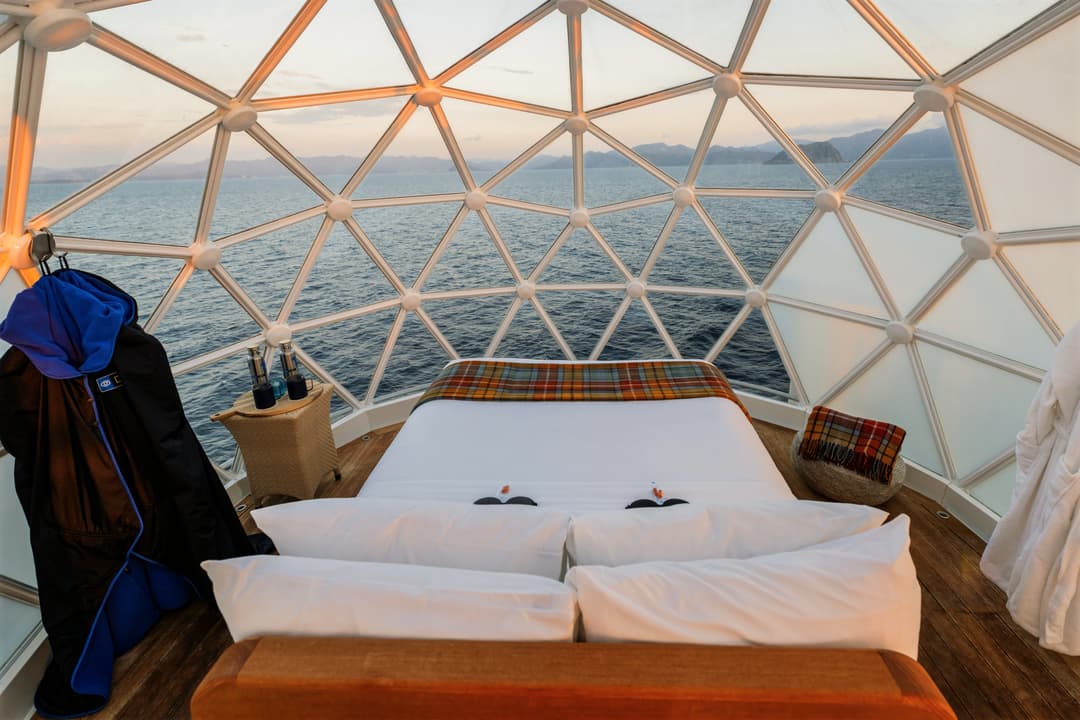
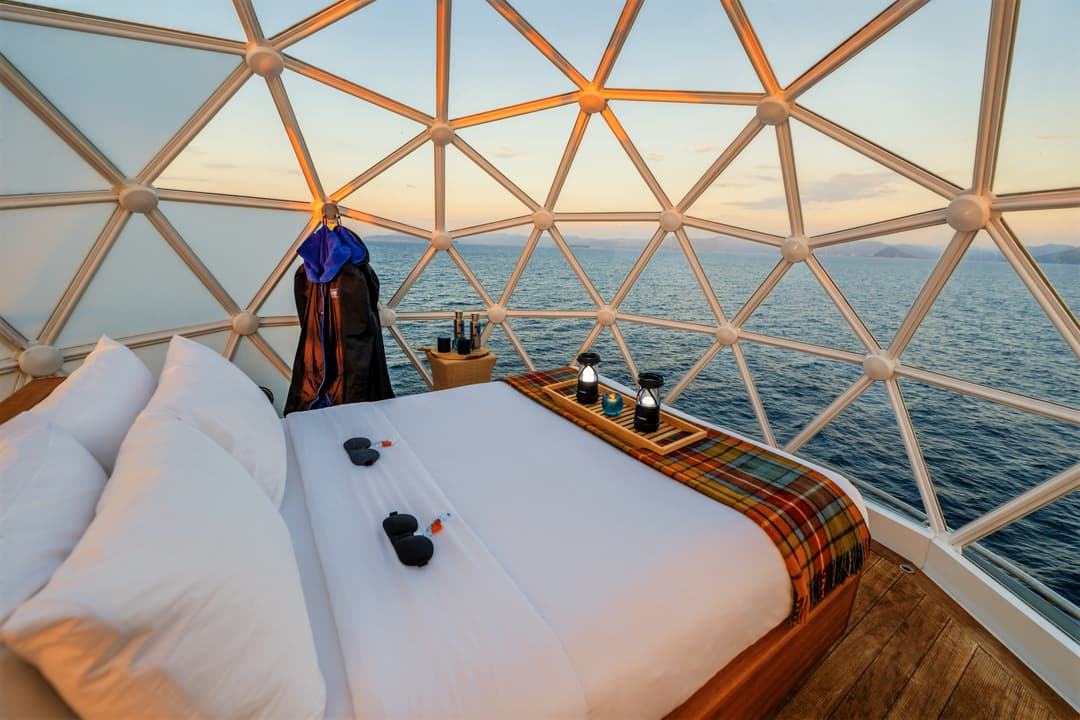

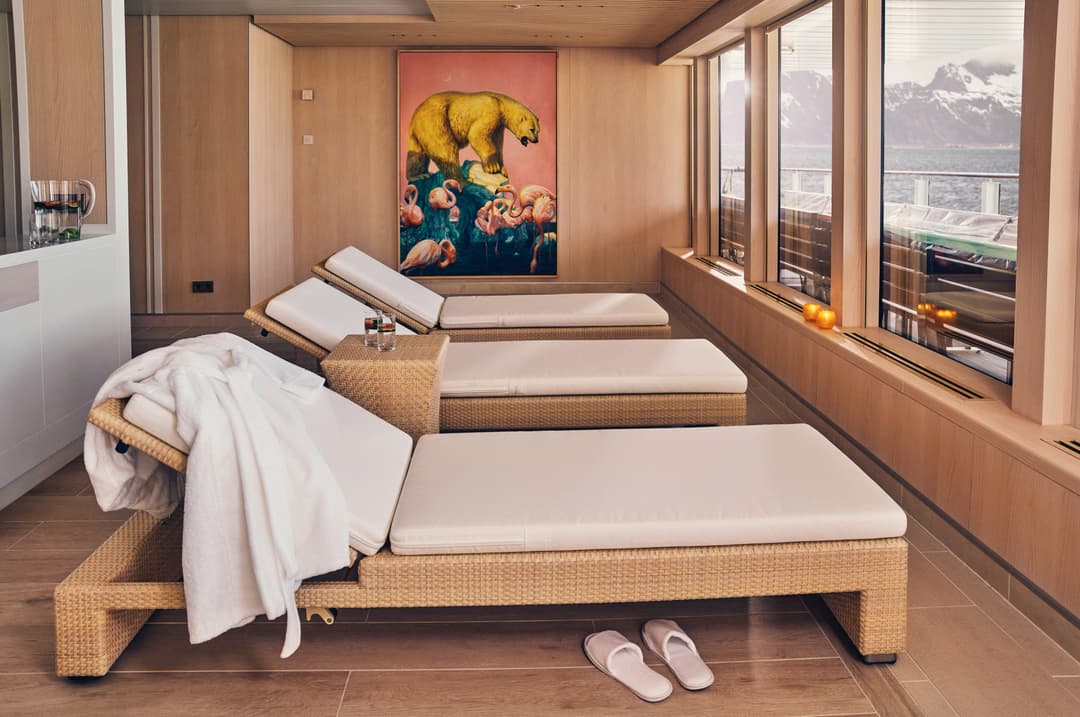
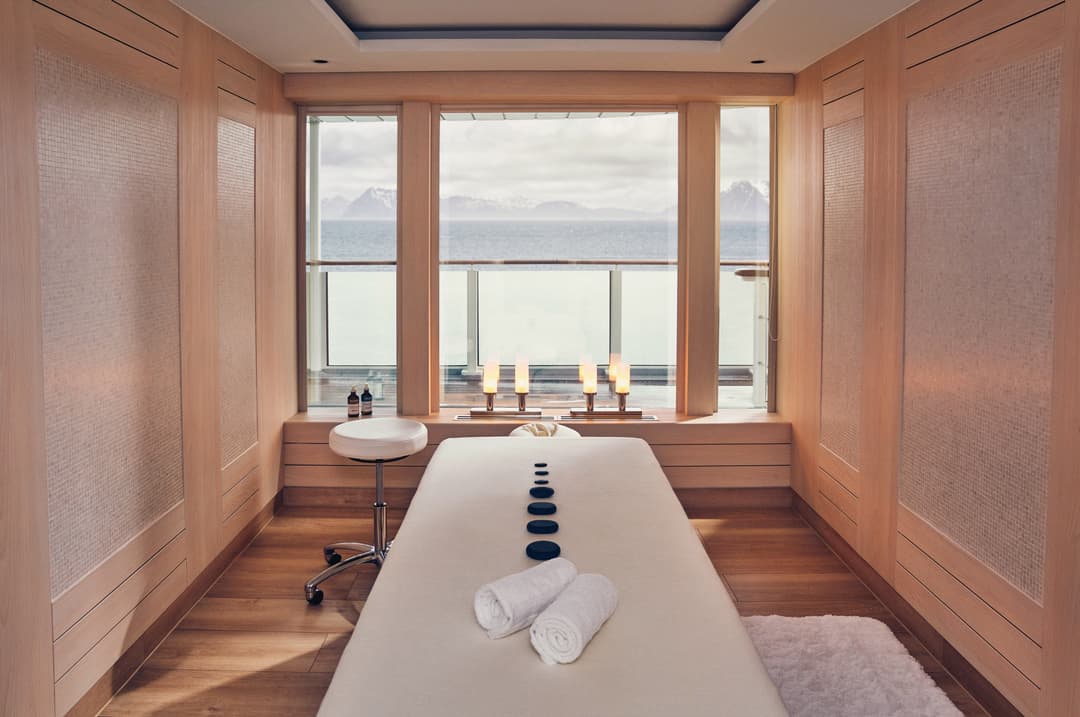


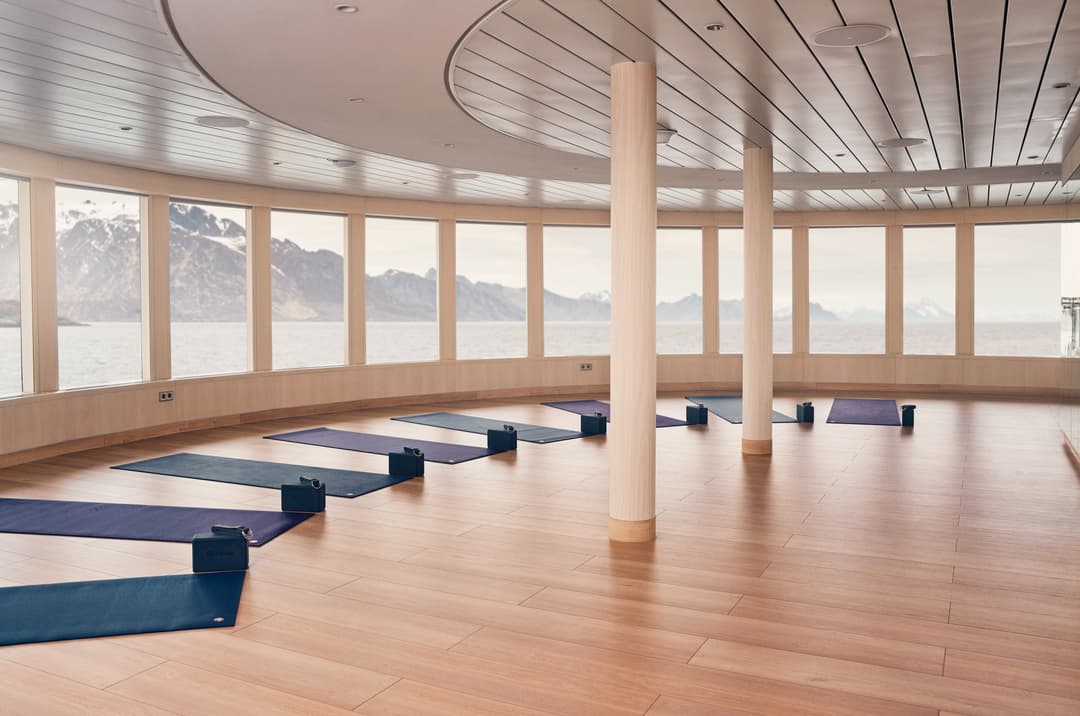
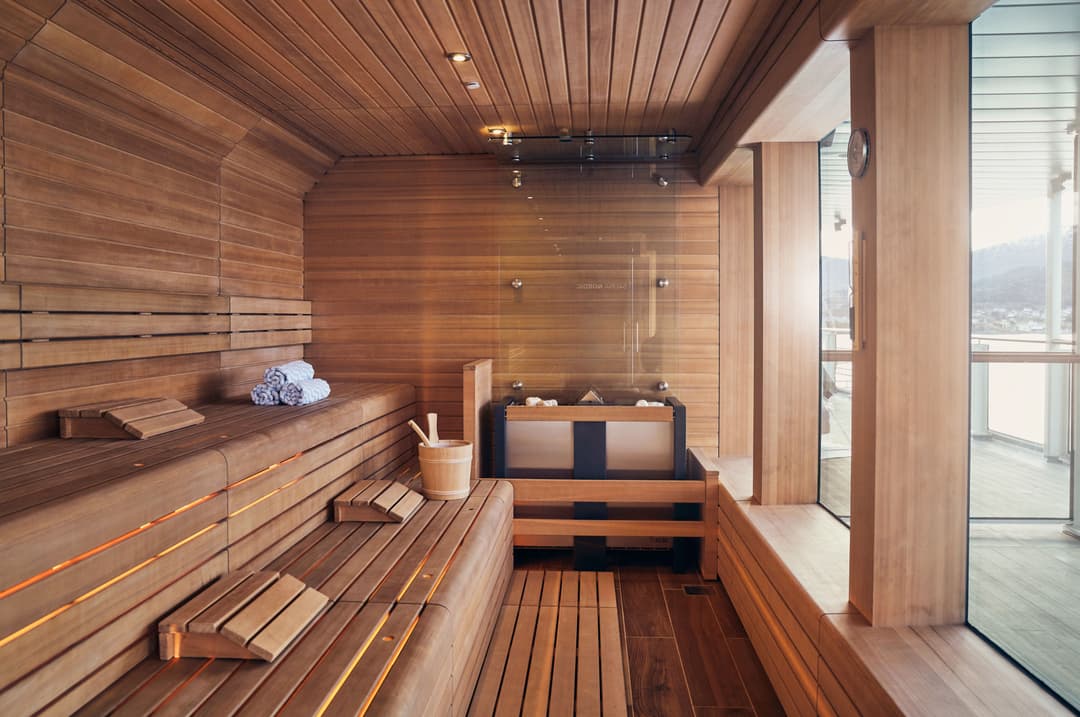
Ships elegantly crafted and equipped for discovery
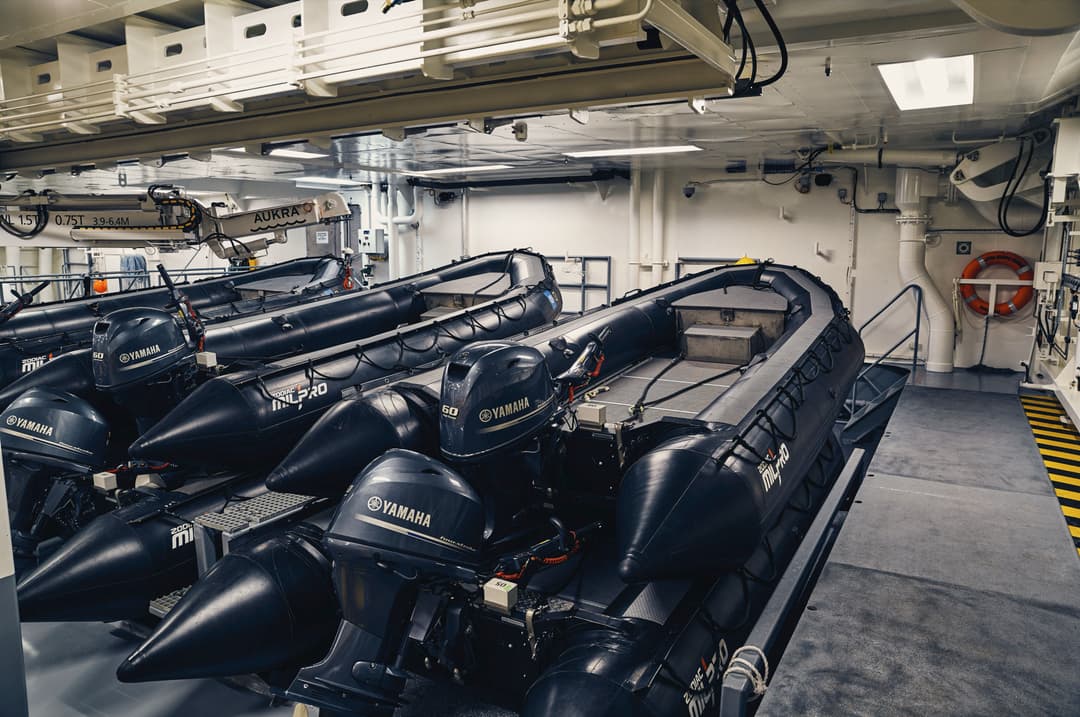
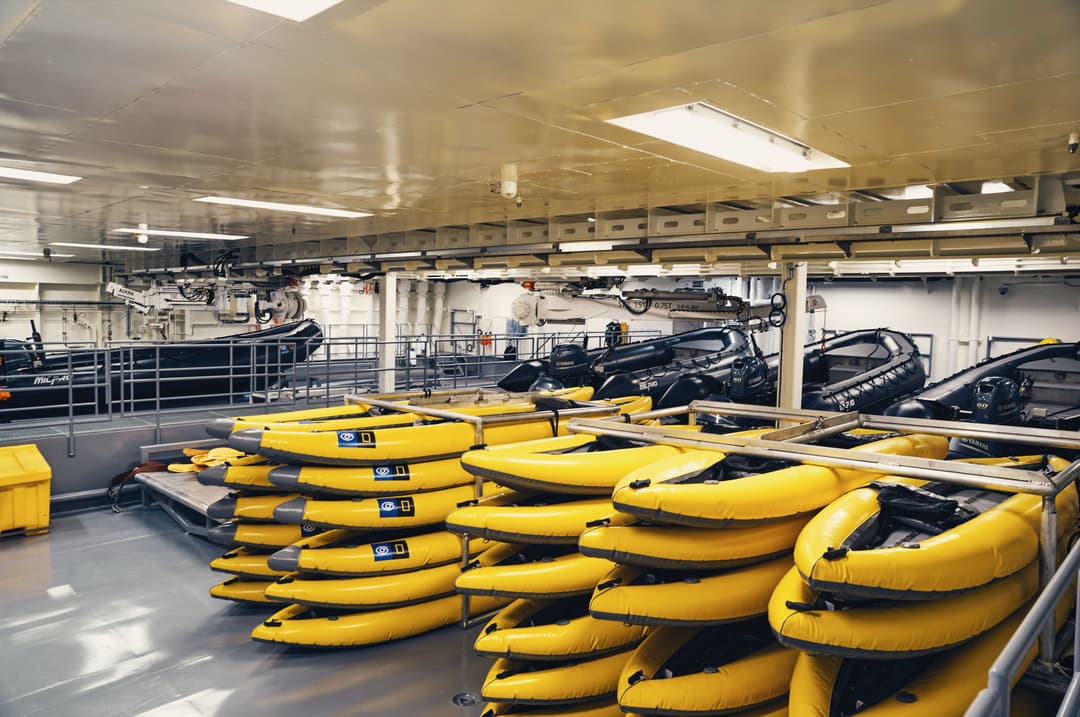
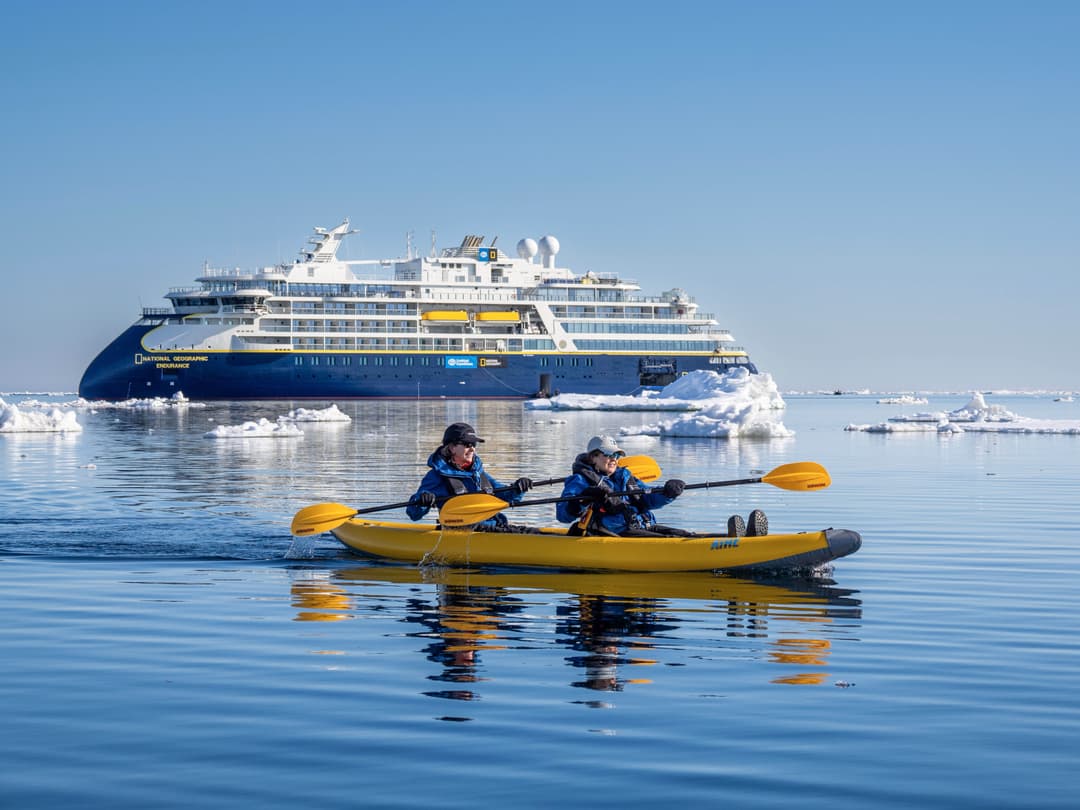
National Geographic-Lindblad Expeditions' ships are uniquely equipped with state-of-the-art tools so you can experience the excitement and wonder of genuine exploration, no matter where you travel with us. Navigate along rocky shorelines and into secluded coves in a kayak or on a stand-up paddleboard or dive into remote waters to discover a galaxy of brightly colored fish—we suppl....
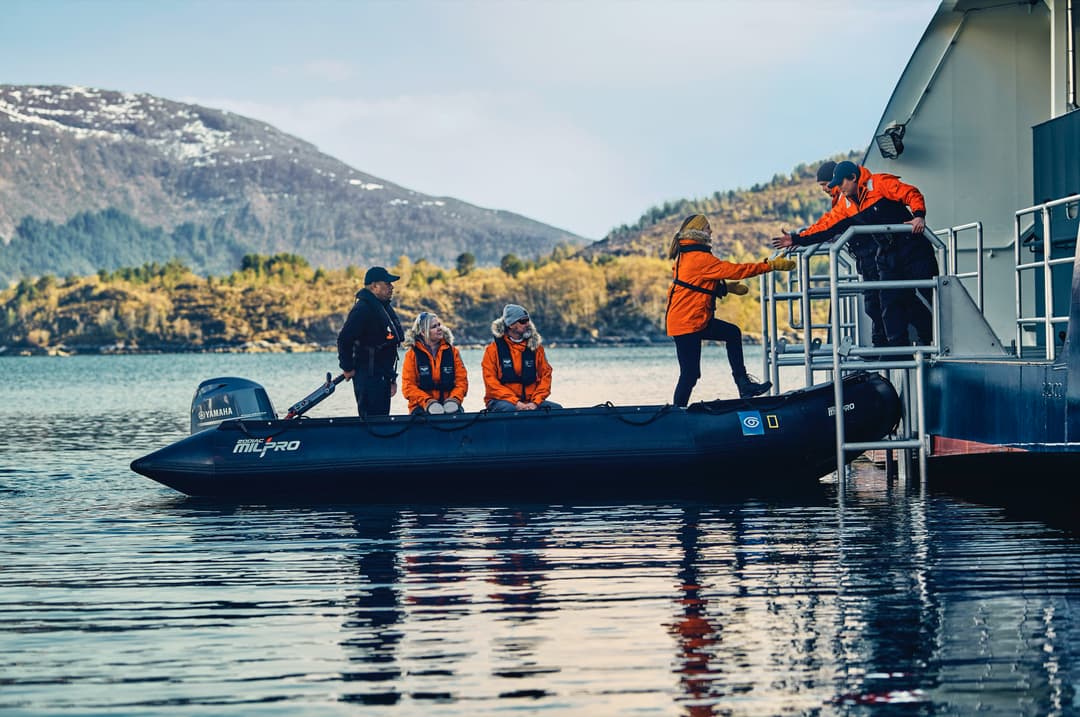
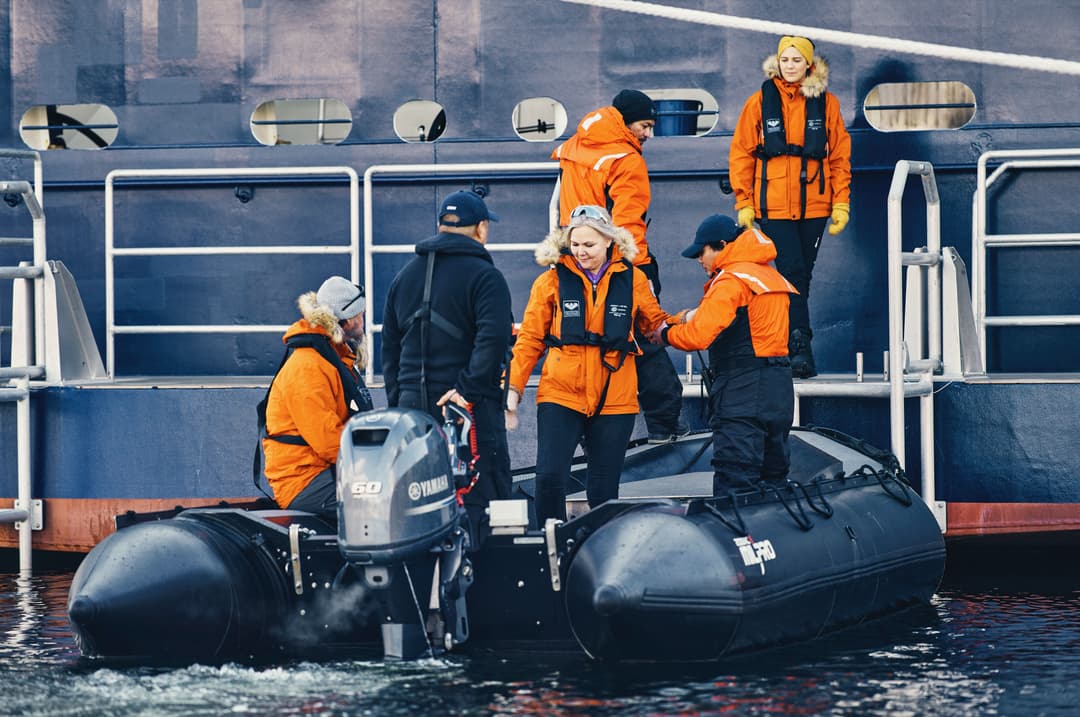
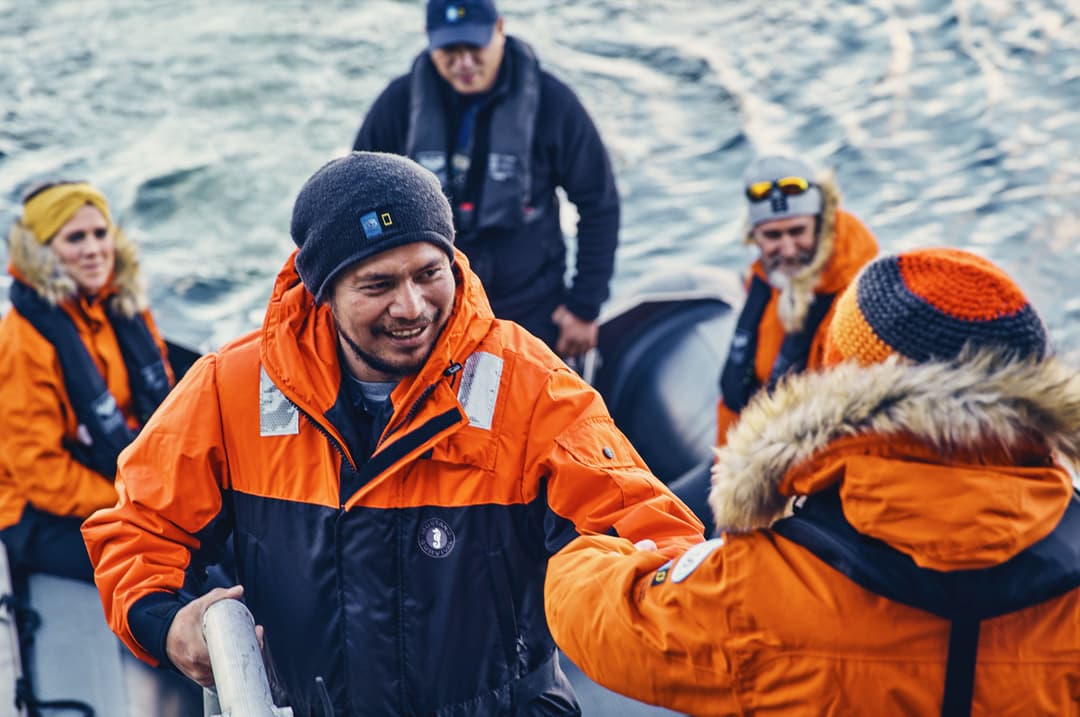
Wherever in the world you choose to explore with National Geographic-Lindblad Expeditions, you will travel alongside a team of experts who are deeply passionate about discovering the places you visit. They are scientists, photographers, and cultural experts at the top of their fields who have spent time immersed in your destination—and they thrive on sharing their knowledge and seeking out new insights alongside our inquisitive guests. For the....
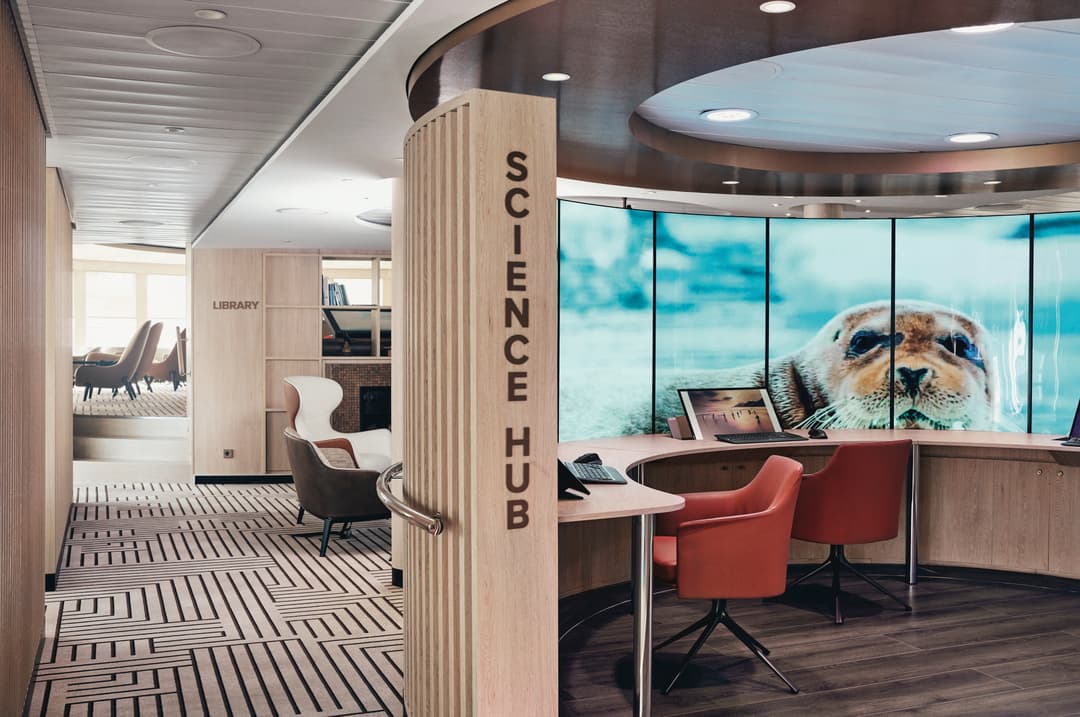
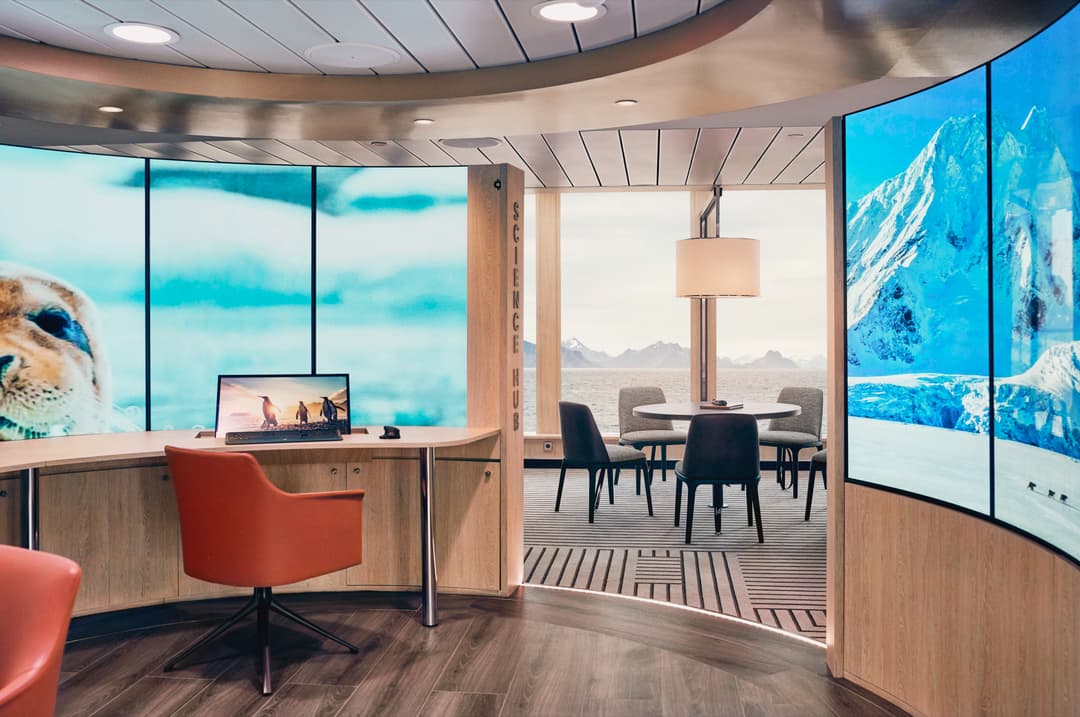
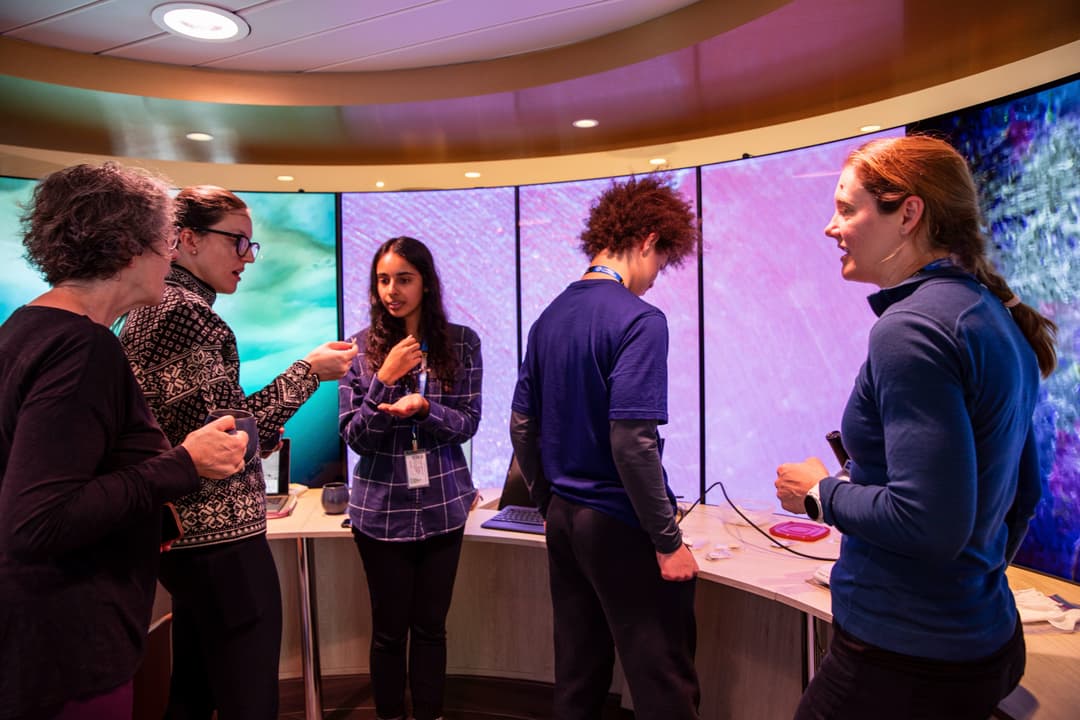
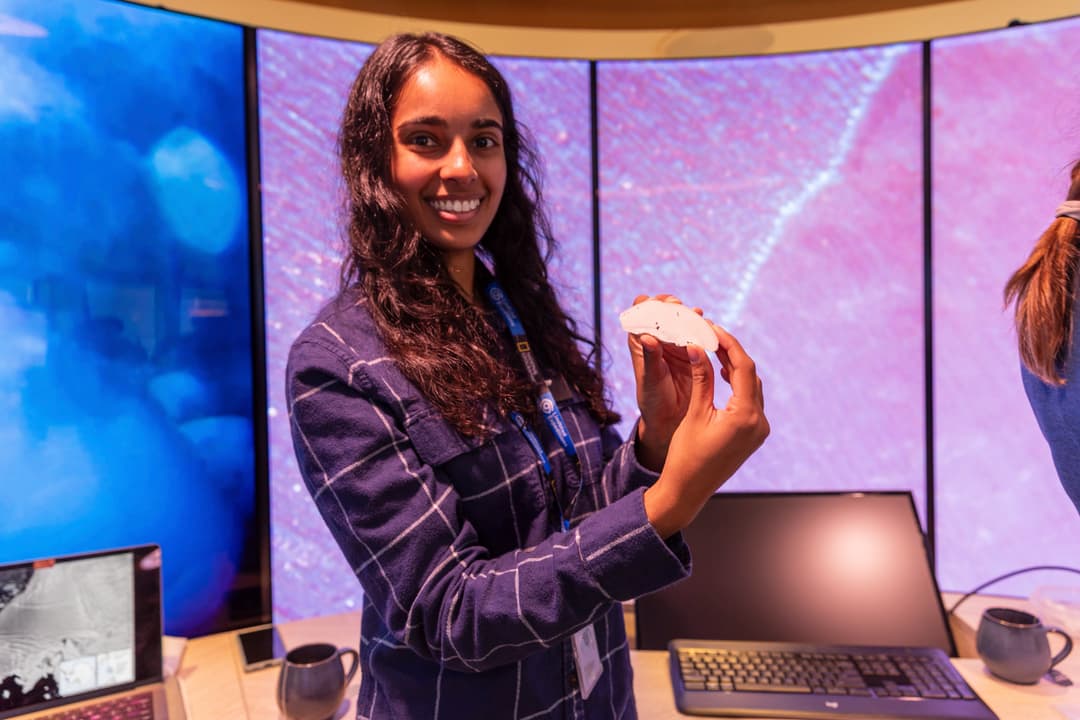
The ships in the National Geographic-Lindblad Expeditions fleet are not only equipped for adventure—they also host important research and conservation work as part of the Visiting Scientist Program. This innovative initiative allows scientists to use the fleet as a platform to build and foster their research endeavors in places like Antarctica, the Arctic and the Galápagos.
The Visiting Scientist Program has been active for years, and i....

Guests can get involved in the advancement of science by participating in a variety of research projects hosted on their expedition..
Happywhale
Whales have unique markings on their flukes that allow scientists to identify individuals and track them across the globe. When guests capture pictures of the whales spotted on expedition, they can submit them to the Happywhale app to aid in the tracking process. National Geographic....
When you travel with Lindblad Expeditions, you'll enjoy exclusive experiences featuring renowned individuals from the worlds of science, exploration, literature, music, photography, culture and more, thoughtfully curated to enrich your expedition.
From performances of original music inspired by the destinations we visit to treks with iconic explorers, our guest speakers offer in-depth insights and compelling conversations, helping you to....


Nurture Their Passion For The Planet
One of the most rewarding sights in Baja California is witnessing the spark of curiosity in a young traveler, whether they’re locking eyes with a sea lion while snorkelling or watching a powerful humpback breach the water’s surface. Moments like these are especially meaningful when complemented with the learning opportunities in our exclusive National Geographic Explorers-in-Training programme.....


ACT Clean CoatTM is a light-activated, self-disinfecting cleaning process that continuously breaks down viruses, bacteria, mold, and airborne allergens across all ship surfaces. Not only does this create a cleaner, healthier shipboard environment for guests and crew alike, but this non-toxic, chemical-free system also saves more than one million gallons of water each year in our cleaning procedures, and reduces our carbon footprint as well as ....
- Excursions, hotels and airport transfers, as indicated in the itinerary
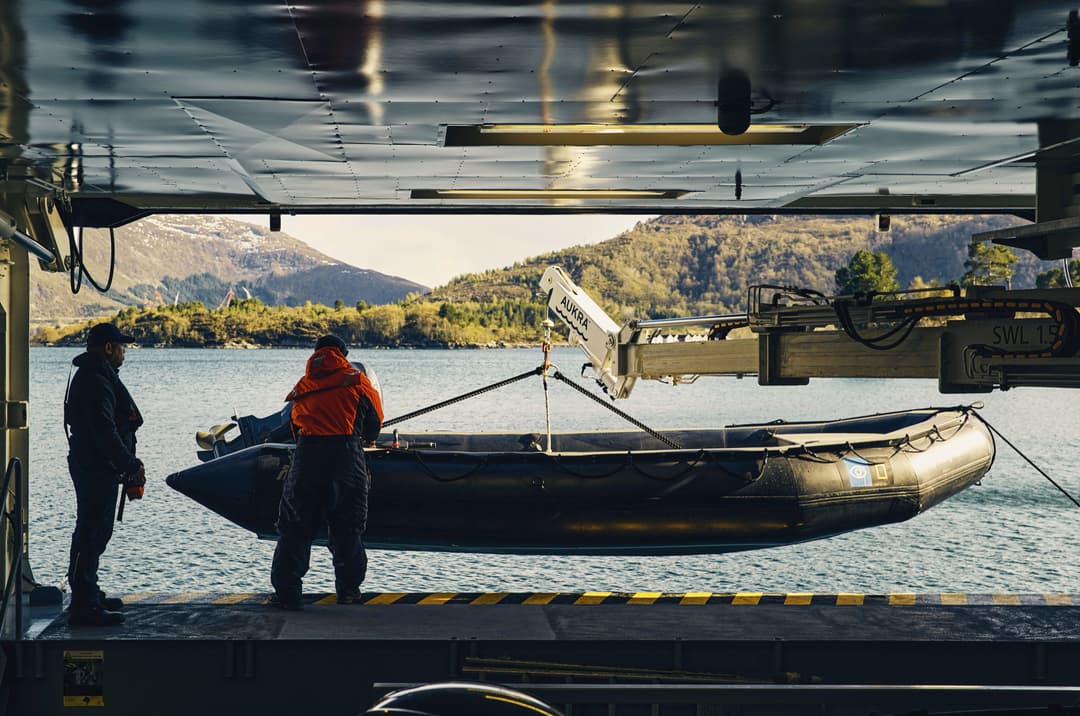
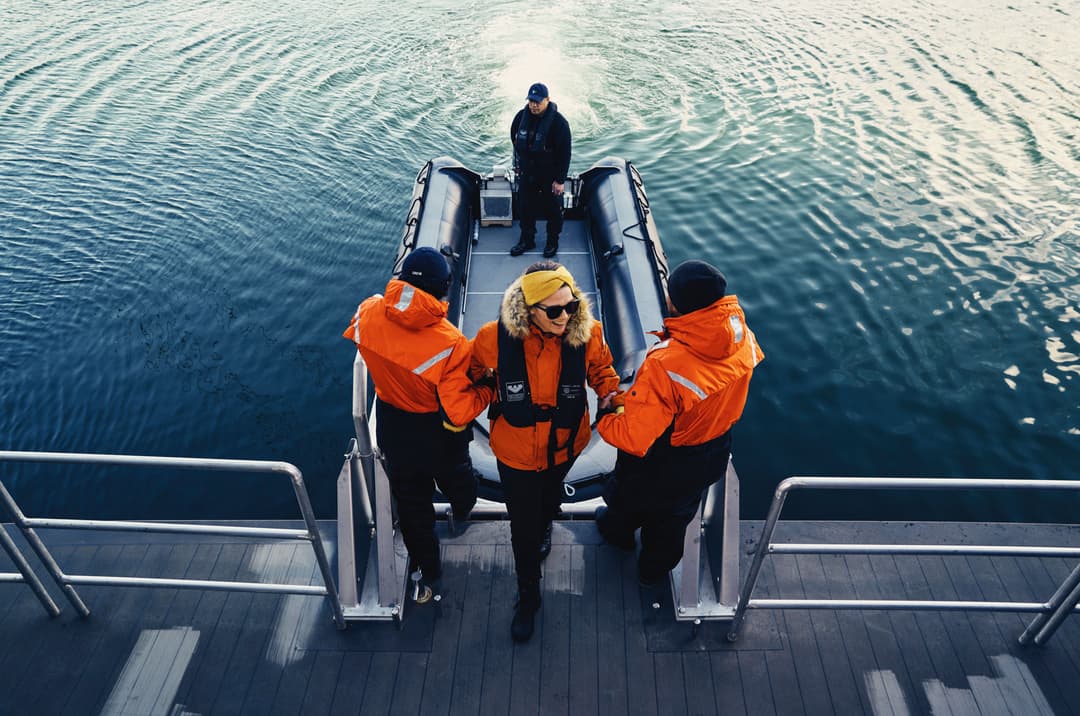
- Selection of exploration tools curated to your destination, such as Zodiacs and glass-bottom boats, stand-up paddleboards, kayaks, snorkeling equipment (including wetsuits, masks, and fins) and other state-of-the-art gear
- Guidance and company of our leading expedition staff
- All meals as indicated in the itinerary, both aboard and onshore....
- Airfare (except flights when indicated as included), pre- and post-expedition extensions, additional hotel nights and private transfers (except when indicated as included)
- Travel protection plans
- Passport, visa and immigration fees
- Laundry, spa treatments, scuba diving* and phone services (except when indicated as included)
- Additional costs associated with medical services outside onboard physician c....