Epic Alaska and British Columbia
CRUISE ID # LINDBLADGRVANC-270507
Vancouver, British Columbia TO Vancouver, British Columbia



$12,150
WITH SPECIAL SAVINGS APPLIED
FARES SHOWN ARE PER GUEST
Suites & Fares
CHOOSE START DATE
: May 07, 2027
Itinerary
Vancouver is a delicious juxtaposition of urban sophistication and on-your-doorstep wilderness adventure. The mountains and seascape make the city an outdoor playground for hiking, skiing, kayaking, cycling, and sailing—and so much more—while the cuisine and arts scenes are equally diverse, reflecting the makeup of Vancouver's ethnic (predominantly Asian) mosaic. Vancouver is consistently ranked as one of the world's most livable cities, and it's easy for visitors to see why. It's beautiful, it's outdoorsy, and there's a laidback West Coast vibe. On the one hand, there's easy access to a variety of outdoor activities, a fabulous variety of beaches, and amazing parks. At the same time, the city has a multicultural vitality and cosmopolitan flair. The attraction is as much in the range of food choices—the fresh seafood and local produce are some of North America's best—as it is in the museums, shopping, and nightlife.Vancouver's landscaping also adds to the city's walking appeal. In spring, flowerbeds spill over with tulips and daffodils while sea breezes scatter scented cherry blossoms throughout Downtown; in summer office workers take to the beaches, parks, and urban courtyards for picnic lunches and laptop meetings. More than 8 million visitors each year come to Vancouver, Canada's third-largest metropolitan area. Because of its peninsula location, traffic flow is a contentious issue. Thankfully, Vancouver is wonderfully walkable, especially in the downtown core. The North Shore is a scoot across the harbor, and the rapid-transit system to Richmond and the airport means that staying in the more affordable ’burbs doesn't have to be synonymous with sacrificing convenience. The mild climate, exquisite natural scenery, and relaxed outdoor lifestyle keep attracting residents, and the number of visitors is increasing for the same reasons. People often get their first glimpse of Vancouver when catching an Alaskan cruise, and many return at some point to spend more time here.
Trace the wild and scenic coastline of British Columbia, exploring inlets and islands and watching for whales, dolphins, bears, deer and other wildlife. As the ship sails toward Alaska, enjoy talks from your expedition team or relax with a book in the lounge or on the observation deck.
Rudyerd Bay is one of the highlights of the Misty Fiords, 40 miles east of Ketchikan, along the Inside Passage. This fjord cuts through steep-sided mountainous terrain and extends far into the mainland. The scenery is stunning, with dramatic thousand-foot waterfalls plunging down rainforest covered cliffs to the water below.
Navigate the Wrangell Narrows, a spectacularly scenic waterway inaccessible to larger ships. Explore the coastline by kayak or Zodiac, and venture ashore to follow bear trails through the lush temperate rainforest. Along the way, naturalists share insights into this vibrant ecosystem.
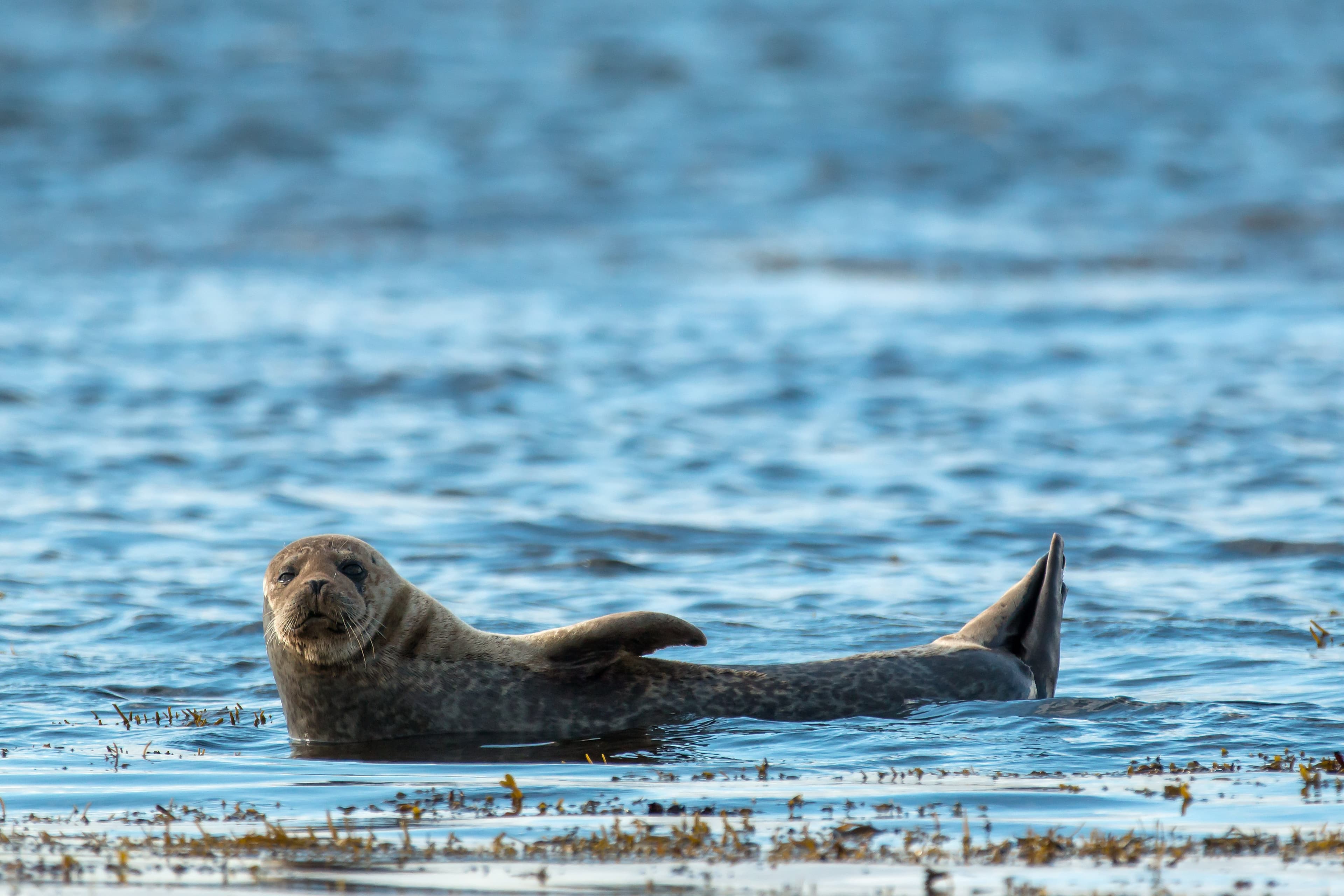
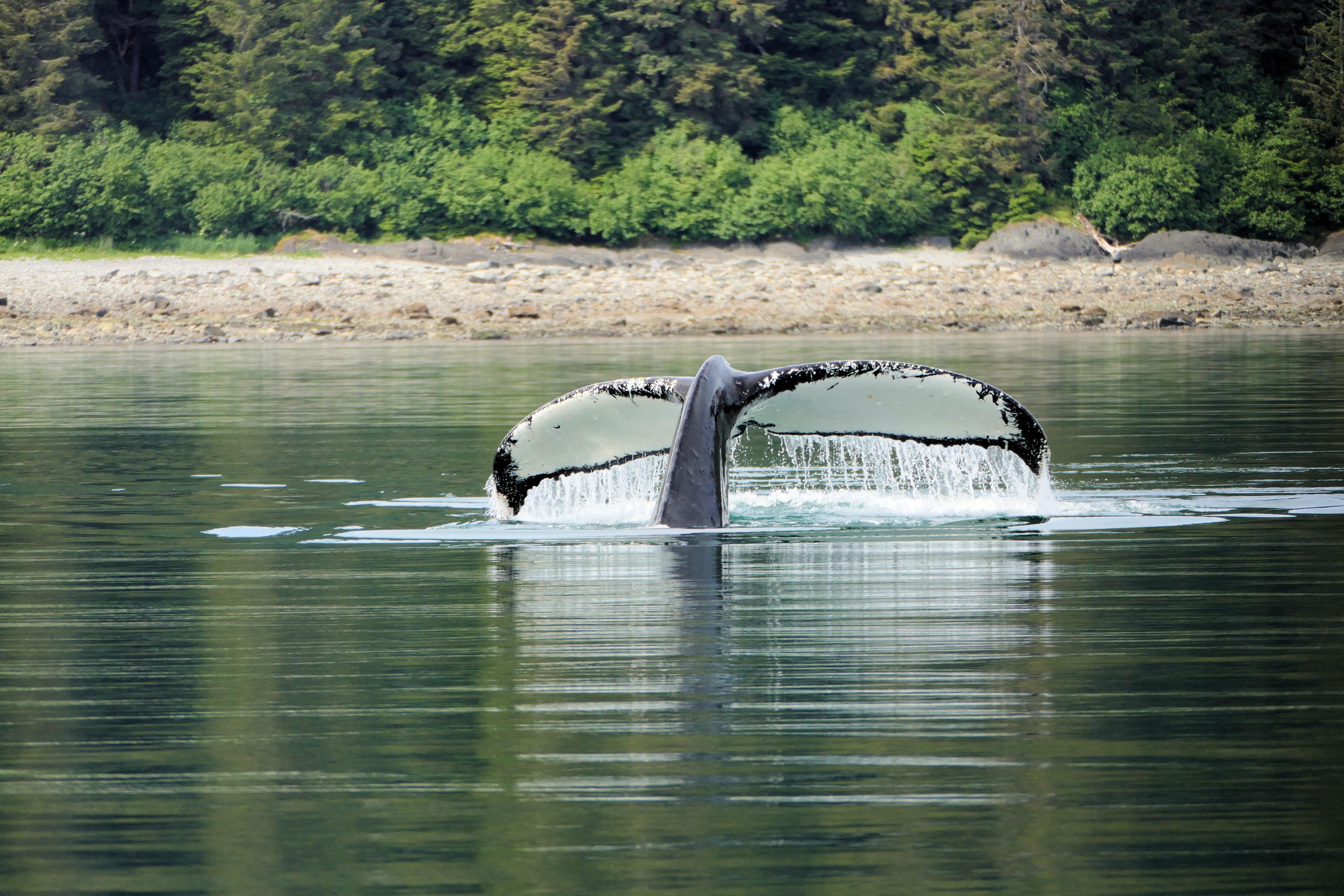
In the evening, cruise Frederick Sound, watching for orcas and humpback whales surfacing and sea lions weaving through the clear water around the ship. Train your binoculars on the shoreline to scan for moose and Sitka black-tailed deer, as well as the black bears, wolves and bald eagles drawn to the salmon-rich banks.
Today, nature is your guide as you venture out with the flexibility to follow wildlife sightings and take advantage of shifting weather conditions. Explore spectacular bays and secluded inlets, tracing bear trails and salmon-rich streams. Or head inland for a peaceful walk through the forest, listening for the calls of bald eagles echoing from the towering spruce and hemlock trees. If conditions allow, paddle a kayak near the intertidal zone to search for the fascinating creatures that thrive there.
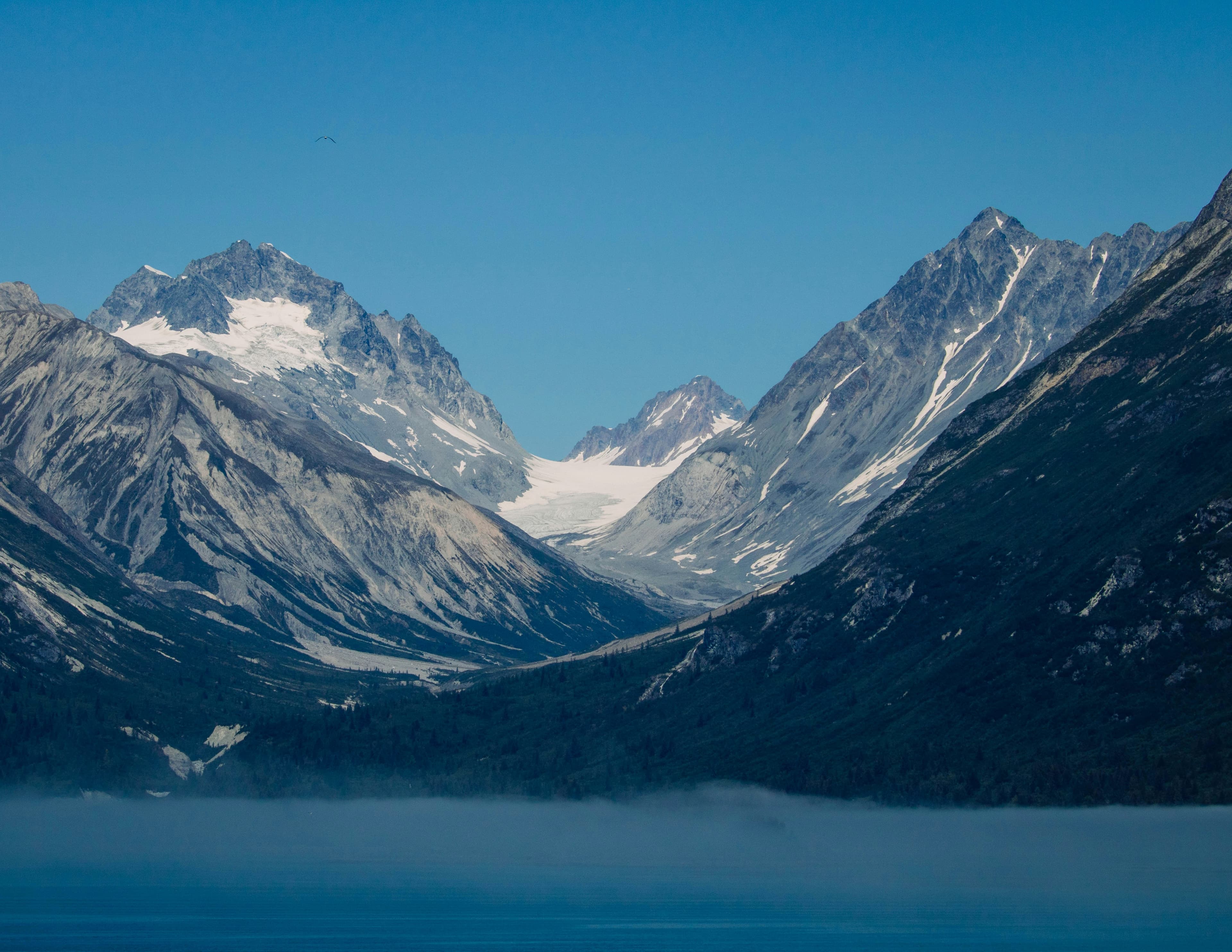
This is one of those places that words, photos and videos, do not do justice and just has to be seen to be experienced. Huge, majestic and imposing, the Hubbard Glacier is the iconic Alaskan experience. Towering above the ship, the glacier reaches around 11,000 feet at its highest altitude point and measures almost 76 miles long and about five miles wide. Routinely calving off icebergs the size of skyscrapers , the spectacle of watching – and hearing – the thunderous blocks of ice hit the water is something that needs to be experienced at least once in a lifetime. From pure white, to arctic to glacier blue the ice absorbs every colour giving it an exceptionally lovely hue that is impossible to reproduce. Wrap up warm as the cooling, soothing and perfect breeze compliments what is surely the highlight of this incredible journey.
Explore the breathtaking bays of Chichagof Island, part of the ancient Tongass National Forest. This remote island hosts one of the world’s highest concentrations of brown bears and supports an incredible diversity of wildlife. Conditions permitting, paddle a kayak or stand-up paddleboard along rugged shorelines, or venture into the temperate rainforest for a rewarding hike.
After lunch, spend time on deck with the naturalists as you cruise along the outer coasts of Chichagof and Baranof Islands, keeping a keen eye out for the marine and terrestrial wildlife that frequent these shores.
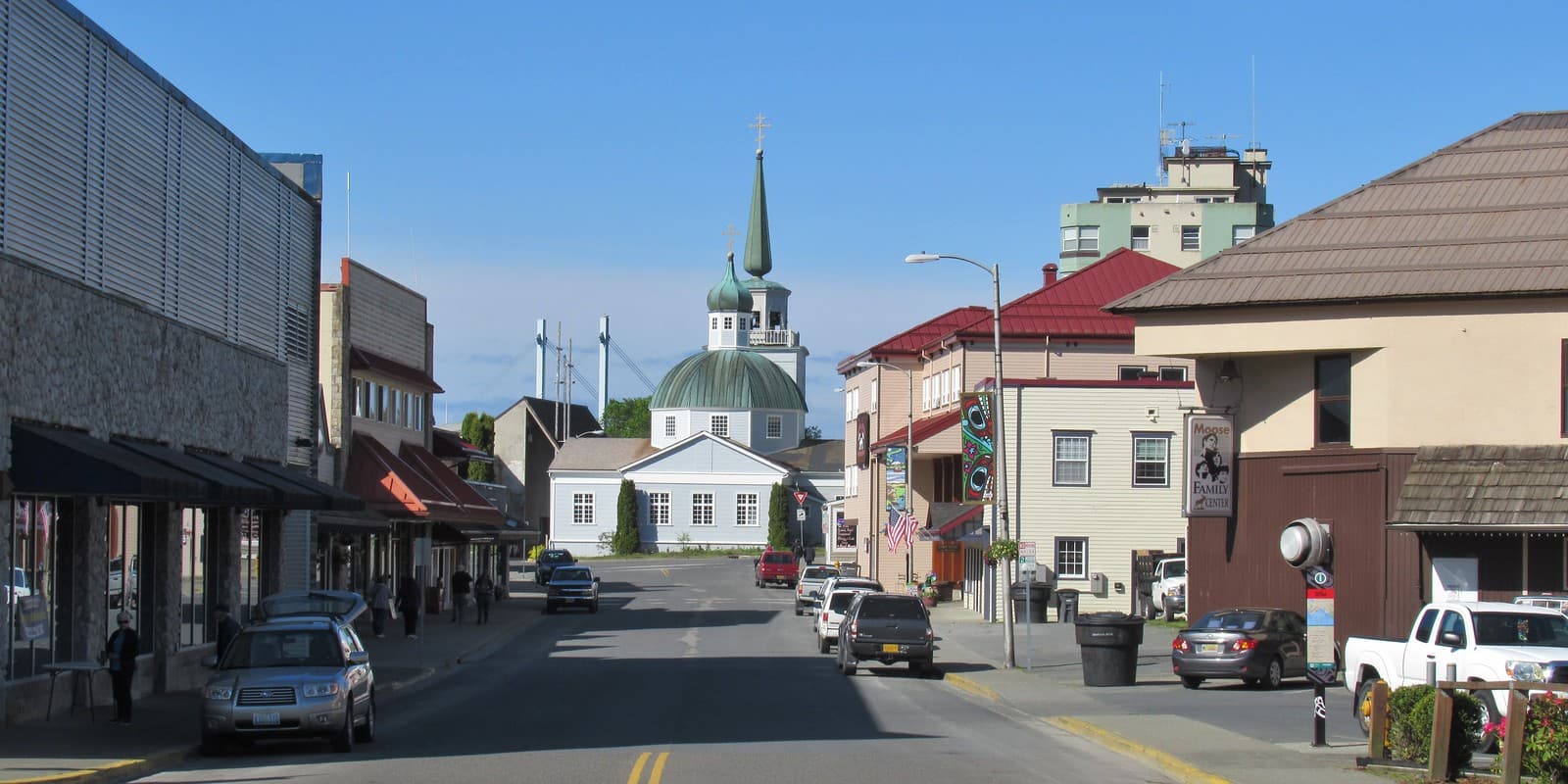
It's hard not to like Sitka, with its eclectic blend of Alaska Native, Russian, and American history and its dramatic and beautiful open-ocean setting. This is one of the best Inside Passage towns to explore on foot, with St. Michael's Cathedral, Sheldon Jackson Museum, Castle Hill, Sitka National Historical Park, and the Alaska Raptor Center topping the must-see list.Sitka was home to the Kiksádi clan of the Tlingit people for centuries prior to the 18th-century arrival of the Russians under the direction of territorial governor Alexander Baranof, who believed the region was ideal for the fur trade. The governor also coveted the Sitka site for its beauty, mild climate, and economic potential; in the island's massive timber forests he saw raw materials for shipbuilding. Its location offered trading routes as far west as Asia and as far south as California and Hawaii. In 1799 Baranof built St. Michael Archangel—a wooden fort and trading post 6 miles north of the present town.Strong disagreements arose shortly after the settlement. The Tlingits attacked the settlers and burned their buildings in 1802. Baranof, however, was away in Kodiak at the time. He returned in 1804 with a formidable force—including shipboard cannons—and attacked the Tlingits at their fort near Indian River, site of the present-day 105-acre Sitka National Historical Park, forcing many of them north to Chichagof Island.By 1821 the Tlingits had reached an accord with the Russians, who were happy to benefit from the tribe's hunting skills. Under Baranof and succeeding managers, the Russian-American Company and the town prospered, becoming known as the Paris of the Pacific. The community built a major shipbuilding and repair facility, sawmills, and forges, and even initiated an ice industry, shipping blocks of ice from nearby Swan Lake to the booming San Francisco market. The settlement that was the site of the 1802 conflict is now called Old Sitka. It is a state park and listed as a National Historic Landmark.The town declined after its 1867 transfer from Russia to the United States, but it became prosperous again during World War II, when it served as a base for the U.S. effort to drive the Japanese from the Aleutian Islands. Today its most important industries are fishing, government, and tourism.
Since Icy Strait Point opened in 2004, Hoonah has attracted more visitors, particularly those who arrive by cruise ship. The port is centered around the restored salmon cannery, which now houses a museum, local arts and crafts shops, restaurants, and a mid-1930s cannery line display. Outside is the world’s largest and highest zip line at 5,330 feet long, featuring a 1,300-foot vertical drop—a thrilling ride with fantastic views of the surrounding mountains and ocean. If you're looking for more relaxing mountaintop views, book a gondola ride that will whisk you up into the mountains for some leisurely hiking and stellar sightseeing. Icy Strait Point houses several restaurants where visitors can dine on freshly caught seafood while taking in the waterfront views. A range of excursions are available at Icy Strait Point catering primarily to cruise ship passengers, from Alaska Native dance performances to bear viewing and whale watching.
The Inian Islands are a collection of half a dozen small, rocky islands located at the Pacific Ocean at the end of the Icy Strait. The islands possess a particularly rich ecosystem, on land as in the sea with Steller sea lions, Tridactyl gulls, cormorants and sea otters calling the Inian Island home which you can explore further with a Zodiac® outing.
Unlike most cities of Southeast Alaska, Haines can be reached by road. With a population of 2,200, Haines lies in the upper northern reaches of the Inside Passage and is an important access point to the Yukon Territory and Interior Alaska. While cruising into Haines, see the Lynn Canal, the longest and deepest fjord in North America. Once in town, mountains seem to surround you on all sides while the jagged cathedral peaks of the Chilkat Mountains loom over Fort Seward. Haines has two distinct personalities. On the north side of the Haines Highway is the section of Haines that developed around the Presbyterian mission. After its missionary beginnings, it served as the trailhead for the Jack Dalton Trail into the Yukon during the 1897 gold rush to the Klondike. South of the highway, the town resembles a military post, which is exactly what it was for nearly half a century. In 1903 the U.S. Army established Fort William Henry Seward at Portage Cove just south of town. The post (renamed Chilkoot Barracks in 1922) was the only military base in the territory until World War II. In 1939, the army built the Alaska Highway and the Haines Highway to connect Alaska with the other states. Today, the community of Haines is recognized for the Native American dance and culture center at Fort Seward as well as for its superb fishing, camping and outdoor recreation.
Endicott Arm is a long fjord branching off Stephen’s Passage, the major inner passage heading southeast from Juneau. The easternmost tip of Endicott Arm nearly reaches the Canadian border. Like all the fords in this region, it was carved by glaciers during the last Ice Age which ended about 11,000 years ago. One either side of the fjord the steep, nearly vertical walls, rise to a height of about 370 meters or 1,200 feet. Sitka spruce and western hemlock trees manage to cling onto the rock faces, adding to the breath-taking beauty of the landscape.
Today, nature is your guide as you set out with the flexibility to take advantage of wildlife sightings and weather conditions. Explore along the shoreline by Zodiac and, if conditions permit, kayak close to the intertidal zone as you search for the creatures that inhabit this dynamic environment. Sightings of bald eagles are common. Cruise expansive coastlines, always watching for marine and terrestrial life.
Just 40 mi (66 km) south of the Alaskan border, Prince Rupert is the largest community on British Columbia's north coast. Set on Kaien Island at the mouth of the Skeena River and surrounded by deep green fjords and coastal rain forest, Prince Rupert is rich in the culture of the Tsimshian, people who have been in the area for thousands of years. As the western terminus of Canada's second transcontinental railroad and blessed with a deep natural harbor, Prince Rupert was, at the time of its incorporation in 1910, poised to rival Vancouver as a center for trans-Pacific trade. This didn't happen, partly because the main visionary behind the scheme, Grand Trunk Pacific Railroad president Charles Hays, went down with the Titanic on his way back from a financing trip to England. Prince Rupert turned instead to fishing and forestry. A port of call for both BC and Alaska ferries, but relatively new to cruise ships, this community of 15,000 retains a laid-back, small-town air.
Trace the wild and scenic coastline of British Columbia, exploring inlets and islands and watching for whales, bald eagles, bears, deer and other wildlife. Enjoy talks from your expedition team or relax with a book in the lounge or on the observation deck.
Vancouver is a delicious juxtaposition of urban sophistication and on-your-doorstep wilderness adventure. The mountains and seascape make the city an outdoor playground for hiking, skiing, kayaking, cycling, and sailing—and so much more—while the cuisine and arts scenes are equally diverse, reflecting the makeup of Vancouver's ethnic (predominantly Asian) mosaic. Vancouver is consistently ranked as one of the world's most livable cities, and it's easy for visitors to see why. It's beautiful, it's outdoorsy, and there's a laidback West Coast vibe. On the one hand, there's easy access to a variety of outdoor activities, a fabulous variety of beaches, and amazing parks. At the same time, the city has a multicultural vitality and cosmopolitan flair. The attraction is as much in the range of food choices—the fresh seafood and local produce are some of North America's best—as it is in the museums, shopping, and nightlife.Vancouver's landscaping also adds to the city's walking appeal. In spring, flowerbeds spill over with tulips and daffodils while sea breezes scatter scented cherry blossoms throughout Downtown; in summer office workers take to the beaches, parks, and urban courtyards for picnic lunches and laptop meetings. More than 8 million visitors each year come to Vancouver, Canada's third-largest metropolitan area. Because of its peninsula location, traffic flow is a contentious issue. Thankfully, Vancouver is wonderfully walkable, especially in the downtown core. The North Shore is a scoot across the harbor, and the rapid-transit system to Richmond and the airport means that staying in the more affordable ’burbs doesn't have to be synonymous with sacrificing convenience. The mild climate, exquisite natural scenery, and relaxed outdoor lifestyle keep attracting residents, and the number of visitors is increasing for the same reasons. People often get their first glimpse of Vancouver when catching an Alaskan cruise, and many return at some point to spend more time here.
About the Ship
Name
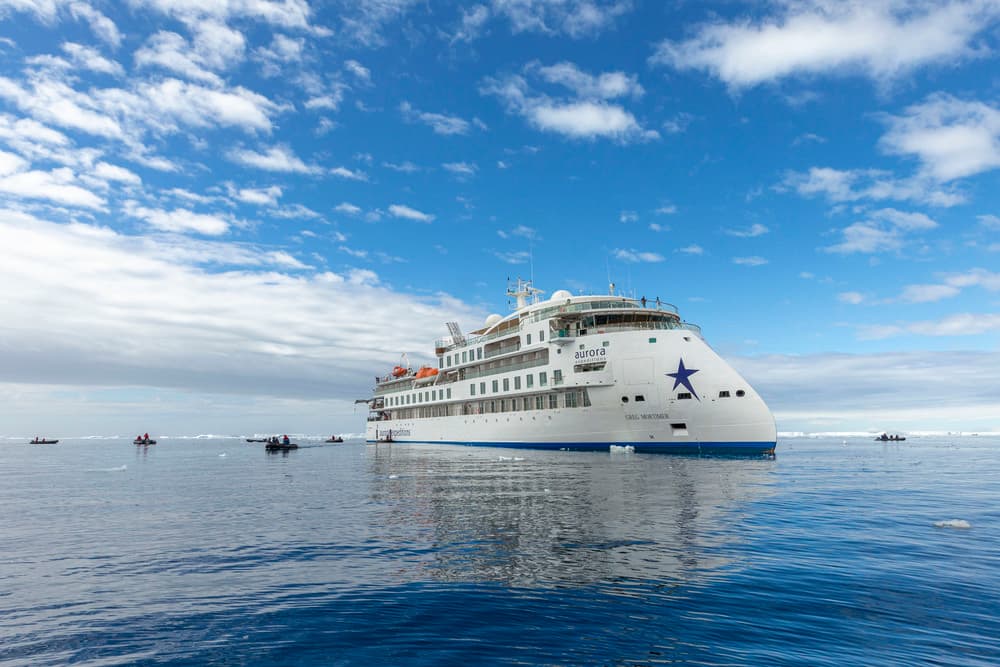
Greg Mortimer
Operator
National Geographic - Lindblad Expeditions

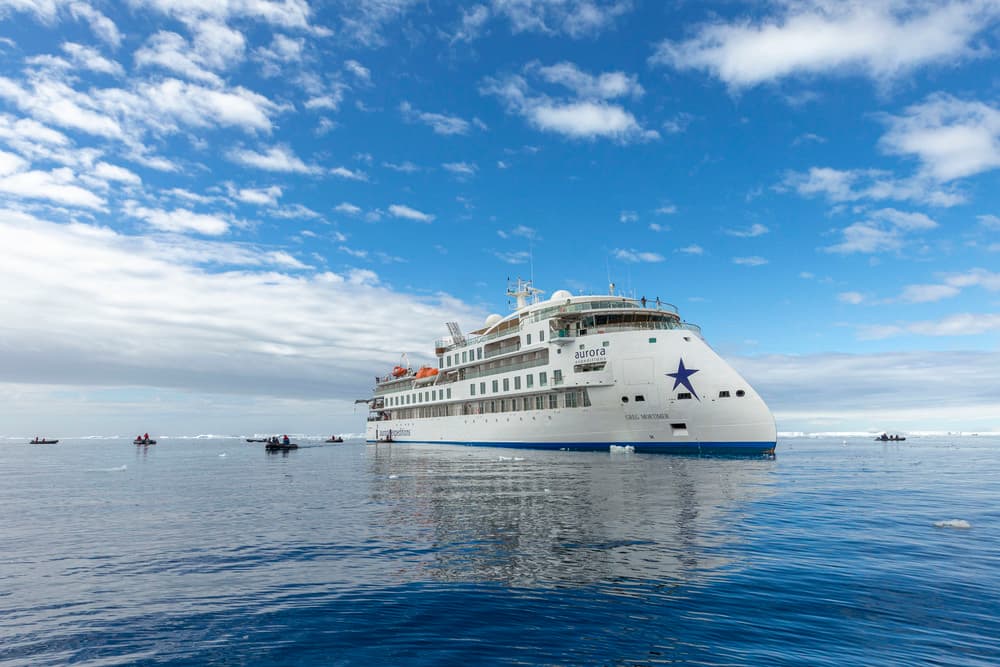
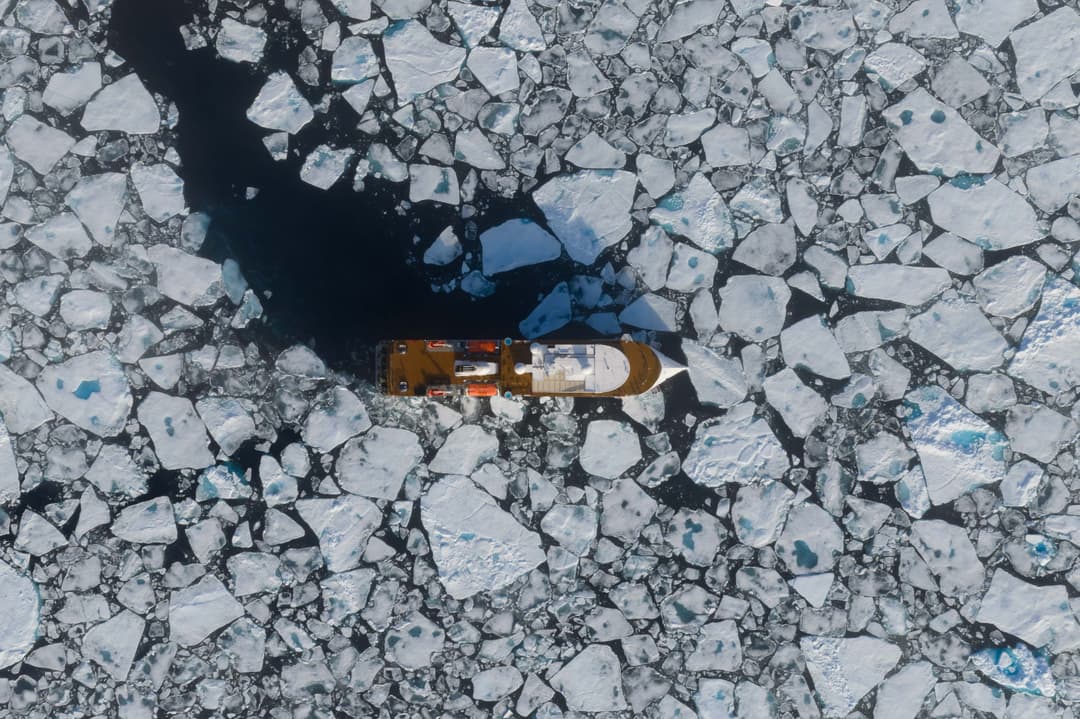
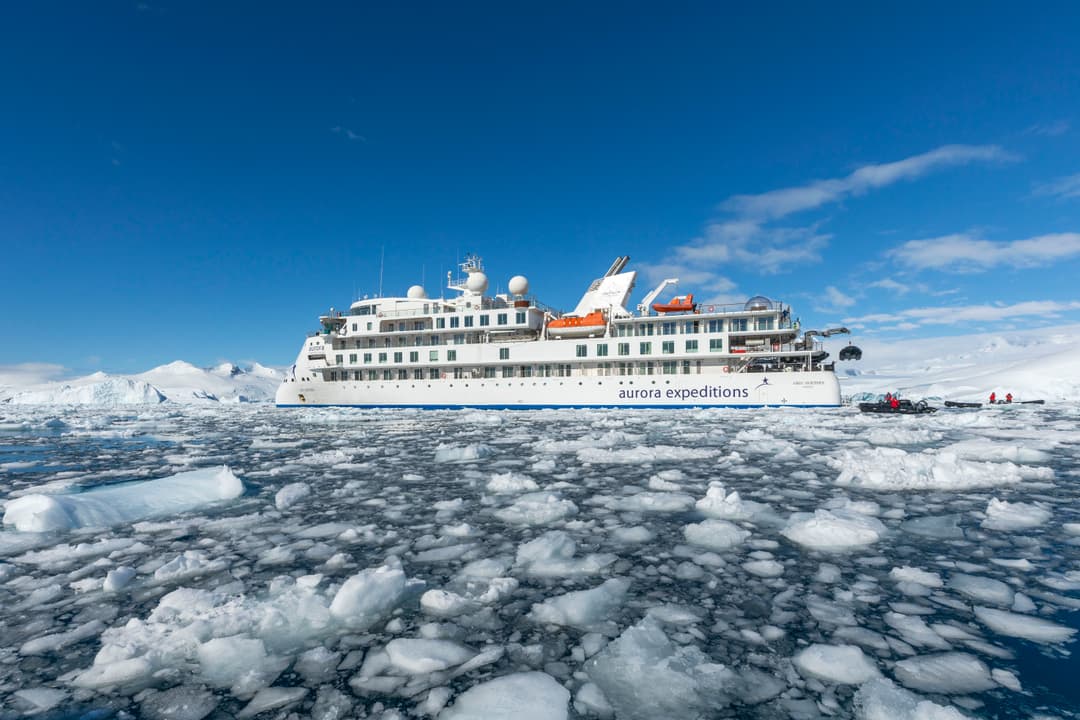
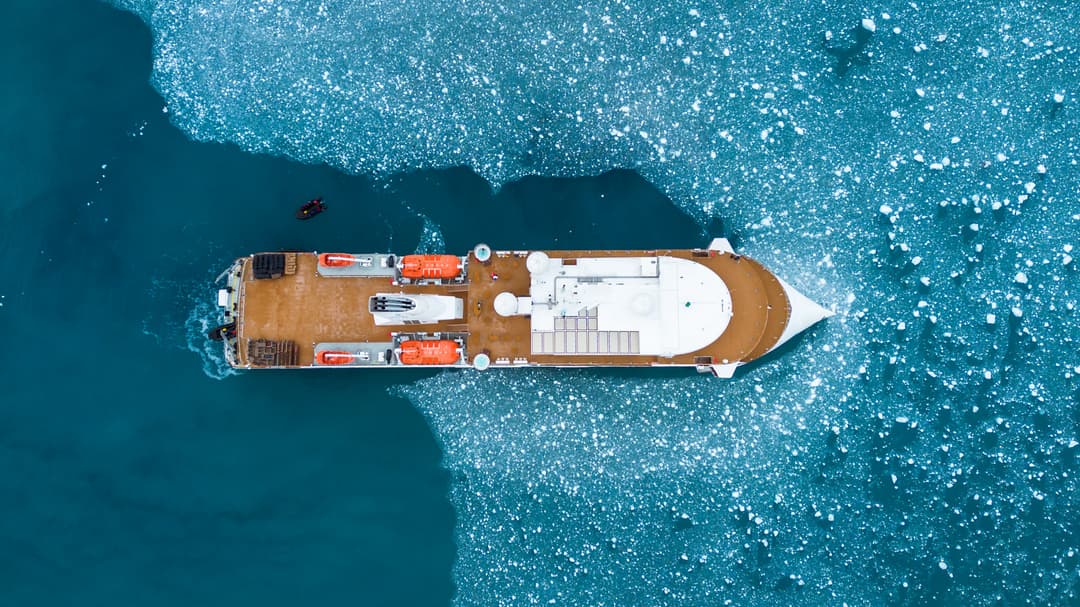
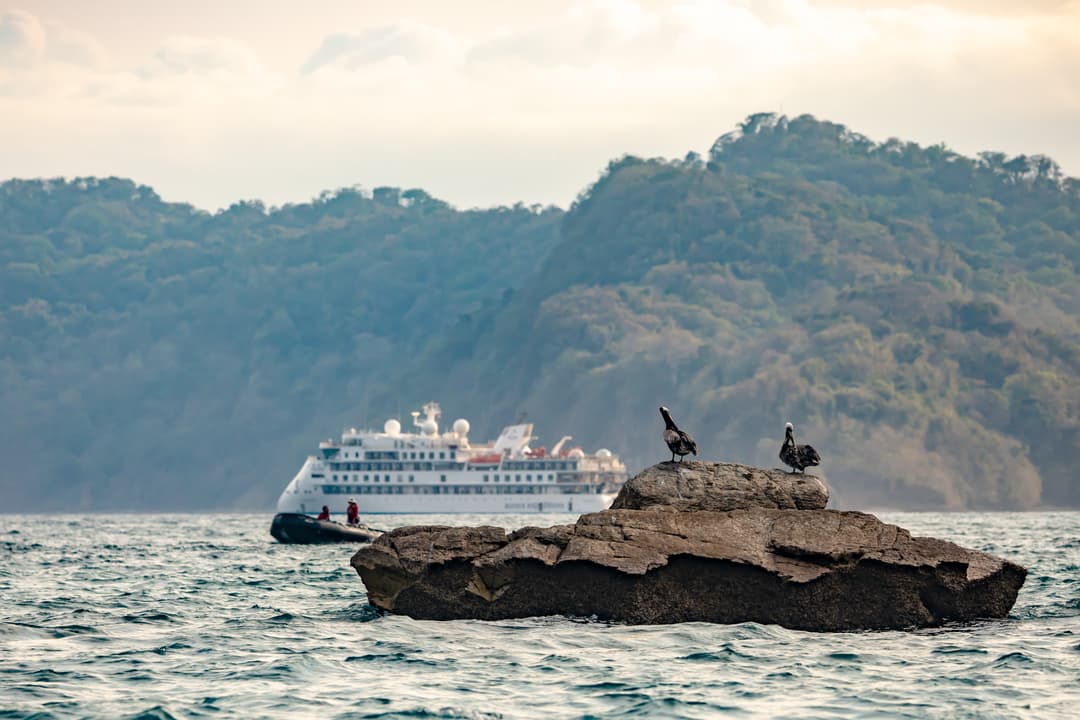
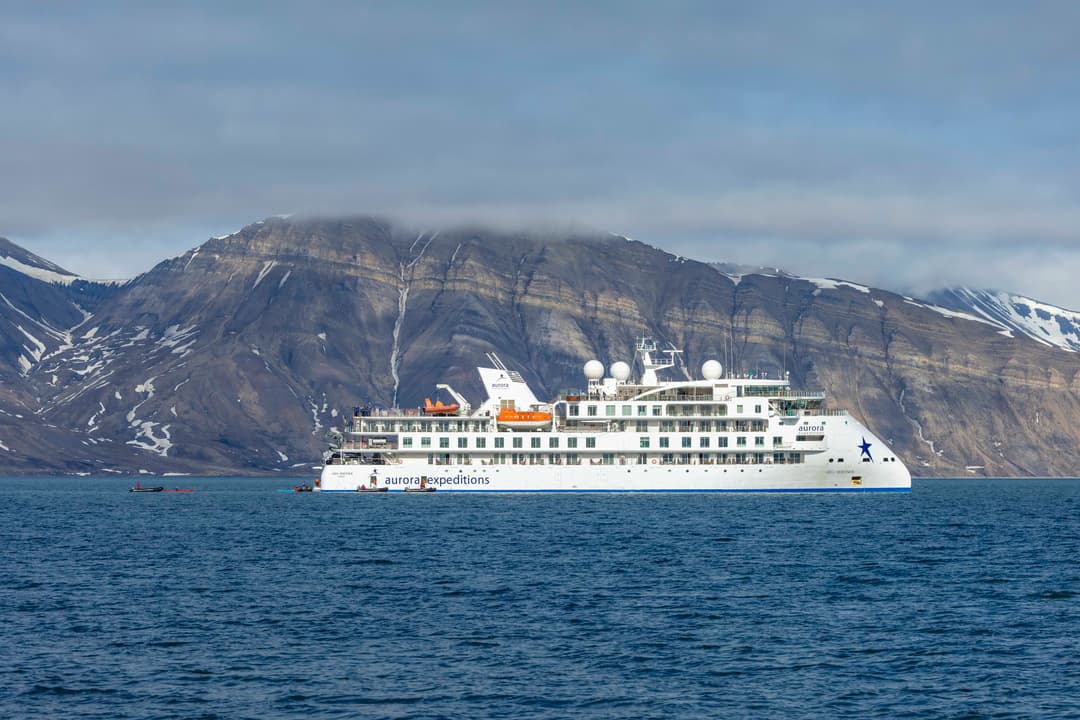
Launched in 2019, the Greg Mortimer is a cutting-edge expedition vessel purpose-built to explore the polar regions—and it brings that same spirit of adventure to Alaska’s glacial waters.
Loading...
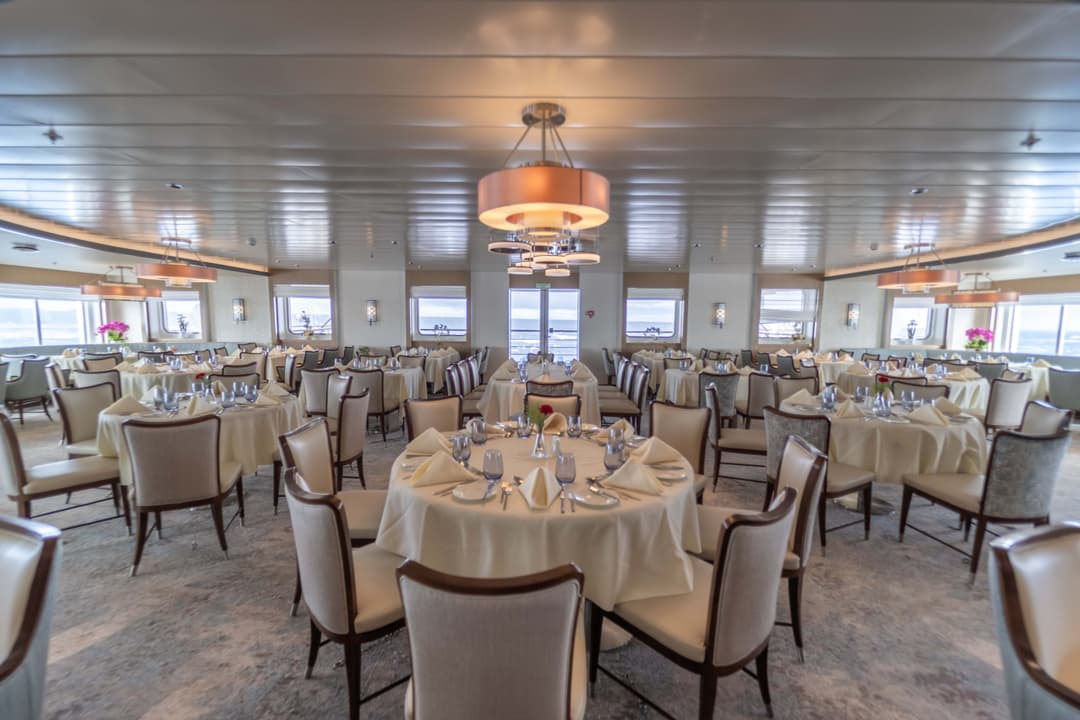
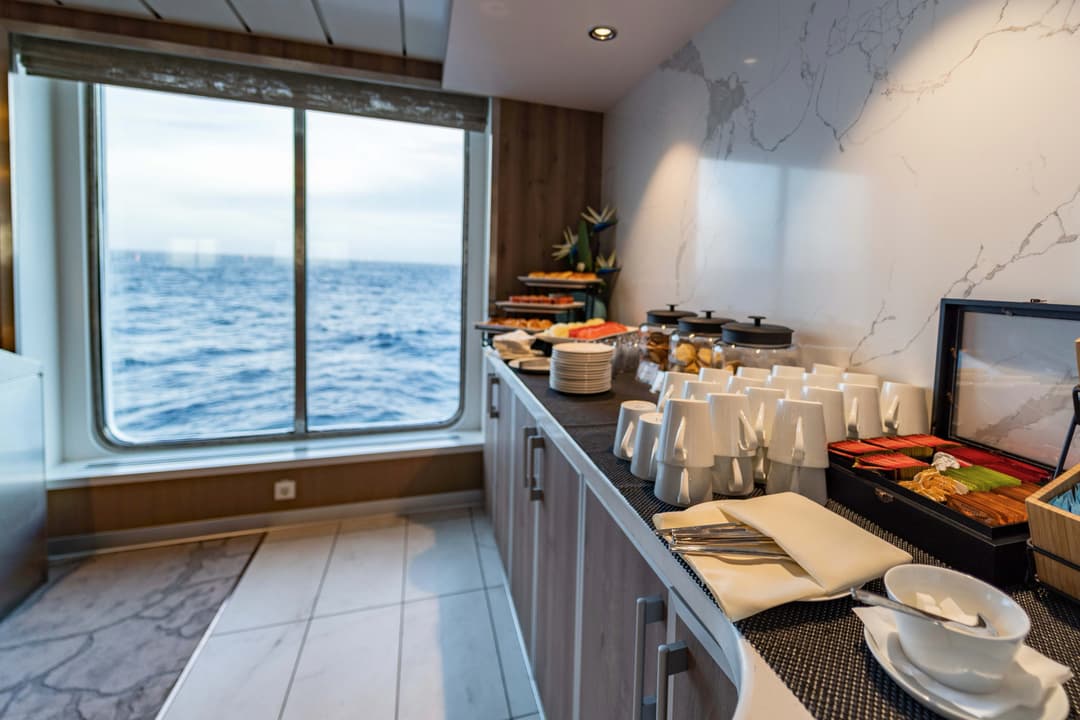
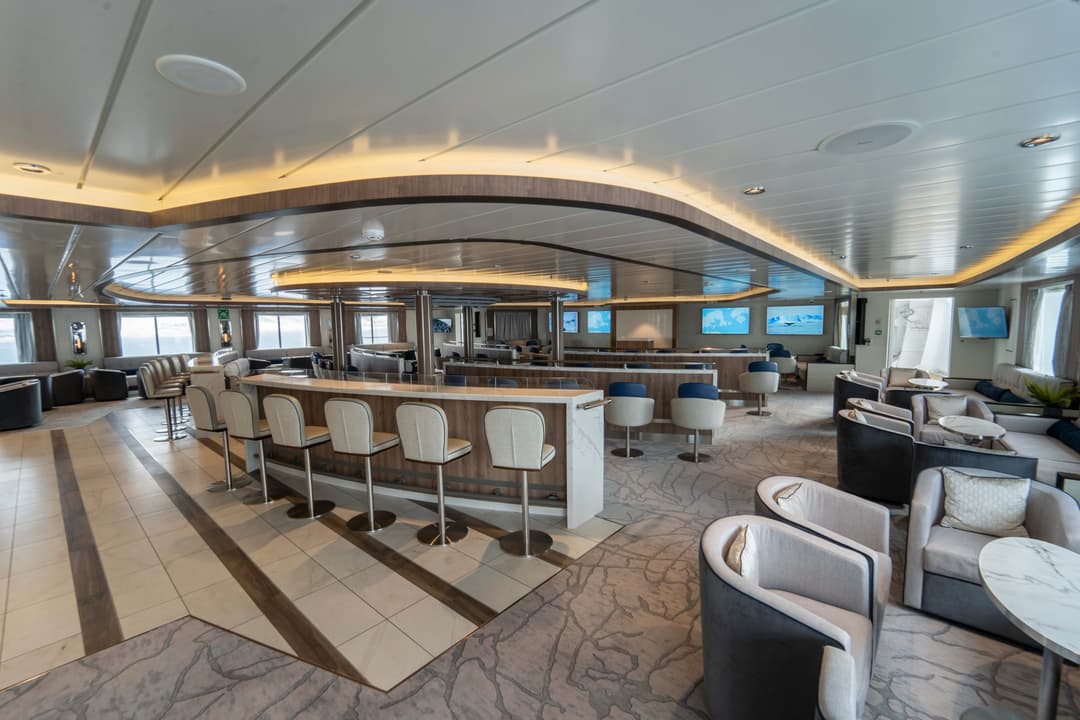
The Greg Mortimer blends modern comfort with expedition spirit, offering abundant spaces to unwind and engage with the landscapes around you. Take in sweeping views from the observation lounge or outdoor decks, relax in the library with refreshments, and enjoy wellness amenities ranging from saunas to open-air Jacuzzis. With expert presentations, open Bridge access and purpose-built viewing areas, every corner of the ship deepens your connection to the wildlife, coastlines and extraordinary natural beauty of Alaska.
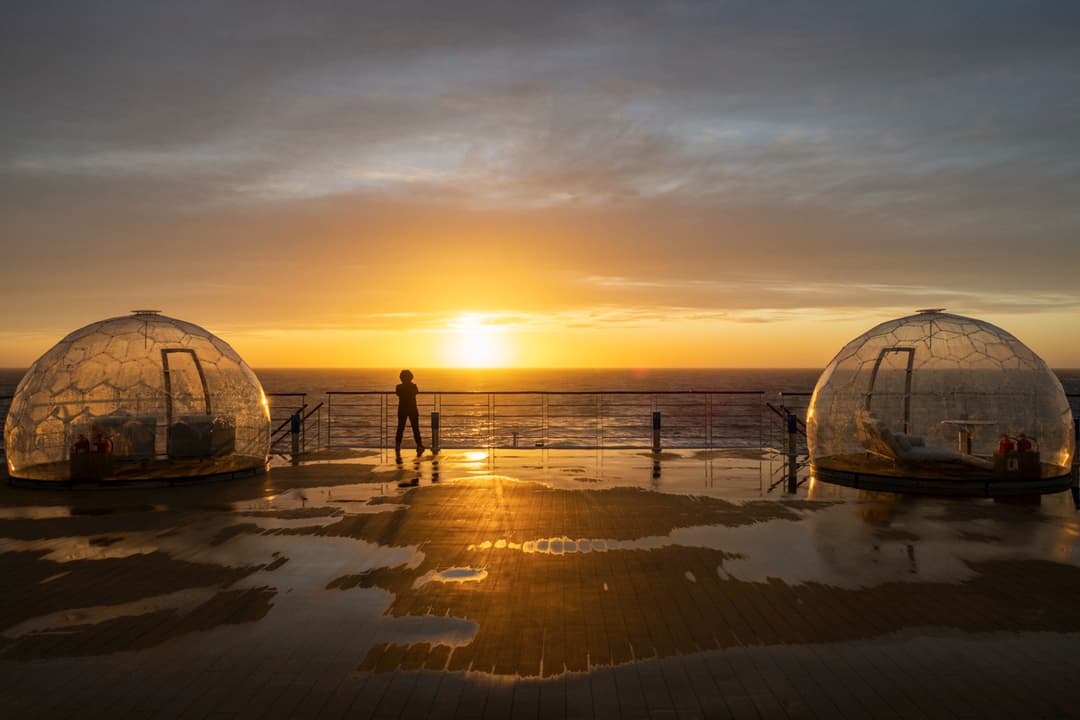
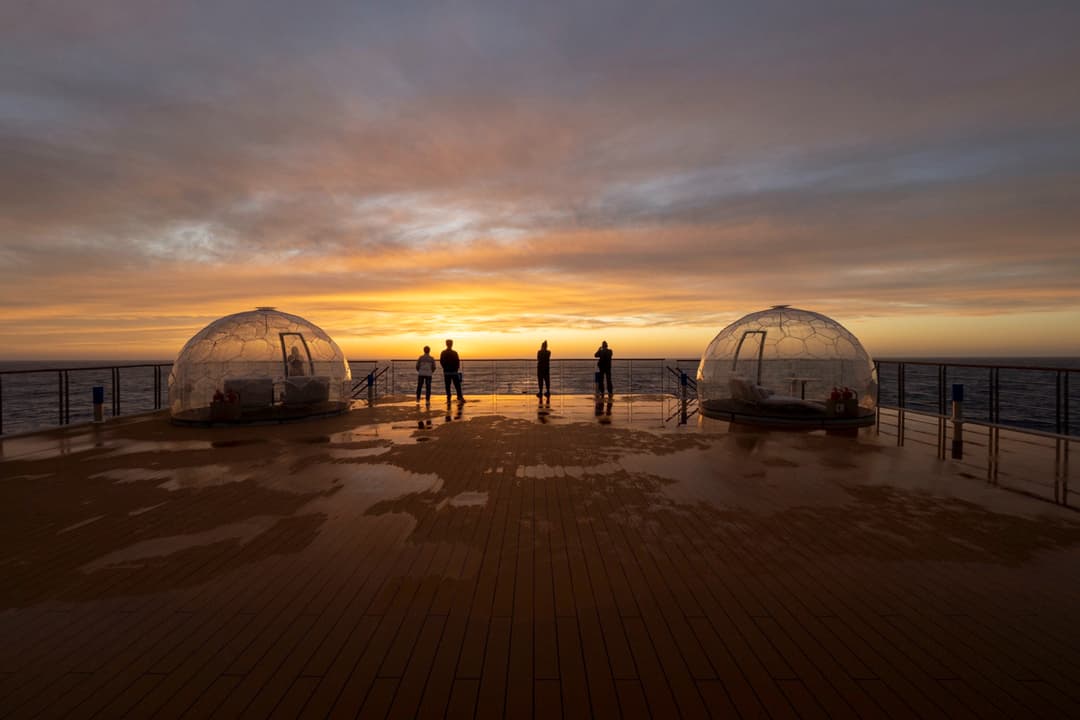

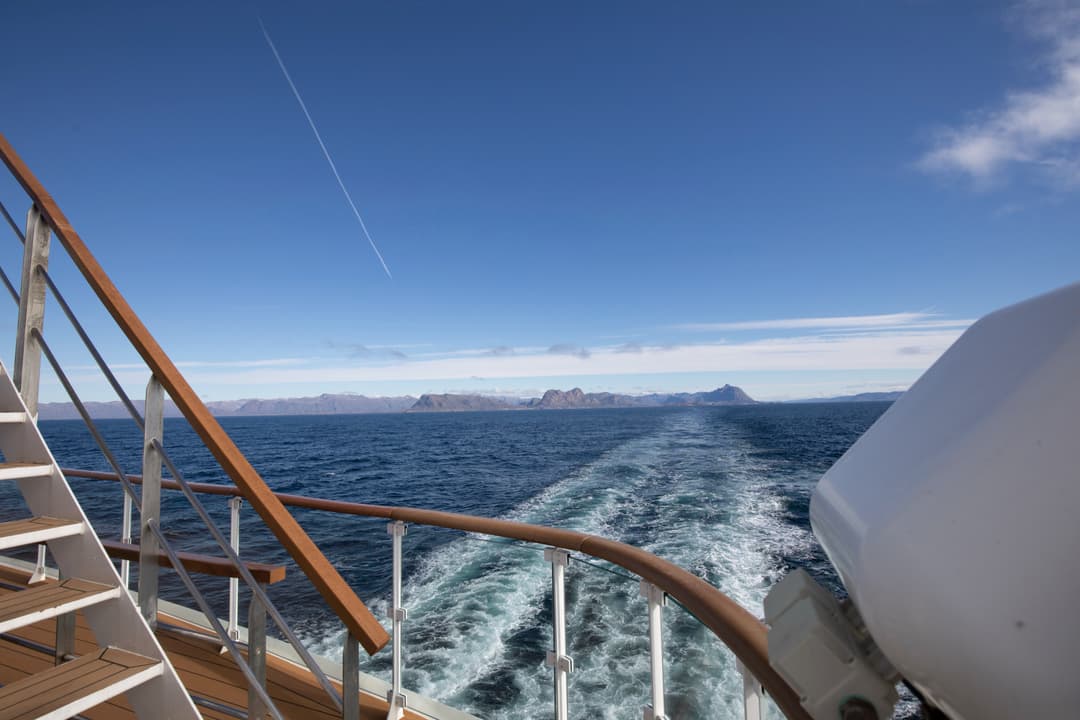

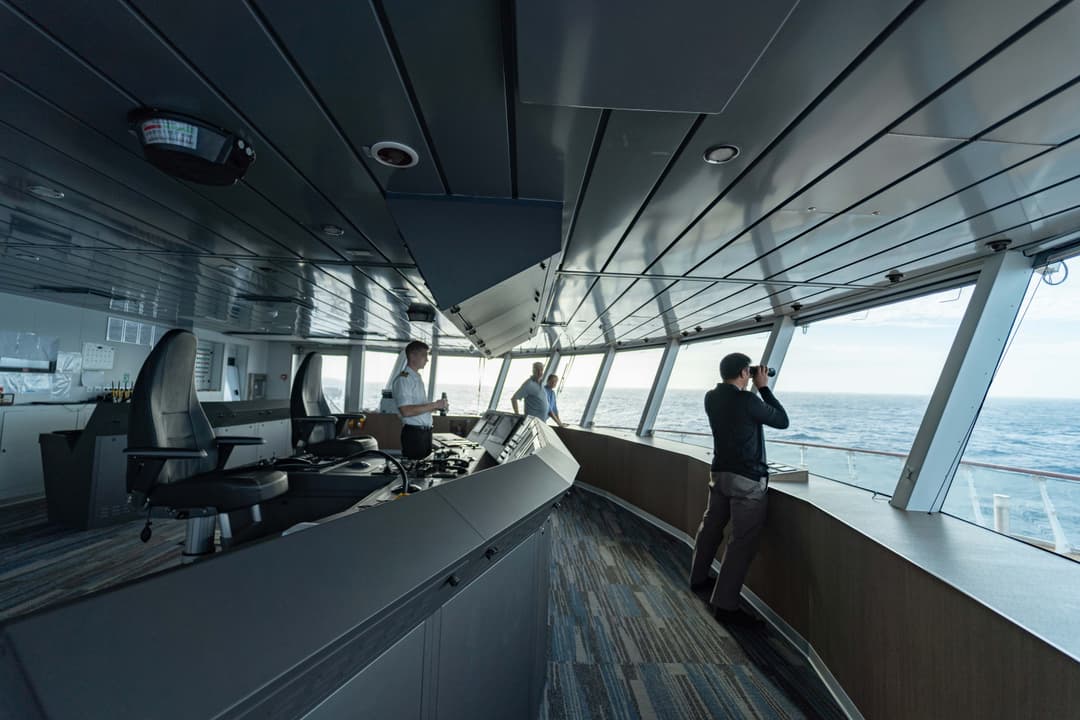
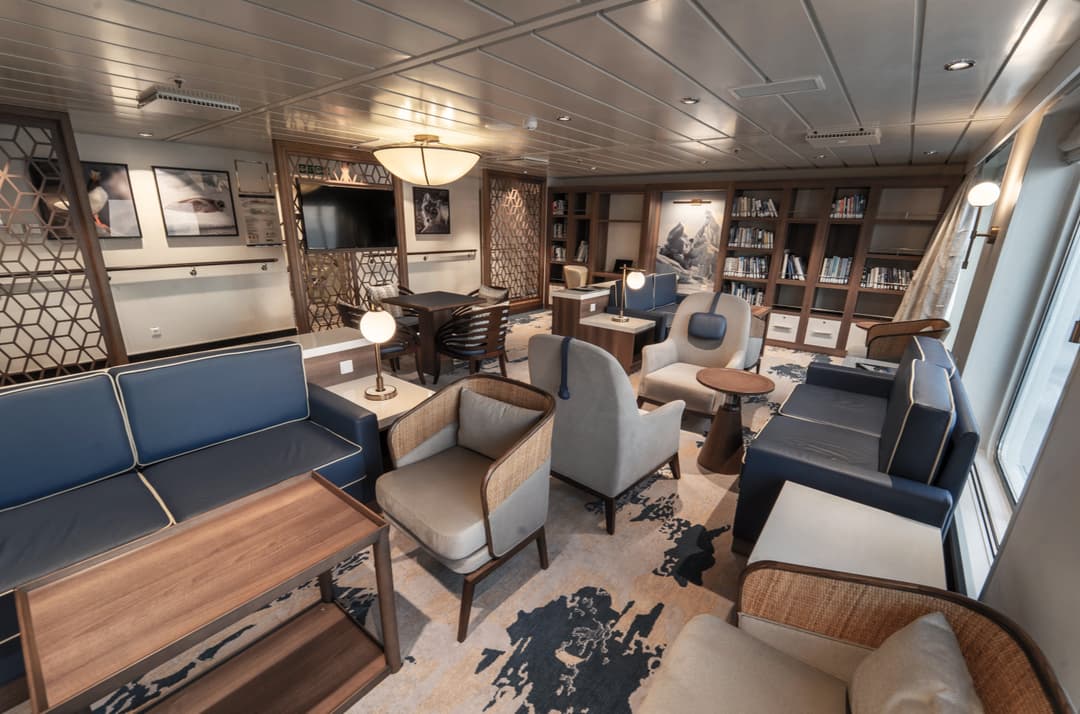
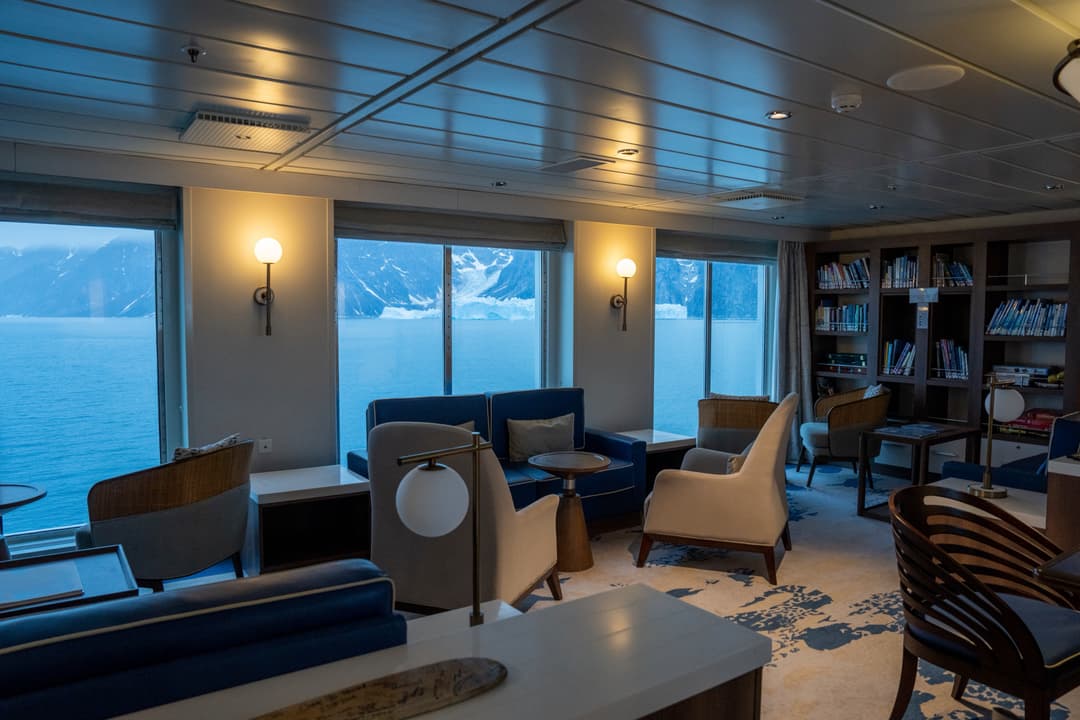
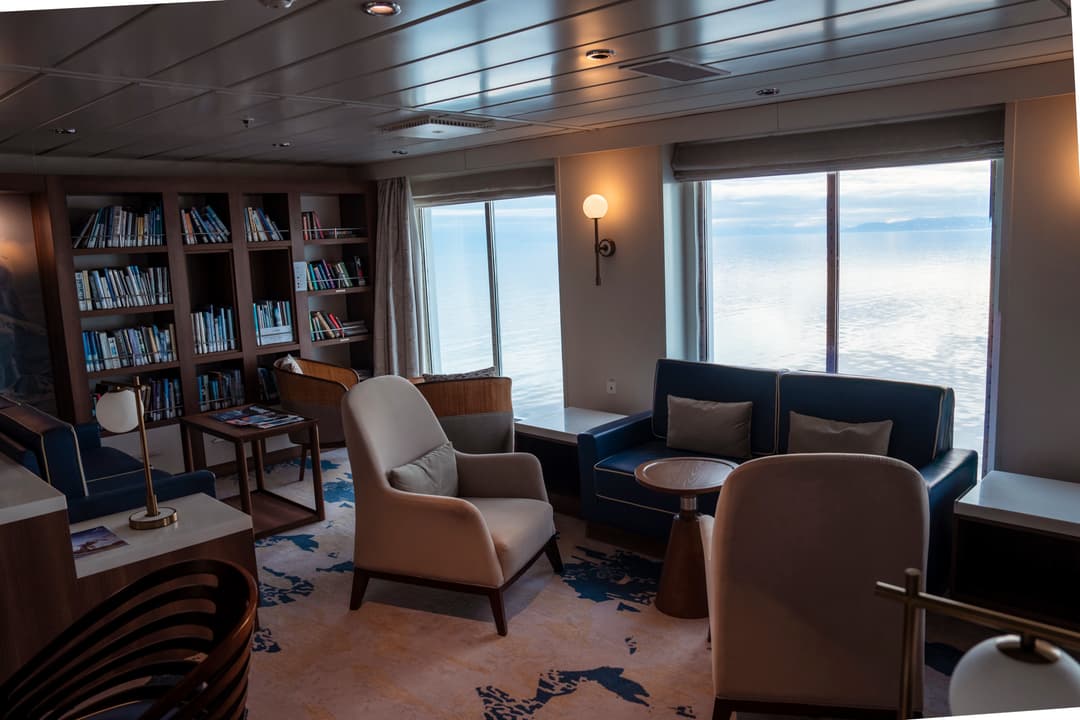
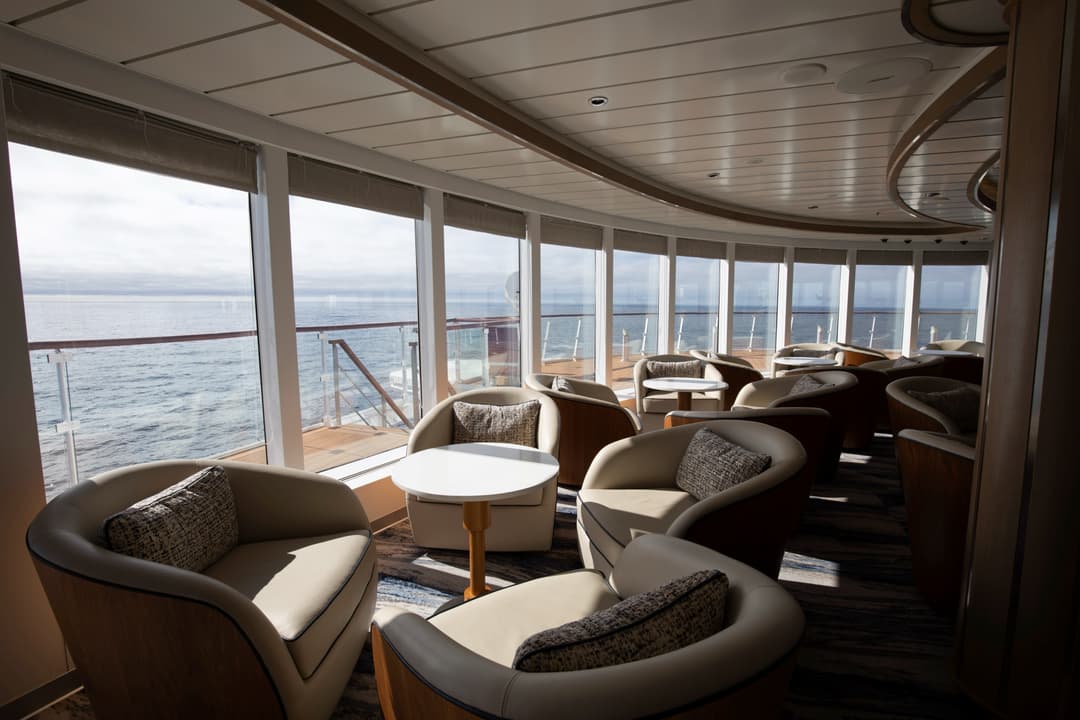
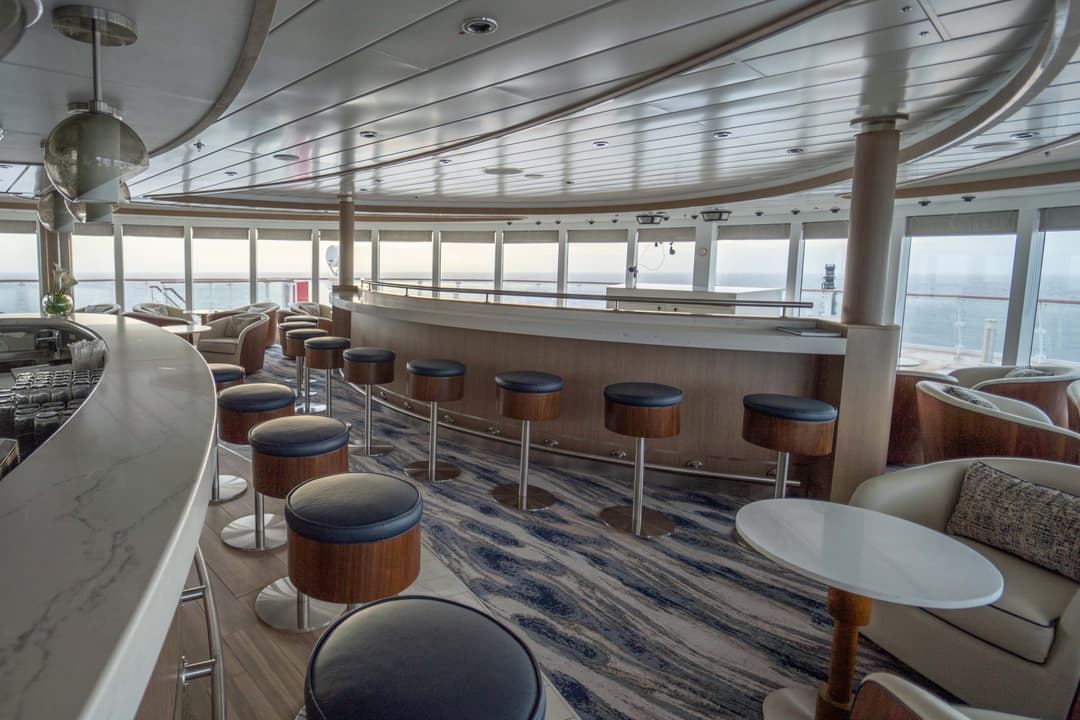
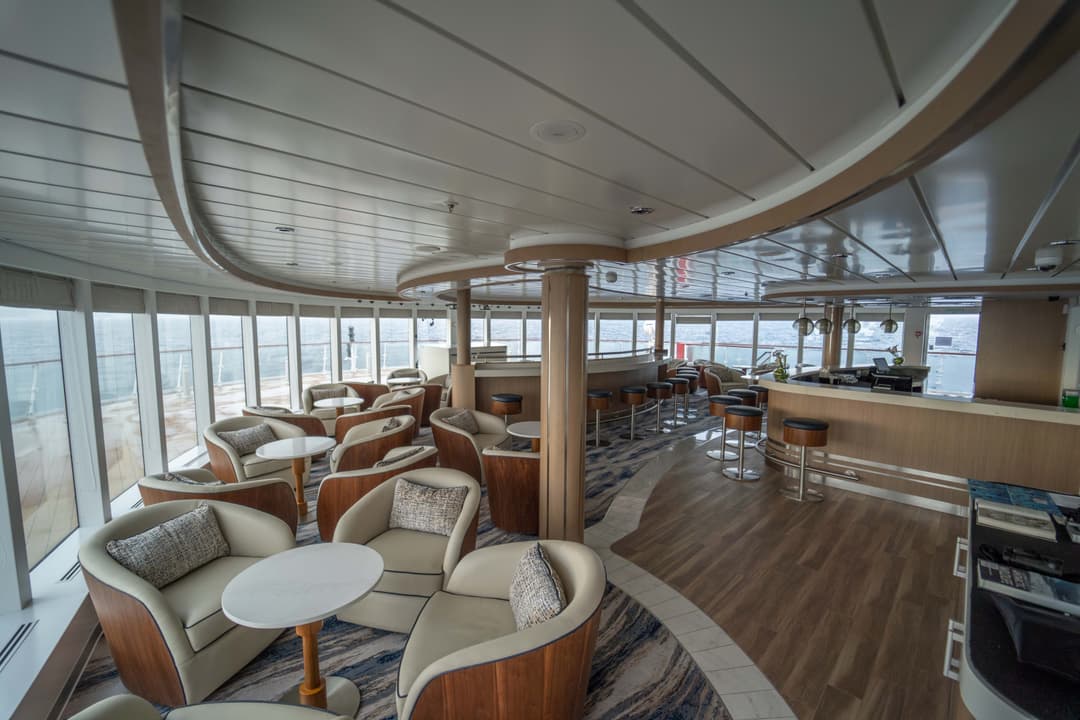
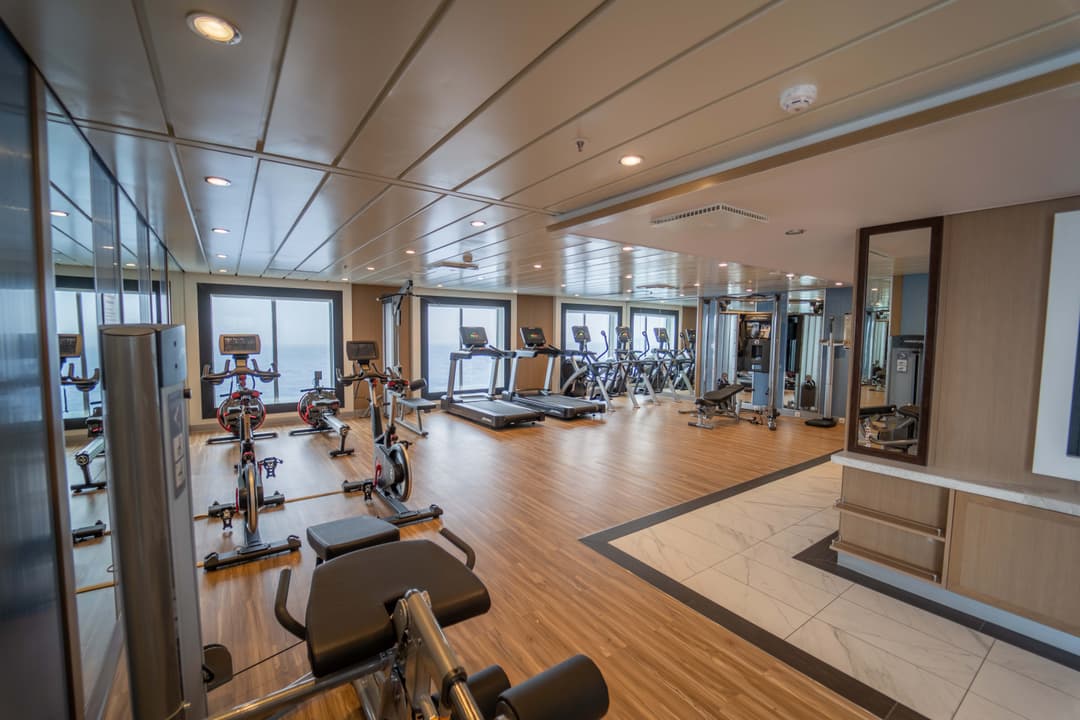
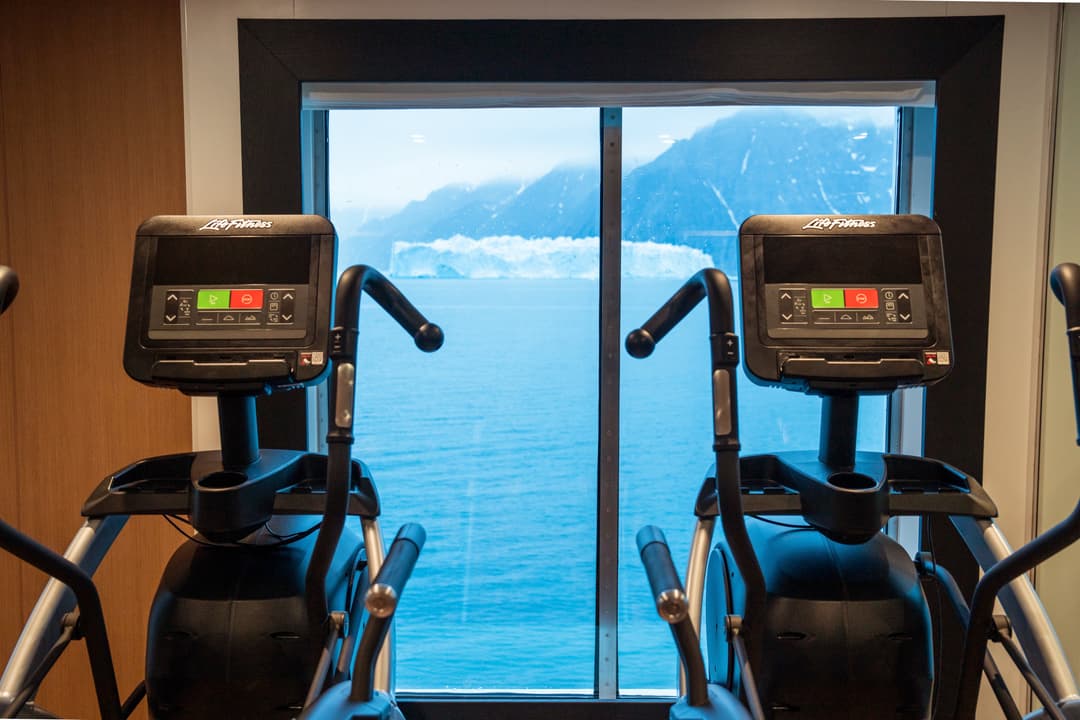
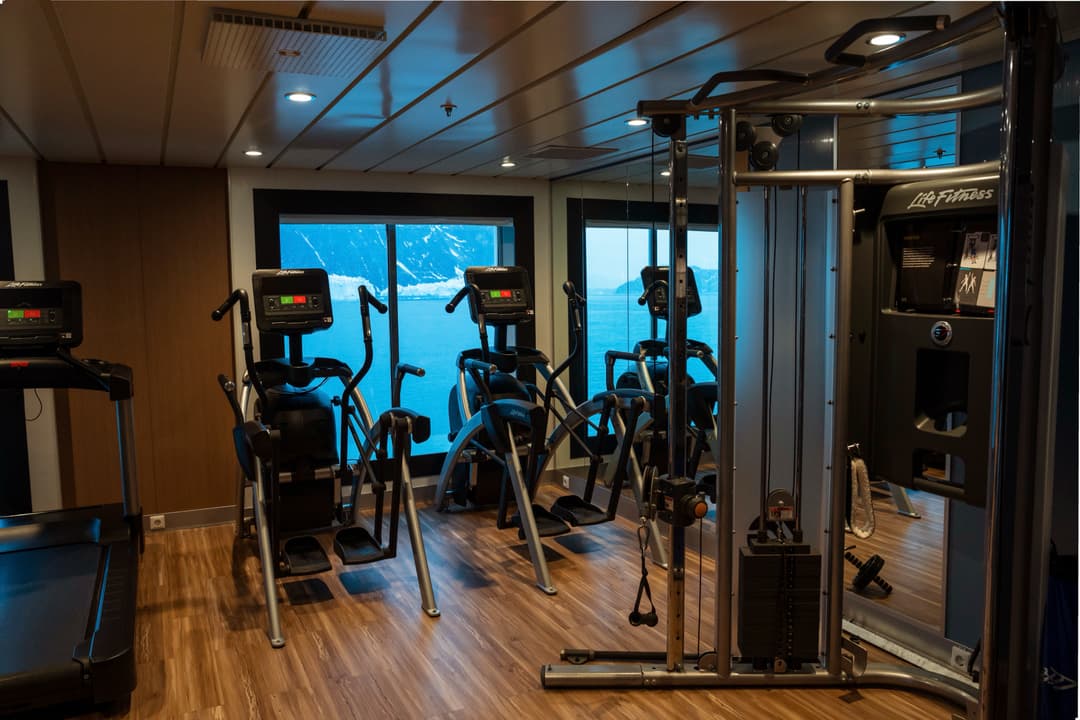
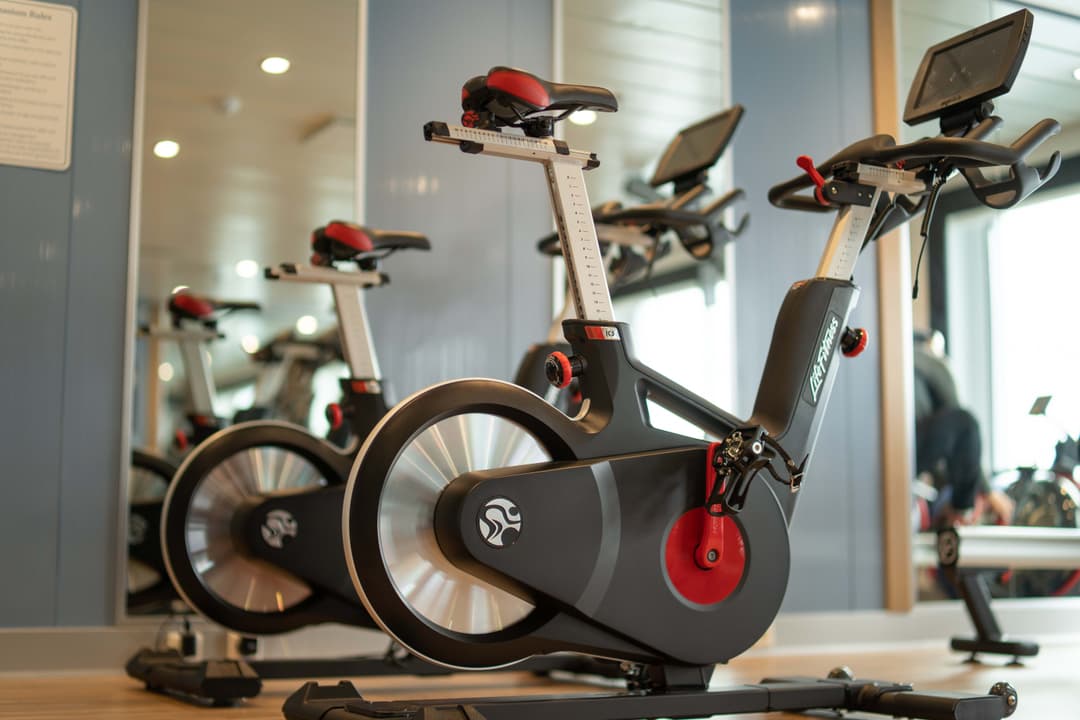
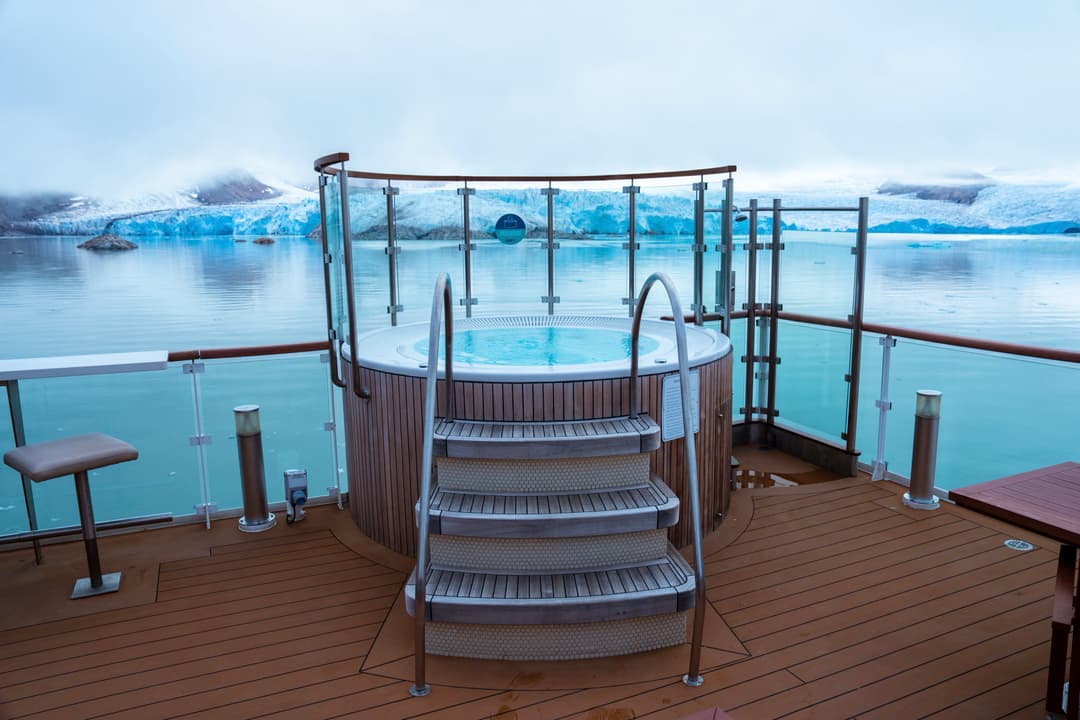
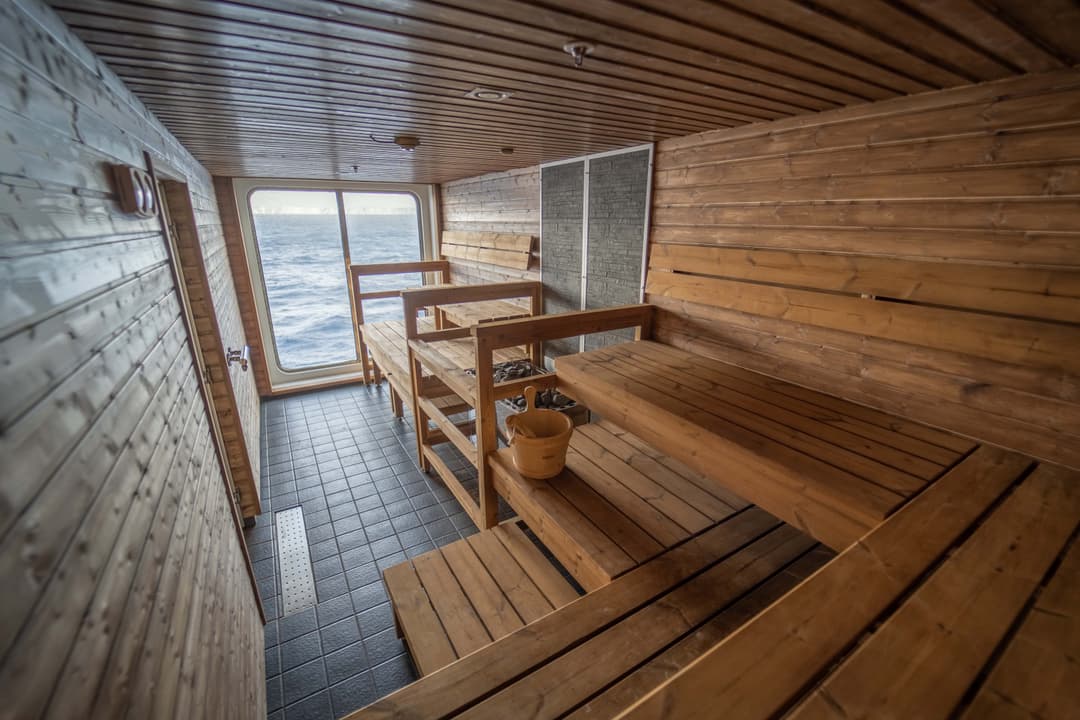
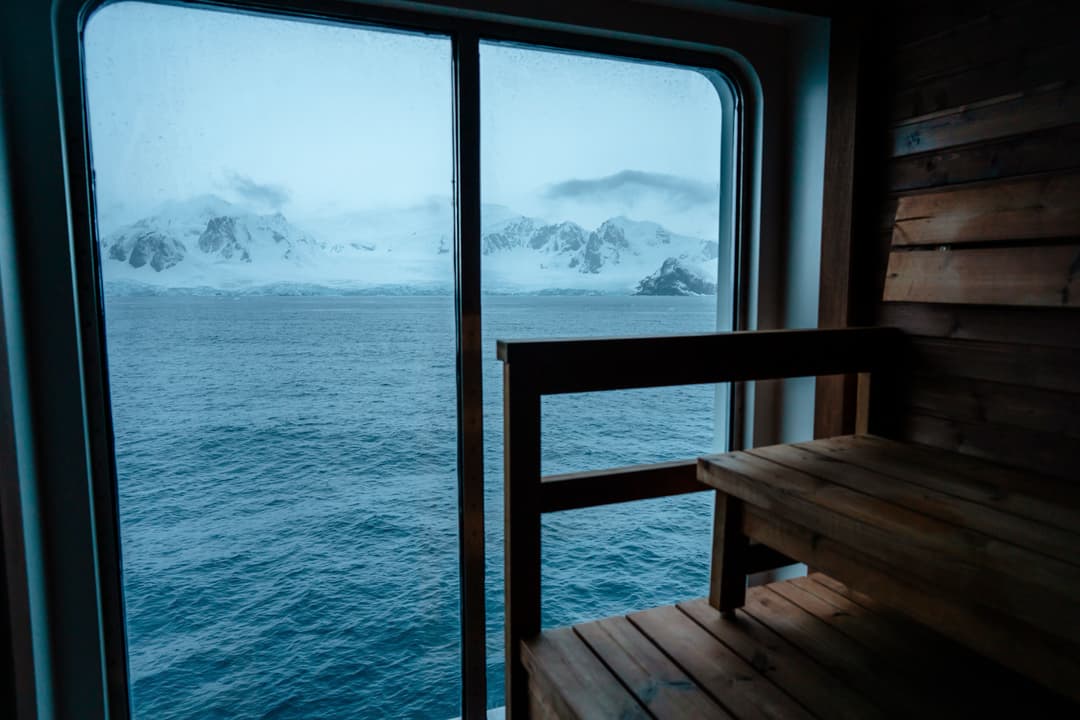
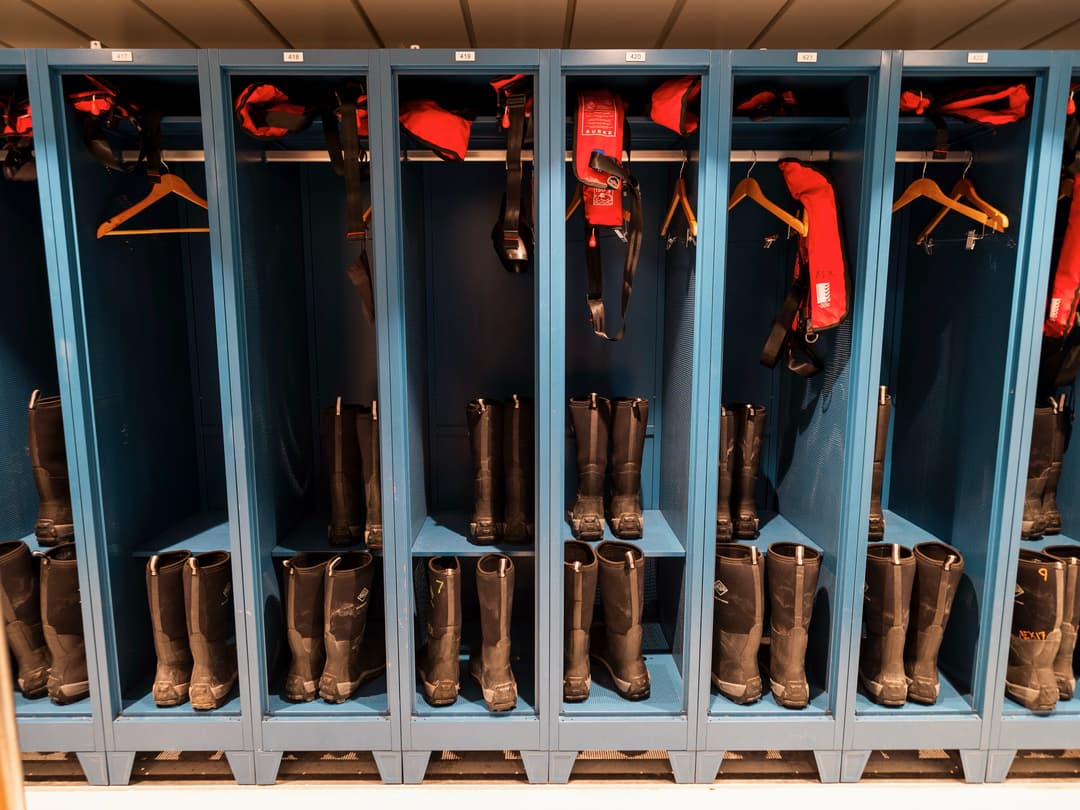
Purpose-built for exploration, she features expansive observation decks, hydraulic viewing platforms and four Zodiac launch platforms that quickly bring guests close to Alaska’s wild waterways.
Sail from the glacier-carved coasts of Alaska to the cedar-lined shores of British Columbia on a voyage through the heart of the Inside Passage. Navigate fjords shaped by ice and time, where whales surface in calm waters and forested mountains rise through the mist. Along the way, visit communities that embody a deep connection between culture and nature, from Alaska’s Tlingit traditions to British Columbia’s maritime heritage. Each day brings....
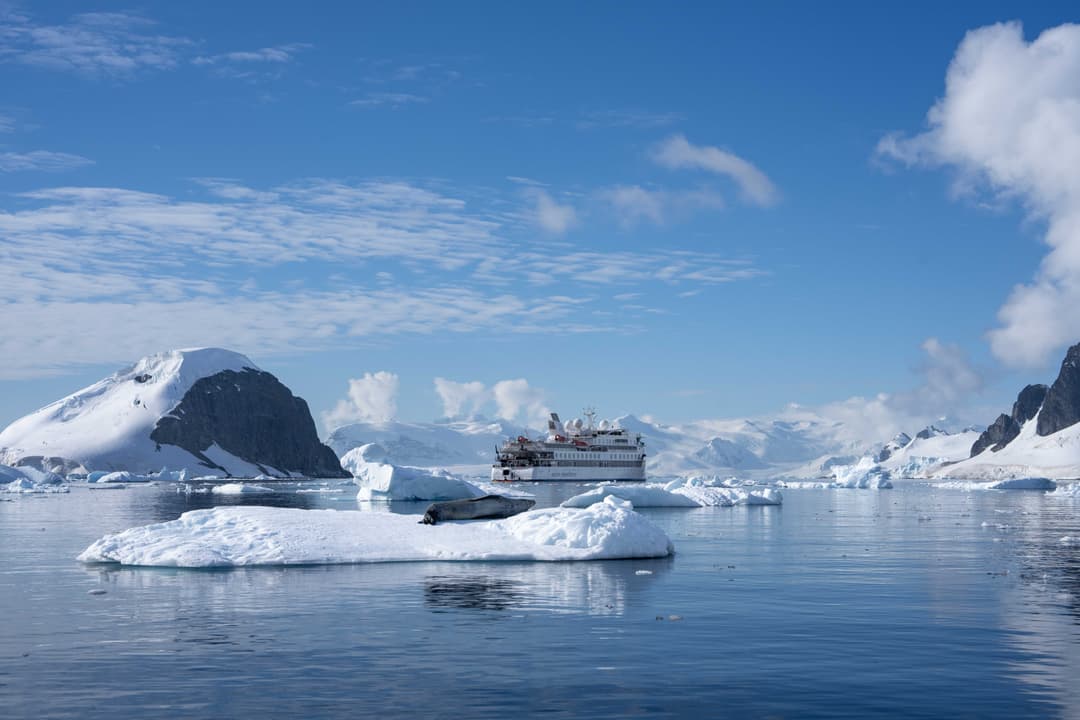
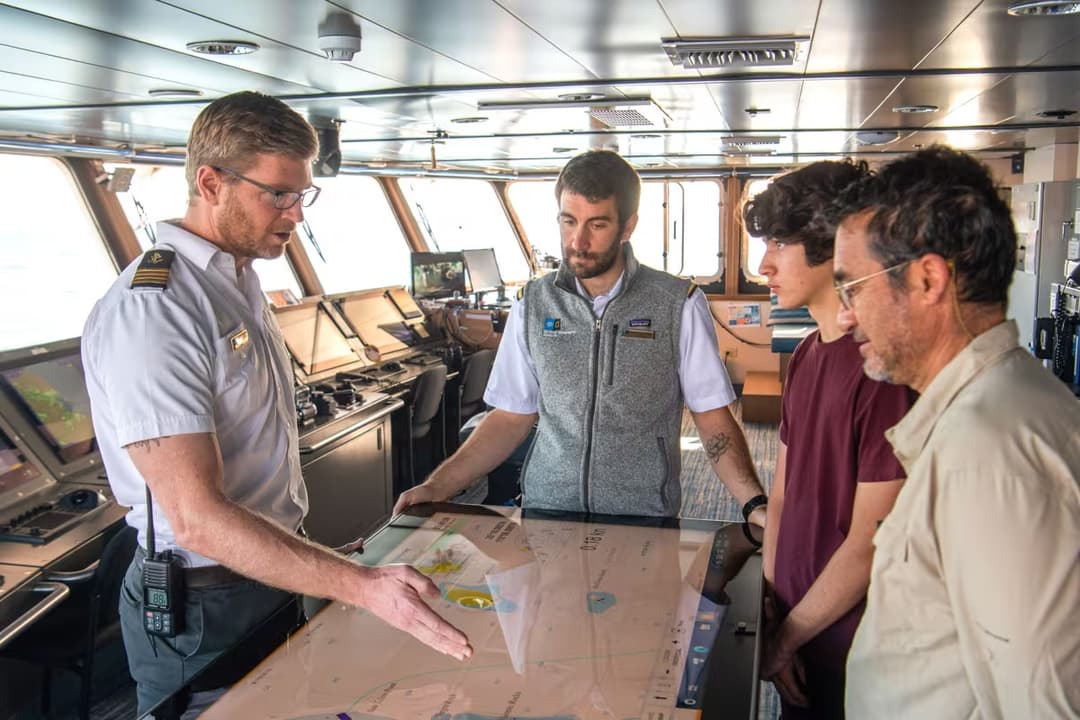
Our captains, crew, staff and guides make up the most experienced team in the industry—committed to making every voyage unforgettable. Veteran captains, with decades at sea, are experts at navigating in all conditions, while seasoned naturalists bring advanced knowledge in fields such as geology, wildlife biology and climate science. Many of these professionals have been with us for decades, and their insights bring each destination to life in....
An innovative expedition vessel that blends cutting-edge design with immersive onboard experiences, delivering unforgettable encounters with Alaska.
- The first passenger ship to feature the inverted Ulstein X-BOW, which glides through waves for a smoother, more fuel-efficient journey.
- Purpose-built for exploration, she features expansive observation decks, hydraulic viewing platforms and four Zodiac launch platforms th....