

Arctic Edges: Iceland Westfjords to East Greenland
CRUISE ID # LINDBLADEXWIGR-270626
Reykjavík TO Reykjavík
$7,600
WITH SPECIAL SAVINGS APPLIED
FARES SHOWN ARE PER GUEST
Suites & Fares
CHOOSE START DATE
: June 26, 2027
Itinerary
Sprawling Reykjavík, the nation's nerve center and government seat, is home to half the island's population. On a bay overlooked by proud Mt. Esja (pronounced eh-shyuh), with its ever-changing hues, Reykjavík presents a colorful sight, its concrete houses painted in light colors and topped by vibrant red, blue, and green roofs. In contrast to the almost treeless countryside, Reykjavík has many tall, native birches, rowans, and willows, as well as imported aspen, pines, and spruces.Reykjavík's name comes from the Icelandic words for smoke, reykur, and bay, vík. In AD 874, Norseman Ingólfur Arnarson saw Iceland rising out of the misty sea and came ashore at a bay eerily shrouded with plumes of steam from nearby hot springs. Today most of the houses in Reykjavík are heated by near-boiling water from the hot springs. Natural heating avoids air pollution; there's no smoke around. You may notice, however, that the hot water brings a slight sulfur smell to the bathroom.Prices are easily on a par with other major European cities. A practical option is to purchase a Reykjavík City Card at the Tourist Information Center or at the Reykjavík Youth Hostel. This card permits unlimited bus usage and admission to any of the city's seven pools, the Family Park and Zoo, and city museums. The cards are valid for one (ISK 3,300), two (ISK 4,400), or three days (ISK 4,900), and they pay for themselves after three or four uses a day. Even lacking the City Card, paying admission (ISK 500, or ISK 250 for seniors and people with disabilities) to one of the city art museums (Hafnarhús, Kjarvalsstaðir, or Ásmundarsafn) gets you free same-day admission to the other two.
Enjoy a leisurely morning at sea learning about Iceland and its incredible biodiversity. Join your expedition staff on the bow of the ship as you keep watch for the close to 20 different whale species that call the Westfjords home.
Spend the afternoon on the remote eastern side of the Westfjords, an area difficult to access but boasting spectacular beauty and rich history. The tiny town of Djúpavík held its place on the map because of the golden age of herring. During its heyday in the 1930s, its herring plant was the largest concrete structure in Iceland. The plant closed in 1954 but remains as a small museum and a memory of the rich productivity of the herring industry in Iceland. Visit the museum and learn about the significance of this resource to all of Iceland in the 20th century as well as choose from active options in the surrounding mountainsides.
Skagafjörður is the gateway to north Iceland, known for its glacial rivers, Icelandic horses and saga history. Take a float trip on the Jökulsá River or visit a historic rural turf farm to understand rural life in Iceland, including the iconic Icelandic horses. Finally, learn about Grettir the Strong, and the saga named after him, by exploring Drangey Island and spotting the multitudes of birds that call the island home like kittiwakes, shearwaters and possibly even ravens and gyrfalcons.
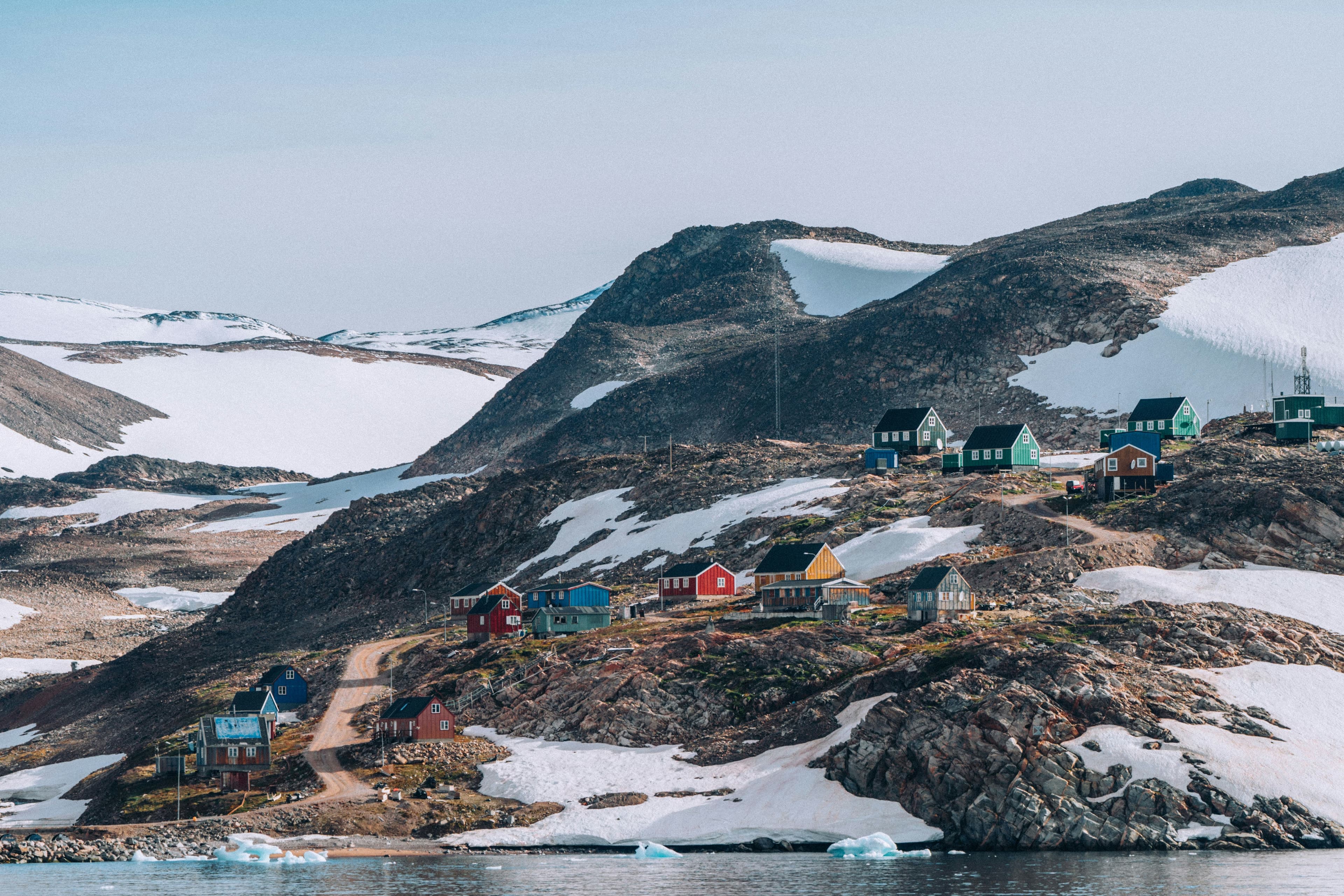
Strike out across the Denmark Strait to the wild shores of East Greenland, where exploration is shaped by the Arctic’s ever-changing ice. On June departures, sea ice typically lines the coast, guiding your journey through vast floes as you navigate among sculpted icebergs. These departures also bring shifting fog that rolls across the ice floes, formed where warm continental air meets the polar ice moving southward. By July and August, fjords often begin to open. When conditions permit, venture into these dramatic waterways and potentially make landings along the coast, with opportunities for hiking, kayaking or Zodiac cruising.
As you explore these remote waters, keep watch from the Bridge or deck for humpbacks, beluga whales and seals—and, with luck, the elusive polar bear.
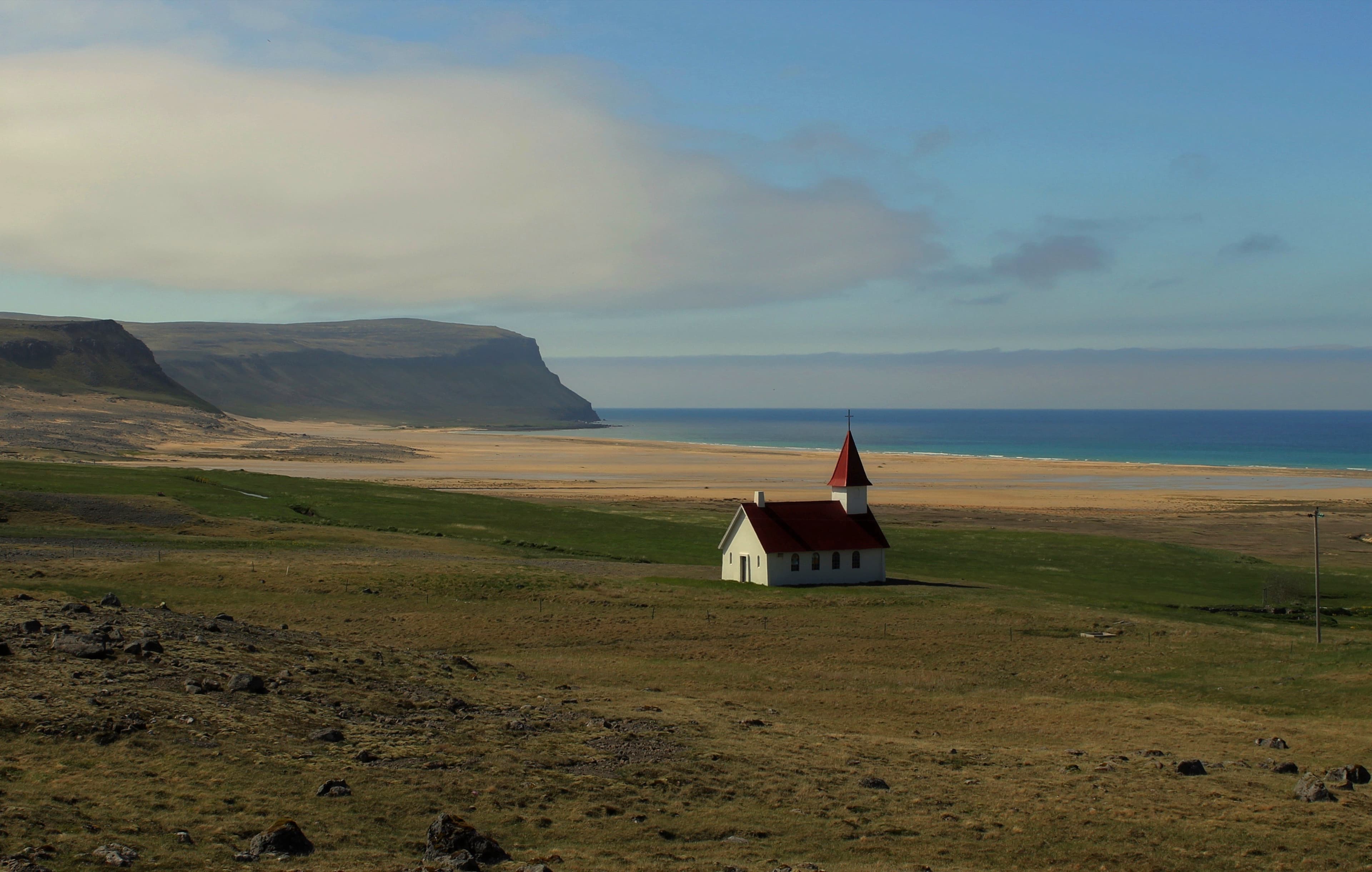
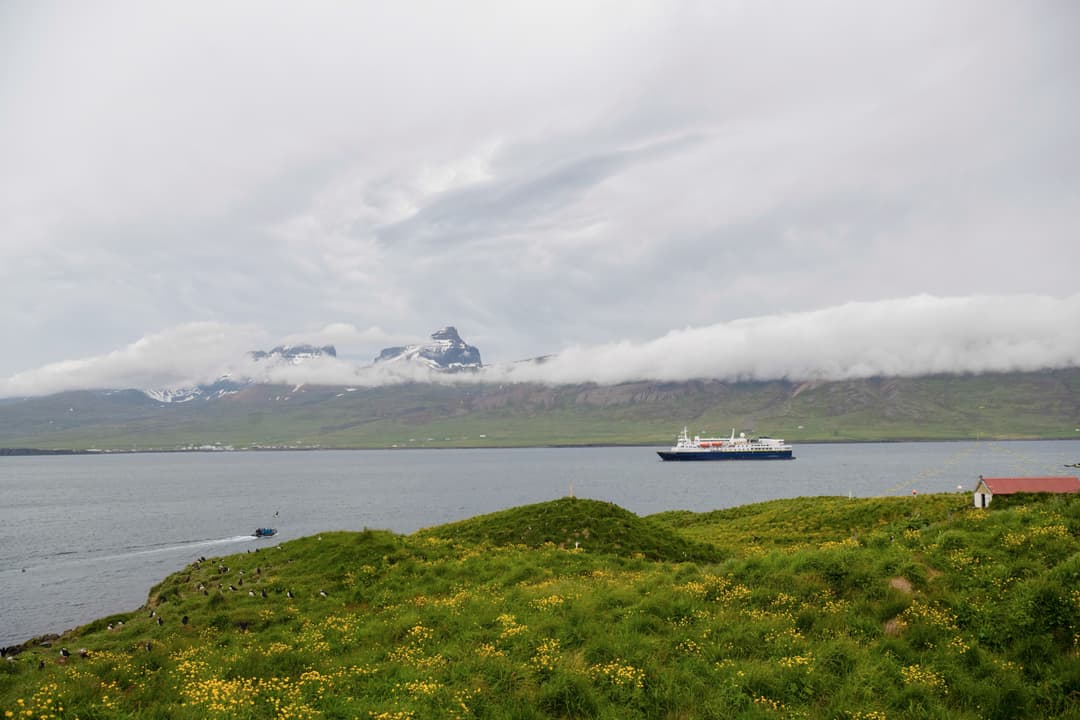
Explore the beautiful and peaceful Westfjords region of Iceland. Enter Ísafjarðardjúp and land at Vigur Island to visit an eider farm where you’ll learn about the traditional eiderdown collection and cleaning process as well as their prolific bird colonies. Walk over the boardwalks amongst their puffin colony, a shared project between Lindblad Expeditions and the island owners to develop a safer environment for the puffins along with a better infrastructure for local scientists to study the birds. As the ship transits back through the fjord, make your way out to the railings to spot some of the whales that call this region home. The next day explore yet another stunning, remote fjord with expedition activities, including hiking along fjord trails to a dramatic waterfall cascading down from the high plateaus above.
Sprawling Reykjavík, the nation's nerve center and government seat, is home to half the island's population. On a bay overlooked by proud Mt. Esja (pronounced eh-shyuh), with its ever-changing hues, Reykjavík presents a colorful sight, its concrete houses painted in light colors and topped by vibrant red, blue, and green roofs. In contrast to the almost treeless countryside, Reykjavík has many tall, native birches, rowans, and willows, as well as imported aspen, pines, and spruces.Reykjavík's name comes from the Icelandic words for smoke, reykur, and bay, vík. In AD 874, Norseman Ingólfur Arnarson saw Iceland rising out of the misty sea and came ashore at a bay eerily shrouded with plumes of steam from nearby hot springs. Today most of the houses in Reykjavík are heated by near-boiling water from the hot springs. Natural heating avoids air pollution; there's no smoke around. You may notice, however, that the hot water brings a slight sulfur smell to the bathroom.Prices are easily on a par with other major European cities. A practical option is to purchase a Reykjavík City Card at the Tourist Information Center or at the Reykjavík Youth Hostel. This card permits unlimited bus usage and admission to any of the city's seven pools, the Family Park and Zoo, and city museums. The cards are valid for one (ISK 3,300), two (ISK 4,400), or three days (ISK 4,900), and they pay for themselves after three or four uses a day. Even lacking the City Card, paying admission (ISK 500, or ISK 250 for seniors and people with disabilities) to one of the city art museums (Hafnarhús, Kjarvalsstaðir, or Ásmundarsafn) gets you free same-day admission to the other two.
About the Ship
Name
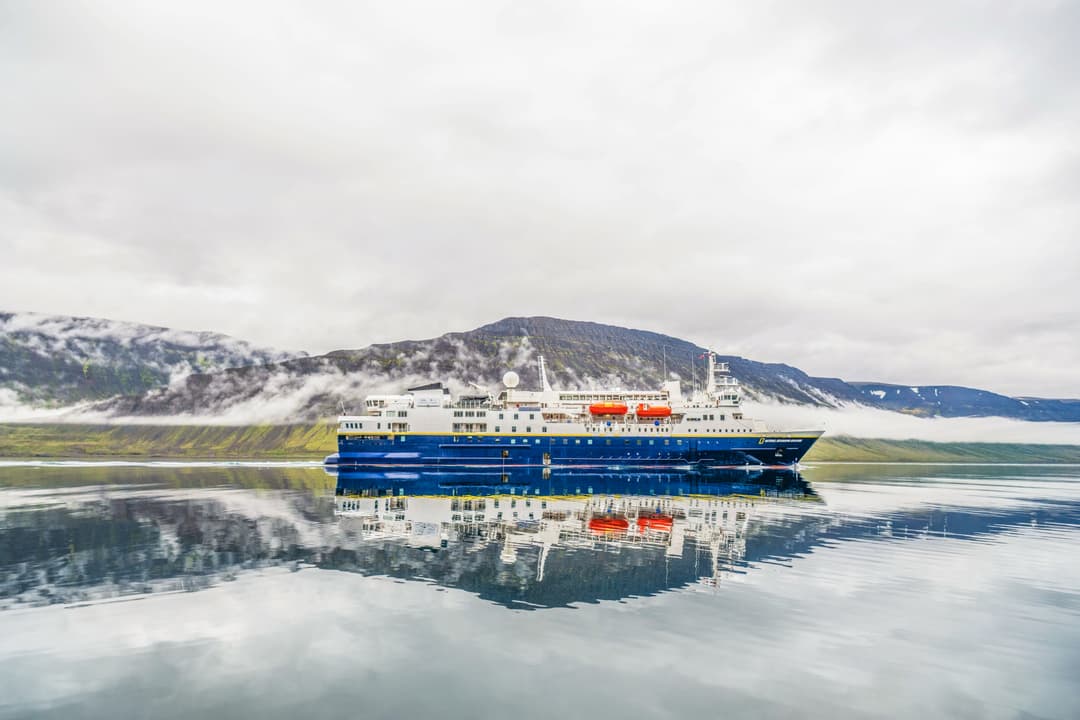
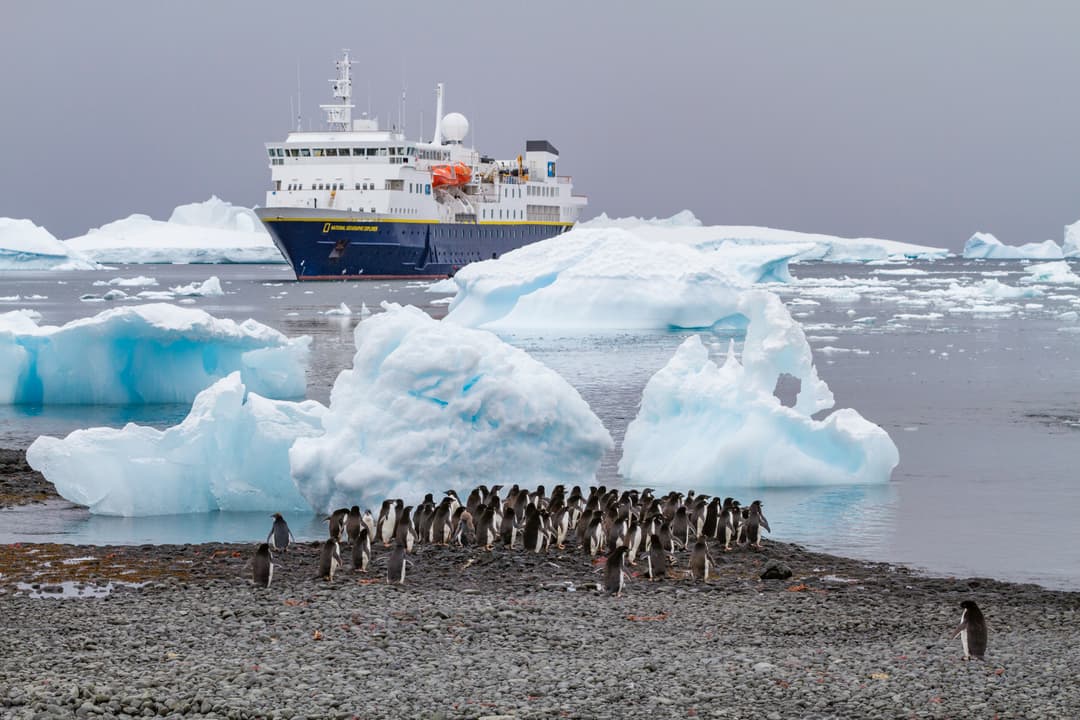
National Geographic Explorer
Operator
National Geographic - Lindblad Expeditions

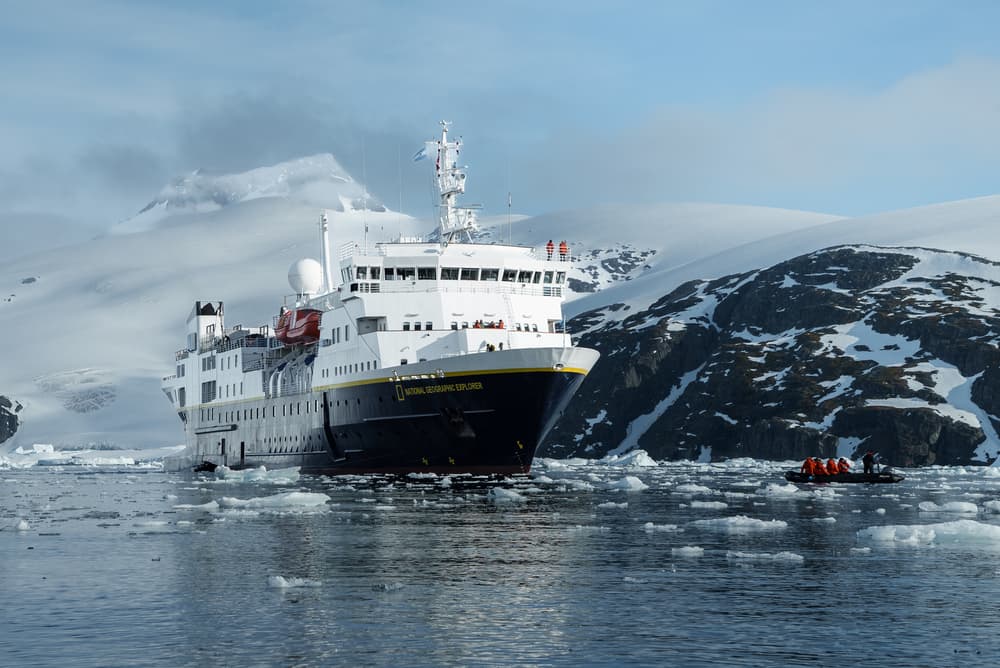
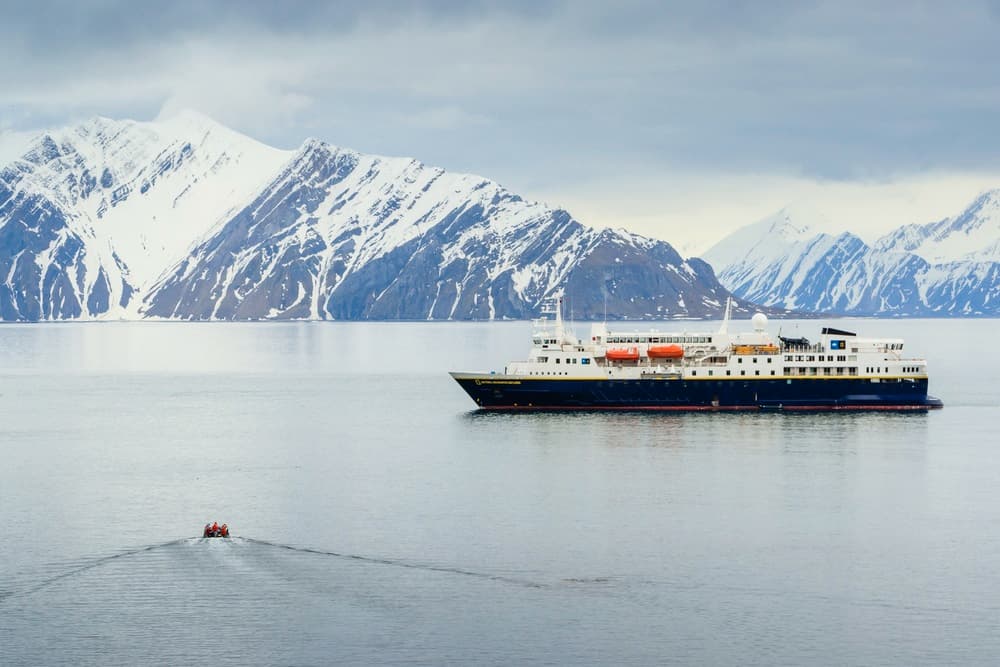
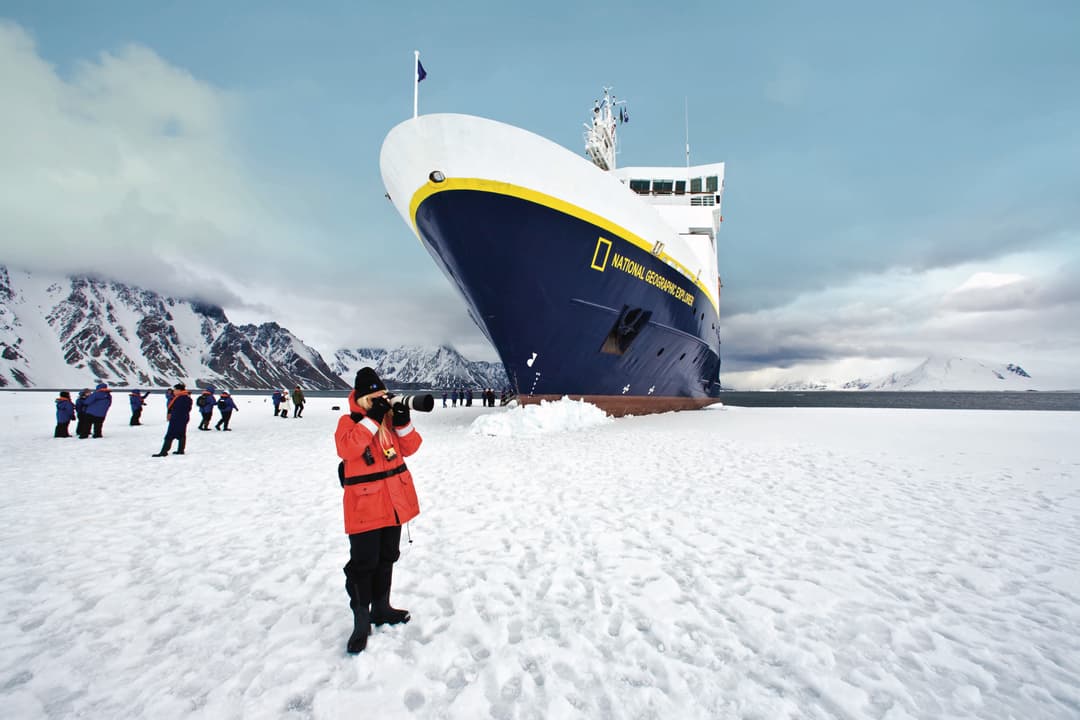
Built to handle deep swells and towering waves, the National Geographic Explorer lends herself to globe-spanning travel and a dedication to curiosity and wonder.
Originally constructed for service along Norway's coast as part of the famed Hurtigruten, or Coastal Express, she ferried passengers among the fjords of this iconic coast in conditions that could deteriorate into heavy seas in a matter of minutes. She had to be able to handle deep swells and towering waves-and have a high degree of maneuverability. Those traits, and an ideal size, made her a natural choice for addition to the Lindblad fleet.
Loading...
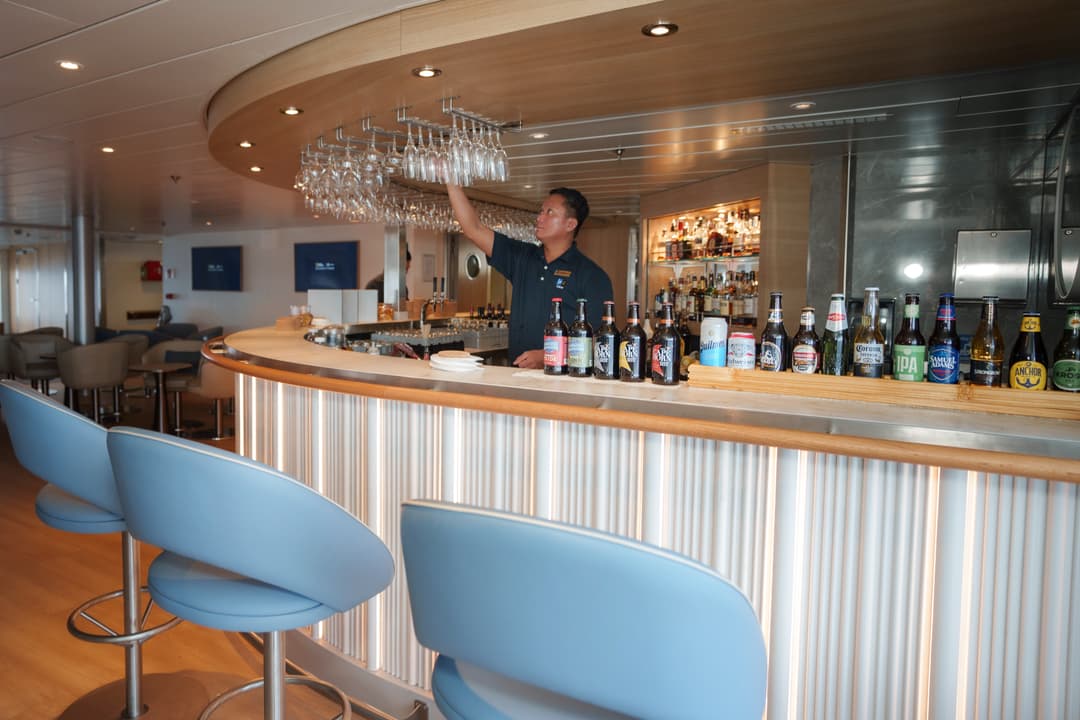
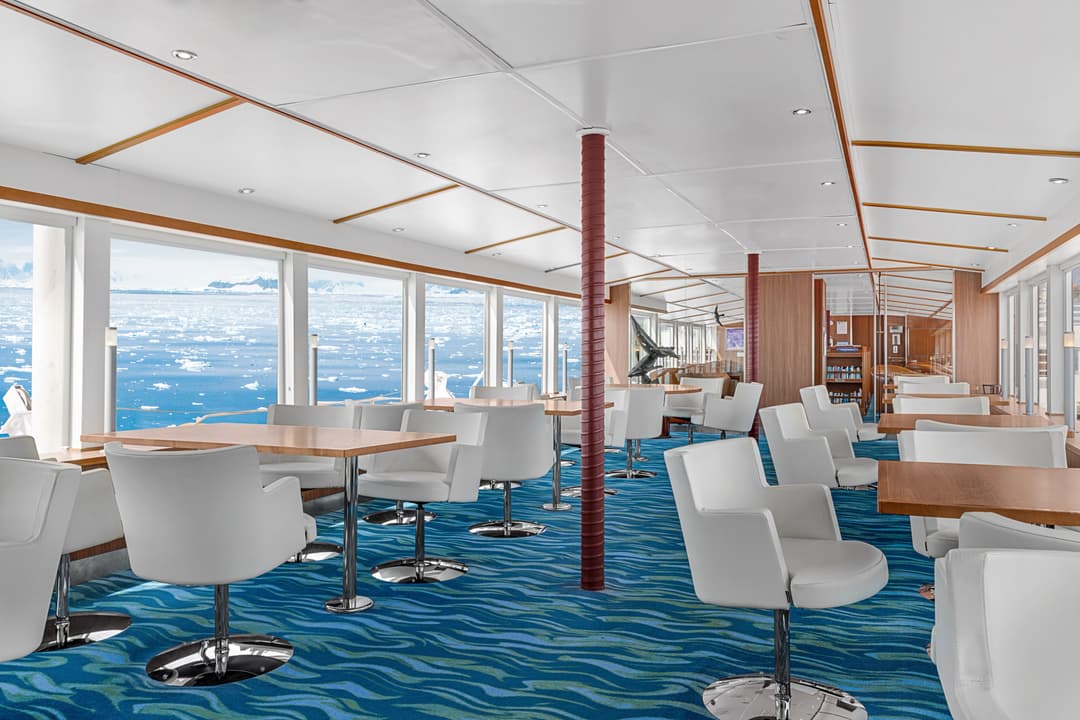
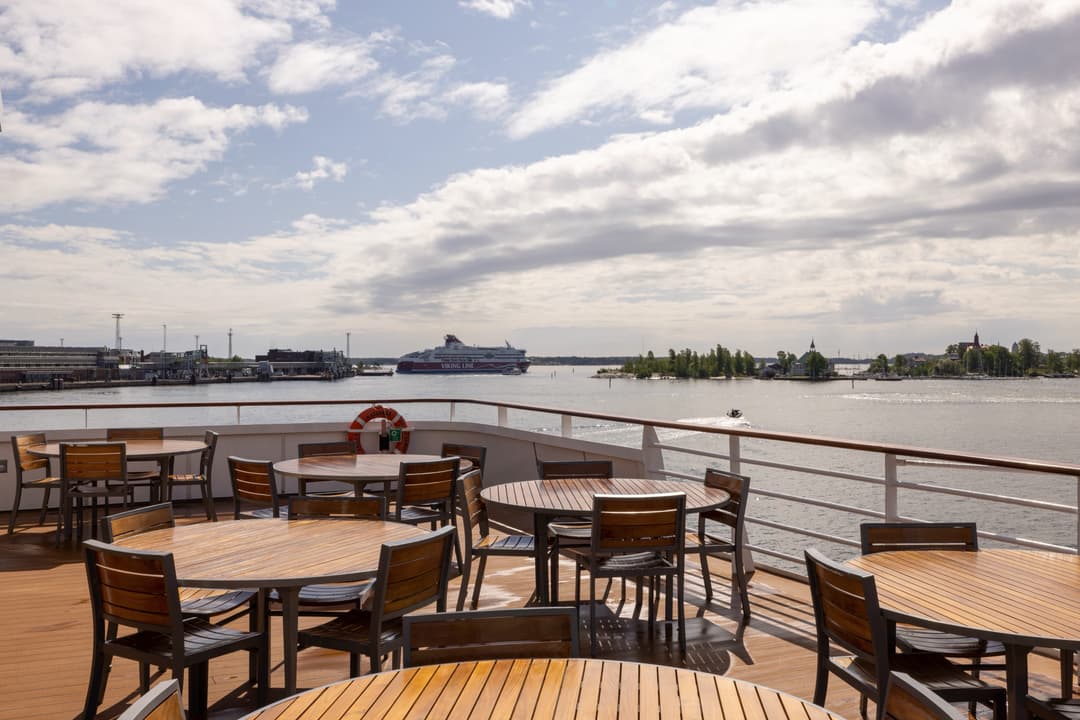
Meals are served in the dining room, Bistro bar, or the Observation lounge, at a single seating with unassigned tables for an informal atmosphere and easy mingling. Menus feature sustainable choices, local where possible.
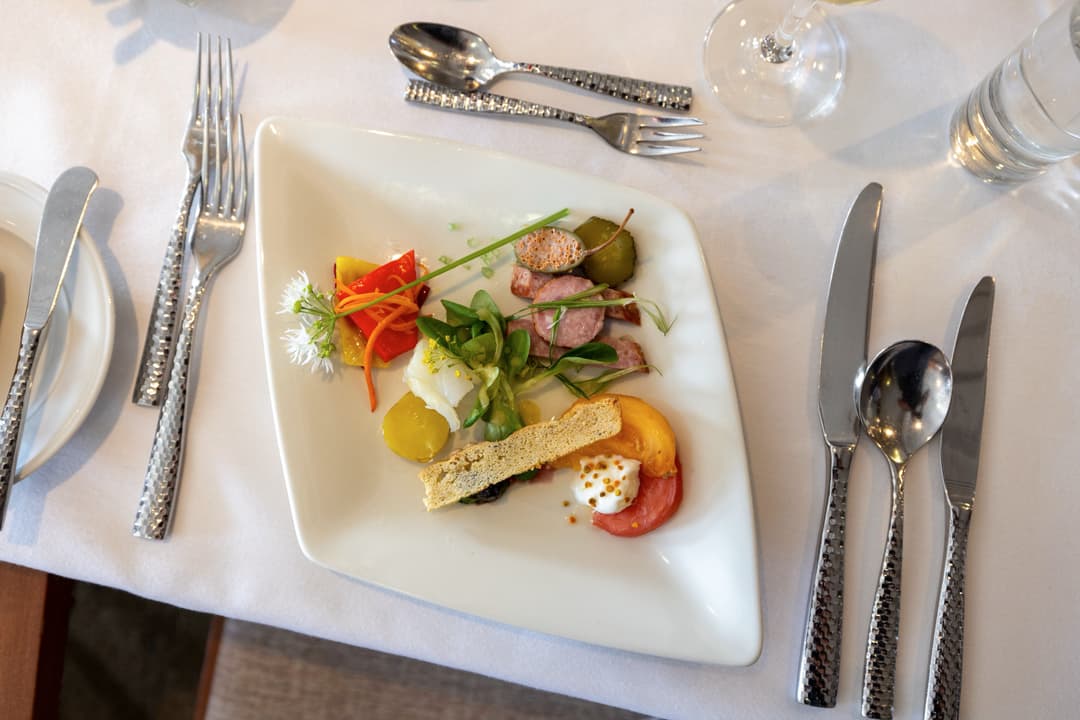
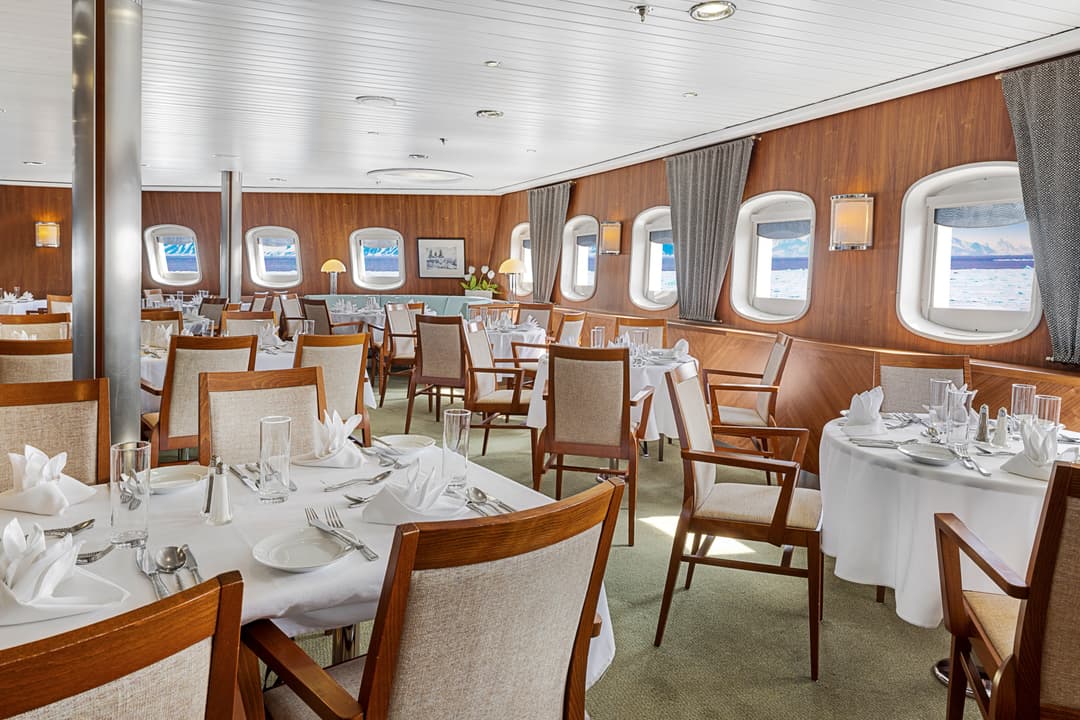
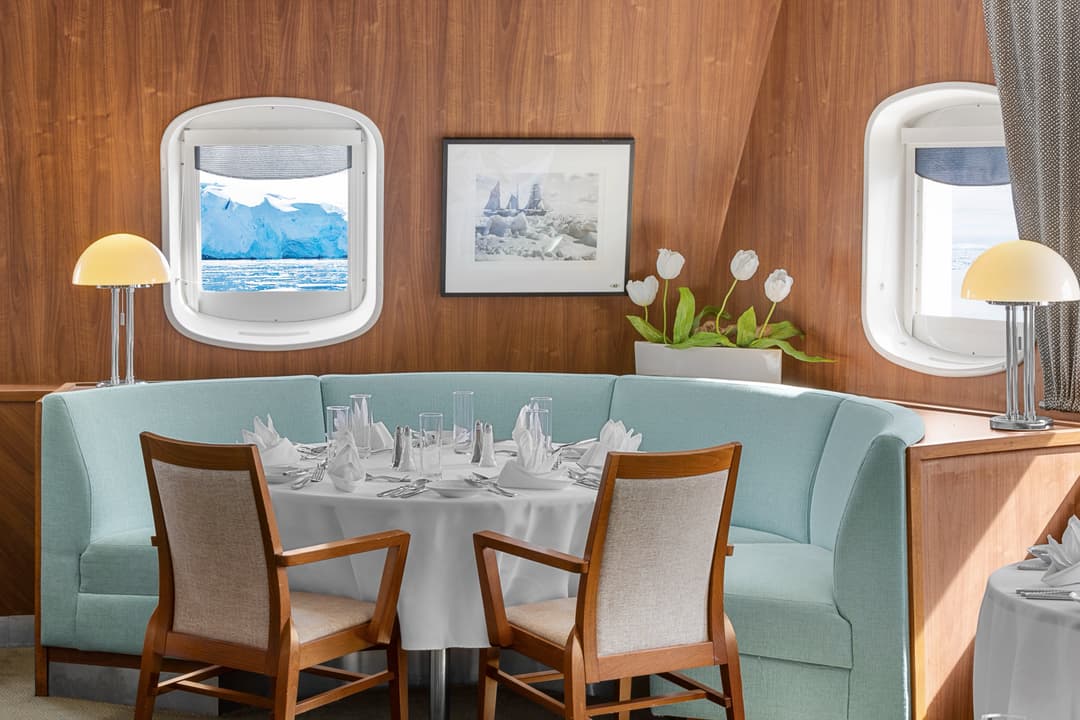
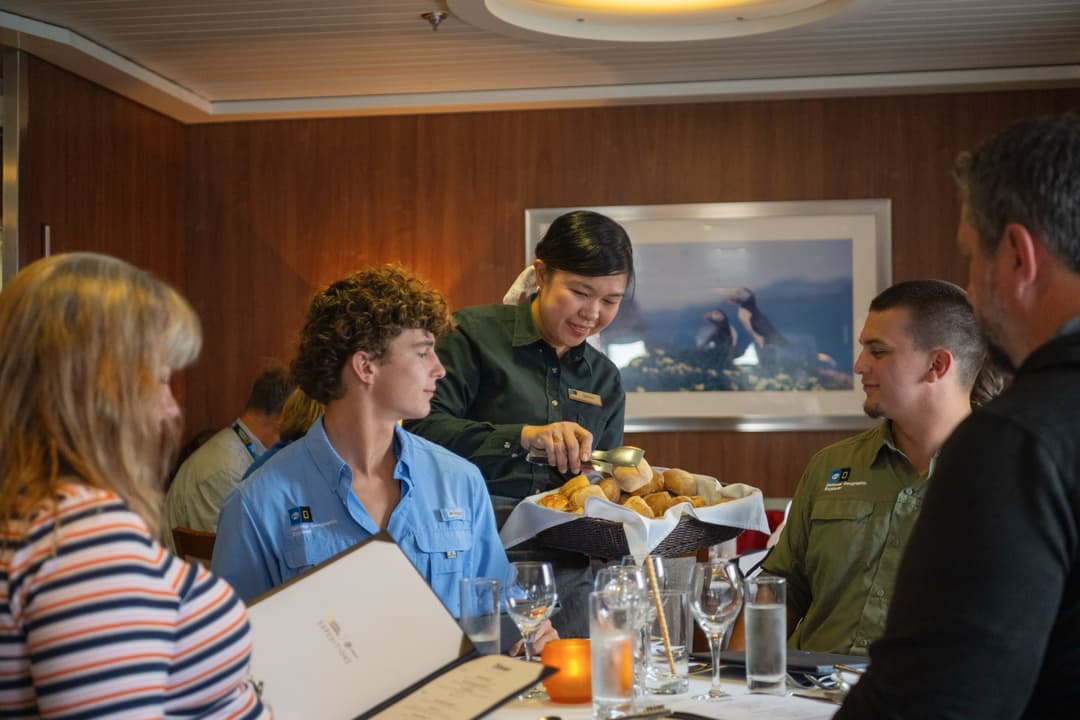
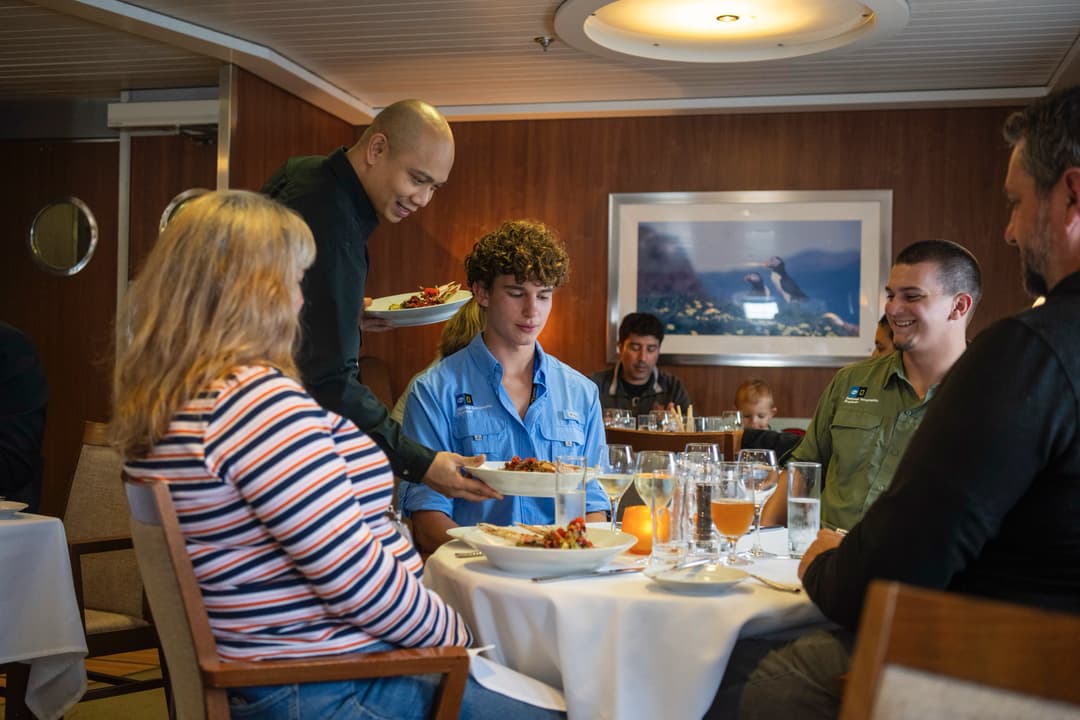
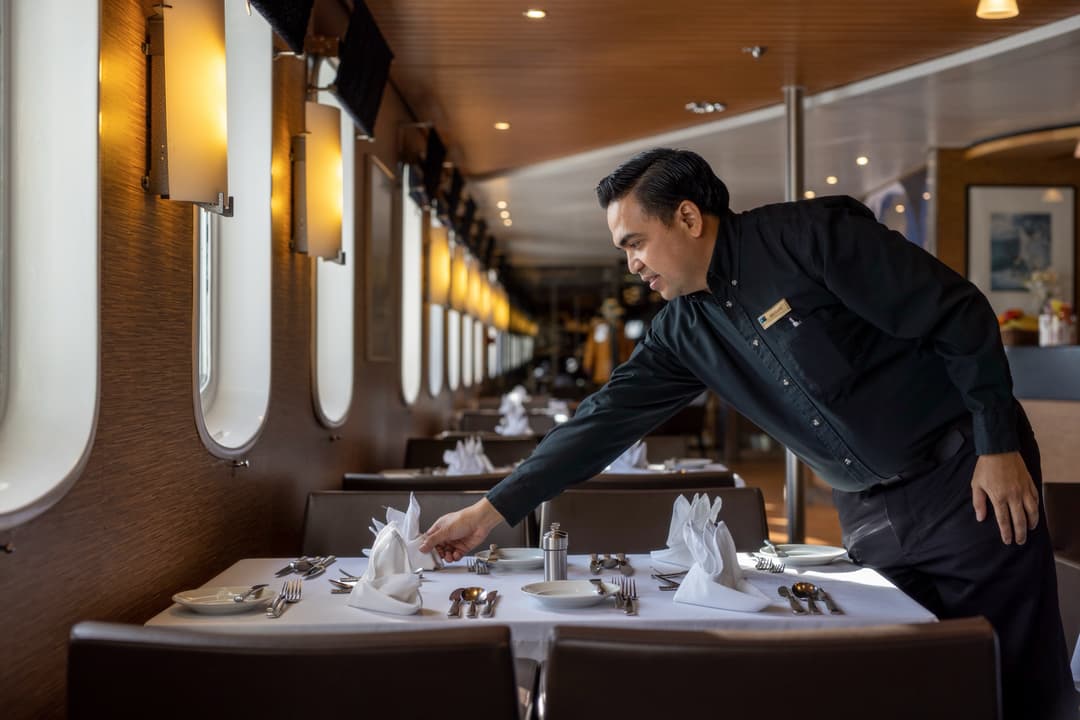
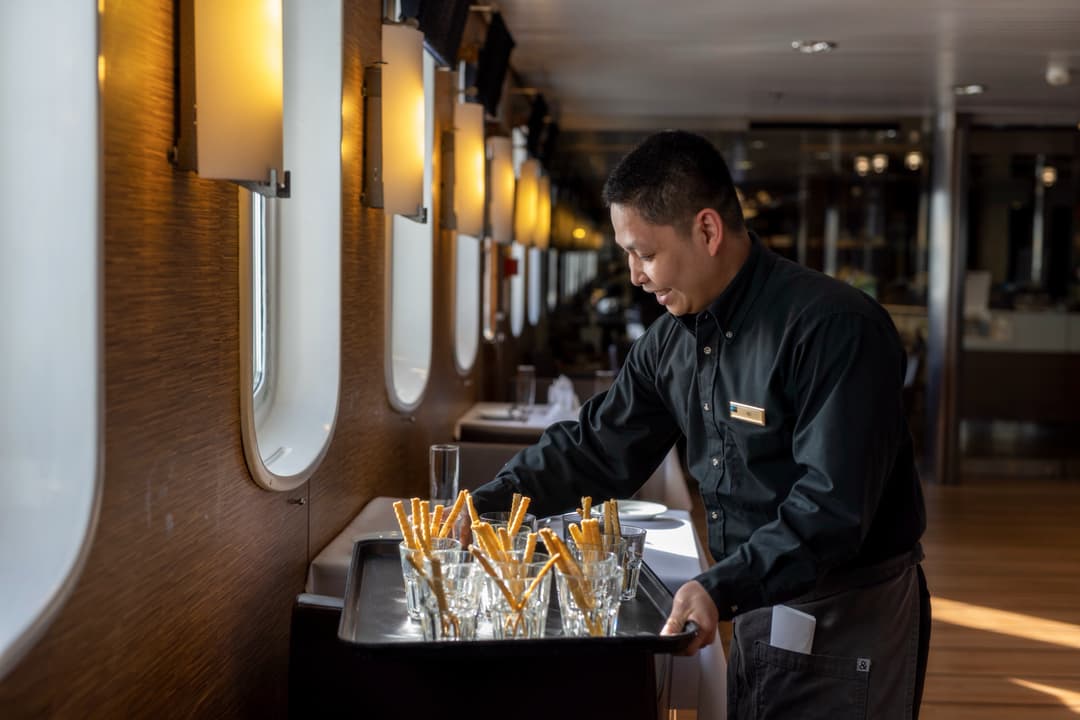
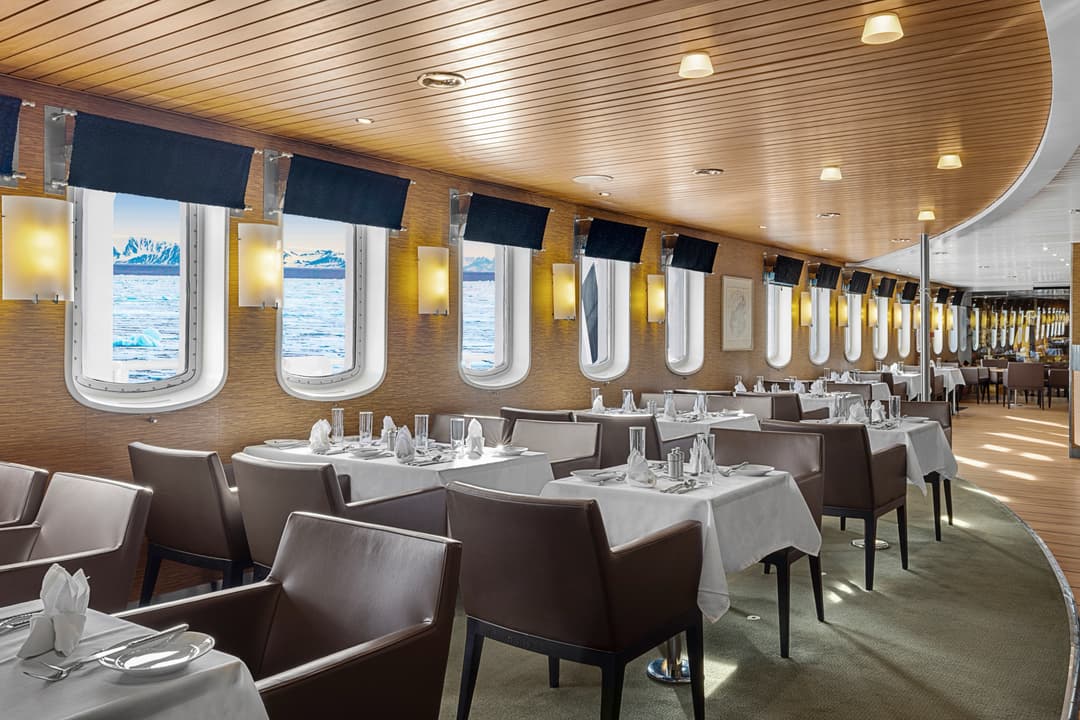
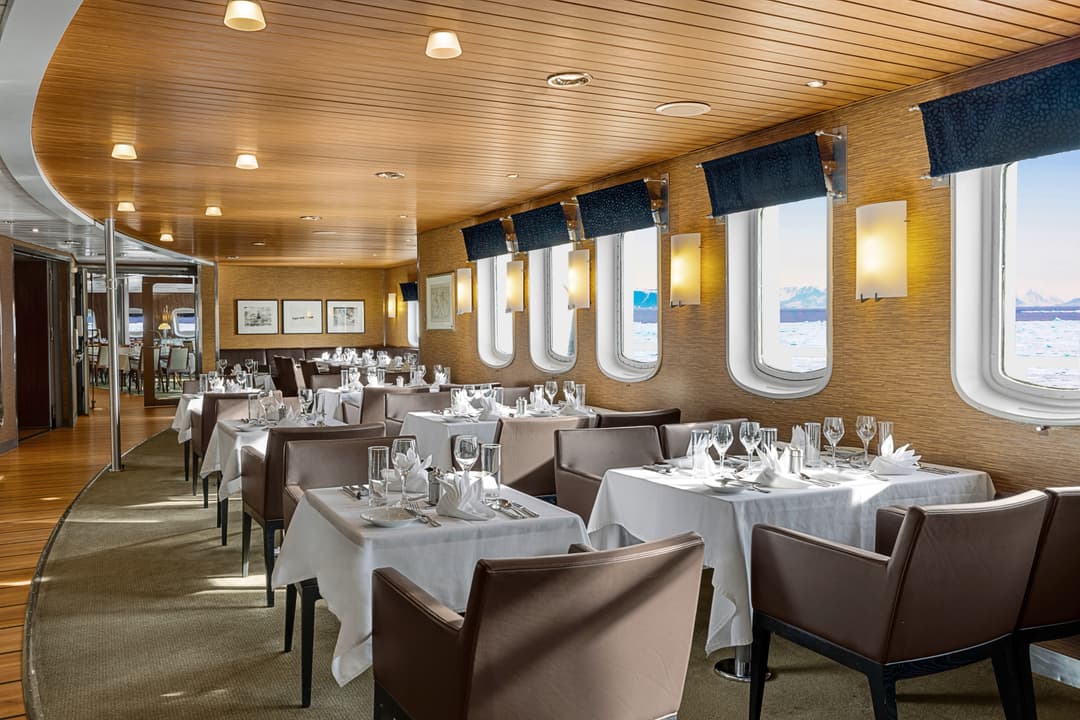
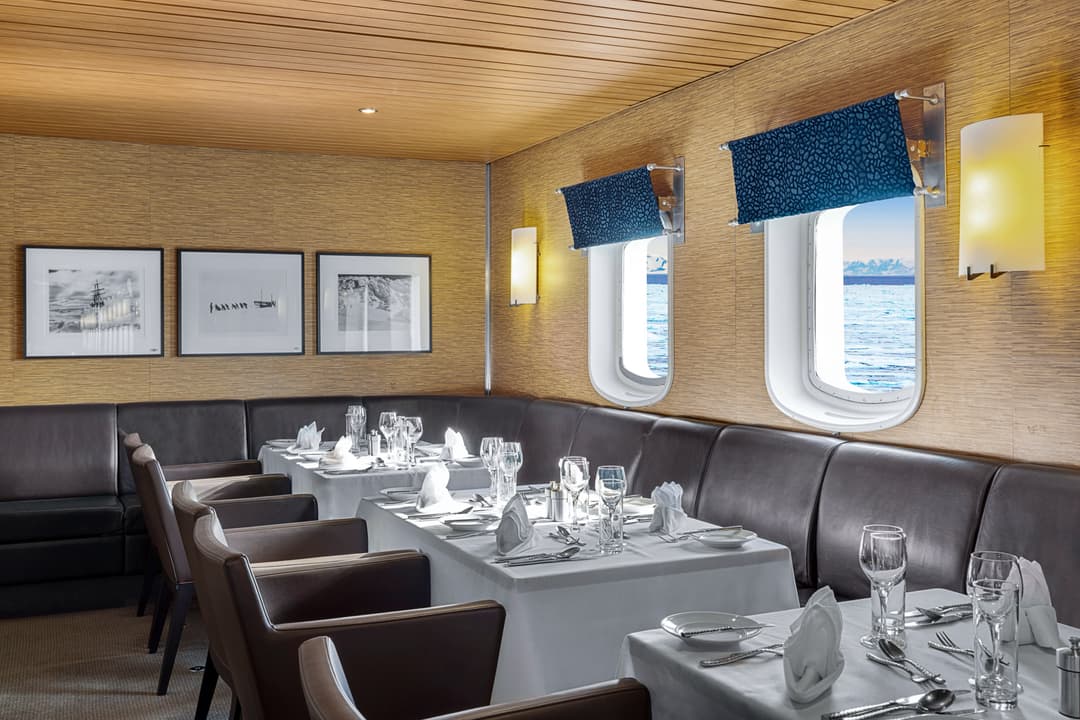
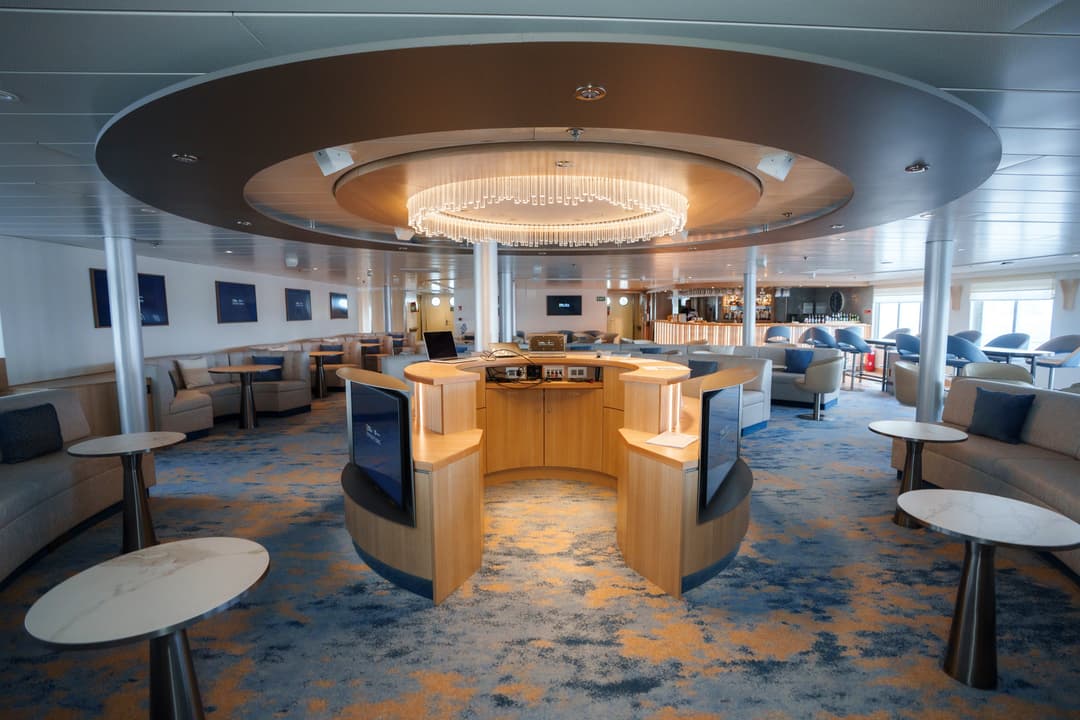
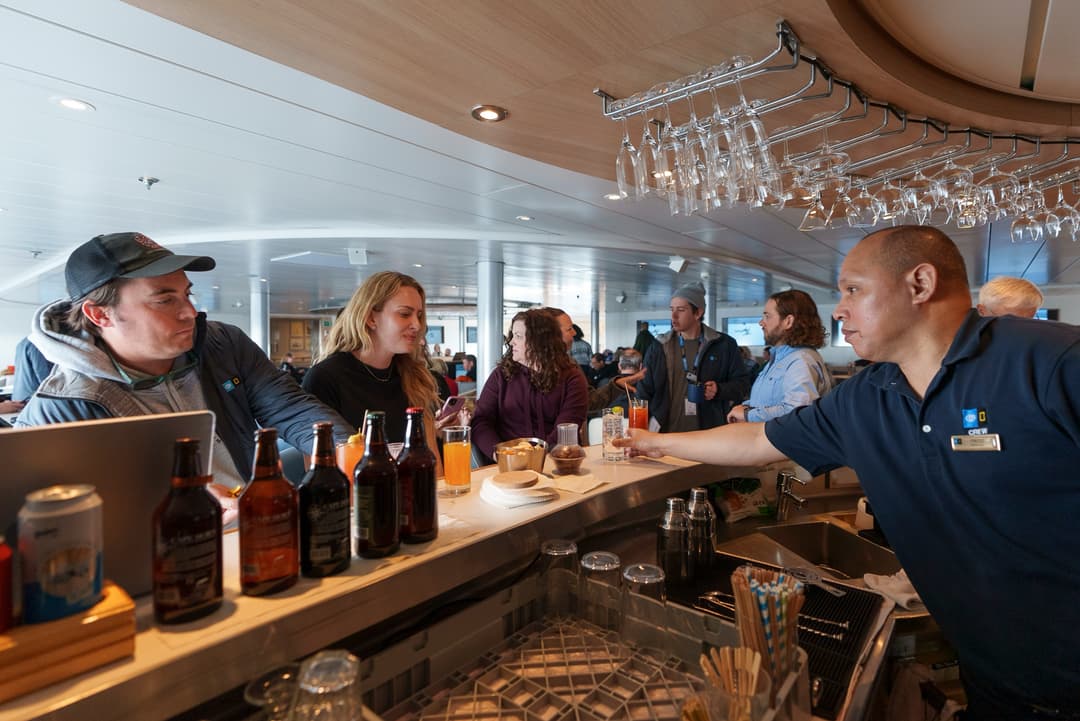
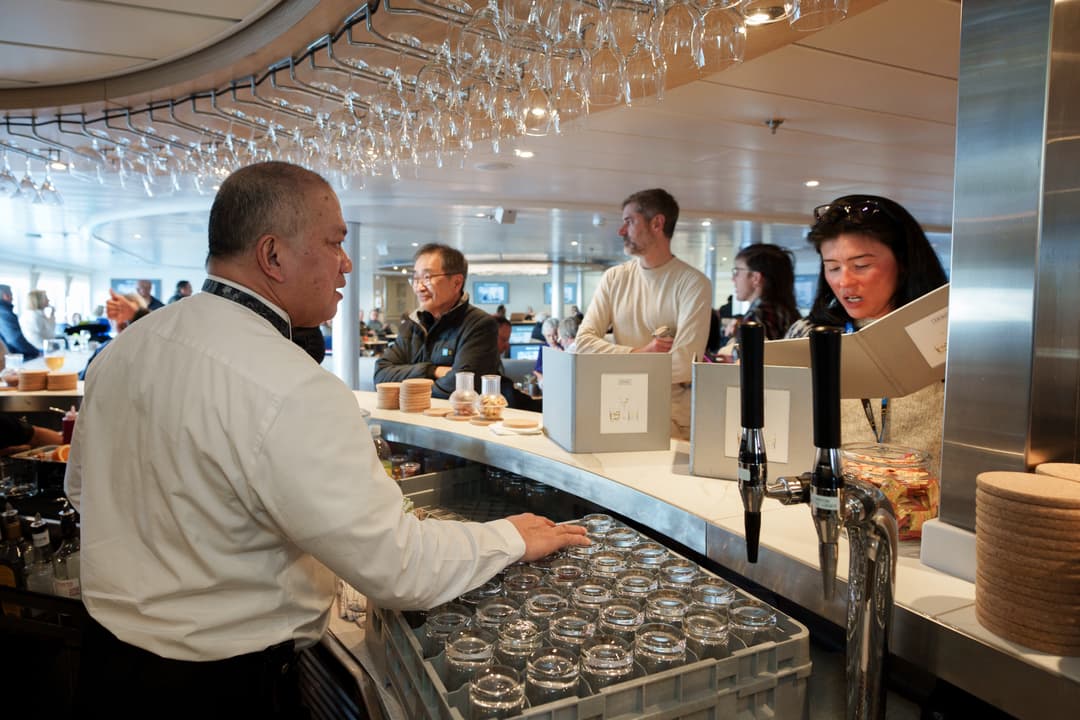
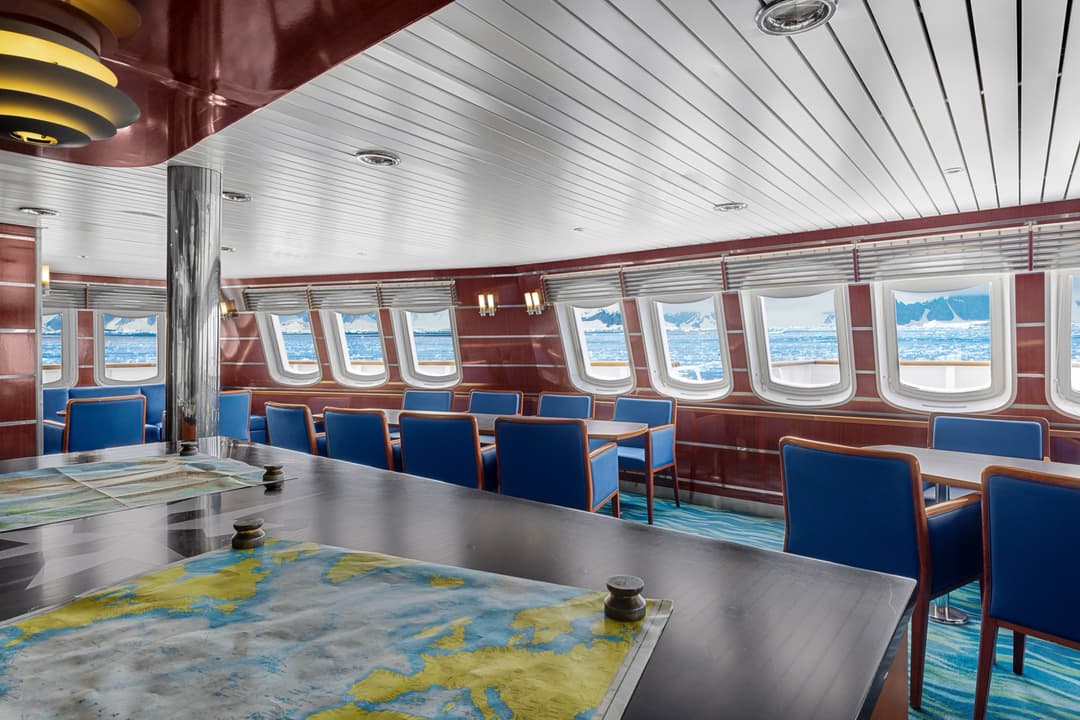
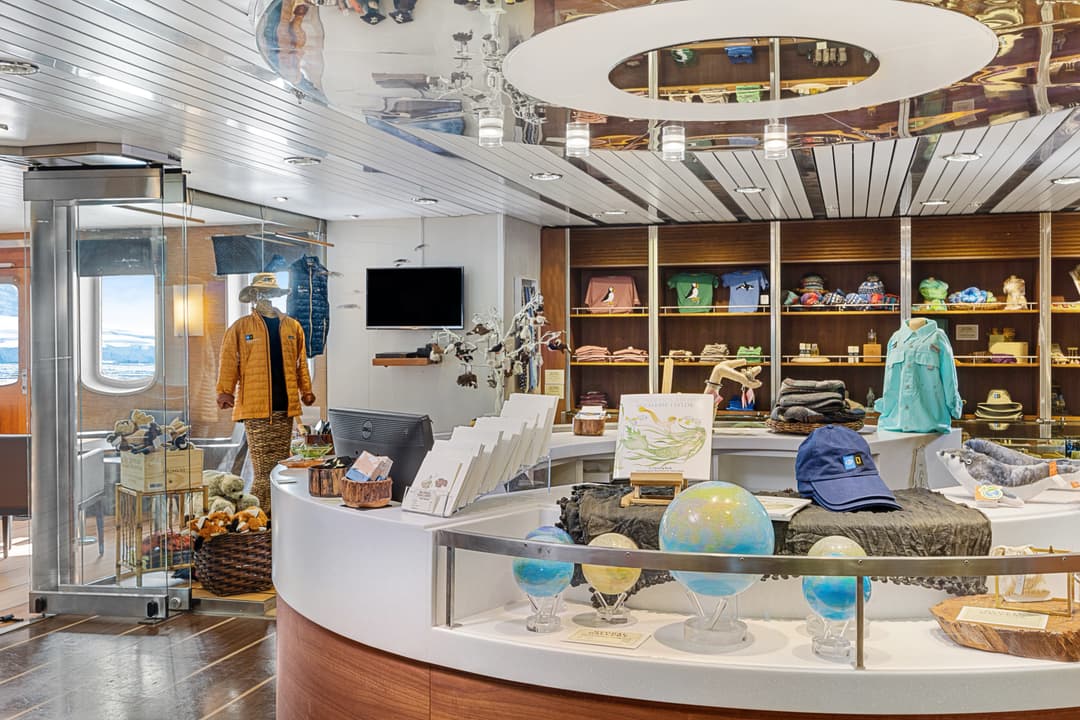
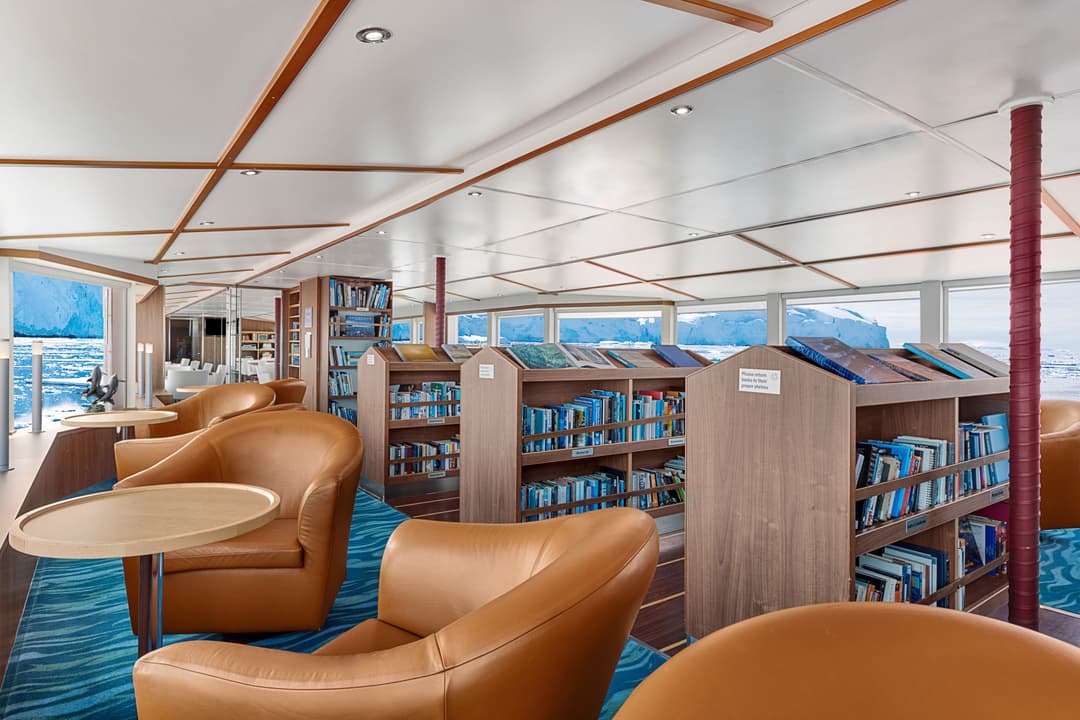
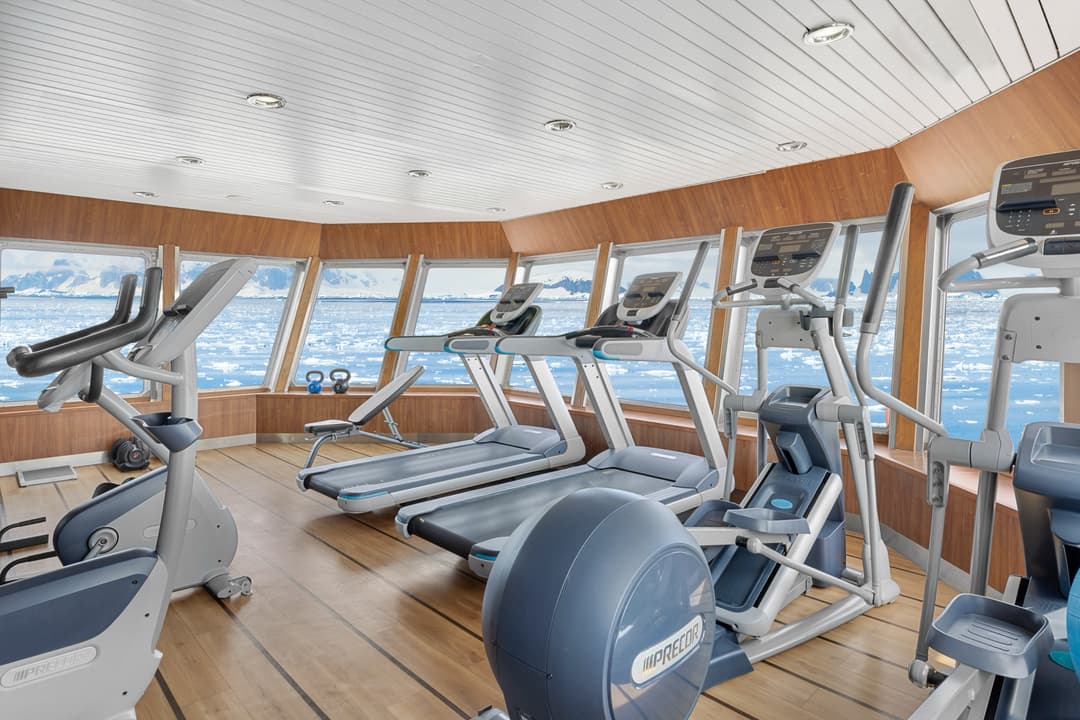
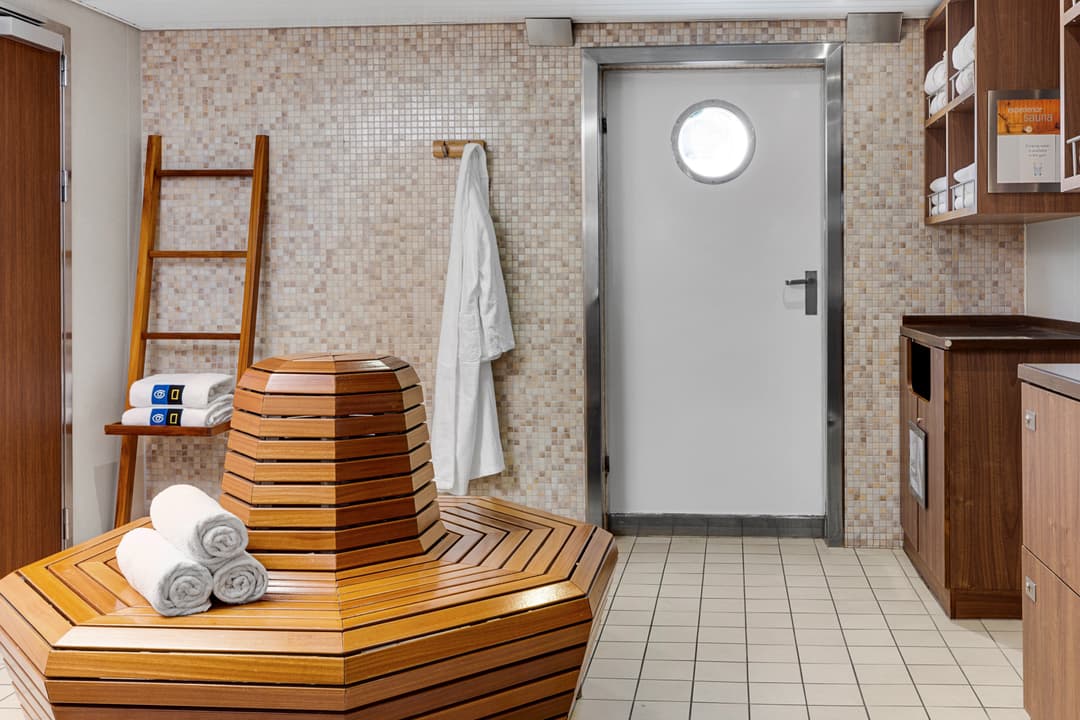
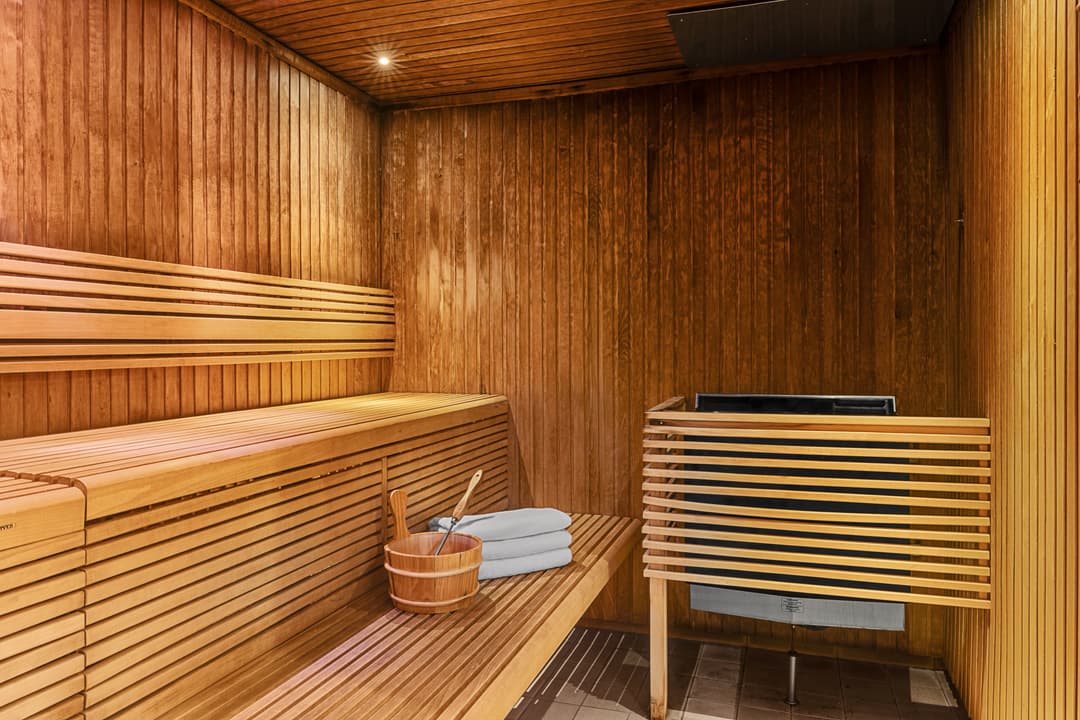
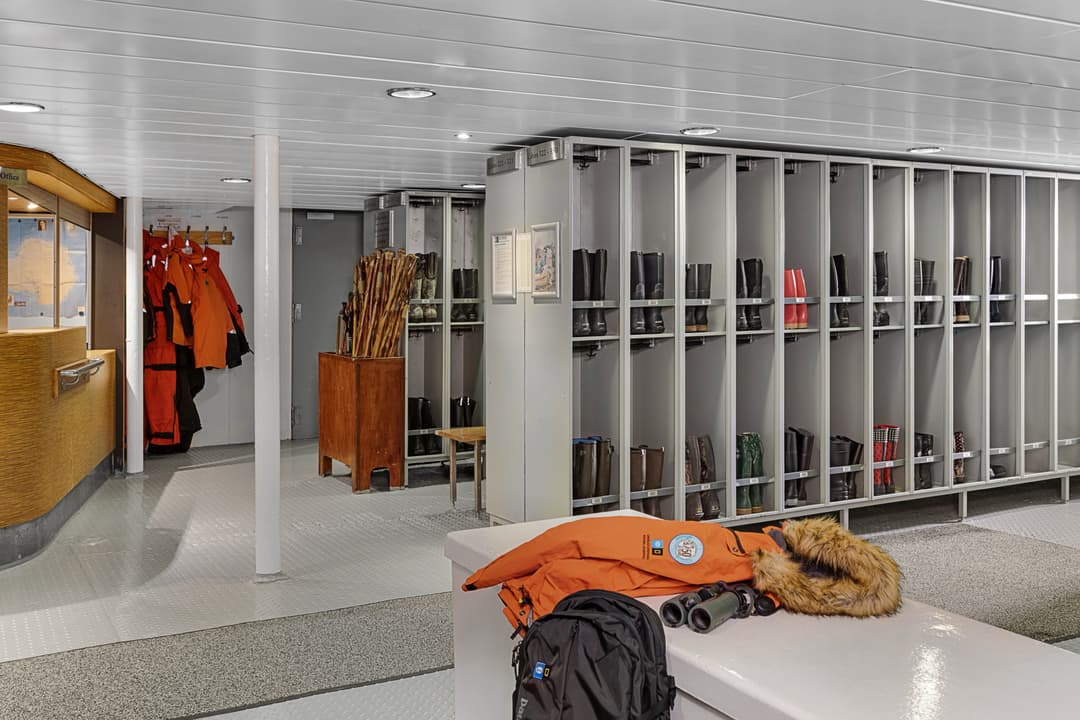
Public spaces include three dining areas; global gallery; library, lounge with bar and state-of-the-art presentation facilities; observation lounge; mudroom with lockers for expedition gear; plus open access to the Bridge, the Captain, officers, and on-duty wildlife spotters.
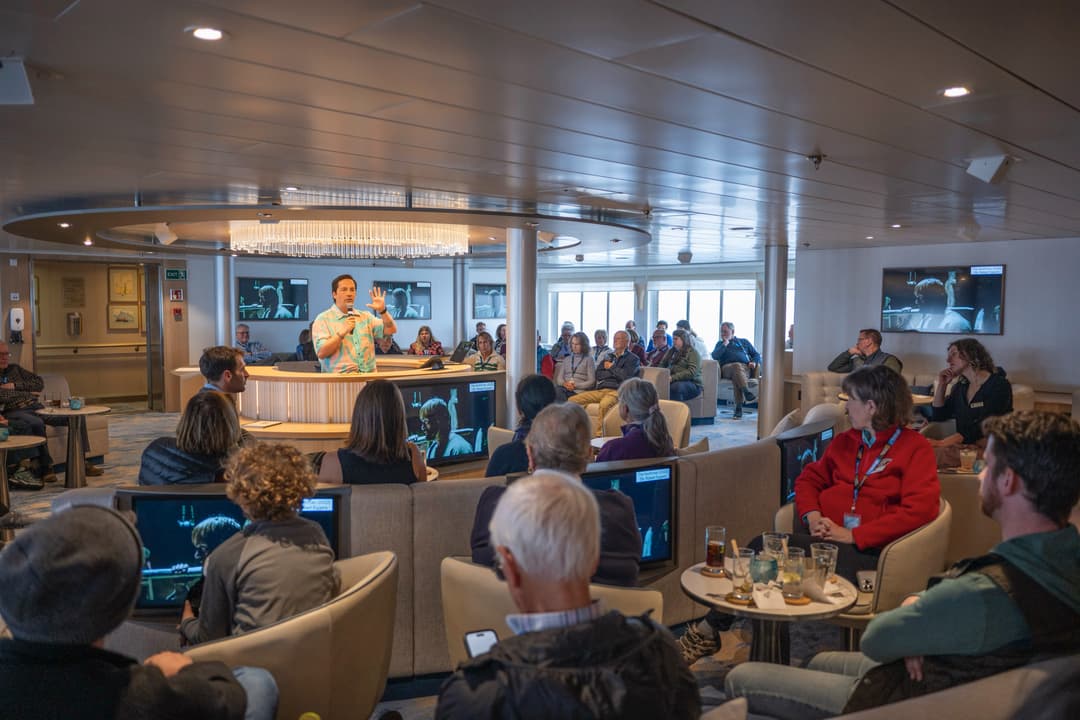
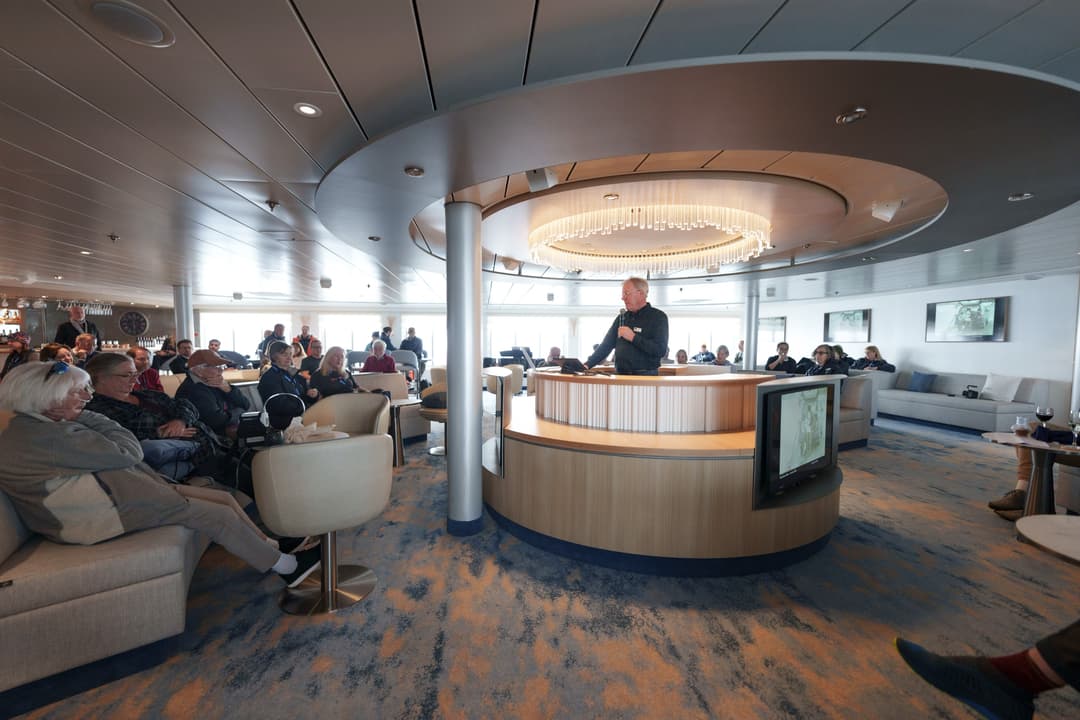
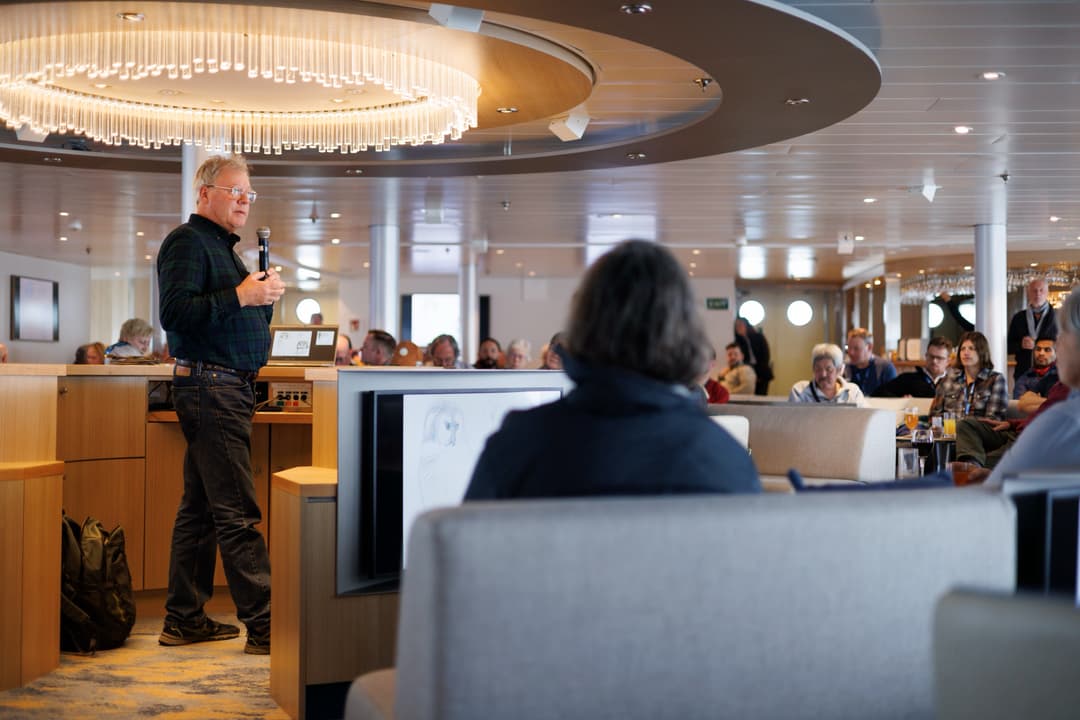
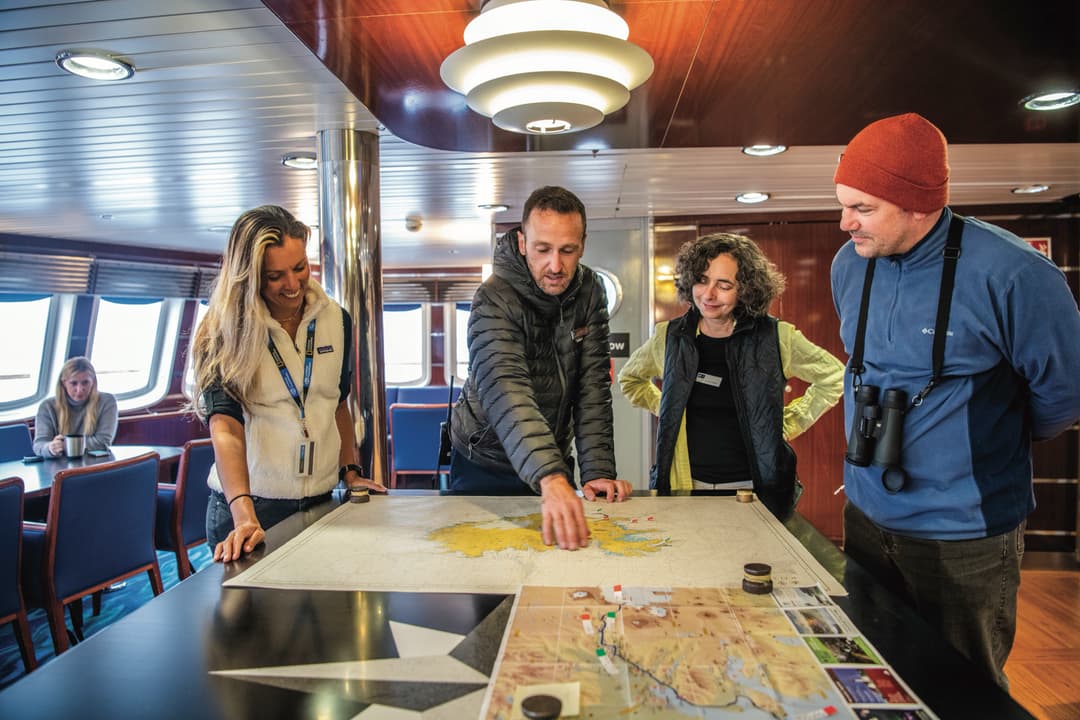
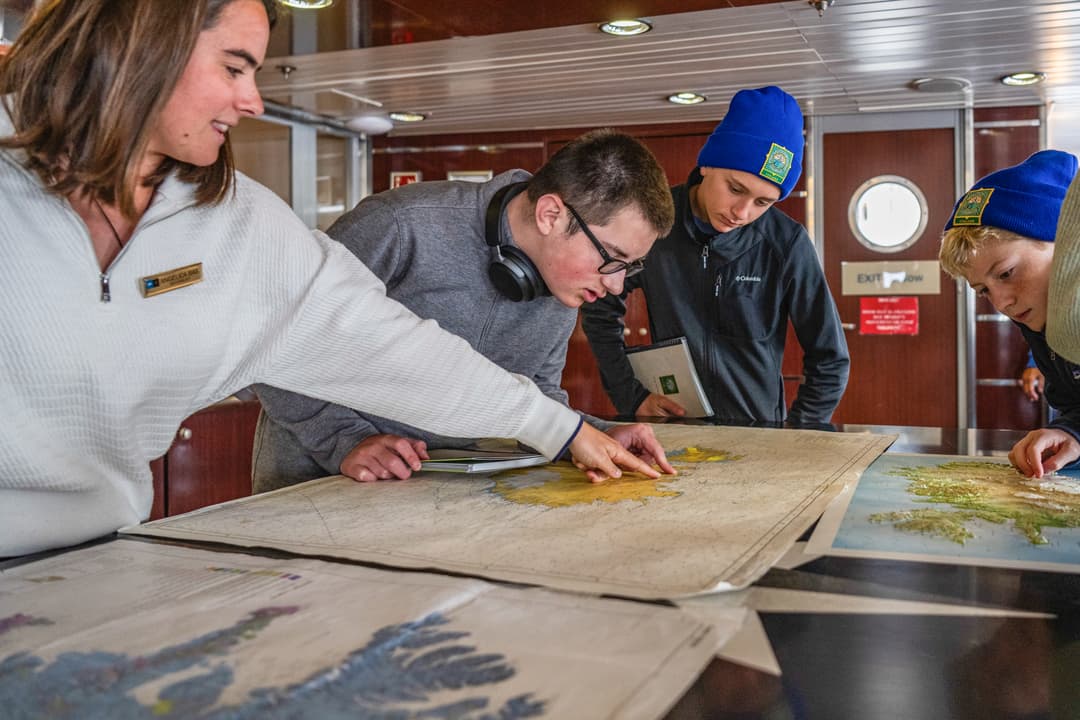
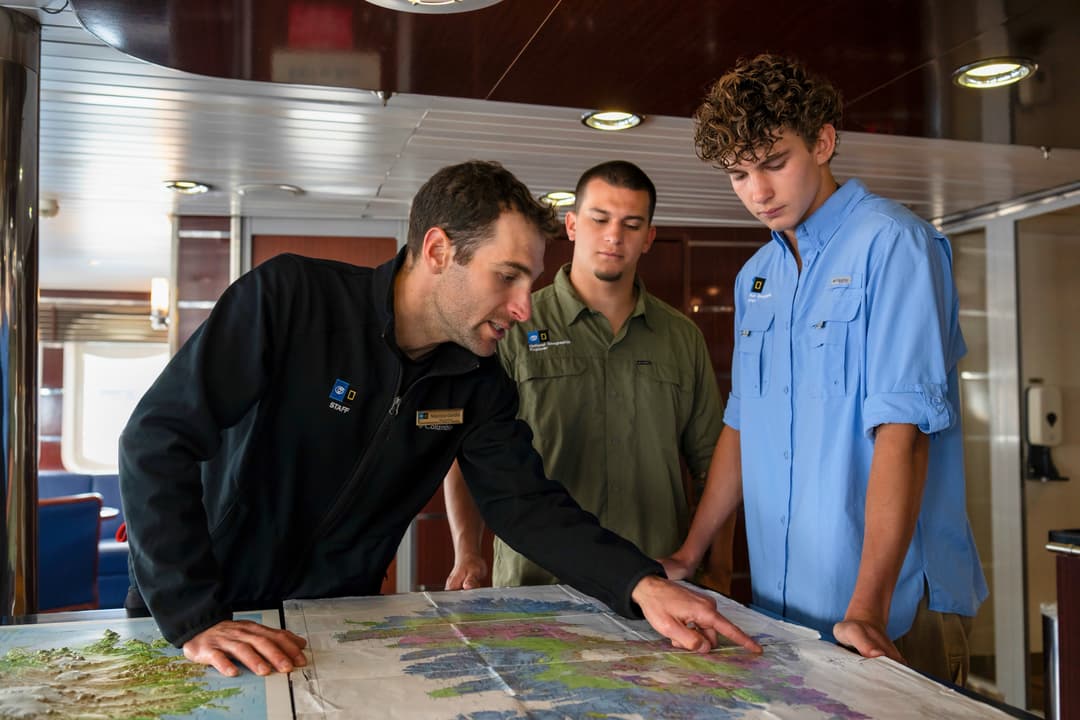




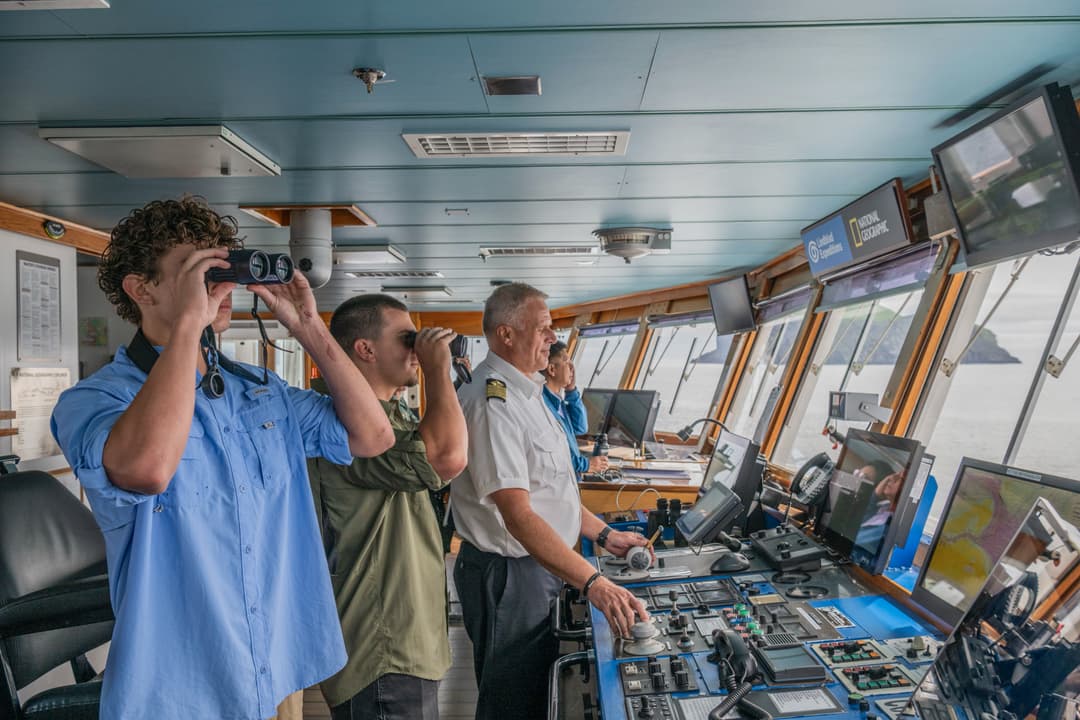
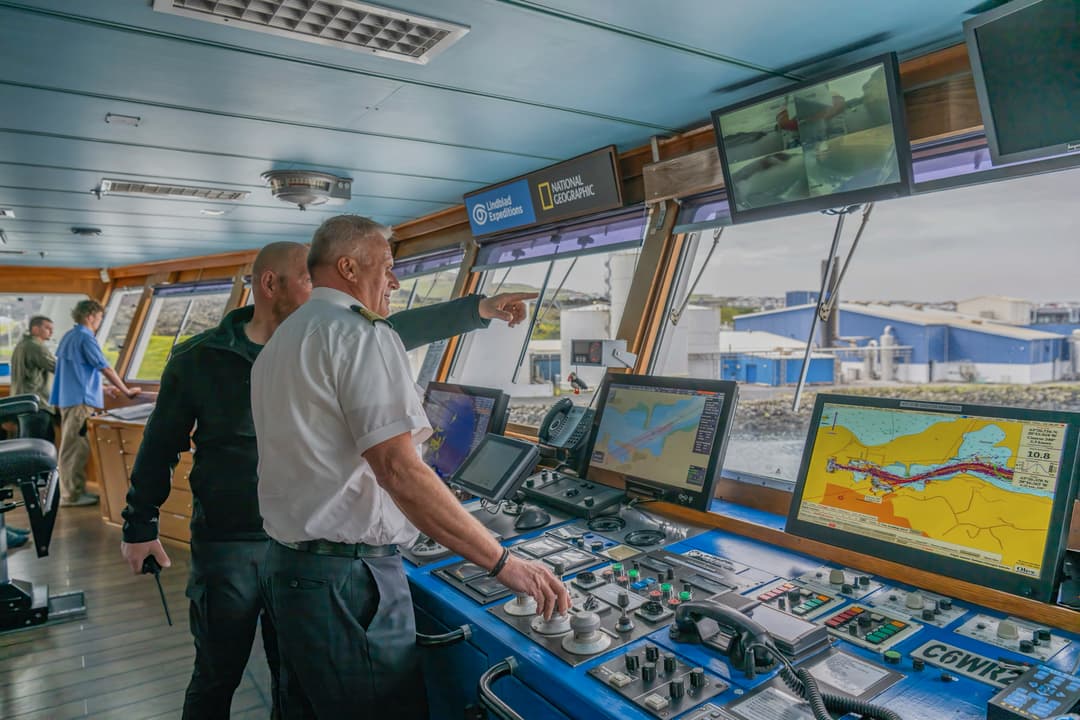
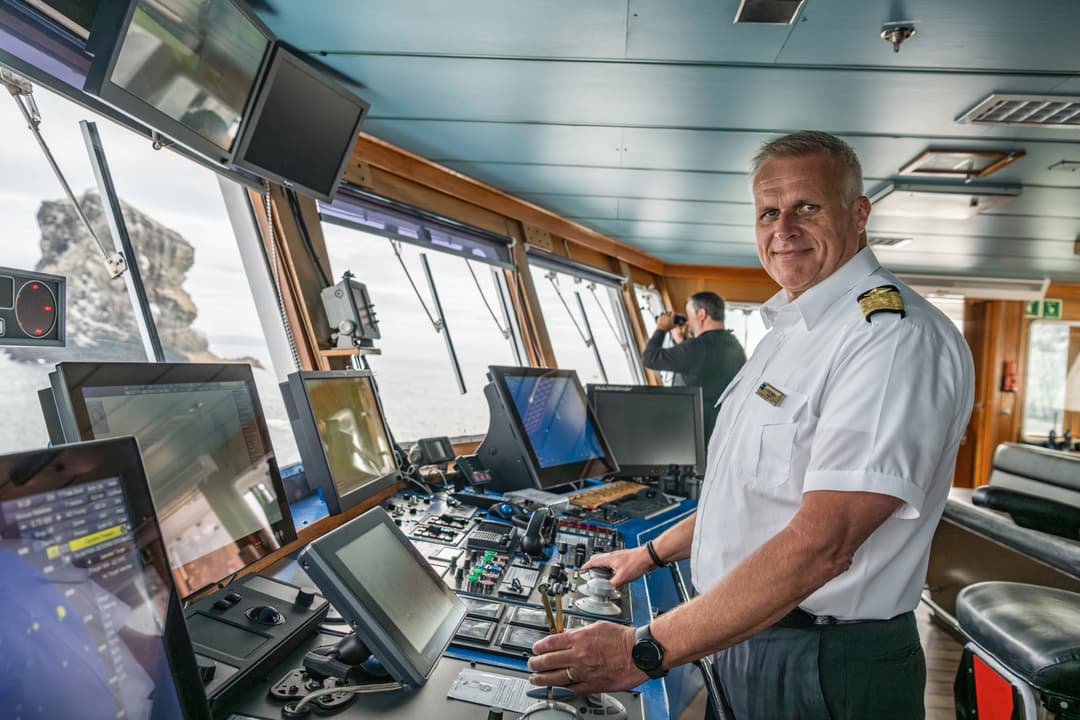
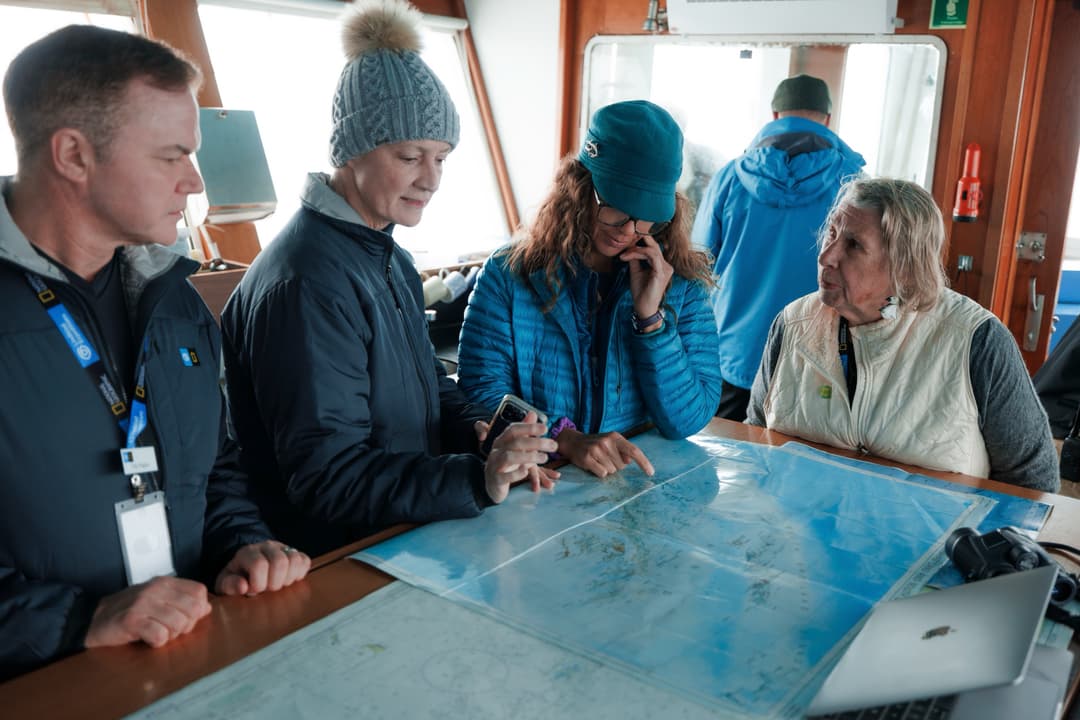
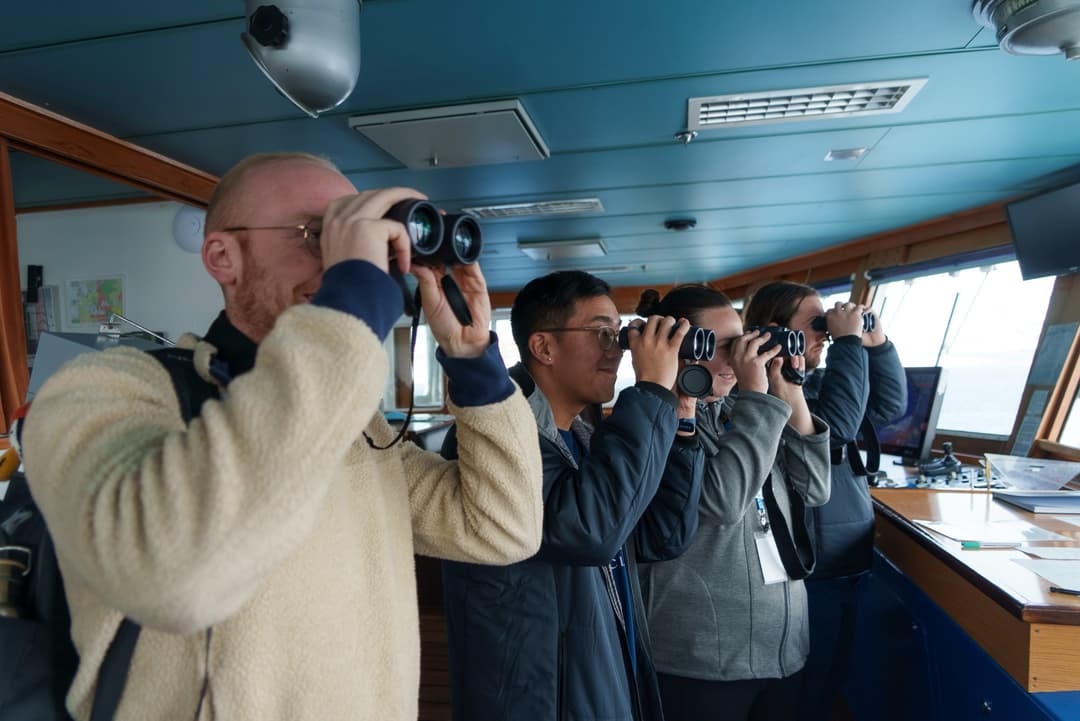
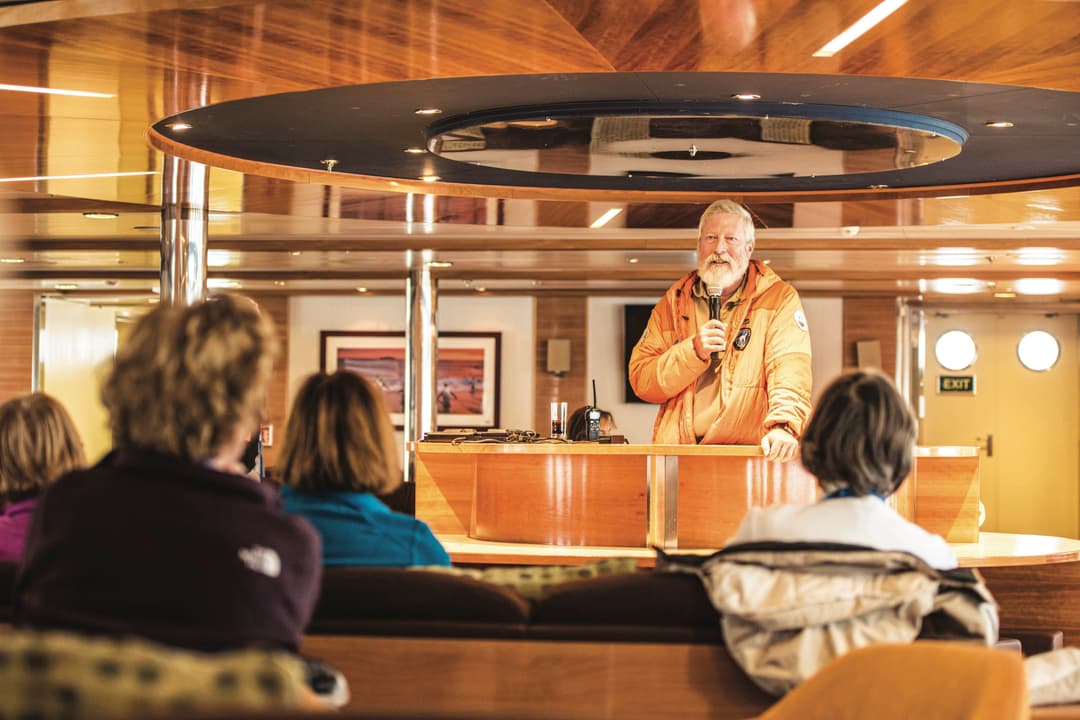
Wherever in the world you choose to explore with National Geographic-Lindblad Expeditions, you will travel alongside a team of experts who are deeply passionate about discovering the places you visit. They are scientists, photographers, and cultural experts at the top of their fields who have spent time immersed in your destination—and they thrive on sharing their knowledge and seeking out new insights alongside our inquisitive guests. For the....
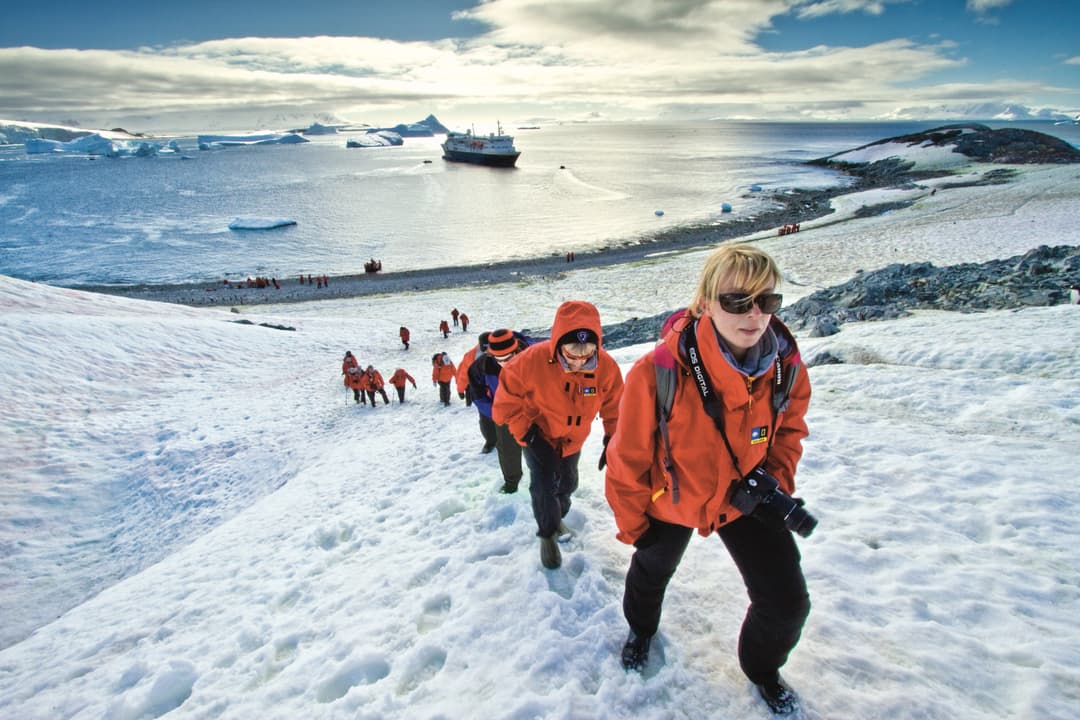
National Geographic-Lindblad Expeditions' ships are uniquely equipped with state-of-the-art tools so you can experience the excitement and wonder of genuine exploration, no matter where you travel with us. Navigate along rocky shorelines and into secluded coves in a kayak or on a stand-up paddleboard or dive into remote waters to discover a galaxy of brightly colored fish—we supply high-quality snorkeling gear, wetsuits, and optional dive gear....
The Visiting Scientist Program has been active for years, and in response to the program’s popularity with guests, National Geographic-Lindblad Expeditions is expanding it for the upcoming travel seasons. Now, more travelers than ever before can voyage alongside fascinating researchers, enjoy talks on their findings, and in some instances participate in the scientific process through activities such as data collection.
New and Ongoin....
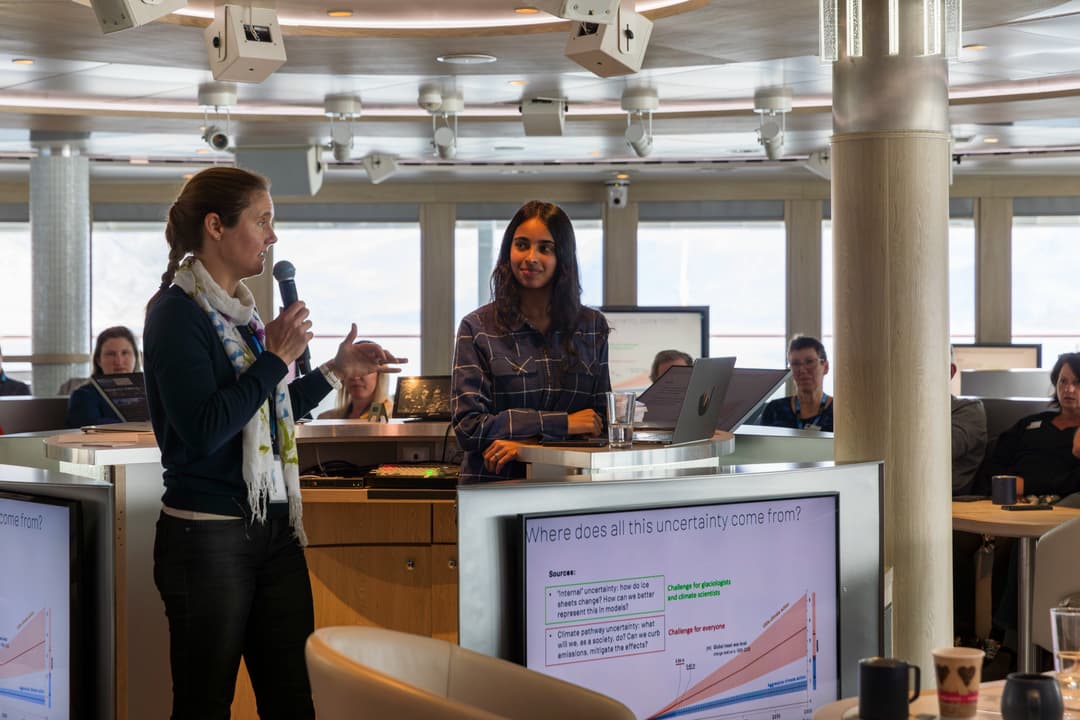
Guests can get involved in the advancement of science by participating in a variety of research projects hosted on their expedition..
Happywhale
Whales have unique markings on their flukes that allow scientists to identify individuals and track them across the globe. When guests capture pictures of the whales spotted on expedition, they can submit them to the Happywhale app to aid in the tracking process. National Geographic....
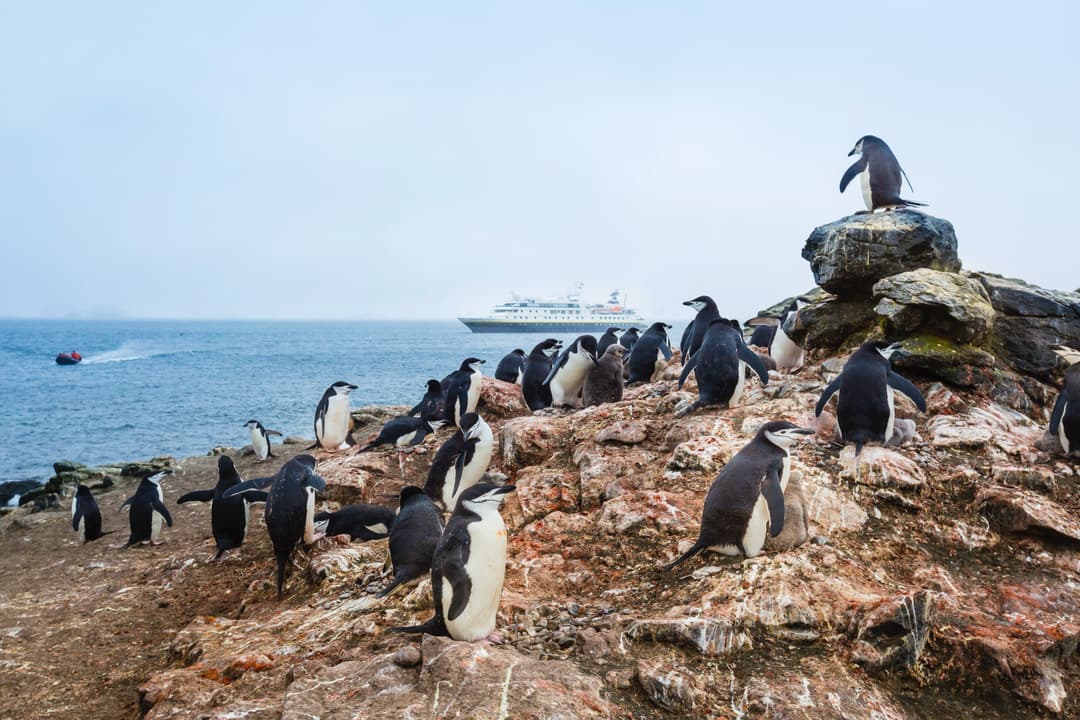
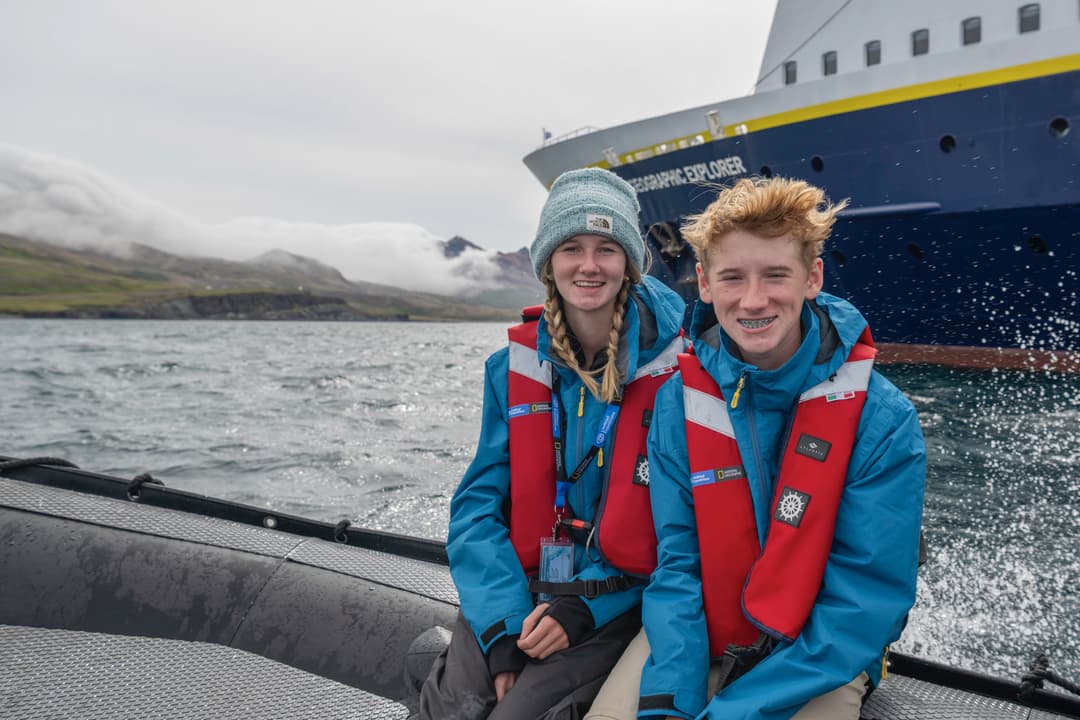
Developed in conjunction with National Geographic Education, our hands-on program invites kids and teens ages 18 and under to sharpen their observation skills and bring their adventures to life through photography, video, drawing and more. From studying plankton under the ship’s microscope to building ice cream sundae glaciers or earning a Zodiac “driver’s license,” activities encourage each explorer to follow their curiosity.
The Nat....
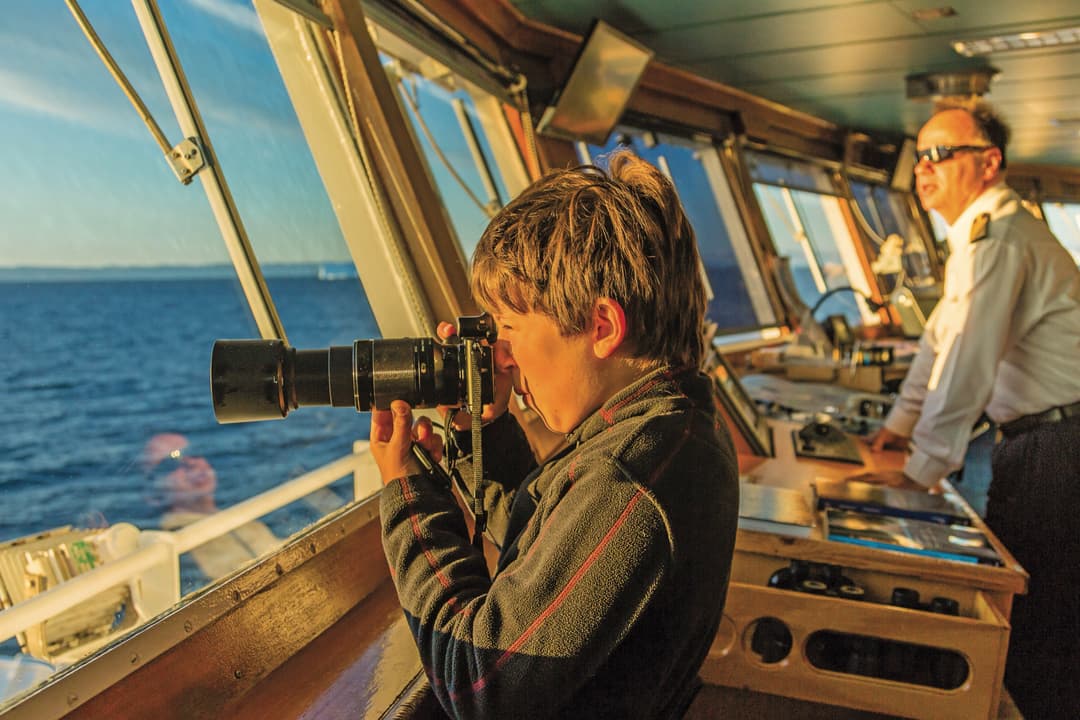
Act Clean Coat™ is a light-activated, self-disinfecting cleaning process that continuously breaks down viruses, bacteria, mold and airborne allergens across all ship surfaces. Not only does this create a cleaner, healthier shipboard environment for guests and crew alike, but this non-toxic, chemical-free system also saves more than one million gallons of water each year in our cleaning procedures, and reduces our carbon footprint as well as th....
Excursions, hotels and airport transfers, as indicated in the itinerary
Selection of exploration tools curated to your destination, such as Zodiacs and glass-bottom boats, stand-up paddleboards, kayaks, snorkeling equipment (including wetsuits, masks, and fins) and other state-of-the-art gear
Guidance and company of our leading expedition staff
All meals as indicated in the itinerary, both aboard and onshore. Meals are inspir....
Airfare (except flights when indicated as included), pre- and post-expedition extensions, additional hotel nights and private transfers (except when indicated as included)
Travel protection plans
Passport, visa and immigration fees
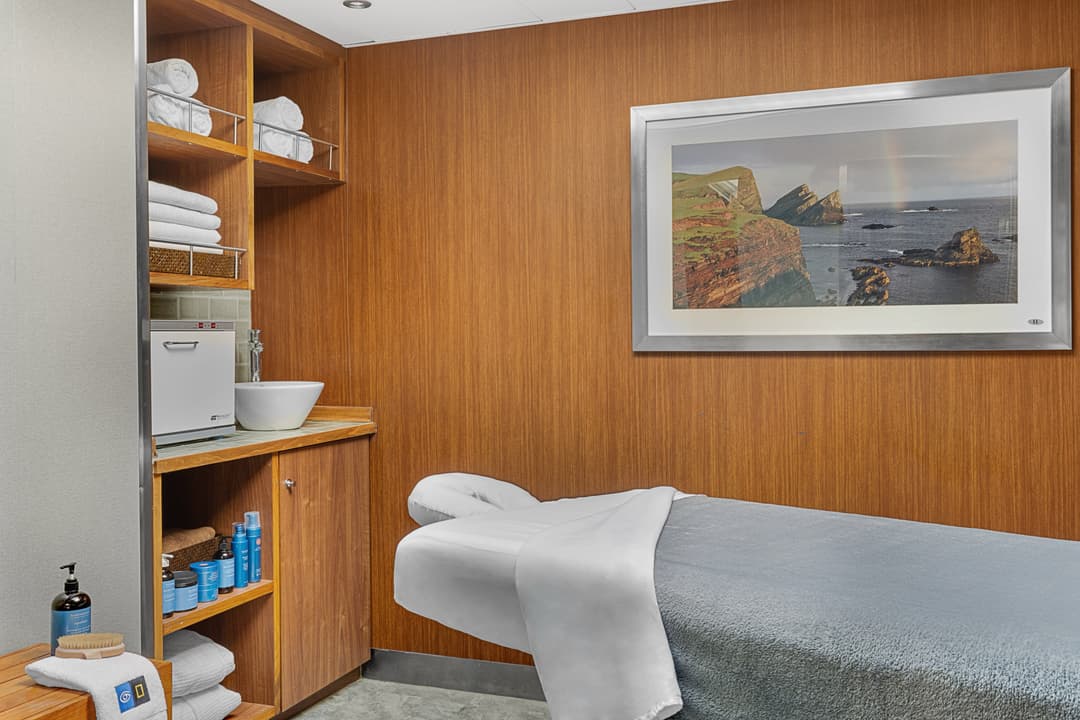
Laundry, spa treatments, scuba diving* and phone services (except when indicated as included)
Additional costs associated with medical services outside onboard physician consultation (where a....