

Into the Northwest Passage – Circumnavigating Baffin Island
CRUISE ID # HXRACAN03R-280917
Nuuk (Godthaab) TO Nuuk (Godthaab)
21-day all-inclusive Arctic Canada cruise round-trip from Reykjavik
A rare chance to explore one of the least-visited regions of the Canadian Arctic, through the fjords, straits, glaciers, and sea ice of Baffin Island.
This is true exploration, with expedition experiences such as Zodiac cruising, shore landings, hikes through the remote Arctic landscapes, and visits to Inuit settlements.
An end-of-summer journey beginning and ending in Reykjavik, with flights via Nuuk in Greenland.
A circle through the High Arctic
A full circumnavigation of Baffin Island, tracing one of the most complex and varied Arctic cruising routes in the transitional late-summer season. From Greenland into the Canadian Arctic Archipelago and back again, the voyage threads deep fjords, narrow channels, and regions where sea ice is constantly shifting.
A voyage of ice, culture and connection
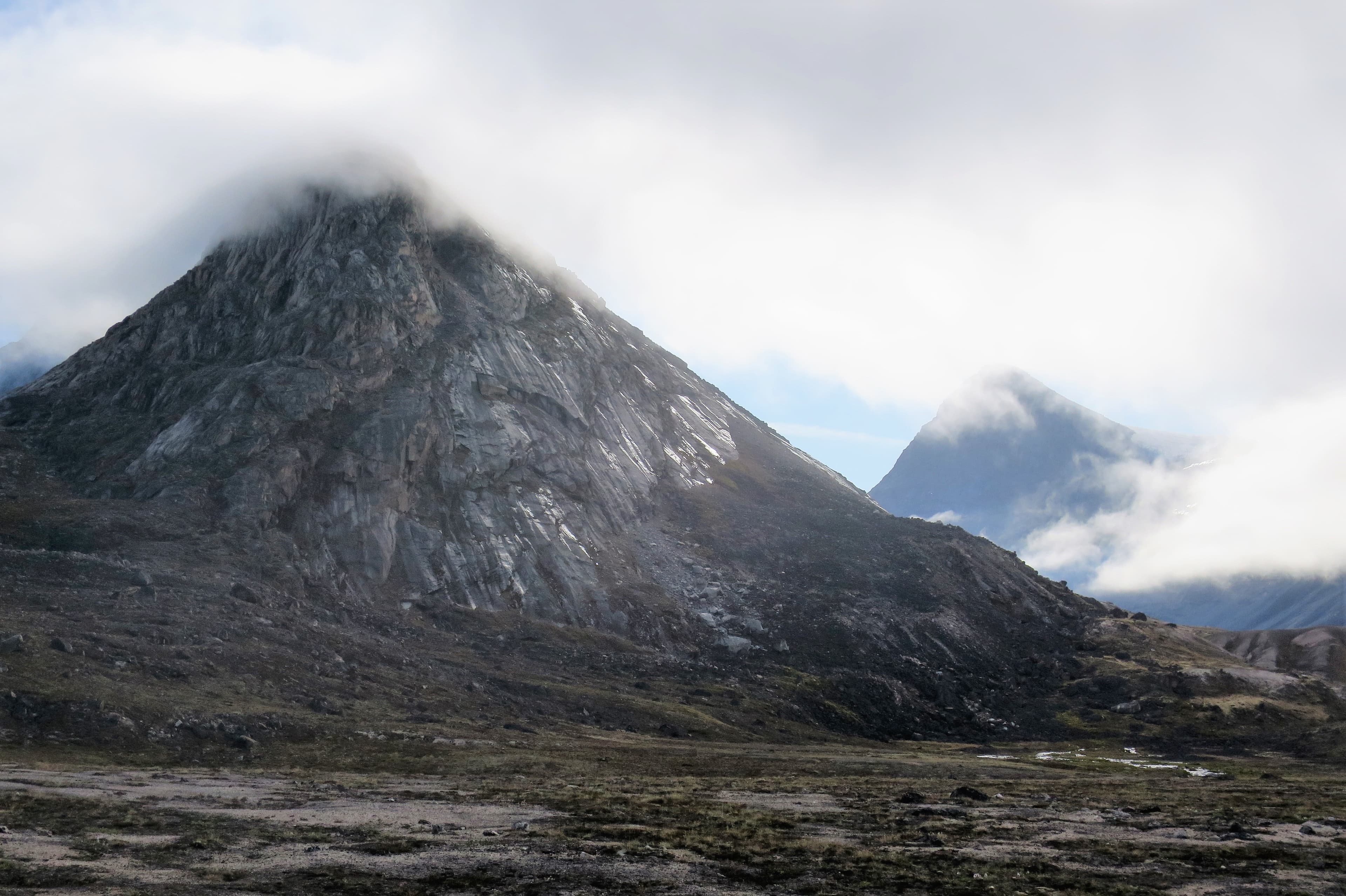
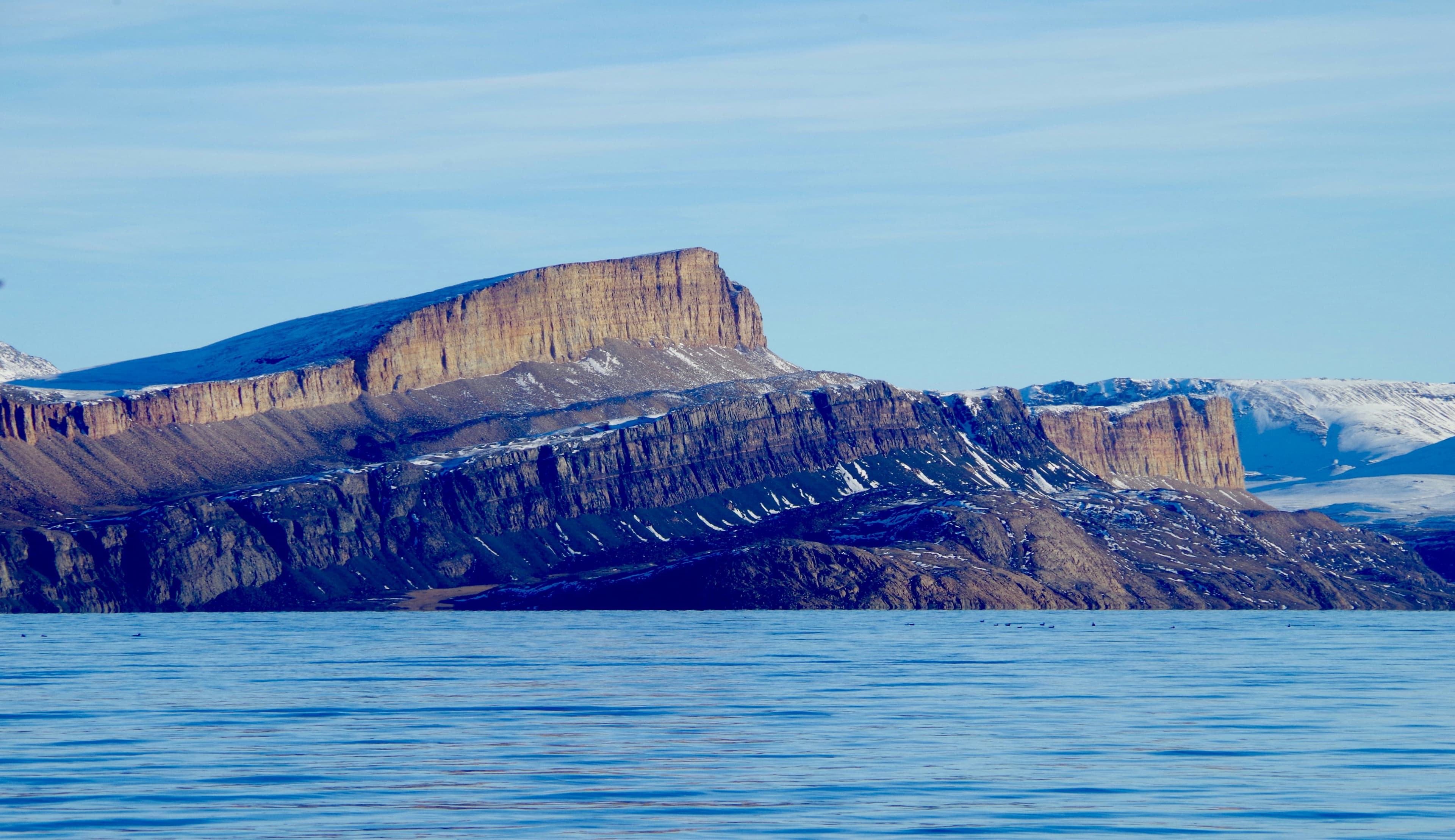
Baffin is the largest island in Canada, defined by dramatic geography: deep glacier-carved fjords, ice caps, and some of the steepest cliffs on Earth. We’ll learn of the long history of Thule culture and present-day Inuit communities, visit small settlements with local Cultural Ambassadors, and enjoy adventures on Zodiacs, shore landings, hikes, and more.
$20,054
WITH SPECIAL SAVINGS APPLIED
FARES SHOWN ARE PER GUEST
Suites & Fares
CHOOSE START DATE
: September 17, 2028
Itinerary
Nuuk, meaning “the cape”, was Greenland’s first town (1728). Started as a fort and later mission and trading post some 240 kilometers south of the Arctic Circle, it is the current capital. Almost 30% of Greenland’s population lives in the town. Not only does Nuuk have great natural beauty in its vicinity, but there are Inuit ruins, Hans Egede’s home, the parliament, and the Church of our Saviour as well. The Greenlandic National Museum has an outstanding collection of Greenlandic traditional dresses, as well as the famous Qilakitsoq mummies. The Katuaq Cultural Center’s building was inspired by the undulating Northern Lights and can house 10% of Nuuk’s inhabitants.
A day at sea
As Nuuk fades into the distance, we begin our first sea passage into the waters of Baffin Bay. Look out for seabirds following the ship and watch as the landscape begins to shift.
This is a time of orientation: both practical and environmental. With onboard lectures, you’ll get an introduction to ice navigation, wildlife patterns, and Arctic history, while the landscape slowly transforms from coastal Greenland into open polar seascape.
Ice-carved coasts and living Arctic communities
The eastern edge of Baffin Island reveals some of the most dramatic scenery in the Arctic: steep mountains, deep fjords, and glaciers descending directly into the sea. Sea ice often lingers here, shaping access and movement throughout the region.
In settlements such as Qikiqtarjuaq, life is in close connection with land and sea, where hunting, fishing, and travel remain guided by environmental conditions. Zodiac cruising and shore landings, where possible, offer encounters with this immense coastal landscape and its wildlife-rich waters.
Science at sea
Time at sea allows the scale of the region to settle in. Baffin Island’s vast coastline stretches behind while new regions approach ahead. Sea conditions can shift rapidly, from open water to scattered ice, requiring constant observation and adaptation.
Onboard life continues with lectures and sessions that bring the Arctic environment into focus: how ice forms, how ecosystems function, and how navigation in these waters is shaped by nature rather than fixed routes.
Dundas Harbour is located in the southeast of Devon Island, Canada’s 6th largest island. It is a forlorn but starkly beautiful spot. The island was first sighted by Europeans in 1616 by the English explorers Robert Bylot and William Baffin. But it did not appear on maps until after explorer William Edward Parry’s exploration in the 1820’s. Parry named it after Devon, England. In the local Inuktitut language, the place is called Talluruti, which translates as “a woman’s chin with tattoos on it.” This refers to the deep crevasses and streaks on Devon Island, which from a distance resemble traditional facial tattoos. On land there are remains of a Thule settlement dating back to 1000 A.D., including tent rings, middens and a gravesite. There are also much more recent remains a Royal Canadian Mounted Police outpost. The first post was established in 1924 to monitor and control illegal activities, such as foreign whaling, in the eastern entrance to the Northwest Passage. But conditions were so isolated and severe that the post was abandoned in 1933. It was reopened in 1945, but again closed, this time permanently, in 1951. Today, Devon Island is the largest uninhabited island in the world.
Gateway to the Northwest Passage
Lancaster Sound is one of the most important waterways in the Arctic. It’s a historic entry point into the Northwest Passage. We’ll pass towering cliffs and deep channels along the coast of Devon Island, which is the largest uninhabited island on Earth. Conditions permitting, we may visit Beechey Island, an important historical site associated with early Arctic exploration, including Sir John Franklin’s 1845 expedition.
Into the shifting ice
Sailing deeper into the Canadian High Arctic, the environment becomes more enclosed and remote. Prince Regent Inlet and the Gulf of Boothia are defined by long, quiet waterways, low-lying tundra, and the first patches of sea ice forming in the late Arctic autumn. With a little luck and patience, wildlife such as ringed or bearded seals may make an appearance along the ice edges.
Wide seas and Inuit homelands
Foxe Basin opens into a vast, shallow sea bordered by low tundra and distant, broken coastline. It feels open and exposed: water and sky blending at the horizon, with few landmarks to hold onto.
Over these few days, you move through a landscape shaped by long Thule and Inuit presence. Over 100 stone cairns called ‘inuksuit’ line the tundra at Enukso Point, some dating back 2,000 years. In Igloolik, a small hamlet literally translating as 'there is a house here', it’s easy to see how life remains closely tied to sea ice, hunting, and the seasonal rhythm of the land.
Cape Dorset is a small Inuit hamlet located on Dorset Island, off the southern shore of Baffin Island. The traditional name for Cape Dorset is Kinngait (meaning "high mountain"), describing the ‘Cape’, which is actually a 800 foot mountain. This is a nature-lovers paradise with breath-taking landscapes and an amazing abundance of arctic wildlife, such as migratory caribou, seabirds, whales, seals and walruses. Ancient native Thule (Dorset Culture) peoples lived in this area for three thousand years, and it is here where the first archaeological remains were found. Captain Luke Foxe, during his attempt to find the Northwest Passage in 1631, was the first European to land here. He named the Cape in honour of his sponsor Edward Sackville, the Earl of Dorset. In 1913, the Hudson's Bay Company started a trading post, exchanging furs and skins for supplies like tobacco, ammunition, flour, gas, tea and sugar. In 1949, the market for white fox collapsed but the art industry boomed. Since the 1950s, Cape Dorset, the "Capital of Inuit Art", has become an economic mainstay of the community, with more than 20% of it residents employed in the arts.
The long return through open waters
s the circumnavigation nears completion, time at sea becomes reflective. The Arctic landscapes of Baffin Island gradually recede as we move back toward Greenland. Ice becomes less dominant, replaced by longer stretches of open water and broader ocean conditions.
This is the perfect time to relax on board, perhaps chat with new friends in the Explorer Lounge & Bar, and catch up on any lectures you may have missed. If you haven’t tried the hot tubs yet, now’s your moment.
Nuuk, meaning “the cape”, was Greenland’s first town (1728). Started as a fort and later mission and trading post some 240 kilometers south of the Arctic Circle, it is the current capital. Almost 30% of Greenland’s population lives in the town. Not only does Nuuk have great natural beauty in its vicinity, but there are Inuit ruins, Hans Egede’s home, the parliament, and the Church of our Saviour as well. The Greenlandic National Museum has an outstanding collection of Greenlandic traditional dresses, as well as the famous Qilakitsoq mummies. The Katuaq Cultural Center’s building was inspired by the undulating Northern Lights and can house 10% of Nuuk’s inhabitants.
About the Ship
Name
MS Roald Amundsen
Operator
HX Expeditions

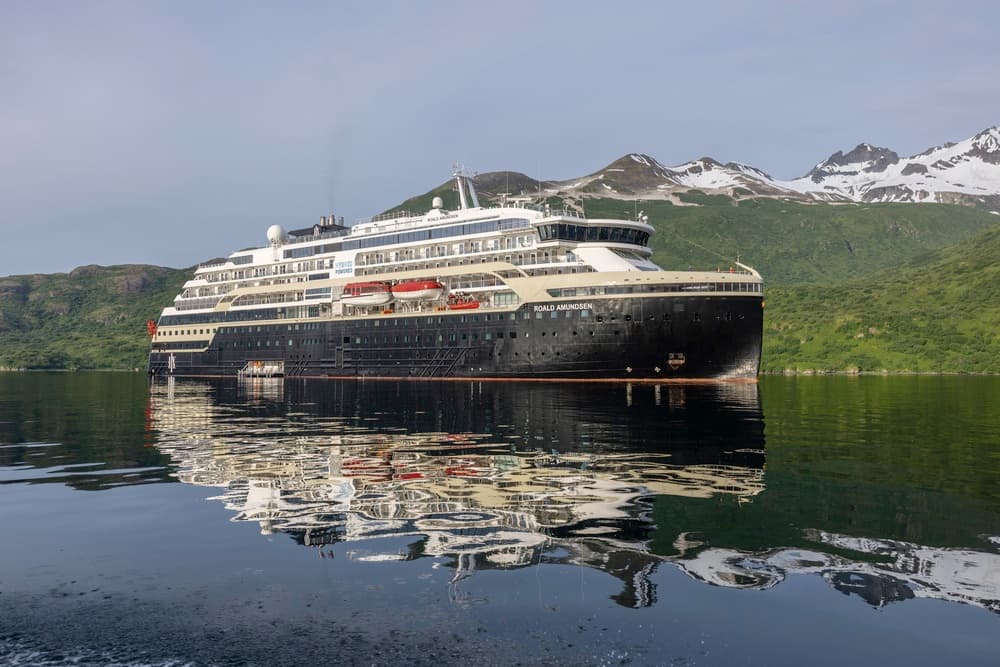
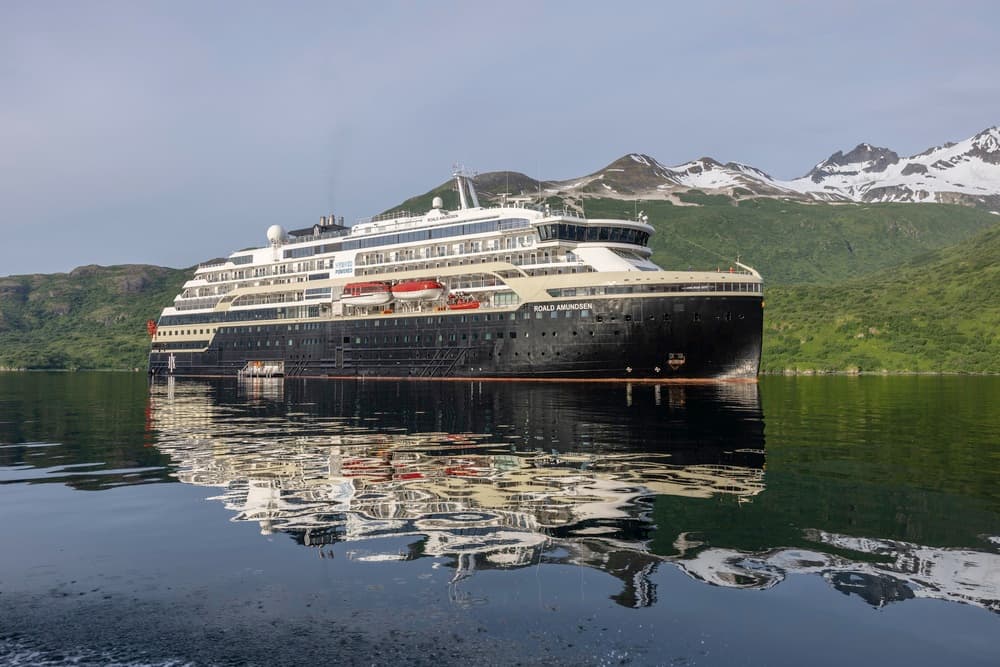
MS Roald Amundsen is as pioneering as the man it is named after, Roald Amundsen - the legendary Norwegian explorer. One of two fully hybrid ships in our fleet, explore the wonders of the world onboard one of the most environmentally friendly cruise ships in the world.
Loading...
Discover delicious food prepared in the state-of-the-art kitchens on board MS Fridtjof Nansen. Our creative chefs use local ingredients and take inspiration from regional flavours to take you on a culinary tour.
Takeaway: You are welcome to enjoy a Fredheim meal in your cabin.


Swap crowded decks for intimate lounges where your shipmates gather to recount the tales so far. Onboard restaurants serve delicious dishes, fit for the modern-day explorer. Destress in the gym or pamper yourself in the wellness centre before unwinding in your comfortable cabin. Elevate your expedition experience in a spacious suite with a private balcony - some even have outdoor hot tubs, perfect for soaking in the scenery after a day of discovery.


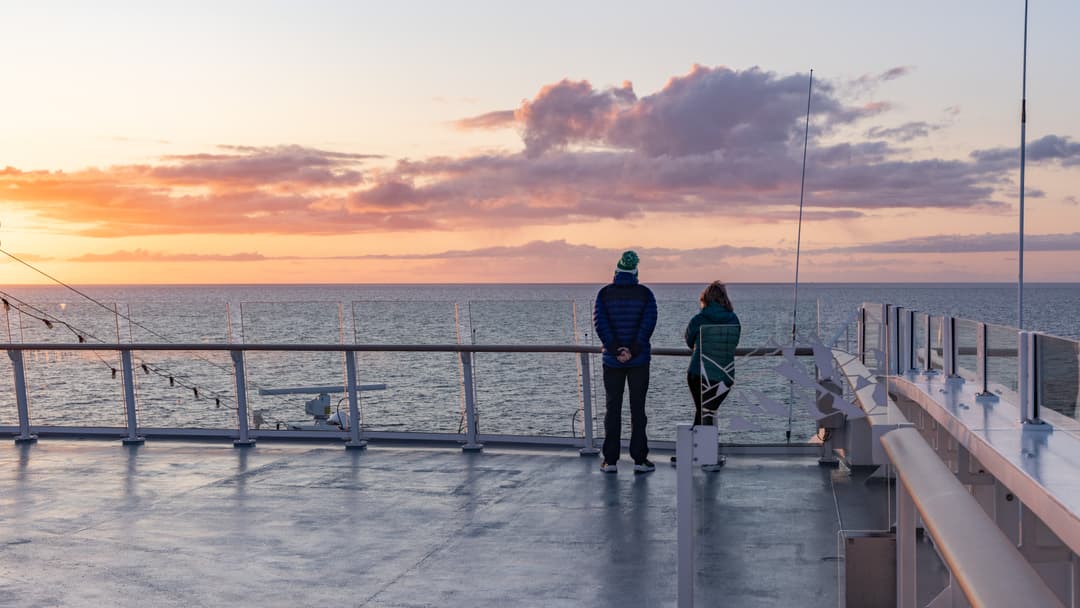


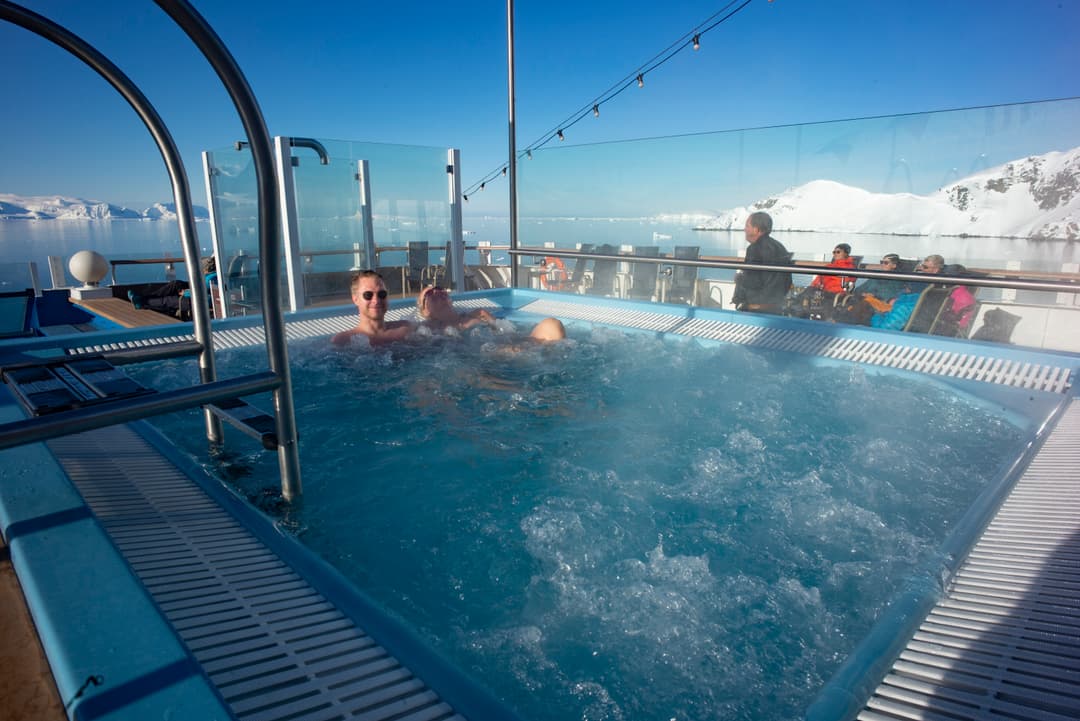
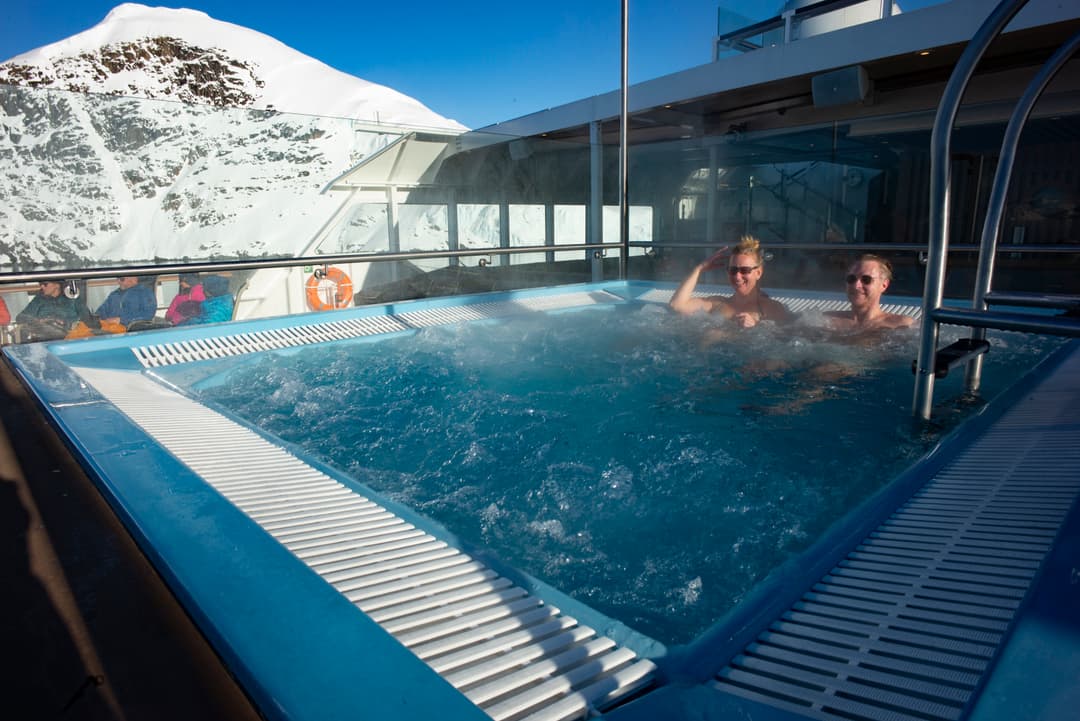




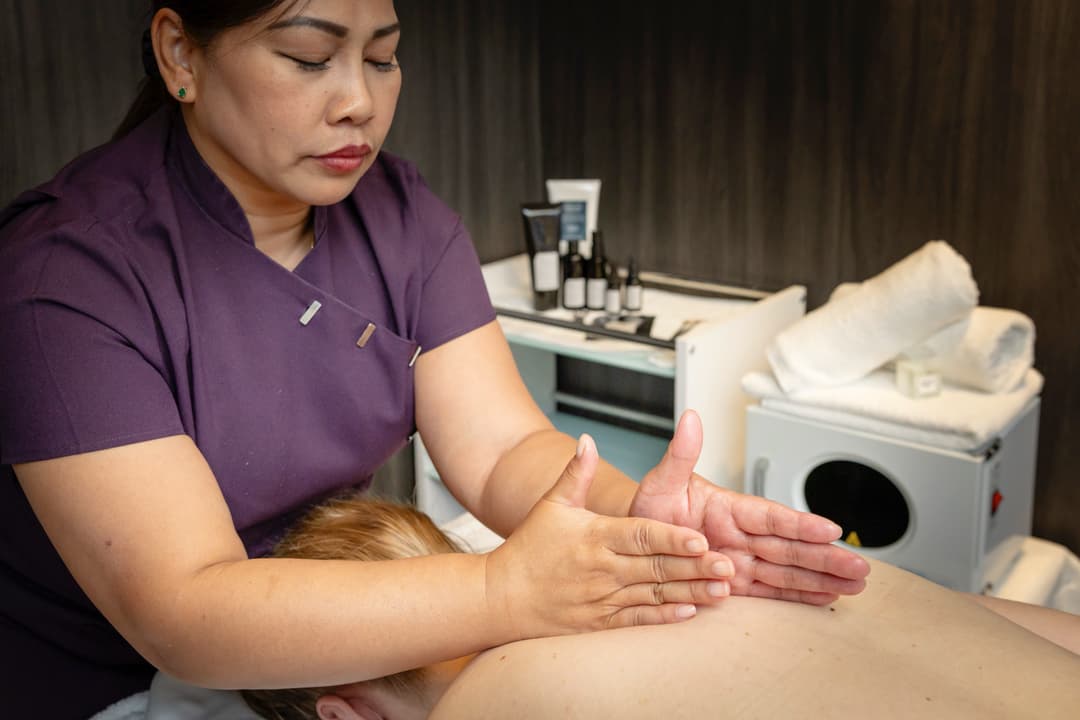
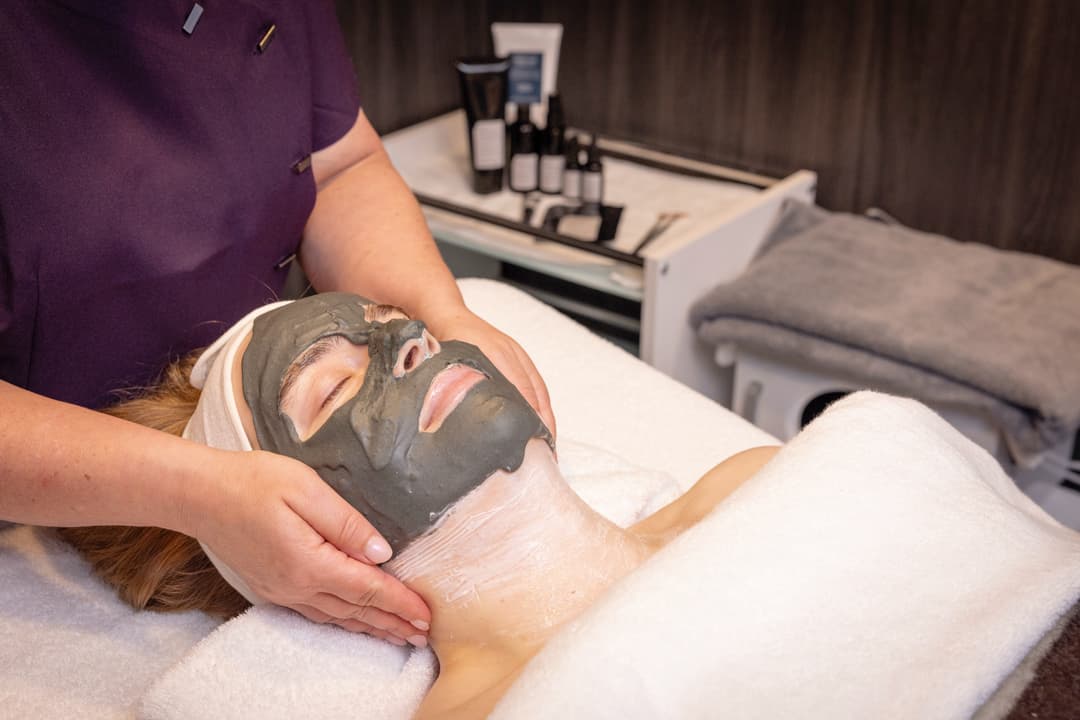
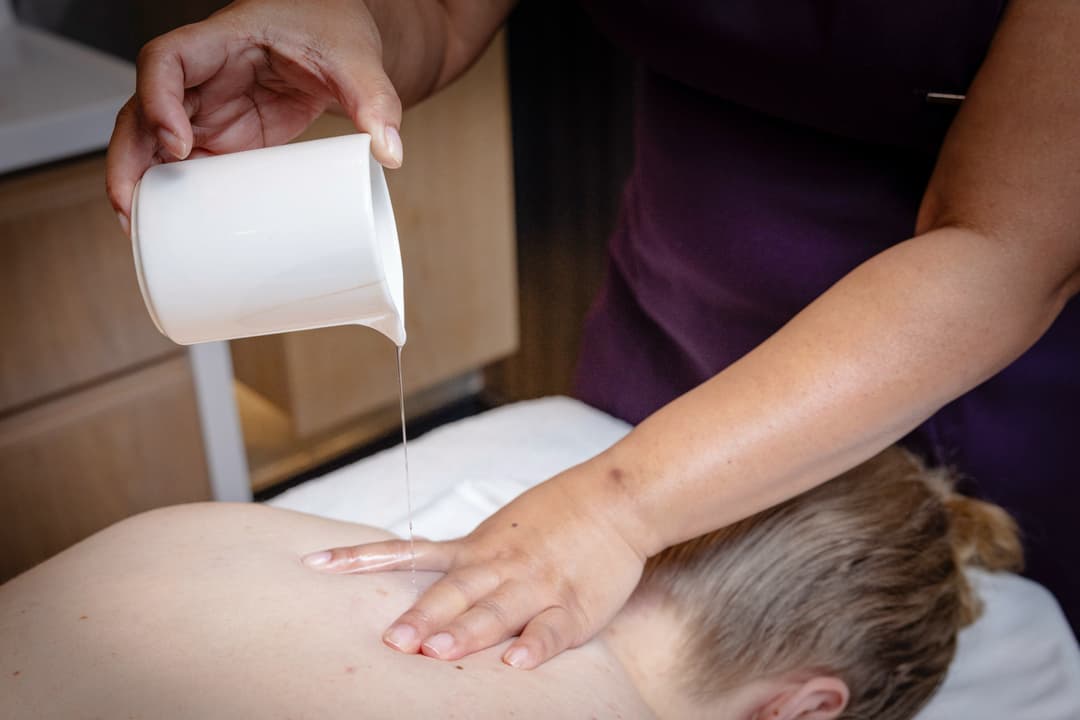
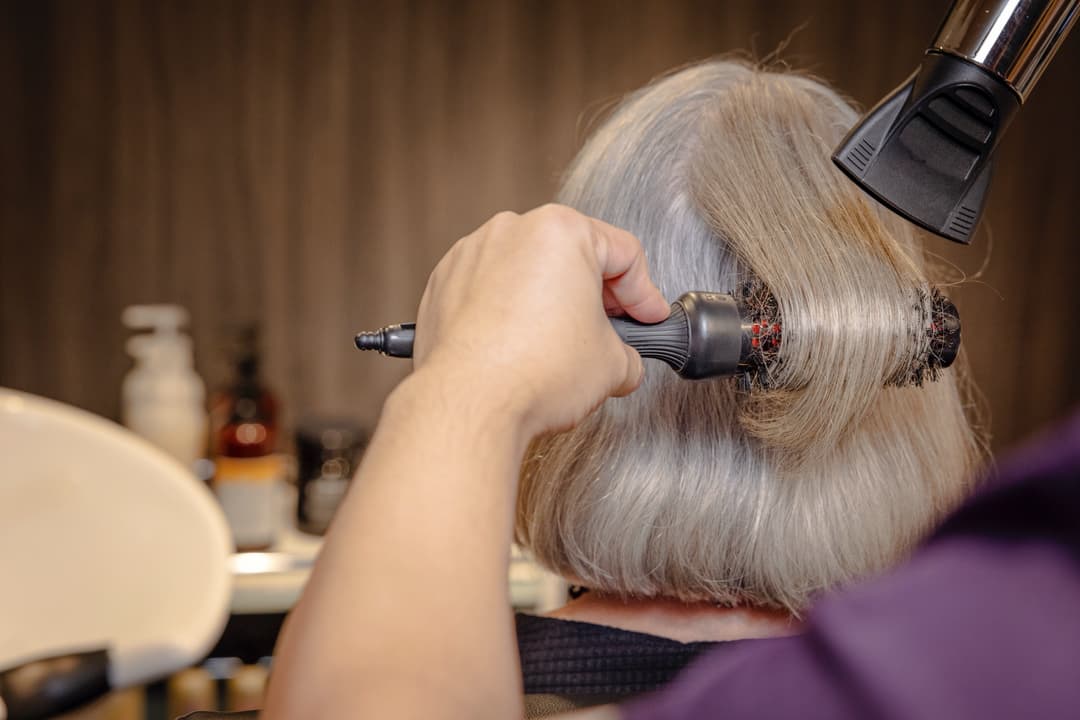


Our expedition ships – MS Roald Amundsen, MS Fridtjof Nansen, MS Fram, MS Spitsbergen, MS Santa Cruz II – are more than just a way to travel - they’re your home in the heart of the wild. Instead of an onboard casino, we have the Science Centre. Instead of cabaret shows, you have all the show you need outside the windows. No water slides, just kayaking trips or small-boat safaris along the coast in the Arctic, Antarctic, or the Galápagos.
The Science & Education program brings together like-minded individuals
Covering over 3/4 of the planet's surface, our oceans are vital in supporting human life on earth and are also home to over 90% of all known wildlife. Despite it influencing everything from our weather to transportation and yes, expedition cruises, very little is known about our blue planet.
This is where HX Expeditions and our fleet of small, state-of-the-....


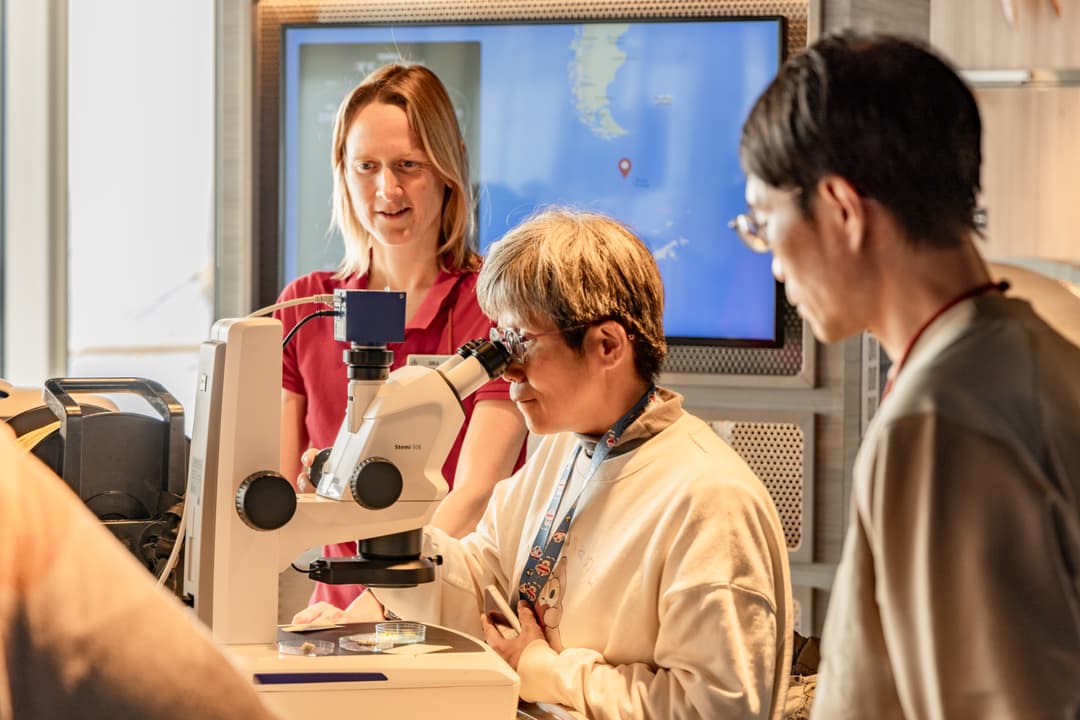


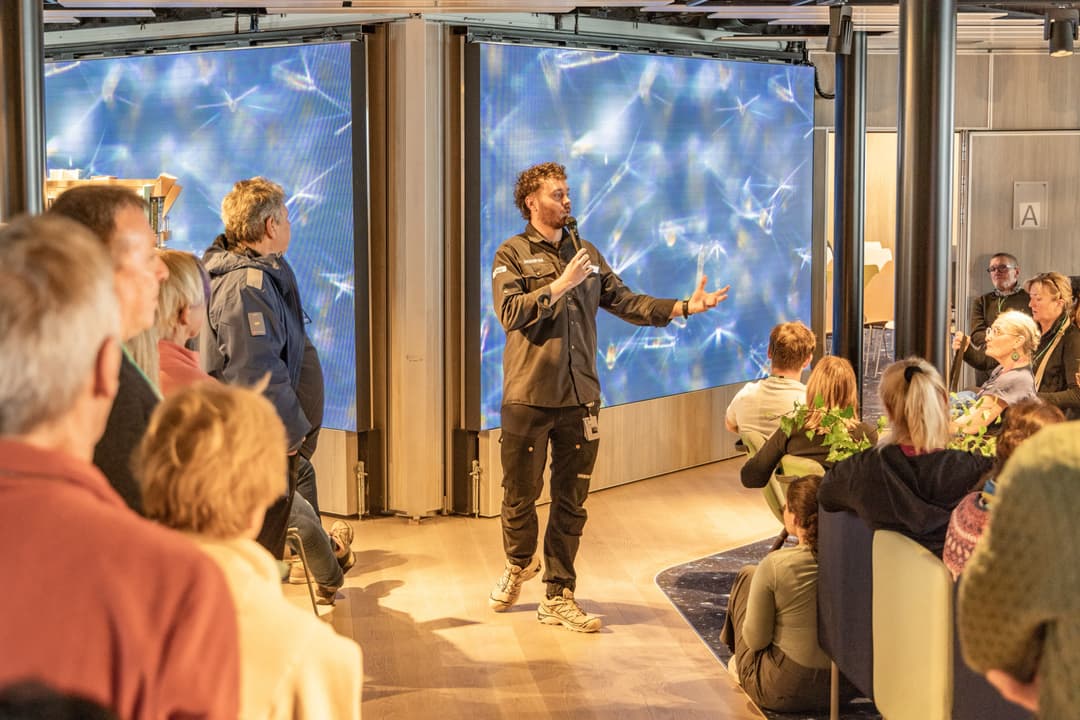
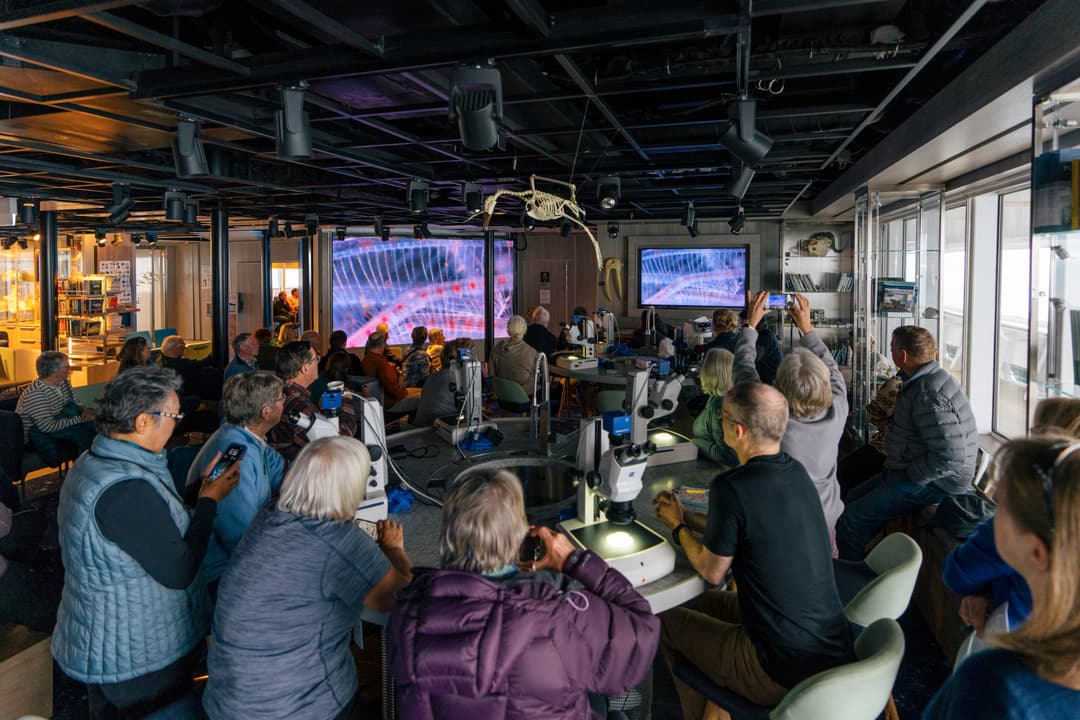
The onboard Expedition Team is composed of the Expedition Leader, the Assistant Expedition Leader, the Expedition Coordinator plus several lecturers and experts. Your Expedition Leader will regularly update you on the progress of the trip as well as the different points of interest and wildlife sightings that may occur. Biographies of the Expedition Team can be found on board. In the ships science center, you will be able to find information r....


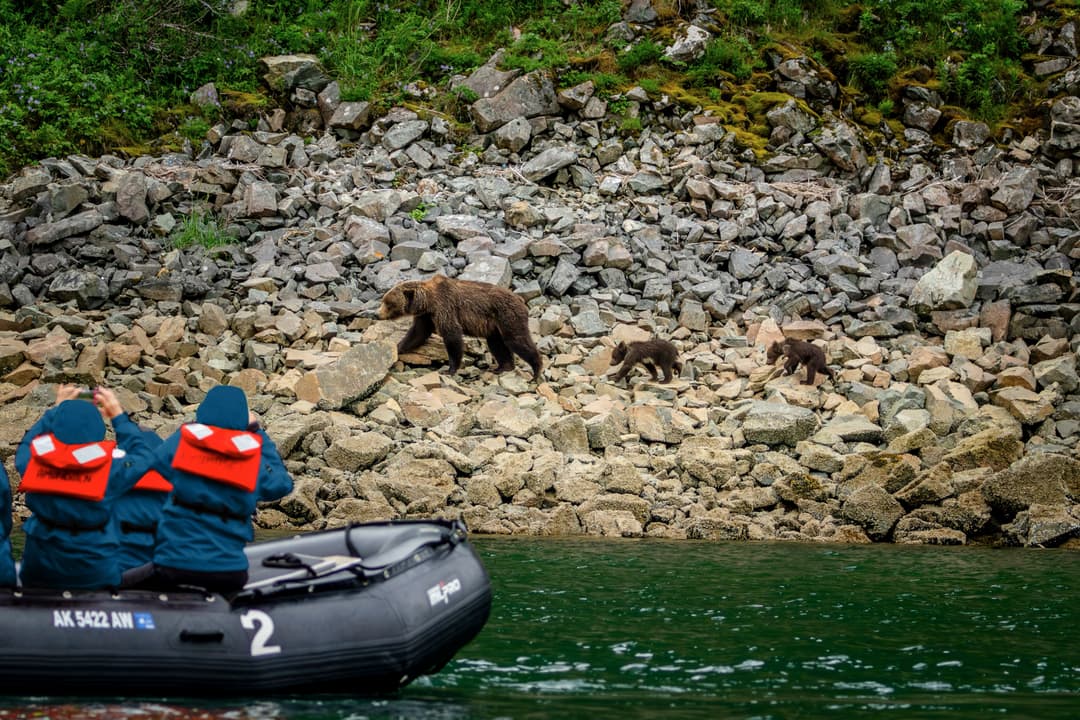
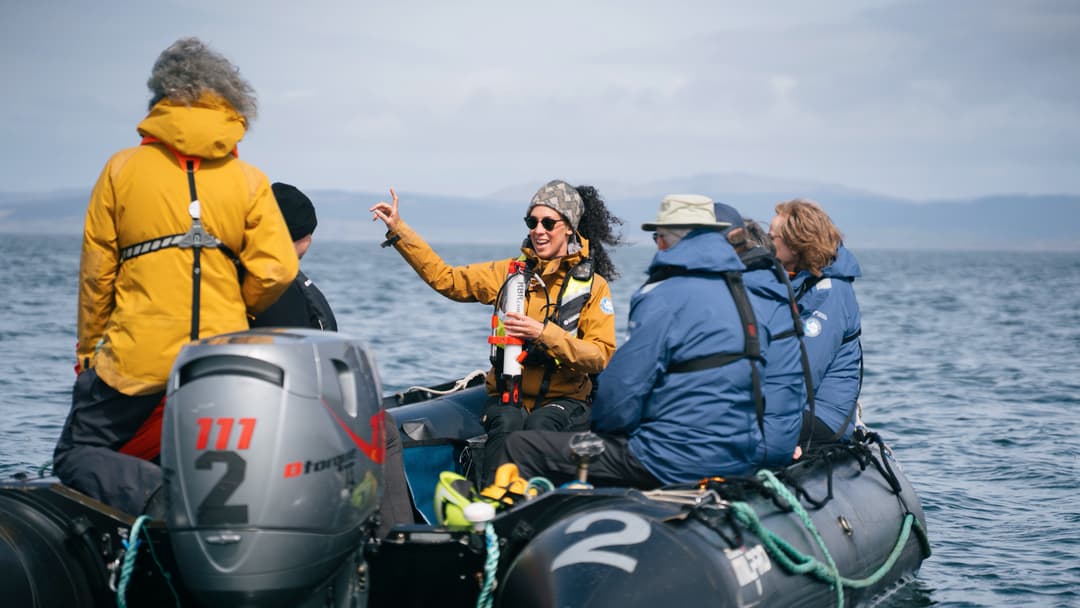
Let the participants reveal the adventurer they carry within, and get to know the spectacular surroundings by taking part in the excursions we offer. You can also take a brief break and join in one of the activities that take place on deck. This will recharge your batteries for the next session.
Take a break and fill all of your senses - storytelling about food and its traditions is a large part of the gastronomic experience on our ships....
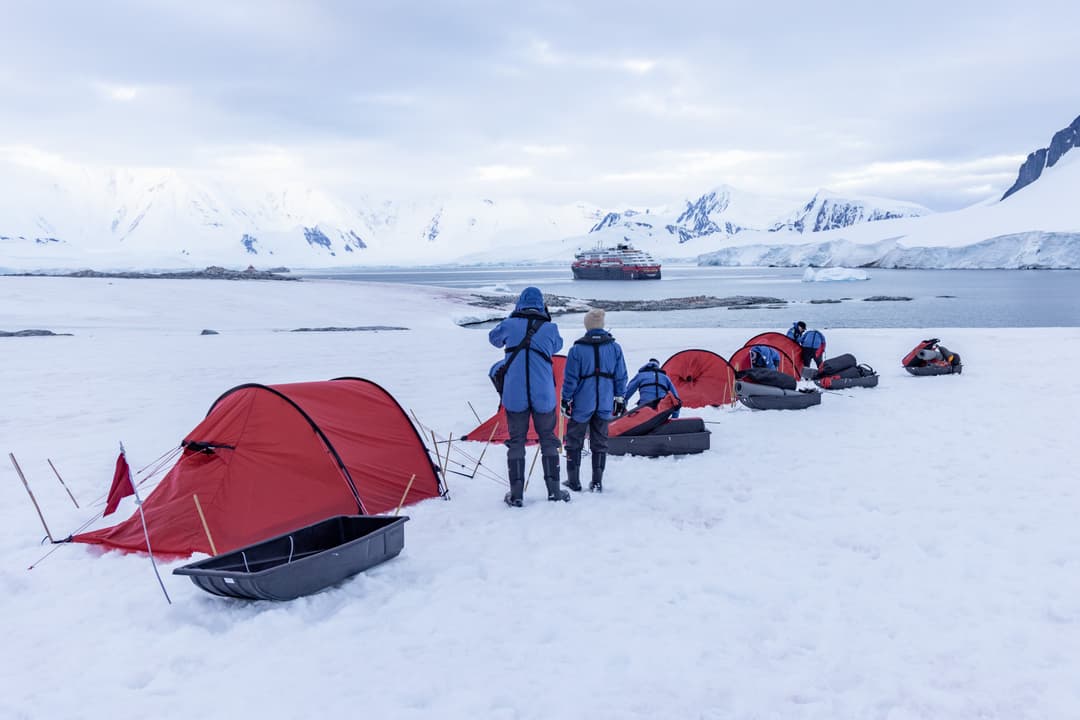
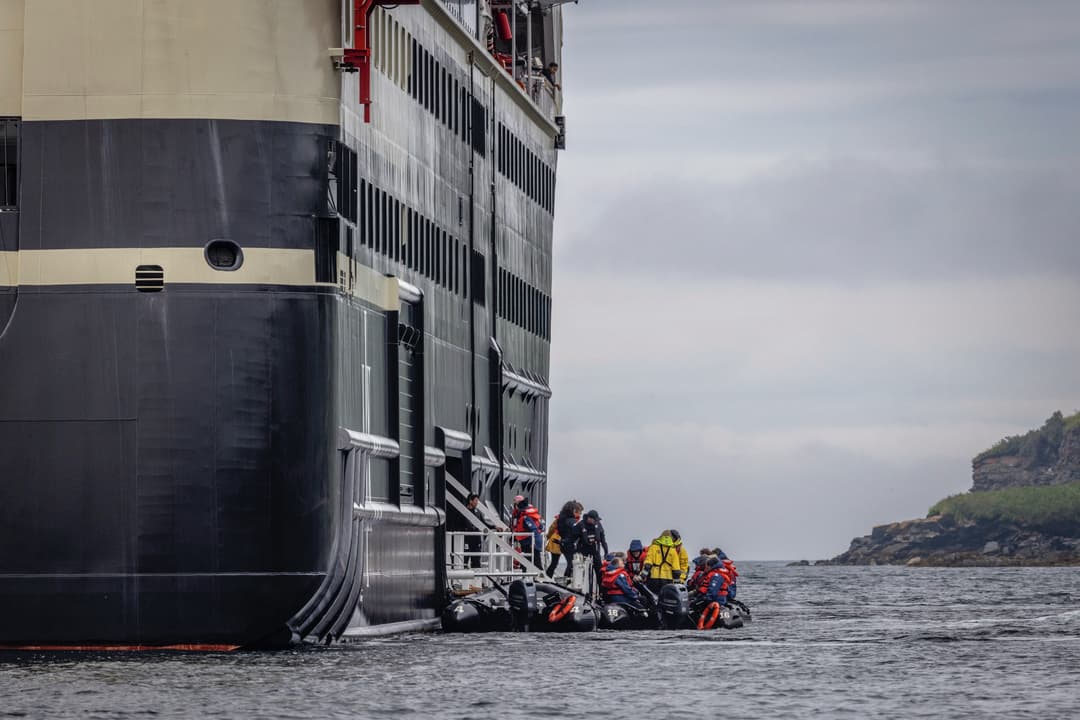
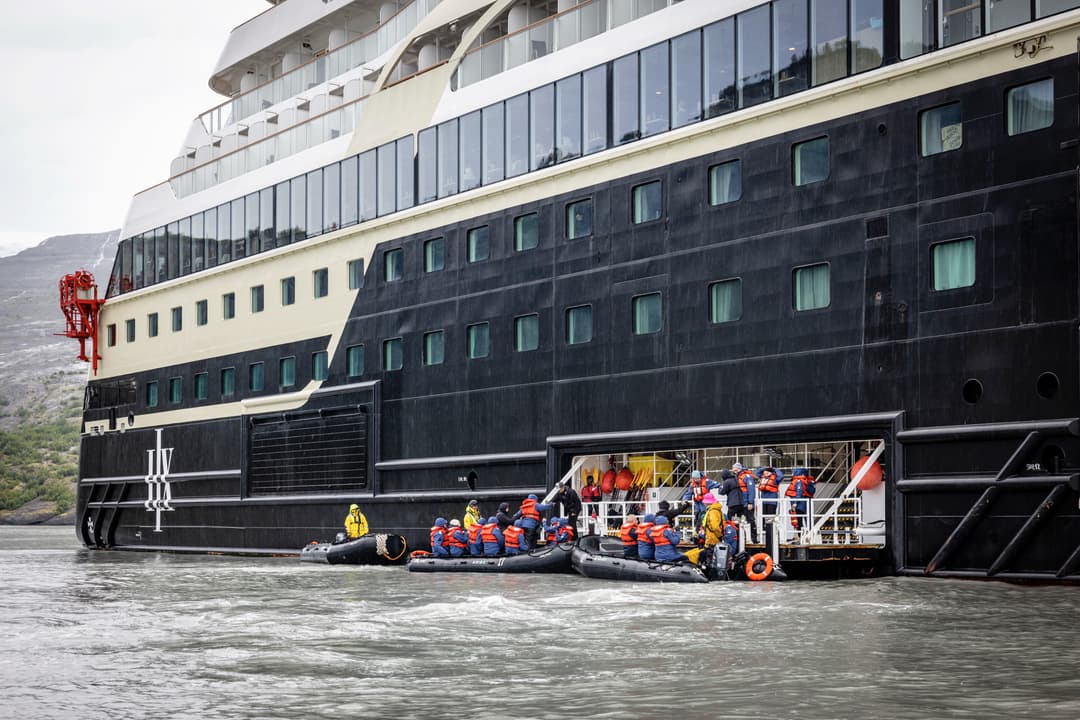
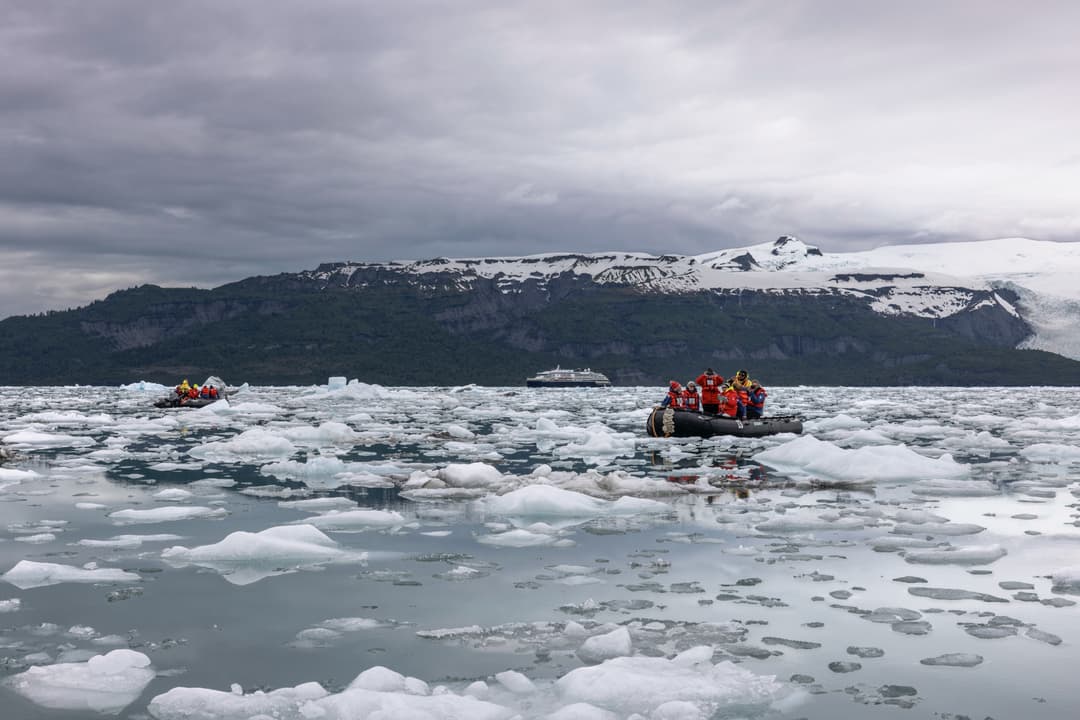
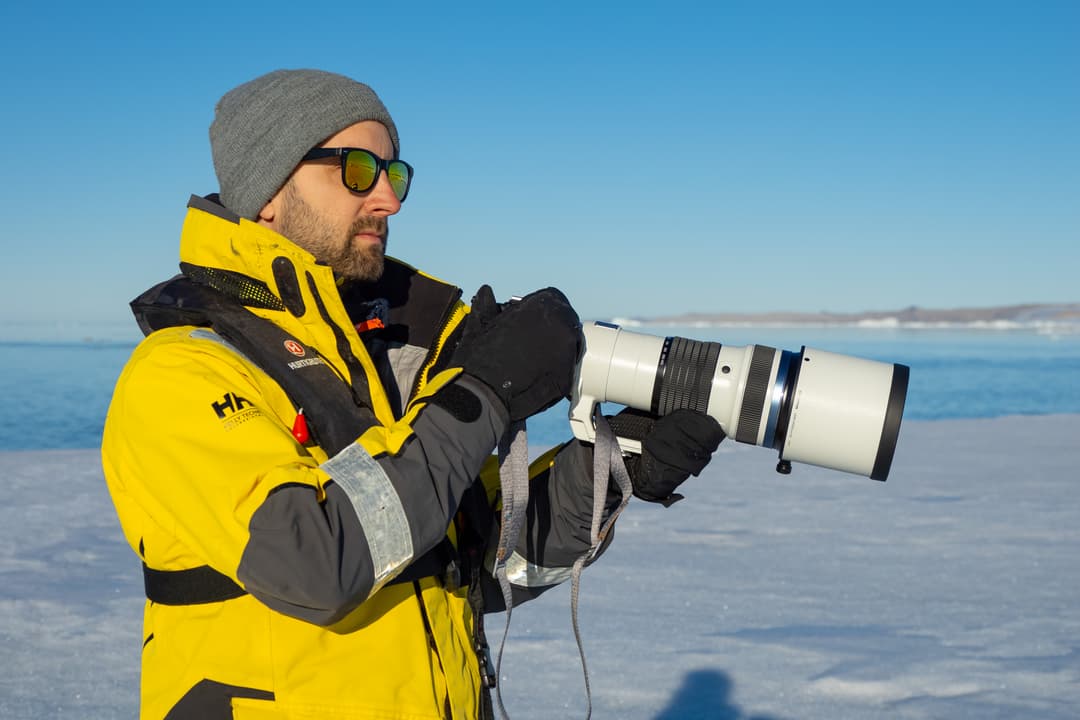
Our on board photographer will be there to assist guests in the use of their photo equipment and to help improve their photo skills. To enhance the experience of the places we explore, we use photography actively with our guests. Slideshow shared onboard before the end of the voyage and made available for all guests in an Expedition Logbook - including a selection of photos as well as the Daily Programs, Expedition Team biographies, Maps from ....
Loading...
Breakfast, lunch and dinner, every day: Indulge in anything your appetite desires across a huge list of delicious choices that almost rival the memories you’ll make off the ship. Start the day with an impressive buffet breakfast before moving onto a mouth-watering menu of à la carte choices later in the day. Of course, that includes house wine and beer and soft drinks.
A warm welcome to the sauna, hot tubs and more: Make so....
Due to the nature of expedition cruising, our voyages often take us far away from the resources and the facilities we are used to in day-to-day life. We recognise that disabilities and mobility issues can range in severity, and recommend all guests consider accompaniment by a companion if they need assistance, either on board or ashore, due to the environment, operations and the unique safety requirements found on an expedition ship.
We ....
Weather varies depending on your destination, but sturdy footwear for wet and dry landings is essential. We provide boots and trekking poles on certain expeditions, but you’re welcome to bring your own.
On-board
- Casual clothes – the dress code is relaxed and informal, even for dinners
- Comfortable flat shoes for everyday use while onboard. It can be slippery on deck, so we recommend shoes with a good grip
Our expedition ships feature a small onboard hospital essential equipment, and medication to handle small emergencies.. Every ship has an English-speaking medical team with a doctor and at least one nurse, supported 24/7 by dedicated land-based experts.
In the event of a serious emergency, the nearest hospital will be contacted. Medical consultations as well as medicines will be charged to the passenger affected. All guests must have per....
Everything you need to know about your cruise, including your bookings, daily programme, restaurants and services on board and essential information about available excursions is at hand at any time.
What have I booked?
Take a look at My bookings to explore the excursions you have booked and prepare for your adventure accordingly with practical tips.
What's happening today?
The daily programme helps you to....