

Antarctica & Falklands Expedition | Northbound
CRUISE ID # HXFNANT07AR-270319
Buenos Aires TO Montevideo

17-day all-inclusive Antarctica and Falklands Expedition Cruise from Buenos Aires to Montevideo
Embark on a late-summer Antarctic expedition, marvelling at its stunning wildlife and breathtaking sunsets, before sailing north to the Falkland Islands.
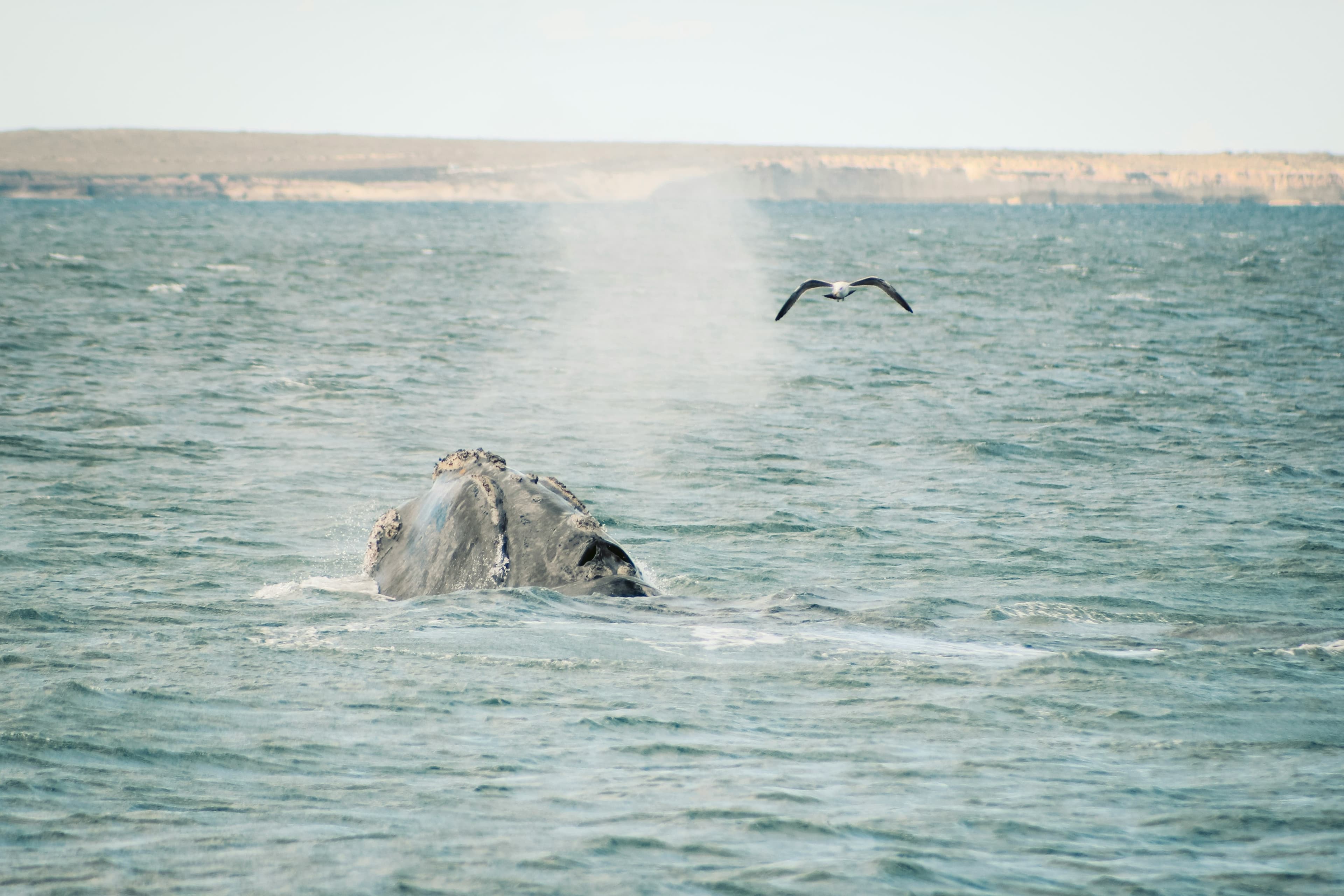
Spot whales and penguins and join the Expedition Team hiking, kayaking, ice-cruising via Zodiacs, and perhaps even camping overnight on the Antarctic snow.
Explore the remote Falkland Islands and see the rich wildlife there before heading to Puerto Madryn in Patagonia.
The frozen continent
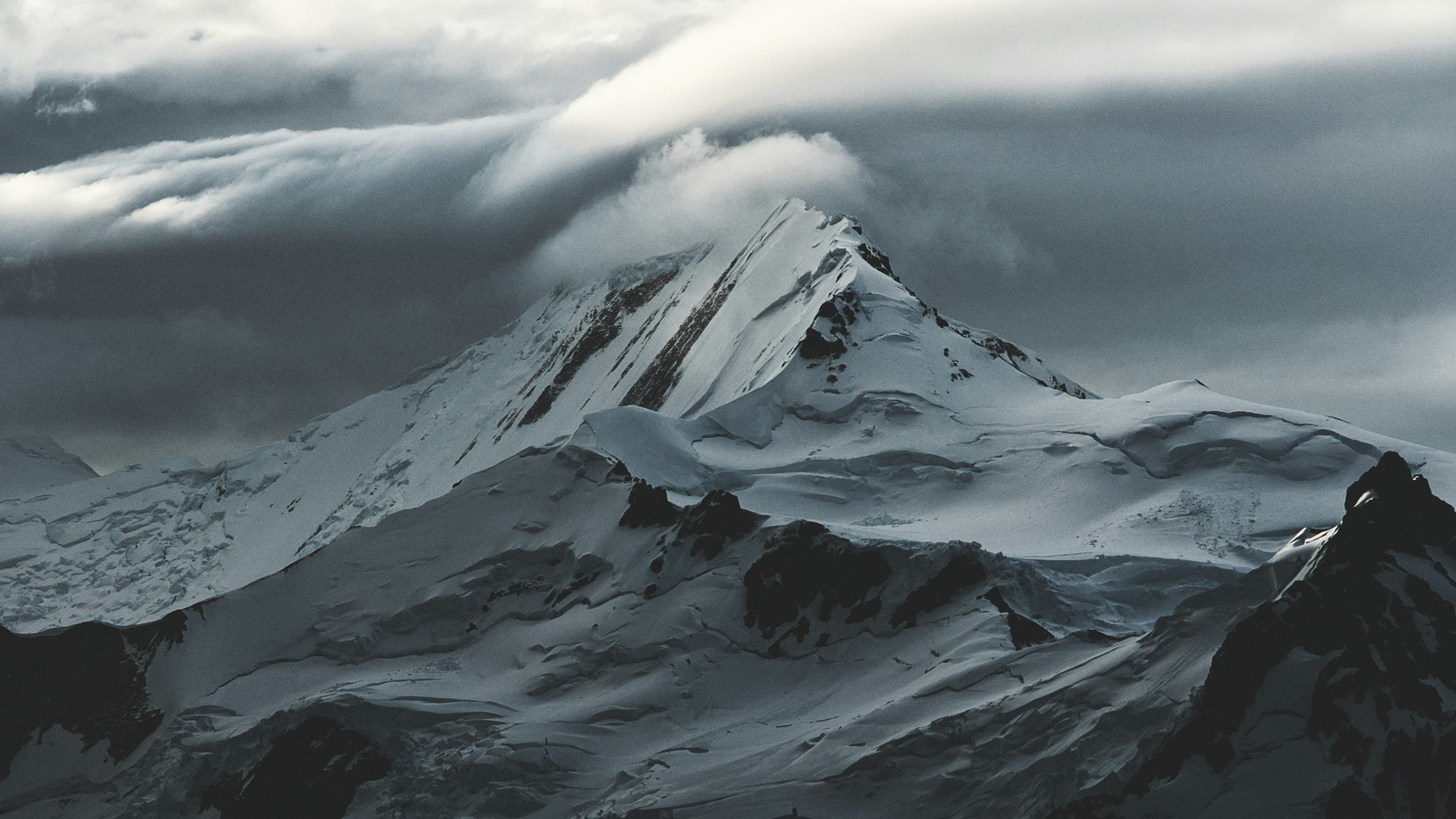
Set sail through icy waters as we journey from Ushuaia to Antarctica. When we arrive in the thrilling and otherworldly Seventh Continent, we’ll enter expedition mode. Monitoring the conditions to give you the best adventure possible, we’ll attempt kayaking, ice-cruising via Zodiac, wildlife watching, hiking, and more.
Lush green landscapes of the Falklands
Explore the rolling green hills and white sands of the picturesque Falklands archipelago. You’ll enjoy a visit to the charming capital Stanley and see the penguin and albatross colonies that populate the shores. Continuing north to Puerto Madryn, warm sandy beaches and a tranquil nature reserve await you.
$10,485
WITH SPECIAL SAVINGS APPLIED
FARES SHOWN ARE PER GUEST
Suites & Fares
CHOOSE START DATE
: March 19, 2027
Itinerary
Glamorous and gritty, Buenos Aires is two cities in one. What makes Argentina's capital so fascinating is its dual heritage—part European, part Latin American. Plaza de Mayo resembles a grand square in Madrid, and the ornate Teatro Colón would not be out of place in Vienna. But you’ll know you’re in South America by the leather shoes for sale on cobbled streets and impromptu parades of triumphant soccer fans. Limited-production wines, juicy steaks, and ice cream in countless flavors are among the old-world imports the city has perfected.
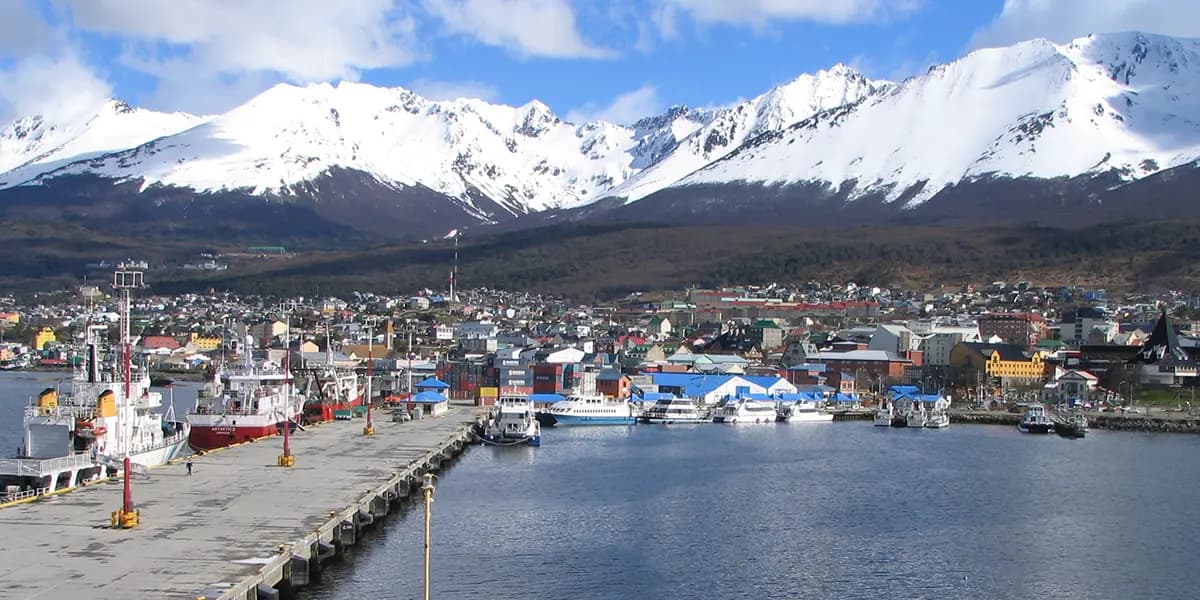
At 55 degrees latitude south, Ushuaia (pronounced oo-swy-ah) is closer to the South Pole than to Argentina's northern border with Bolivia. It is the capital and tourism base for Tierra del Fuego, the island at the southernmost tip of Argentina.Although its stark physical beauty is striking, Tierra del Fuego's historical allure is based more on its mythical past than on rugged reality. The island was inhabited for 6,000 years by Yámana, Haush, Selk'nam, and Alakaluf Indians. But in 1902 Argentina, eager to populate Patagonia to bolster its territorial claims, moved to initiate an Ushuaian penal colony, establishing the permanent settlement of its most southern territories and, by implication, everything in between.When the prison closed in 1947, Ushuaia had a population of about 3,000, made up mainly of former inmates and prison staff. Today the Indians of Darwin's "missing link" theory are long gone—wiped out by diseases brought by settlers and by indifference to their plight—and the 60,000 residents of Ushuaia are hitching their star to tourism.The city rightly (if perhaps too loudly) promotes itself as the southernmost city in the world (Puerto Williams, a few miles south on the Chilean side of the Beagle Channel, is a small town). You can make your way to the tourism office to get your clichéd, but oh-so-necessary, "Southernmost City in the World" passport stamp. Ushuaia feels like a frontier boomtown, at heart still a rugged, weather-beaten fishing village, but exhibiting the frayed edges of a city that quadrupled in size in the '70s and '80s and just keeps growing. Unpaved portions of Ruta 3, the last stretch of the Pan-American Highway, which connects Alaska to Tierra del Fuego, are finally being paved. The summer months (December through March) draw more than 120,000 visitors, and dozens of cruise ships. The city is trying to extend those visits with events like March's Marathon at the End of the World and by increasing the gamut of winter activities buoyed by the excellent snow conditions.A terrific trail winds through the town up to the Martial Glacier, where a ski lift can help cut down a steep kilometer of your journey. The chaotic and contradictory urban landscape includes a handful of luxury hotels amid the concrete of public housing projects. Scores of "sled houses" (wooden shacks) sit precariously on upright piers, ready for speedy displacement to a different site. But there are also many small, picturesque homes with tiny, carefully tended gardens. Many of the newer homes are built in a Swiss-chalet style, reinforcing the idea that this is a town into which tourism has breathed new life. At the same time, the weather-worn pastel colors that dominate the town's landscape remind you that Ushuaia was once just a tiny fishing village, snuggled at the end of the Earth.As you stand on the banks of the Canal Beagle (Beagle Channel) near Ushuaia, the spirit of the farthest corner of the world takes hold. What stands out is the light: at sundown the landscape is cast in a subdued, sensual tone; everything feels closer, softer, and more human in dimension despite the vastness of the setting. The snowcapped mountains reflect the setting sun back onto a stream rolling into the channel, as nearby peaks echo their image—on a windless day—in the still waters.Above the city rise the last mountains of the Andean Cordillera, and just south and west of Ushuaia they finally vanish into the often-stormy sea. Snow whitens the peaks well into summer. Nature is the principal attraction here, with trekking, fishing, horseback riding, wildlife spotting, and sailing among the most rewarding activities, especially in the Parque Nacional Tierra del Fuego (Tierra del Fuego National Park).
Centre on science before your Antarctic adventure
On the two-day crossing through the Drake Passage, the Expedition Team will equip you with all you need to make the most of your polar expedition cruise.
Visit the onboard Science Centre and find out what lies ahead. Listen to experts talk passionately about Antarctica’s history, the science beneath the ice, and the impact of climate change and plastic pollution. You'll learn how to make your visit as safe and as low-impact as possible, and about the Citizen Science projects you can join.
There's plenty of time to relax, so unwind in the spa and wellness area, enjoy some delicious cuisine and meet fellow travellers in the Explorer Lounge & Bar.
Some 770 kilometers (478 miles) south of Cape Horn, the South Shetland Islands are usually the first land seen in Antarctica. Separated from the Antarctic Peninsula by the Bransfield Strait, nine major islands make up the group. The region was the first to be exploited by sealers in the early 19th century, and because of its proximity to South America, it still is the most visited by scientists and tourists. Chinstrap, Adelie, Gentoo and Macaroni Penguins all breed here. In addition, because it is the warmest part of the continent, large moss beds as well as orange, black, grey and green lichens grow –even hair grass and pearlwort manage to survive. Leopard seals, Weddell seals, crabeater seals, Southern elephant seals and Antarctic fur seals can be seen in the water and on the beaches.
Some 770 kilometers (478 miles) south of Cape Horn, the South Shetland Islands are usually the first land seen in Antarctica. Separated from the Antarctic Peninsula by the Bransfield Strait, nine major islands make up the group. The region was the first to be exploited by sealers in the early 19th century, and because of its proximity to South America, it still is the most visited by scientists and tourists. Chinstrap, Adelie, Gentoo and Macaroni Penguins all breed here. In addition, because it is the warmest part of the continent, large moss beds as well as orange, black, grey and green lichens grow –even hair grass and pearlwort manage to survive. Leopard seals, Weddell seals, crabeater seals, Southern elephant seals and Antarctic fur seals can be seen in the water and on the beaches.
Discover more about the Falkland Islands
As you savour your Antarctic experiences, prepare for more adventures ahead as we cruise towards the Falkland Islands. Your Expedition Team will brief you about the history and biology of the islands. In the Science Centre, you can look through the microscope at the tiny krill and phytoplankton that sustains so much of the region's wildlife.
Get tips from our professional photographer to improve your images or join workshops on wildlife painting and nautical knots. You can also book a spa treatment, visit the gym, and enjoy the locally sourced, regionally inspired dishes in our restaurants.
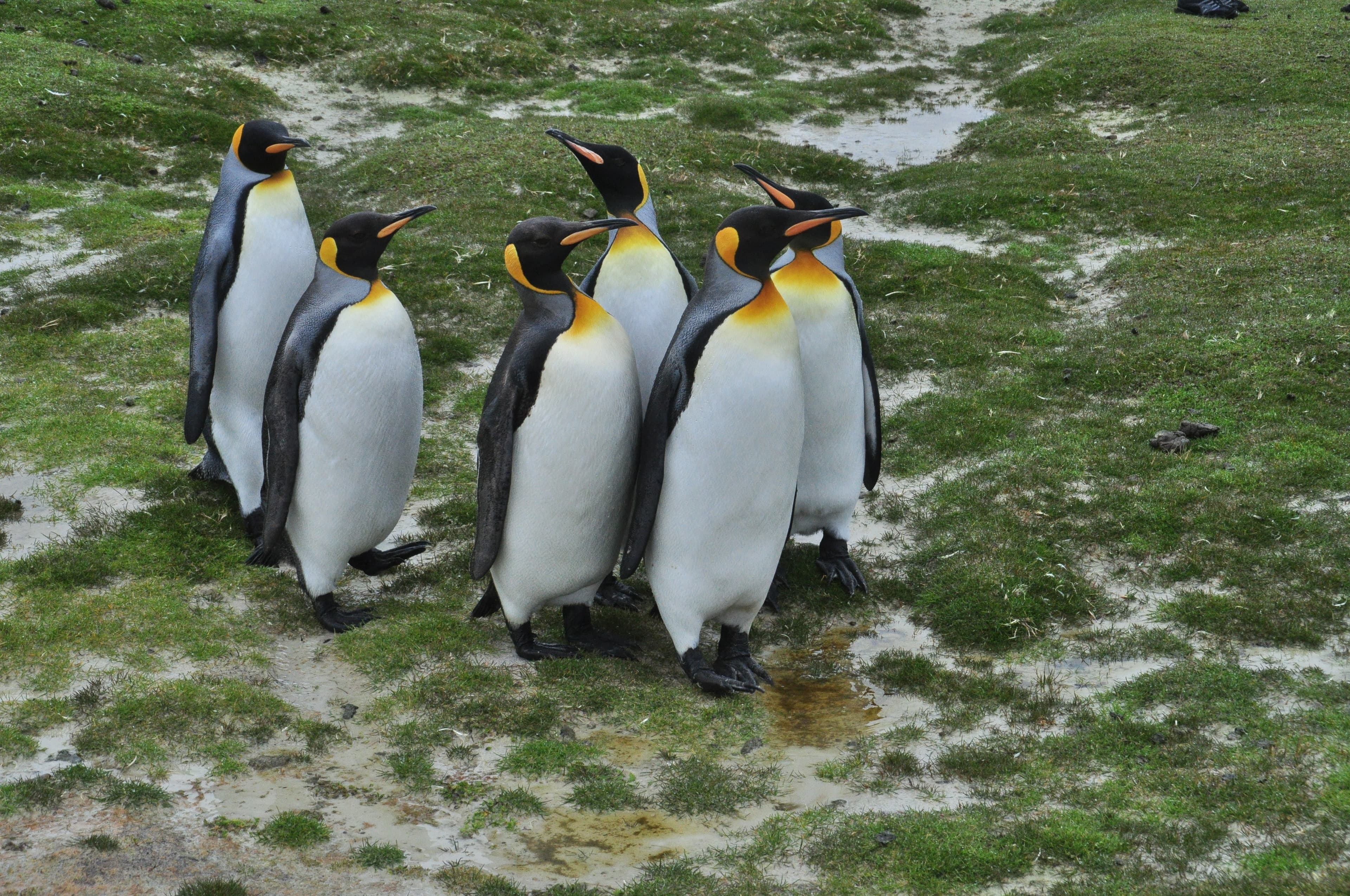
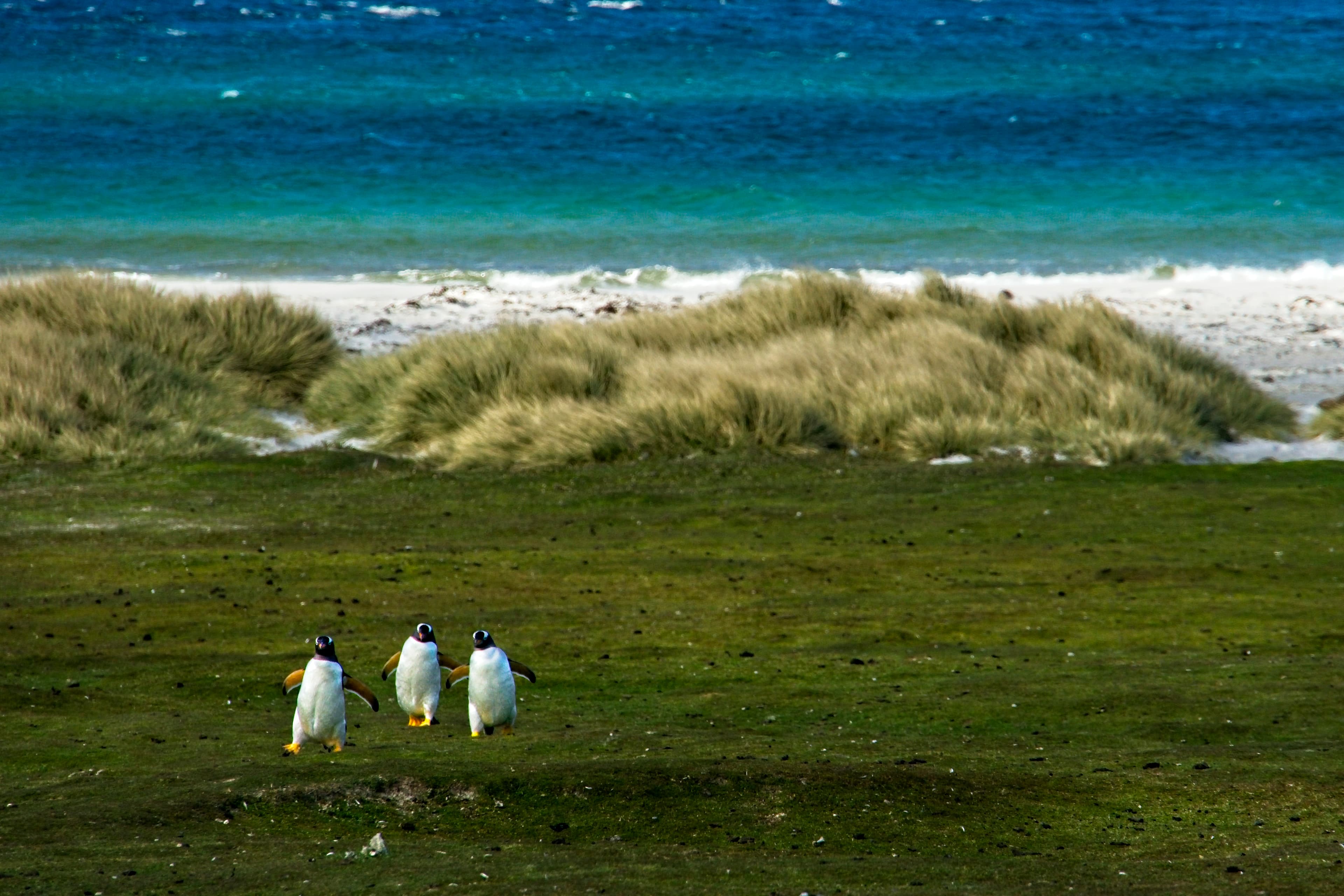
Tiny Stanley, capital of the Falklands, seems in many ways like a British village fallen out of the sky. Many homes are painted in bright colours, adding visual appeal to this distant outpost. Not far offshore, the wreck of the Lady Elizabeth, is one of the many vessels remaining as a silent testimonial to the region's frequent harsh weather conditions.The islands, also known by their Spanish name of Islas Malvinas, are home to arguably more tuxedo-clad inhabitants of the penguin variety than human residents. Various species, such as Gentoo, Magellanic and the more elusive King penguins, either live here permanently or use the Falklands as a stopover on their migration route. Darwin found the islands' flora and fauna fascinating - no doubt you will, too.
Saunders Island is the fourth-largest of the Falkland Islands in the western portion of the archipelago. The island’s topography is unusual, being made up of three peninsulas linked by narrow necks, and three big upland areas. Today the island is run as a sheep farm, but has historical importance as the location of the first British settlement in the Falklands. Saunders’ wildlife is also impressively varied. It is possible to see Gentoo and King Penguins in the open dune and sand-flat area, while Rockhopper Penguins (with the odd pair of Macaroni Penguins in between them), Imperial Shags and Black-browed Albatrosses frequent Mount Richards, the highest point on the island at 457 m (1500 feet). Other key bird species are the Black–throated Finch, Ruddy-headed Goose and Falkland Steamer Duck.
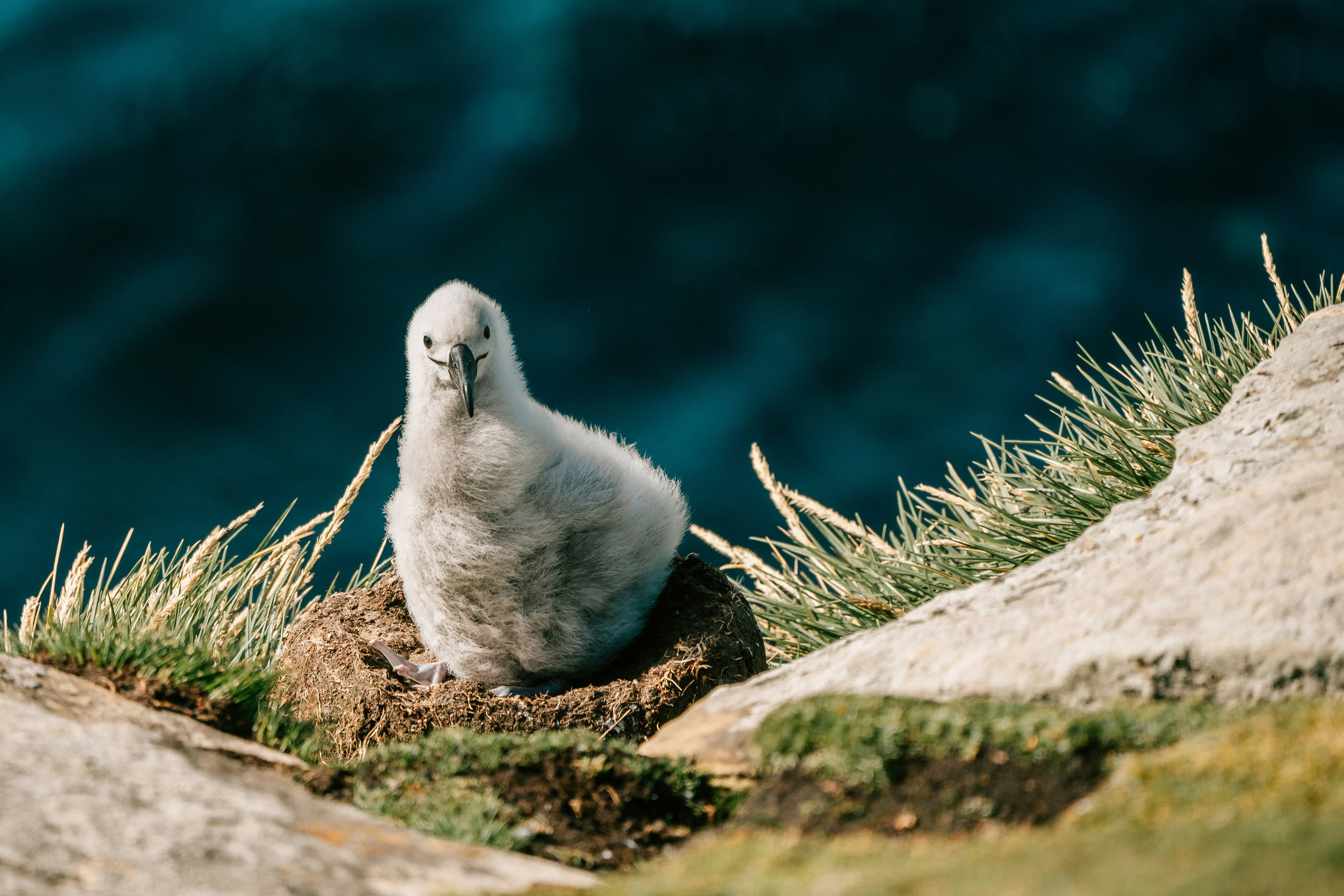
Located slightly northwest of West Falkland, West Point Island is used for sheep farming and nature observations. Peale’s dolphins and the distinctive black and white markings of the Commerson’s dolphin can usually be seen in the waters around West Point Island. Rolling moorland and steep cliffs make for great photographic opportunities, but the main attraction is the Devil’s Nose, a cliffside colony of Black-browed Albatrosses nesting side-by-side with feisty Rockhopper Penguins. Magellanic Penguins and Magellanic Cormorants can also be found on the island.
Relax and get ready for Puerto Madryn
Enjoy a relaxing day at sea as we sail towards Puerto Madryn. You’ll have experienced so much in Antarctica and the Falklands that your head will likely be a swirling kaleidoscope of special memories and new knowledge.
Join the Expedition Team in the Science Centre to examine special interests in more depth. Learn more about photography, or simply relax on deck, mulling over the highlights of a memorable adventure.
End the day in the Explorer Lounge & Bar with the new friends you’ve made on your trip, sharing experiences over a relaxing drink.
Approaching from Ruta 3, it's hard to believe that the horizon line of buildings perched just beyond the windswept dunes and badlands is the most successful of all coastal Patagonia settlements. But once you get past the outskirts of town and onto the wide coastal road known as the Rambla, the picture begins to change. Ranged along the clear and tranquil Golfo Nuevo are restaurants, cafés, dive shops, and hotels, all busy—but not yet overcrowded—with tourists from around the world.Puerto Madryn is more a base for visiting nearby wildlife-watching sites like Península Valdés and Punta Tombo than a destination in its own right. The town's architecture is unremarkable, and beyond a walk along the coast there isn't much to do. Indeed, even the few museums serve mainly to introduce you to the fauna you'll see elsewhere. The exception is the beginning of whale season (May through July), when the huge animals cavort right in the bay before heading north—you can even walk out alongside them on the pier. During these months it's worth the extra expense for a room with a sea view.The many tour agencies and rental-car companies here make excursion planning easy. Aim to spend most of your time here on one- or two-day trips exploring the surroundings. Note that competition is fierce between tourism operators in destinations such as Puerto Madryn and Puerto Pirámides on Península Valdés. Take information that tour operators and even the tourism office give you about these with a grain of salt: they often exaggerate Madryn's virtues and other areas' flaws.
Time at sea to rest and reflect
As we sail the final leg from Puerto Madryn to Buenos Aires, enjoy your final day at sea.
Join the Expedition Team in the Science Center to examine special interests in more depth. Learn more about photography, or simply relax on deck, mulling over the highlights of a memorable adventure. And don't forget to contribute your findings to Citizen Science projects.
End the evening in the Explorer Lounge with the new friends you’ve made on your trip, sharing experiences over a relaxing drink.
Uruguay’s capital city hugs the eastern bank of the Río de la Plata. A massive coastal promenade (malecón) that passes fine beaches, restaurants, and numerous parks recalls the sunny sophistications of the Mediterranean and is always dotted with Montevideans strolling, exercising, and lounging along the water. Montevideo has its share of glitzy shopping avenues and modern office buildings, balanced with its historic old city and sumptuous colonial architecture, as well as numerous leafy plazas and parks. It is hard not to draw comparisons to its sister city Buenos Aires across the river, and indeed Montevideo strikes many as a calmer, more manageable incarnation of Argentina's capital.When the weather's good, La Rambla, a 22-km (14-mile) waterfront avenue that links the Old City with the eastern suburbs and changes names about a dozen times, gets packed with fishermen, ice-cream vendors, and joggers. Around sunset, volleyball and soccer games wind down as couples begin to appear for evening strolls. Polls consistently rate Montevideo as having the highest quality of life of any city in Latin America. After one visit here, especially on a lovely summer evening, you probably will agree.
About the Ship
Name
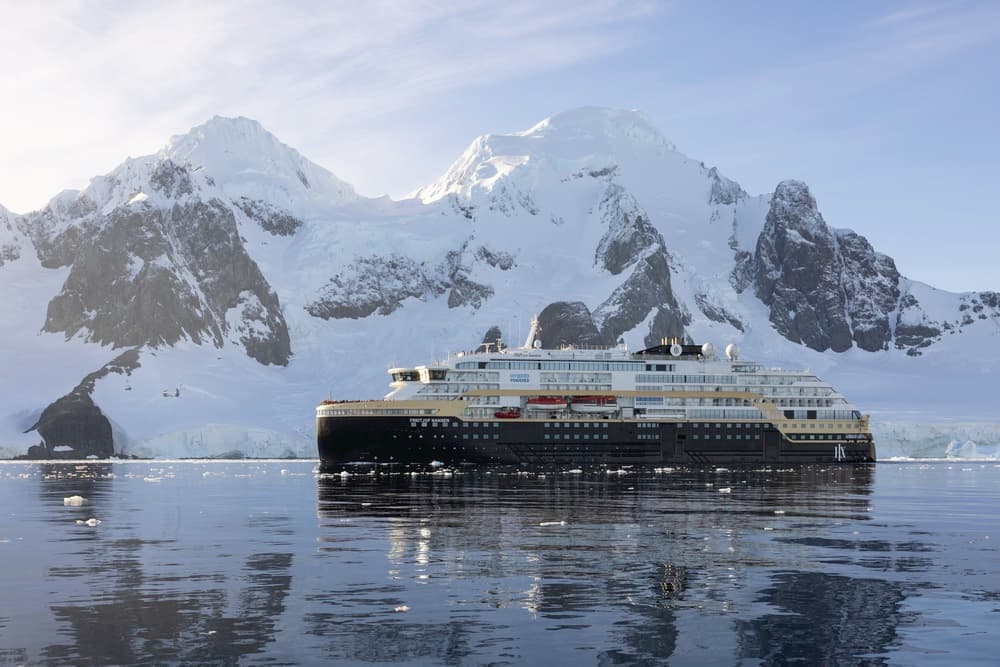
MS Fridtjof Nansen
Operator
HX Expeditions

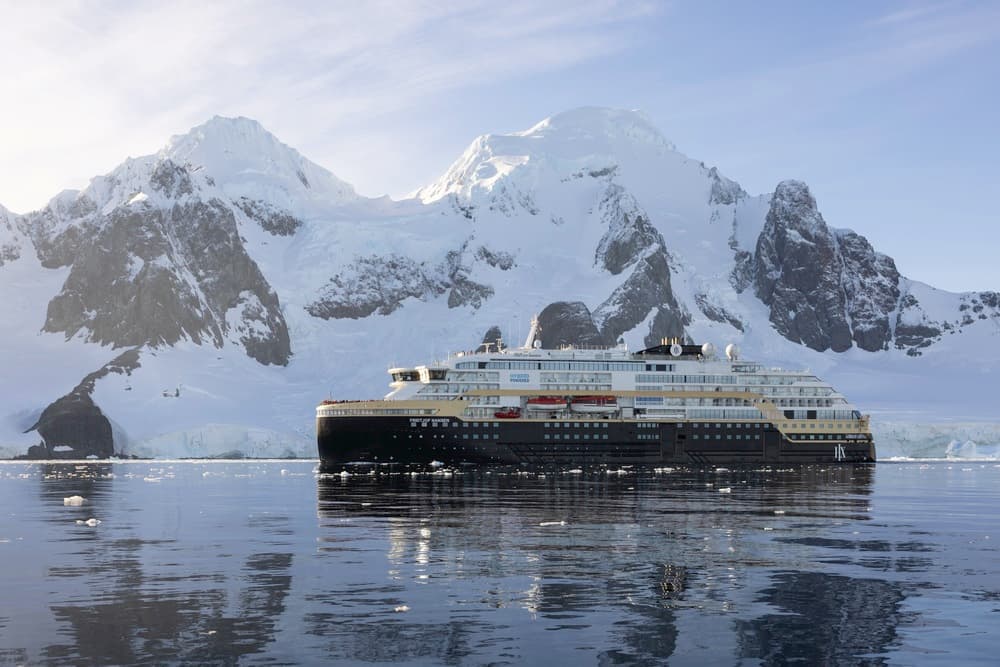
The newest addition to our fleet will honor the heritage of her namesake – the Norwegian explorer, scientist, humanitarian, and Nobel Peace Prize laureate Fridtjof Nansen. Known for his innovations in Arctic expeditions, Nansen led the first crossing of Greenland on cross-country skis. He is perhaps most famous for his attempt to reach the geographical North Pole during the Fram Expedition (1893-1896).
Loading...
Discover delicious food prepared in the state-of-the-art kitchens on board MS Fridtjof Nansen. Our creative chefs use local ingredients and take inspiration from regional flavours to take you on a culinary tour.
Takeaway: You are welcome to enjoy a Fredheim meal in your cabin.


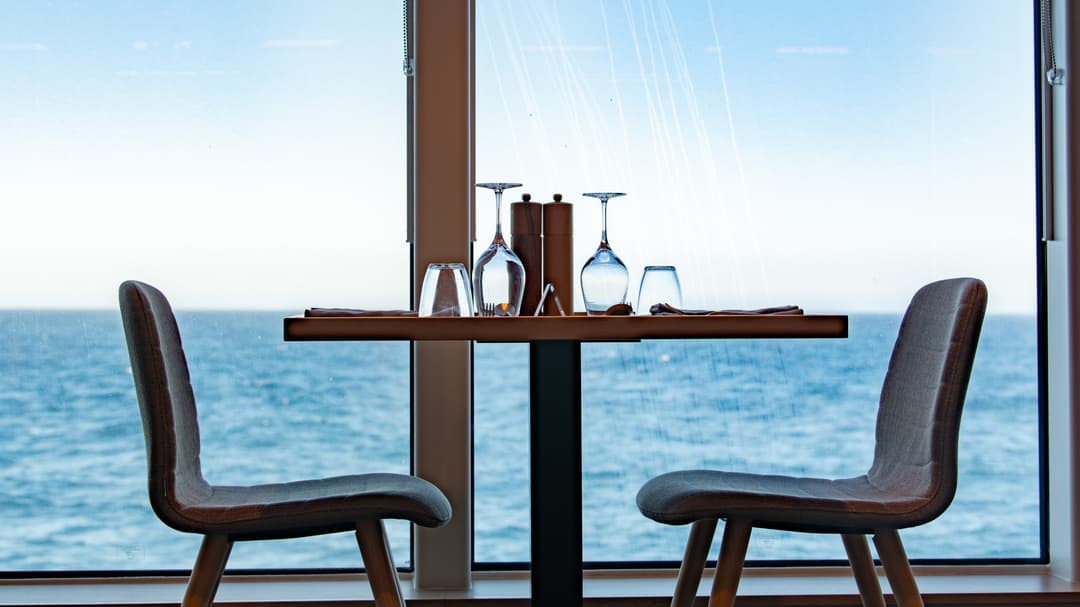


Swap crowded decks for intimate lounges where your shipmates gather to recount the tales so far. Onboard restaurants serve delicious dishes, fit for the modern-day explorer. Destress in the gym or pamper yourself in the wellness centre before unwinding in your comfortable cabin. Elevate your expedition experience in a spacious suite with a private balcony - some even have outdoor hot tubs, perfect for soaking in the scenery after a day of discovery.


Aboard MS Fridtjof Nansen, you’ll have everything you need to stay active and keep your mind healthy. A full suite of facilities lets you exercise and relax to your heart’s content.


Our expedition ships – MS Roald Amundsen, MS Fridtjof Nansen, MS Fram, MS Spitsbergen, MS Santa Cruz II – are more than just a way to travel - they’re your home in the heart of the wild. Instead of an onboard casino, we have the Science Centre. Instead of cabaret shows, you have all the show you need outside the windows. No water slides, just kayaking trips or small-boat safaris along the coast in the Arctic, Antarctic, or the Galápagos.
We offer a rich and varied program of optional shore excursions. In many ports, we offer an included excursion, which can be reserved for no additional charge. In many cases the included excursion can be combined with other optional excursions in the port. Most excursions can be pre-booked but may also be bookable onboard if capacity remains.
We advise that you book well in advance in order to avoid disappointment due to the excursion b....


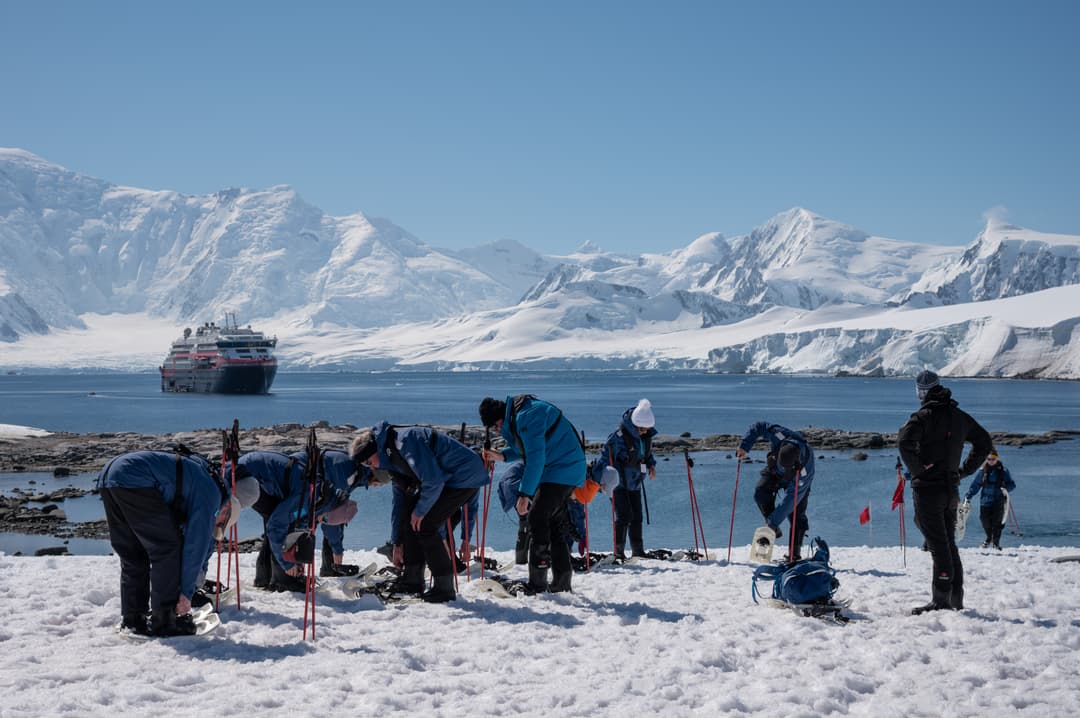
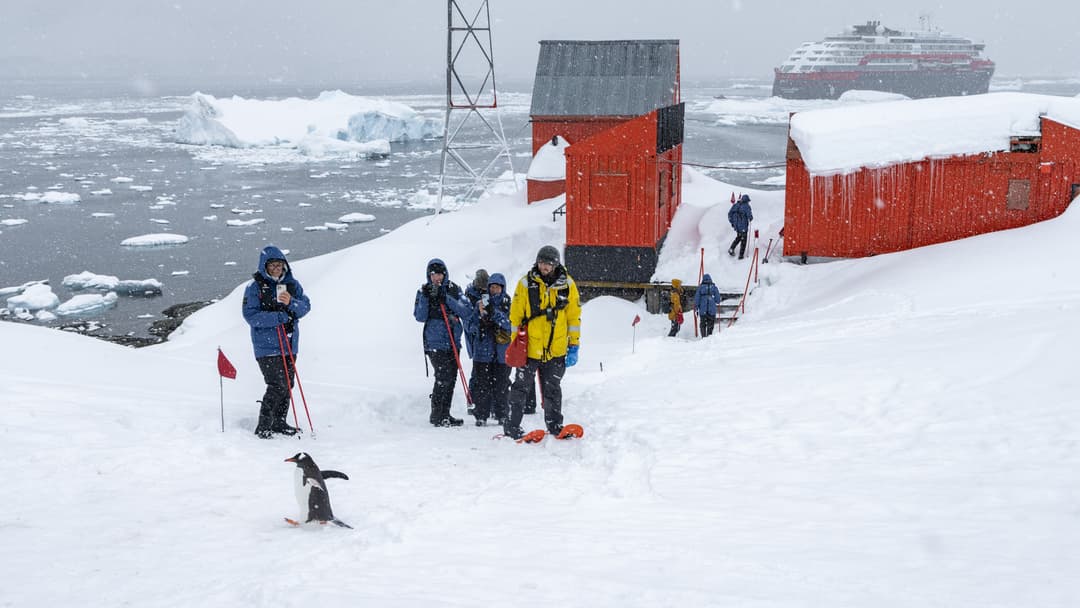
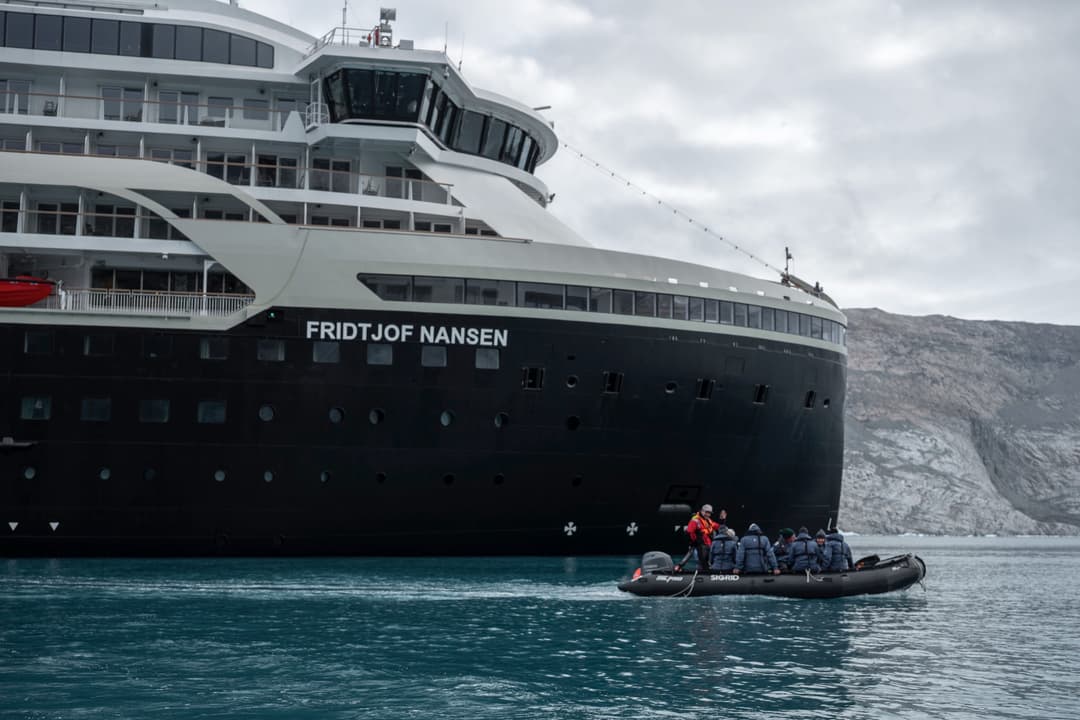
The Science & Education program brings together like-minded individuals
Covering over 3/4 of the planet's surface, our oceans are vital in supporting human life on earth and are also home to over 90% of all known wildlife. Despite it influencing everything from our weather to transportation and yes, expedition cruises, very little is known about our blue planet.
This is where HX Expeditions and our fleet of small, state-of-the-....


Each expedition voyage is accompanied by a hand-picked team of specialists and modern-day explorers. Highly experienced, passionate and knowledgeable, the Expedition Team will be your guides and guardians on your voyage of exploration, instructing you on safety, sustainability and science.
MS Fridtjof Nansen will feature a variety of custom built expedition equipment, including kayaks, a fleet of Blueye underwater drones and Expedition B....


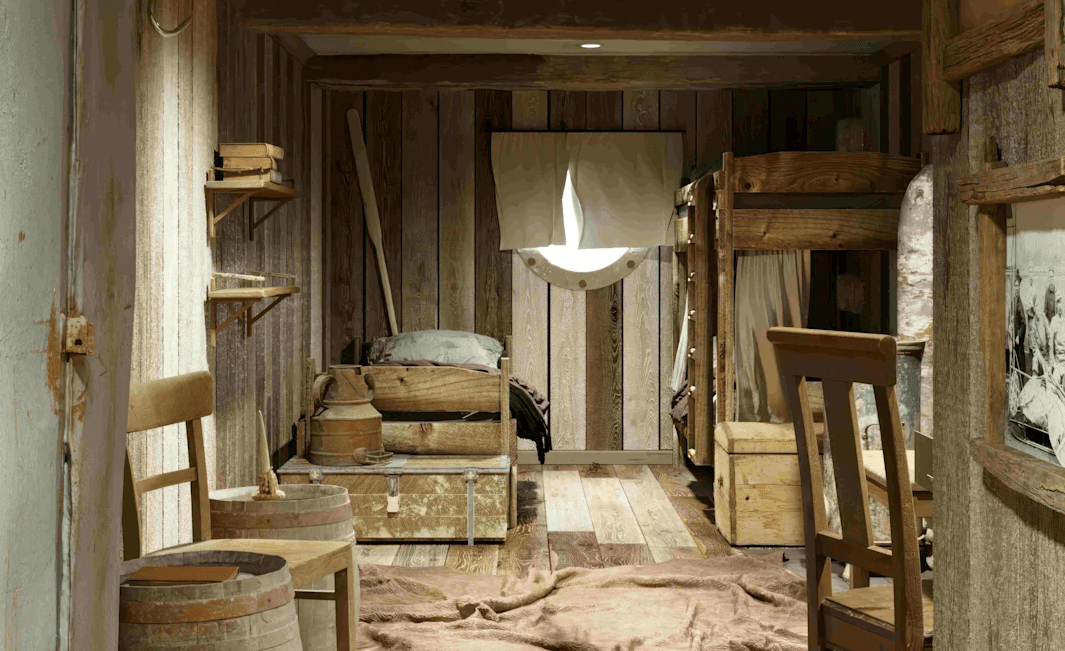
The 1896 Cabin – Exclusively on MS Fridtjof Nansen
Step aboard and step back in time. We invite guests on MS Fridtjof Nansen to experience life as the early adventurers did 130 years ago.
130 years ago, at the dawn of expedition cruising, we set out from mainland Norway to Svalbard on a pioneering voyage – one that sparked the spirit of exploration that still carries HX forward today as the leader in Arctic and Antarctic exp....
Loading...
Breakfast, lunch and dinner, every day: Indulge in anything your appetite desires across a huge list of delicious choices that almost rival the memories you’ll make off the ship. Start the day with an impressive buffet breakfast before moving onto a mouth-watering menu of à la carte choices later in the day. Of course, that includes house wine and beer and soft drinks.
A warm welcome to the sauna, hot tubs and more: Make so....
Q: Can I choose the date of my stay?
A: No. Dates will be assigned by the ship upon your arrival on board. The 1896 Cabin is exclusively available on MS Fridtjof Nansen starting from *29 January 2026 with one booking per guest.
Q: Will I receive a refund for my regular cabin if I book the 1896 Cabin?
A: No. This is an additional experience and does not replace your standard accommodation.
Q. What can I ....
Due to the nature of expedition cruising, our voyages often take us far away from the resources and the facilities we are used to in day-to-day life. We recognise that disabilities and mobility issues can range in severity, and recommend all guests consider accompaniment by a companion if they need assistance, either on board or ashore, due to the environment, operations and the unique safety requirements found on an expedition ship.
We ....
Weather varies depending on your destination, but sturdy footwear for wet and dry landings is essential. We provide boots and trekking poles on certain expeditions, but you’re welcome to bring your own.
On-board
- Casual clothes – the dress code is relaxed and informal, even for dinners
- Comfortable flat shoes for everyday use while onboard. It can be slippery on deck, so we recommend shoes with a good grip
Our expedition ships feature a small onboard hospital essential equipment, and medication to handle small emergencies.. Every ship has an English-speaking medical team with a doctor and at least one nurse, supported 24/7 by dedicated land-based experts.
In the event of a serious emergency, the nearest hospital will be contacted. Medical consultations as well as medicines will be charged to the passenger affected. All guests must have per....

Everything you need to know about your cruise, including your bookings, daily programme, restaurants and services on board and essential information about available excursions is at hand at any time.
What have I booked?
Take a look at My bookings to explore the excursions you have booked and prepare for your adventure accordingly with practical tips.
What's happening today?
The daily programme helps you to....