

Antarctica & Falklands Expedition - From Punta Arenas to Montevideo
CRUISE ID # HXFRANT08B-280318
Santiago TO Montevideo


From Punta Arenas to Montevideo
24-day all-inclusive Antarctica expedition cruise from Santiago de Chile to Montevideo
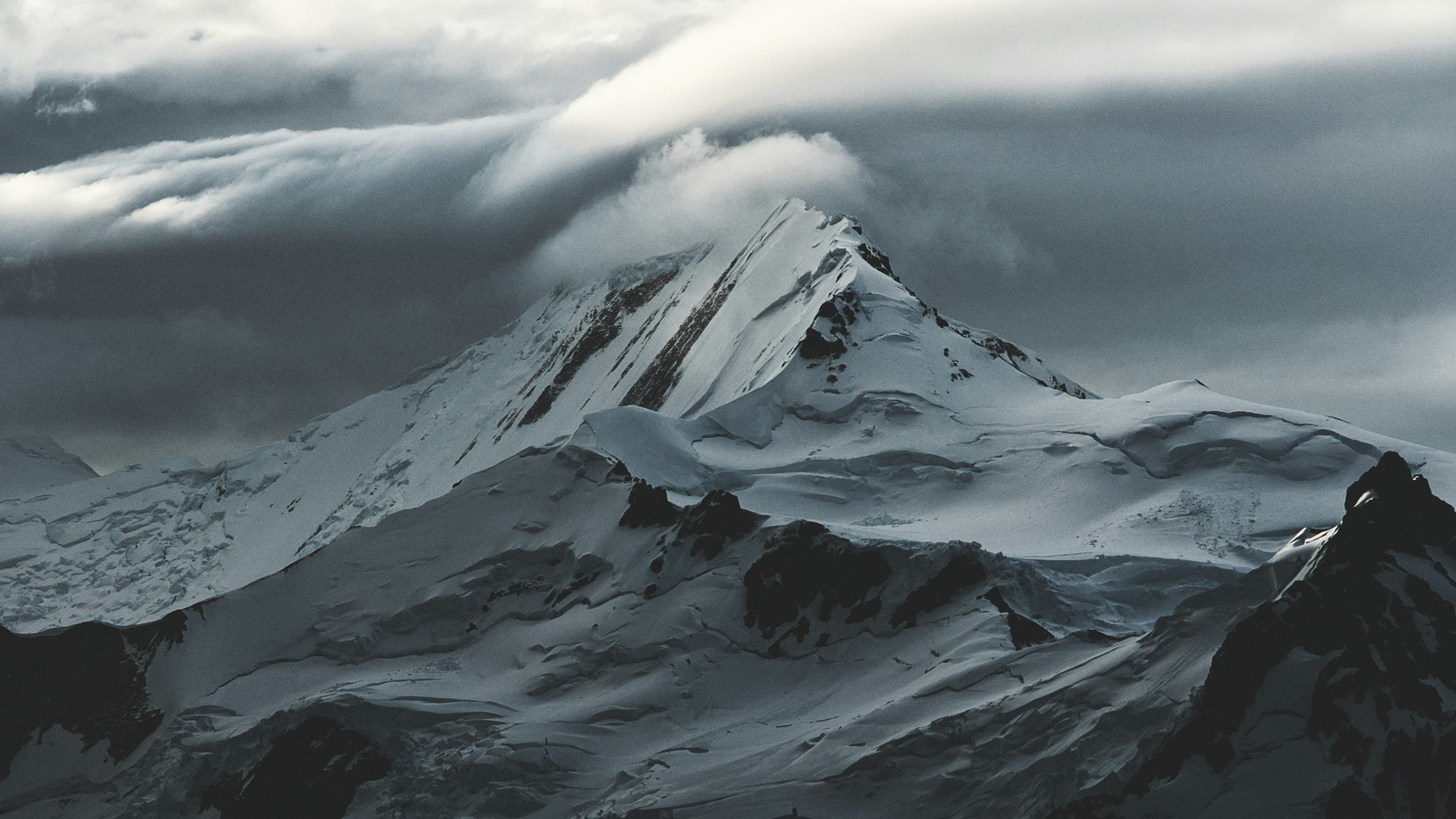
A 24-day late-summer odyssey to Antarctica, the Falkland Islands and Patagonia's Puerto Madryn. Includes an epic ten days exploring the White Continent.
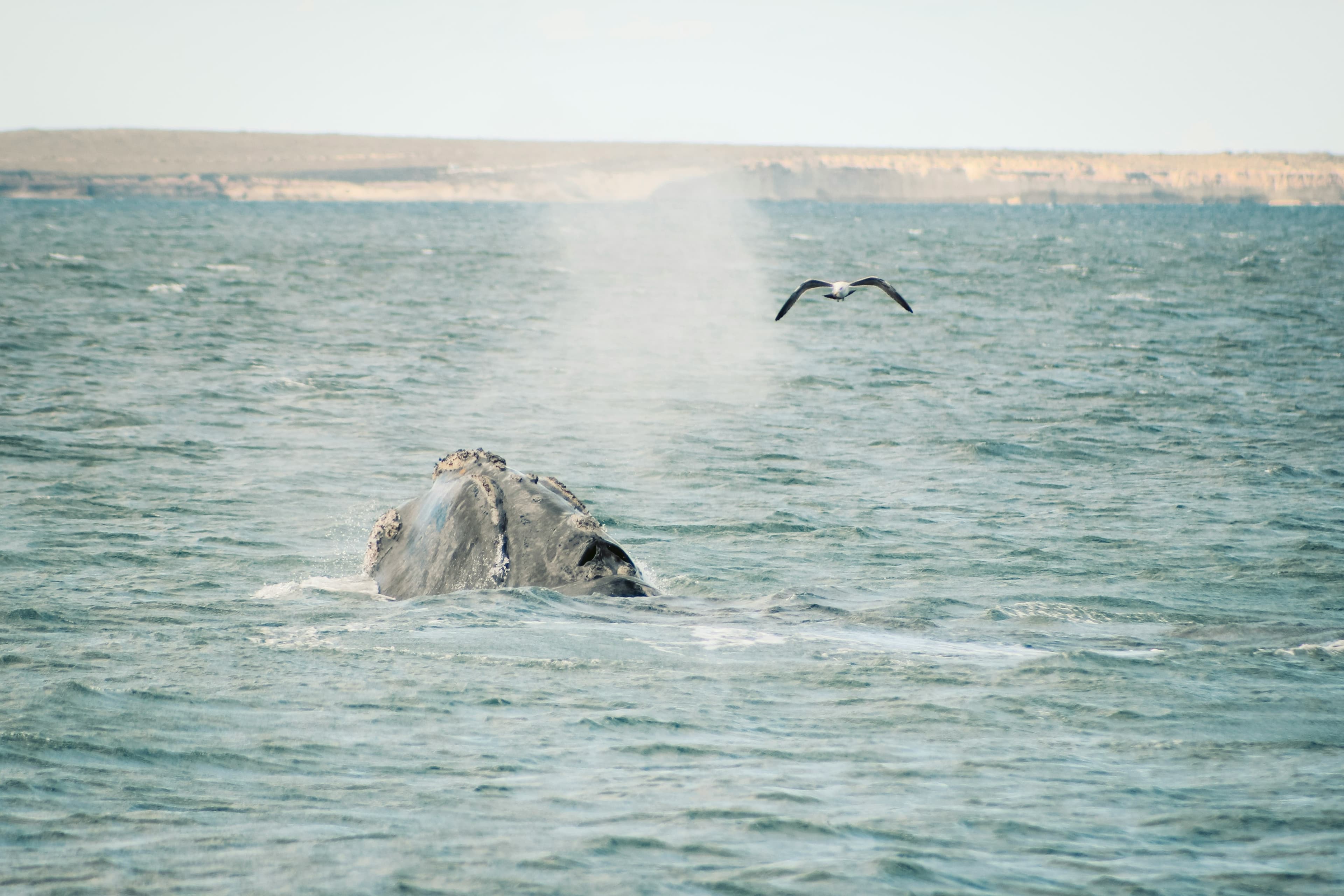
Spot whales and penguins; witness breathtaking, extended sunsets; and join the Expedition Team hiking, kayaking, ice-cruising and perhaps even camping overnight on the Antarctic snow.
Land on scenic beaches and follow grassland trails to discover the wildlife of the Falkland Islands, and visit the charming capital, Stanley.
The frozen continent
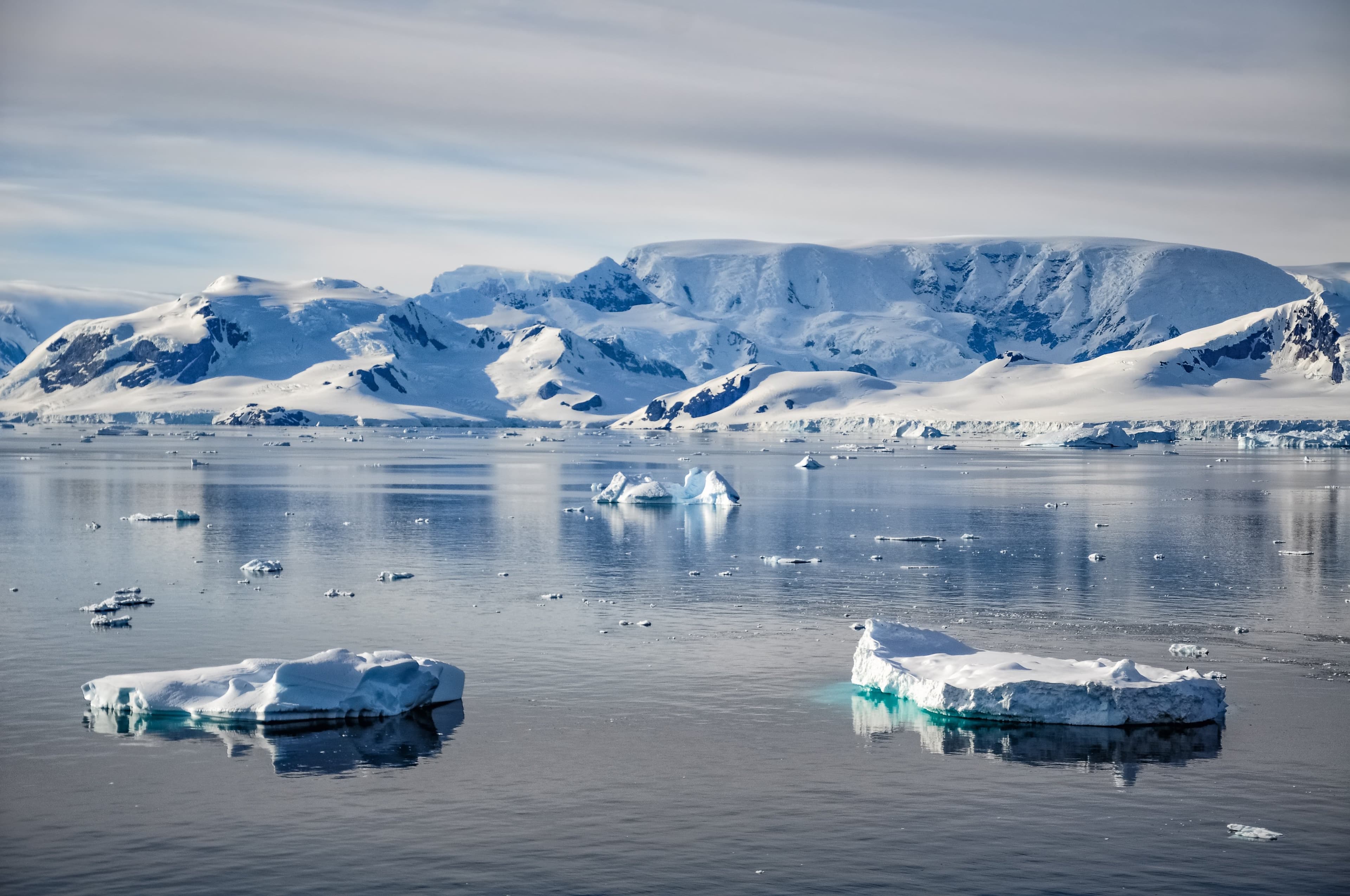
After a flight from Santiago de Chile, you’ll embark in Punta Arenas and head toward Antarctica. You’ll spend 10 days exploring the continent in its late summer months. At this time of year, beautiful sunsets paint the ice and snow in shades of gold, orange, and pink. As always, nature is in charge. We’ll adjust our plans according to the elements to bring you the best possible landing sites and wildlife-spotting opportunities.
The Falklands and Puerto Madryn
Your adventure then continues with three days in the Falkland Islands. Visit the capital, Stanley, with its charming red buses, restaurants and pubs, and discover the variety of wildlife living on the more remote parts of the islands. You’ll then call at Puerto Madryn, known for its stunning beaches and nearby nature reserve, before your adventure comes to an end in vibrant Montevideo.
$17,732
WITH SPECIAL SAVINGS APPLIED
FARES SHOWN ARE PER GUEST
Suites & Fares
CHOOSE START DATE
: March 18, 2028
Itinerary
The sights of Santiago de Chile
Welcome to Santiago, Chile’s bustling capital. With its colonial-era architecture, award-winning restaurants and fascinating museums, it’s the perfect place to start your expedition cruise. There’s a lot to see, from the Mercado Central to the Plaza de Armas and the Presidential Palace. Check out the Sky Costanera, which offers panoramic views of the city from 1,000 feet up.
Here, you’ll enjoy an overnight hotel stay.
Impenetrable forests, impassable mountains, and endless fields of ice define Chilean Patagonia, and meant that the region went largely unexplored until the beginning of the 20th century. Located in the southernmost part of the country, this area is still sparsely inhabited, though you will find a few populated places—like the colorful provincial city of Punta Arenas, which looks like it's about to be swept into the Strait of Magellan. Some unique wildlife, particularly colonies of elephant seals and penguins, call this breathtaking topography home. To the north is Parque Nacional Torres del Paine, the country's most magnificent natural wonder, and whose snow-covered peaks seem to rise vertically from the plains below. The vistas, such as the fantastic Avenue of the Glaciers, are breathtaking; along this stretch of the Beagle Channel, you can pass six tremendous glaciers all within a stone's throw of each other.Cruise SightsPunta Arenas. Founded a little more than 150 years ago, Punta Arenas (Sandy Point) was Chile's first permanent settlement in Patagonia. Plaza Muñoz Gamero, the central square, is surrounded by evidence of that early prosperity: buildings whose then-opulent brick exteriors recall a time when this was one of Chile's wealthiest cities. The newer houses here have colorful tin roofs, best appreciated when seen from a high vantage point such as the Mirador Cerro la Cruz. Although the city as a whole may not be particularly attractive, look for details: the pink-and-white house on a corner, the bay window full of potted plants, parking attendants wearing the regional blue and yellow colors, and schoolchildren in identical naval pea coats that remind you that the city's fate is tied to the sea.The Museo Naval y Marítimo extols Chile's high-seas prowess, particularly concerning Antarctica. Its exhibits are worth a visit for anyone with an interest in ships and sailing, merchant and military alike. Part of the second floor is designed like the interior of a ship, including a map and radio room. Pedro Montt 989. Admission charged.Housed in what was once the mansion of the powerful Braun-Menéndez family, the Museo Regional de Magallanes is an intriguing glimpse into the daily life of a wealthy provincial family at the beginning of the 20th century. Lavish Carrara marble hearths, English bath fixtures, and cordovan leather walls are among the original accoutrements. The museum also has an excellent group of displays depicting Punta Arenas's past, from the first European contact to the town's decline after the opening of the Panama Canal. The museum is half a block north of the main square. Magallanes 949. Admission charged.The resplendent 1895 Palacio Sara Braun is a national landmark and an architectural showpiece of southern Patagonia. Designed by a French architect, the house was built from materials and by craftsmen imported from Europe during the four years of construction. The city's central plaza and surrounding buildings soon followed, ushering in the region's golden era. Noteworthy are the lavish bedrooms, magnificent parquet floors, marble fireplaces, and hand-painted ceilings. Don't miss the portraits of Braun and her husband José Nogueira in the music room. Afterwards, head to the cellar for a drink or snack in the warm public tavern (a good portion of the mansion is leased to a hotel). Plaza Muñoz Gamero 716. Admission charged.Commonly referred to simply as "El Salesiano," the Museo Salesiano de Maggiorino Borgatello is operated by Italian missionaries whose order arrived in Punta Arenas in the 19th century. The Salesians, most of whom spoke no Spanish, proved to be daring explorers. Traveling throughout the region, they collected the artifacts made by indigenous tribes that are currently on display. Av. Bulnes 398. Admission charged.Isla Magdalena. Punta Arenas is the launching point for a boat trip to the Isla Magdalena to see the more than 100,000 Magellanic penguins at the Monumento Natural Los Pingúinos. A single trail, marked off by rope, is accessible to humans. The boat trip to the island, in the middle of the Estrecho de Magallanes, takes about two hours. Make sure to bring along warm clothing, even in summer; the island can be chilly, particularly if a breeze is blowing across the water.Parque Nacional Torres del Paine. Some 12 million years ago, lava flows pushed up through the thick sedimentary crust that covered the southwestern coast of South America, cooling to form a granite mass. Glaciers then swept through the region, grinding away all but the ash-gray spires that rise over the landscape of one of the world's most beautiful natural phenomena, now the Parque Nacional Torres del Paine (established in 1959). Snow formations dazzle along every turn of road, and the sunset views are spectacular.Among the 2,420-square-km (934-square-mi) park's most beautiful attractions are its lakes of turquoise, aquamarine, and emerald green waters. Another draw is its unusual wildlife. Creatures like the guanaco (a woollier version of the llama) and the ñandú (resembling a small ostrich) abound. They are used to visitors and don't seem to be bothered by the proximity of automobile traffic and the snapping of cameras. Predators, like the gray fox, make less frequent appearances. You may also spot the dramatic aerobatics of a falcon and the graceful soaring of the endangered condor. The beautiful puma is especially elusive, but sightings have become more common. Admission charged.Pingúinera de Seno Otway. The road to this penguin sanctuary begins 30 km (18 mi) north of Punta Arenas. Magellanic penguins, which live up to 20 years in the wild, return to their birthplace here every year to mate with the same partner. For about 2,000 penguin couples—no single penguins make the trip—home is this desolate and windswept land off the Otway Sound. In late September, the penguins begin to arrive from the southern coast of Brazil and the Falkland Islands. They mate and lay their eggs in early October, and brood their eggs in November. Offspring hatch between mid-November and early December. If you're lucky, you may catch sight of one of the downy gray chicks that stick their heads out of the burrows when their parents return to feed them. Otherwise you might see scores of the ungainly adult penguins waddling to the ocean from their nesting burrows. They swim for food every eight hours and dive up to 100 feet deep. The penguins depart from the sound in late March. Note that the sanctuary is a 1-km (1/2-mi) walk from the parking lot. It gets chilly, so bring a windbreaker. Admission charged.Reserva Nacional Laguna Parillar. This 47,000-acre reserve lies west of Puerto Hambre, a tranquil fishing village, and is centered around a shimmering lake in a valley flanked by hills. It's a great place for a picnic, and there are a number of well-marked paths that offer sweeping vistas over the Estrecho de Magallanes. About 2 km (1 mi) west of Puerto Hambre is a small white monolith that marks the geographical center of Chile, the midway point between Chile's northern port Arica and the South Pole.Cruise ShoppingWool may no longer be king of the economy, but vast flocks of sheep still yield a high-quality product that is woven into the clothing here. Leather products are also common, but the prices are not necessarily low. About 3 km (2 mi) north of Punta Arenas is the Zona Franca (Av. Bulnes). This duty-free zone is where people from all around the region come for low-priced electronics and other consumer items.
Centre on science before your Antarctic adventure
On the two-day crossing through the Drake Passage, the Expedition Team will equip you with all you need to make the most of your expedition cruise.
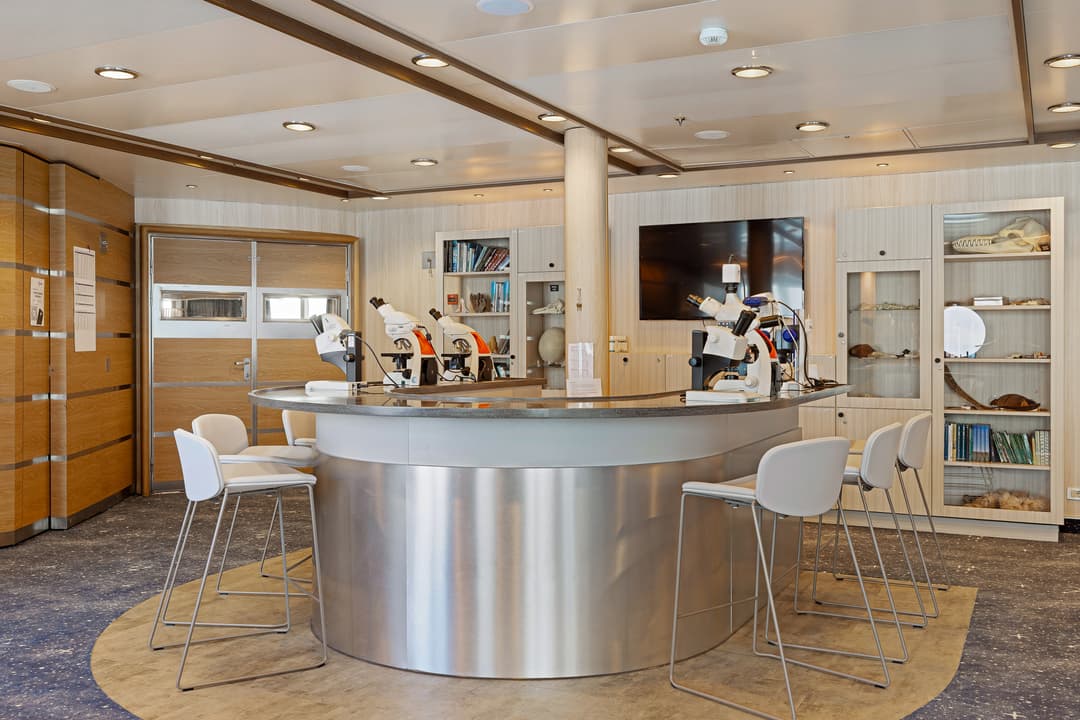
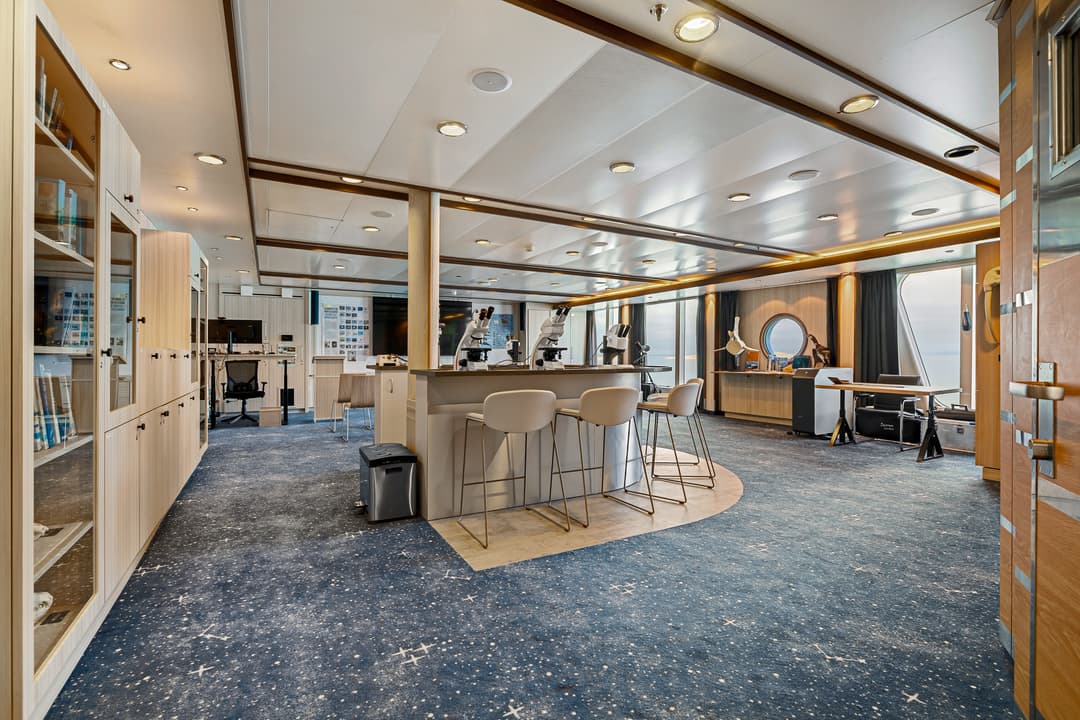
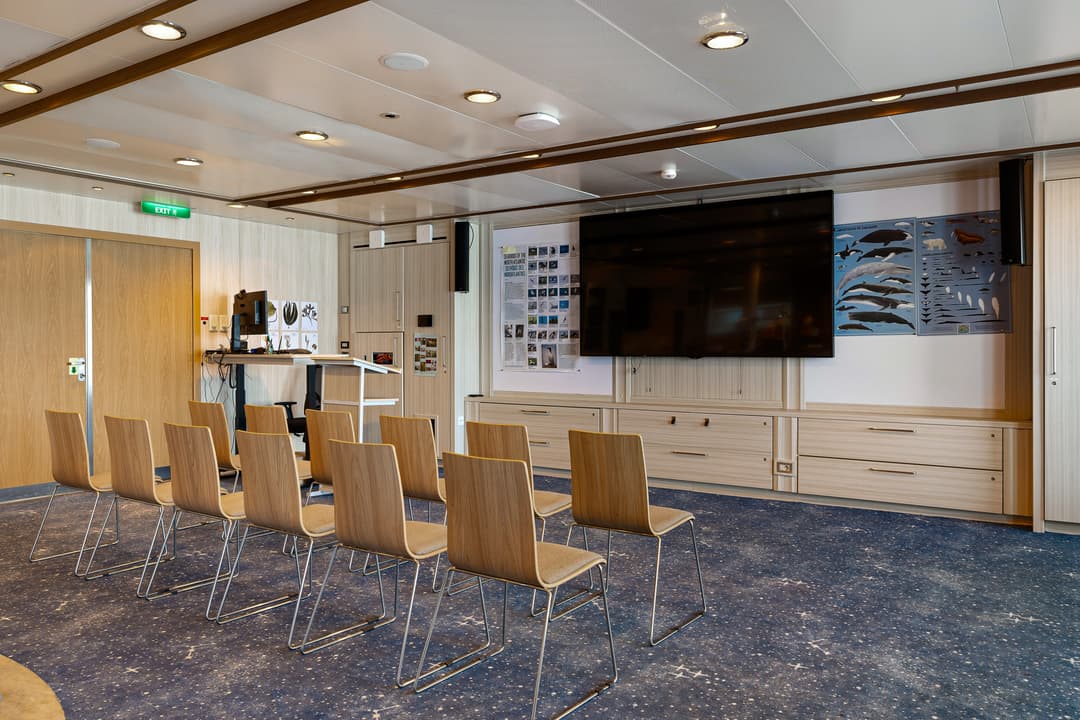
Visit the onboard Science Centre and find out what lies ahead. Listen to experts talk passionately about Antarctica’s history, the science beneath the ice, and the impact of climate change and plastic pollution. You'll learn how to make your visit as safe and as low-impact as possible, and about the citizen science projects you can join.
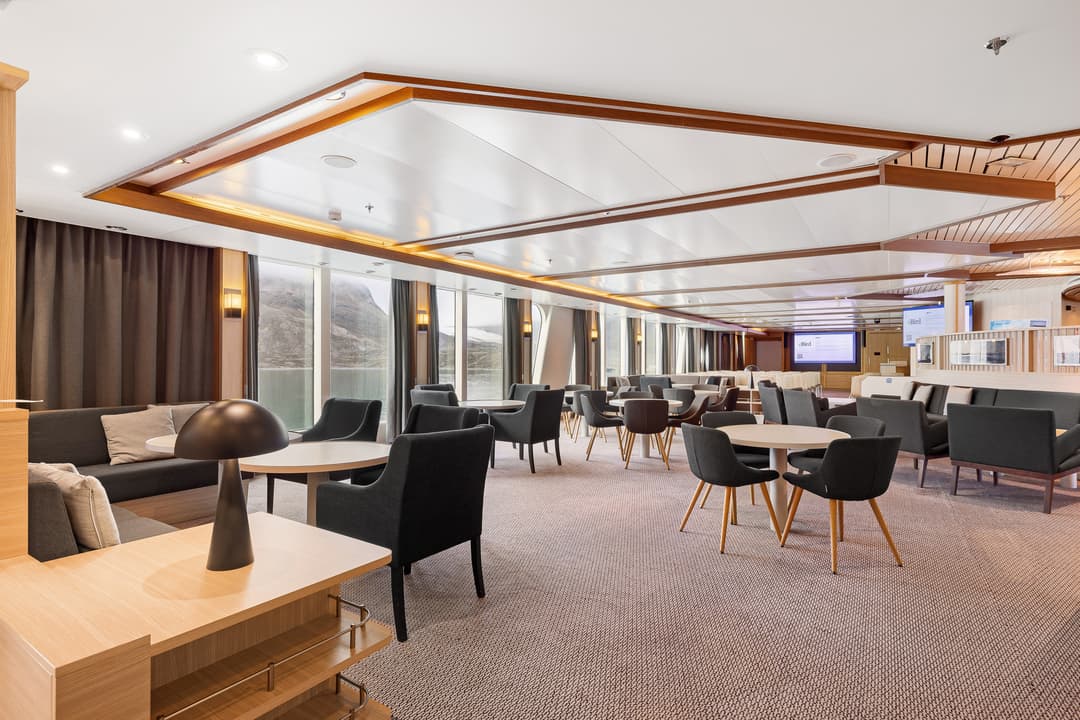
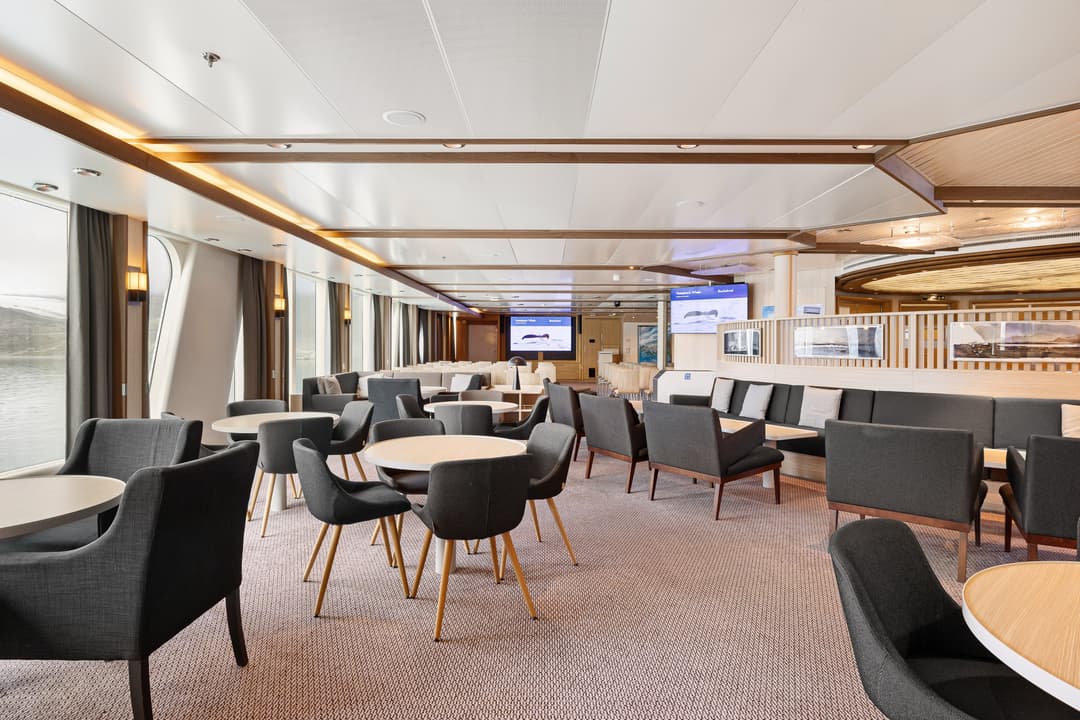
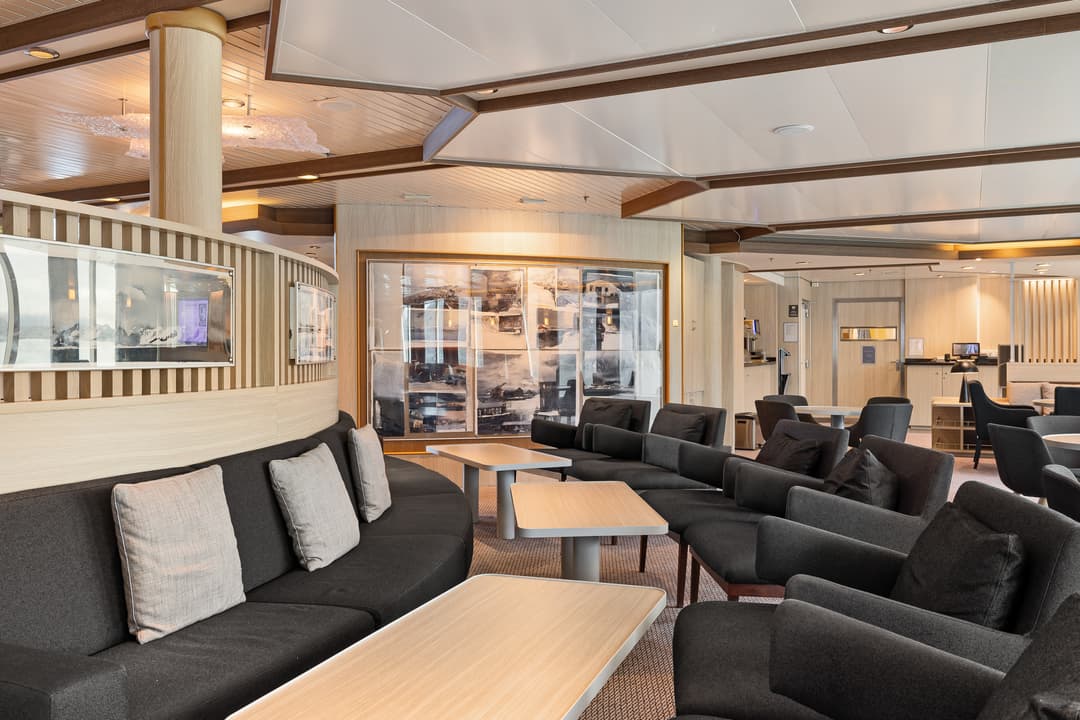
There's plenty of time to relax, so unwind in the hot tub and sauna, enjoy some delicious cuisine and meet fellow travellers in the Explorer Lounge & Bar.
Some 770 kilometers (478 miles) south of Cape Horn, the South Shetland Islands are usually the first land seen in Antarctica. Separated from the Antarctic Peninsula by the Bransfield Strait, nine major islands make up the group. The region was the first to be exploited by sealers in the early 19th century, and because of its proximity to South America, it still is the most visited by scientists and tourists. Chinstrap, Adelie, Gentoo and Macaroni Penguins all breed here. In addition, because it is the warmest part of the continent, large moss beds as well as orange, black, grey and green lichens grow –even hair grass and pearlwort manage to survive. Leopard seals, Weddell seals, crabeater seals, Southern elephant seals and Antarctic fur seals can be seen in the water and on the beaches.
Some 770 kilometers (478 miles) south of Cape Horn, the South Shetland Islands are usually the first land seen in Antarctica. Separated from the Antarctic Peninsula by the Bransfield Strait, nine major islands make up the group. The region was the first to be exploited by sealers in the early 19th century, and because of its proximity to South America, it still is the most visited by scientists and tourists. Chinstrap, Adelie, Gentoo and Macaroni Penguins all breed here. In addition, because it is the warmest part of the continent, large moss beds as well as orange, black, grey and green lichens grow –even hair grass and pearlwort manage to survive. Leopard seals, Weddell seals, crabeater seals, Southern elephant seals and Antarctic fur seals can be seen in the water and on the beaches.
Some 770 kilometers (478 miles) south of Cape Horn, the South Shetland Islands are usually the first land seen in Antarctica. Separated from the Antarctic Peninsula by the Bransfield Strait, nine major islands make up the group. The region was the first to be exploited by sealers in the early 19th century, and because of its proximity to South America, it still is the most visited by scientists and tourists. Chinstrap, Adelie, Gentoo and Macaroni Penguins all breed here. In addition, because it is the warmest part of the continent, large moss beds as well as orange, black, grey and green lichens grow –even hair grass and pearlwort manage to survive. Leopard seals, Weddell seals, crabeater seals, Southern elephant seals and Antarctic fur seals can be seen in the water and on the beaches.
Some 770 kilometers (478 miles) south of Cape Horn, the South Shetland Islands are usually the first land seen in Antarctica. Separated from the Antarctic Peninsula by the Bransfield Strait, nine major islands make up the group. The region was the first to be exploited by sealers in the early 19th century, and because of its proximity to South America, it still is the most visited by scientists and tourists. Chinstrap, Adelie, Gentoo and Macaroni Penguins all breed here. In addition, because it is the warmest part of the continent, large moss beds as well as orange, black, grey and green lichens grow –even hair grass and pearlwort manage to survive. Leopard seals, Weddell seals, crabeater seals, Southern elephant seals and Antarctic fur seals can be seen in the water and on the beaches.
The Antarctic Sound is a stretch of water named after the first ship to have passed through this body of water from the Bransfield Strait to the Weddell Sea in 1902. The Antarctic eventually sank and crew and scientists had to spend quite some time in this area before they could be rescued. Sites that have to do with this story - like Hope Bay or Paulet Island - are sometimes visited. At Paulet, Hope Bay and Brown Bluff Adelie and Gentoo Penguins breed, as do Kelp Gulls and Cape Petrels, Snow Petrels and Skuas. The Sound’s main attractions are the spectacular tabular icebergs that come from the Larsen Ice Shelf further south.
The Antarctic Sound is a stretch of water named after the first ship to have passed through this body of water from the Bransfield Strait to the Weddell Sea in 1902. The Antarctic eventually sank and crew and scientists had to spend quite some time in this area before they could be rescued. Sites that have to do with this story - like Hope Bay or Paulet Island - are sometimes visited. At Paulet, Hope Bay and Brown Bluff Adelie and Gentoo Penguins breed, as do Kelp Gulls and Cape Petrels, Snow Petrels and Skuas. The Sound’s main attractions are the spectacular tabular icebergs that come from the Larsen Ice Shelf further south.
The Antarctic Sound is a stretch of water named after the first ship to have passed through this body of water from the Bransfield Strait to the Weddell Sea in 1902. The Antarctic eventually sank and crew and scientists had to spend quite some time in this area before they could be rescued. Sites that have to do with this story - like Hope Bay or Paulet Island - are sometimes visited. At Paulet, Hope Bay and Brown Bluff Adelie and Gentoo Penguins breed, as do Kelp Gulls and Cape Petrels, Snow Petrels and Skuas. The Sound’s main attractions are the spectacular tabular icebergs that come from the Larsen Ice Shelf further south.
Relax and prepare for more adventures ahead
As you savour your Antarctic experiences, prepare for more adventures ahead as we cruise towards the Falkland Islands. Your Expedition Team will brief you about the history and biology of the islands. In the Science Centre, you can look through the microscope at the tiny krill and phytoplankton that sustains so much of the region's wildlife.
Enjoy all the amenities on the ship and get tips on how to improve your images from our professional photographer, or join workshops on topics such as wildlife painting and nautical knot tying.
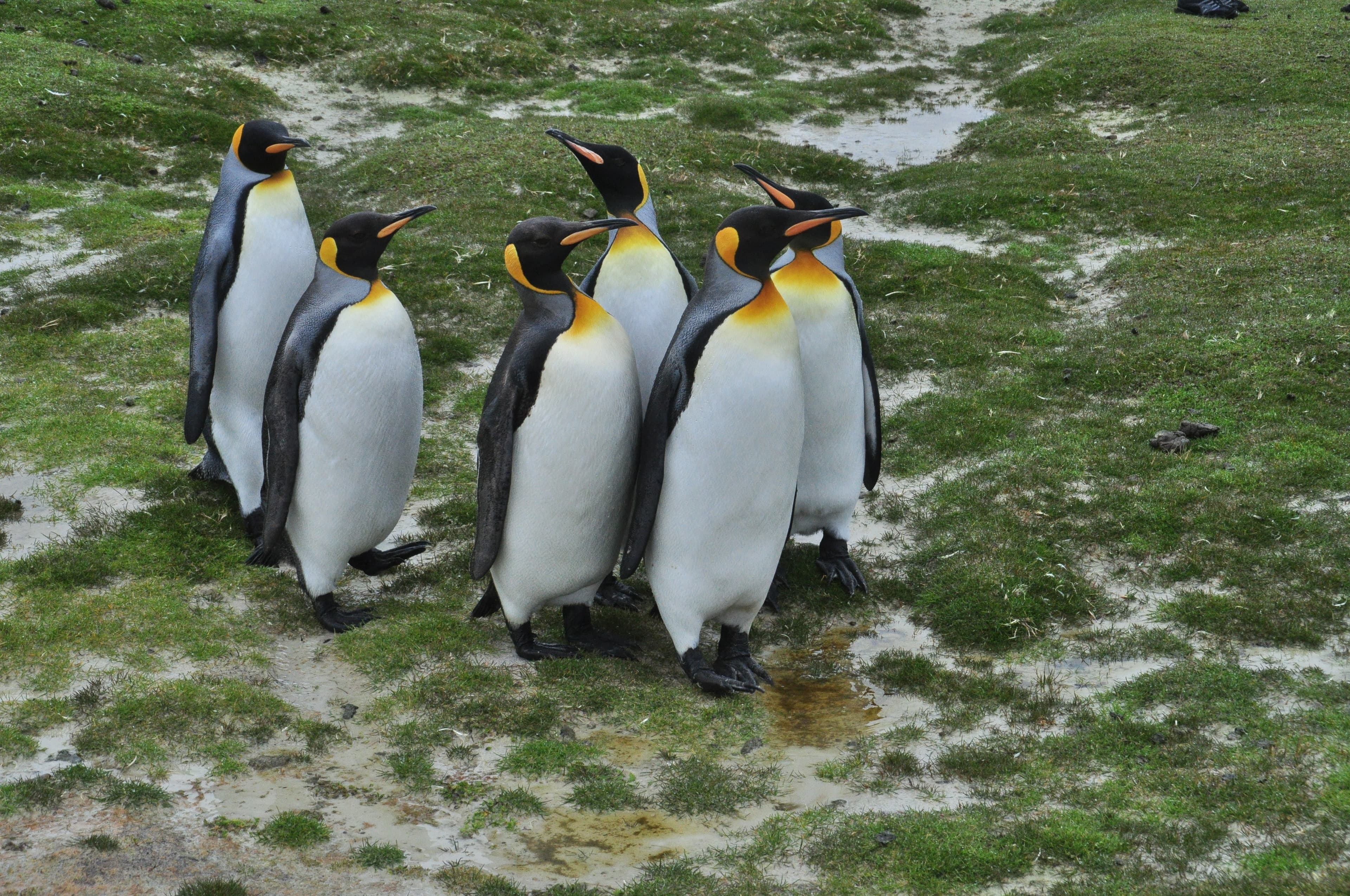
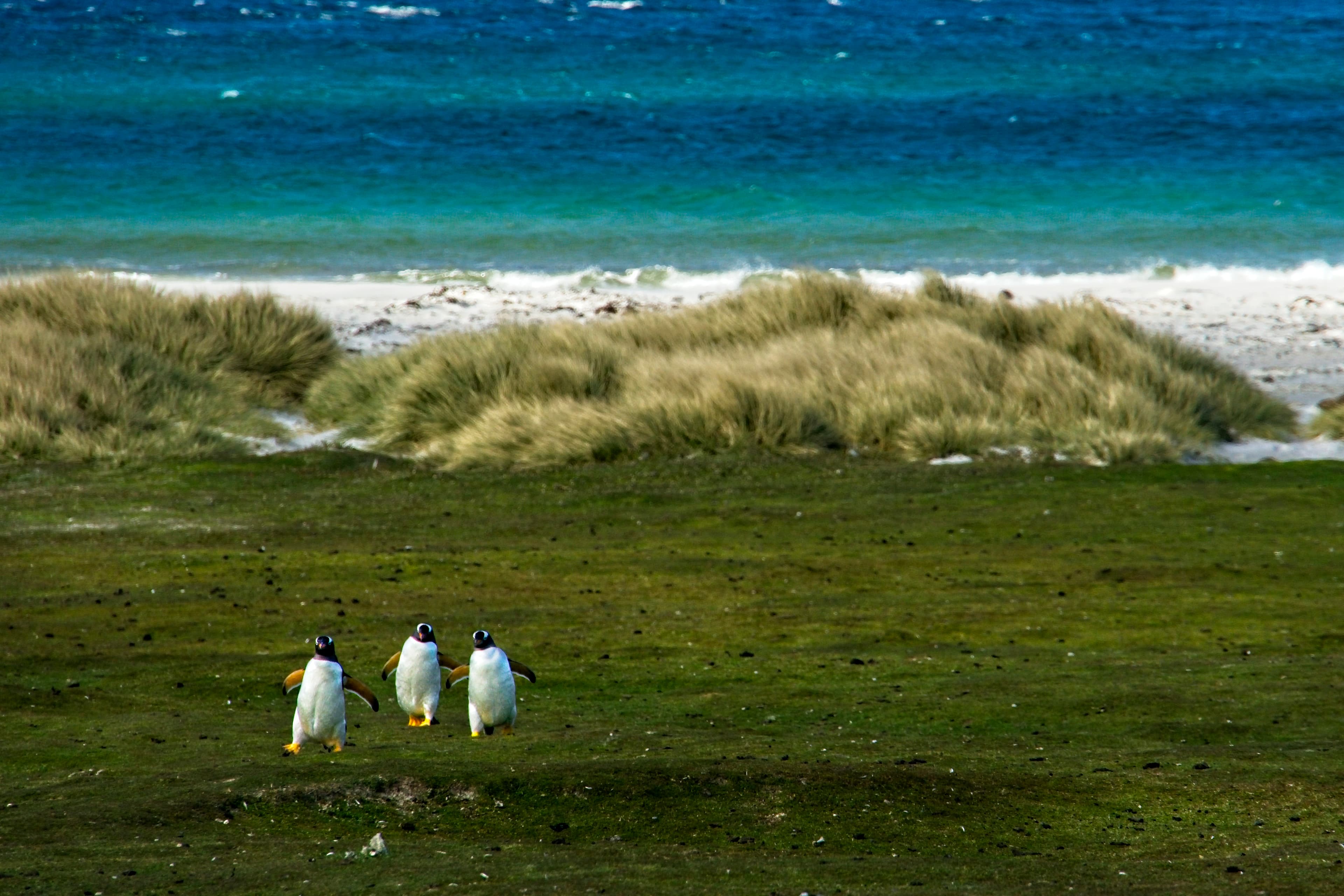
Tiny Stanley, capital of the Falklands, seems in many ways like a British village fallen out of the sky. Many homes are painted in bright colours, adding visual appeal to this distant outpost. Not far offshore, the wreck of the Lady Elizabeth, is one of the many vessels remaining as a silent testimonial to the region's frequent harsh weather conditions.The islands, also known by their Spanish name of Islas Malvinas, are home to arguably more tuxedo-clad inhabitants of the penguin variety than human residents. Various species, such as Gentoo, Magellanic and the more elusive King penguins, either live here permanently or use the Falklands as a stopover on their migration route. Darwin found the islands' flora and fauna fascinating - no doubt you will, too.
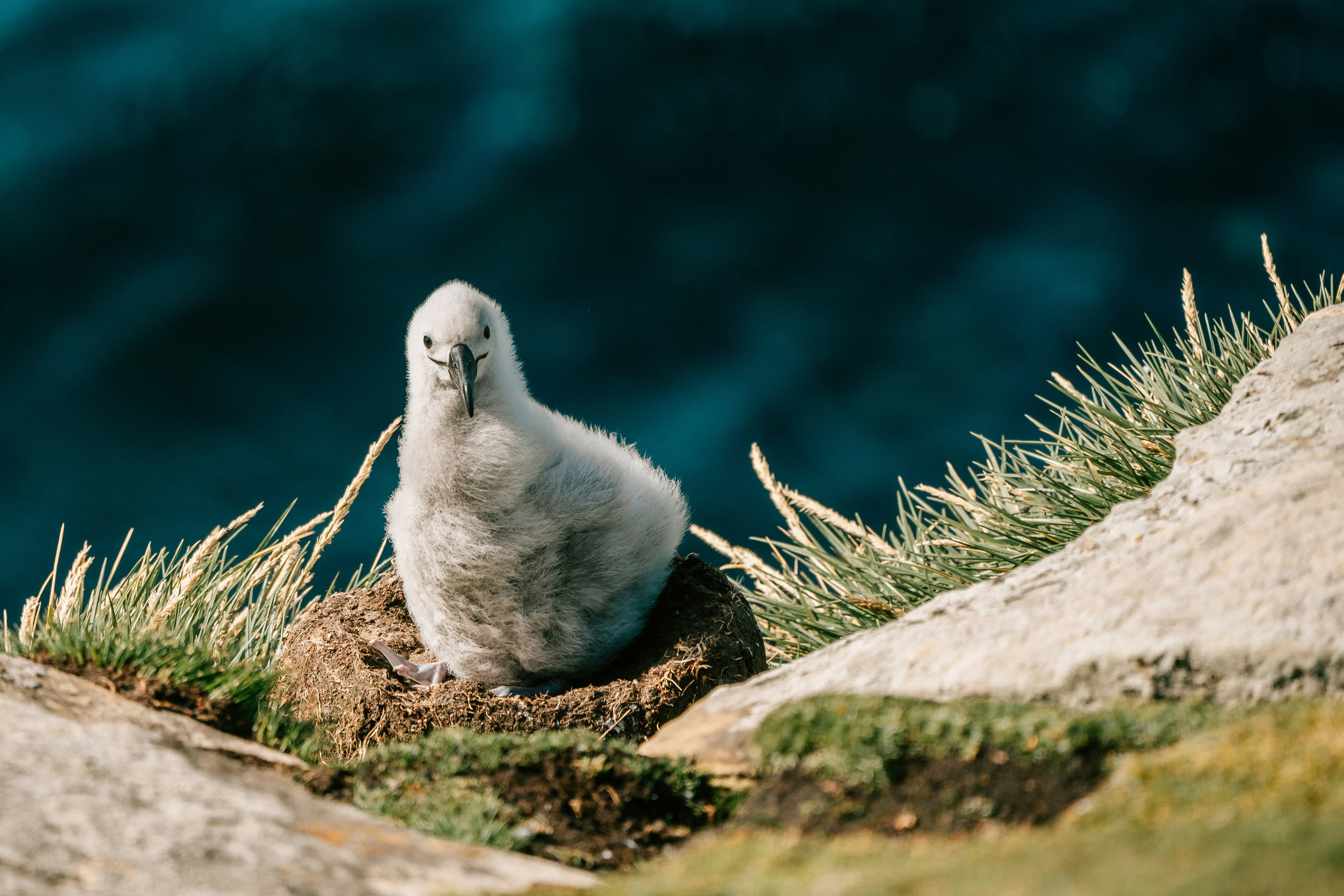
Saunders Island is the fourth-largest of the Falkland Islands in the western portion of the archipelago. The island’s topography is unusual, being made up of three peninsulas linked by narrow necks, and three big upland areas. Today the island is run as a sheep farm, but has historical importance as the location of the first British settlement in the Falklands. Saunders’ wildlife is also impressively varied. It is possible to see Gentoo and King Penguins in the open dune and sand-flat area, while Rockhopper Penguins (with the odd pair of Macaroni Penguins in between them), Imperial Shags and Black-browed Albatrosses frequent Mount Richards, the highest point on the island at 457 m (1500 feet). Other key bird species are the Black–throated Finch, Ruddy-headed Goose and Falkland Steamer Duck.
Located slightly northwest of West Falkland, West Point Island is used for sheep farming and nature observations. Peale’s dolphins and the distinctive black and white markings of the Commerson’s dolphin can usually be seen in the waters around West Point Island. Rolling moorland and steep cliffs make for great photographic opportunities, but the main attraction is the Devil’s Nose, a cliffside colony of Black-browed Albatrosses nesting side-by-side with feisty Rockhopper Penguins. Magellanic Penguins and Magellanic Cormorants can also be found on the island.
Relax and get ready for Puerto Madryn
Enjoy a relaxing day at sea as we sail towards Puerto Madryn. You’ll have experienced so much in Antarctica and the Falklands that your head will likely be a swirling kaleidoscope of special memories and new knowledge.
Join the Expedition Team in the Science Centre to examine special interests in more depth. Or simply relax on deck, recalling the highlights of your memorable adventure.
End the day in the Explorer Lounge & Bar with the new friends you’ve made on your trip, sharing experiences over a relaxing drink.
Approaching from Ruta 3, it's hard to believe that the horizon line of buildings perched just beyond the windswept dunes and badlands is the most successful of all coastal Patagonia settlements. But once you get past the outskirts of town and onto the wide coastal road known as the Rambla, the picture begins to change. Ranged along the clear and tranquil Golfo Nuevo are restaurants, cafés, dive shops, and hotels, all busy—but not yet overcrowded—with tourists from around the world.Puerto Madryn is more a base for visiting nearby wildlife-watching sites like Península Valdés and Punta Tombo than a destination in its own right. The town's architecture is unremarkable, and beyond a walk along the coast there isn't much to do. Indeed, even the few museums serve mainly to introduce you to the fauna you'll see elsewhere. The exception is the beginning of whale season (May through July), when the huge animals cavort right in the bay before heading north—you can even walk out alongside them on the pier. During these months it's worth the extra expense for a room with a sea view.The many tour agencies and rental-car companies here make excursion planning easy. Aim to spend most of your time here on one- or two-day trips exploring the surroundings. Note that competition is fierce between tourism operators in destinations such as Puerto Madryn and Puerto Pirámides on Península Valdés. Take information that tour operators and even the tourism office give you about these with a grain of salt: they often exaggerate Madryn's virtues and other areas' flaws.
Time at sea to rest and reflect
As we sail the final leg from Puerto Madryn to Montevideo, enjoy your final day at sea.
This is the perfect time to go through your pictures and relive your experiences in Antarctica, the Falklands and Puerto Madryn. Enjoy the onboard comforts one last time. Relax in the hot tubs or sauna or unwind in our Explorer Lounge & Bar. And you can join the Expedition Team in the Science Centre for further investigations and contribute to Citizen Science projects.
Uruguay’s capital city hugs the eastern bank of the Río de la Plata. A massive coastal promenade (malecón) that passes fine beaches, restaurants, and numerous parks recalls the sunny sophistications of the Mediterranean and is always dotted with Montevideans strolling, exercising, and lounging along the water. Montevideo has its share of glitzy shopping avenues and modern office buildings, balanced with its historic old city and sumptuous colonial architecture, as well as numerous leafy plazas and parks. It is hard not to draw comparisons to its sister city Buenos Aires across the river, and indeed Montevideo strikes many as a calmer, more manageable incarnation of Argentina's capital.When the weather's good, La Rambla, a 22-km (14-mile) waterfront avenue that links the Old City with the eastern suburbs and changes names about a dozen times, gets packed with fishermen, ice-cream vendors, and joggers. Around sunset, volleyball and soccer games wind down as couples begin to appear for evening strolls. Polls consistently rate Montevideo as having the highest quality of life of any city in Latin America. After one visit here, especially on a lovely summer evening, you probably will agree.
About the Ship
Name
MS Fram
Operator
HX Expeditions

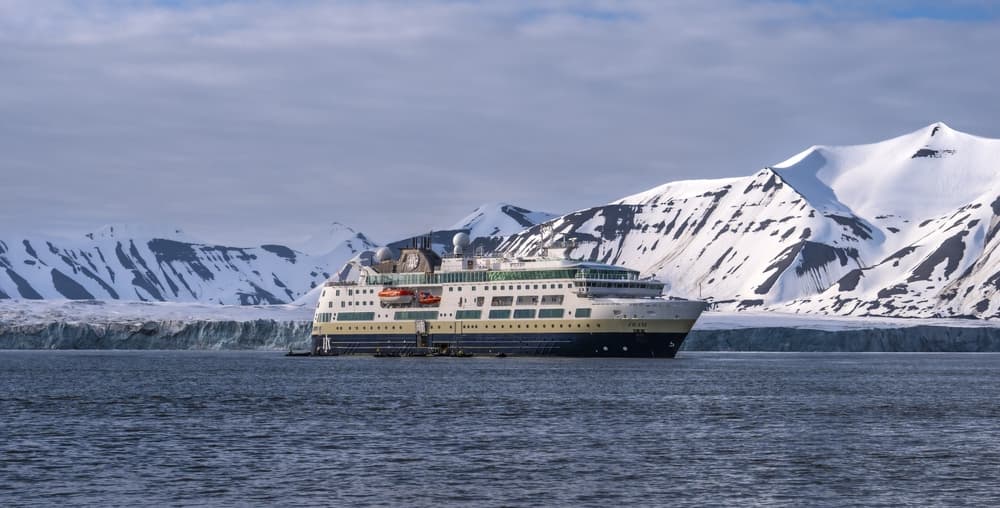
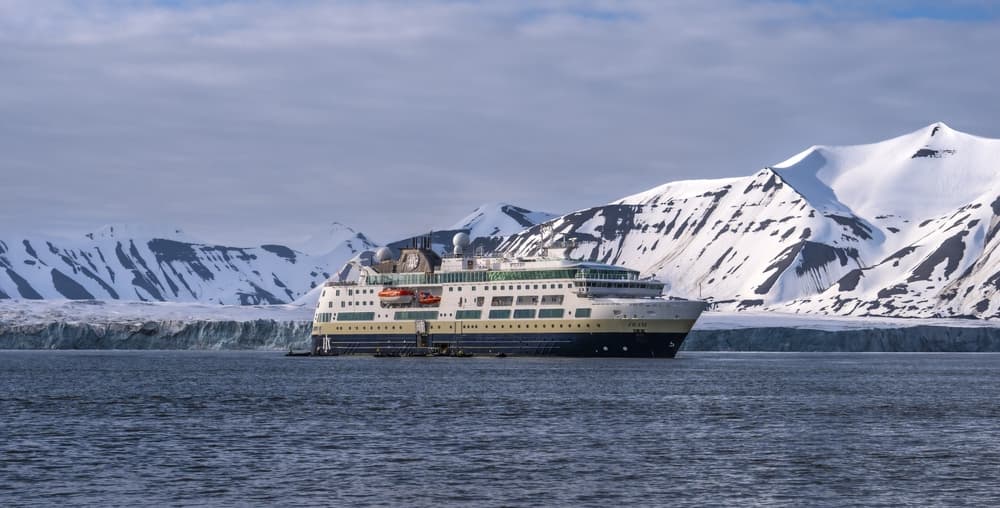
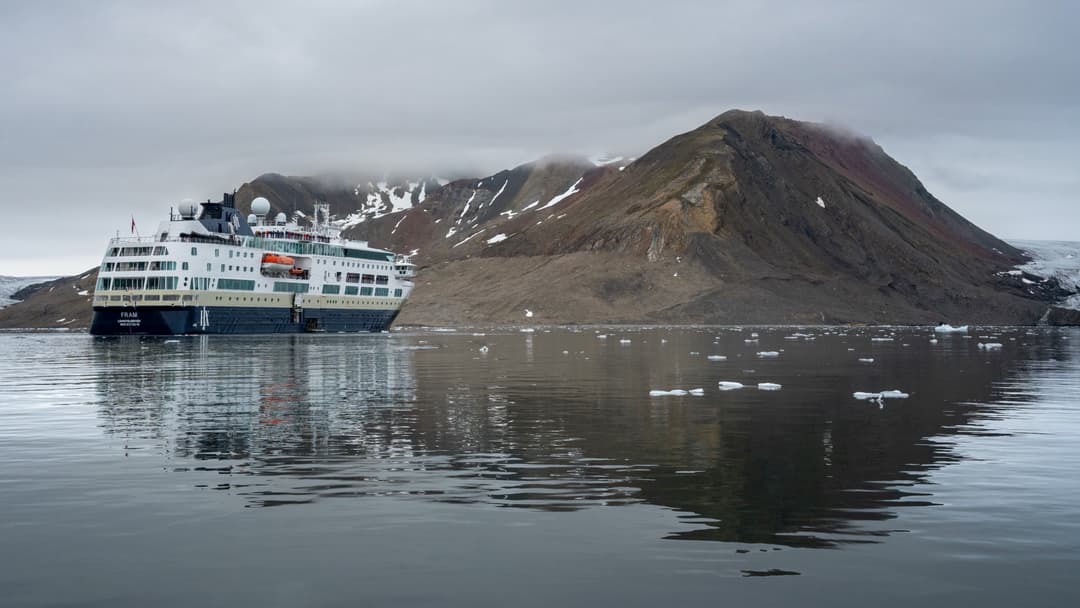
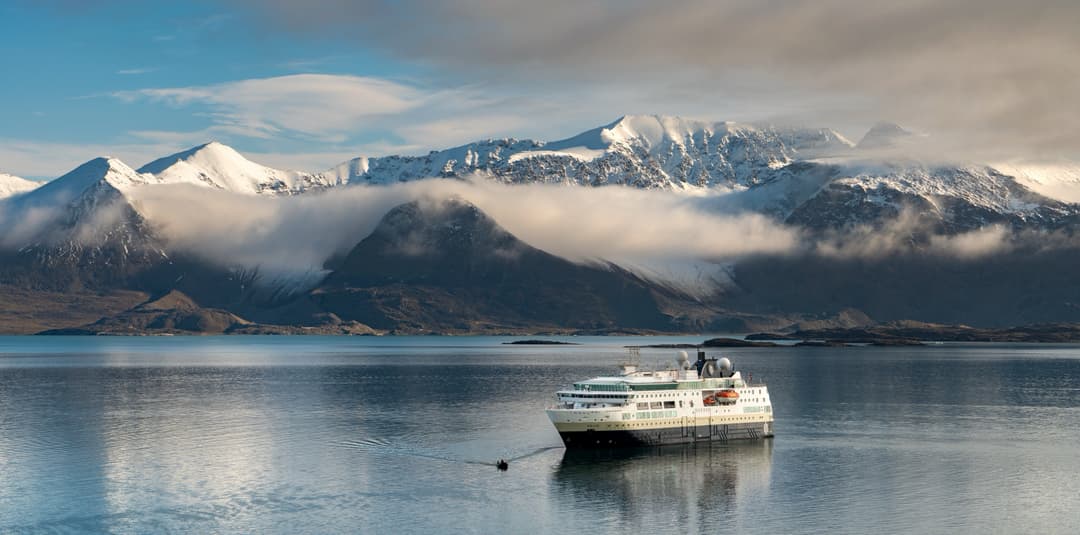
MS Fram has a fresh new look, with upgraded cabins and a state-of-the-art Science Centre — all designed to bring you even closer to the wild, remote destinations we explore. With space for 250 guests, MS Fram was built for polar travel, carrying on the spirit of the legendary Norwegian exploration vessel that once drifted through Arctic ice under great explorer Fridtjof Nansen.
Loading...
Every day of your expedition cruise, your tastebuds will get the opportunity to explore. In each of our onboard restaurants, our skilled chefs create exciting menus using ingredients from the areas we travel.
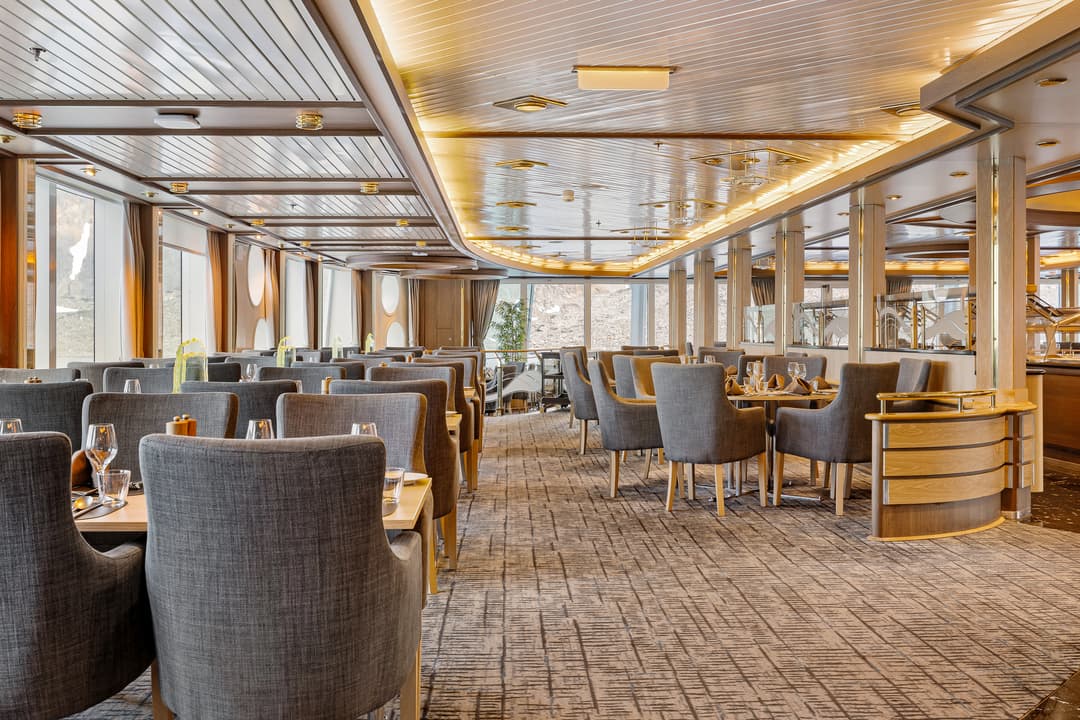
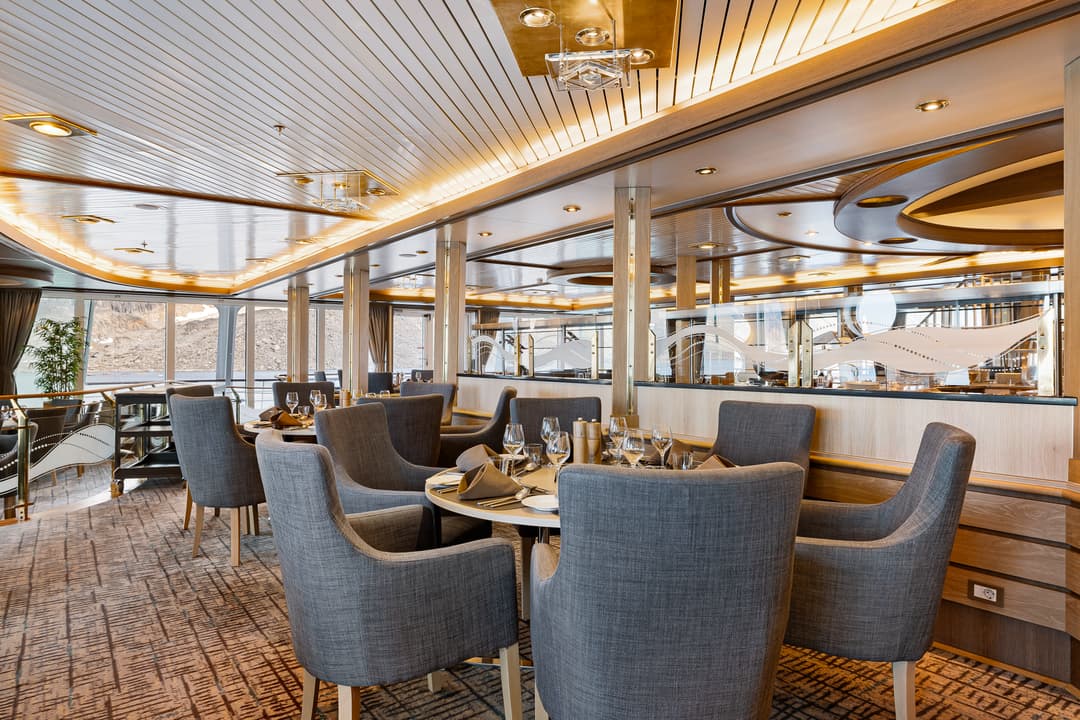
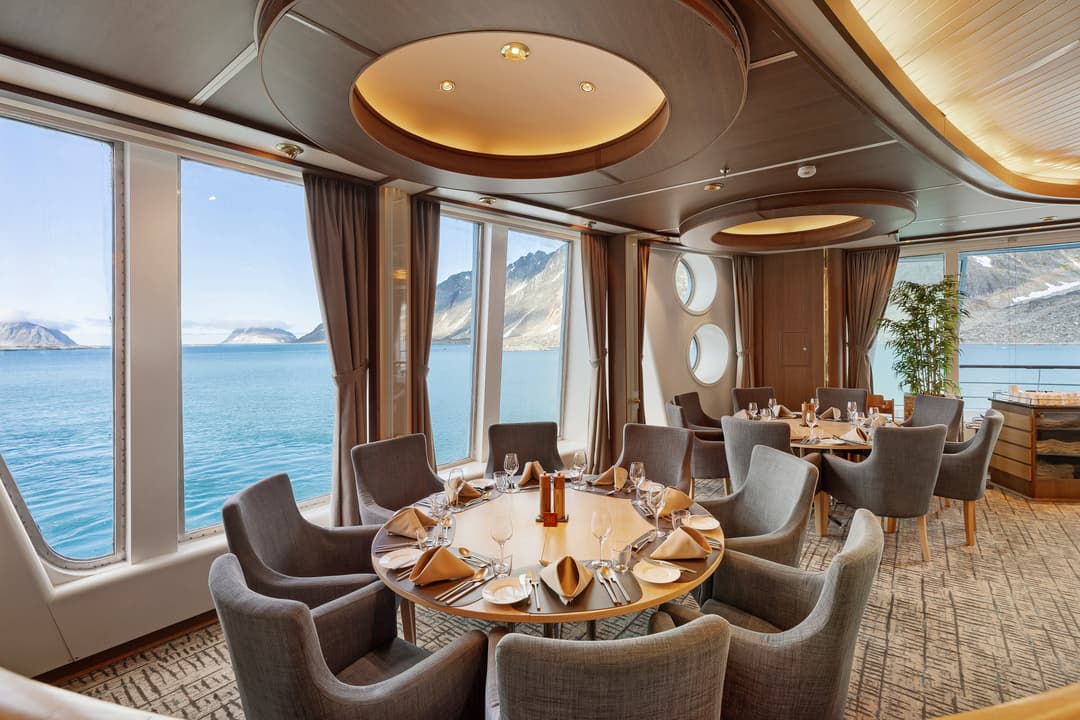
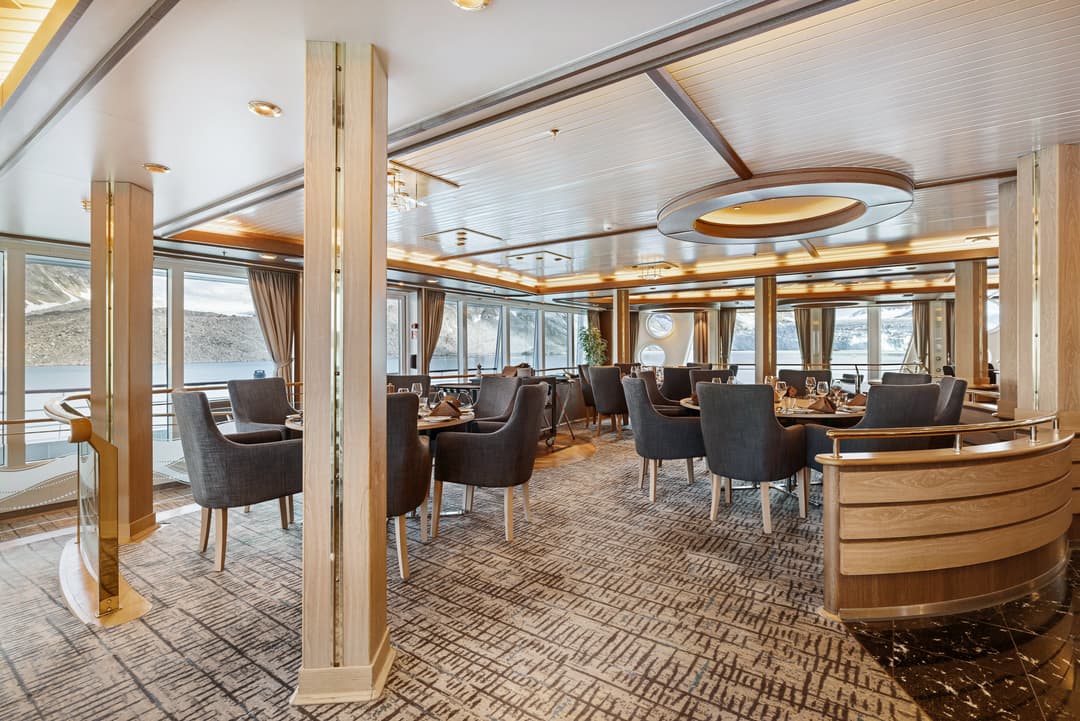
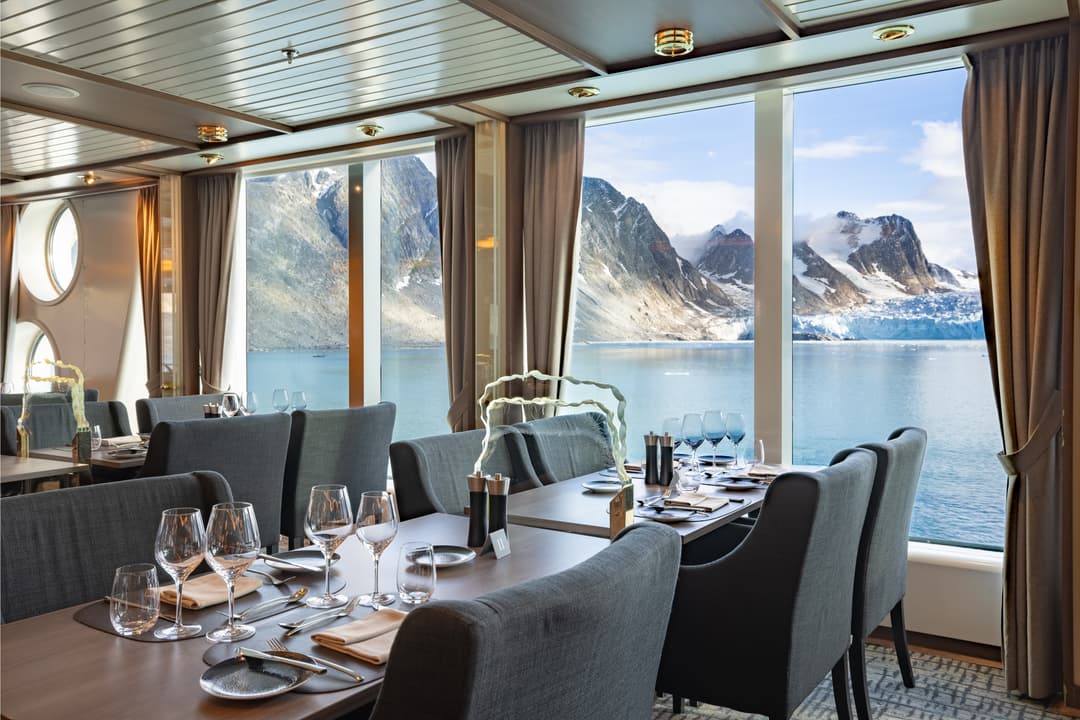
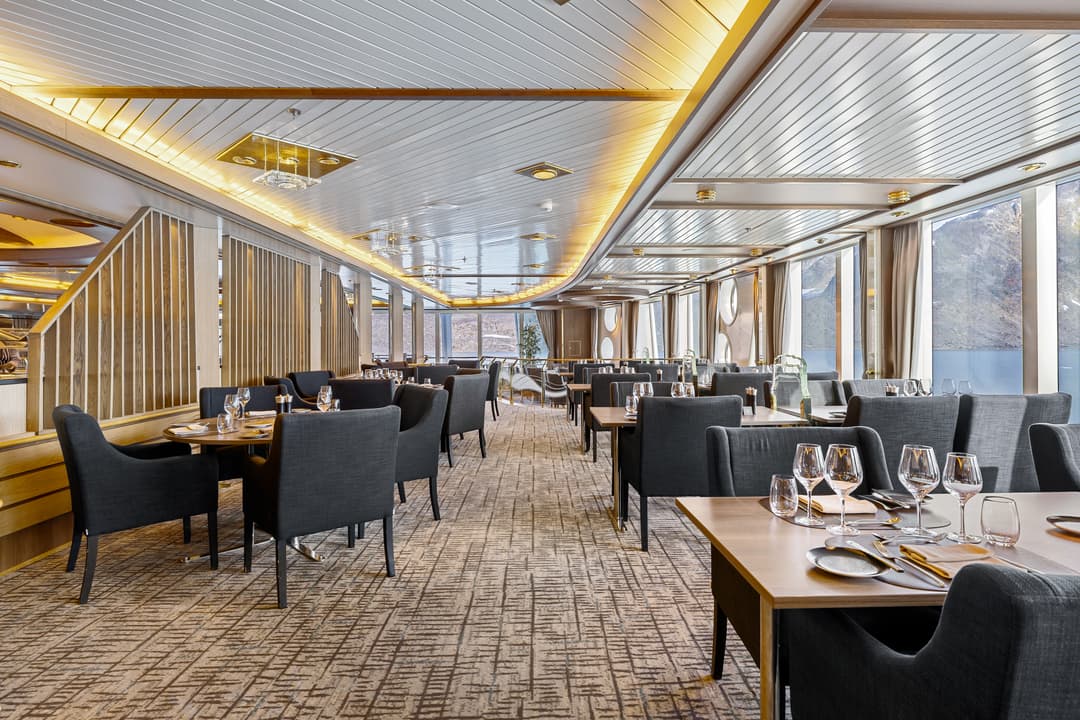
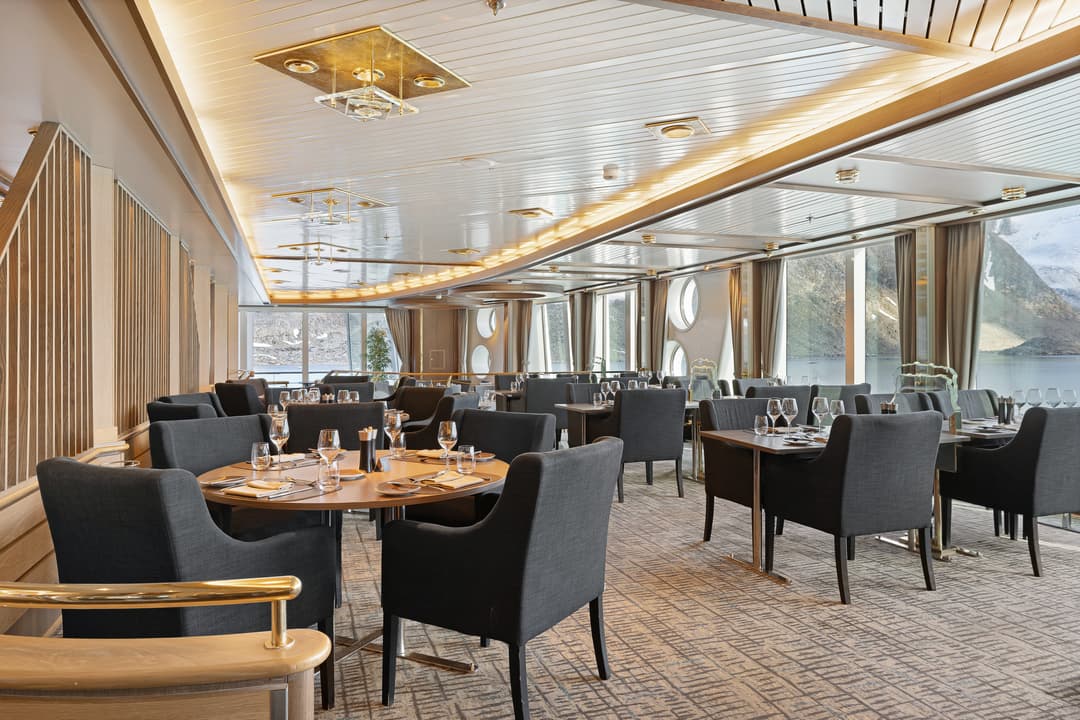
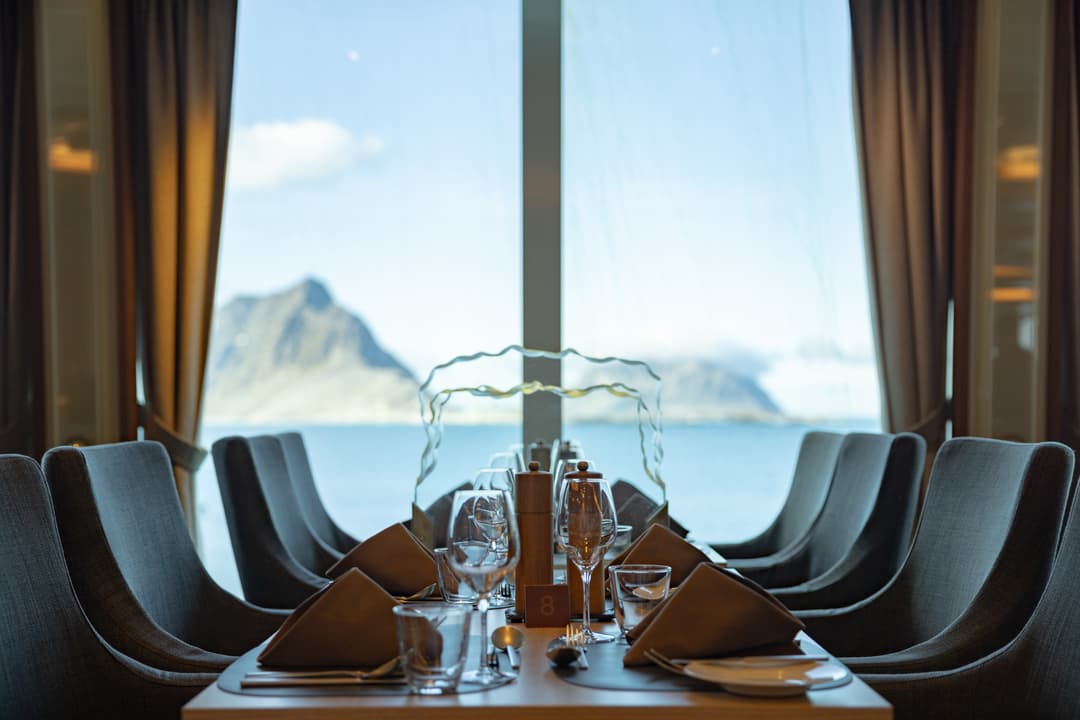
Embarking on MS Fram, you’ll quickly feel safe and relaxed. Surrounding you with quality, natural materials and plenty of light and space, your expedition ship is reassuring, comfortable and built for adventure.
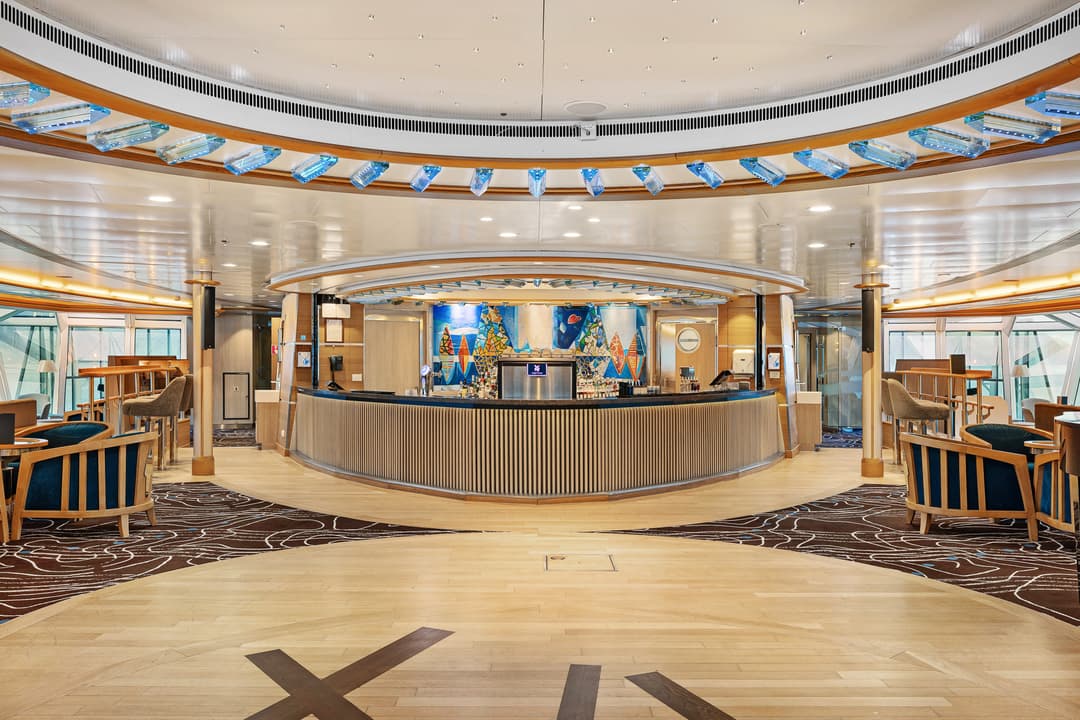
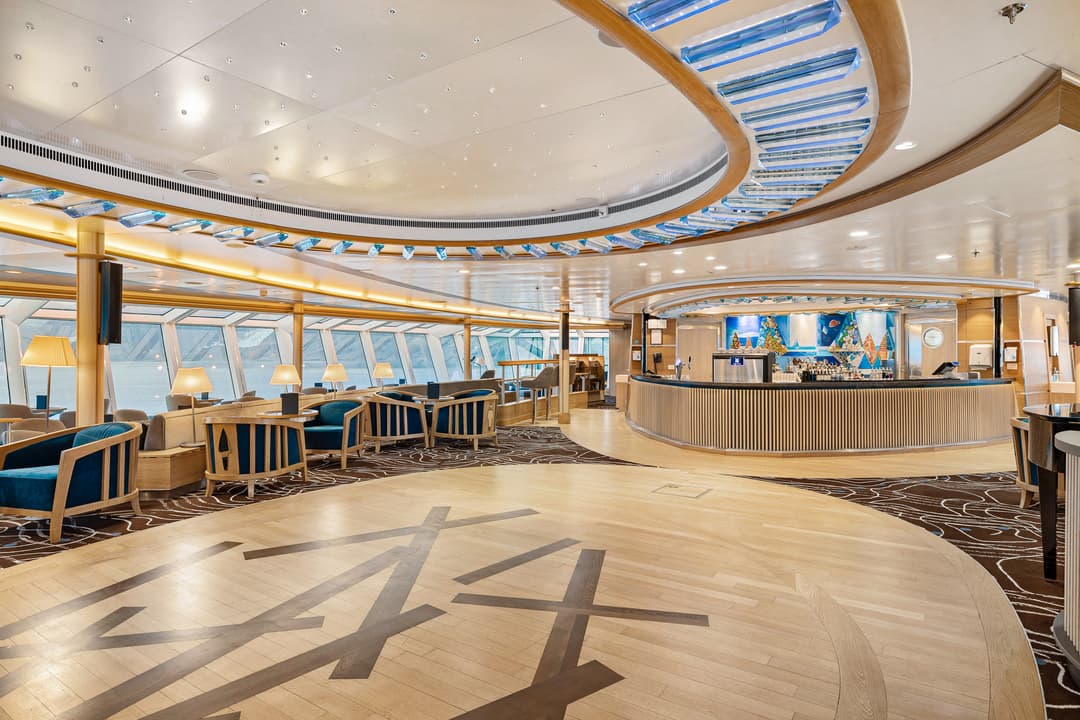
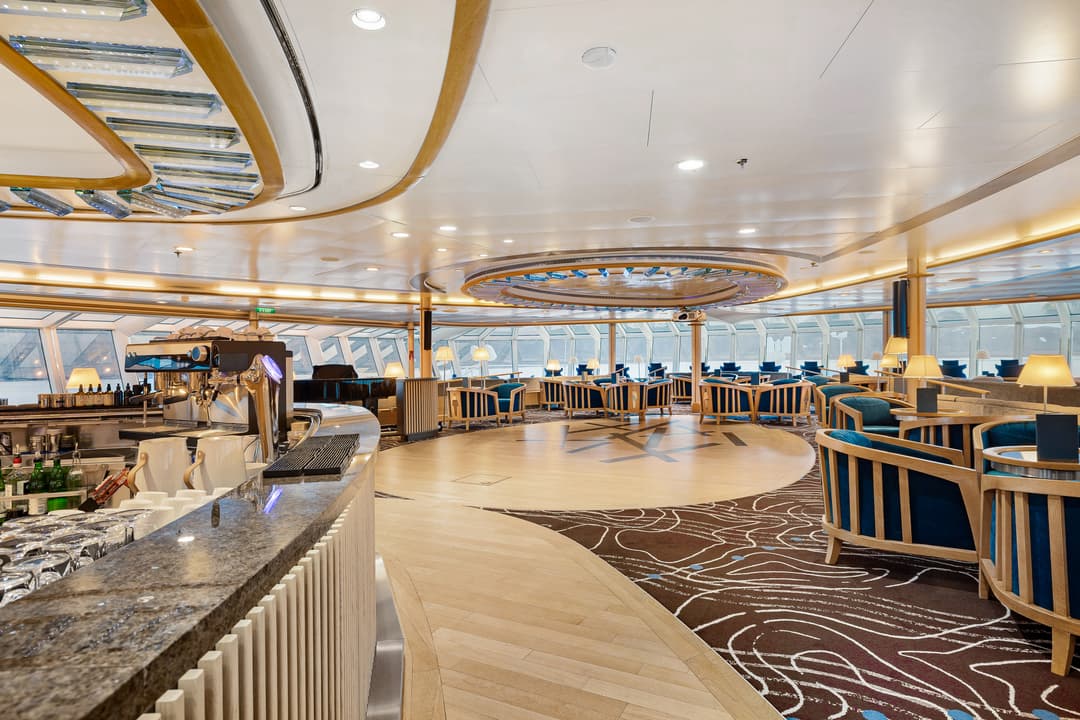
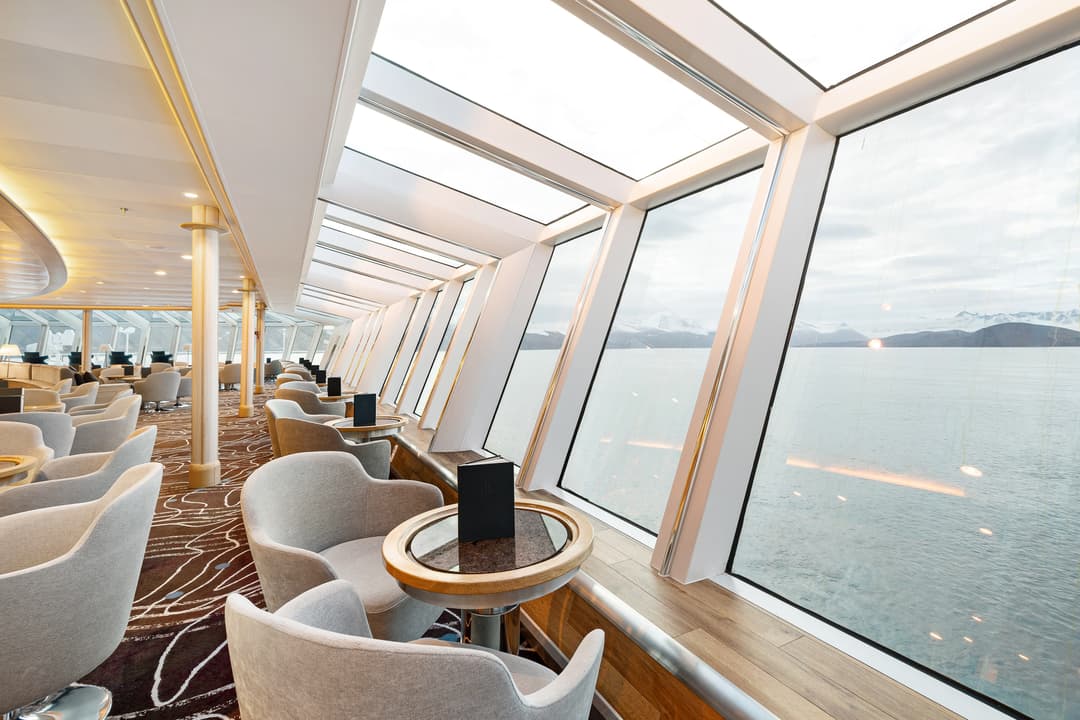
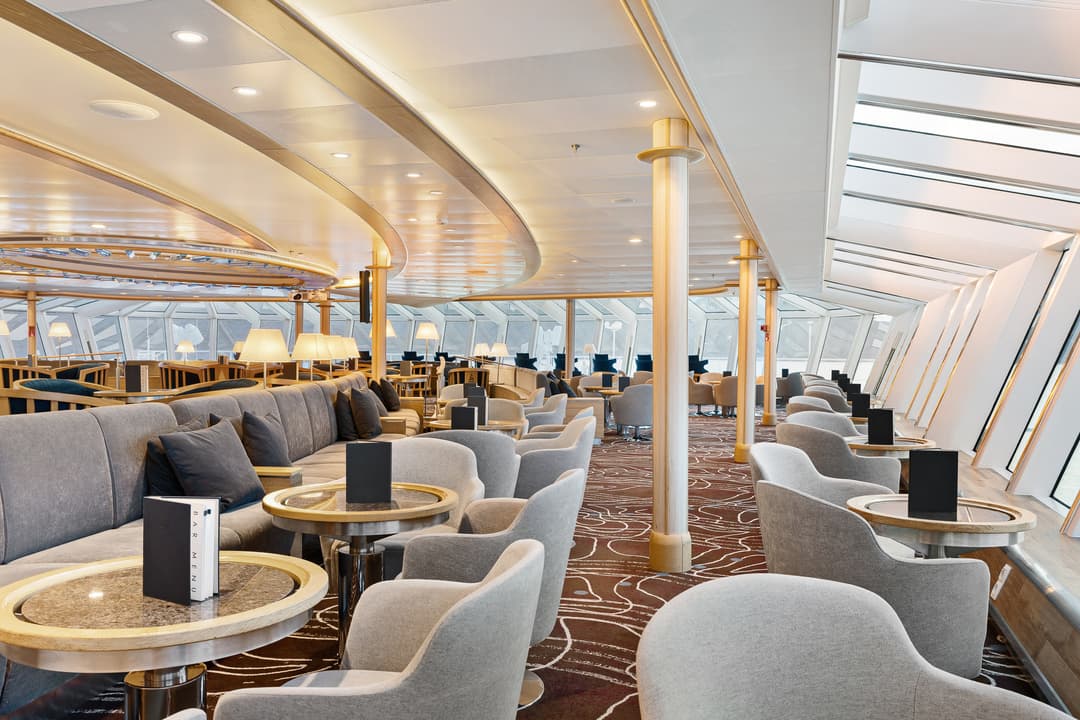
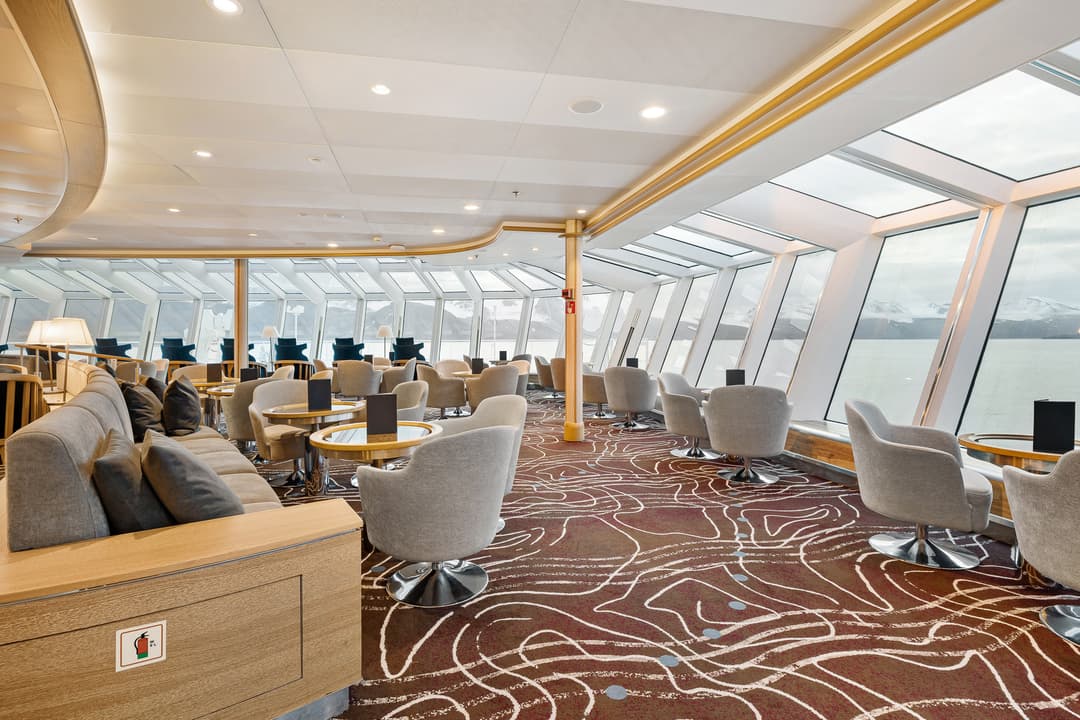
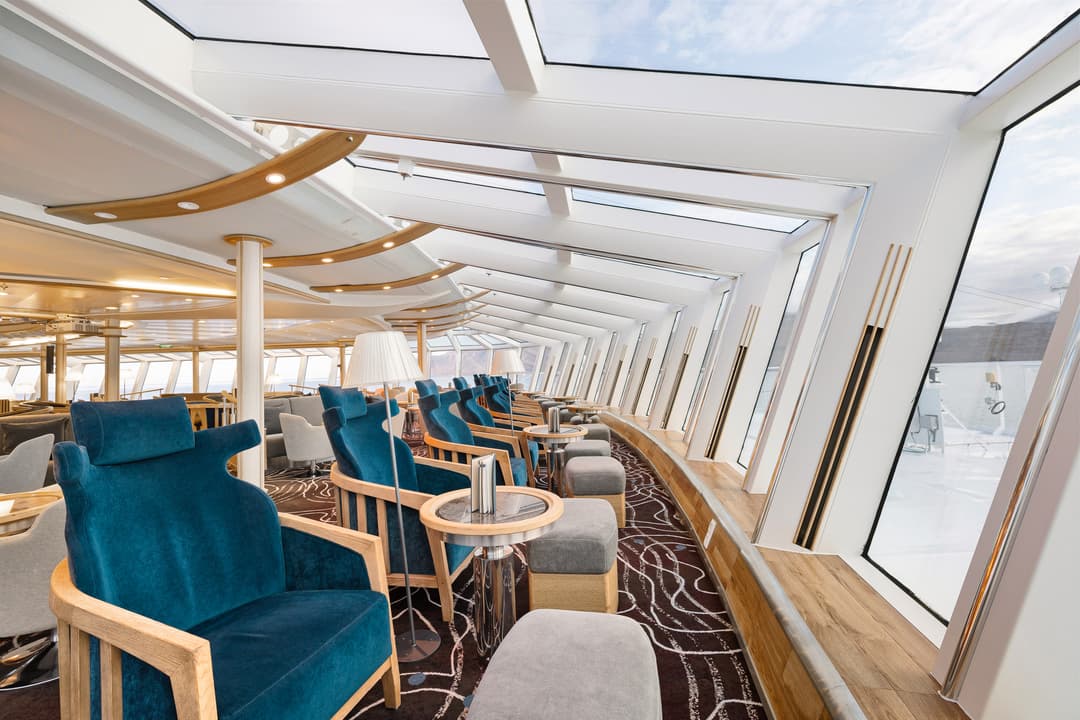
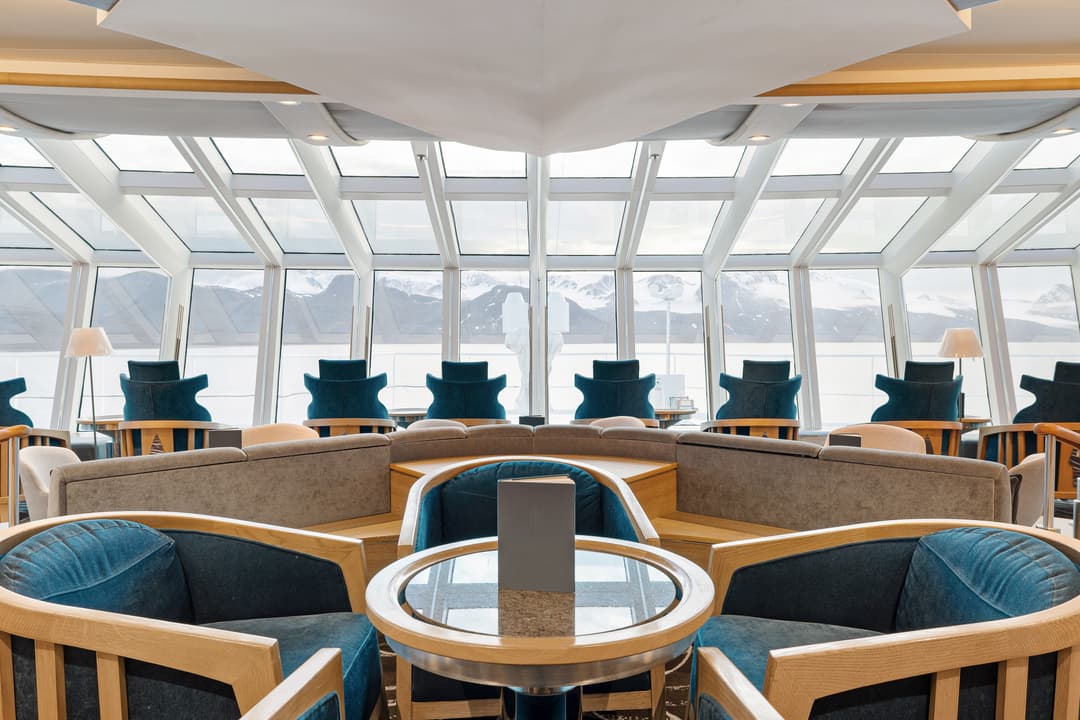
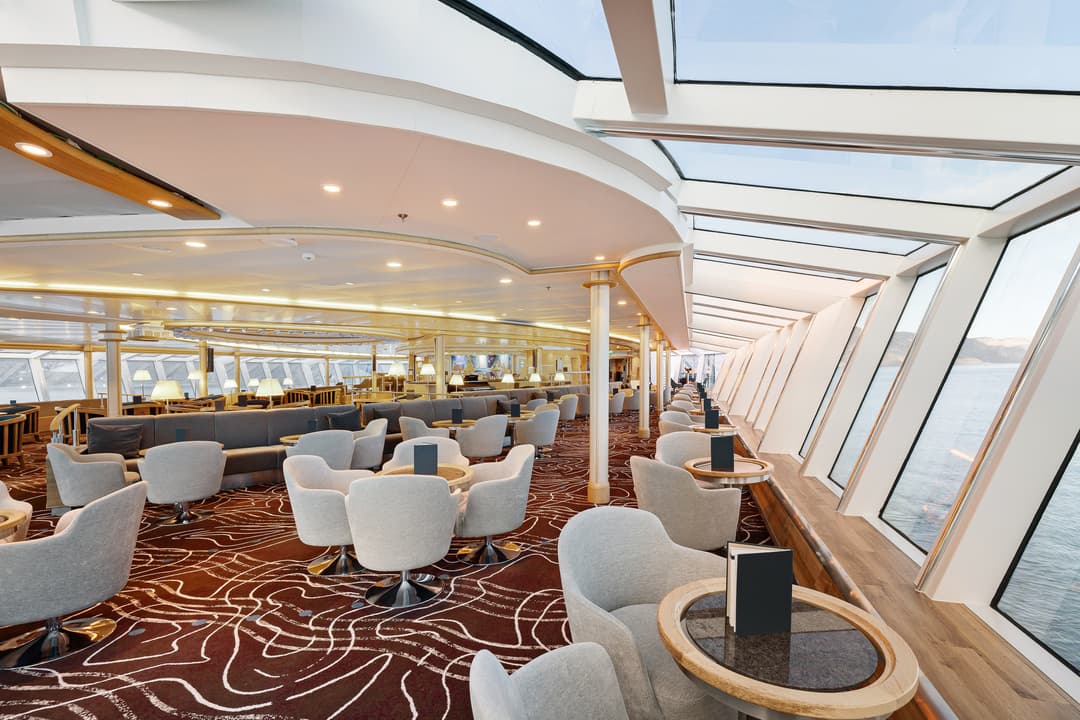
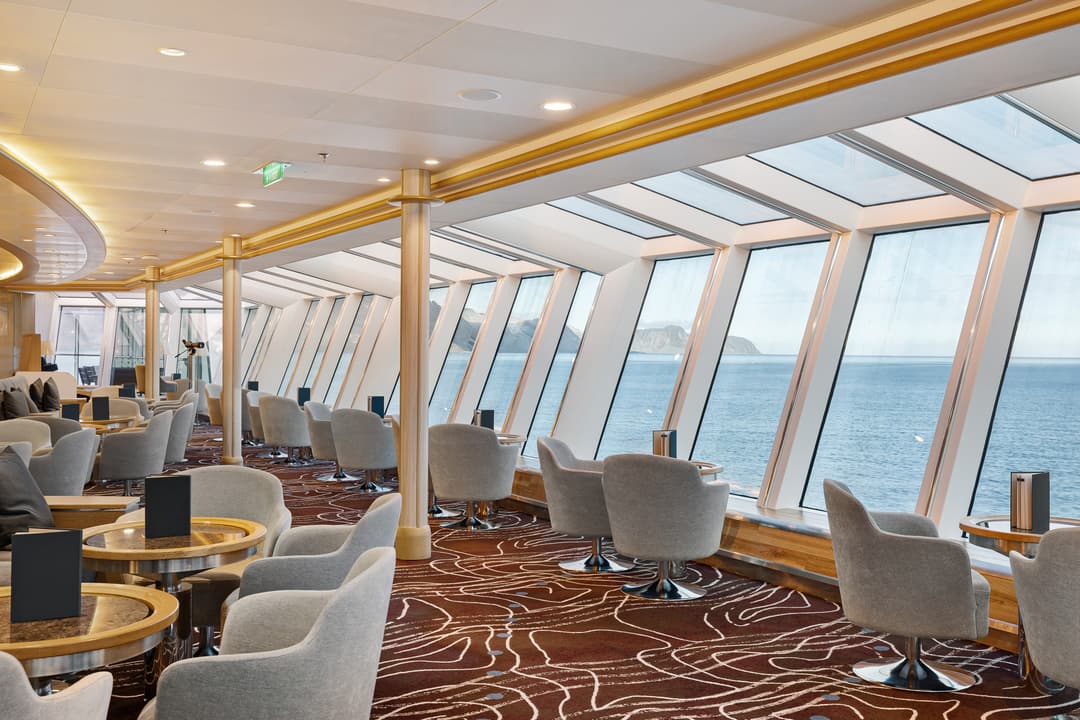


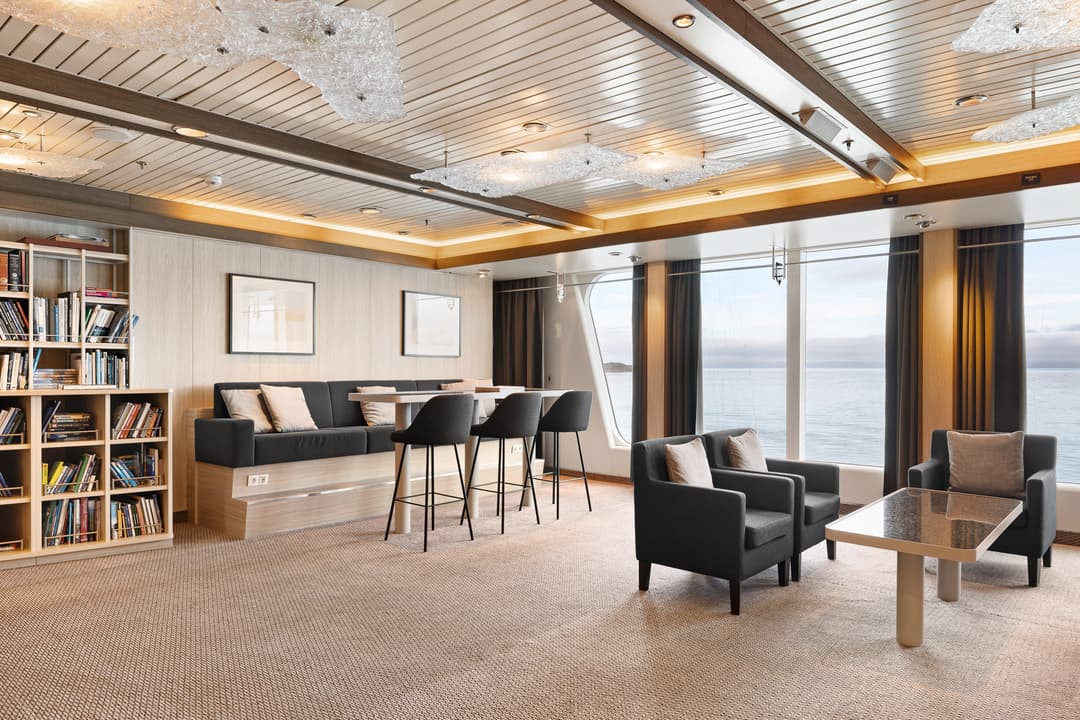
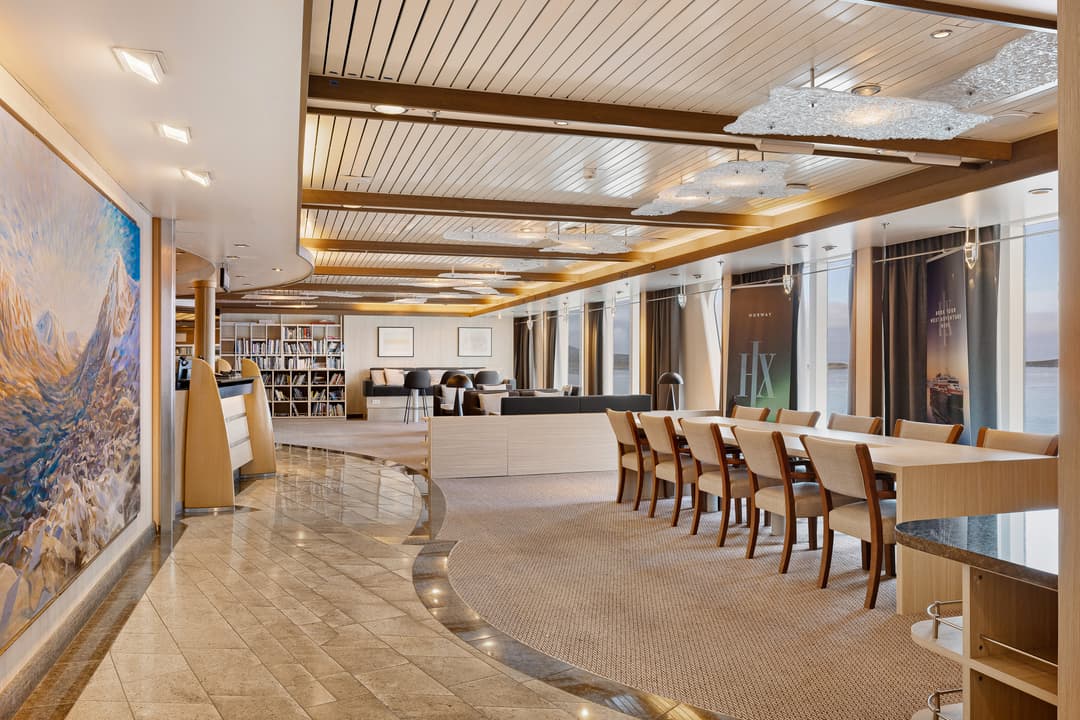
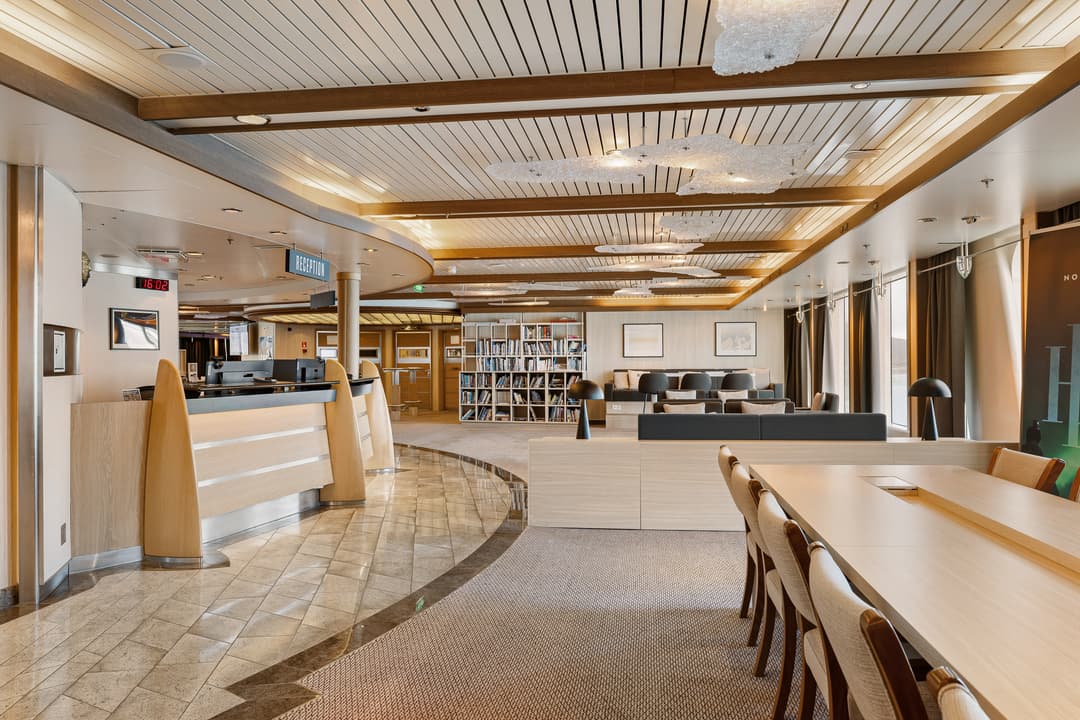
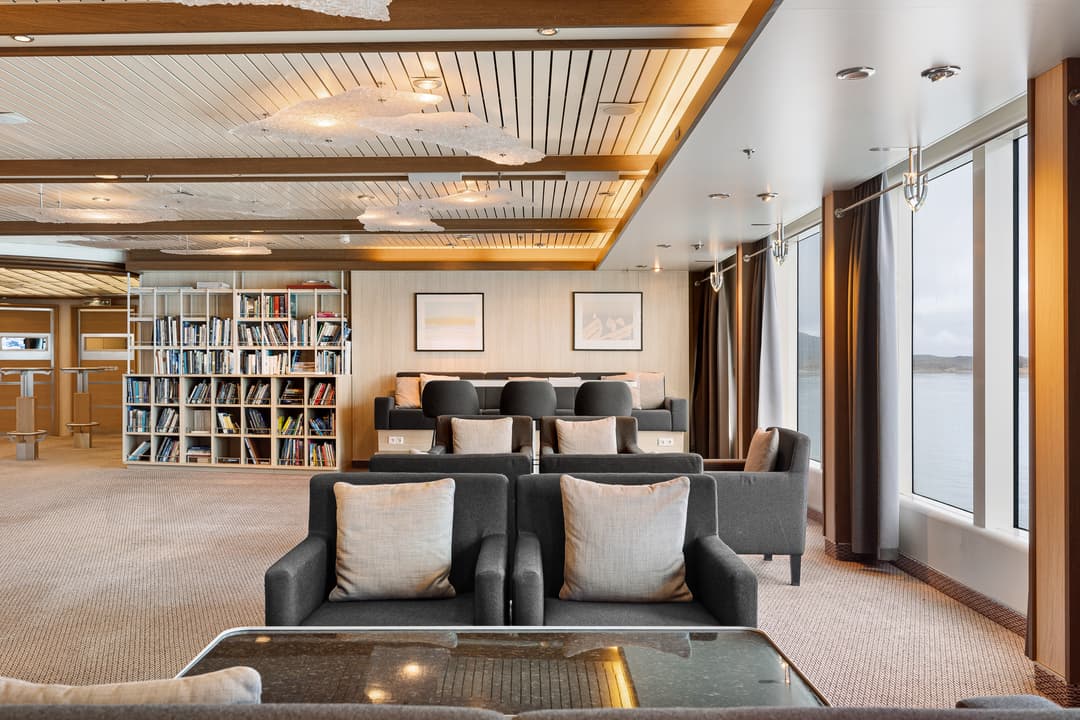
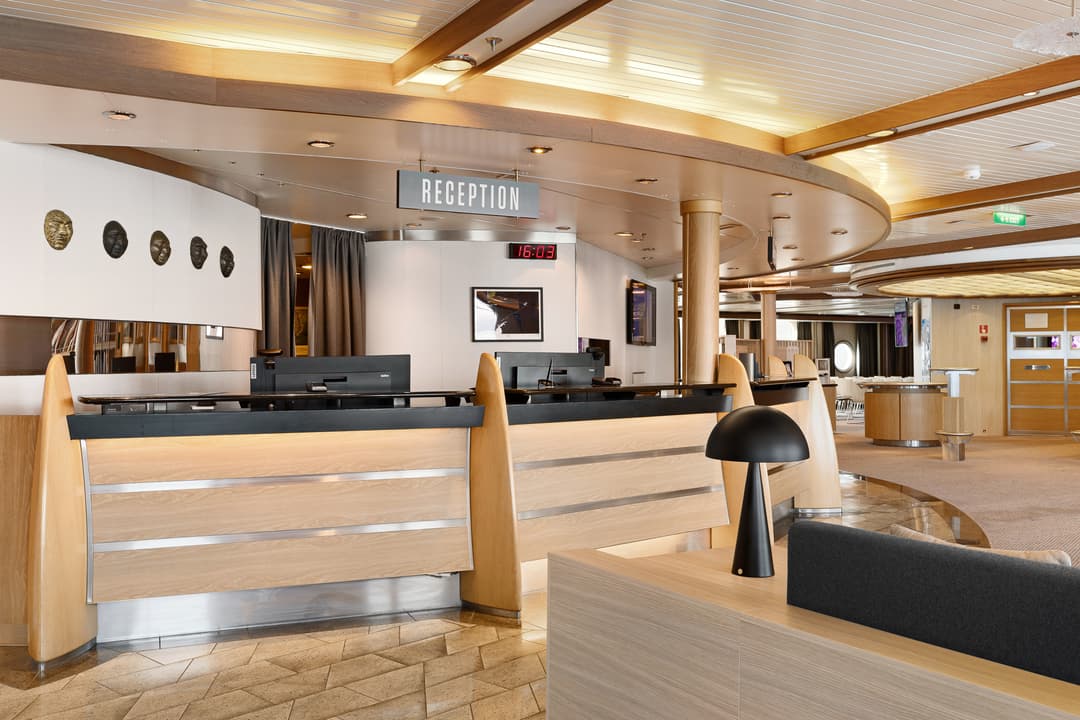
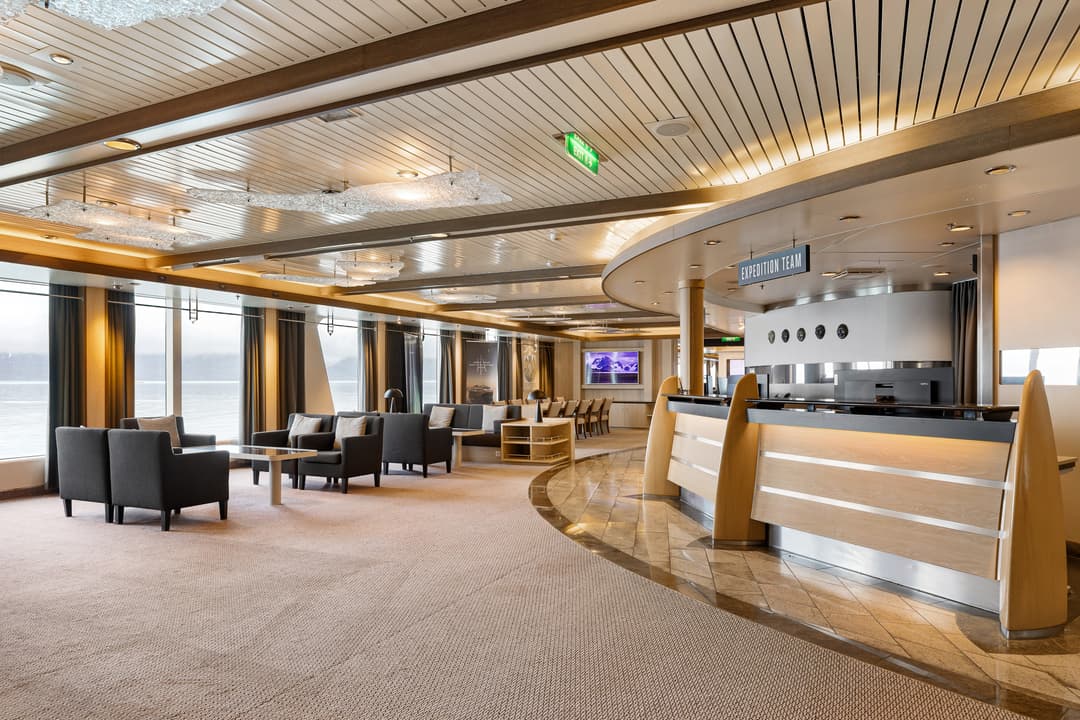
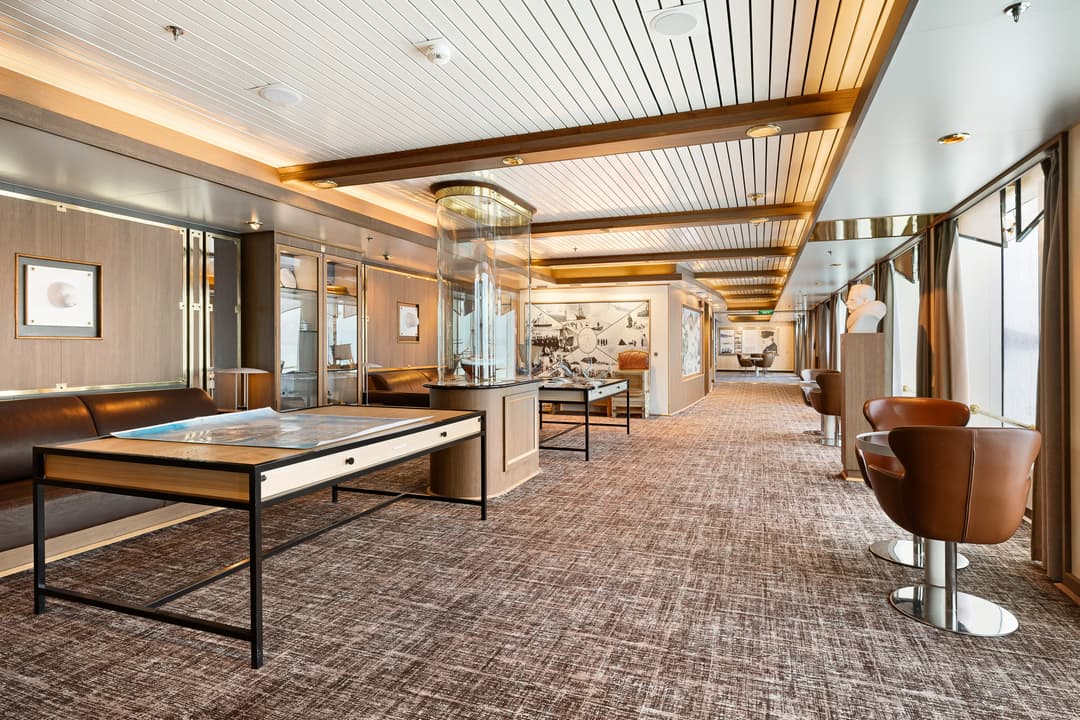
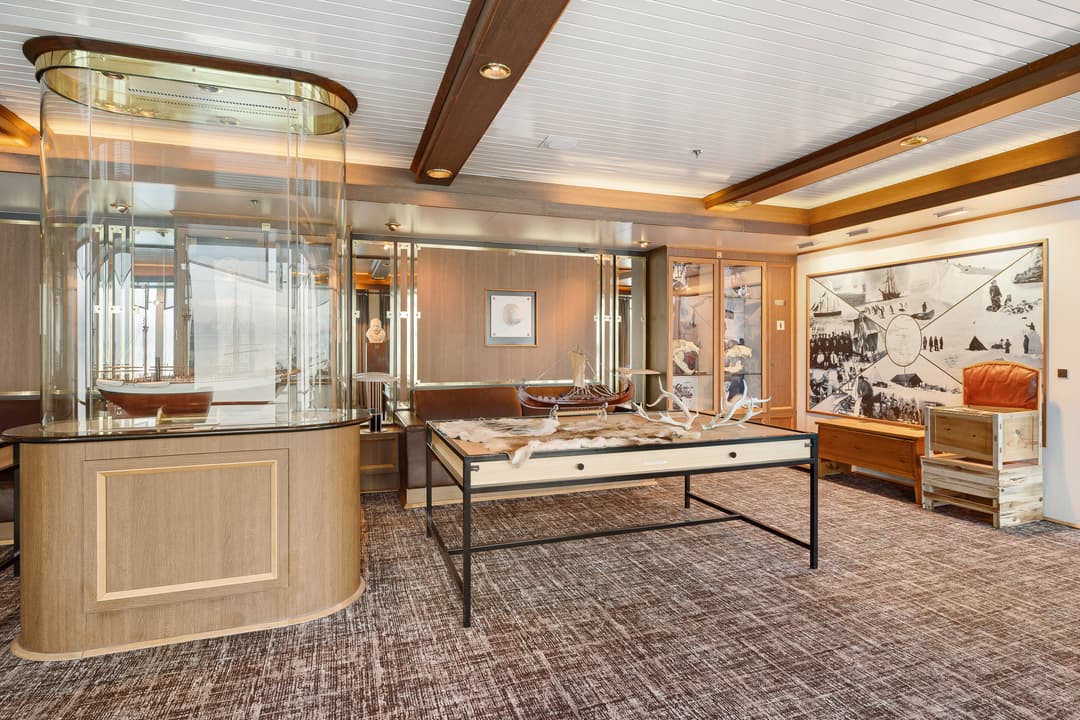
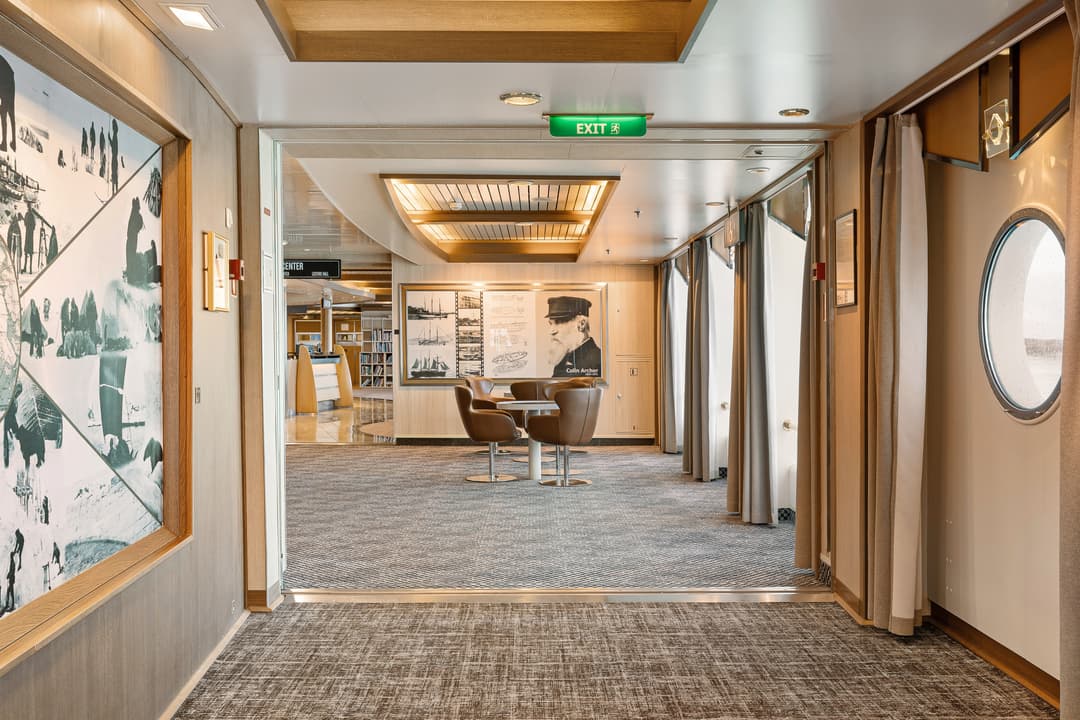
Your ship comes equipped with full suite of facilities to maintain an active lifestyle. From an indoor gym to a wellness centre for both body and mind, you’ll find everything you need to feel fully rejuvenated.

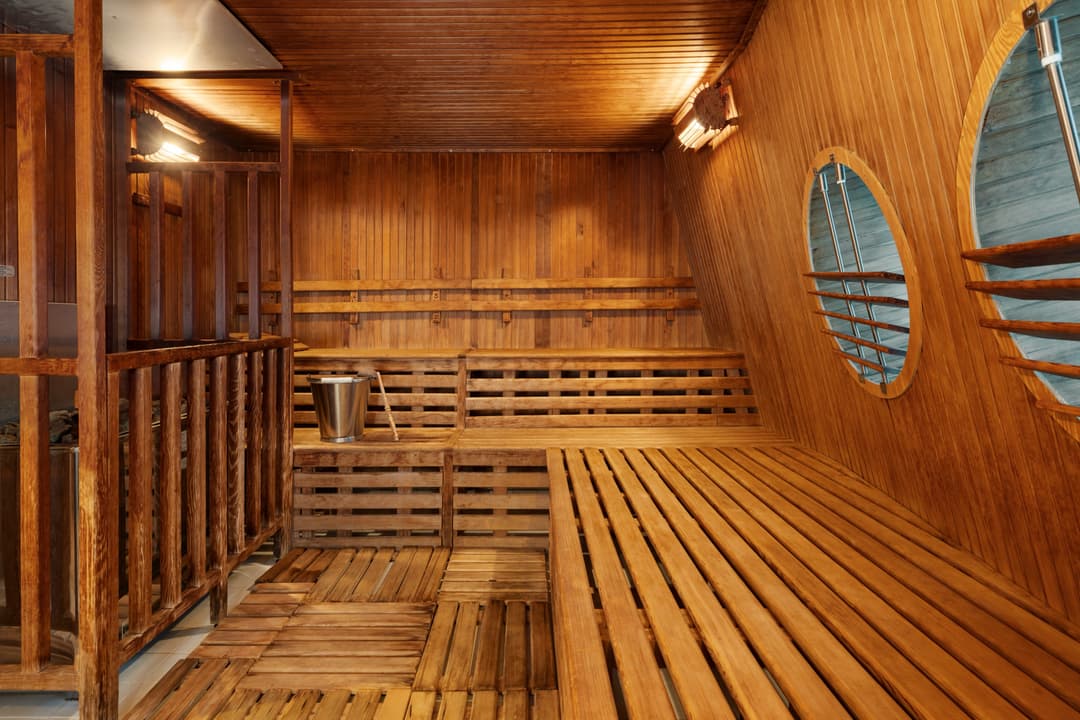

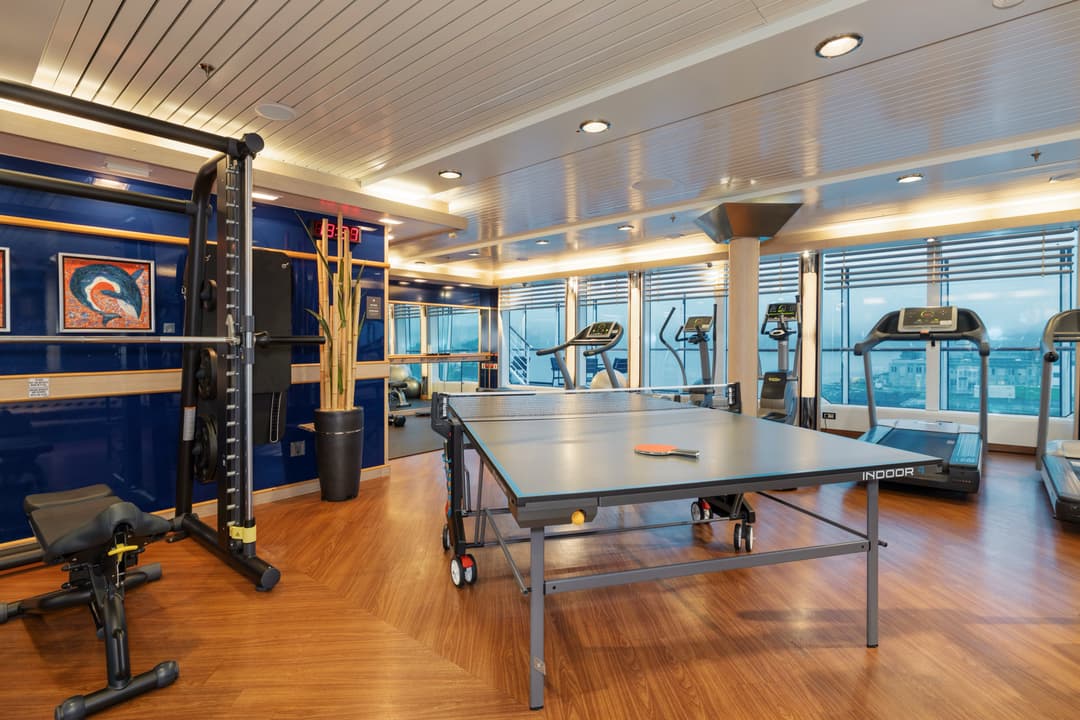
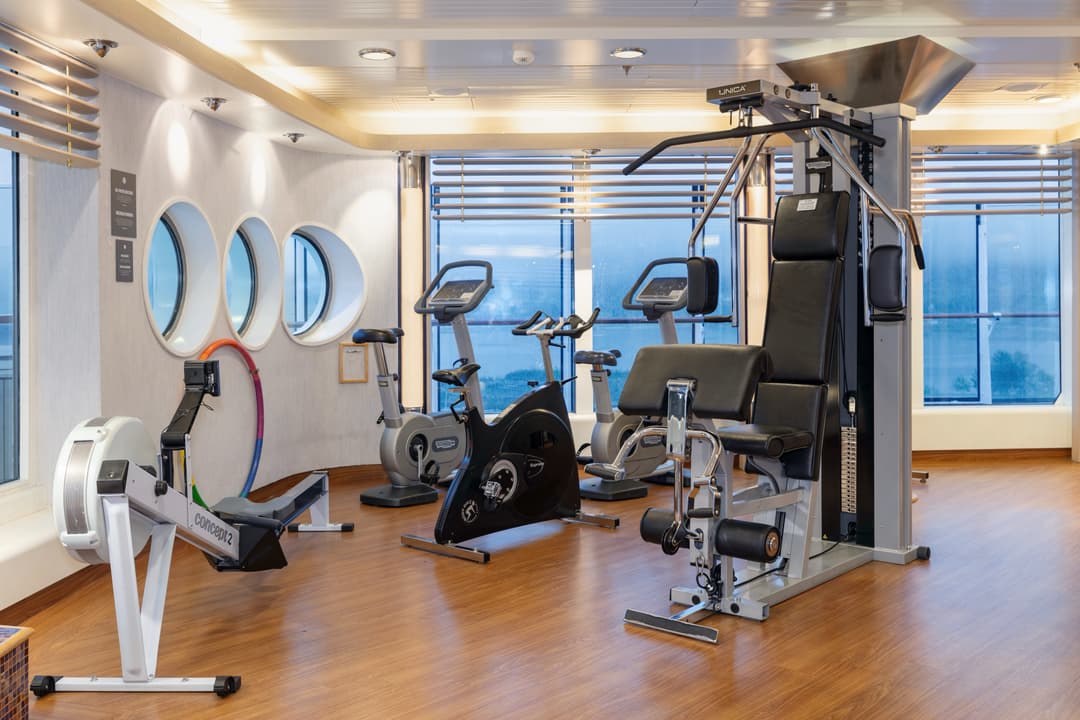

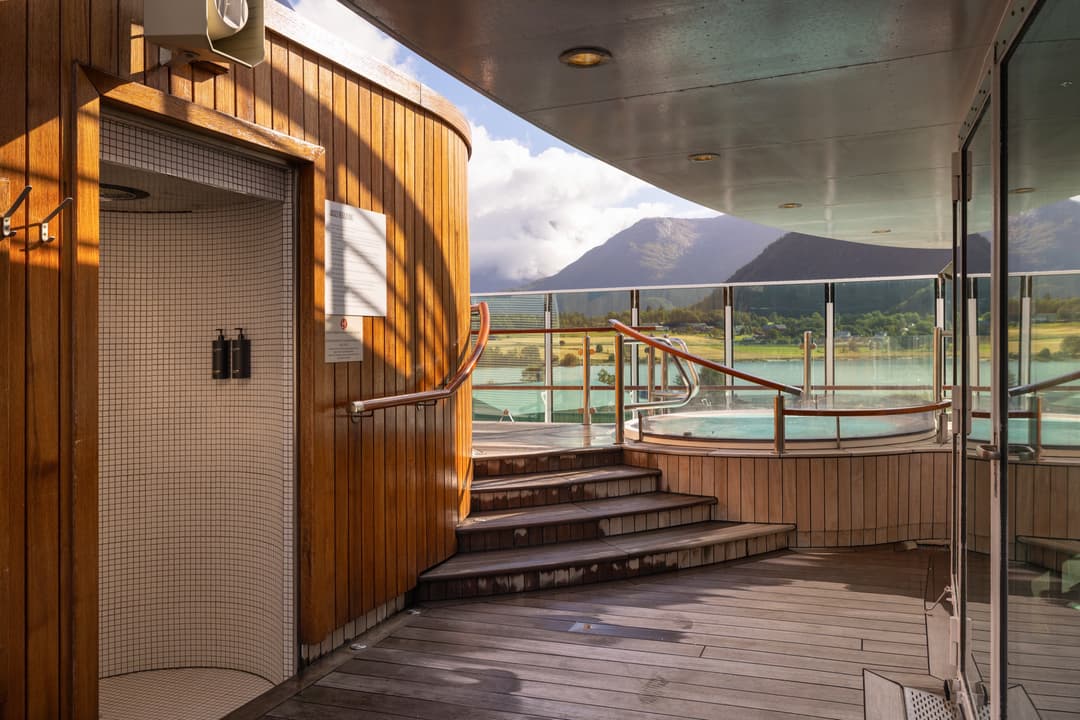
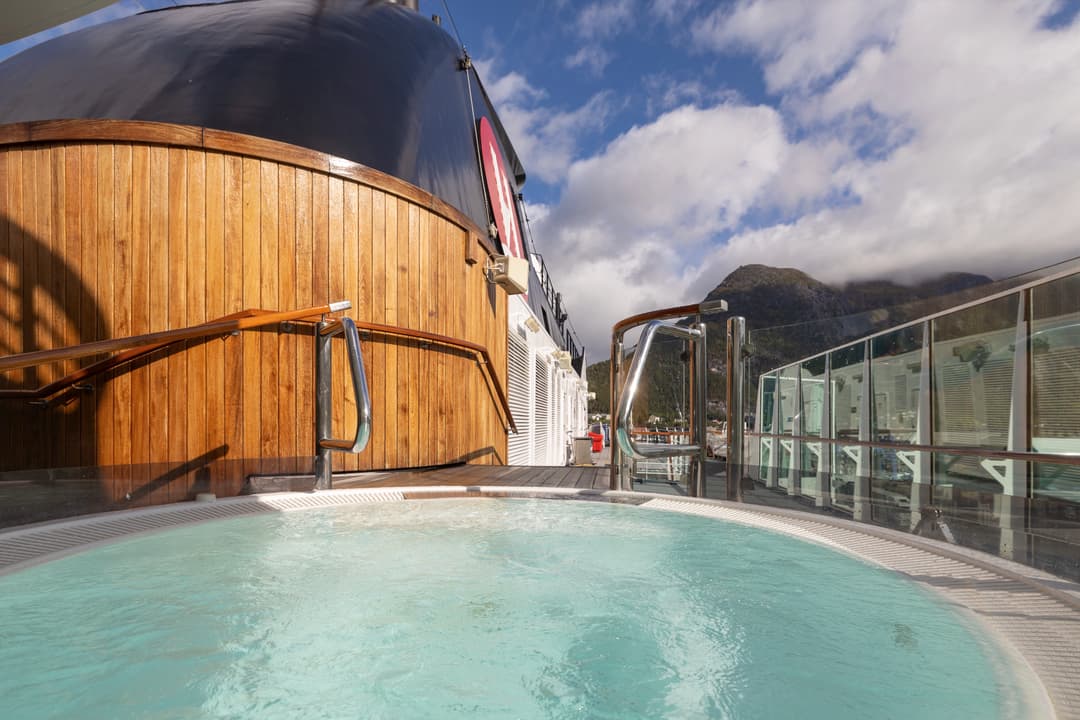
Our expedition ships – MS Roald Amundsen, MS Fridtjof Nansen, MS Fram, MS Spitsbergen, MS Santa Cruz II – are more than just a way to travel - they’re your home in the heart of the wild. Instead of an onboard casino, we have the Science Centre. Instead of cabaret shows, you have all the show you need outside the windows. No water slides, just kayaking trips or small-boat safaris along the coast in the Arctic, Antarctic, or the Galápagos.
We offer a rich and varied program of optional shore excursions. In many ports, we offer an included excursion, which can be reserved for no additional charge. In many cases the included excursion can be combined with other optional excursions in the port. Most excursions can be pre-booked but may also be bookable onboard if capacity remains.
We advise that you book well in advance in order to avoid disappointment due to the excursion b....
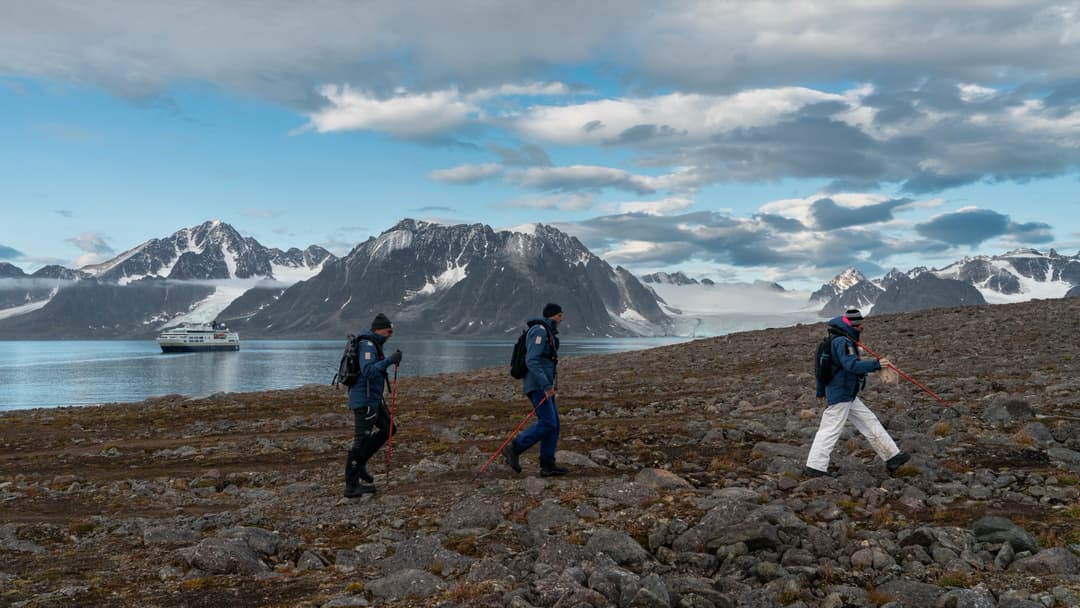
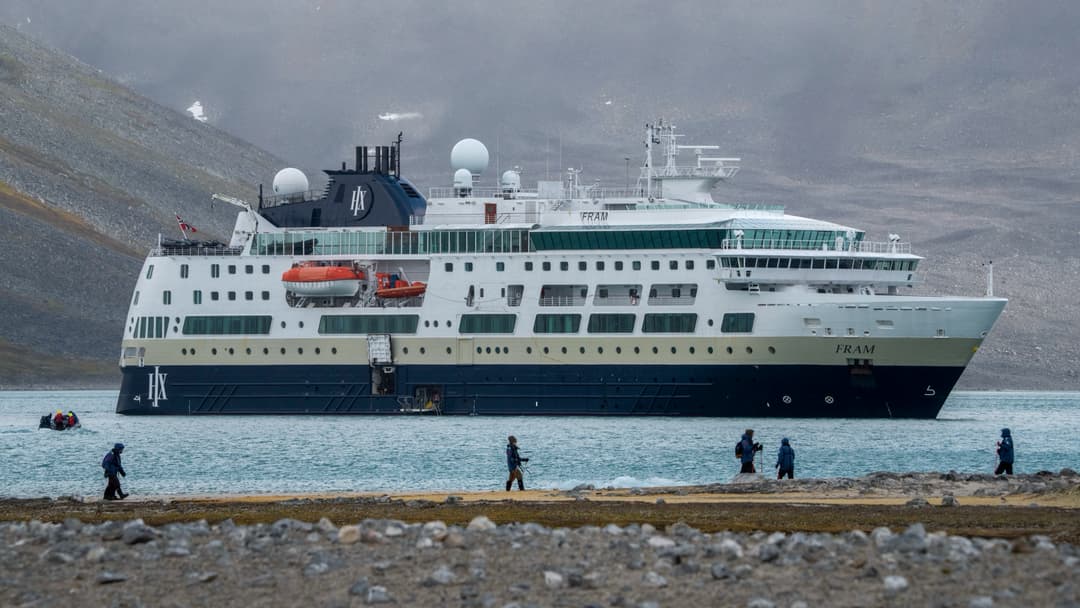
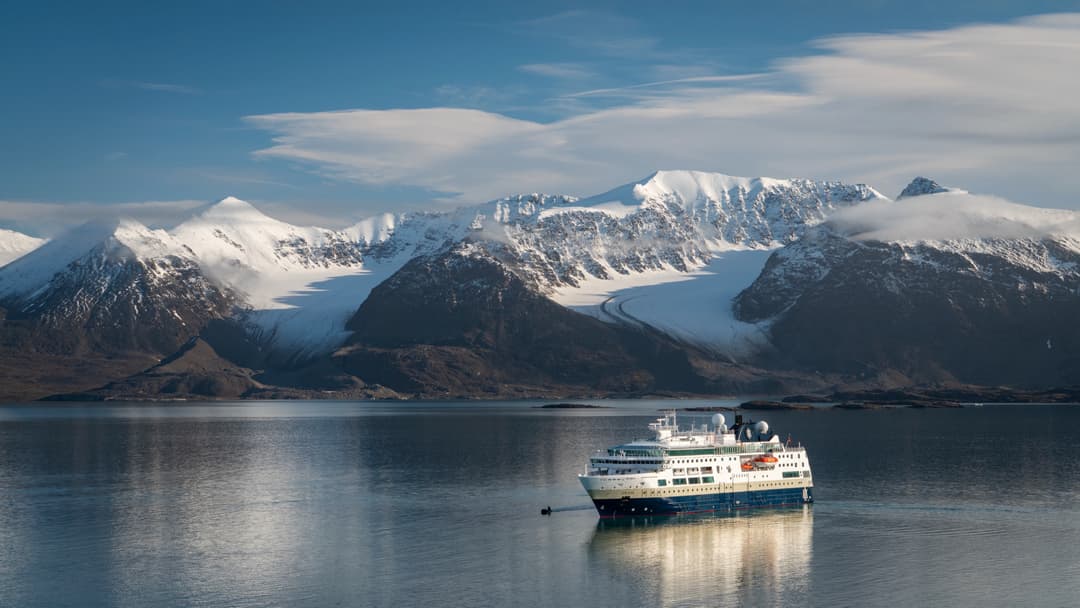
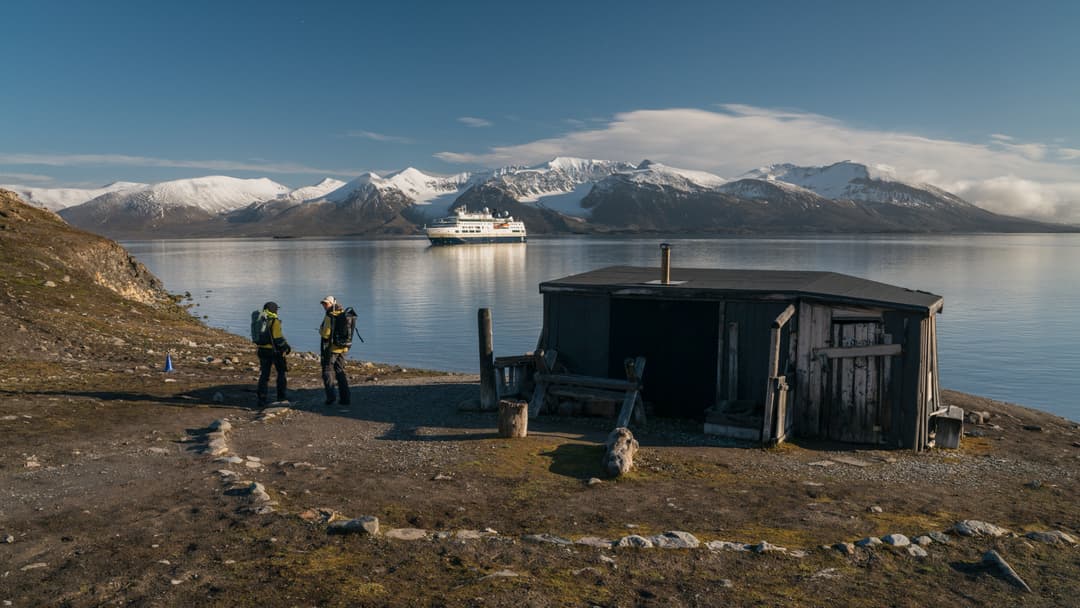
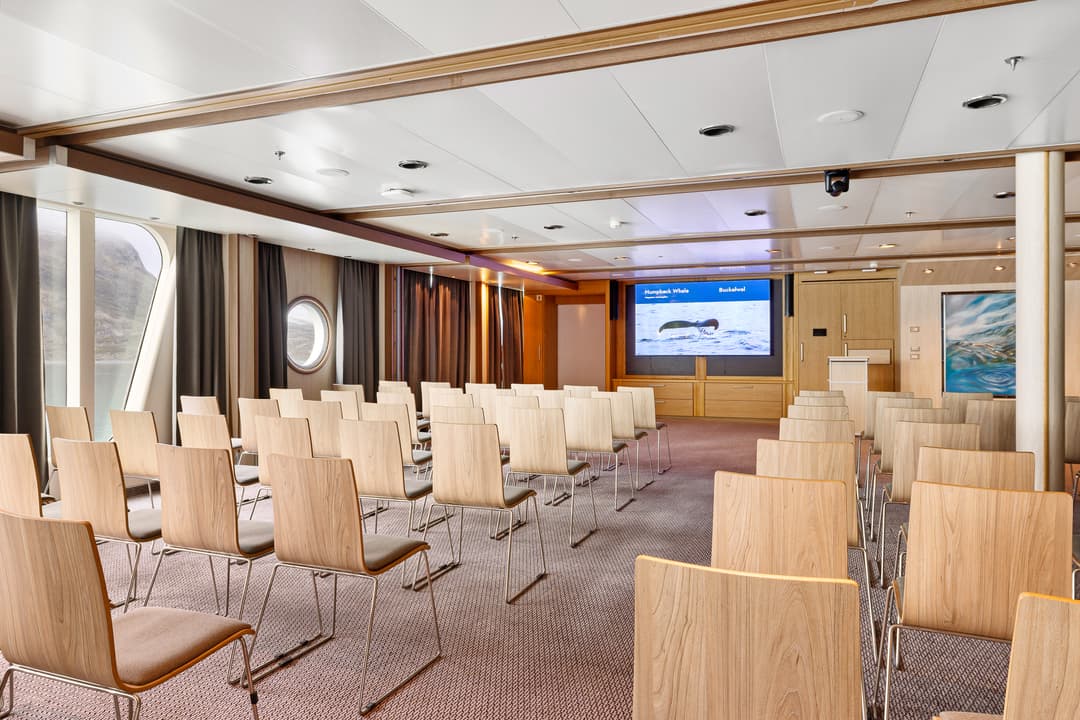
The Science & Education program brings together like-minded individuals
Covering over 3/4 of the planet's surface, our oceans are vital in supporting human life on earth and are also home to over 90% of all known wildlife. Despite it influencing everything from our weather to transportation and yes, expedition cruises, very little is known about our blue planet.
This is where HX Expeditions and our fleet of small, state-of-the-....
Please note: there are no dedicated Children's facilities onboard.
Loading...
Breakfast, lunch and dinner, every day: Indulge in anything your appetite desires across a huge list of delicious choices that almost rival the memories you’ll make off the ship. Start the day with an impressive buffet breakfast before moving onto a mouth-watering menu of à la carte choices later in the day. Of course, that includes house wine and beer and soft drinks.
A warm welcome to the sauna, hot tubs and more: Make so....
Due to the nature of expedition cruising, our voyages often take us far away from the resources and the facilities we are used to in day-to-day life. We recognise that disabilities and mobility issues can range in severity, and recommend all guests consider accompaniment by a companion if they need assistance, either on board or ashore, due to the environment, operations and the unique safety requirements found on an expedition ship.
We ....
Weather varies depending on your destination, but sturdy footwear for wet and dry landings is essential. We provide boots and trekking poles on certain expeditions, but you’re welcome to bring your own.
On-board
- Casual clothes – the dress code is relaxed and informal, even for dinners
- Comfortable flat shoes for everyday use while onboard. It can be slippery on deck, so we recommend shoes with a good grip
Our expedition ships feature a small onboard hospital essential equipment, and medication to handle small emergencies.. Every ship has an English-speaking medical team with a doctor and at least one nurse, supported 24/7 by dedicated land-based experts.
In the event of a serious emergency, the nearest hospital will be contacted. Medical consultations as well as medicines will be charged to the passenger affected. All guests must have per....
Everything you need to know about your cruise, including your bookings, daily programme, restaurants and services on board and essential information about available excursions is at hand at any time.
What have I booked?
Take a look at My bookings to explore the excursions you have booked and prepare for your adventure accordingly with practical tips.
What's happening today?
The daily programme helps you to....