EXPEDITION CRUISE

In the Wake of Scott & Shackleton

CRUISE ID # HERITAGEHA270106

Queenstown TO Queenstown
In the Wake of Scott & Shackleton
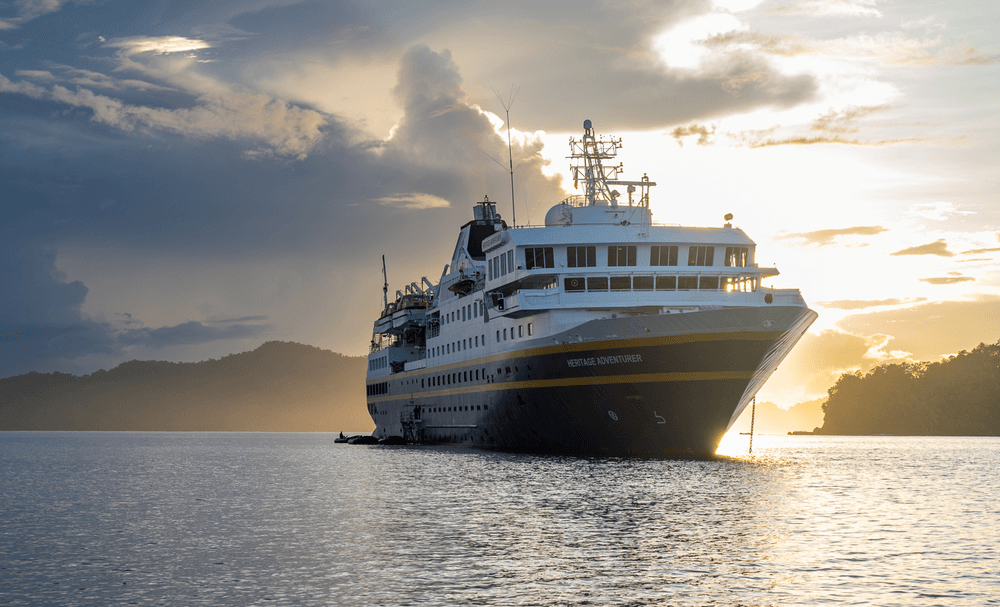
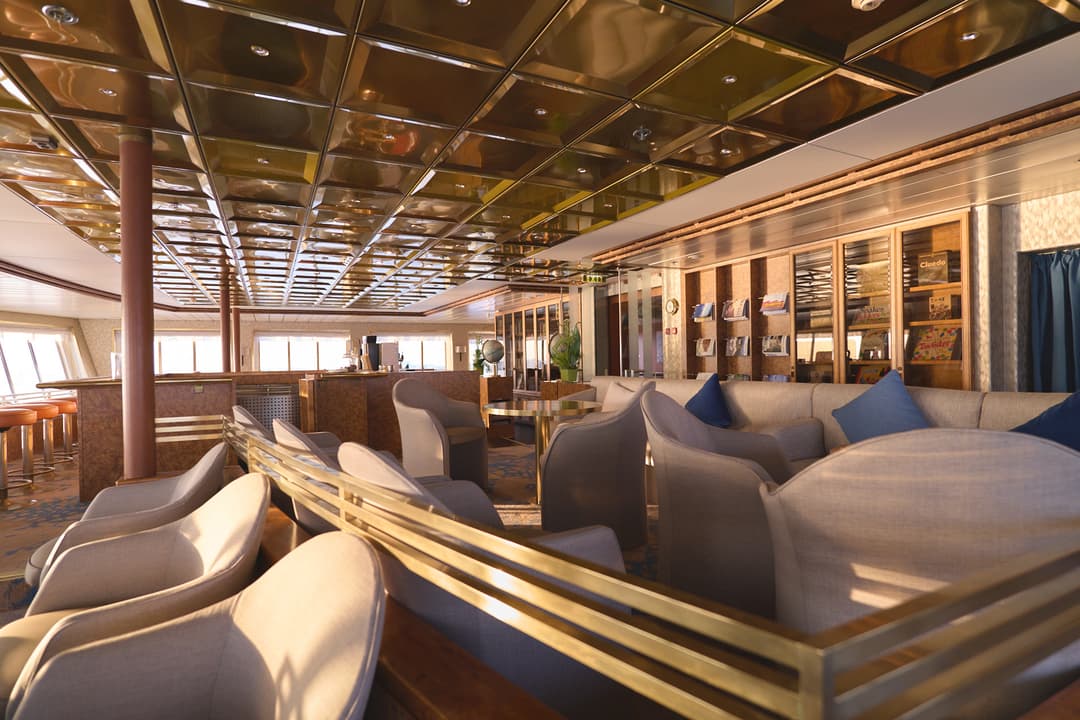
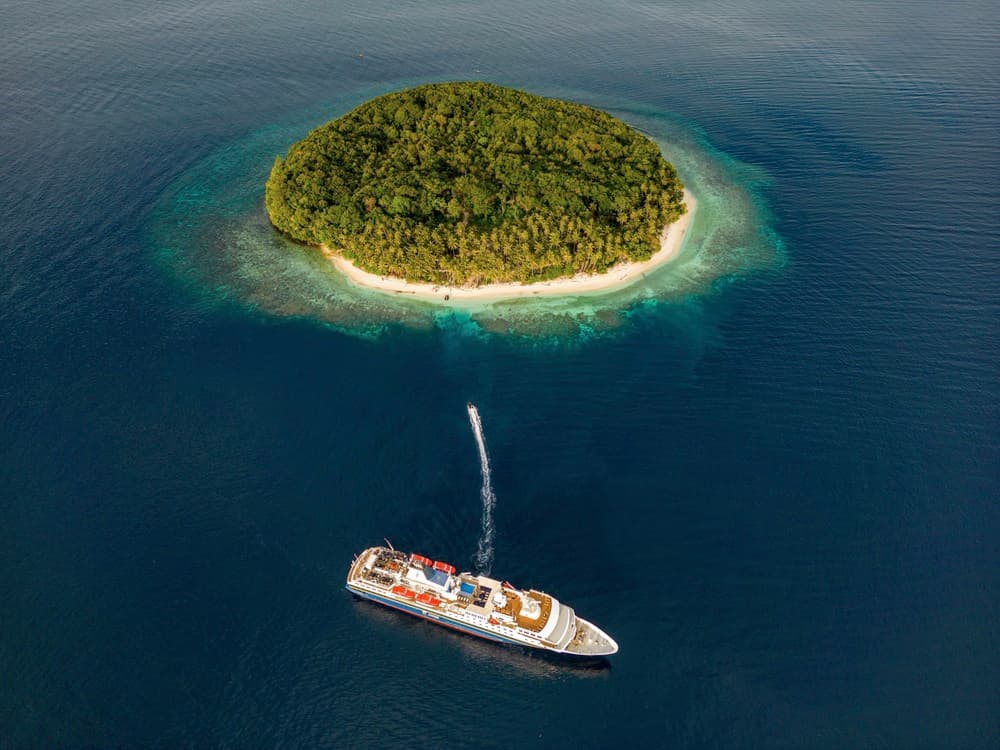
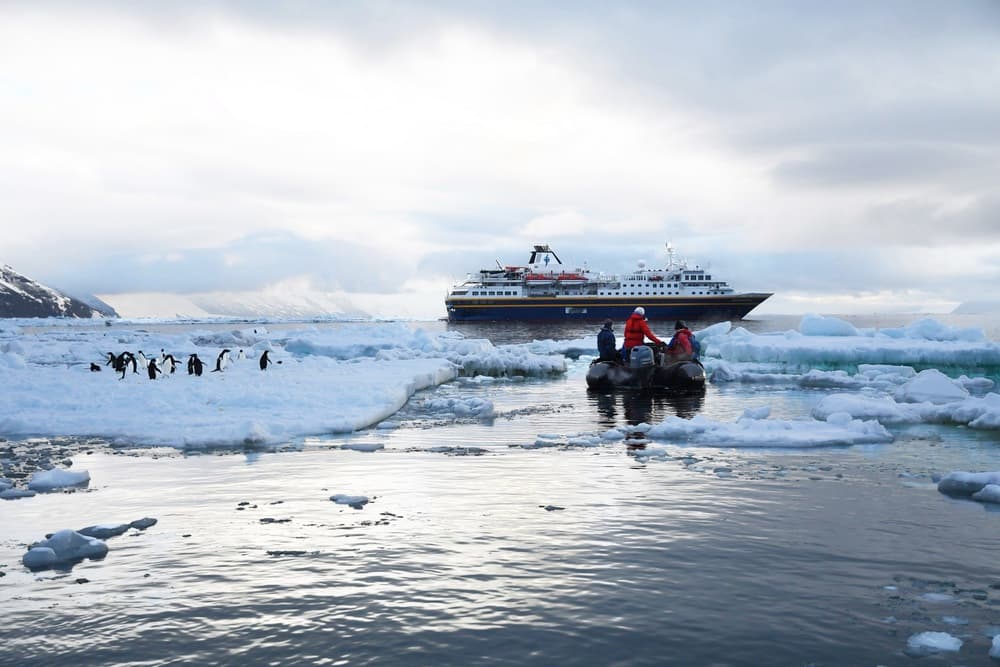
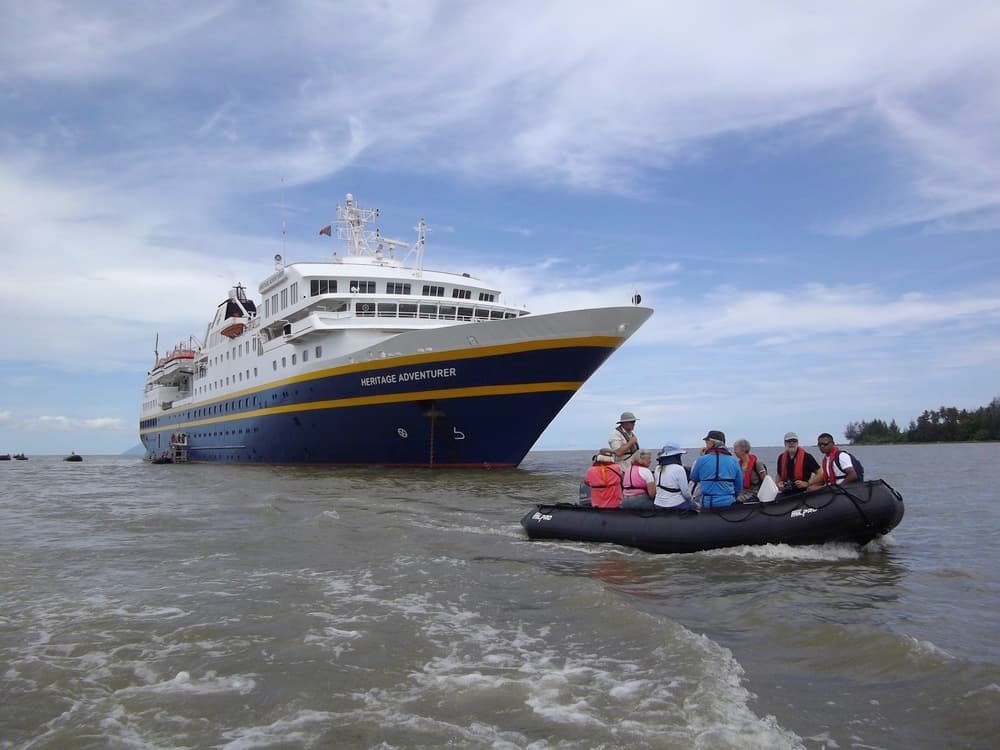
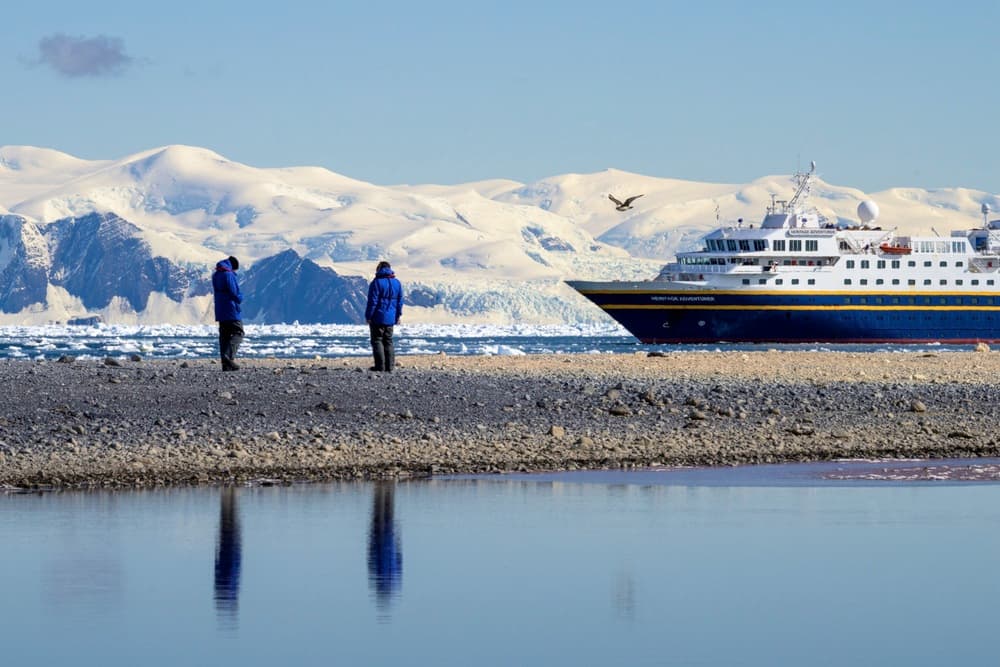
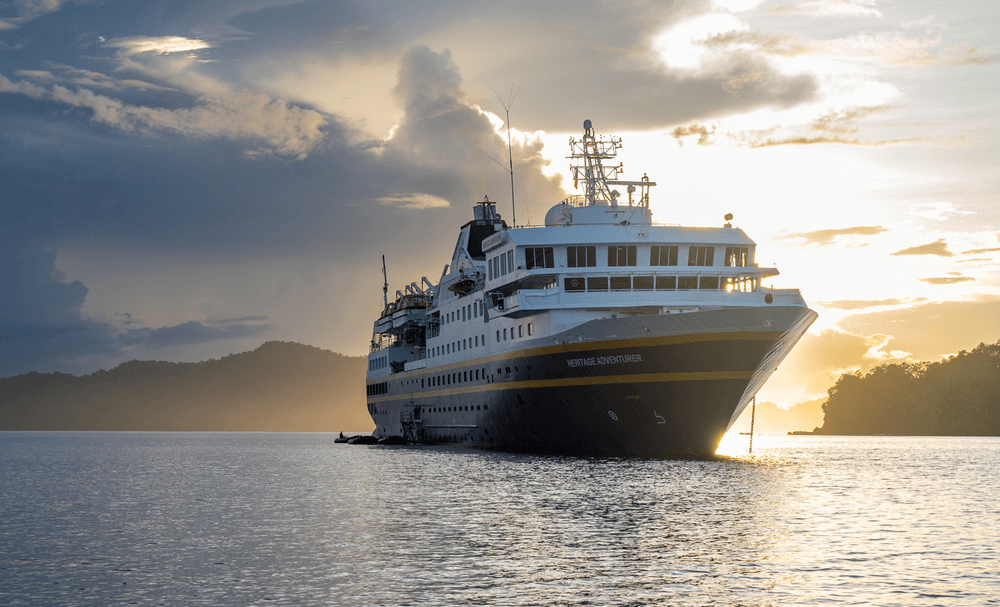
The Ross Sea region of Antarctica is one of the most remote places on Planet Earth and one of the most fascinating places in the continent’s human history.  With shipping restricted by impenetrable pack ice to just two brief months each austral summer, few people have ever visited this strange and beautiful territory, with opportunities for non-scientific personnel limited to a handful of tourist expedition ships. Heritage Expeditions offers such a voyage on its own fully equipped and ice-strengthened ship Heritage Adventurer, crewed by some of the most experienced officers and sailors in the world and staffed by a passionate and knowledgeable expedition team.

Heritage Expeditions are the original and most experienced Ross Sea operators and have been exploring the Ross Sea region for more than 35 years. Our iconic In the Wake of Scott & Shackleton voyage has featured in television documentaries Go Further South, Antarctica from Above (narrated by Lucy Lawless) and Nigel Marven’s The Last Penguin. The Ross Sea takes its name from Sir James Clark Ross who discovered it in 1841.

The British Royal Geographical Society chose the Ross Sea for the now famous British National Antarctic Expedition in 1901-04 led by Robert Falcon Scott. That one expedition spawned what is sometimes referred to as the ‘Race to the Pole’. Ernest Shackleton almost succeeded in 1907-09 and the Japanese explorer Nobu Shirase tried in 1910-12.

Scott thought it was his, but was beaten by his rival, Norwegian Roald Amundsen in the summer of 1911. Shackleton’s Trans-Antarctic expedition in 1914-17 marked the end of this ‘heroic’ or ‘golden age’ of exploration, but many of the relics of this era, including huts, remain. The dramatic landscape described by these early explorers is unchanged.

Mt Erebus, Mt Discovery and the Transantarctic Mountains are as inspiring today as they were 100 years ago. The penguin rookeries described by the early biologists fluctuate in numbers from year to year, but they still occupy the same sites. The seals, which are no longer hunted for food lie around on ice floes seemingly unperturbed.

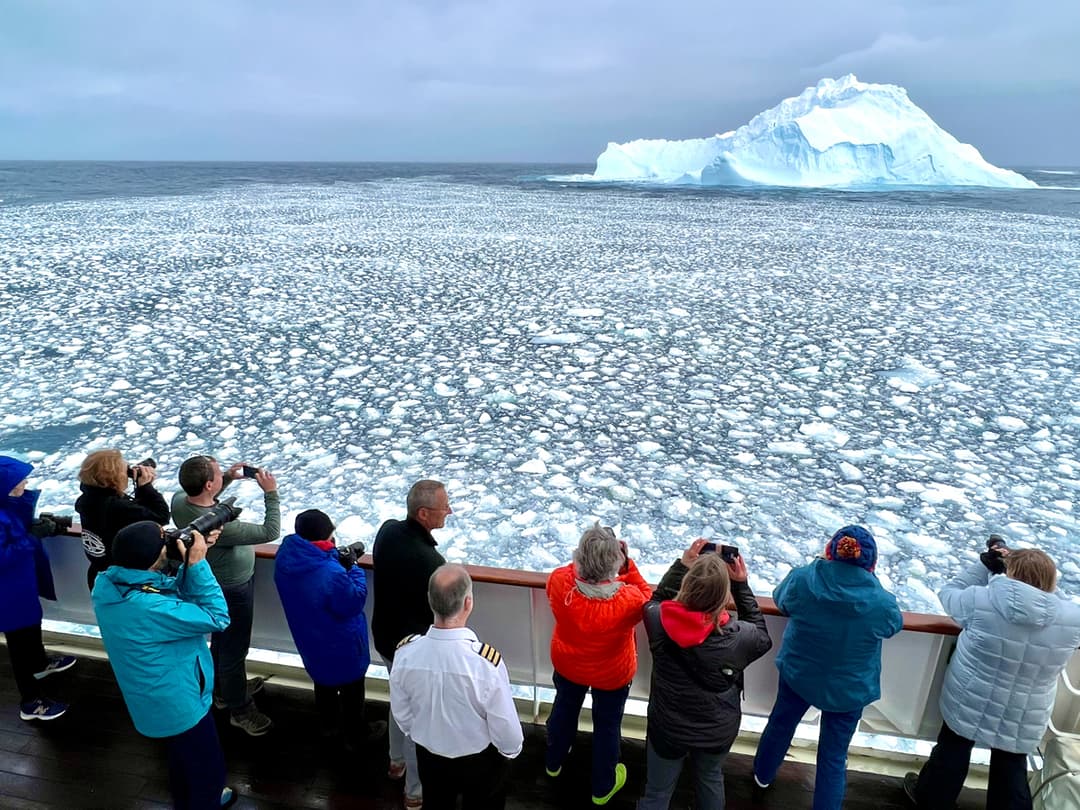
The whales, which were hunted so ruthlessly here in the 1920s, are slowly coming back, but it is a long way back from the edge of extinction, and some species have done better than others. Snow Petrels, Wilson’s Storm-Petrels, Antarctic Petrels and South Polar Skuas all breed in this seemingly inhospitable environment. There is so much to do and so much to see here, from exploring historic huts and sites to visiting penguin rookeries, marvelling at the glacial ice tongues and ice shelves, and understanding the icebergs and sea ice.

Then there are all the seabirds, seals and whales to observe and photograph, modern scientific bases and field camps to visit and simply the opportunity to spend time drinking in the marvellous landscape that has always enthralled visitors. Lying like stepping stones to the Antarctic continent are the little known Subantarctic Islands which, along with Heritage Expeditions and our voyages, featured in Condé Nast Traveler’s influential ‘The 25 Best Places to Go in 2025’ list. Our journey also includes The Snares, Auckland, Macquarie and Campbell Island.

They break our long journey, but more importantly, they help prepare us for what lies ahead, for these islands are part of the amazing and dynamic Southern Ocean ecosystem of which Antarctica is at the very heart. It is the powerhouse which drives this ecosystem upon which the world depends. Our 6 January 2027 voyage offers guests the opportunity to join Nikon Ambassador and multi-award-winning seabird photographer, Rachel Bigsby, on an exclusive wildlife photography workshop.

With accolades including Wildlife Photographer of the Year andBird Photographer of the Year, Rachel’s hands-on approach and specialisation in seabirds offers the perfect blend of creativity, technical skill and adventure whether you’re a seasoned photographer or beginner. Join interactive sessions on board as well as guided excursions and once-in-a-lifetime opportunities to capture rare wildlife and stunning landscapes. These expeditions include the option to join sea kayaking excursions with an expert guide.

Kayaking around the Subantarctic Islands and the Ross Sea, Antarctica offers a once-in-a-lifetime opportunity to explore a wide array of habitats to explore beyond the reach of our Zodiacs
TRIP STARTS ON
January 06, 2027
SHIP SAILS ON
January 06, 2027
HOTEL NIGHTS
Pre-Cruise: 0, Post-Cruise: 0
SHIP
Heritage Adventurer
TRIP ENDS ON
February 02, 2027
STOPS
29 Stops, 2 Countries
CRUISE NIGHTS
27
OPERATOR
Heritage Expeditions
FROM: 

$36,515

WITH SPECIAL SAVINGS APPLIED

FARES SHOWN ARE PER GUEST

Suites & Fares

CHOOSE START DATE 

: January 06, 2027

 
STEP 1: CHOOSE YOUR PREFERRED DEAL
Cruise Fare
View Suites

Itinerary

29 Ports
2 Countries

Arrive at Queenstown, New Zealand’s world famous alpine resort town. Guests should make their way to the designated hotel where we will spend the first night of the expedition. This evening there will be an informal get-together at the hotel for dinner; an excellent opportunity to meet fellow adventurers on your voyage and some of our expedition team. Guests on our February 2028 departure will spend the first night in Invercargill, make their way to the designated hotel, or join our 3pm or 6pm Queenstown transfer from the assigned meeting point to Invercargill.

The most southernmost town in New Zealand, Bluff (or The Bluff as it is locally known) is perhaps the most European of all the settlements in the country. Called Campbelltown until 1917, the city was officially renamed after the 265 meter conical hill that towers above it. One of the farthest corners of the British Empire, the inaugural Royal Tour of New Zealand by Queen Elizabeth II and Prince Philip, the Duke of Edinburgh, concluded at Bluff in January 1954. Nowadays however, it is the Bluff oysters that are the stars of the show. Reputed to be the best in the world, these local heroes are what have really put Bluff on the map and are celebrated every May with a lively festival honouring Ostrea chilensis (that’s Latin for Bluff oyster). But gastronomy aside (and it is mostly oyster related), Bluff offers the adventurous traveller much in the way activity. Gateway to Stewart Island, day trippers here might enjoy hopping on the ferry for the hour long trip to Stewart Island, or New Zealand’s third island. Unspoilt, tranquil and stunning, Stewart Island is a showcase for New Zealand’s undiscovered tourism spots due to its privileged (yet remote) position in the world. However, for those who wish to stay on the mainland, the Bluff Maritime Museum is a “must visit” for anyone travelling along the Southern Scenic Route, with fascinating historical information about the many early shipwrecks in these challenging southern waters and coastlines. The comprehensive network of walking tracks will delight the ornithologists amongst you – just don’t forget your binoculars!

The Snares Islands, also known as ‘The Snares’ are the northernmost of New Zealand's subantarctic islands. The islands are totally uninhabited and land mammals were never introduced on the islands, so it is only inhabited by sea mammals, birds and flora. The area is among one of five subantarctic island groups forming the New Zealand Subantarctic Islands, designated as a World Heritage Site by UNESCO.

Enderby Island is the second largest island in the archipelago which is brimming with a magnificent flora and fauna environment. The island has become well known for being home to the rare yellow-eyed penguin and it is further the primary breeding location for the New Zealand Sra Lion. Enjoy a guided tour of the Northern Cliffs track and if you’re lucky, spend some time observing the sea lion colony.

Day
Five
Arrival
January 10, 2027
Port
Day at Sea

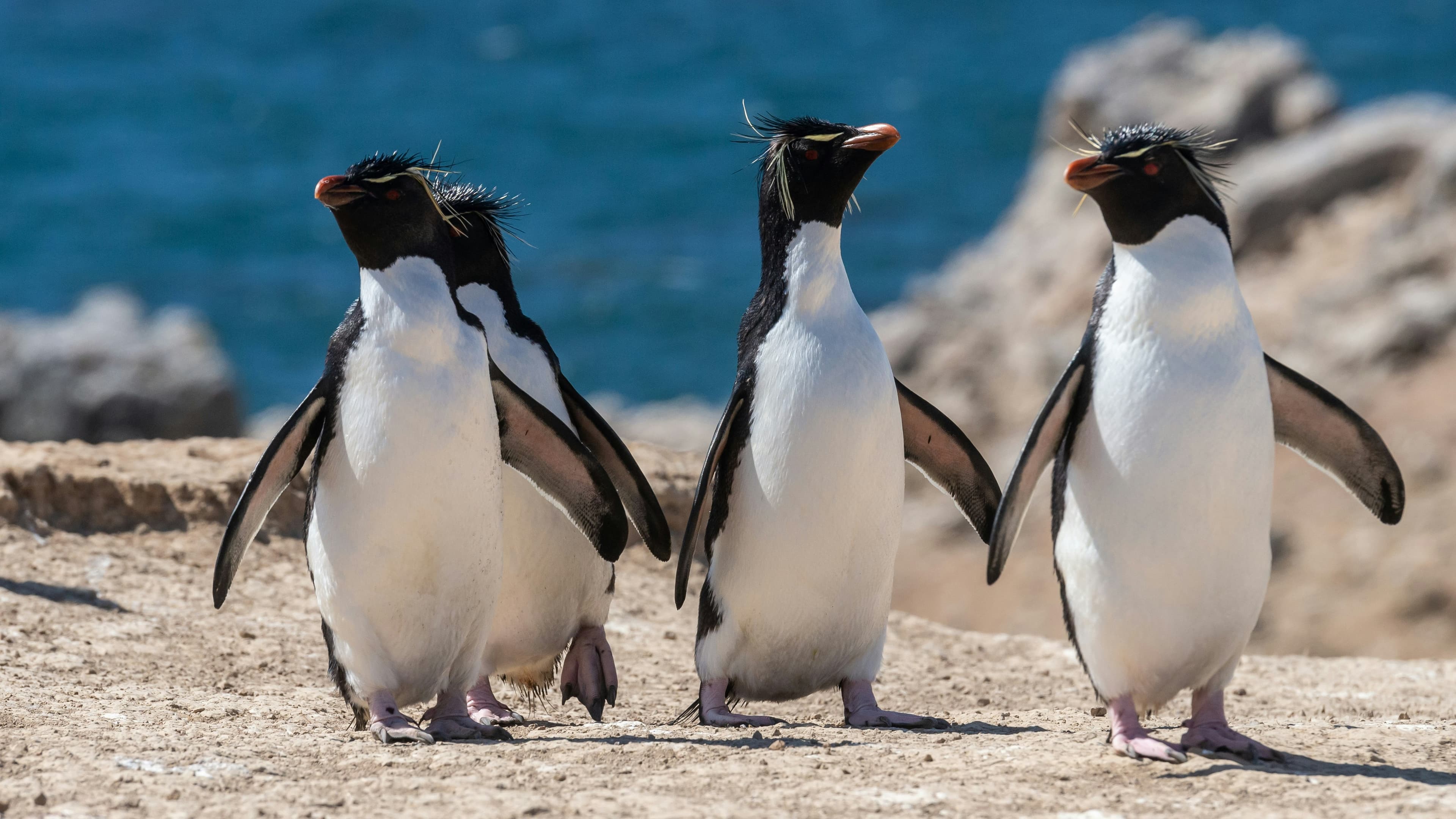
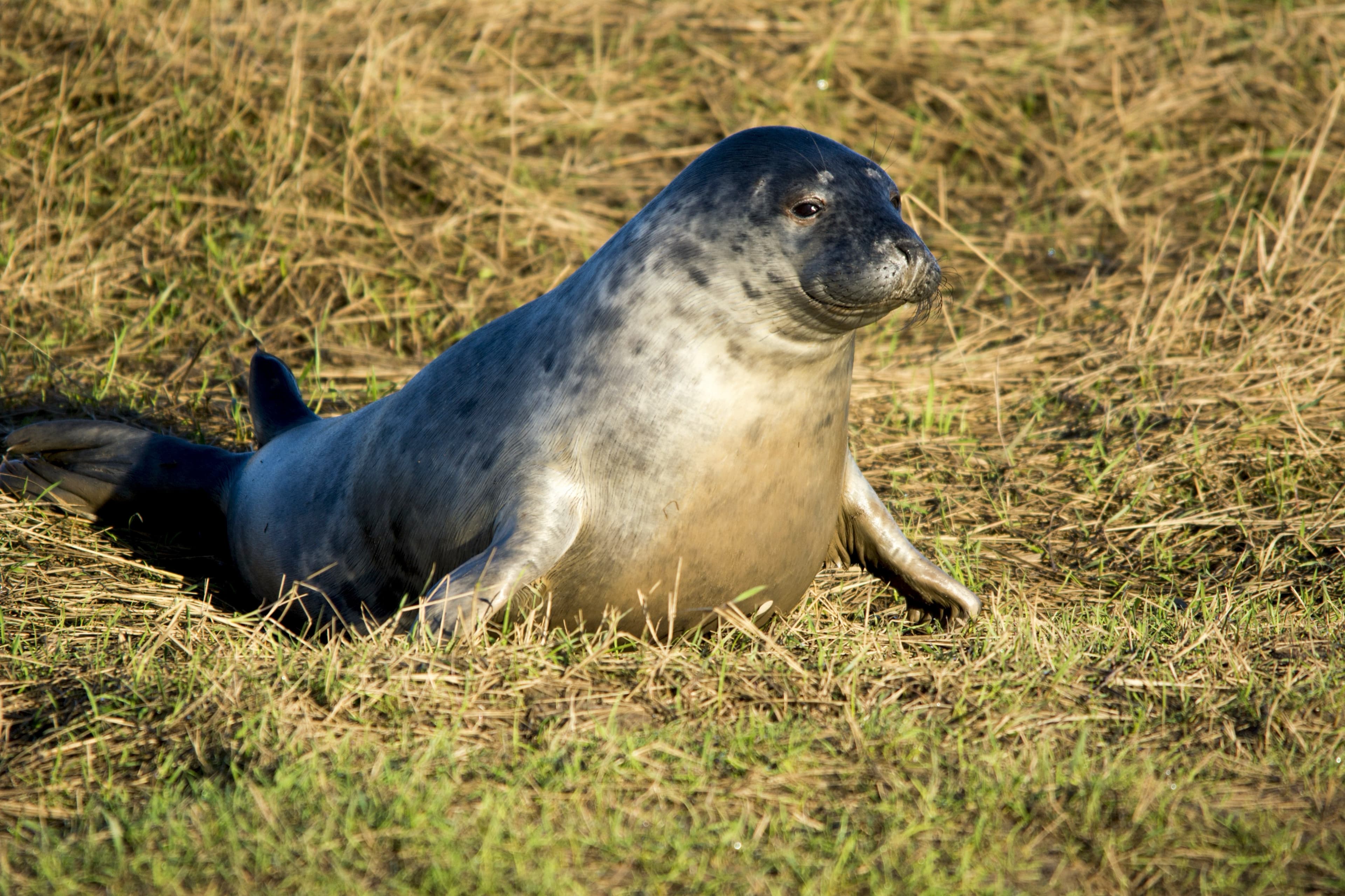
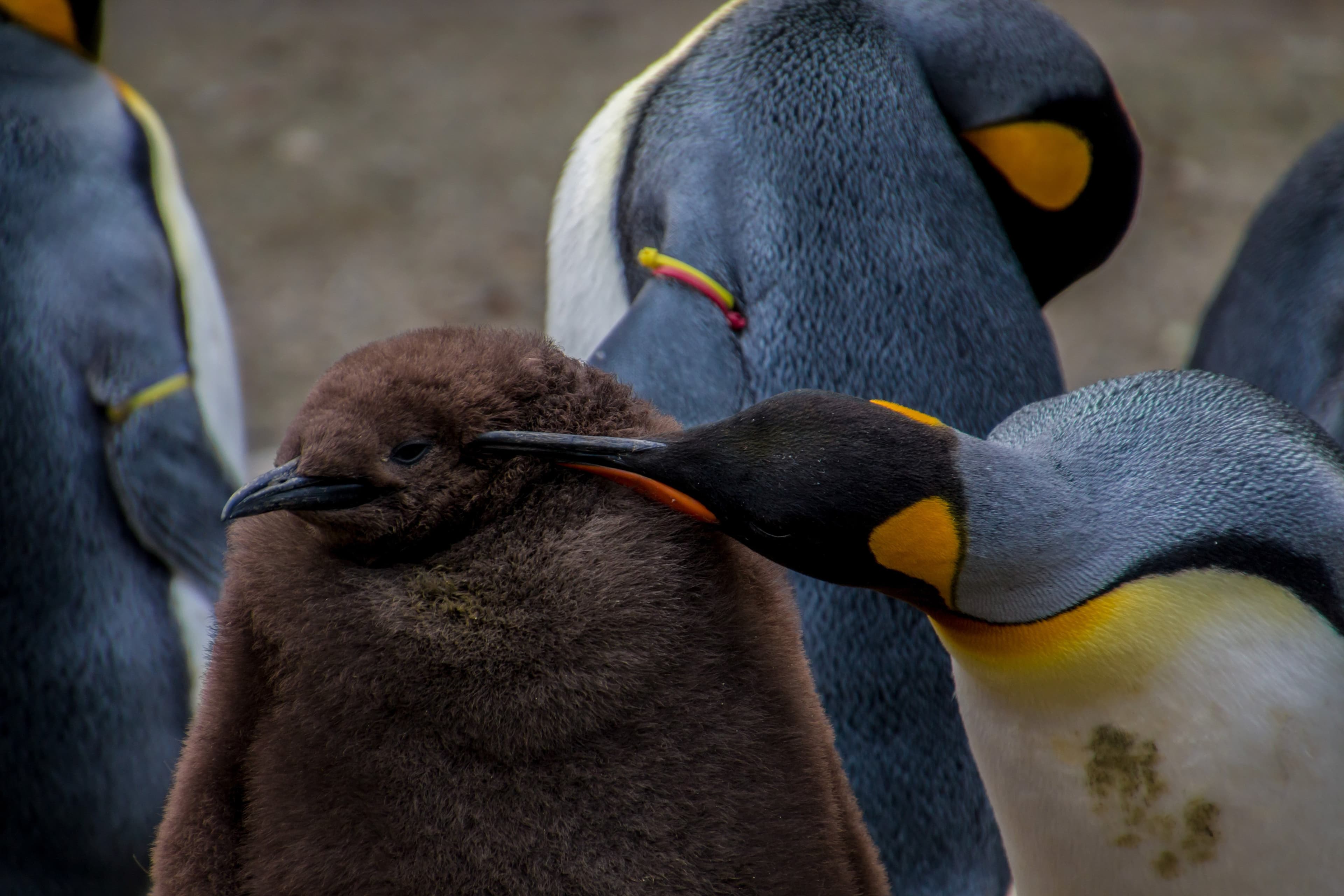
Macquarie Island is a UNESCO World Heritage Site due to its major geoconservation significance. It is the only island in the world that is entirely composed of oceanic crust and rocks from the mantel. The unique diversity of the island makes it a truly remarkable place to visit. Sand Bay is located on the east coast where you will find Royal and King Penguin rookeries as well as Southern Elephant Seals, and if the weather permits, you will have the opportunity to get closer on a Zodiac®.

Macquarie Island is a UNESCO World Heritage Site due to its major geoconservation significance. It is the only island in the world that is entirely composed of oceanic crust and rocks from the mantel. The unique diversity of the island makes it a truly remarkable place to visit. Sand Bay is located on the east coast where you will find Royal and King Penguin rookeries as well as Southern Elephant Seals, and if the weather permits, you will have the opportunity to get closer on a Zodiac®.

Day
Eight
Arrival
January 13, 2027
Port
Day at Sea
Day
Nine
Arrival
January 14, 2027
Port
Day at Sea
Day
Ten
Arrival
January 15, 2027
Port
Day at Sea

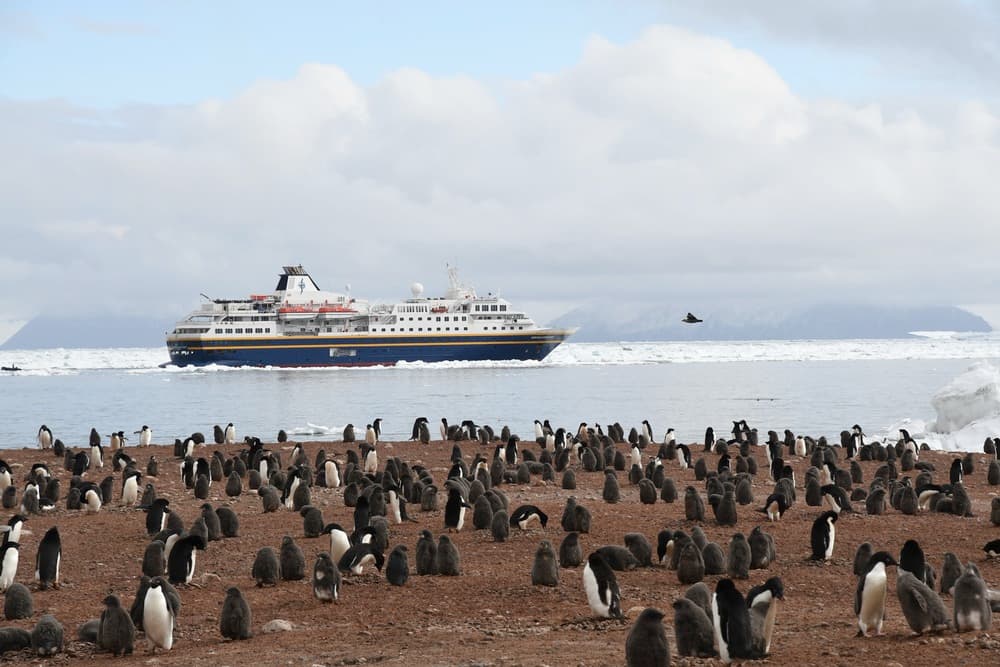
During our time in the Ross Sea region, we will visit the highlights of Antarctica’s most historic region. Due to the unpredictable nature of ice and weather conditions, a day-by-day itinerary is not possible. The Captain and Expedition Leader will assess daily conditions and take advantage of every opportunity to make landings and explore in the Zodiacs. Our programme emphasises wildlife viewing, key scientific bases and historic sites, as well as the spectacular scenery of the coastal terrain, the glaciers and icebergs of the Ross Sea. Whilst specific landings cannot be guaranteed, we hope to visit the following: Cape Adare Cape Adare’s bold headland and the Downshire Cliffs greet us as we approach Cape Adare – ice conditions permitting – at the tip of the Ross Sea, the site of the largest Adelie Penguin rookery in Antarctica. Blanketing the large, flat spit which forms the cape is the huge rookery which now, at the height of summer, numbers over one million birds – an absolutely staggering sight. You will never forget your first experiences in a ceaselessly active and noisy ‘penguin city’, where the dapper inhabitants show no fear of their strange visitors. Our naturalists will point out various aspects of their lifestyle and, by standing quietly, one may observe the often comical behaviour of the penguins, courtship displays, feeding ever-hungry chicks, territorial disputes and the pilfering of nest material. Surrounded by a sea of penguins we will find Borchgrevink’s Hut, the oldest in Antarctica, an overwintering shelter for the first expedition to the continent in 1899. It is a fascinating relic of the ‘Heroic Age’ of Antarctic exploration and we are able to inspect the interior, which still contains artefacts of the early explorers. One thousand feet up in the hills behind Cape Adare is the oldest grave in Antarctica, that of 22-year-old Nicolai Hansen, a member of Borchgrevink’s expedition. Cape Hallett The enormous Admiralty Range heralds our arrival at Cape Hallett. The scenery here is wild and spectacular; mountains rise up towering out of the sea to over 4,000-metres high and giant glaciers course down from the interior to the water’s edge. We land next to the site of the abandoned American/New Zealand base, home to large numbers of Adelie Penguins and Weddell Seals. Franklin Island This rugged island, deep in the Ross Sea, is home to a large Adelie Penguin colony and other nesting seabirds. We will attempt a Zodiac landing near the rookery as well as exploring the coastline. If a landing is achieved and weather conditions are suitable there will be an opportunity to explore this remarkable island. Possession Islands These small, rugged and rarely visited islands lie off the shore of Cape Hallett. An Adelie Penguin rookery, numbering tens of thousands of birds, blankets Foyn Island. Observe their busy and sometimes humorous activities, with the Admiralty Mountains forming a superb backdrop across the water. Ross Ice Shelf The largest ice shelf in Antarctica, the Ross Ice Shelf is also the world’s largest body of floating ice. A natural ice barrier, at times it creates hazardous weather conditions, with sheets of snow blown at gale force by the katabatic winds coming off the polar ice cap. Just 1,287 kilometres from the South Pole, this daunting spectacle prevented early Antarctic explorers from venturing further south. From the Ross Ice Shelf we cruise eastward along the shelf front, with its spectacular 30-metre high ice cliffs, which sometimes calve tabular icebergs. Ross Island – Mount Erebus/Cape Bird/Shackleton’s Hut/Scott’s Hut At the base of the Ross Sea we arrive at Ross Island, dominated by the 3,794-metre high volcano, Mt Erebus. The New Zealand Antarctica programme maintains a field station at Cape Bird, where scientists study many aspects of the region’s natural history, including the large Adelie Penguin colony. At Cape Royds we visit Sir Ernest Shackleton’s hut, built during the Nimrod polar expedition of 1907-1909. Lectures explain many facets of Shackleton’s amazing expeditions. He was possibly one of the greatest, and certainly one of the most heroic of the Antarctic explorers. Though the legendary explorers are long gone, the area around the hut is far from deserted, having been reclaimed by the original inhabitants of the area – thousands of Adelie Penguins in the world’s southernmost penguin rookery. Also found on Ross Island is Cape Evans, the historic site of Captain Scott’s second hut, erected in 1911 and beautifully preserved by the Antarctic Heritage Trust. It stands as testimony to the rigours faced by pioneering explorers. Inside the hut we will witness the living conditions almost exactly as they were when Scott, Wilson and Ponting occupied these quarters. Behind the hut, Mt Erebus looms above with its plume of white smoke spiralling up from the still-active inferno in its bowels. McMurdo and Scott Base (including Scott’s Discovery Hut) These are always on our wish list but ice, weather and operational requirements for the National Programs icebreaker activities sometimes prevent us from visiting, especially on the January expedition. Our February expedition is generally more successful but not guaranteed. Terra Nova Bay Stazione Mario Zucchelli, an Italian summer research station, is an interesting shipping container construction. The friendly scientists and support staff here are always most hospitable and enjoy showing us around their lonely but beautiful home. The Italians conduct many streams of scientific research and also claim to have the best ‘espresso’ in Antarctica! Nearby is the German base, Gondwana Station, which is used occasionally and the South Korean station, Jang Bogo and on Inexpressible Island, is China’s fifth Antarctic base, Qinling Station.

During our time in the Ross Sea region, we will visit the highlights of Antarctica’s most historic region. Due to the unpredictable nature of ice and weather conditions, a day-by-day itinerary is not possible. The Captain and Expedition Leader will assess daily conditions and take advantage of every opportunity to make landings and explore in the Zodiacs. Our programme emphasises wildlife viewing, key scientific bases and historic sites, as well as the spectacular scenery of the coastal terrain, the glaciers and icebergs of the Ross Sea. Whilst specific landings cannot be guaranteed, we hope to visit the following: Cape Adare Cape Adare’s bold headland and the Downshire Cliffs greet us as we approach Cape Adare – ice conditions permitting – at the tip of the Ross Sea, the site of the largest Adelie Penguin rookery in Antarctica. Blanketing the large, flat spit which forms the cape is the huge rookery which now, at the height of summer, numbers over one million birds – an absolutely staggering sight. You will never forget your first experiences in a ceaselessly active and noisy ‘penguin city’, where the dapper inhabitants show no fear of their strange visitors. Our naturalists will point out various aspects of their lifestyle and, by standing quietly, one may observe the often comical behaviour of the penguins, courtship displays, feeding ever-hungry chicks, territorial disputes and the pilfering of nest material. Surrounded by a sea of penguins we will find Borchgrevink’s Hut, the oldest in Antarctica, an overwintering shelter for the first expedition to the continent in 1899. It is a fascinating relic of the ‘Heroic Age’ of Antarctic exploration and we are able to inspect the interior, which still contains artefacts of the early explorers. One thousand feet up in the hills behind Cape Adare is the oldest grave in Antarctica, that of 22-year-old Nicolai Hansen, a member of Borchgrevink’s expedition. Cape Hallett The enormous Admiralty Range heralds our arrival at Cape Hallett. The scenery here is wild and spectacular; mountains rise up towering out of the sea to over 4,000-metres high and giant glaciers course down from the interior to the water’s edge. We land next to the site of the abandoned American/New Zealand base, home to large numbers of Adelie Penguins and Weddell Seals. Franklin Island This rugged island, deep in the Ross Sea, is home to a large Adelie Penguin colony and other nesting seabirds. We will attempt a Zodiac landing near the rookery as well as exploring the coastline. If a landing is achieved and weather conditions are suitable there will be an opportunity to explore this remarkable island. Possession Islands These small, rugged and rarely visited islands lie off the shore of Cape Hallett. An Adelie Penguin rookery, numbering tens of thousands of birds, blankets Foyn Island. Observe their busy and sometimes humorous activities, with the Admiralty Mountains forming a superb backdrop across the water. Ross Ice Shelf The largest ice shelf in Antarctica, the Ross Ice Shelf is also the world’s largest body of floating ice. A natural ice barrier, at times it creates hazardous weather conditions, with sheets of snow blown at gale force by the katabatic winds coming off the polar ice cap. Just 1,287 kilometres from the South Pole, this daunting spectacle prevented early Antarctic explorers from venturing further south. From the Ross Ice Shelf we cruise eastward along the shelf front, with its spectacular 30-metre high ice cliffs, which sometimes calve tabular icebergs. Ross Island – Mount Erebus/Cape Bird/Shackleton’s Hut/Scott’s Hut At the base of the Ross Sea we arrive at Ross Island, dominated by the 3,794-metre high volcano, Mt Erebus. The New Zealand Antarctica programme maintains a field station at Cape Bird, where scientists study many aspects of the region’s natural history, including the large Adelie Penguin colony. At Cape Royds we visit Sir Ernest Shackleton’s hut, built during the Nimrod polar expedition of 1907-1909. Lectures explain many facets of Shackleton’s amazing expeditions. He was possibly one of the greatest, and certainly one of the most heroic of the Antarctic explorers. Though the legendary explorers are long gone, the area around the hut is far from deserted, having been reclaimed by the original inhabitants of the area – thousands of Adelie Penguins in the world’s southernmost penguin rookery. Also found on Ross Island is Cape Evans, the historic site of Captain Scott’s second hut, erected in 1911 and beautifully preserved by the Antarctic Heritage Trust. It stands as testimony to the rigours faced by pioneering explorers. Inside the hut we will witness the living conditions almost exactly as they were when Scott, Wilson and Ponting occupied these quarters. Behind the hut, Mt Erebus looms above with its plume of white smoke spiralling up from the still-active inferno in its bowels. McMurdo and Scott Base (including Scott’s Discovery Hut) These are always on our wish list but ice, weather and operational requirements for the National Programs icebreaker activities sometimes prevent us from visiting, especially on the January expedition. Our February expedition is generally more successful but not guaranteed. Terra Nova Bay Stazione Mario Zucchelli, an Italian summer research station, is an interesting shipping container construction. The friendly scientists and support staff here are always most hospitable and enjoy showing us around their lonely but beautiful home. The Italians conduct many streams of scientific research and also claim to have the best ‘espresso’ in Antarctica! Nearby is the German base, Gondwana Station, which is used occasionally and the South Korean station, Jang Bogo and on Inexpressible Island, is China’s fifth Antarctic base, Qinling Station.

During our time in the Ross Sea region, we will visit the highlights of Antarctica’s most historic region. Due to the unpredictable nature of ice and weather conditions, a day-by-day itinerary is not possible. The Captain and Expedition Leader will assess daily conditions and take advantage of every opportunity to make landings and explore in the Zodiacs. Our programme emphasises wildlife viewing, key scientific bases and historic sites, as well as the spectacular scenery of the coastal terrain, the glaciers and icebergs of the Ross Sea. Whilst specific landings cannot be guaranteed, we hope to visit the following: Cape Adare Cape Adare’s bold headland and the Downshire Cliffs greet us as we approach Cape Adare – ice conditions permitting – at the tip of the Ross Sea, the site of the largest Adelie Penguin rookery in Antarctica. Blanketing the large, flat spit which forms the cape is the huge rookery which now, at the height of summer, numbers over one million birds – an absolutely staggering sight. You will never forget your first experiences in a ceaselessly active and noisy ‘penguin city’, where the dapper inhabitants show no fear of their strange visitors. Our naturalists will point out various aspects of their lifestyle and, by standing quietly, one may observe the often comical behaviour of the penguins, courtship displays, feeding ever-hungry chicks, territorial disputes and the pilfering of nest material. Surrounded by a sea of penguins we will find Borchgrevink’s Hut, the oldest in Antarctica, an overwintering shelter for the first expedition to the continent in 1899. It is a fascinating relic of the ‘Heroic Age’ of Antarctic exploration and we are able to inspect the interior, which still contains artefacts of the early explorers. One thousand feet up in the hills behind Cape Adare is the oldest grave in Antarctica, that of 22-year-old Nicolai Hansen, a member of Borchgrevink’s expedition. Cape Hallett The enormous Admiralty Range heralds our arrival at Cape Hallett. The scenery here is wild and spectacular; mountains rise up towering out of the sea to over 4,000-metres high and giant glaciers course down from the interior to the water’s edge. We land next to the site of the abandoned American/New Zealand base, home to large numbers of Adelie Penguins and Weddell Seals. Franklin Island This rugged island, deep in the Ross Sea, is home to a large Adelie Penguin colony and other nesting seabirds. We will attempt a Zodiac landing near the rookery as well as exploring the coastline. If a landing is achieved and weather conditions are suitable there will be an opportunity to explore this remarkable island. Possession Islands These small, rugged and rarely visited islands lie off the shore of Cape Hallett. An Adelie Penguin rookery, numbering tens of thousands of birds, blankets Foyn Island. Observe their busy and sometimes humorous activities, with the Admiralty Mountains forming a superb backdrop across the water. Ross Ice Shelf The largest ice shelf in Antarctica, the Ross Ice Shelf is also the world’s largest body of floating ice. A natural ice barrier, at times it creates hazardous weather conditions, with sheets of snow blown at gale force by the katabatic winds coming off the polar ice cap. Just 1,287 kilometres from the South Pole, this daunting spectacle prevented early Antarctic explorers from venturing further south. From the Ross Ice Shelf we cruise eastward along the shelf front, with its spectacular 30-metre high ice cliffs, which sometimes calve tabular icebergs. Ross Island – Mount Erebus/Cape Bird/Shackleton’s Hut/Scott’s Hut At the base of the Ross Sea we arrive at Ross Island, dominated by the 3,794-metre high volcano, Mt Erebus. The New Zealand Antarctica programme maintains a field station at Cape Bird, where scientists study many aspects of the region’s natural history, including the large Adelie Penguin colony. At Cape Royds we visit Sir Ernest Shackleton’s hut, built during the Nimrod polar expedition of 1907-1909. Lectures explain many facets of Shackleton’s amazing expeditions. He was possibly one of the greatest, and certainly one of the most heroic of the Antarctic explorers. Though the legendary explorers are long gone, the area around the hut is far from deserted, having been reclaimed by the original inhabitants of the area – thousands of Adelie Penguins in the world’s southernmost penguin rookery. Also found on Ross Island is Cape Evans, the historic site of Captain Scott’s second hut, erected in 1911 and beautifully preserved by the Antarctic Heritage Trust. It stands as testimony to the rigours faced by pioneering explorers. Inside the hut we will witness the living conditions almost exactly as they were when Scott, Wilson and Ponting occupied these quarters. Behind the hut, Mt Erebus looms above with its plume of white smoke spiralling up from the still-active inferno in its bowels. McMurdo and Scott Base (including Scott’s Discovery Hut) These are always on our wish list but ice, weather and operational requirements for the National Programs icebreaker activities sometimes prevent us from visiting, especially on the January expedition. Our February expedition is generally more successful but not guaranteed. Terra Nova Bay Stazione Mario Zucchelli, an Italian summer research station, is an interesting shipping container construction. The friendly scientists and support staff here are always most hospitable and enjoy showing us around their lonely but beautiful home. The Italians conduct many streams of scientific research and also claim to have the best ‘espresso’ in Antarctica! Nearby is the German base, Gondwana Station, which is used occasionally and the South Korean station, Jang Bogo and on Inexpressible Island, is China’s fifth Antarctic base, Qinling Station.

During our time in the Ross Sea region, we will visit the highlights of Antarctica’s most historic region. Due to the unpredictable nature of ice and weather conditions, a day-by-day itinerary is not possible. The Captain and Expedition Leader will assess daily conditions and take advantage of every opportunity to make landings and explore in the Zodiacs. Our programme emphasises wildlife viewing, key scientific bases and historic sites, as well as the spectacular scenery of the coastal terrain, the glaciers and icebergs of the Ross Sea. Whilst specific landings cannot be guaranteed, we hope to visit the following: Cape Adare Cape Adare’s bold headland and the Downshire Cliffs greet us as we approach Cape Adare – ice conditions permitting – at the tip of the Ross Sea, the site of the largest Adelie Penguin rookery in Antarctica. Blanketing the large, flat spit which forms the cape is the huge rookery which now, at the height of summer, numbers over one million birds – an absolutely staggering sight. You will never forget your first experiences in a ceaselessly active and noisy ‘penguin city’, where the dapper inhabitants show no fear of their strange visitors. Our naturalists will point out various aspects of their lifestyle and, by standing quietly, one may observe the often comical behaviour of the penguins, courtship displays, feeding ever-hungry chicks, territorial disputes and the pilfering of nest material. Surrounded by a sea of penguins we will find Borchgrevink’s Hut, the oldest in Antarctica, an overwintering shelter for the first expedition to the continent in 1899. It is a fascinating relic of the ‘Heroic Age’ of Antarctic exploration and we are able to inspect the interior, which still contains artefacts of the early explorers. One thousand feet up in the hills behind Cape Adare is the oldest grave in Antarctica, that of 22-year-old Nicolai Hansen, a member of Borchgrevink’s expedition. Cape Hallett The enormous Admiralty Range heralds our arrival at Cape Hallett. The scenery here is wild and spectacular; mountains rise up towering out of the sea to over 4,000-metres high and giant glaciers course down from the interior to the water’s edge. We land next to the site of the abandoned American/New Zealand base, home to large numbers of Adelie Penguins and Weddell Seals. Franklin Island This rugged island, deep in the Ross Sea, is home to a large Adelie Penguin colony and other nesting seabirds. We will attempt a Zodiac landing near the rookery as well as exploring the coastline. If a landing is achieved and weather conditions are suitable there will be an opportunity to explore this remarkable island. Possession Islands These small, rugged and rarely visited islands lie off the shore of Cape Hallett. An Adelie Penguin rookery, numbering tens of thousands of birds, blankets Foyn Island. Observe their busy and sometimes humorous activities, with the Admiralty Mountains forming a superb backdrop across the water. Ross Ice Shelf The largest ice shelf in Antarctica, the Ross Ice Shelf is also the world’s largest body of floating ice. A natural ice barrier, at times it creates hazardous weather conditions, with sheets of snow blown at gale force by the katabatic winds coming off the polar ice cap. Just 1,287 kilometres from the South Pole, this daunting spectacle prevented early Antarctic explorers from venturing further south. From the Ross Ice Shelf we cruise eastward along the shelf front, with its spectacular 30-metre high ice cliffs, which sometimes calve tabular icebergs. Ross Island – Mount Erebus/Cape Bird/Shackleton’s Hut/Scott’s Hut At the base of the Ross Sea we arrive at Ross Island, dominated by the 3,794-metre high volcano, Mt Erebus. The New Zealand Antarctica programme maintains a field station at Cape Bird, where scientists study many aspects of the region’s natural history, including the large Adelie Penguin colony. At Cape Royds we visit Sir Ernest Shackleton’s hut, built during the Nimrod polar expedition of 1907-1909. Lectures explain many facets of Shackleton’s amazing expeditions. He was possibly one of the greatest, and certainly one of the most heroic of the Antarctic explorers. Though the legendary explorers are long gone, the area around the hut is far from deserted, having been reclaimed by the original inhabitants of the area – thousands of Adelie Penguins in the world’s southernmost penguin rookery. Also found on Ross Island is Cape Evans, the historic site of Captain Scott’s second hut, erected in 1911 and beautifully preserved by the Antarctic Heritage Trust. It stands as testimony to the rigours faced by pioneering explorers. Inside the hut we will witness the living conditions almost exactly as they were when Scott, Wilson and Ponting occupied these quarters. Behind the hut, Mt Erebus looms above with its plume of white smoke spiralling up from the still-active inferno in its bowels. McMurdo and Scott Base (including Scott’s Discovery Hut) These are always on our wish list but ice, weather and operational requirements for the National Programs icebreaker activities sometimes prevent us from visiting, especially on the January expedition. Our February expedition is generally more successful but not guaranteed. Terra Nova Bay Stazione Mario Zucchelli, an Italian summer research station, is an interesting shipping container construction. The friendly scientists and support staff here are always most hospitable and enjoy showing us around their lonely but beautiful home. The Italians conduct many streams of scientific research and also claim to have the best ‘espresso’ in Antarctica! Nearby is the German base, Gondwana Station, which is used occasionally and the South Korean station, Jang Bogo and on Inexpressible Island, is China’s fifth Antarctic base, Qinling Station.

During our time in the Ross Sea region, we will visit the highlights of Antarctica’s most historic region. Due to the unpredictable nature of ice and weather conditions, a day-by-day itinerary is not possible. The Captain and Expedition Leader will assess daily conditions and take advantage of every opportunity to make landings and explore in the Zodiacs. Our programme emphasises wildlife viewing, key scientific bases and historic sites, as well as the spectacular scenery of the coastal terrain, the glaciers and icebergs of the Ross Sea. Whilst specific landings cannot be guaranteed, we hope to visit the following: Cape Adare Cape Adare’s bold headland and the Downshire Cliffs greet us as we approach Cape Adare – ice conditions permitting – at the tip of the Ross Sea, the site of the largest Adelie Penguin rookery in Antarctica. Blanketing the large, flat spit which forms the cape is the huge rookery which now, at the height of summer, numbers over one million birds – an absolutely staggering sight. You will never forget your first experiences in a ceaselessly active and noisy ‘penguin city’, where the dapper inhabitants show no fear of their strange visitors. Our naturalists will point out various aspects of their lifestyle and, by standing quietly, one may observe the often comical behaviour of the penguins, courtship displays, feeding ever-hungry chicks, territorial disputes and the pilfering of nest material. Surrounded by a sea of penguins we will find Borchgrevink’s Hut, the oldest in Antarctica, an overwintering shelter for the first expedition to the continent in 1899. It is a fascinating relic of the ‘Heroic Age’ of Antarctic exploration and we are able to inspect the interior, which still contains artefacts of the early explorers. One thousand feet up in the hills behind Cape Adare is the oldest grave in Antarctica, that of 22-year-old Nicolai Hansen, a member of Borchgrevink’s expedition. Cape Hallett The enormous Admiralty Range heralds our arrival at Cape Hallett. The scenery here is wild and spectacular; mountains rise up towering out of the sea to over 4,000-metres high and giant glaciers course down from the interior to the water’s edge. We land next to the site of the abandoned American/New Zealand base, home to large numbers of Adelie Penguins and Weddell Seals. Franklin Island This rugged island, deep in the Ross Sea, is home to a large Adelie Penguin colony and other nesting seabirds. We will attempt a Zodiac landing near the rookery as well as exploring the coastline. If a landing is achieved and weather conditions are suitable there will be an opportunity to explore this remarkable island. Possession Islands These small, rugged and rarely visited islands lie off the shore of Cape Hallett. An Adelie Penguin rookery, numbering tens of thousands of birds, blankets Foyn Island. Observe their busy and sometimes humorous activities, with the Admiralty Mountains forming a superb backdrop across the water. Ross Ice Shelf The largest ice shelf in Antarctica, the Ross Ice Shelf is also the world’s largest body of floating ice. A natural ice barrier, at times it creates hazardous weather conditions, with sheets of snow blown at gale force by the katabatic winds coming off the polar ice cap. Just 1,287 kilometres from the South Pole, this daunting spectacle prevented early Antarctic explorers from venturing further south. From the Ross Ice Shelf we cruise eastward along the shelf front, with its spectacular 30-metre high ice cliffs, which sometimes calve tabular icebergs. Ross Island – Mount Erebus/Cape Bird/Shackleton’s Hut/Scott’s Hut At the base of the Ross Sea we arrive at Ross Island, dominated by the 3,794-metre high volcano, Mt Erebus. The New Zealand Antarctica programme maintains a field station at Cape Bird, where scientists study many aspects of the region’s natural history, including the large Adelie Penguin colony. At Cape Royds we visit Sir Ernest Shackleton’s hut, built during the Nimrod polar expedition of 1907-1909. Lectures explain many facets of Shackleton’s amazing expeditions. He was possibly one of the greatest, and certainly one of the most heroic of the Antarctic explorers. Though the legendary explorers are long gone, the area around the hut is far from deserted, having been reclaimed by the original inhabitants of the area – thousands of Adelie Penguins in the world’s southernmost penguin rookery. Also found on Ross Island is Cape Evans, the historic site of Captain Scott’s second hut, erected in 1911 and beautifully preserved by the Antarctic Heritage Trust. It stands as testimony to the rigours faced by pioneering explorers. Inside the hut we will witness the living conditions almost exactly as they were when Scott, Wilson and Ponting occupied these quarters. Behind the hut, Mt Erebus looms above with its plume of white smoke spiralling up from the still-active inferno in its bowels. McMurdo and Scott Base (including Scott’s Discovery Hut) These are always on our wish list but ice, weather and operational requirements for the National Programs icebreaker activities sometimes prevent us from visiting, especially on the January expedition. Our February expedition is generally more successful but not guaranteed. Terra Nova Bay Stazione Mario Zucchelli, an Italian summer research station, is an interesting shipping container construction. The friendly scientists and support staff here are always most hospitable and enjoy showing us around their lonely but beautiful home. The Italians conduct many streams of scientific research and also claim to have the best ‘espresso’ in Antarctica! Nearby is the German base, Gondwana Station, which is used occasionally and the South Korean station, Jang Bogo and on Inexpressible Island, is China’s fifth Antarctic base, Qinling Station.

During our time in the Ross Sea region, we will visit the highlights of Antarctica’s most historic region. Due to the unpredictable nature of ice and weather conditions, a day-by-day itinerary is not possible. The Captain and Expedition Leader will assess daily conditions and take advantage of every opportunity to make landings and explore in the Zodiacs. Our programme emphasises wildlife viewing, key scientific bases and historic sites, as well as the spectacular scenery of the coastal terrain, the glaciers and icebergs of the Ross Sea. Whilst specific landings cannot be guaranteed, we hope to visit the following: Cape Adare Cape Adare’s bold headland and the Downshire Cliffs greet us as we approach Cape Adare – ice conditions permitting – at the tip of the Ross Sea, the site of the largest Adelie Penguin rookery in Antarctica. Blanketing the large, flat spit which forms the cape is the huge rookery which now, at the height of summer, numbers over one million birds – an absolutely staggering sight. You will never forget your first experiences in a ceaselessly active and noisy ‘penguin city’, where the dapper inhabitants show no fear of their strange visitors. Our naturalists will point out various aspects of their lifestyle and, by standing quietly, one may observe the often comical behaviour of the penguins, courtship displays, feeding ever-hungry chicks, territorial disputes and the pilfering of nest material. Surrounded by a sea of penguins we will find Borchgrevink’s Hut, the oldest in Antarctica, an overwintering shelter for the first expedition to the continent in 1899. It is a fascinating relic of the ‘Heroic Age’ of Antarctic exploration and we are able to inspect the interior, which still contains artefacts of the early explorers. One thousand feet up in the hills behind Cape Adare is the oldest grave in Antarctica, that of 22-year-old Nicolai Hansen, a member of Borchgrevink’s expedition. Cape Hallett The enormous Admiralty Range heralds our arrival at Cape Hallett. The scenery here is wild and spectacular; mountains rise up towering out of the sea to over 4,000-metres high and giant glaciers course down from the interior to the water’s edge. We land next to the site of the abandoned American/New Zealand base, home to large numbers of Adelie Penguins and Weddell Seals. Franklin Island This rugged island, deep in the Ross Sea, is home to a large Adelie Penguin colony and other nesting seabirds. We will attempt a Zodiac landing near the rookery as well as exploring the coastline. If a landing is achieved and weather conditions are suitable there will be an opportunity to explore this remarkable island. Possession Islands These small, rugged and rarely visited islands lie off the shore of Cape Hallett. An Adelie Penguin rookery, numbering tens of thousands of birds, blankets Foyn Island. Observe their busy and sometimes humorous activities, with the Admiralty Mountains forming a superb backdrop across the water. Ross Ice Shelf The largest ice shelf in Antarctica, the Ross Ice Shelf is also the world’s largest body of floating ice. A natural ice barrier, at times it creates hazardous weather conditions, with sheets of snow blown at gale force by the katabatic winds coming off the polar ice cap. Just 1,287 kilometres from the South Pole, this daunting spectacle prevented early Antarctic explorers from venturing further south. From the Ross Ice Shelf we cruise eastward along the shelf front, with its spectacular 30-metre high ice cliffs, which sometimes calve tabular icebergs. Ross Island – Mount Erebus/Cape Bird/Shackleton’s Hut/Scott’s Hut At the base of the Ross Sea we arrive at Ross Island, dominated by the 3,794-metre high volcano, Mt Erebus. The New Zealand Antarctica programme maintains a field station at Cape Bird, where scientists study many aspects of the region’s natural history, including the large Adelie Penguin colony. At Cape Royds we visit Sir Ernest Shackleton’s hut, built during the Nimrod polar expedition of 1907-1909. Lectures explain many facets of Shackleton’s amazing expeditions. He was possibly one of the greatest, and certainly one of the most heroic of the Antarctic explorers. Though the legendary explorers are long gone, the area around the hut is far from deserted, having been reclaimed by the original inhabitants of the area – thousands of Adelie Penguins in the world’s southernmost penguin rookery. Also found on Ross Island is Cape Evans, the historic site of Captain Scott’s second hut, erected in 1911 and beautifully preserved by the Antarctic Heritage Trust. It stands as testimony to the rigours faced by pioneering explorers. Inside the hut we will witness the living conditions almost exactly as they were when Scott, Wilson and Ponting occupied these quarters. Behind the hut, Mt Erebus looms above with its plume of white smoke spiralling up from the still-active inferno in its bowels. McMurdo and Scott Base (including Scott’s Discovery Hut) These are always on our wish list but ice, weather and operational requirements for the National Programs icebreaker activities sometimes prevent us from visiting, especially on the January expedition. Our February expedition is generally more successful but not guaranteed. Terra Nova Bay Stazione Mario Zucchelli, an Italian summer research station, is an interesting shipping container construction. The friendly scientists and support staff here are always most hospitable and enjoy showing us around their lonely but beautiful home. The Italians conduct many streams of scientific research and also claim to have the best ‘espresso’ in Antarctica! Nearby is the German base, Gondwana Station, which is used occasionally and the South Korean station, Jang Bogo and on Inexpressible Island, is China’s fifth Antarctic base, Qinling Station.

During our time in the Ross Sea region, we will visit the highlights of Antarctica’s most historic region. Due to the unpredictable nature of ice and weather conditions, a day-by-day itinerary is not possible. The Captain and Expedition Leader will assess daily conditions and take advantage of every opportunity to make landings and explore in the Zodiacs. Our programme emphasises wildlife viewing, key scientific bases and historic sites, as well as the spectacular scenery of the coastal terrain, the glaciers and icebergs of the Ross Sea. Whilst specific landings cannot be guaranteed, we hope to visit the following: Cape Adare Cape Adare’s bold headland and the Downshire Cliffs greet us as we approach Cape Adare – ice conditions permitting – at the tip of the Ross Sea, the site of the largest Adelie Penguin rookery in Antarctica. Blanketing the large, flat spit which forms the cape is the huge rookery which now, at the height of summer, numbers over one million birds – an absolutely staggering sight. You will never forget your first experiences in a ceaselessly active and noisy ‘penguin city’, where the dapper inhabitants show no fear of their strange visitors. Our naturalists will point out various aspects of their lifestyle and, by standing quietly, one may observe the often comical behaviour of the penguins, courtship displays, feeding ever-hungry chicks, territorial disputes and the pilfering of nest material. Surrounded by a sea of penguins we will find Borchgrevink’s Hut, the oldest in Antarctica, an overwintering shelter for the first expedition to the continent in 1899. It is a fascinating relic of the ‘Heroic Age’ of Antarctic exploration and we are able to inspect the interior, which still contains artefacts of the early explorers. One thousand feet up in the hills behind Cape Adare is the oldest grave in Antarctica, that of 22-year-old Nicolai Hansen, a member of Borchgrevink’s expedition. Cape Hallett The enormous Admiralty Range heralds our arrival at Cape Hallett. The scenery here is wild and spectacular; mountains rise up towering out of the sea to over 4,000-metres high and giant glaciers course down from the interior to the water’s edge. We land next to the site of the abandoned American/New Zealand base, home to large numbers of Adelie Penguins and Weddell Seals. Franklin Island This rugged island, deep in the Ross Sea, is home to a large Adelie Penguin colony and other nesting seabirds. We will attempt a Zodiac landing near the rookery as well as exploring the coastline. If a landing is achieved and weather conditions are suitable there will be an opportunity to explore this remarkable island. Possession Islands These small, rugged and rarely visited islands lie off the shore of Cape Hallett. An Adelie Penguin rookery, numbering tens of thousands of birds, blankets Foyn Island. Observe their busy and sometimes humorous activities, with the Admiralty Mountains forming a superb backdrop across the water. Ross Ice Shelf The largest ice shelf in Antarctica, the Ross Ice Shelf is also the world’s largest body of floating ice. A natural ice barrier, at times it creates hazardous weather conditions, with sheets of snow blown at gale force by the katabatic winds coming off the polar ice cap. Just 1,287 kilometres from the South Pole, this daunting spectacle prevented early Antarctic explorers from venturing further south. From the Ross Ice Shelf we cruise eastward along the shelf front, with its spectacular 30-metre high ice cliffs, which sometimes calve tabular icebergs. Ross Island – Mount Erebus/Cape Bird/Shackleton’s Hut/Scott’s Hut At the base of the Ross Sea we arrive at Ross Island, dominated by the 3,794-metre high volcano, Mt Erebus. The New Zealand Antarctica programme maintains a field station at Cape Bird, where scientists study many aspects of the region’s natural history, including the large Adelie Penguin colony. At Cape Royds we visit Sir Ernest Shackleton’s hut, built during the Nimrod polar expedition of 1907-1909. Lectures explain many facets of Shackleton’s amazing expeditions. He was possibly one of the greatest, and certainly one of the most heroic of the Antarctic explorers. Though the legendary explorers are long gone, the area around the hut is far from deserted, having been reclaimed by the original inhabitants of the area – thousands of Adelie Penguins in the world’s southernmost penguin rookery. Also found on Ross Island is Cape Evans, the historic site of Captain Scott’s second hut, erected in 1911 and beautifully preserved by the Antarctic Heritage Trust. It stands as testimony to the rigours faced by pioneering explorers. Inside the hut we will witness the living conditions almost exactly as they were when Scott, Wilson and Ponting occupied these quarters. Behind the hut, Mt Erebus looms above with its plume of white smoke spiralling up from the still-active inferno in its bowels. McMurdo and Scott Base (including Scott’s Discovery Hut) These are always on our wish list but ice, weather and operational requirements for the National Programs icebreaker activities sometimes prevent us from visiting, especially on the January expedition. Our February expedition is generally more successful but not guaranteed. Terra Nova Bay Stazione Mario Zucchelli, an Italian summer research station, is an interesting shipping container construction. The friendly scientists and support staff here are always most hospitable and enjoy showing us around their lonely but beautiful home. The Italians conduct many streams of scientific research and also claim to have the best ‘espresso’ in Antarctica! Nearby is the German base, Gondwana Station, which is used occasionally and the South Korean station, Jang Bogo and on Inexpressible Island, is China’s fifth Antarctic base, Qinling Station.

During our time in the Ross Sea region, we will visit the highlights of Antarctica’s most historic region. Due to the unpredictable nature of ice and weather conditions, a day-by-day itinerary is not possible. The Captain and Expedition Leader will assess daily conditions and take advantage of every opportunity to make landings and explore in the Zodiacs. Our programme emphasises wildlife viewing, key scientific bases and historic sites, as well as the spectacular scenery of the coastal terrain, the glaciers and icebergs of the Ross Sea. Whilst specific landings cannot be guaranteed, we hope to visit the following: Cape Adare Cape Adare’s bold headland and the Downshire Cliffs greet us as we approach Cape Adare – ice conditions permitting – at the tip of the Ross Sea, the site of the largest Adelie Penguin rookery in Antarctica. Blanketing the large, flat spit which forms the cape is the huge rookery which now, at the height of summer, numbers over one million birds – an absolutely staggering sight. You will never forget your first experiences in a ceaselessly active and noisy ‘penguin city’, where the dapper inhabitants show no fear of their strange visitors. Our naturalists will point out various aspects of their lifestyle and, by standing quietly, one may observe the often comical behaviour of the penguins, courtship displays, feeding ever-hungry chicks, territorial disputes and the pilfering of nest material. Surrounded by a sea of penguins we will find Borchgrevink’s Hut, the oldest in Antarctica, an overwintering shelter for the first expedition to the continent in 1899. It is a fascinating relic of the ‘Heroic Age’ of Antarctic exploration and we are able to inspect the interior, which still contains artefacts of the early explorers. One thousand feet up in the hills behind Cape Adare is the oldest grave in Antarctica, that of 22-year-old Nicolai Hansen, a member of Borchgrevink’s expedition. Cape Hallett The enormous Admiralty Range heralds our arrival at Cape Hallett. The scenery here is wild and spectacular; mountains rise up towering out of the sea to over 4,000-metres high and giant glaciers course down from the interior to the water’s edge. We land next to the site of the abandoned American/New Zealand base, home to large numbers of Adelie Penguins and Weddell Seals. Franklin Island This rugged island, deep in the Ross Sea, is home to a large Adelie Penguin colony and other nesting seabirds. We will attempt a Zodiac landing near the rookery as well as exploring the coastline. If a landing is achieved and weather conditions are suitable there will be an opportunity to explore this remarkable island. Possession Islands These small, rugged and rarely visited islands lie off the shore of Cape Hallett. An Adelie Penguin rookery, numbering tens of thousands of birds, blankets Foyn Island. Observe their busy and sometimes humorous activities, with the Admiralty Mountains forming a superb backdrop across the water. Ross Ice Shelf The largest ice shelf in Antarctica, the Ross Ice Shelf is also the world’s largest body of floating ice. A natural ice barrier, at times it creates hazardous weather conditions, with sheets of snow blown at gale force by the katabatic winds coming off the polar ice cap. Just 1,287 kilometres from the South Pole, this daunting spectacle prevented early Antarctic explorers from venturing further south. From the Ross Ice Shelf we cruise eastward along the shelf front, with its spectacular 30-metre high ice cliffs, which sometimes calve tabular icebergs. Ross Island – Mount Erebus/Cape Bird/Shackleton’s Hut/Scott’s Hut At the base of the Ross Sea we arrive at Ross Island, dominated by the 3,794-metre high volcano, Mt Erebus. The New Zealand Antarctica programme maintains a field station at Cape Bird, where scientists study many aspects of the region’s natural history, including the large Adelie Penguin colony. At Cape Royds we visit Sir Ernest Shackleton’s hut, built during the Nimrod polar expedition of 1907-1909. Lectures explain many facets of Shackleton’s amazing expeditions. He was possibly one of the greatest, and certainly one of the most heroic of the Antarctic explorers. Though the legendary explorers are long gone, the area around the hut is far from deserted, having been reclaimed by the original inhabitants of the area – thousands of Adelie Penguins in the world’s southernmost penguin rookery. Also found on Ross Island is Cape Evans, the historic site of Captain Scott’s second hut, erected in 1911 and beautifully preserved by the Antarctic Heritage Trust. It stands as testimony to the rigours faced by pioneering explorers. Inside the hut we will witness the living conditions almost exactly as they were when Scott, Wilson and Ponting occupied these quarters. Behind the hut, Mt Erebus looms above with its plume of white smoke spiralling up from the still-active inferno in its bowels. McMurdo and Scott Base (including Scott’s Discovery Hut) These are always on our wish list but ice, weather and operational requirements for the National Programs icebreaker activities sometimes prevent us from visiting, especially on the January expedition. Our February expedition is generally more successful but not guaranteed. Terra Nova Bay Stazione Mario Zucchelli, an Italian summer research station, is an interesting shipping container construction. The friendly scientists and support staff here are always most hospitable and enjoy showing us around their lonely but beautiful home. The Italians conduct many streams of scientific research and also claim to have the best ‘espresso’ in Antarctica! Nearby is the German base, Gondwana Station, which is used occasionally and the South Korean station, Jang Bogo and on Inexpressible Island, is China’s fifth Antarctic base, Qinling Station.

During our time in the Ross Sea region, we will visit the highlights of Antarctica’s most historic region. Due to the unpredictable nature of ice and weather conditions, a day-by-day itinerary is not possible. The Captain and Expedition Leader will assess daily conditions and take advantage of every opportunity to make landings and explore in the Zodiacs. Our programme emphasises wildlife viewing, key scientific bases and historic sites, as well as the spectacular scenery of the coastal terrain, the glaciers and icebergs of the Ross Sea. Whilst specific landings cannot be guaranteed, we hope to visit the following: Cape Adare Cape Adare’s bold headland and the Downshire Cliffs greet us as we approach Cape Adare – ice conditions permitting – at the tip of the Ross Sea, the site of the largest Adelie Penguin rookery in Antarctica. Blanketing the large, flat spit which forms the cape is the huge rookery which now, at the height of summer, numbers over one million birds – an absolutely staggering sight. You will never forget your first experiences in a ceaselessly active and noisy ‘penguin city’, where the dapper inhabitants show no fear of their strange visitors. Our naturalists will point out various aspects of their lifestyle and, by standing quietly, one may observe the often comical behaviour of the penguins, courtship displays, feeding ever-hungry chicks, territorial disputes and the pilfering of nest material. Surrounded by a sea of penguins we will find Borchgrevink’s Hut, the oldest in Antarctica, an overwintering shelter for the first expedition to the continent in 1899. It is a fascinating relic of the ‘Heroic Age’ of Antarctic exploration and we are able to inspect the interior, which still contains artefacts of the early explorers. One thousand feet up in the hills behind Cape Adare is the oldest grave in Antarctica, that of 22-year-old Nicolai Hansen, a member of Borchgrevink’s expedition. Cape Hallett The enormous Admiralty Range heralds our arrival at Cape Hallett. The scenery here is wild and spectacular; mountains rise up towering out of the sea to over 4,000-metres high and giant glaciers course down from the interior to the water’s edge. We land next to the site of the abandoned American/New Zealand base, home to large numbers of Adelie Penguins and Weddell Seals. Franklin Island This rugged island, deep in the Ross Sea, is home to a large Adelie Penguin colony and other nesting seabirds. We will attempt a Zodiac landing near the rookery as well as exploring the coastline. If a landing is achieved and weather conditions are suitable there will be an opportunity to explore this remarkable island. Possession Islands These small, rugged and rarely visited islands lie off the shore of Cape Hallett. An Adelie Penguin rookery, numbering tens of thousands of birds, blankets Foyn Island. Observe their busy and sometimes humorous activities, with the Admiralty Mountains forming a superb backdrop across the water. Ross Ice Shelf The largest ice shelf in Antarctica, the Ross Ice Shelf is also the world’s largest body of floating ice. A natural ice barrier, at times it creates hazardous weather conditions, with sheets of snow blown at gale force by the katabatic winds coming off the polar ice cap. Just 1,287 kilometres from the South Pole, this daunting spectacle prevented early Antarctic explorers from venturing further south. From the Ross Ice Shelf we cruise eastward along the shelf front, with its spectacular 30-metre high ice cliffs, which sometimes calve tabular icebergs. Ross Island – Mount Erebus/Cape Bird/Shackleton’s Hut/Scott’s Hut At the base of the Ross Sea we arrive at Ross Island, dominated by the 3,794-metre high volcano, Mt Erebus. The New Zealand Antarctica programme maintains a field station at Cape Bird, where scientists study many aspects of the region’s natural history, including the large Adelie Penguin colony. At Cape Royds we visit Sir Ernest Shackleton’s hut, built during the Nimrod polar expedition of 1907-1909. Lectures explain many facets of Shackleton’s amazing expeditions. He was possibly one of the greatest, and certainly one of the most heroic of the Antarctic explorers. Though the legendary explorers are long gone, the area around the hut is far from deserted, having been reclaimed by the original inhabitants of the area – thousands of Adelie Penguins in the world’s southernmost penguin rookery. Also found on Ross Island is Cape Evans, the historic site of Captain Scott’s second hut, erected in 1911 and beautifully preserved by the Antarctic Heritage Trust. It stands as testimony to the rigours faced by pioneering explorers. Inside the hut we will witness the living conditions almost exactly as they were when Scott, Wilson and Ponting occupied these quarters. Behind the hut, Mt Erebus looms above with its plume of white smoke spiralling up from the still-active inferno in its bowels. McMurdo and Scott Base (including Scott’s Discovery Hut) These are always on our wish list but ice, weather and operational requirements for the National Programs icebreaker activities sometimes prevent us from visiting, especially on the January expedition. Our February expedition is generally more successful but not guaranteed. Terra Nova Bay Stazione Mario Zucchelli, an Italian summer research station, is an interesting shipping container construction. The friendly scientists and support staff here are always most hospitable and enjoy showing us around their lonely but beautiful home. The Italians conduct many streams of scientific research and also claim to have the best ‘espresso’ in Antarctica! Nearby is the German base, Gondwana Station, which is used occasionally and the South Korean station, Jang Bogo and on Inexpressible Island, is China’s fifth Antarctic base, Qinling Station.

During our time in the Ross Sea region, we will visit the highlights of Antarctica’s most historic region. Due to the unpredictable nature of ice and weather conditions, a day-by-day itinerary is not possible. The Captain and Expedition Leader will assess daily conditions and take advantage of every opportunity to make landings and explore in the Zodiacs. Our programme emphasises wildlife viewing, key scientific bases and historic sites, as well as the spectacular scenery of the coastal terrain, the glaciers and icebergs of the Ross Sea. Whilst specific landings cannot be guaranteed, we hope to visit the following: Cape Adare Cape Adare’s bold headland and the Downshire Cliffs greet us as we approach Cape Adare – ice conditions permitting – at the tip of the Ross Sea, the site of the largest Adelie Penguin rookery in Antarctica. Blanketing the large, flat spit which forms the cape is the huge rookery which now, at the height of summer, numbers over one million birds – an absolutely staggering sight. You will never forget your first experiences in a ceaselessly active and noisy ‘penguin city’, where the dapper inhabitants show no fear of their strange visitors. Our naturalists will point out various aspects of their lifestyle and, by standing quietly, one may observe the often comical behaviour of the penguins, courtship displays, feeding ever-hungry chicks, territorial disputes and the pilfering of nest material. Surrounded by a sea of penguins we will find Borchgrevink’s Hut, the oldest in Antarctica, an overwintering shelter for the first expedition to the continent in 1899. It is a fascinating relic of the ‘Heroic Age’ of Antarctic exploration and we are able to inspect the interior, which still contains artefacts of the early explorers. One thousand feet up in the hills behind Cape Adare is the oldest grave in Antarctica, that of 22-year-old Nicolai Hansen, a member of Borchgrevink’s expedition. Cape Hallett The enormous Admiralty Range heralds our arrival at Cape Hallett. The scenery here is wild and spectacular; mountains rise up towering out of the sea to over 4,000-metres high and giant glaciers course down from the interior to the water’s edge. We land next to the site of the abandoned American/New Zealand base, home to large numbers of Adelie Penguins and Weddell Seals. Franklin Island This rugged island, deep in the Ross Sea, is home to a large Adelie Penguin colony and other nesting seabirds. We will attempt a Zodiac landing near the rookery as well as exploring the coastline. If a landing is achieved and weather conditions are suitable there will be an opportunity to explore this remarkable island. Possession Islands These small, rugged and rarely visited islands lie off the shore of Cape Hallett. An Adelie Penguin rookery, numbering tens of thousands of birds, blankets Foyn Island. Observe their busy and sometimes humorous activities, with the Admiralty Mountains forming a superb backdrop across the water. Ross Ice Shelf The largest ice shelf in Antarctica, the Ross Ice Shelf is also the world’s largest body of floating ice. A natural ice barrier, at times it creates hazardous weather conditions, with sheets of snow blown at gale force by the katabatic winds coming off the polar ice cap. Just 1,287 kilometres from the South Pole, this daunting spectacle prevented early Antarctic explorers from venturing further south. From the Ross Ice Shelf we cruise eastward along the shelf front, with its spectacular 30-metre high ice cliffs, which sometimes calve tabular icebergs. Ross Island – Mount Erebus/Cape Bird/Shackleton’s Hut/Scott’s Hut At the base of the Ross Sea we arrive at Ross Island, dominated by the 3,794-metre high volcano, Mt Erebus. The New Zealand Antarctica programme maintains a field station at Cape Bird, where scientists study many aspects of the region’s natural history, including the large Adelie Penguin colony. At Cape Royds we visit Sir Ernest Shackleton’s hut, built during the Nimrod polar expedition of 1907-1909. Lectures explain many facets of Shackleton’s amazing expeditions. He was possibly one of the greatest, and certainly one of the most heroic of the Antarctic explorers. Though the legendary explorers are long gone, the area around the hut is far from deserted, having been reclaimed by the original inhabitants of the area – thousands of Adelie Penguins in the world’s southernmost penguin rookery. Also found on Ross Island is Cape Evans, the historic site of Captain Scott’s second hut, erected in 1911 and beautifully preserved by the Antarctic Heritage Trust. It stands as testimony to the rigours faced by pioneering explorers. Inside the hut we will witness the living conditions almost exactly as they were when Scott, Wilson and Ponting occupied these quarters. Behind the hut, Mt Erebus looms above with its plume of white smoke spiralling up from the still-active inferno in its bowels. McMurdo and Scott Base (including Scott’s Discovery Hut) These are always on our wish list but ice, weather and operational requirements for the National Programs icebreaker activities sometimes prevent us from visiting, especially on the January expedition. Our February expedition is generally more successful but not guaranteed. Terra Nova Bay Stazione Mario Zucchelli, an Italian summer research station, is an interesting shipping container construction. The friendly scientists and support staff here are always most hospitable and enjoy showing us around their lonely but beautiful home. The Italians conduct many streams of scientific research and also claim to have the best ‘espresso’ in Antarctica! Nearby is the German base, Gondwana Station, which is used occasionally and the South Korean station, Jang Bogo and on Inexpressible Island, is China’s fifth Antarctic base, Qinling Station.

During our time in the Ross Sea region, we will visit the highlights of Antarctica’s most historic region. Due to the unpredictable nature of ice and weather conditions, a day-by-day itinerary is not possible. The Captain and Expedition Leader will assess daily conditions and take advantage of every opportunity to make landings and explore in the Zodiacs. Our programme emphasises wildlife viewing, key scientific bases and historic sites, as well as the spectacular scenery of the coastal terrain, the glaciers and icebergs of the Ross Sea. Whilst specific landings cannot be guaranteed, we hope to visit the following: Cape Adare Cape Adare’s bold headland and the Downshire Cliffs greet us as we approach Cape Adare – ice conditions permitting – at the tip of the Ross Sea, the site of the largest Adelie Penguin rookery in Antarctica. Blanketing the large, flat spit which forms the cape is the huge rookery which now, at the height of summer, numbers over one million birds – an absolutely staggering sight. You will never forget your first experiences in a ceaselessly active and noisy ‘penguin city’, where the dapper inhabitants show no fear of their strange visitors. Our naturalists will point out various aspects of their lifestyle and, by standing quietly, one may observe the often comical behaviour of the penguins, courtship displays, feeding ever-hungry chicks, territorial disputes and the pilfering of nest material. Surrounded by a sea of penguins we will find Borchgrevink’s Hut, the oldest in Antarctica, an overwintering shelter for the first expedition to the continent in 1899. It is a fascinating relic of the ‘Heroic Age’ of Antarctic exploration and we are able to inspect the interior, which still contains artefacts of the early explorers. One thousand feet up in the hills behind Cape Adare is the oldest grave in Antarctica, that of 22-year-old Nicolai Hansen, a member of Borchgrevink’s expedition. Cape Hallett The enormous Admiralty Range heralds our arrival at Cape Hallett. The scenery here is wild and spectacular; mountains rise up towering out of the sea to over 4,000-metres high and giant glaciers course down from the interior to the water’s edge. We land next to the site of the abandoned American/New Zealand base, home to large numbers of Adelie Penguins and Weddell Seals. Franklin Island This rugged island, deep in the Ross Sea, is home to a large Adelie Penguin colony and other nesting seabirds. We will attempt a Zodiac landing near the rookery as well as exploring the coastline. If a landing is achieved and weather conditions are suitable there will be an opportunity to explore this remarkable island. Possession Islands These small, rugged and rarely visited islands lie off the shore of Cape Hallett. An Adelie Penguin rookery, numbering tens of thousands of birds, blankets Foyn Island. Observe their busy and sometimes humorous activities, with the Admiralty Mountains forming a superb backdrop across the water. Ross Ice Shelf The largest ice shelf in Antarctica, the Ross Ice Shelf is also the world’s largest body of floating ice. A natural ice barrier, at times it creates hazardous weather conditions, with sheets of snow blown at gale force by the katabatic winds coming off the polar ice cap. Just 1,287 kilometres from the South Pole, this daunting spectacle prevented early Antarctic explorers from venturing further south. From the Ross Ice Shelf we cruise eastward along the shelf front, with its spectacular 30-metre high ice cliffs, which sometimes calve tabular icebergs. Ross Island – Mount Erebus/Cape Bird/Shackleton’s Hut/Scott’s Hut At the base of the Ross Sea we arrive at Ross Island, dominated by the 3,794-metre high volcano, Mt Erebus. The New Zealand Antarctica programme maintains a field station at Cape Bird, where scientists study many aspects of the region’s natural history, including the large Adelie Penguin colony. At Cape Royds we visit Sir Ernest Shackleton’s hut, built during the Nimrod polar expedition of 1907-1909. Lectures explain many facets of Shackleton’s amazing expeditions. He was possibly one of the greatest, and certainly one of the most heroic of the Antarctic explorers. Though the legendary explorers are long gone, the area around the hut is far from deserted, having been reclaimed by the original inhabitants of the area – thousands of Adelie Penguins in the world’s southernmost penguin rookery. Also found on Ross Island is Cape Evans, the historic site of Captain Scott’s second hut, erected in 1911 and beautifully preserved by the Antarctic Heritage Trust. It stands as testimony to the rigours faced by pioneering explorers. Inside the hut we will witness the living conditions almost exactly as they were when Scott, Wilson and Ponting occupied these quarters. Behind the hut, Mt Erebus looms above with its plume of white smoke spiralling up from the still-active inferno in its bowels. McMurdo and Scott Base (including Scott’s Discovery Hut) These are always on our wish list but ice, weather and operational requirements for the National Programs icebreaker activities sometimes prevent us from visiting, especially on the January expedition. Our February expedition is generally more successful but not guaranteed. Terra Nova Bay Stazione Mario Zucchelli, an Italian summer research station, is an interesting shipping container construction. The friendly scientists and support staff here are always most hospitable and enjoy showing us around their lonely but beautiful home. The Italians conduct many streams of scientific research and also claim to have the best ‘espresso’ in Antarctica! Nearby is the German base, Gondwana Station, which is used occasionally and the South Korean station, Jang Bogo and on Inexpressible Island, is China’s fifth Antarctic base, Qinling Station.

During our time in the Ross Sea region, we will visit the highlights of Antarctica’s most historic region. Due to the unpredictable nature of ice and weather conditions, a day-by-day itinerary is not possible. The Captain and Expedition Leader will assess daily conditions and take advantage of every opportunity to make landings and explore in the Zodiacs. Our programme emphasises wildlife viewing, key scientific bases and historic sites, as well as the spectacular scenery of the coastal terrain, the glaciers and icebergs of the Ross Sea. Whilst specific landings cannot be guaranteed, we hope to visit the following: Cape Adare Cape Adare’s bold headland and the Downshire Cliffs greet us as we approach Cape Adare – ice conditions permitting – at the tip of the Ross Sea, the site of the largest Adelie Penguin rookery in Antarctica. Blanketing the large, flat spit which forms the cape is the huge rookery which now, at the height of summer, numbers over one million birds – an absolutely staggering sight. You will never forget your first experiences in a ceaselessly active and noisy ‘penguin city’, where the dapper inhabitants show no fear of their strange visitors. Our naturalists will point out various aspects of their lifestyle and, by standing quietly, one may observe the often comical behaviour of the penguins, courtship displays, feeding ever-hungry chicks, territorial disputes and the pilfering of nest material. Surrounded by a sea of penguins we will find Borchgrevink’s Hut, the oldest in Antarctica, an overwintering shelter for the first expedition to the continent in 1899. It is a fascinating relic of the ‘Heroic Age’ of Antarctic exploration and we are able to inspect the interior, which still contains artefacts of the early explorers. One thousand feet up in the hills behind Cape Adare is the oldest grave in Antarctica, that of 22-year-old Nicolai Hansen, a member of Borchgrevink’s expedition. Cape Hallett The enormous Admiralty Range heralds our arrival at Cape Hallett. The scenery here is wild and spectacular; mountains rise up towering out of the sea to over 4,000-metres high and giant glaciers course down from the interior to the water’s edge. We land next to the site of the abandoned American/New Zealand base, home to large numbers of Adelie Penguins and Weddell Seals. Franklin Island This rugged island, deep in the Ross Sea, is home to a large Adelie Penguin colony and other nesting seabirds. We will attempt a Zodiac landing near the rookery as well as exploring the coastline. If a landing is achieved and weather conditions are suitable there will be an opportunity to explore this remarkable island. Possession Islands These small, rugged and rarely visited islands lie off the shore of Cape Hallett. An Adelie Penguin rookery, numbering tens of thousands of birds, blankets Foyn Island. Observe their busy and sometimes humorous activities, with the Admiralty Mountains forming a superb backdrop across the water. Ross Ice Shelf The largest ice shelf in Antarctica, the Ross Ice Shelf is also the world’s largest body of floating ice. A natural ice barrier, at times it creates hazardous weather conditions, with sheets of snow blown at gale force by the katabatic winds coming off the polar ice cap. Just 1,287 kilometres from the South Pole, this daunting spectacle prevented early Antarctic explorers from venturing further south. From the Ross Ice Shelf we cruise eastward along the shelf front, with its spectacular 30-metre high ice cliffs, which sometimes calve tabular icebergs. Ross Island – Mount Erebus/Cape Bird/Shackleton’s Hut/Scott’s Hut At the base of the Ross Sea we arrive at Ross Island, dominated by the 3,794-metre high volcano, Mt Erebus. The New Zealand Antarctica programme maintains a field station at Cape Bird, where scientists study many aspects of the region’s natural history, including the large Adelie Penguin colony. At Cape Royds we visit Sir Ernest Shackleton’s hut, built during the Nimrod polar expedition of 1907-1909. Lectures explain many facets of Shackleton’s amazing expeditions. He was possibly one of the greatest, and certainly one of the most heroic of the Antarctic explorers. Though the legendary explorers are long gone, the area around the hut is far from deserted, having been reclaimed by the original inhabitants of the area – thousands of Adelie Penguins in the world’s southernmost penguin rookery. Also found on Ross Island is Cape Evans, the historic site of Captain Scott’s second hut, erected in 1911 and beautifully preserved by the Antarctic Heritage Trust. It stands as testimony to the rigours faced by pioneering explorers. Inside the hut we will witness the living conditions almost exactly as they were when Scott, Wilson and Ponting occupied these quarters. Behind the hut, Mt Erebus looms above with its plume of white smoke spiralling up from the still-active inferno in its bowels. McMurdo and Scott Base (including Scott’s Discovery Hut) These are always on our wish list but ice, weather and operational requirements for the National Programs icebreaker activities sometimes prevent us from visiting, especially on the January expedition. Our February expedition is generally more successful but not guaranteed. Terra Nova Bay Stazione Mario Zucchelli, an Italian summer research station, is an interesting shipping container construction. The friendly scientists and support staff here are always most hospitable and enjoy showing us around their lonely but beautiful home. The Italians conduct many streams of scientific research and also claim to have the best ‘espresso’ in Antarctica! Nearby is the German base, Gondwana Station, which is used occasionally and the South Korean station, Jang Bogo and on Inexpressible Island, is China’s fifth Antarctic base, Qinling Station.
Day
Twenty Three
Arrival
January 28, 2027
Port
Day at Sea
Day
Twenty Four
Arrival
January 29, 2027
Port
Day at Sea
Day
Twenty Five
Arrival
January 30, 2027
Port
Day at Sea

New Zealand’s southernmost Subantarctic territory, the Campbell Island group lies approximately 660-kilometres south of Bluff. We visit Campbell Island, the main island in the group, and spend the day exploring the island on foot from Perseverance Harbour, a long inlet cutting into the undulating landscape. Campbell Island is a truly magnificent place of rugged scenery, unique flora and abundant wildlife. Perseverance Harbour where we drop anchor is an occasional refuge for Southern Right Whales who come here to calve. Here we will find a now abandoned New Zealand meteorological station as well as Campbell Island Shags, penguins, fur seals and rare Hooker’s/New Zealand Sea Lions. The highlight of our visit is a walk to the hilltop breeding sites of Southern Royal Albatross, over six thousand pairs of which breed on Campbell Island. These magnificent birds, close relations to, and the same size as, the Wandering Albatross, have the largest wingspan in the world and their gamming makes them superb photographic subjects.
Day
Twenty Seven
Arrival
February 01, 2027
Port
Day at Sea

Early this morning we will arrive in the Port of Bluff. After a final breakfast and completing Custom formalities we bid farewell to our fellow voyagers and take a complimentary coach transfer to either Invercargill or Queenstown Airports. In case of unexpected delays due to weather and/or port operations we ask you not to book any onward travel until after midday from Invercargill and after 3pm from Queenstown. Note: During our voyage, circumstances may make it necessary or desirable to deviate from the proposed itinerary. This can include poor weather and opportunities for making unplanned excursions. Your Expedition Leader will keep you fully informed. This tour offers a variety of activities and excursions. Your personal interests will determine which of these you wish to join. Please note that some activities and excursions will run at similar times, and it will not be possible to participate in both. Accordingly, refunds for excursions and missed landings are not available. Voyages are planned and scheduled pending final regulatory approval. Landings at the Subantarctic Islands of New Zealand are by permit only as administered by the Government of New Zealand. No landings are permitted at The Snares.
Day
Twenty Eight
Arrival
February 02, 2027
Port
Queenstown, New Zealand
Show more

About the Ship

Name

Heritage Adventurer

Operator

Heritage Expeditions

Heritage Adventurer is a true pioneering expedition vessel of exceptional pedigree. Often referred to as the 'Grande Dame of Expedition Cruising' due to her celebrated history and refined design, she was purpose-built for adventure in 1991 at Finland's Rauma shipyard and specifically designed for Polar exploration.
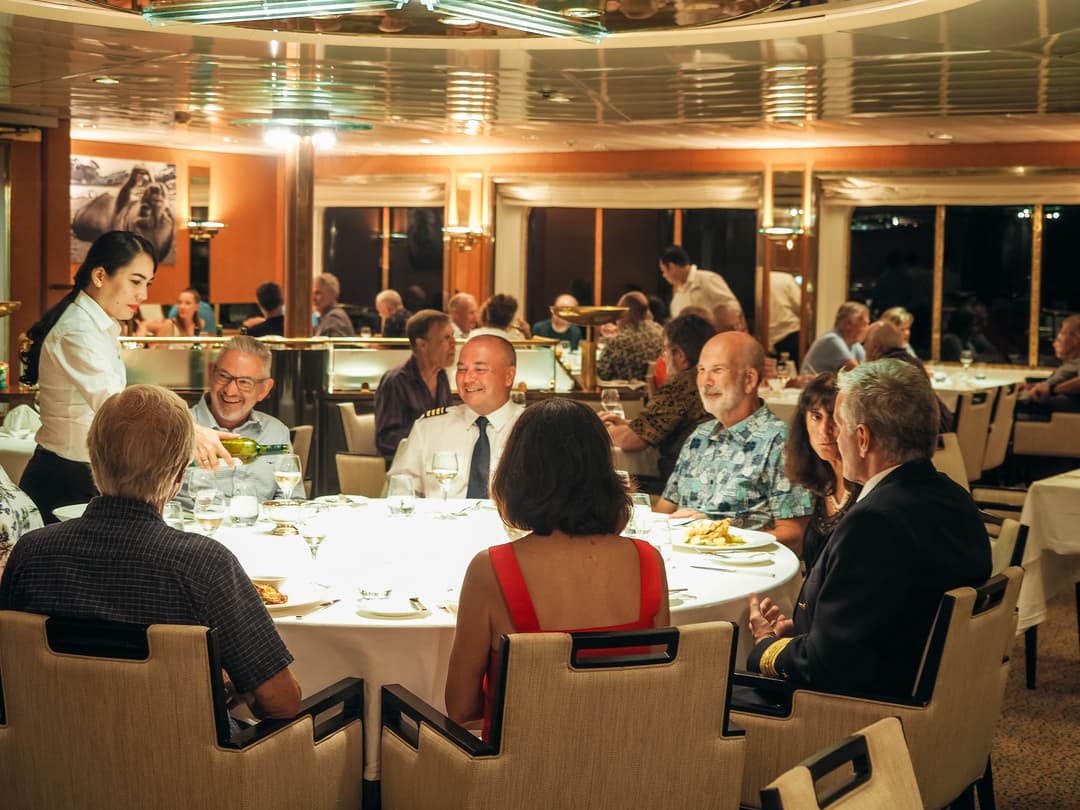
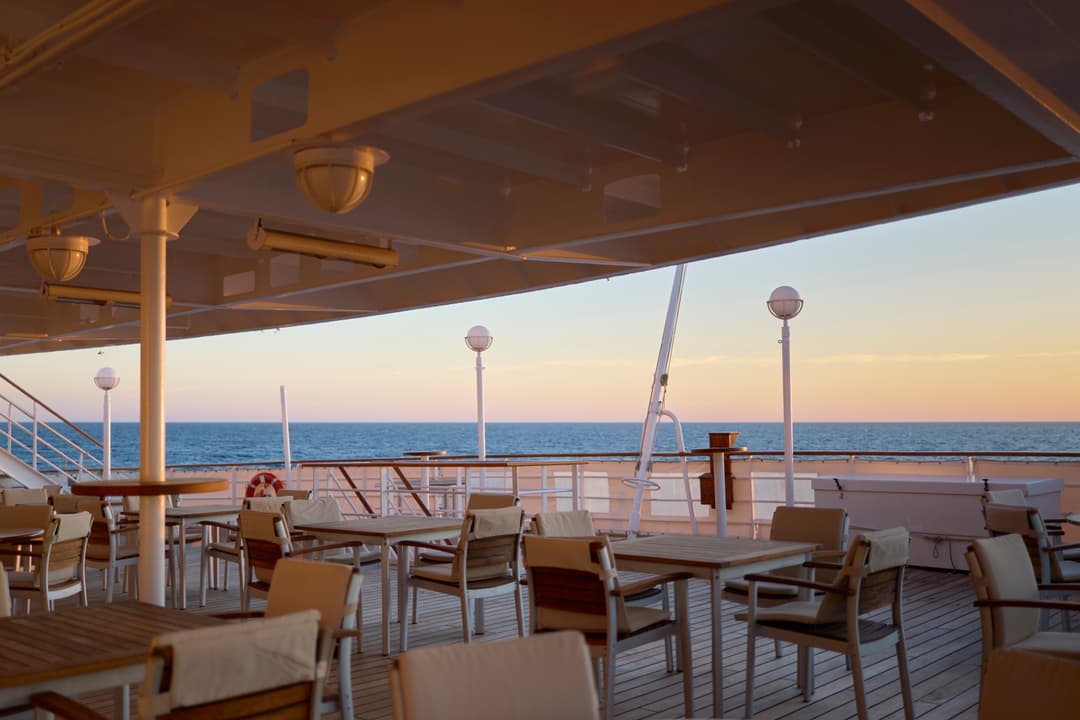
Ship Facts
cabin count
No Data
capacity
140
crew count
No Data
deck count
7
currency
No Data
gross tonnage
8378
language
de+en
launch year
1991
length
124m
speed
15kts
wheelchair count
No Data
width
18m
DINING
Dining Room

Indulge in fine international cuisine with a New Zealand-Asian leaning from our talented chefs in the lavish surrounds of our Dining Room on Deck 4. Sensational 270-degree views provide a stunning backdrop to meals here along with an international wine list featuring many outstanding regional wines.

Bistro

Simple fast and delicious meals and snacks from classics to alternating Asian-inspired additions are on offer in our relaxed Bistro on Deck 6. Perfect for early risers to enjoy tea, coffee and light breakfast and lunch options the Bistro provides great views and opens directly onto a semi-covered and heated teak-deck outdoor dining area perfect for Heritage Adventurer’s famous BBQs.

Entertainment
Observation Lounge & Library

One of the most celebrated and best-known features of Heritage Adventurer is the awe-inducing Observation Lounge, Library and Bar. Located on Deck 7 and perched directly above the Bridge, enjoy sweeping 270-degree views through floor to ceiling windows, perfect for wildlife spotting and quick access to the outer deck.

Observation Deck

Enjoy 360-degree views from the highest point on the ship. The Observation Deck sits above the Observation Lounge and provides exceptional outside viewing options. Stretching the full width of the vessel, this is the perfect spot to take in the surrounding land and seascapes.

The Bar and Lounge

The social hub of Heritage Adventurer, the Bar and Lounge on Deck 5 features seating for all guests. Enjoy a beverage at the bar, sink into an armchair, relax on one of the many spacious loungers and watch the world go by through the panoramic windows or make new friends at the communal seating.

Sea Shop

Heritage Adventurer’s gift shop or Sea Shop as it’s known is located on Deck 4. Here you will find a collection of branded merchandise, souvenirs and gifts, books, clothing and things you may have forgotten to pack.

Health And Fitness
Sauna and Steam Room

True to her Nordic origins, Heritage Adventurer features a dry-heat Finnish sauna and European steam room in Deck 7’s wellbeing zone. Perfect for warming up post Polar plunge or unwinding after a day’s adventures, the sauna and steam room include change room facilities, showers and towels.

The Gym

Featuring spectacular ocean views, the well-equipped gym is adjacent to the pool, hot tub and sauna in Deck 7’s wellbeing zone. Maintain your routine with an elliptical cross trainer, treadmill, rowing machine, stationary bikes, TRX as well as free weights, yoga mats and fitness balls. Towels are provided with change room and shower amenities nearby.

Swimming Pool and Hot Tub

Surrounded by relaxed teak seating including sun loungers, the open-air saltwater pool in Deck 7’s wellbeing zone can be heated or chilled. Encased in glass the hot tub ensures all-weather use, perfect for those who like to relax with a view following a day of exploring.

The Spa

In need of some pampering or relaxation after a busy day’s adventure? Head to the oasis of tranquillity of the Spa in Deck 7’s wellbeing zone where a refined menu of Swedish and deep tissue massage sits alongside a suite rejuvenating facials options. 

Enrichment
Excursions and Landings

Designed to engage with a wide range of interests, expedition days start early in order to observe wildlife starting their day and make the most of the morning light excellent for photography. Explore by Zodiac safari, on foot, snorkelling and by local transport well off the beaten path, engage in citizen science projects, enjoy thrilling exchanges with remote tribes, visit historic sites and actively support conservation efforts as we follow ....
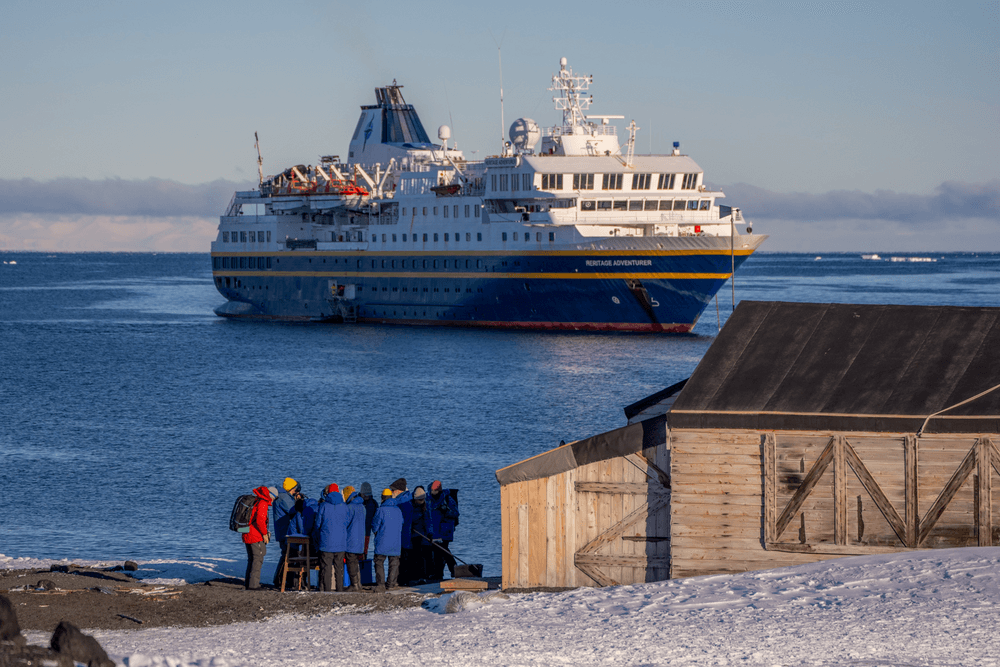
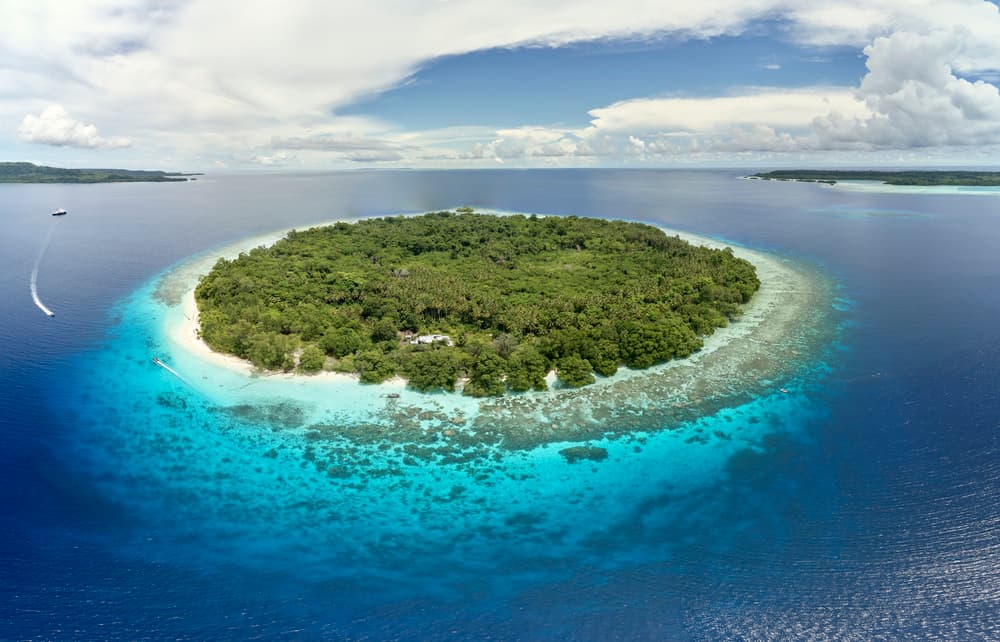
Lectures and Presentations

Enjoy informative and entertaining lectures on history, biology, wildlife, and ecology in the comfort of the Presentation Theatre and Bar and Lounge. With state-of-the-art audio-visual equipment, our world-renowned expedition team will bring your adventure to life through interactive presentations and discussions. Hands on activities include learning the art of origami on our Japan voyages, photography workshops, manhauling on our Ross Sea voy....
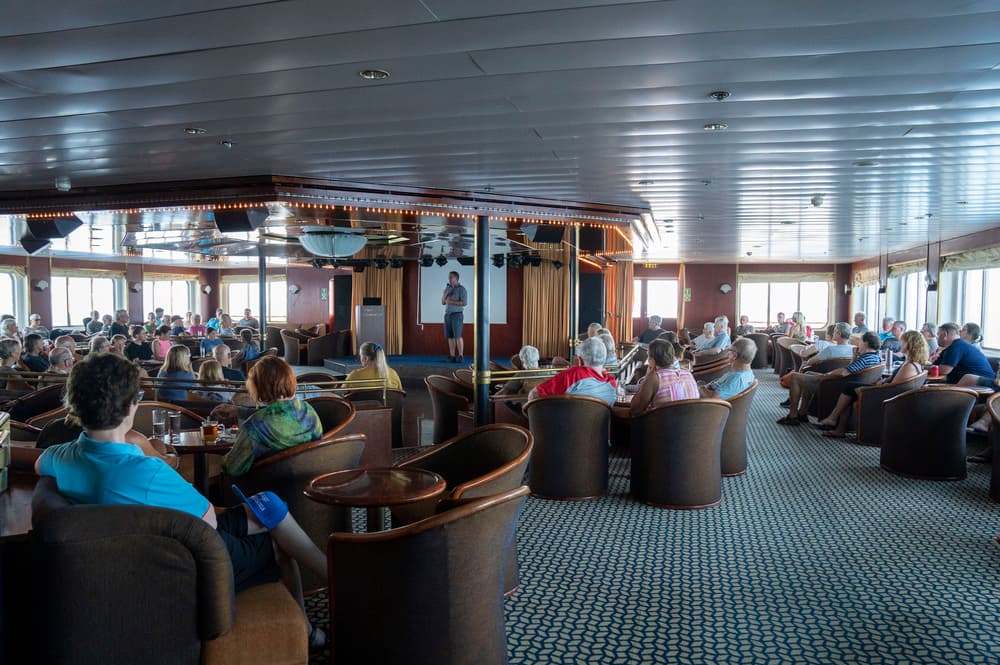
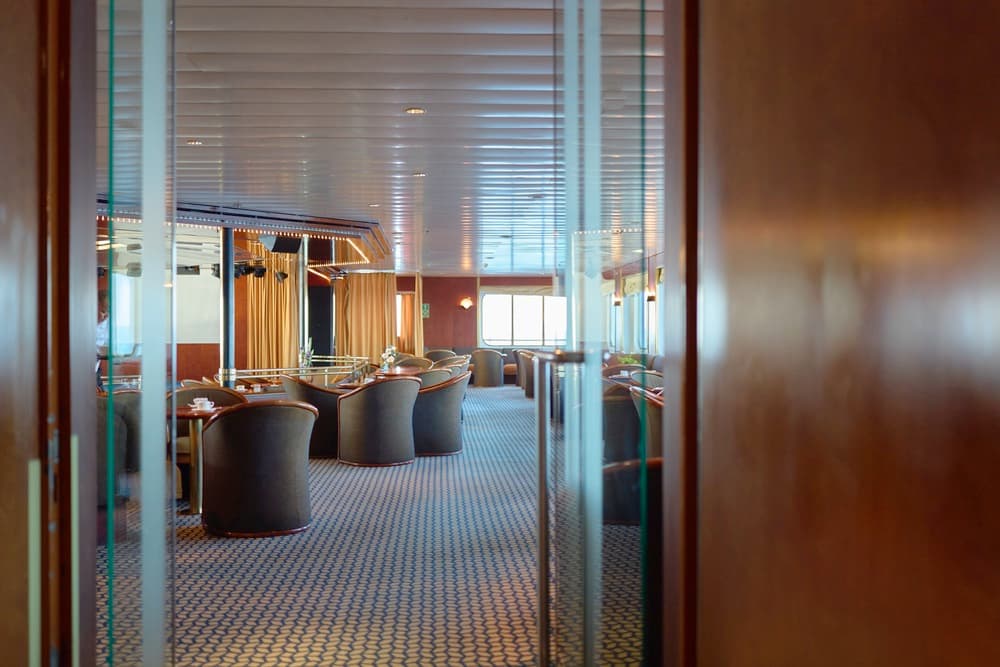
Citizen Science

Opportunities to engage in citizen science initiatives occur both on shore and on board. These may include testing water samples, collecting air flask samples, assisting Heritage Expeditions regular professor Tim Flannery searching for new mammal species on remote islands in Indonesia, Papua New Guinea, the Solomon Islands and Vanuatu, collecting penguin bones and shells at the world’s largest and oldest Adelie penguin colony alongside leading....
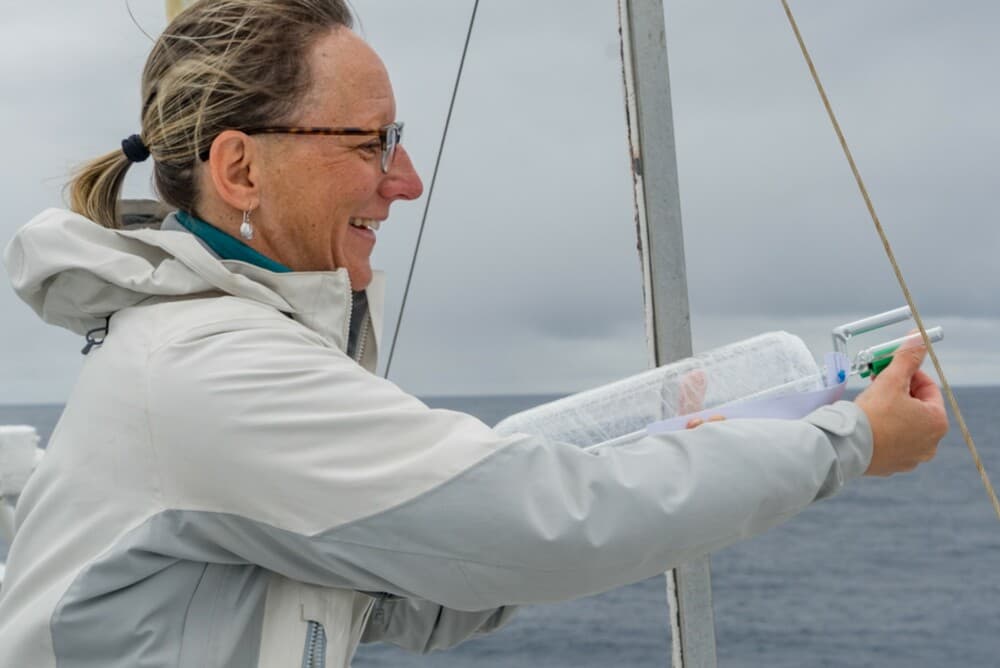
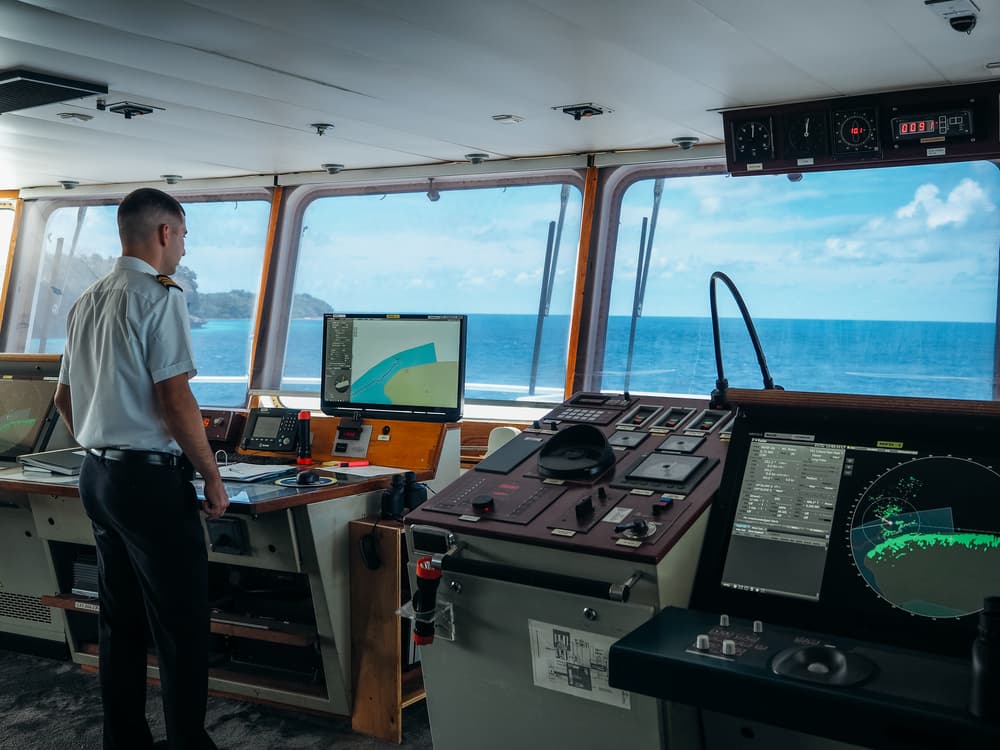
Open Bridge Policy

No expedition is complete without visiting Heritage Adventurer’s busy nerve centre. Located on Deck 6, Heritage Expeditions’ Open Bridge Policy means you are welcome to observe the Captain and crew at work while enjoying some of the ship’s best views. It’s a fascinating place to learn about navigation and vessel operations, however please note the Bridge will be closed when departing or arriving at port.

USEFUL TO KNOW
Fitness Levels

Guests are required to have a reasonable level of fitness in order to participate in landings. While not strenuous, travellers who participate on excursions must be able to climb a ship-side gangway, get in and out of Zodiacs and be able to stand unaided. Each landing and excursion caters to all fitness levels ranging from easy to challenging, ultimately each guest is able to decide how active or relaxing their voyage is.

What Clothing Is Included?

Thermally-insulated Muck Boots are provided for use on all our Southern Ocean voyages while guests travelling to the Ross Sea are supplied with an Antarctic grade jacket during their time in Antarctica. 

Medical Facilities

Yes, on Heritage Adventurer there is an on board doctor with a small infirmary and on many voyages a First Responder will travel with guests on excursions. Heritage Explorer does not have a doctor on board, however our crew are trained in first aid.

Drinks Packages

House wine, beer and soft drinks are included with lunch and dinner on all Heritage Expeditions voyages. Complimentary drinks can also be enjoyed during special events on board while bar purchases can also be charged to your stateroom. 

Ethical Travel Credentials

Travelling with Heritage Expeditions is to travel responsibly. As biologists and ornithologists, we are intimately aware of the many issues that confront animals and their habitats, the world's oceans and isolated ethnic groups. We also take action: we actively contribute to the conservation of the places we visit in several ways; we 'buy local' and employ locally; we make sure that travellers are respectful of local customs and traditions; an....

Fitness Onboard

Heritage Adventurer has a gym, pool, sauna, Jacuzzi and Spa on Deck 7. While there is no gym on Heritage Explorer, guests have plenty of opportunity to stretch their legs on shore or take the kayaks out, weather permitting.

Onboard Currency

Heritage Adventurer operates in US$ while Heritage Explorer is NZ$.

Single Person Supplement

Heritage Adventurer has 20 dedicated single cabins (12 x Main Deck Single Staterooms on Deck 3 and 8 x Superior Single Staterooms on Deck 5). Heritage Adventurer also has the option of guests sharing in our Main Deck Triple (Deck 3) and Superior Triple (Deck 5) Staterooms. There may also be the option to share a Deck 4 or Deck 5 Superior Stateroom with another solo-travelling guest of the same gender. Heritage Explorer has 2 dedicated single c....

Wi-Fi & Internet Access

There is Wi-Fi available on both ships. Heritage Adventurer has a connection via satellite and vouchers can be purchased from reception. Wi-Fi is included on Heritage Explorer.

Excursions

All standard excursions are included in the voyage cost. All you will need to pay for on board is anything of a personal nature, laundry, drinks and gratuities.

Dress Code

Expedition casual is the dress code, ensuring our guests are comfortable and ready to enjoy themselves at all times. There may be a special occasion dinner during your voyage so it may pay to bring one fancier outfit with you.

Cancellation Policy

Cancellation notices received more than 180 days prior to the Departure Date will be entitled to a full refund less a USD$750.00, AUD $1,080.00, NZD$1,160.00, GBP£585.00 or EUR€715.00. per person $1,080.00, NZD$1,160.00, GBP£585.00 or EUR€715.00. per person administration fee. If the cancellation notice is received within 179 and 91 days* of the Departure Date, the full deposit will be forfeited. If the cancellation notice is received within 9....

What's Included?

Pre/post cruise transfers, all on board ship accommodation with meals, house beer, wine and soft drinks with lunch and dinner and all expedition shore excursions. Full programme of lectures by noted naturalists.

Photography

We have an onboard photographer on our voyages who will be on hand to assist with your photography questions and tips. On select departures we offer specific photography workshops at an additional cost, contact us to find out more.

Dietary Requirements

We can cater for most dietary requirements on board including gluten free, lactose intolerance, kosher, vegetarian, vegan. Contact us if you have specific requirements we would be happy to discuss in detail.

Age Restrictions

There are no age restrictions on board. There are no children specific activities on board and all children will be fully responsible by their guardian whilst on board.