Iceland’s Fire & Ice Circumnavigation
CRUISE ID # HERITAGEHD270602
Reykjavík TO Reykjavík


$9,500
WITH SPECIAL SAVINGS APPLIED
FARES SHOWN ARE PER GUEST
Suites & Fares
CHOOSE START DATE
: June 02, 2027
Itinerary
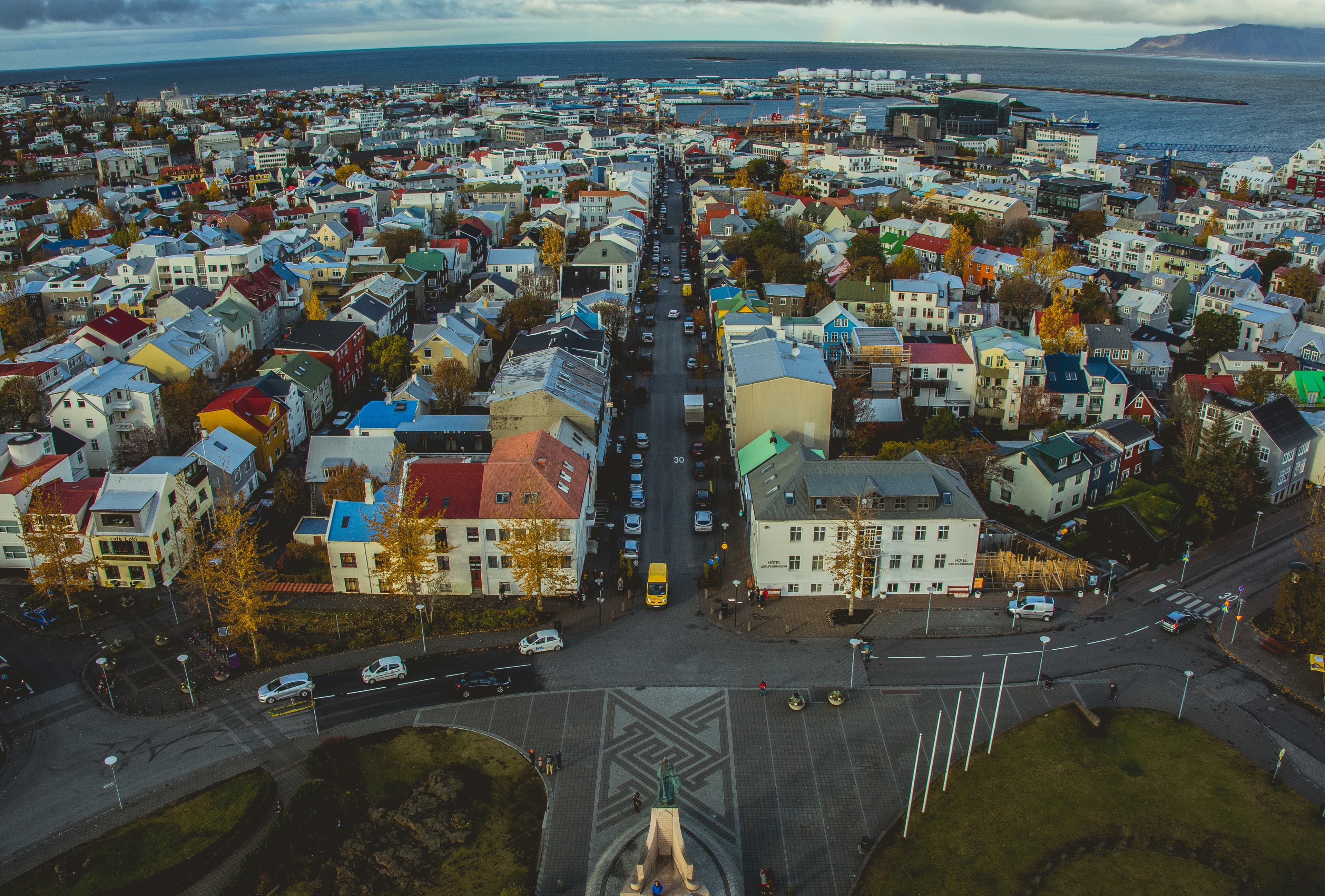
Sprawling Reykjavík, the nation's nerve center and government seat, is home to half the island's population. On a bay overlooked by proud Mt. Esja (pronounced eh-shyuh), with its ever-changing hues, Reykjavík presents a colorful sight, its concrete houses painted in light colors and topped by vibrant red, blue, and green roofs. In contrast to the almost treeless countryside, Reykjavík has many tall, native birches, rowans, and willows, as well as imported aspen, pines, and spruces.Reykjavík's name comes from the Icelandic words for smoke, reykur, and bay, vík. In AD 874, Norseman Ingólfur Arnarson saw Iceland rising out of the misty sea and came ashore at a bay eerily shrouded with plumes of steam from nearby hot springs. Today most of the houses in Reykjavík are heated by near-boiling water from the hot springs. Natural heating avoids air pollution; there's no smoke around. You may notice, however, that the hot water brings a slight sulfur smell to the bathroom.Prices are easily on a par with other major European cities. A practical option is to purchase a Reykjavík City Card at the Tourist Information Center or at the Reykjavík Youth Hostel. This card permits unlimited bus usage and admission to any of the city's seven pools, the Family Park and Zoo, and city museums. The cards are valid for one (ISK 3,300), two (ISK 4,400), or three days (ISK 4,900), and they pay for themselves after three or four uses a day. Even lacking the City Card, paying admission (ISK 500, or ISK 250 for seniors and people with disabilities) to one of the city art museums (Hafnarhús, Kjarvalsstaðir, or Ásmundarsafn) gets you free same-day admission to the other two.
Sprawling Reykjavík, the nation's nerve center and government seat, is home to half the island's population. On a bay overlooked by proud Mt. Esja (pronounced eh-shyuh), with its ever-changing hues, Reykjavík presents a colorful sight, its concrete houses painted in light colors and topped by vibrant red, blue, and green roofs. In contrast to the almost treeless countryside, Reykjavík has many tall, native birches, rowans, and willows, as well as imported aspen, pines, and spruces.Reykjavík's name comes from the Icelandic words for smoke, reykur, and bay, vík. In AD 874, Norseman Ingólfur Arnarson saw Iceland rising out of the misty sea and came ashore at a bay eerily shrouded with plumes of steam from nearby hot springs. Today most of the houses in Reykjavík are heated by near-boiling water from the hot springs. Natural heating avoids air pollution; there's no smoke around. You may notice, however, that the hot water brings a slight sulfur smell to the bathroom.Prices are easily on a par with other major European cities. A practical option is to purchase a Reykjavík City Card at the Tourist Information Center or at the Reykjavík Youth Hostel. This card permits unlimited bus usage and admission to any of the city's seven pools, the Family Park and Zoo, and city museums. The cards are valid for one (ISK 3,300), two (ISK 4,400), or three days (ISK 4,900), and they pay for themselves after three or four uses a day. Even lacking the City Card, paying admission (ISK 500, or ISK 250 for seniors and people with disabilities) to one of the city art museums (Hafnarhús, Kjarvalsstaðir, or Ásmundarsafn) gets you free same-day admission to the other two.
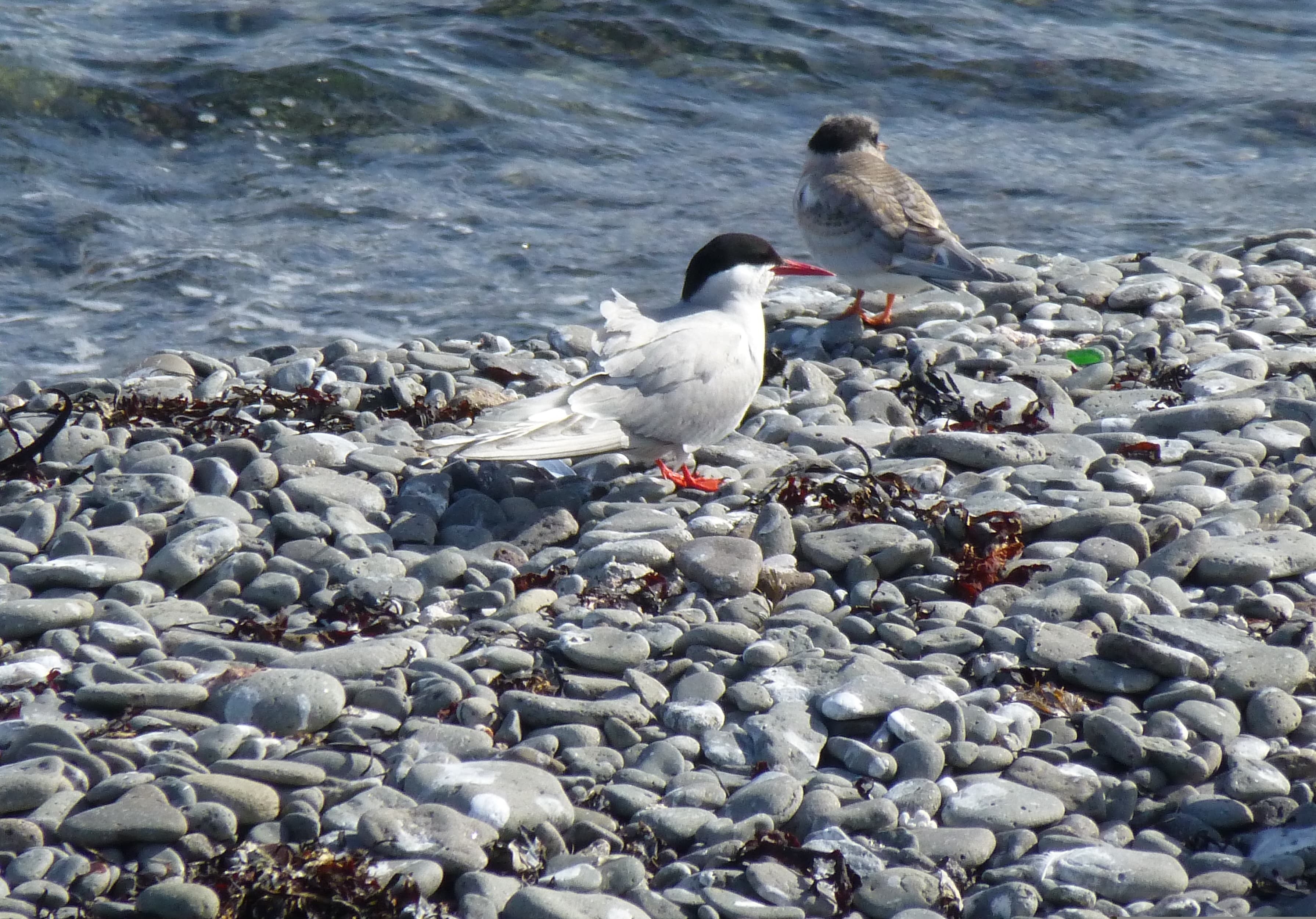
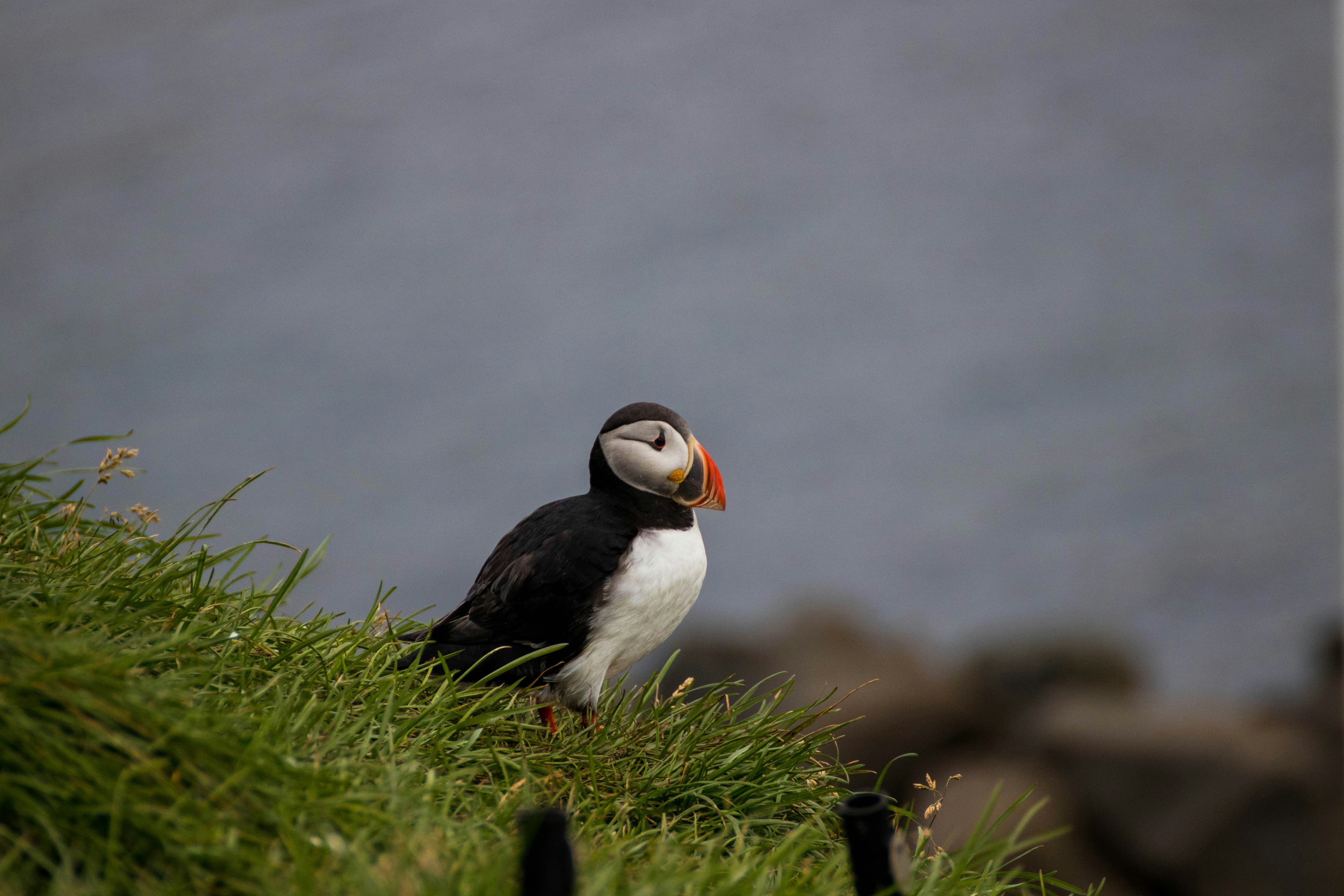
Vigur Island is a little more than a mile (1.6 km) in length and about 450 yards (412 m) wide. This green oasis punctuates the waters of the Ísafjarðardjúp fjord east of the town of Isafjordur. The island is home to a single farming family and has some meticulously preserved historical landmarks including Iceland’s only windmill, built in 1840 and used until 1917 for grinding imported wheat from Denmark; and a 200-year-old rowing boat, which is still in use to ferry sheep to the mainland. Summer is the best time to see large numbers of Atlantic Puffins, Arctic Terns and Black Guillemots. One of the export articles from this small island was eider down and one can see where the eider ducks nest and how the down is collected and cleaned.
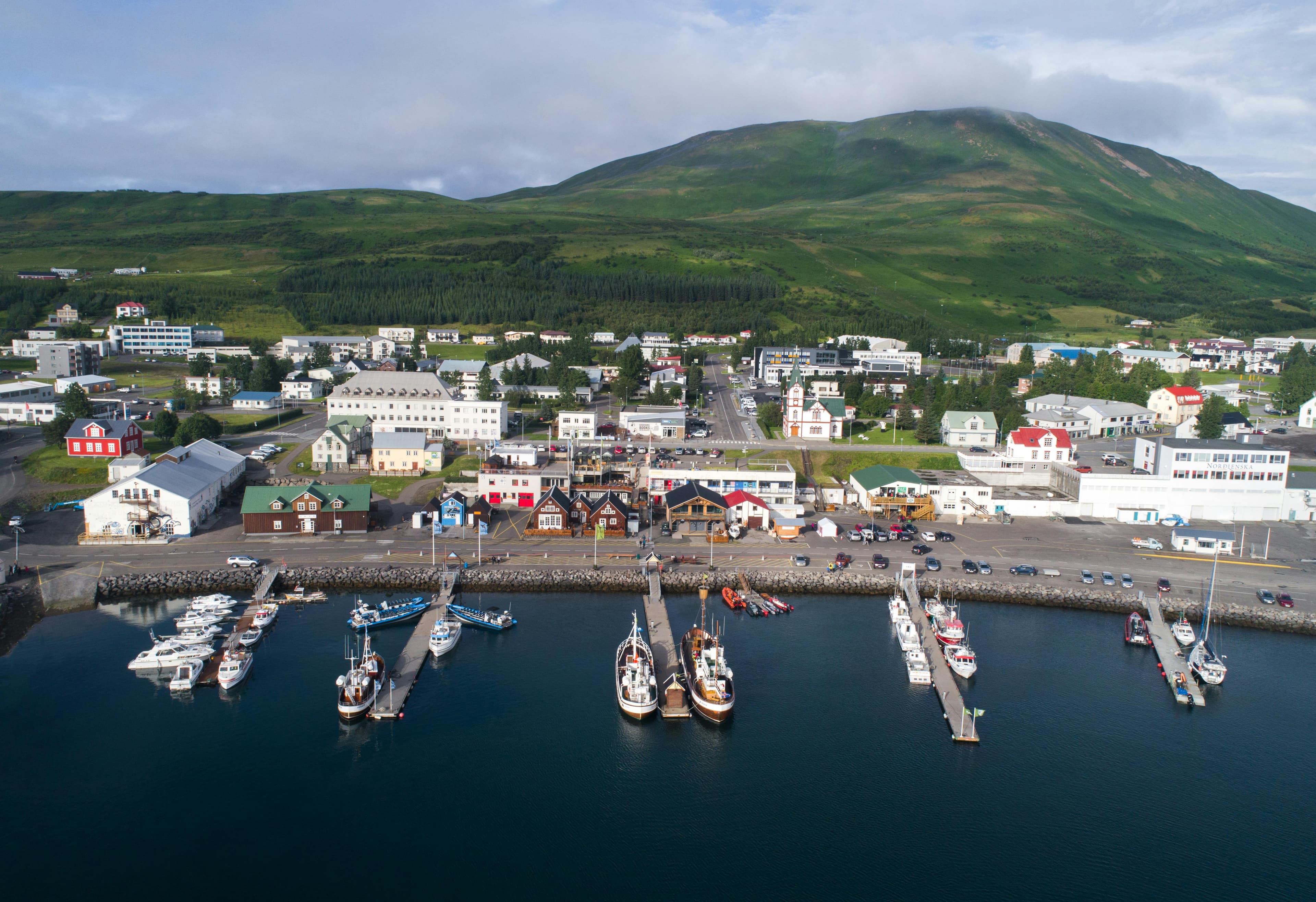
The town of Húsavík sits below Húsavíkurfjall mountain on the eastern shore of Skjálfandi bay. Just above the town is lake Botnsvatn, a popular place for outings. The lake is just the right size for a nice hike around it. The lakes surroundings are rich in vegetation and bird life and trout is said to be abundant, though small. Húsavík harbour lies below the bank right in the heart of town. The harbour once boasted a large fishing fleet, bustling with the activity of fishermen. It still serves as a fishing harbour but today's activity revolves more around the successful whale watching businesses. The first organised whale watching excursions in Iceland started from here in 1995. Since then, whale watching has become a major attraction and Húsavík continues to be the leading destination for whale watching. In addition to the tours, a fascinating whale museum is located right by the harbour. Húsavík is considered to be the oldest settlement in Iceland. The Swedish explorer, Gardar Svavarsson, spent one winter there in 870 AD during which time he built himself a house from which the settlement derives its name.
It may be surrounded by pulse-raising volcanic scenery, boast extraordinary wildlife, and sit on a dramatic, jutting fjord - but it's fair to say Djúpivogur likes to take things slow. In fact, Djúpivogur relishes its peace and quiet so much that it's won recognition as a 'Cittaslow' - a Slow City. So prepare to take a new, leisurely look around, as you relax into the breathtaking natural glory of Iceland, and explore this unique location - filled with folklore, fabulous food and fantastic fjords.
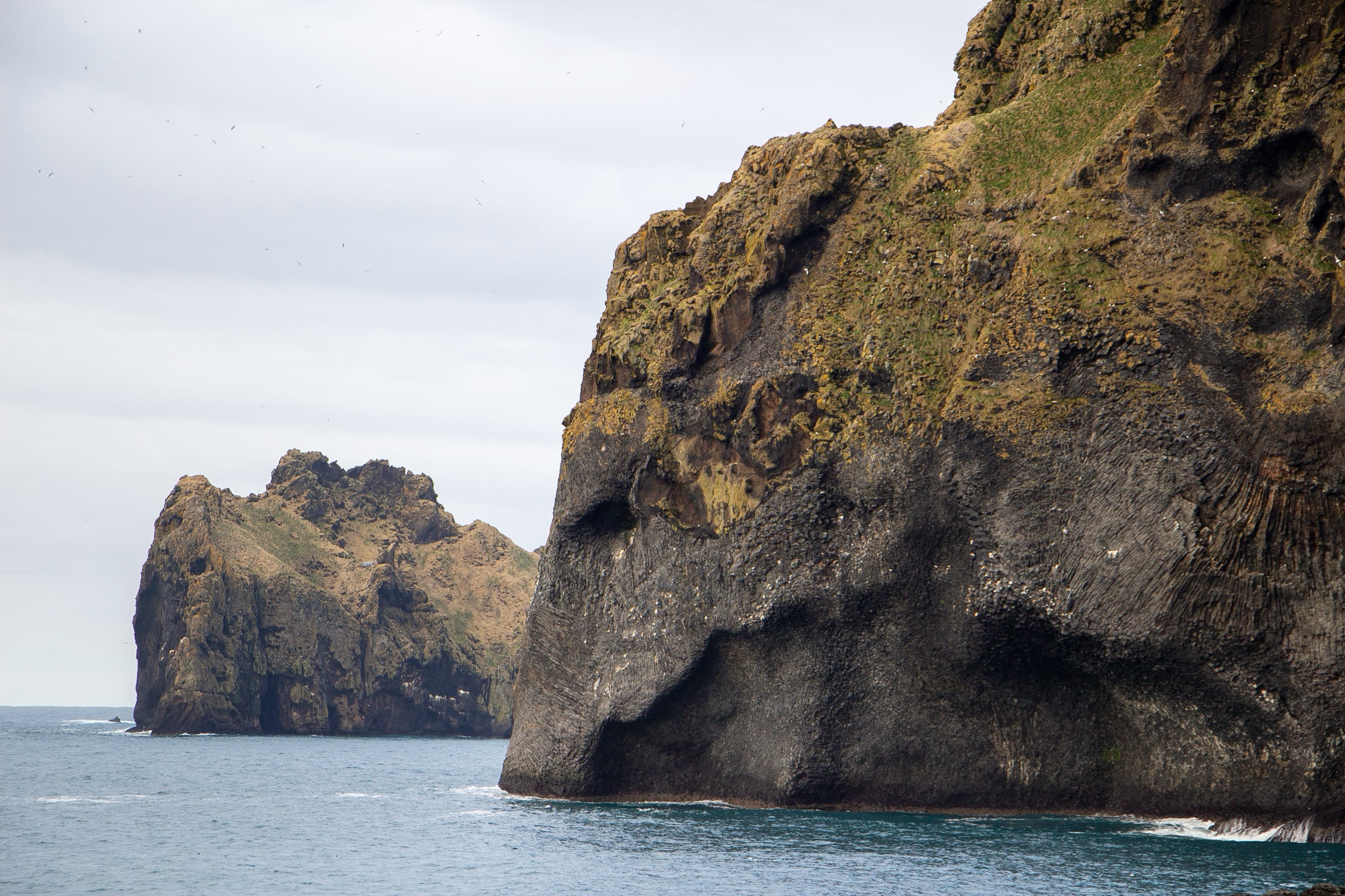
The name Vestmannaeyjar refers to both a town and an archipelago off the south coast of Iceland. The largest Vestmannaeyjar island is called Heimaey. It is the only inhabited island in the group and is home to over 4000 people. The eruption of the Eldfell Volcano put Vestmannaeyjar into the international lime light in 1973. The volcano’s eruption destroyed many buildings and forced an evacuation of the residents to mainland Iceland. The lava flow was stopped in its tracks by the application of billions of liters of cold sea water. Since the eruption, life on the small island outpost has returned to the natural ebb and flow of a small coastal fishing community on the edge of the chilly and wild North Atlantic.
Sprawling Reykjavík, the nation's nerve center and government seat, is home to half the island's population. On a bay overlooked by proud Mt. Esja (pronounced eh-shyuh), with its ever-changing hues, Reykjavík presents a colorful sight, its concrete houses painted in light colors and topped by vibrant red, blue, and green roofs. In contrast to the almost treeless countryside, Reykjavík has many tall, native birches, rowans, and willows, as well as imported aspen, pines, and spruces.Reykjavík's name comes from the Icelandic words for smoke, reykur, and bay, vík. In AD 874, Norseman Ingólfur Arnarson saw Iceland rising out of the misty sea and came ashore at a bay eerily shrouded with plumes of steam from nearby hot springs. Today most of the houses in Reykjavík are heated by near-boiling water from the hot springs. Natural heating avoids air pollution; there's no smoke around. You may notice, however, that the hot water brings a slight sulfur smell to the bathroom.Prices are easily on a par with other major European cities. A practical option is to purchase a Reykjavík City Card at the Tourist Information Center or at the Reykjavík Youth Hostel. This card permits unlimited bus usage and admission to any of the city's seven pools, the Family Park and Zoo, and city museums. The cards are valid for one (ISK 3,300), two (ISK 4,400), or three days (ISK 4,900), and they pay for themselves after three or four uses a day. Even lacking the City Card, paying admission (ISK 500, or ISK 250 for seniors and people with disabilities) to one of the city art museums (Hafnarhús, Kjarvalsstaðir, or Ásmundarsafn) gets you free same-day admission to the other two.
About the Ship
Name
Heritage Discoverer
Operator
Heritage Expeditions

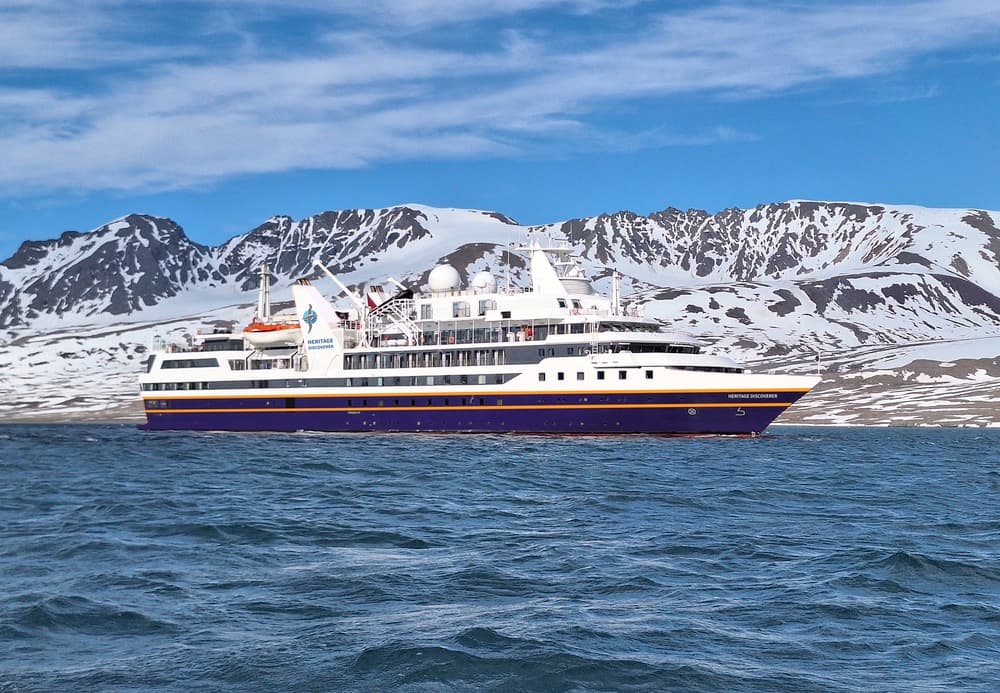
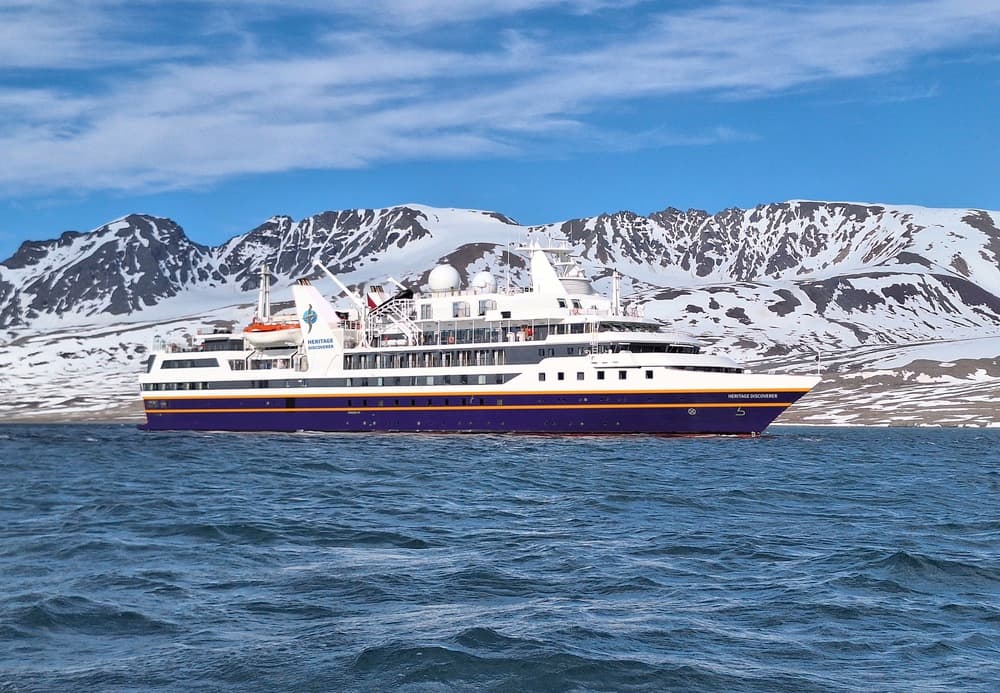
Heritage Discoverer is a trailblazing expedition ship, purpose-built to navigate the world’s most demanding waters.
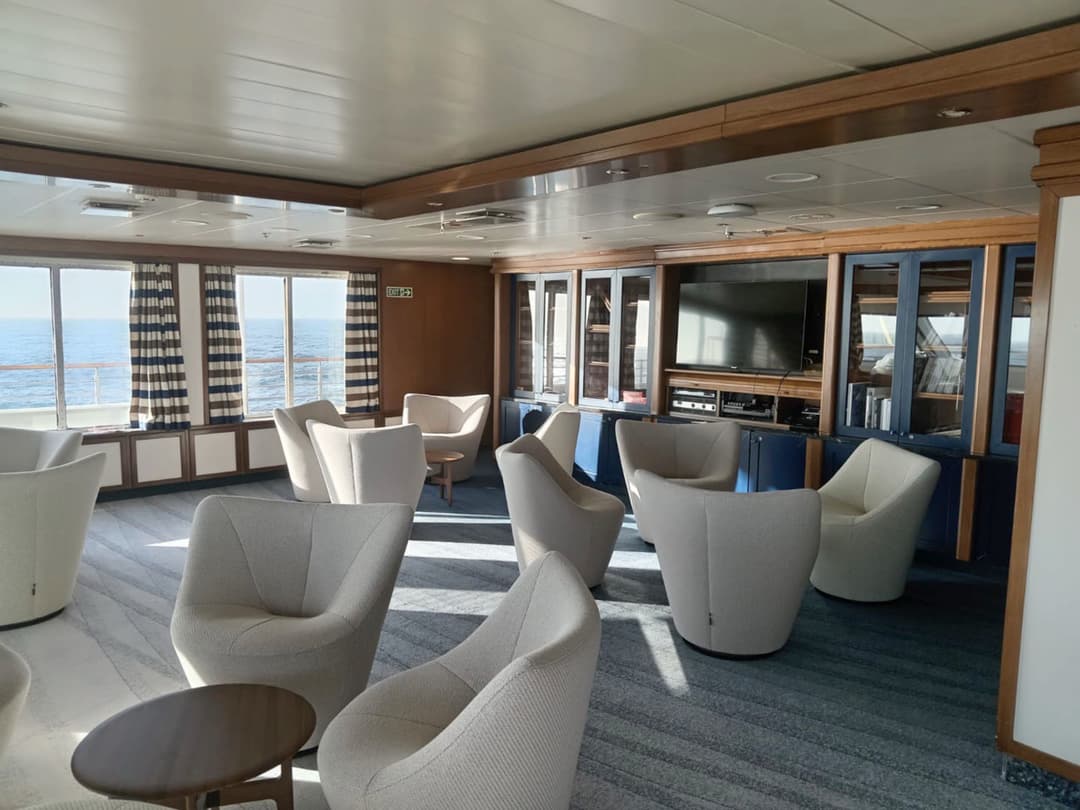
Savour international gourmet fare crafted by leading chefs in our two restaurants and celebrate the day’s adventures in the Bar and Lounge.
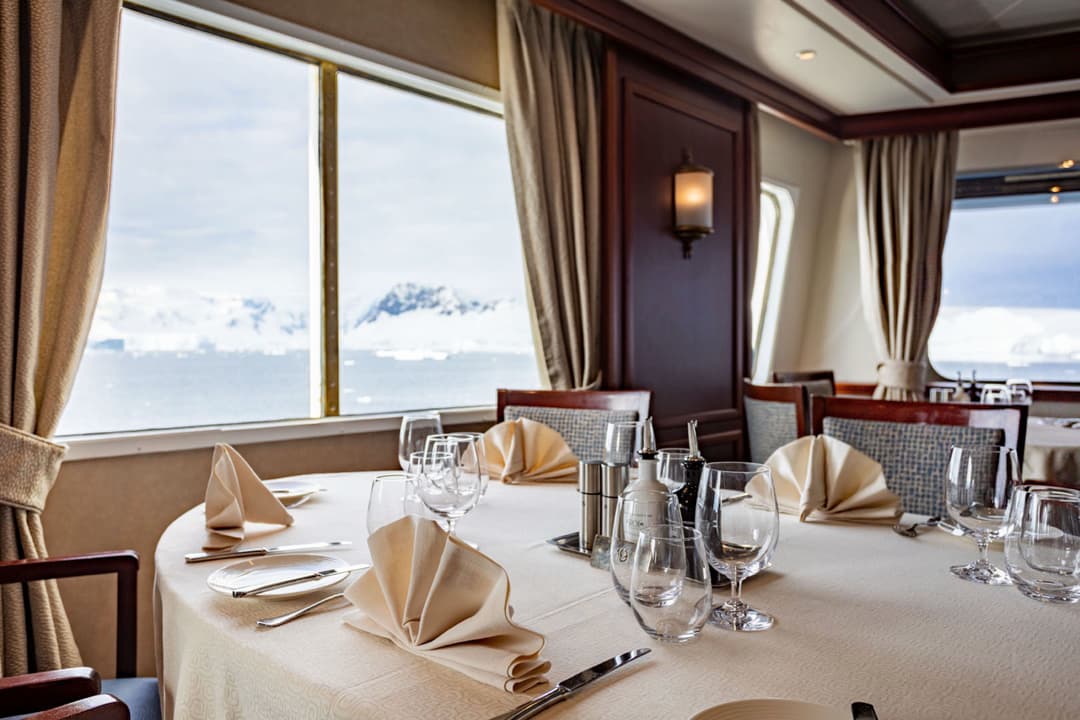
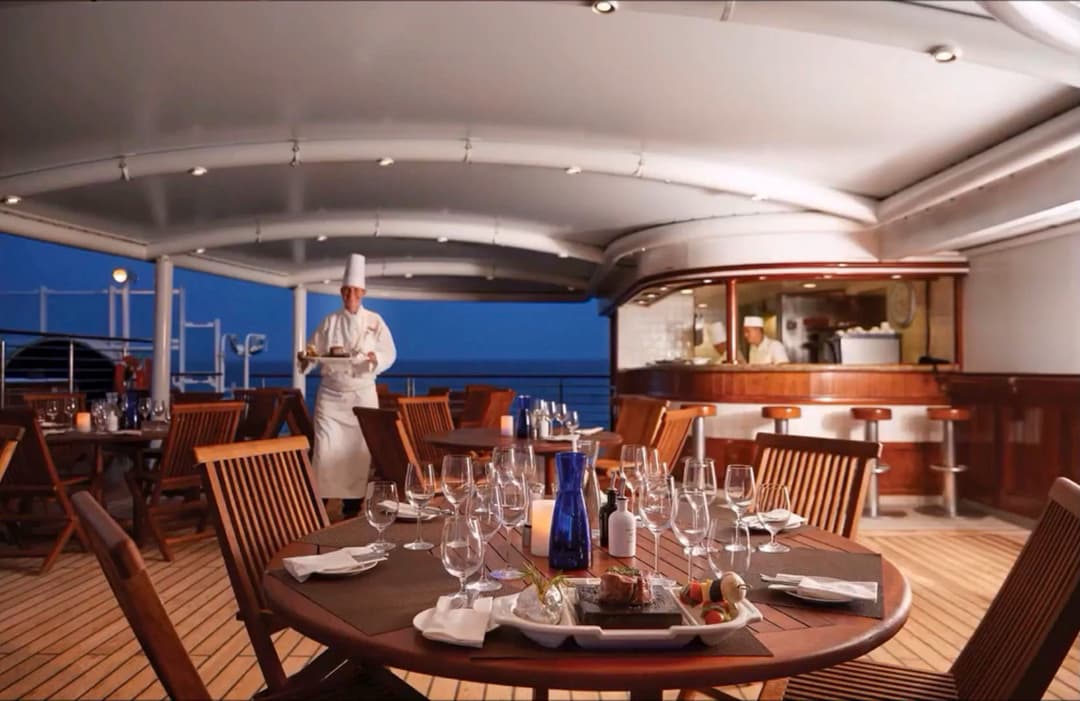
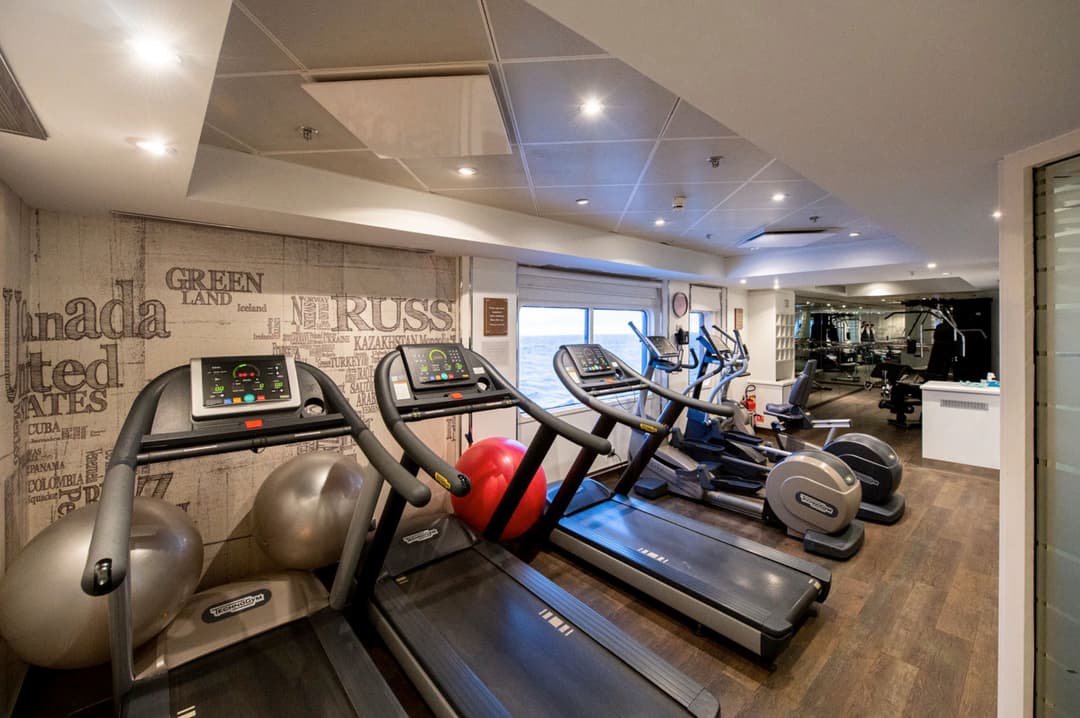
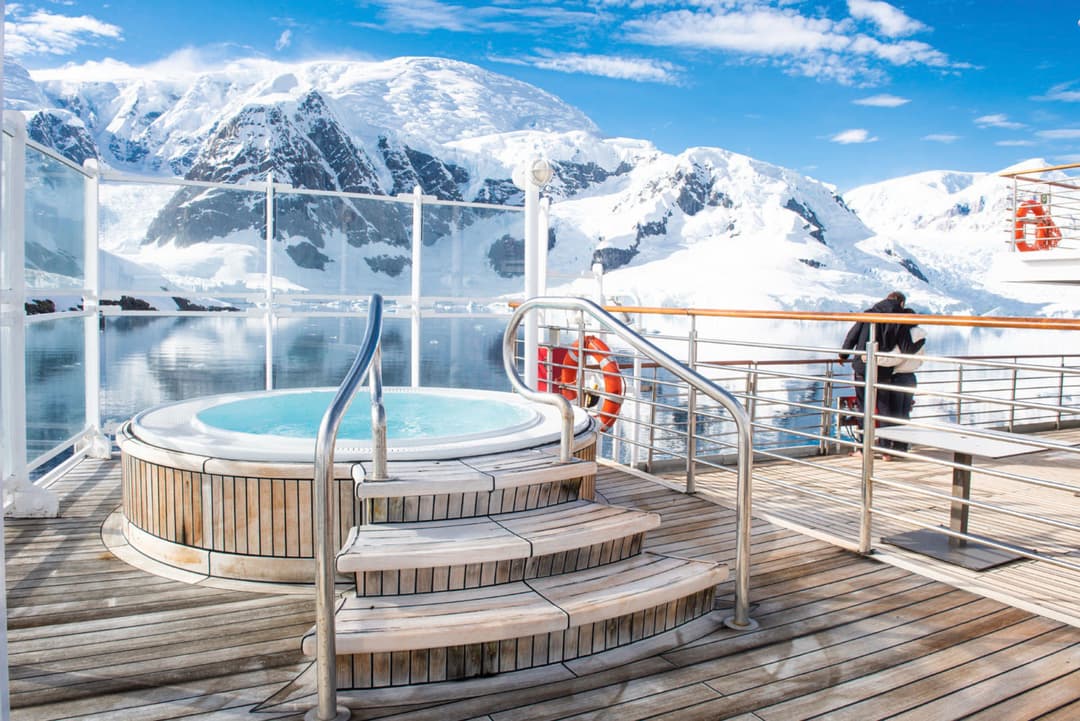
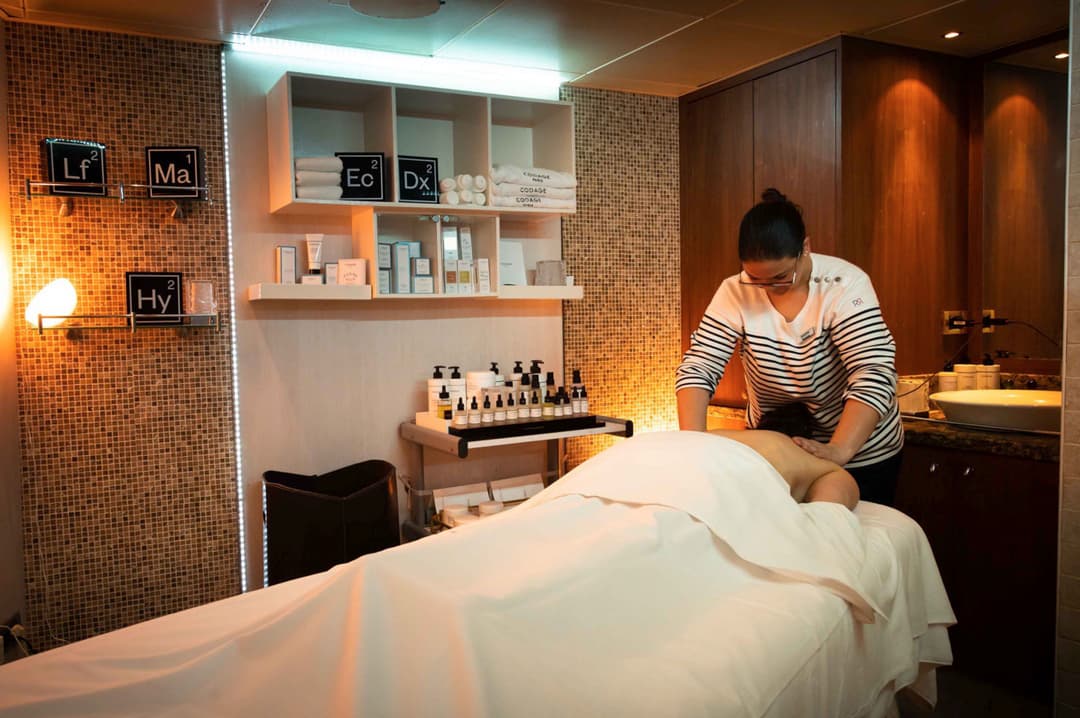
On board, discover lavish amenities, welcoming social areas and expansive panoramic decks. Visit the captain and crew on the Bridge under our Open Bridge policy.