

Forgotten Islands of the South Pacific
CRUISE ID # HERITAGEHA0261227A
Queenstown TO Queenstown
$7,345
WITH SPECIAL SAVINGS APPLIED
FARES SHOWN ARE PER GUEST
Suites & Fares
CHOOSE START DATE
: December 27, 2026
Itinerary
The most southernmost town in New Zealand, Bluff (or The Bluff as it is locally known) is perhaps the most European of all the settlements in the country. Called Campbelltown until 1917, the city was officially renamed after the 265 meter conical hill that towers above it. One of the farthest corners of the British Empire, the inaugural Royal Tour of New Zealand by Queen Elizabeth II and Prince Philip, the Duke of Edinburgh, concluded at Bluff in January 1954. Nowadays however, it is the Bluff oysters that are the stars of the show. Reputed to be the best in the world, these local heroes are what have really put Bluff on the map and are celebrated every May with a lively festival honouring Ostrea chilensis (that’s Latin for Bluff oyster). But gastronomy aside (and it is mostly oyster related), Bluff offers the adventurous traveller much in the way activity. Gateway to Stewart Island, day trippers here might enjoy hopping on the ferry for the hour long trip to Stewart Island, or New Zealand’s third island. Unspoilt, tranquil and stunning, Stewart Island is a showcase for New Zealand’s undiscovered tourism spots due to its privileged (yet remote) position in the world. However, for those who wish to stay on the mainland, the Bluff Maritime Museum is a “must visit” for anyone travelling along the Southern Scenic Route, with fascinating historical information about the many early shipwrecks in these challenging southern waters and coastlines. The comprehensive network of walking tracks will delight the ornithologists amongst you – just don’t forget your binoculars!
The Campbell Islands are a group of subantarctic islands in New Zealand. Known for its rich flora display, Campbell Islands are overflowing with megaherbs, herbaceous, perennial wildflowers which are recognised for their great size, colourful flowers and large leaves. The islands are furthermore home to some rare, and critically endangered birds including the Campbell Island teal and snipe. Enjoy a guided walk on the Col Lyell Saddle boardwalk and head out on the Zodiac for a unique tour around the coastline of Perseverance Harbour.
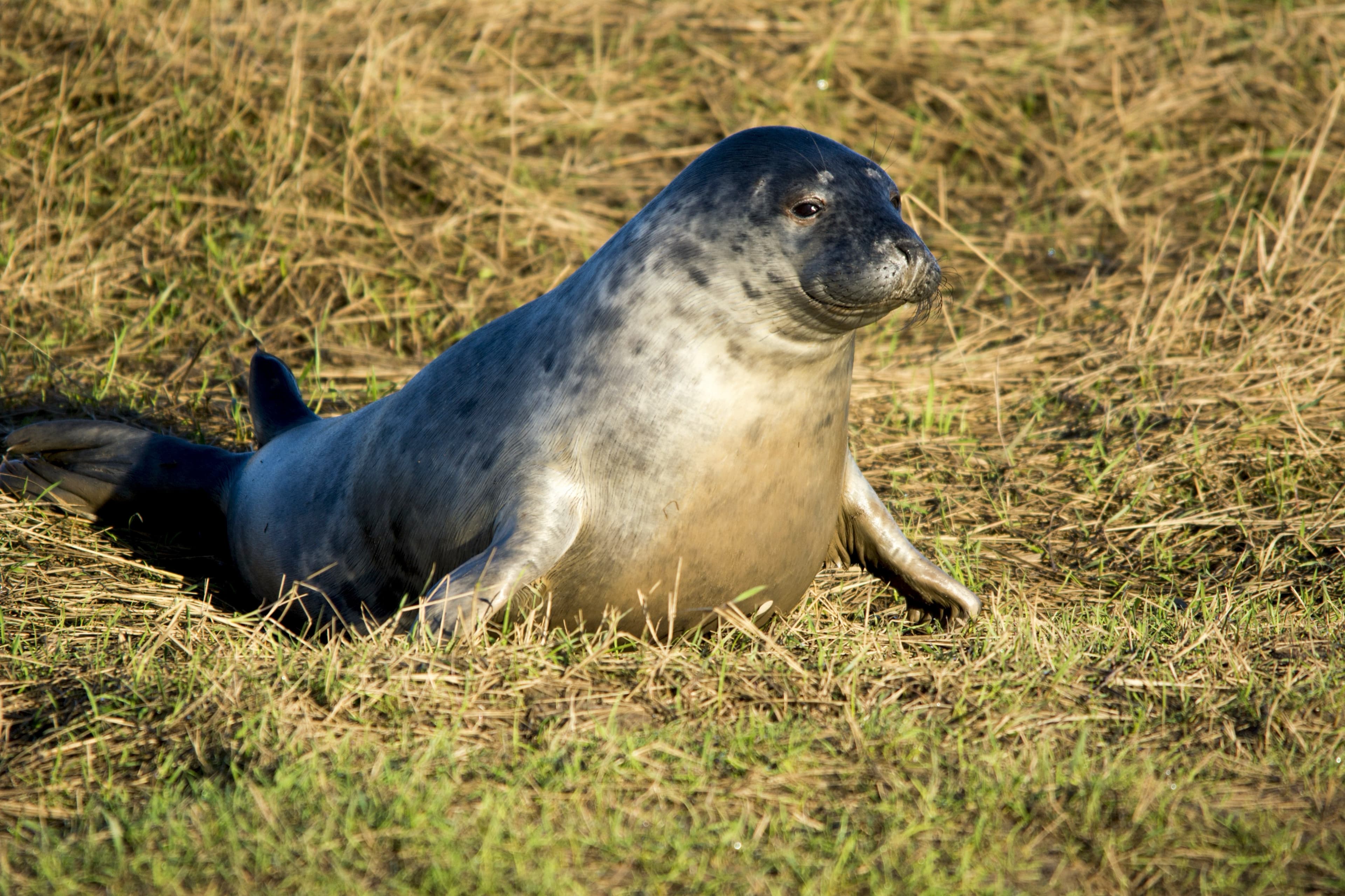
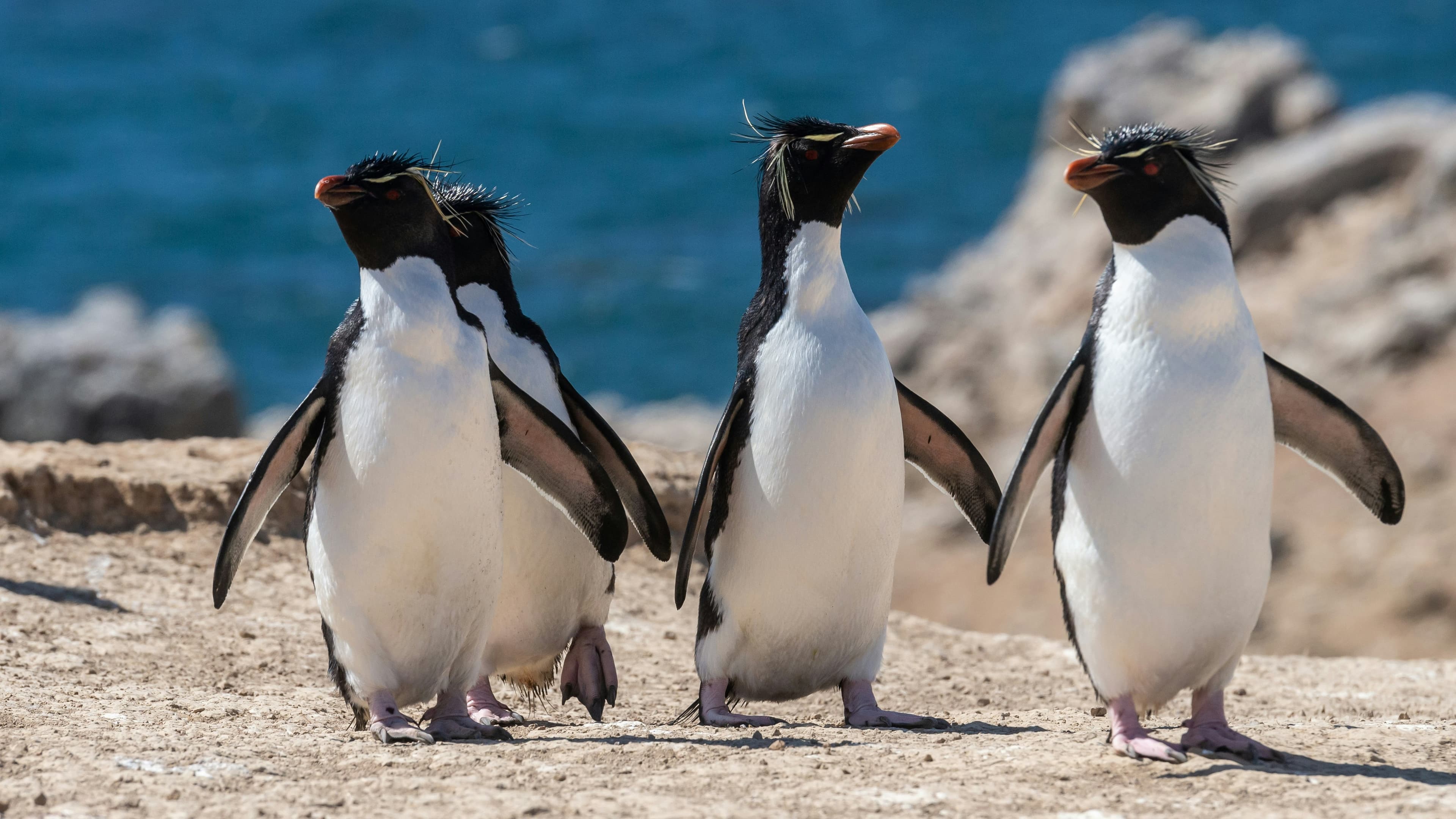
Enderby Island is the second largest island in the archipelago which is brimming with a magnificent flora and fauna environment. The island has become well known for being home to the rare yellow-eyed penguin and it is further the primary breeding location for the New Zealand Sra Lion. Enjoy a guided tour of the Northern Cliffs track and if you’re lucky, spend some time observing the sea lion colony.
The Snares Islands, also known as ‘The Snares’ are the northernmost of New Zealand's subantarctic islands. The islands are totally uninhabited and land mammals were never introduced on the islands, so it is only inhabited by sea mammals, birds and flora. The area is among one of five subantarctic island groups forming the New Zealand Subantarctic Islands, designated as a World Heritage Site by UNESCO.
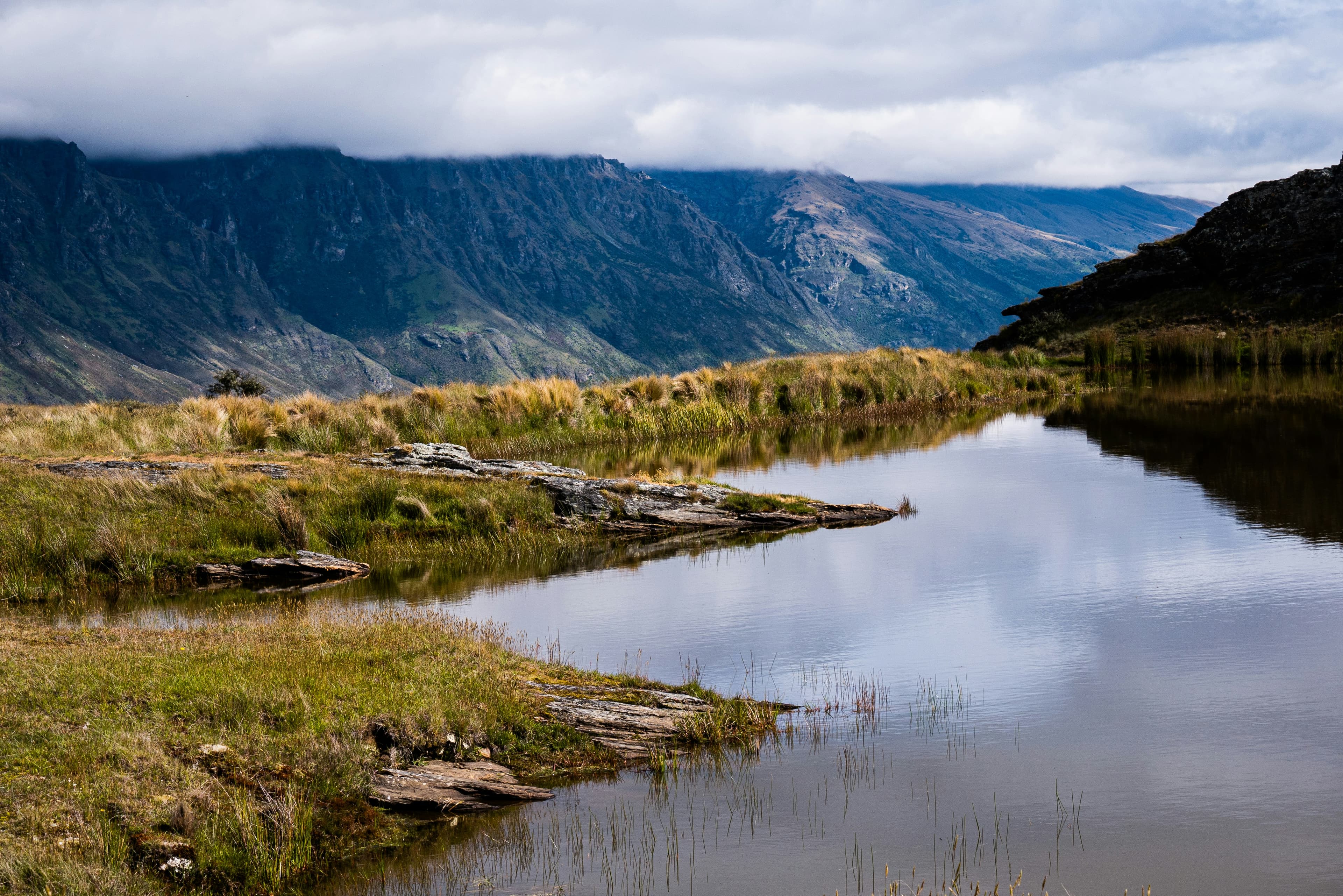
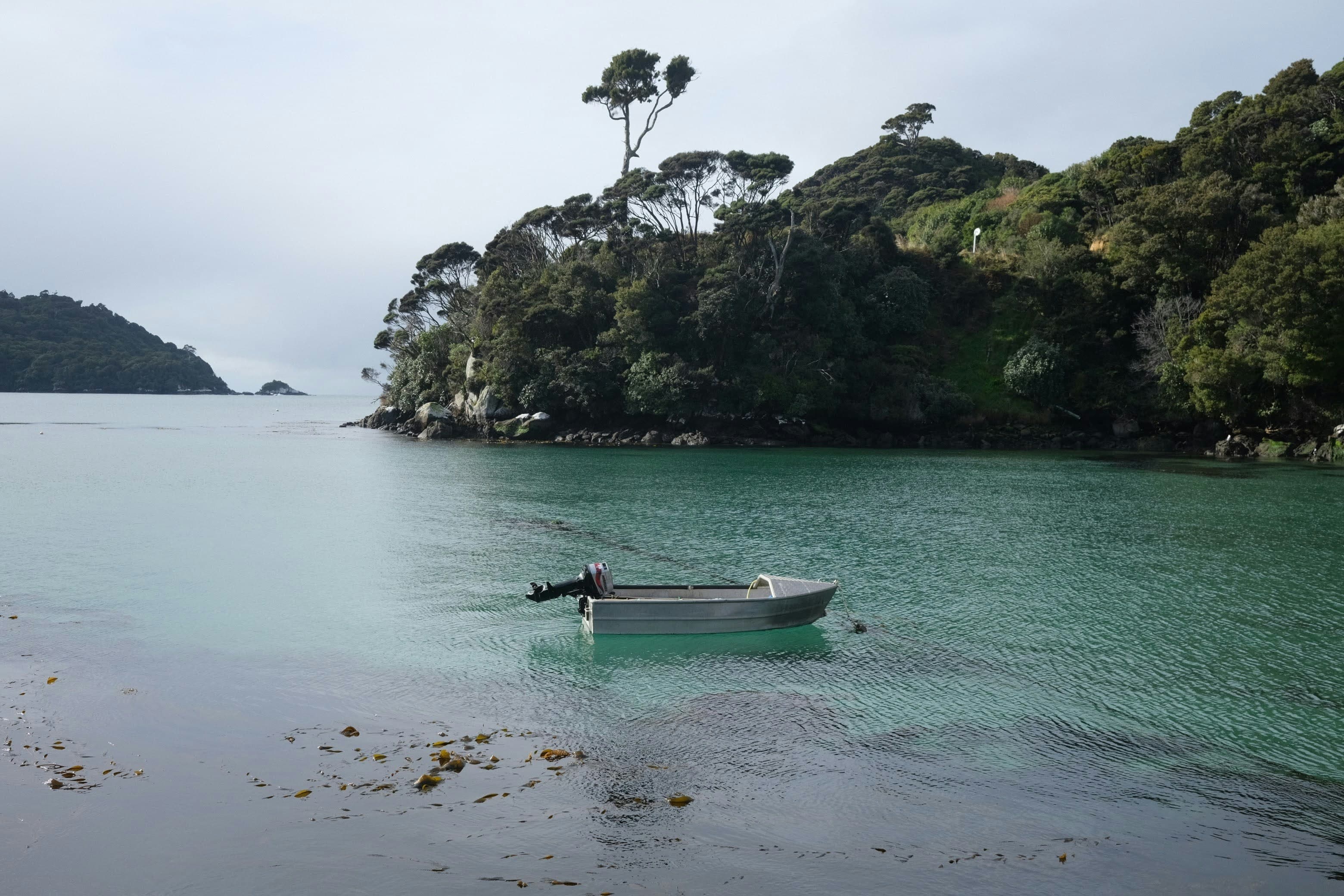
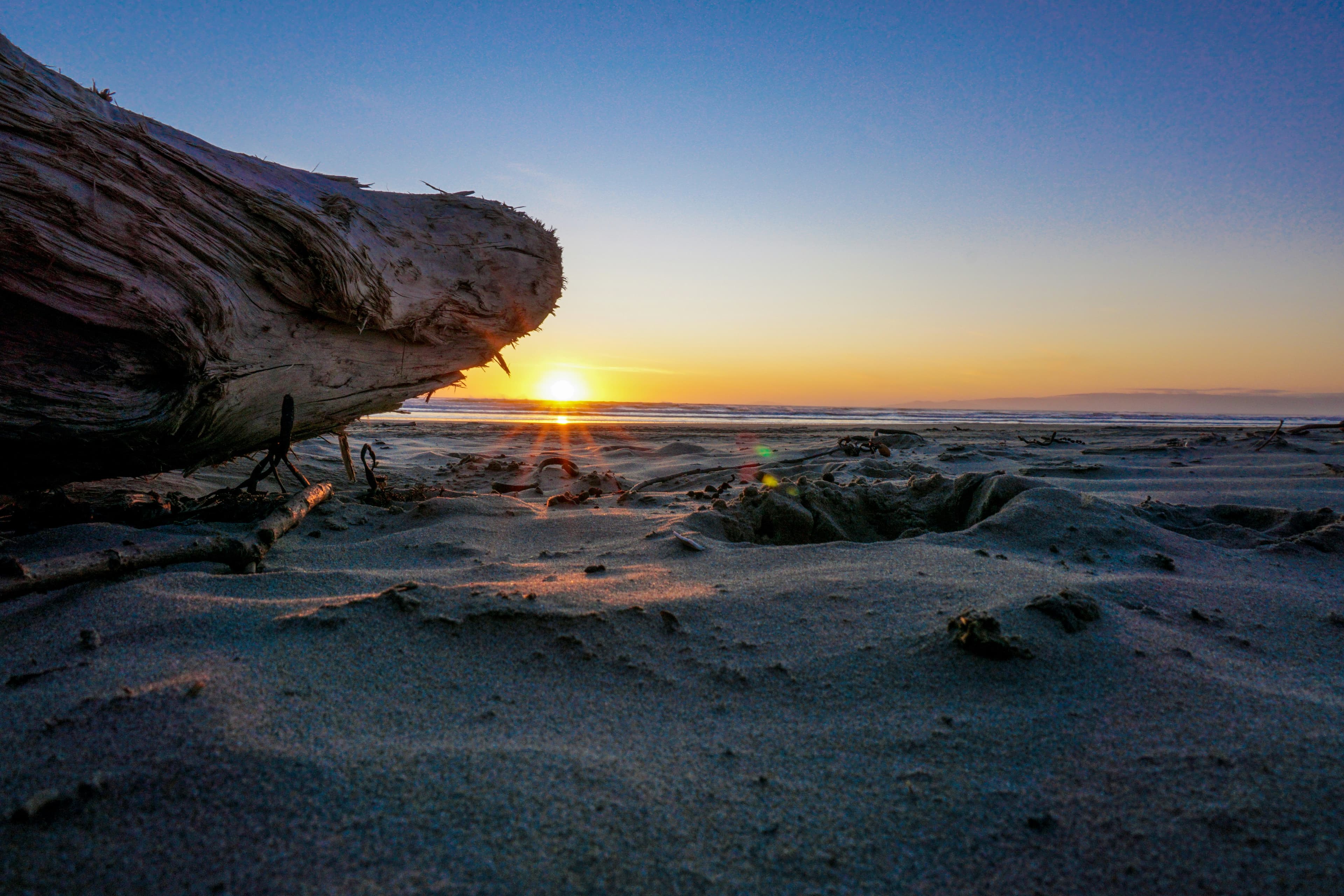
Stewart Island is home to New Zealand's newest national park, Rakiura National Park. The third and most southerly of New Zealand's main islands, Stewart Island is separated from the South Island by the 24-km (15-miles) Foveaux Strait. Its original Māori name, Te Punga O Te Waka a Maui, means "the anchor stone of Maui's canoe." Māori mythology says the island's landmass held the god Maui's canoe secure while he and his crew raised the great fish—the North Island. Today the island is more commonly referred to by its other Māori name, Rakiura, which means "the land of the glowing skies." This refers to the spectacular sunrises and sunsets and to the southern lights, or aurora australis. The European name of Stewart Island dates back to 1809. It memorializes an officer William W. Stewart on an early sealing vessel, the Pegasus, who was the first to chart the island. The island covers some 1,700 square km (650 square miles). It measures about 75 km (46 miles) from north to south and about the same distance across at its widest point. On the coastline, sharp cliffs rise from a succession of sheltered bays and beaches. In the interior, forested hills rise gradually toward the west side of the island. Seals and penguins frequent the coast, and the island's prolific birdlife includes a number of species rarely seen in any other part of the country. In fact, this is the surest place to see a kiwi. The Stewart Island brown kiwi, or tokoeka, is the largest species of this kind of bird. Unlike their mainland cousins, these kiwis can be seen during the day as well as at night. It's a rare and amusing experience to watch these pear-shape birds scampering on a remote beach as they feed on sand hoppers and grubs. Māori have visited Stewart Island for centuries. Archaeologists' studies of 13th-century Māori middens (refuse heaps) indicate that the island was once a rich, seasonal resource for hunting, fishing, and gathering seafood. A commonly eaten delicacy at that time, the titi, also known as the muttonbird, still occasionally appears on menus. In the early 19th century, explorers, sealers, missionaries, and miners settled the island. They were followed by fishermen and sawmillers who established settlements around the edges of Paterson Inlet and Halfmoon and Horseshoe bays. In the 1920s Norwegians set up a whaling enterprise, and many descendants of these seafaring people remain. Fishing, aquaculture, and tourism are now the mainstays of the island's economy. Even by New Zealand standards, Stewart Island is remote, raw, and untouched. The appeal is its seclusion, its relaxed way of life, and its untouched quality. Stewart Island is not for everyone: if you must have shopping malls, casinos, or umbrella drinks on the beach, don't come here. Visitors should be prepared for the fact that Stewart Island can be chilly, windy, and rainy, even in the middle of summer.
About the Ship
Name
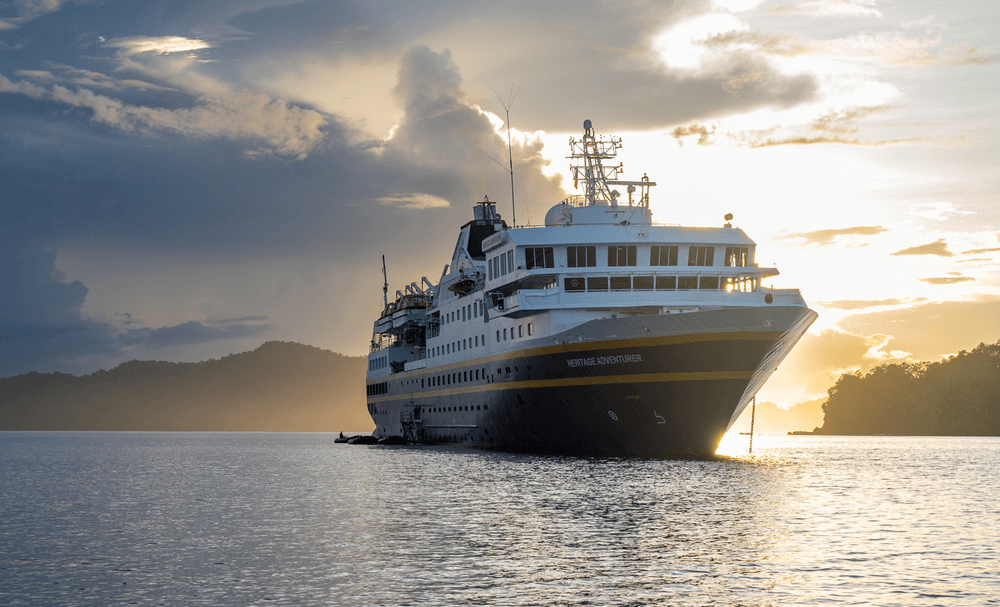
Heritage Adventurer
Operator
Heritage Expeditions

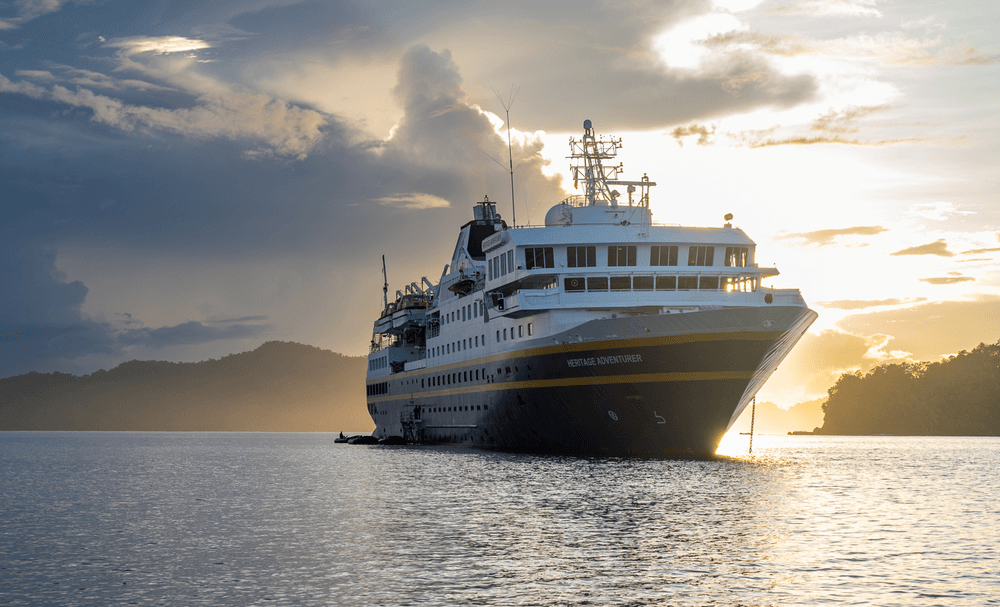
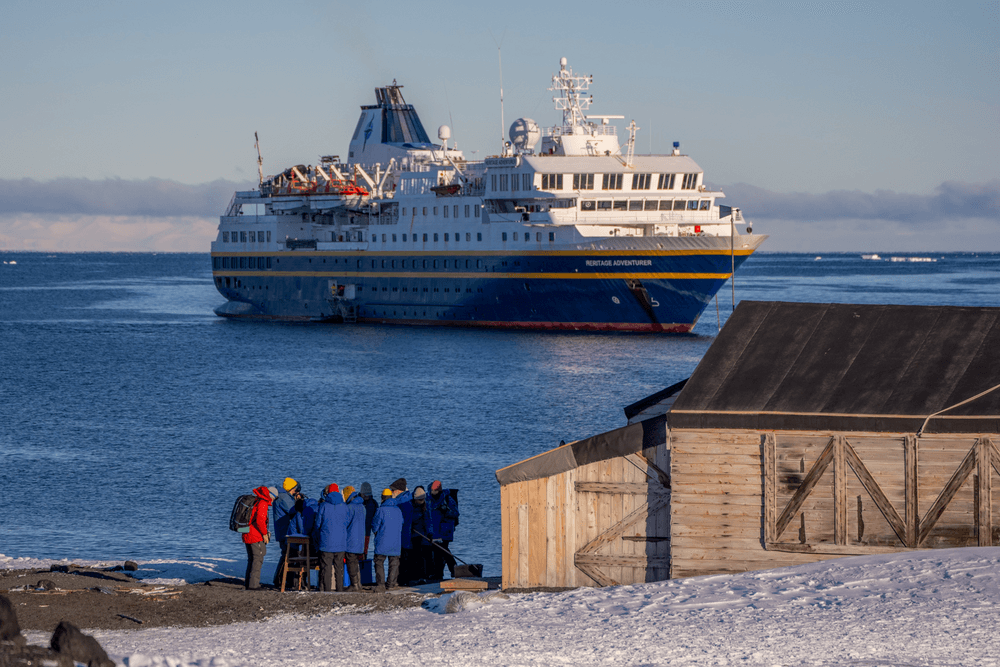
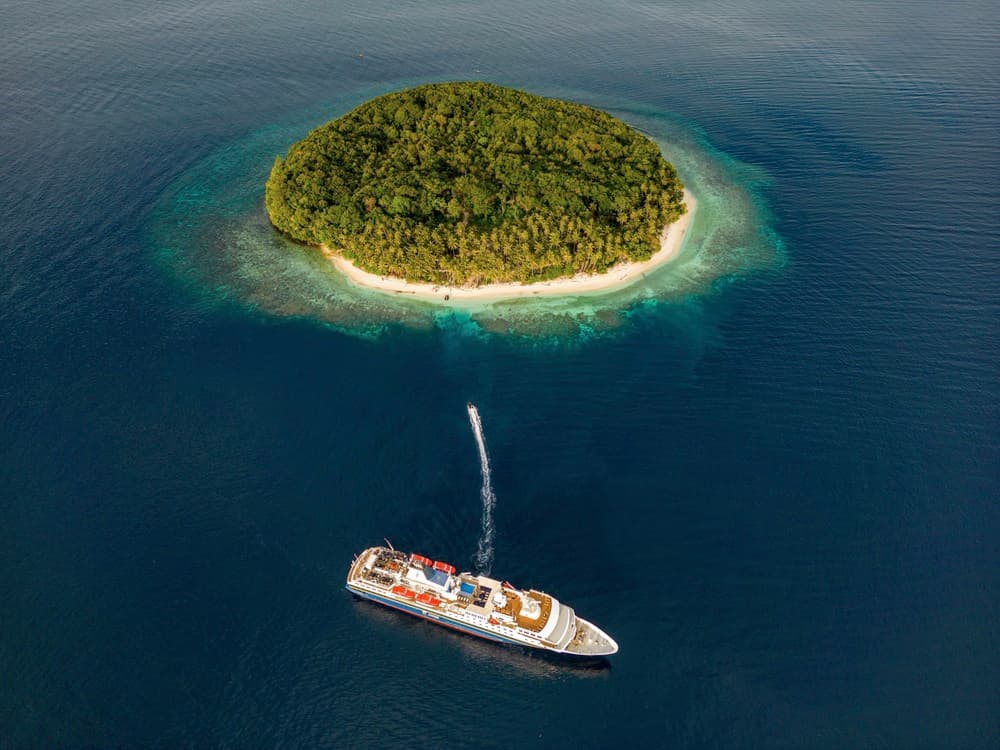
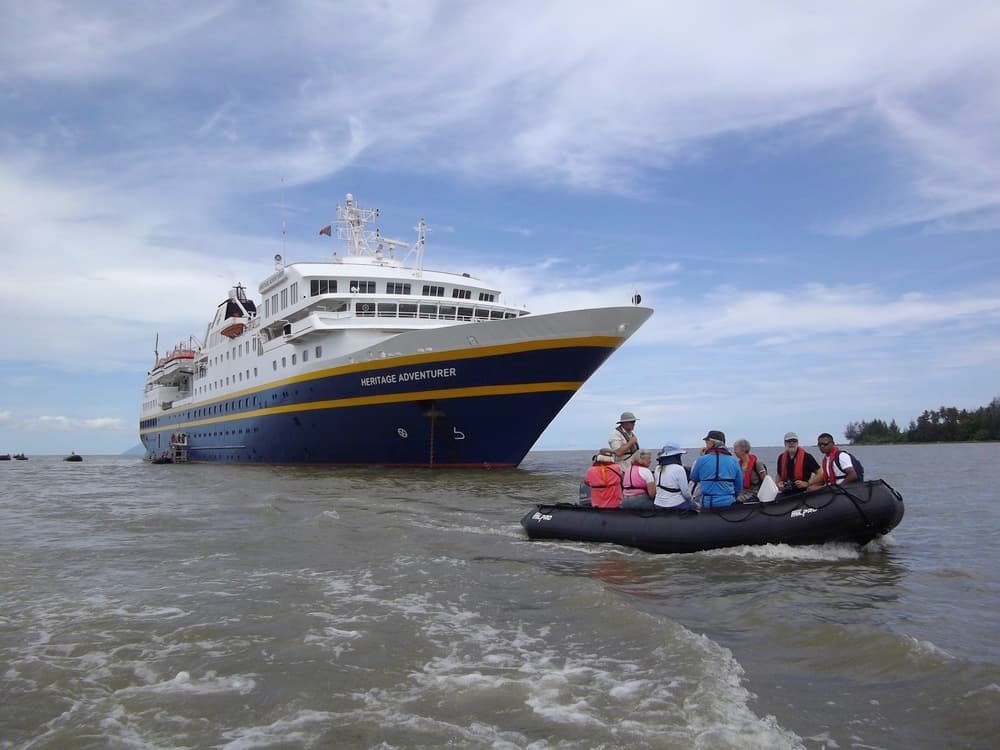
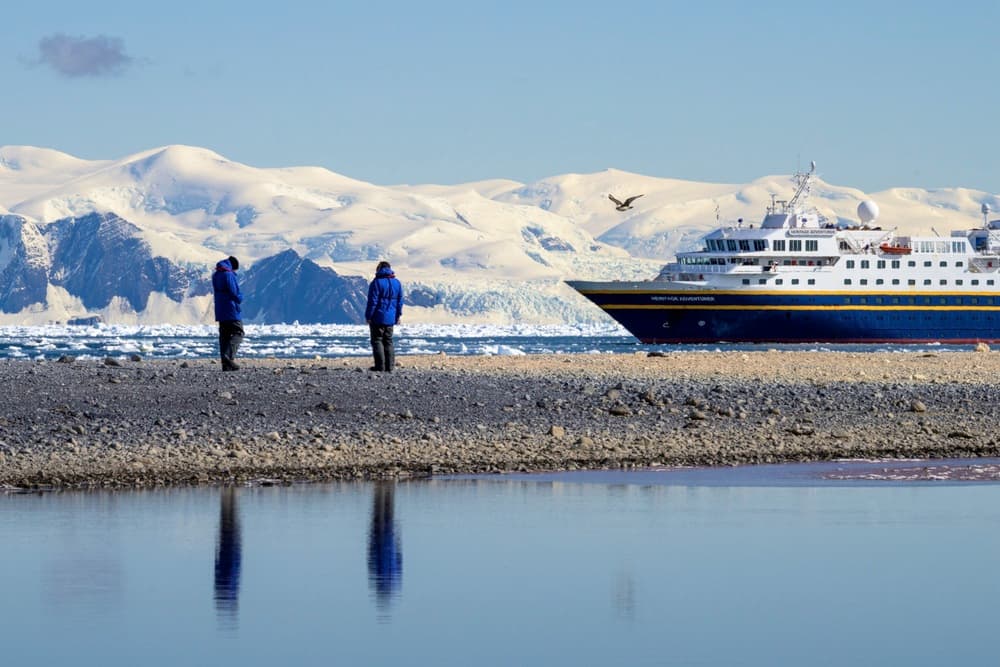
Heritage Adventurer is a true pioneering expedition vessel of exceptional pedigree. Often referred to as the 'Grande Dame of Expedition Cruising' due to her celebrated history and refined design, she was purpose-built for adventure in 1991 at Finland's Rauma shipyard and specifically designed for Polar exploration.
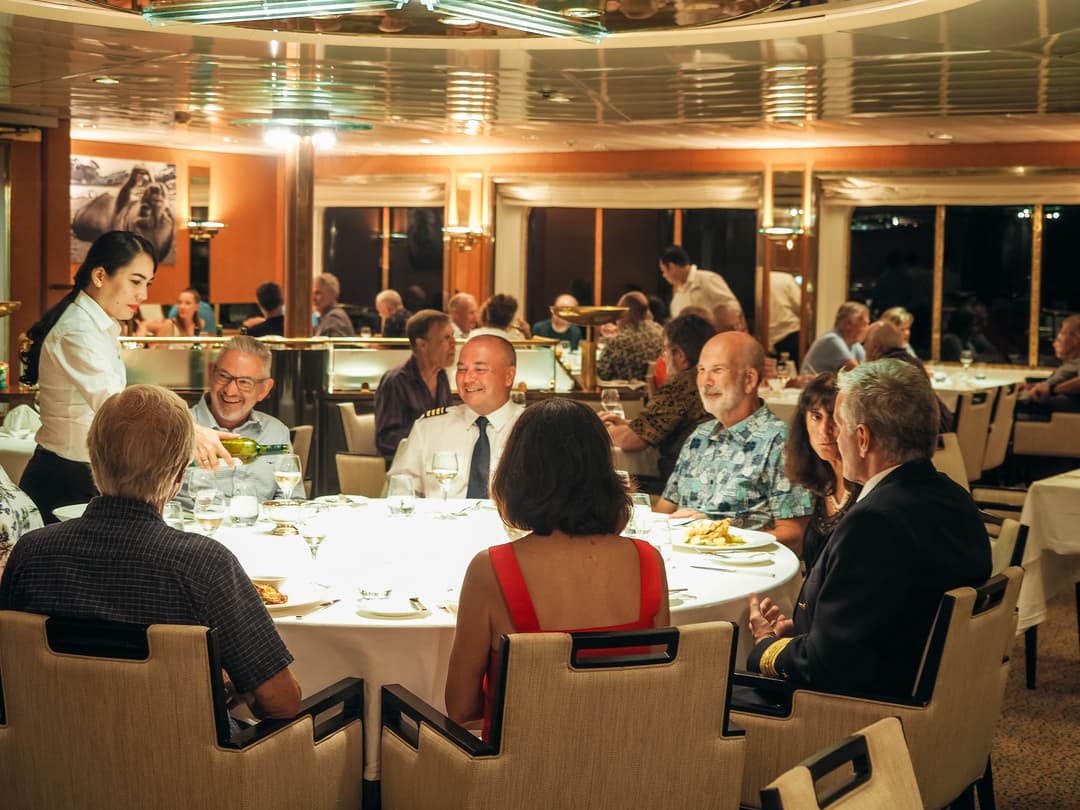
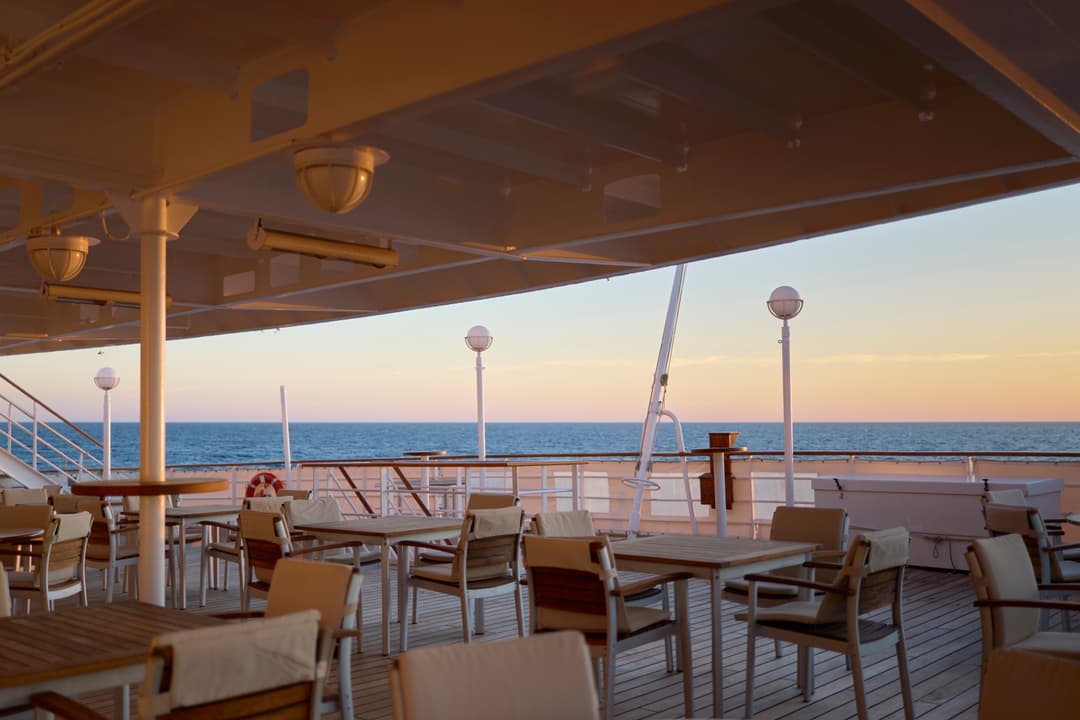
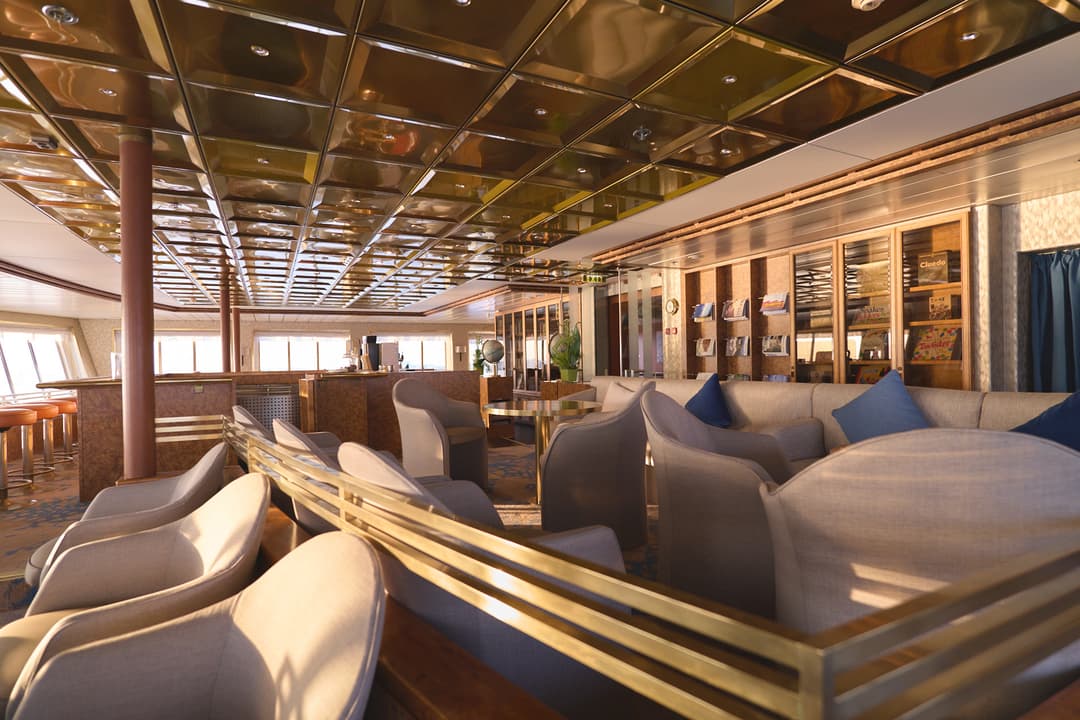
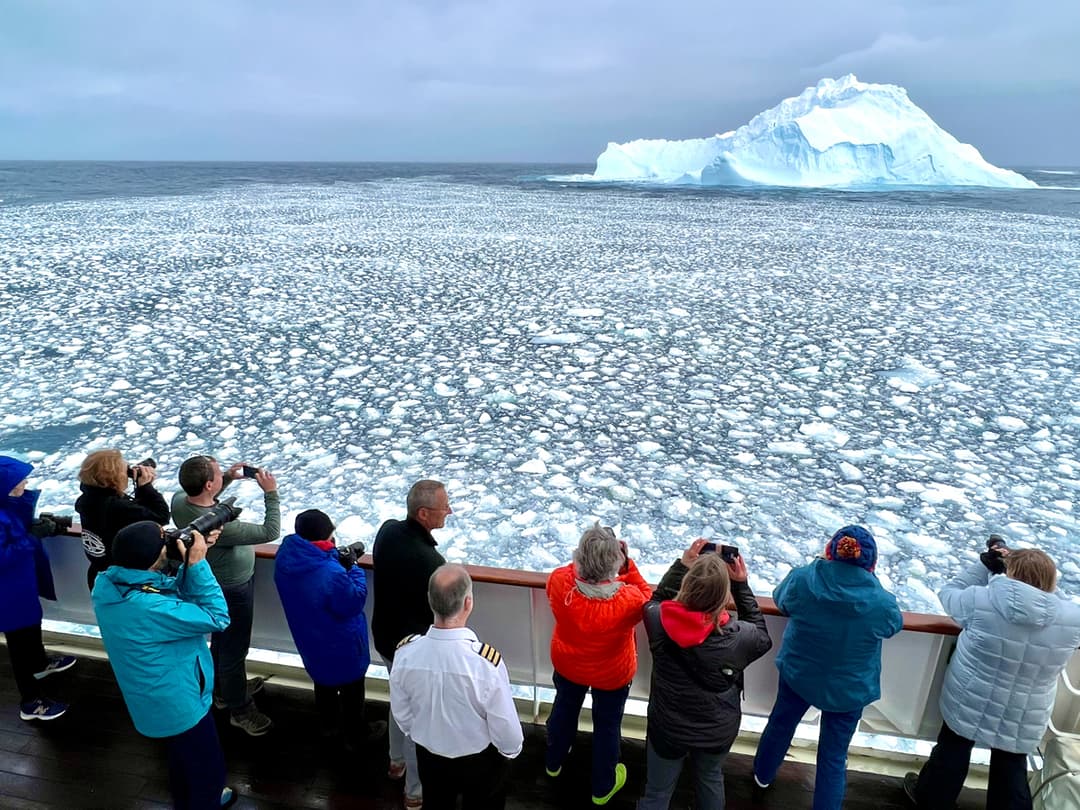
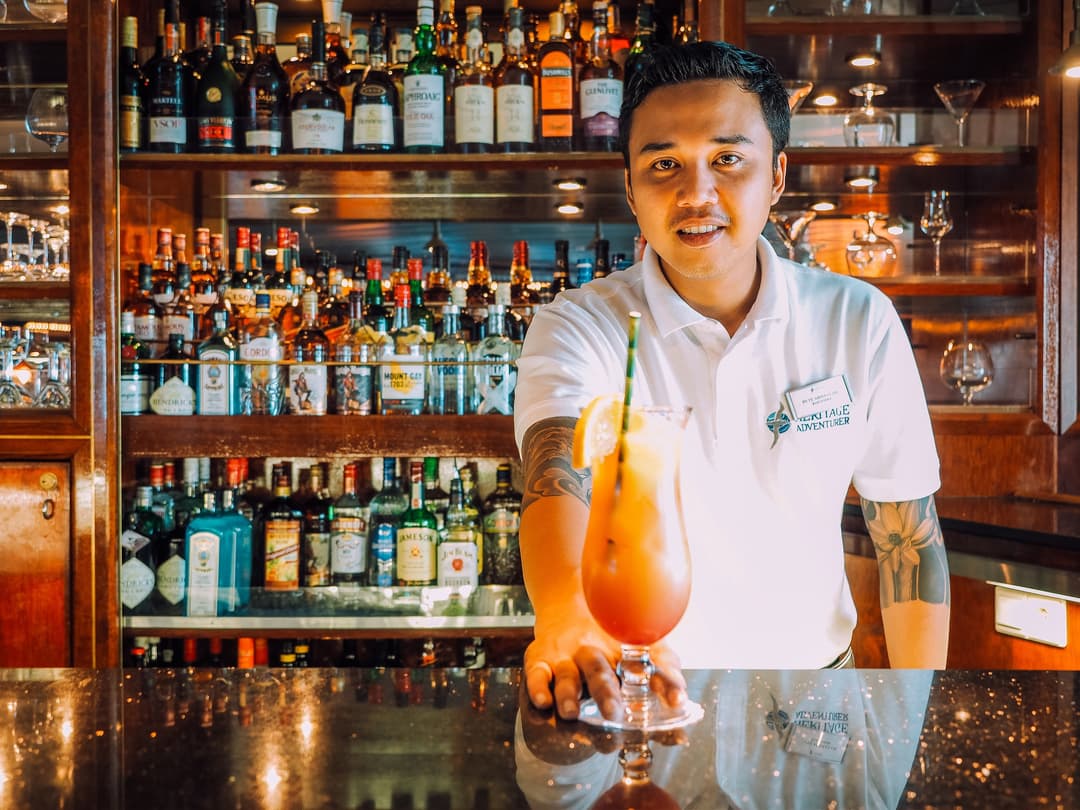
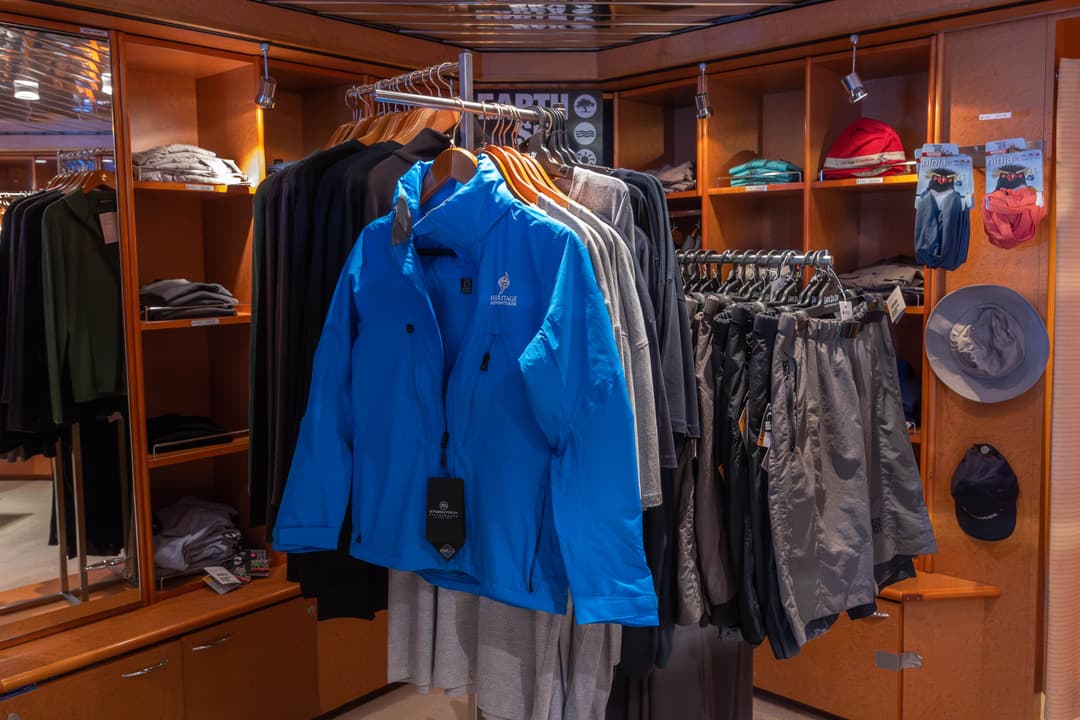
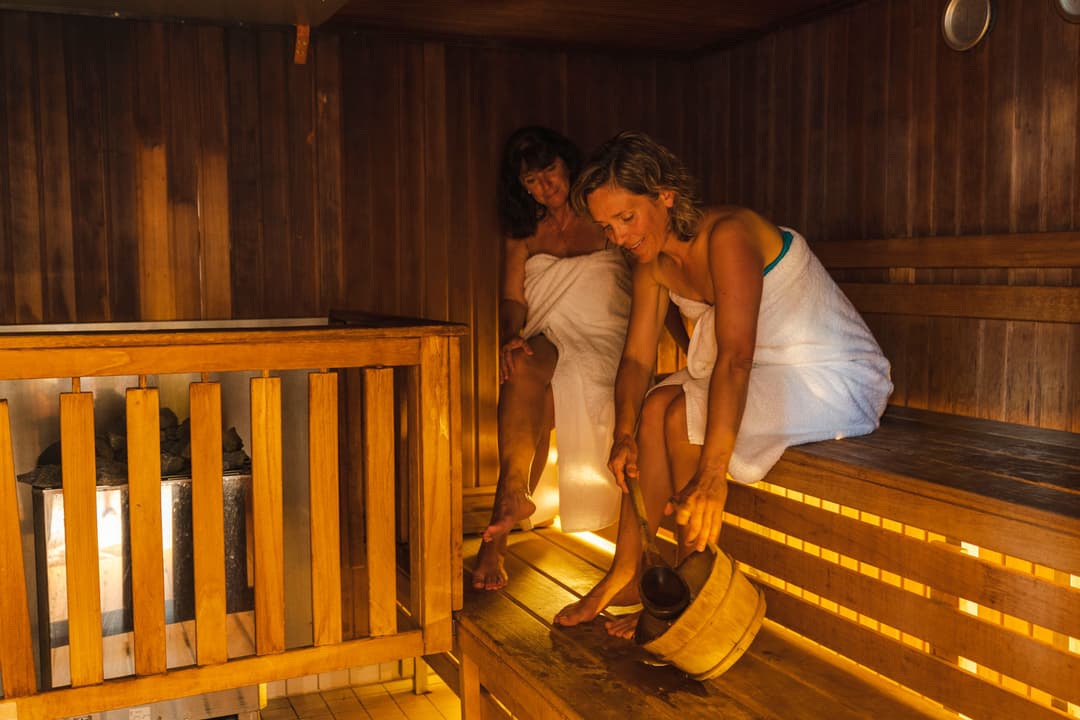
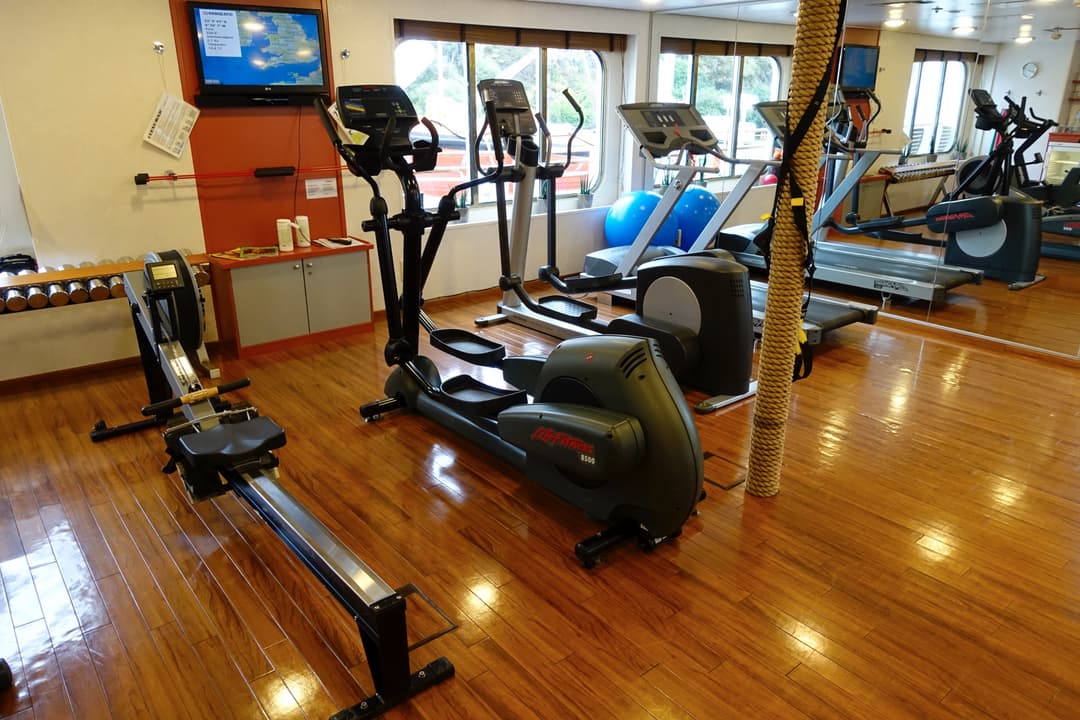
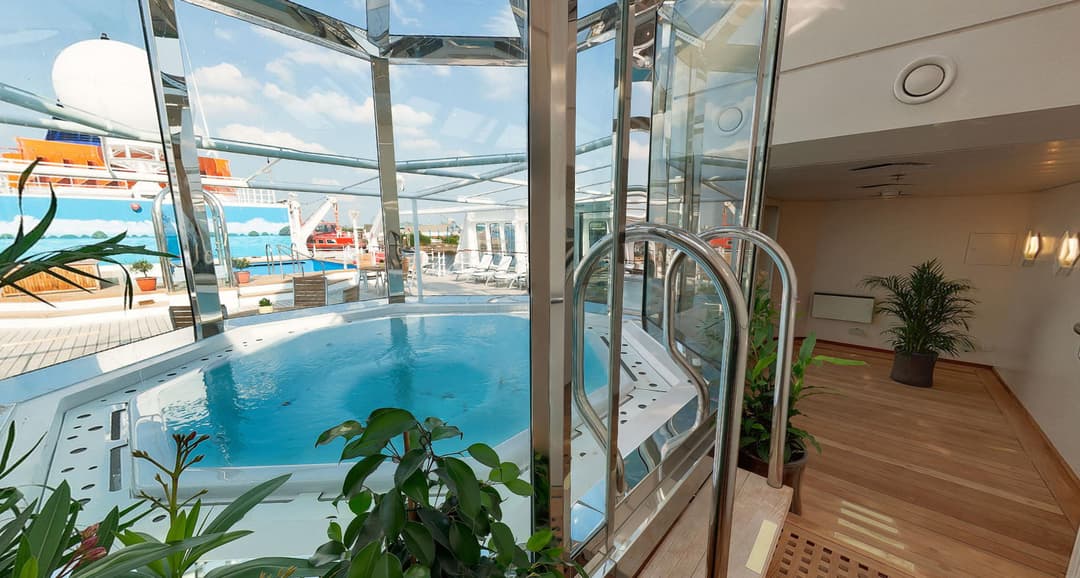

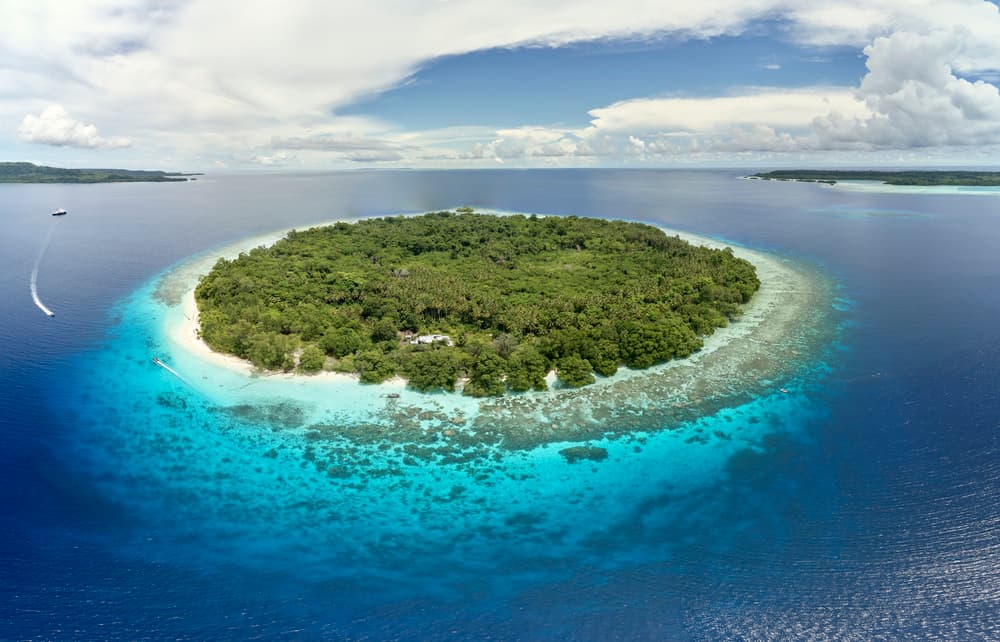
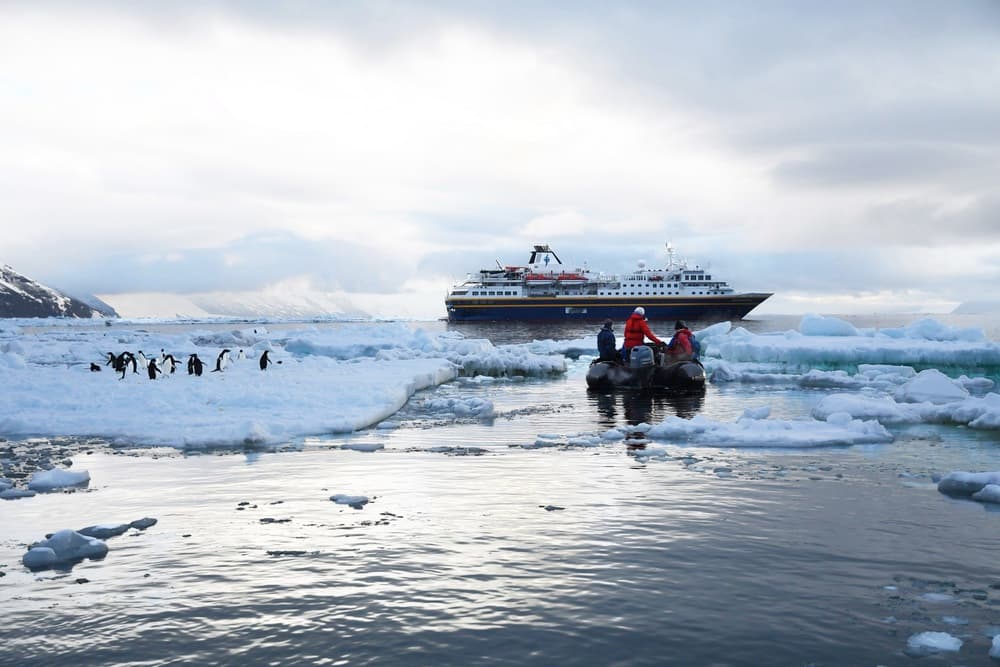
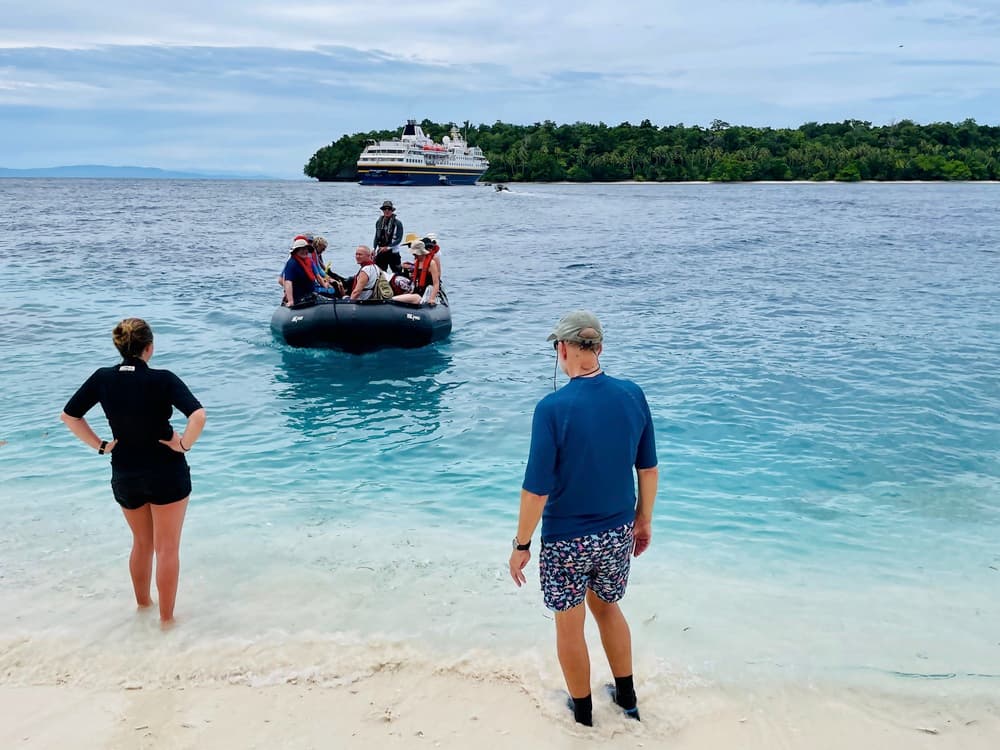
Designed to engage with a wide range of interests, expedition days start early in order to observe wildlife starting their day and make the most of the morning light excellent for photography. Explore by Zodiac safari, on foot, snorkelling and by local transport well off the beaten path, engage in citizen science projects, enjoy thrilling exchanges with remote tribes, visit historic sites and actively support conservation efforts as we follow ....
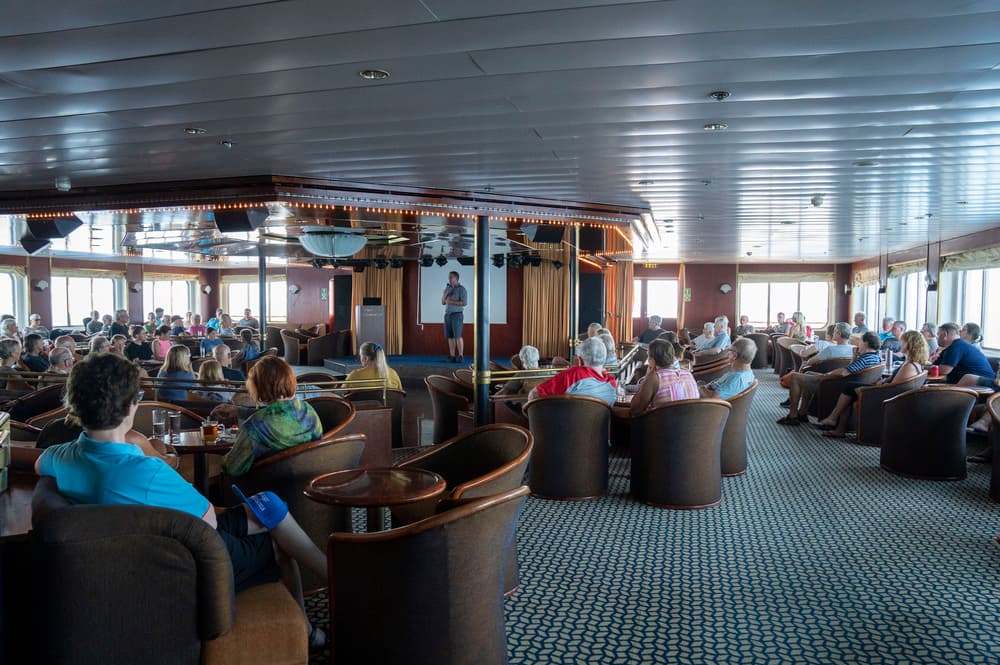
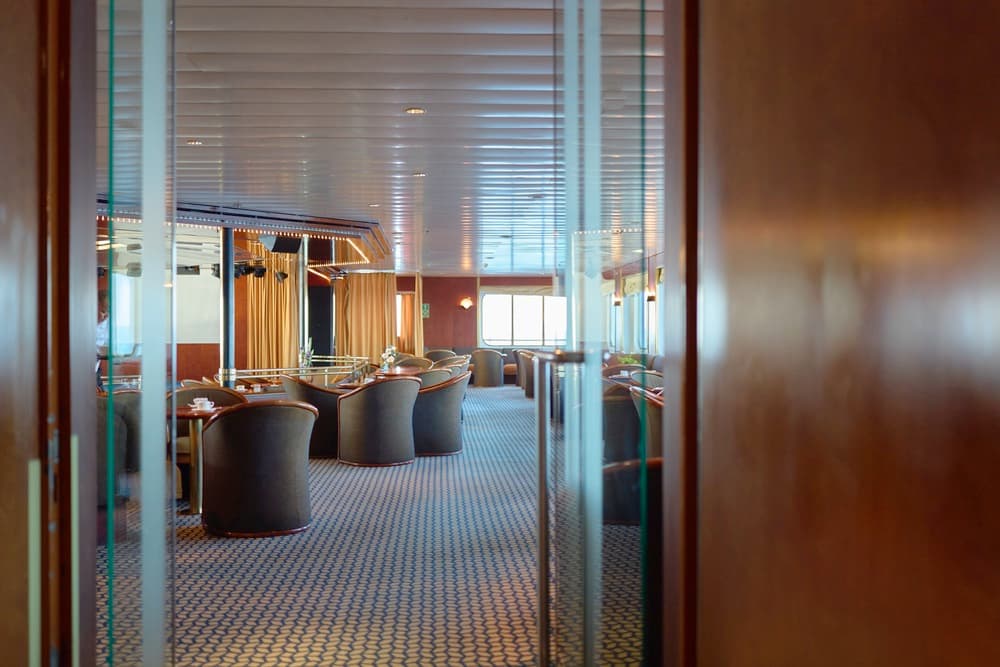
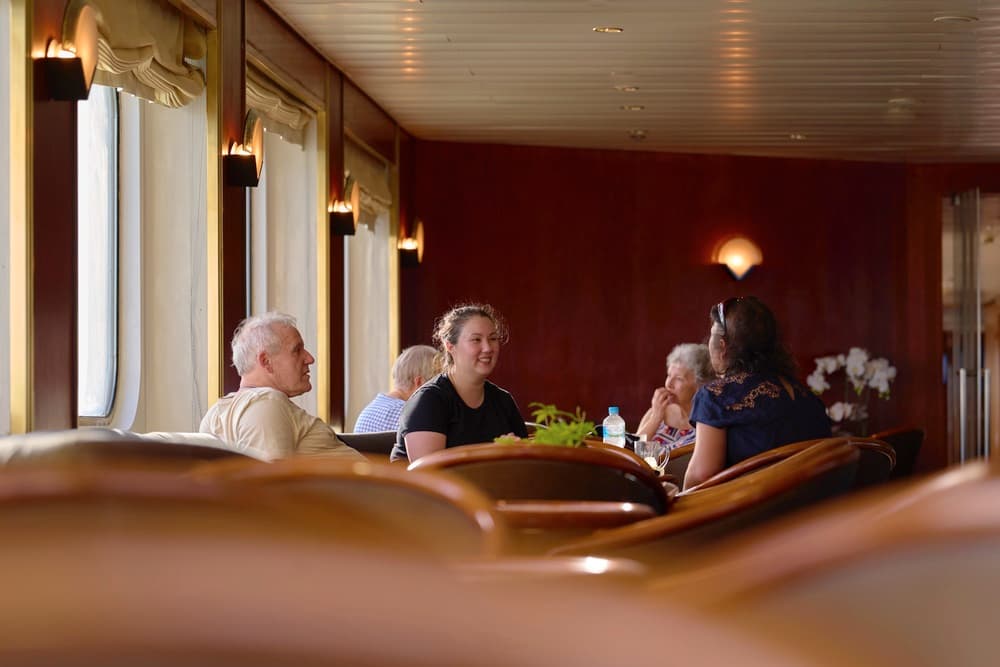
Enjoy informative and entertaining lectures on history, biology, wildlife, and ecology in the comfort of the Presentation Theatre and Bar and Lounge. With state-of-the-art audio-visual equipment, our world-renowned expedition team will bring your adventure to life through interactive presentations and discussions. Hands on activities include learning the art of origami on our Japan voyages, photography workshops, manhauling on our Ross Sea voy....
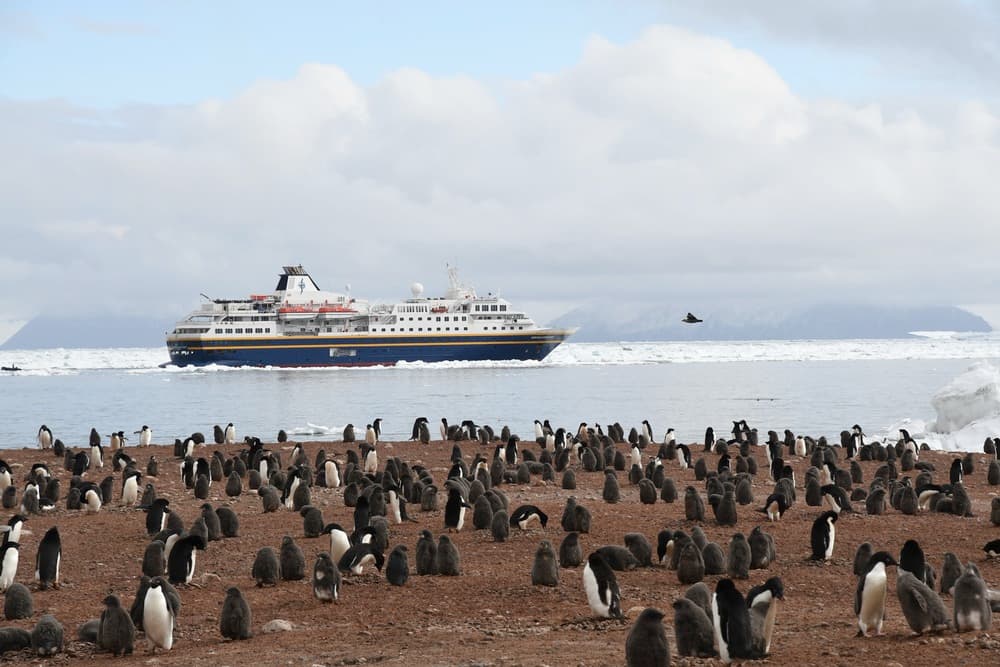
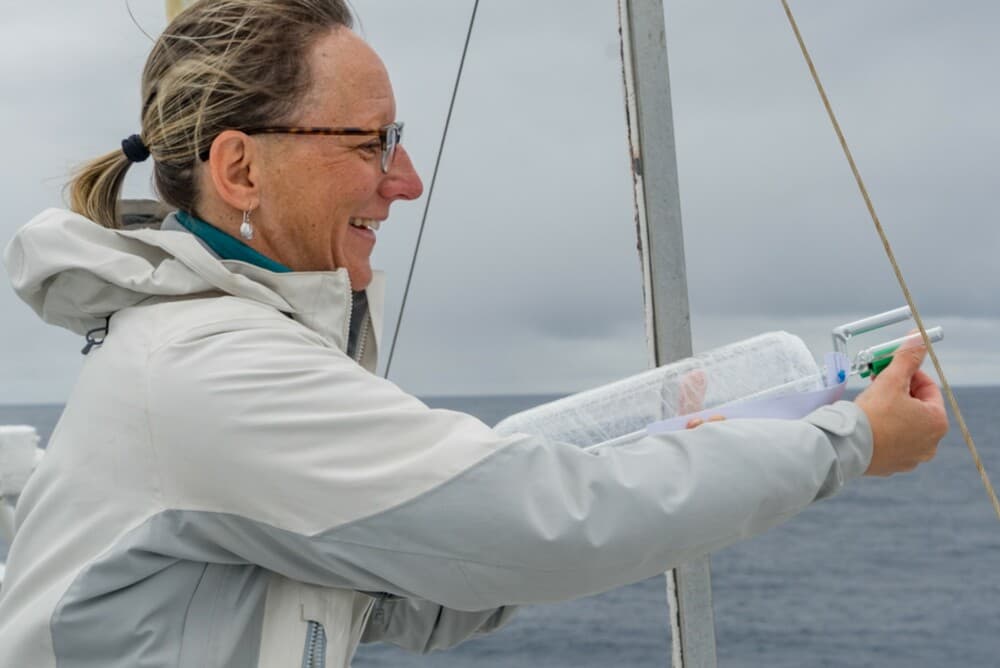
Opportunities to engage in citizen science initiatives occur both on shore and on board. These may include testing water samples, collecting air flask samples, assisting Heritage Expeditions regular professor Tim Flannery searching for new mammal species on remote islands in Indonesia, Papua New Guinea, the Solomon Islands and Vanuatu, collecting penguin bones and shells at the world’s largest and oldest Adelie penguin colony alongside leading....
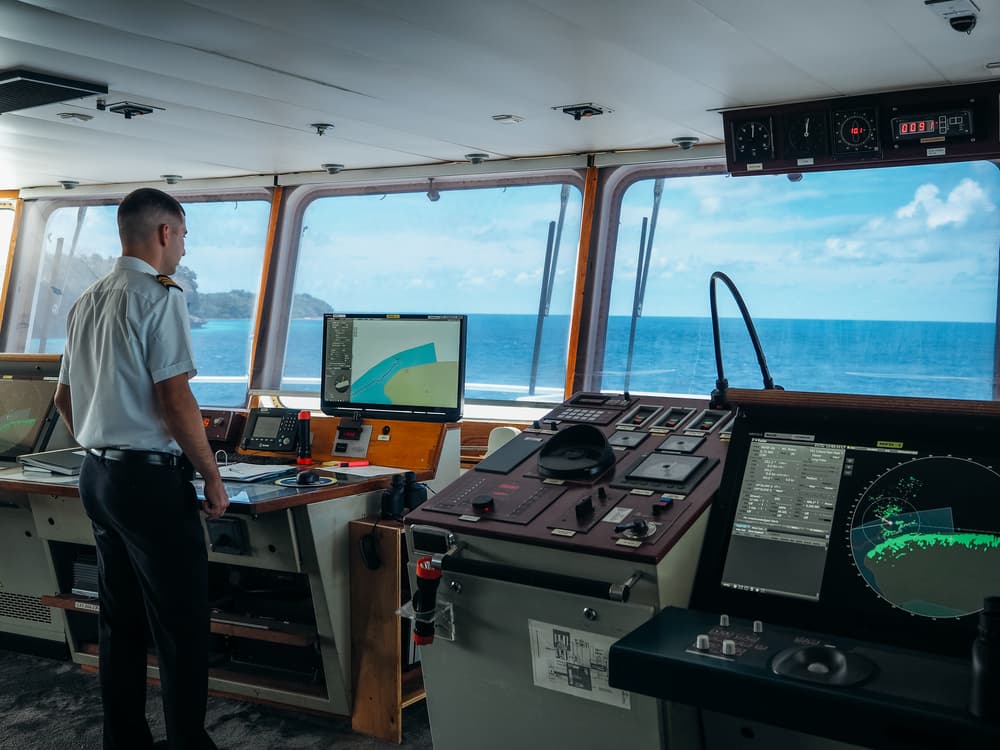
Travelling with Heritage Expeditions is to travel responsibly. As biologists and ornithologists, we are intimately aware of the many issues that confront animals and their habitats, the world's oceans and isolated ethnic groups. We also take action: we actively contribute to the conservation of the places we visit in several ways; we 'buy local' and employ locally; we make sure that travellers are respectful of local customs and traditions; an....
Heritage Adventurer has 20 dedicated single cabins (12 x Main Deck Single Staterooms on Deck 3 and 8 x Superior Single Staterooms on Deck 5). Heritage Adventurer also has the option of guests sharing in our Main Deck Triple (Deck 3) and Superior Triple (Deck 5) Staterooms. There may also be the option to share a Deck 4 or Deck 5 Superior Stateroom with another solo-travelling guest of the same gender. Heritage Explorer has 2 dedicated single c....
Cancellation notices received more than 180 days prior to the Departure Date will be entitled to a full refund less a USD$750.00, AUD $1,080.00, NZD$1,160.00, GBP£585.00 or EUR€715.00. per person $1,080.00, NZD$1,160.00, GBP£585.00 or EUR€715.00. per person administration fee. If the cancellation notice is received within 179 and 91 days* of the Departure Date, the full deposit will be forfeited. If the cancellation notice is received within 9....