EXPEDITION CRUISE

Antarctic Peninsula Expedition Cruise, Including South Shetland Islands

CRUISE ID # HERITAGEHD271122

Ushuaia TO Ushuaia
Antarctic Peninsula Expedition Cruise, Including South Shetland Islands
Join expedition cruise pioneers Heritage Expeditions on an 11 or 12-day authentic expedition cruise exploring the wild, pristine beauty of Antarctica and the South Shetland Islands. Delving deep into the frozen wilderness of Antarctica, this extraordinary voyage will transport you to a world like no other, exploring some of the most isolated and breathtaking landscapes on Earth, where wildlife thrives, and history abounds. This is one of the best Antarctica cruises and Antarctic Peninsula cruises available, and widely regarded as one of the best Antarctica expedition cruise itineraries on offer today.

(Note: voyages departing 22 November and 2 December are 12 days, while 12 December and 10 January departures are 11 days. )Travelling with Heritage Expeditions, the world's most experienced Southern Ocean operators, you will benefit from our more than 35 years of experience exploring Antarctica. Travel is aboard the ice-strengthened Heritage Discoverer, crewed by some of the world's most experienced officers and sailors, and supported by an industry-leading, passionate and knowledgeable expedition team.

It is a true small ship Antarctica cruise, backed by one of the most trusted names in Antarctica cruise line history. Your adventure begins in the world's southernmost city, Ushuaia, known as the 'end of the world'. Wave goodbye to the rugged beauty of Patagonia before we sail through the Antarctic Convergence; expect to see an increase in whale activity along with a wealth of birdlife feeding in these nutrient-rich waters.

The perfect starting point for any Antarctica cruise from Ushuaia. Crossing the legendary Drake Passage cements your place among the mariners who have navigated these famous waters, before arriving in Antarctica. A rite of passage for any Drake Passage cruise.

Here we have 4 or 5 days, each with more than 20-hours of daylight to maximise our Antarctica expedition as we explore the surreal, unrestrained beauty of the Frozen Continent. The South Shetland Islands offer an incredible warm-up before stepping on the White Continent. There is much to see and do here, and we will be maximising every opportunity in true Heritage Expeditions' style, exploring iconic sights and sites, making it a highlight of any South Shetland Islands cruise.

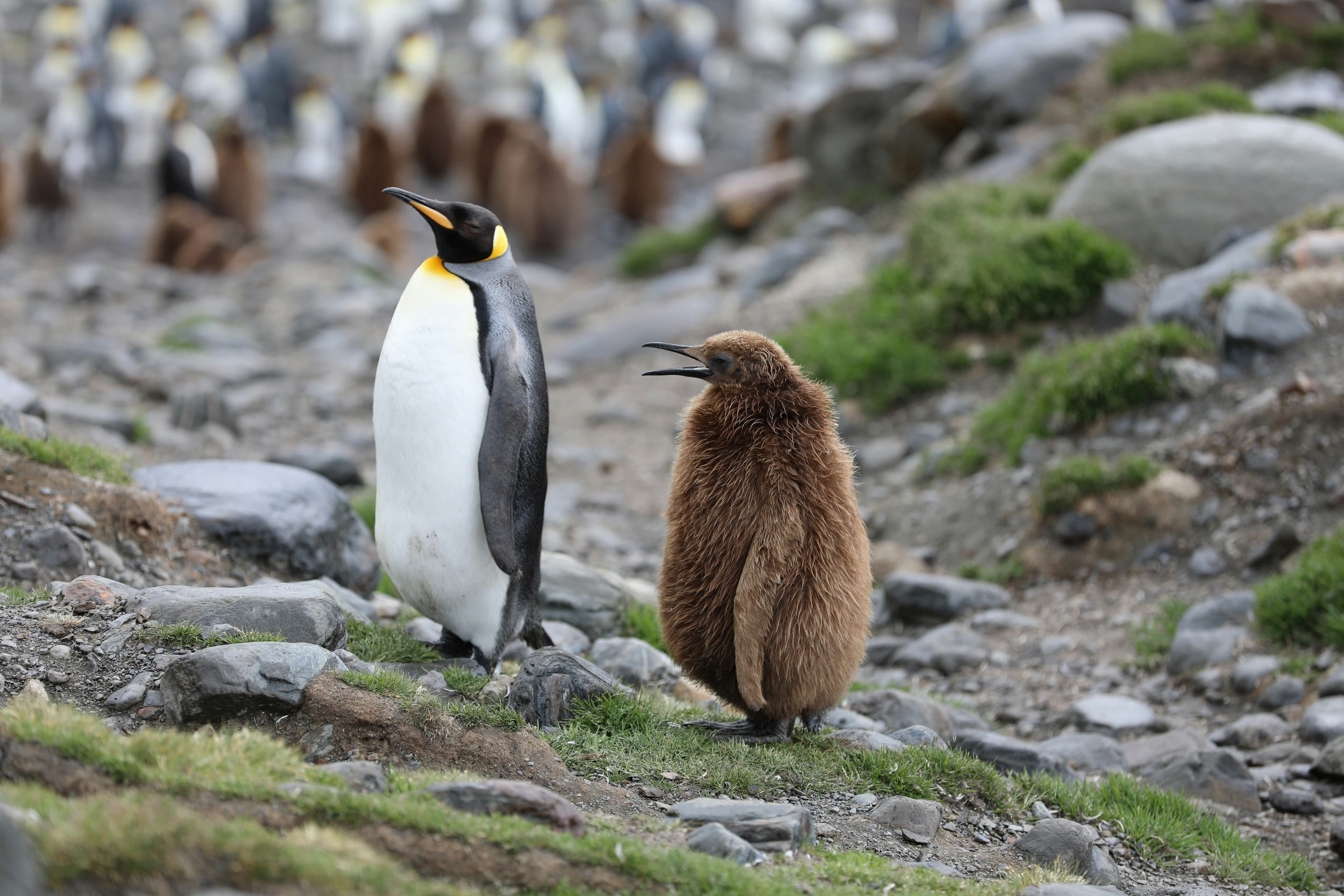
Our voyage is timed to coincide with the arrival of the breeding season when wildlife is at its most active. Our adventure includes iconic highlights, penguin rookeries, towering glaciers and secluded beaches, all while being dwarfed by nature, surrounded by diverse wildlife and following in the footsteps of heroic explorers. An unforgettable Antarctic Peninsula wildlife cruise experience, and one of the best Antarctica penguin cruise itineraries available.

There are many ways to explore this otherworldly paradise, and we will make full use of our time here, with daily landings, hikes, Zodiac excursions and ship cruises all part of our adventure. Every Zodiac cruise Antarctica offers is different, and ours are led by some of the most experienced guides in the business. Gaze in awe at glaciers, icebergs and towering peaks in constantly changing light, ideal for photographers wanting to capture the beauty of this expansive region, or for those wishing to soak it all in from the deck, observation lounge and your stateroom or suite during the long hours of daylight.

Join Heritage Expeditions on our incomparable Antarctic Peninsula Cruise, including the South Shetland Islands, and experience the raw beauty, remarkable wildlife and timeless history exploring the wild and remote reaches of Antarctica and the Southern Ocean.  This voyage includes the option to join sea kayaking excursions with an expert guide. Kayaking around the South Shetland Islands and Antarctic Peninsula offers a once-in-a-lifetime opportunity to explore a wide array of habitats beyond the reach of our Zodiacs.

A rare Antarctica cruise kayaking opportunity not to be missed. Please Note: HD271212 & HD280110 are 11 days and spend one day less in Antarctica
TRIP STARTS ON
November 21, 2027
SHIP SAILS ON
November 22, 2027
HOTEL NIGHTS
Pre-Cruise: 1, Post-Cruise: 0
SHIP
Heritage Discoverer
TRIP ENDS ON
December 03, 2027
STOPS
12 Stops, 2 Countries
CRUISE NIGHTS
11
OPERATOR
Heritage Expeditions
FROM: 

$13,650

WITH SPECIAL SAVINGS APPLIED

FARES SHOWN ARE PER GUEST

Suites & Fares

CHOOSE START DATE 

: November 22, 2027

 
STEP 1: CHOOSE YOUR PREFERRED DEAL
Cruise Fare
View Suites

Itinerary

12 Ports
2 Countries
Day
One
Arrival
November 21, 2027
Port
Pre-Cruise Night

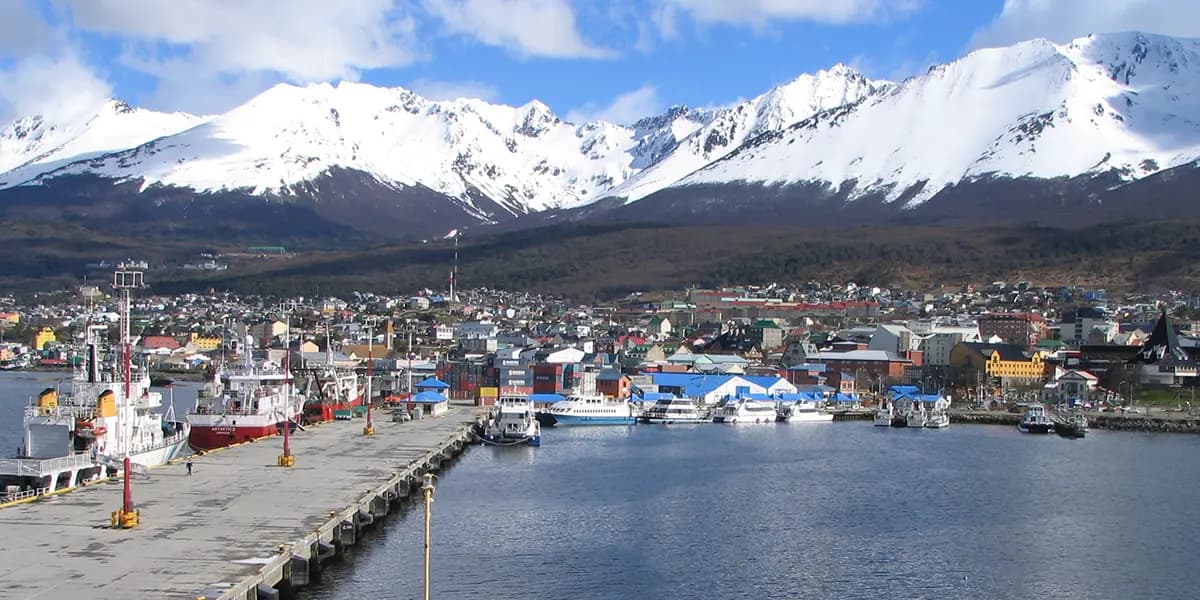
At 55 degrees latitude south, Ushuaia (pronounced oo-swy-ah) is closer to the South Pole than to Argentina's northern border with Bolivia. It is the capital and tourism base for Tierra del Fuego, the island at the southernmost tip of Argentina.Although its stark physical beauty is striking, Tierra del Fuego's historical allure is based more on its mythical past than on rugged reality. The island was inhabited for 6,000 years by Yámana, Haush, Selk'nam, and Alakaluf Indians. But in 1902 Argentina, eager to populate Patagonia to bolster its territorial claims, moved to initiate an Ushuaian penal colony, establishing the permanent settlement of its most southern territories and, by implication, everything in between.When the prison closed in 1947, Ushuaia had a population of about 3,000, made up mainly of former inmates and prison staff. Today the Indians of Darwin's "missing link" theory are long gone—wiped out by diseases brought by settlers and by indifference to their plight—and the 60,000 residents of Ushuaia are hitching their star to tourism.The city rightly (if perhaps too loudly) promotes itself as the southernmost city in the world (Puerto Williams, a few miles south on the Chilean side of the Beagle Channel, is a small town). You can make your way to the tourism office to get your clichéd, but oh-so-necessary, "Southernmost City in the World" passport stamp. Ushuaia feels like a frontier boomtown, at heart still a rugged, weather-beaten fishing village, but exhibiting the frayed edges of a city that quadrupled in size in the '70s and '80s and just keeps growing. Unpaved portions of Ruta 3, the last stretch of the Pan-American Highway, which connects Alaska to Tierra del Fuego, are finally being paved. The summer months (December through March) draw more than 120,000 visitors, and dozens of cruise ships. The city is trying to extend those visits with events like March's Marathon at the End of the World and by increasing the gamut of winter activities buoyed by the excellent snow conditions.A terrific trail winds through the town up to the Martial Glacier, where a ski lift can help cut down a steep kilometer of your journey. The chaotic and contradictory urban landscape includes a handful of luxury hotels amid the concrete of public housing projects. Scores of "sled houses" (wooden shacks) sit precariously on upright piers, ready for speedy displacement to a different site. But there are also many small, picturesque homes with tiny, carefully tended gardens. Many of the newer homes are built in a Swiss-chalet style, reinforcing the idea that this is a town into which tourism has breathed new life. At the same time, the weather-worn pastel colors that dominate the town's landscape remind you that Ushuaia was once just a tiny fishing village, snuggled at the end of the Earth.As you stand on the banks of the Canal Beagle (Beagle Channel) near Ushuaia, the spirit of the farthest corner of the world takes hold. What stands out is the light: at sundown the landscape is cast in a subdued, sensual tone; everything feels closer, softer, and more human in dimension despite the vastness of the setting. The snowcapped mountains reflect the setting sun back onto a stream rolling into the channel, as nearby peaks echo their image—on a windless day—in the still waters.Above the city rise the last mountains of the Andean Cordillera, and just south and west of Ushuaia they finally vanish into the often-stormy sea. Snow whitens the peaks well into summer. Nature is the principal attraction here, with trekking, fishing, horseback riding, wildlife spotting, and sailing among the most rewarding activities, especially in the Parque Nacional Tierra del Fuego (Tierra del Fuego National Park).

At 55 degrees latitude south, Ushuaia (pronounced oo-swy-ah) is closer to the South Pole than to Argentina's northern border with Bolivia. It is the capital and tourism base for Tierra del Fuego, the island at the southernmost tip of Argentina.Although its stark physical beauty is striking, Tierra del Fuego's historical allure is based more on its mythical past than on rugged reality. The island was inhabited for 6,000 years by Yámana, Haush, Selk'nam, and Alakaluf Indians. But in 1902 Argentina, eager to populate Patagonia to bolster its territorial claims, moved to initiate an Ushuaian penal colony, establishing the permanent settlement of its most southern territories and, by implication, everything in between.When the prison closed in 1947, Ushuaia had a population of about 3,000, made up mainly of former inmates and prison staff. Today the Indians of Darwin's "missing link" theory are long gone—wiped out by diseases brought by settlers and by indifference to their plight—and the 60,000 residents of Ushuaia are hitching their star to tourism.The city rightly (if perhaps too loudly) promotes itself as the southernmost city in the world (Puerto Williams, a few miles south on the Chilean side of the Beagle Channel, is a small town). You can make your way to the tourism office to get your clichéd, but oh-so-necessary, "Southernmost City in the World" passport stamp. Ushuaia feels like a frontier boomtown, at heart still a rugged, weather-beaten fishing village, but exhibiting the frayed edges of a city that quadrupled in size in the '70s and '80s and just keeps growing. Unpaved portions of Ruta 3, the last stretch of the Pan-American Highway, which connects Alaska to Tierra del Fuego, are finally being paved. The summer months (December through March) draw more than 120,000 visitors, and dozens of cruise ships. The city is trying to extend those visits with events like March's Marathon at the End of the World and by increasing the gamut of winter activities buoyed by the excellent snow conditions.A terrific trail winds through the town up to the Martial Glacier, where a ski lift can help cut down a steep kilometer of your journey. The chaotic and contradictory urban landscape includes a handful of luxury hotels amid the concrete of public housing projects. Scores of "sled houses" (wooden shacks) sit precariously on upright piers, ready for speedy displacement to a different site. But there are also many small, picturesque homes with tiny, carefully tended gardens. Many of the newer homes are built in a Swiss-chalet style, reinforcing the idea that this is a town into which tourism has breathed new life. At the same time, the weather-worn pastel colors that dominate the town's landscape remind you that Ushuaia was once just a tiny fishing village, snuggled at the end of the Earth.As you stand on the banks of the Canal Beagle (Beagle Channel) near Ushuaia, the spirit of the farthest corner of the world takes hold. What stands out is the light: at sundown the landscape is cast in a subdued, sensual tone; everything feels closer, softer, and more human in dimension despite the vastness of the setting. The snowcapped mountains reflect the setting sun back onto a stream rolling into the channel, as nearby peaks echo their image—on a windless day—in the still waters.Above the city rise the last mountains of the Andean Cordillera, and just south and west of Ushuaia they finally vanish into the often-stormy sea. Snow whitens the peaks well into summer. Nature is the principal attraction here, with trekking, fishing, horseback riding, wildlife spotting, and sailing among the most rewarding activities, especially in the Parque Nacional Tierra del Fuego (Tierra del Fuego National Park).

Day
Four
Arrival
November 24, 2027
Port
Day at Sea
Day
Five
Arrival
November 25, 2027
Port
Day at Sea

Summer in Antarctica is especially magical, pairing long clear days with an abundance of wildlife and spectacular lighting. Even the most novice photographer can't help but take exceptional photos with the low hanging sun creating epic sunrises and sunsets, washing icebergs, ice, sea and sky in vivid colours. (Please note: 12 December and 10 January departures spend 4 days in Antarctica) Our voyage is timed to coincide with the breeding season, when Antarctica's wildlife converges in full force and mating behaviours at chaotic penguin cities can be observed. Icebergs, frequently clad with Chinstrap, Gentoo and Adélie Penguins, are at their most captivating. Landings here are frequent, maximising the long daylight hours and the opportunities they present are eventful, occasionally unexpected and always exciting. We have 4 or 5 days, each with more than 20-hours of daylight, to explore multiple historic and wildlife-rich landing sites, hidden bays, quiet coves and walk on the ice and snow of the Seventh Continent. Prepare to be dwarfed by nature as we discover alien landscapes and elaborate icescapes of unimaginable beauty carved by wind and waves, expedition cruising the South Shetland Islands, Antarctic Sound and south through the famed Lemaire Channel. Look for, and walk among Gentoo, Chinstrap and Adélie Penguins; Weddell, Leopard and Crabeater Seals; in the water, Humpback and Minke Whales fill these important feeding grounds along with Orca. Birders can gaze skywards for Cape, Storm and Snow Petrels, our constant companions while in Antarctica, along with predatory Antarctic Skua and the curious, ground dwelling Snowy Sheathbill – the only bird in Antarctica without webbed feet. While specific landings cannot be guaranteed, they could include the following, and many other exciting opportunities: Half Moon Island Enjoy your first taste of Antarctica before we officially step foot on the continent, exploring this crescent-shaped island nestled between Livingston and Greenwich Islands at the entrance to Moon Bay. A designated Important Bird Area, Half Moon Island is a vital breeding site for Antarctic Terns, Blue-eyed Shags, Chinstrap and Gentoo Penguins and Wilson's Storm Petrel, while lone vagrant Macaroni Penguins have occasionally been observed along its pebbled beaches. Zodiac cruise along rugged cliffs, spot Antarctic Fur, Elephant and Weddell Seals and the wreck of an old whaling boat littered with whale bones. Enjoy the short but rewarding hike up a small hill for stunning views across jostling icebergs in McFarlane Strait and the frozen expanse of vast glaciers on Livingston Island. An incredibly memorable Half Moon Island cruise stop. Brown Bluff This scenic setting in the Antarctic Sound, which marries sheer stone walls, fallen boulders and ice capped peaks, is the location of a large, bustling Adélie Penguin rookery, where Gentoo Penguins and Snow Petrels can also be observed. Brown Bluff also offers excellent views of the pink-tinged Madder Cliffs in Kinnes Cove. Cierva Cove A visit to Cierva Cove is sure to be a highlight as you weave through this magnificent body of water, navigating astounding calved icebergs and ice sculptures, set to the soundtrack of pops and crackles as air bubbles trapped for millennia escape the brash ice surrounding your Zodiac. Cutting deep into the spine of the Antarctic Peninsula, if we are lucky, we may see huge slabs of ice sliding down the 1,300-metre mountain chain. Ten species of birds breed here, including a Chinstrap Penguin colony; Humpback Whales are regular visitors, and the plant life includes mosses (Drepanocladus uncinatus), turf (Polytrichum alpestre) and Antarctic hair grass (Deschampsia antarctica). The Argentine research station Base Primavera is also located here. The Cierva Cove Antarctica experience is one of the highlights guests talk about long after they're home. Petermann Island Petermann Island might be small, at just 1 kilometre long, but this volcanic outpost boasts some incredible features. More than half the island is covered by a permanent icecap, and the island is both Antarctica's northernmost Adélie Penguin colony and southernmost Gentoo colony. It's also the wintering site of renowned French Explorer Captain Jean-Baptiste Charcot's second French Antarctic Expedition (1908–1910) aboard his aptly named ship Pourquoi-Pas? (Why Not?). Anchoring in a cove he named Port Circumcision, Charcot carried out extensive scientific, cartographic, and biological research and left behind a number of artefacts still visible today, including the letters 'PP' engraved in stone. An Argentine refuge hut and commemorative cross signifying the deaths of three members of the British Antarctic Survey in 1982 can also be found on the island. Port Lockroy, Goudier Island Location of the famed Penguin Post Office, the world's southernmost post office, Port Lockroy's safe harbour in the Palmer Archipelago has attracted explorers, whalers, scientists, and sailors for more than a century. Featuring a young-ish (mid-80s established) Gentoo Penguin colony, historic sites and a museum including Britain's Base A, part of a wartime mission code-named Operation Tabarin, all set against a backdrop of snowy mountain ranges and ice caps, a visit to the time capsule that is Port Lockroy never disappoints. Home to the famous Port Lockroy Penguin Post Office, a bucket-list stop for any Antarctica cruise. Paradise Bay Once the anchorage site for whalers' floating factory ships, Paradise Bay is now considered one of the Antarctic Peninsula's most stunning locations, delivering the ultimate, unrestrained, iconic and pristine Antarctic wilderness experience just north of the legendary Lemaire Channel. A true Lemaire Channel cruise highlight. An otherworldly environment, expect towering mountain peaks, ancient glaciers jutting out of steely blue water and shimmering icebergs the size of buildings floating on water so millpond calm (weather permitting) it perfectly mirrors this incredible scene. Whales, Gentoo Penguins and Crabeater Seals are all known to frequent these waters, and both Argentina's Almirante Brown and Chile's González Videla research stations are located here. Cuverville Island Cuverville Island combines a stunning, ice-capped landscape where steep cliffs and a boulder strewn beach meet the Antarctic Peninsula's largest Gentoo Penguin population (home to some 14,000 birds), while its shallow bay features astounding monolithic grounded icebergs perfect for Zodiac exploration. With two thirds of the island covered by a huge, pointed dome icecap and mostly steep surrounds, there is just one landing site where whaling artefacts, including whale bones and a whaler's dam, can still be found. There is also the opportunity to stretch your legs, where a moderately challenging uphill hike rewards with a new perspective and jaw-slackening panoramic views over the Errera Channel and the surrounding glaciers. Melchior Islands This collection of snow and icecapped islands, part of the Palmer Archipelago, in the centre of Dallmann Bay, promises stunning views and exciting Zodiac adventures exploring towering glaciers and ice cathedral-strewn waters. Today is an authentic expedition day among Melchior, Coats, Eta and Omega Islands and the fast ice of Alphabet Channel. In addition to the next level landscapes, Antarctic Shags, Gentoo and Chinstrap Penguins, Antarctic Fur and Weddell Seals, Humpback Whales and Orca are all known to visit these remote islands and waters. Argentina established its second Antarctic base, Melchior on Gamma Island in 1947, and is still operational each summer.

Summer in Antarctica is especially magical, pairing long clear days with an abundance of wildlife and spectacular lighting. Even the most novice photographer can't help but take exceptional photos with the low hanging sun creating epic sunrises and sunsets, washing icebergs, ice, sea and sky in vivid colours. (Please note: 12 December and 10 January departures spend 4 days in Antarctica) Our voyage is timed to coincide with the breeding season, when Antarctica's wildlife converges in full force and mating behaviours at chaotic penguin cities can be observed. Icebergs, frequently clad with Chinstrap, Gentoo and Adélie Penguins, are at their most captivating. Landings here are frequent, maximising the long daylight hours and the opportunities they present are eventful, occasionally unexpected and always exciting. We have 4 or 5 days, each with more than 20-hours of daylight, to explore multiple historic and wildlife-rich landing sites, hidden bays, quiet coves and walk on the ice and snow of the Seventh Continent. Prepare to be dwarfed by nature as we discover alien landscapes and elaborate icescapes of unimaginable beauty carved by wind and waves, expedition cruising the South Shetland Islands, Antarctic Sound and south through the famed Lemaire Channel. Look for, and walk among Gentoo, Chinstrap and Adélie Penguins; Weddell, Leopard and Crabeater Seals; in the water, Humpback and Minke Whales fill these important feeding grounds along with Orca. Birders can gaze skywards for Cape, Storm and Snow Petrels, our constant companions while in Antarctica, along with predatory Antarctic Skua and the curious, ground dwelling Snowy Sheathbill – the only bird in Antarctica without webbed feet. While specific landings cannot be guaranteed, they could include the following, and many other exciting opportunities: Half Moon Island Enjoy your first taste of Antarctica before we officially step foot on the continent, exploring this crescent-shaped island nestled between Livingston and Greenwich Islands at the entrance to Moon Bay. A designated Important Bird Area, Half Moon Island is a vital breeding site for Antarctic Terns, Blue-eyed Shags, Chinstrap and Gentoo Penguins and Wilson's Storm Petrel, while lone vagrant Macaroni Penguins have occasionally been observed along its pebbled beaches. Zodiac cruise along rugged cliffs, spot Antarctic Fur, Elephant and Weddell Seals and the wreck of an old whaling boat littered with whale bones. Enjoy the short but rewarding hike up a small hill for stunning views across jostling icebergs in McFarlane Strait and the frozen expanse of vast glaciers on Livingston Island. An incredibly memorable Half Moon Island cruise stop. Brown Bluff This scenic setting in the Antarctic Sound, which marries sheer stone walls, fallen boulders and ice capped peaks, is the location of a large, bustling Adélie Penguin rookery, where Gentoo Penguins and Snow Petrels can also be observed. Brown Bluff also offers excellent views of the pink-tinged Madder Cliffs in Kinnes Cove. Cierva Cove A visit to Cierva Cove is sure to be a highlight as you weave through this magnificent body of water, navigating astounding calved icebergs and ice sculptures, set to the soundtrack of pops and crackles as air bubbles trapped for millennia escape the brash ice surrounding your Zodiac. Cutting deep into the spine of the Antarctic Peninsula, if we are lucky, we may see huge slabs of ice sliding down the 1,300-metre mountain chain. Ten species of birds breed here, including a Chinstrap Penguin colony; Humpback Whales are regular visitors, and the plant life includes mosses (Drepanocladus uncinatus), turf (Polytrichum alpestre) and Antarctic hair grass (Deschampsia antarctica). The Argentine research station Base Primavera is also located here. The Cierva Cove Antarctica experience is one of the highlights guests talk about long after they're home. Petermann Island Petermann Island might be small, at just 1 kilometre long, but this volcanic outpost boasts some incredible features. More than half the island is covered by a permanent icecap, and the island is both Antarctica's northernmost Adélie Penguin colony and southernmost Gentoo colony. It's also the wintering site of renowned French Explorer Captain Jean-Baptiste Charcot's second French Antarctic Expedition (1908–1910) aboard his aptly named ship Pourquoi-Pas? (Why Not?). Anchoring in a cove he named Port Circumcision, Charcot carried out extensive scientific, cartographic, and biological research and left behind a number of artefacts still visible today, including the letters 'PP' engraved in stone. An Argentine refuge hut and commemorative cross signifying the deaths of three members of the British Antarctic Survey in 1982 can also be found on the island. Port Lockroy, Goudier Island Location of the famed Penguin Post Office, the world's southernmost post office, Port Lockroy's safe harbour in the Palmer Archipelago has attracted explorers, whalers, scientists, and sailors for more than a century. Featuring a young-ish (mid-80s established) Gentoo Penguin colony, historic sites and a museum including Britain's Base A, part of a wartime mission code-named Operation Tabarin, all set against a backdrop of snowy mountain ranges and ice caps, a visit to the time capsule that is Port Lockroy never disappoints. Home to the famous Port Lockroy Penguin Post Office, a bucket-list stop for any Antarctica cruise. Paradise Bay Once the anchorage site for whalers' floating factory ships, Paradise Bay is now considered one of the Antarctic Peninsula's most stunning locations, delivering the ultimate, unrestrained, iconic and pristine Antarctic wilderness experience just north of the legendary Lemaire Channel. A true Lemaire Channel cruise highlight. An otherworldly environment, expect towering mountain peaks, ancient glaciers jutting out of steely blue water and shimmering icebergs the size of buildings floating on water so millpond calm (weather permitting) it perfectly mirrors this incredible scene. Whales, Gentoo Penguins and Crabeater Seals are all known to frequent these waters, and both Argentina's Almirante Brown and Chile's González Videla research stations are located here. Cuverville Island Cuverville Island combines a stunning, ice-capped landscape where steep cliffs and a boulder strewn beach meet the Antarctic Peninsula's largest Gentoo Penguin population (home to some 14,000 birds), while its shallow bay features astounding monolithic grounded icebergs perfect for Zodiac exploration. With two thirds of the island covered by a huge, pointed dome icecap and mostly steep surrounds, there is just one landing site where whaling artefacts, including whale bones and a whaler's dam, can still be found. There is also the opportunity to stretch your legs, where a moderately challenging uphill hike rewards with a new perspective and jaw-slackening panoramic views over the Errera Channel and the surrounding glaciers. Melchior Islands This collection of snow and icecapped islands, part of the Palmer Archipelago, in the centre of Dallmann Bay, promises stunning views and exciting Zodiac adventures exploring towering glaciers and ice cathedral-strewn waters. Today is an authentic expedition day among Melchior, Coats, Eta and Omega Islands and the fast ice of Alphabet Channel. In addition to the next level landscapes, Antarctic Shags, Gentoo and Chinstrap Penguins, Antarctic Fur and Weddell Seals, Humpback Whales and Orca are all known to visit these remote islands and waters. Argentina established its second Antarctic base, Melchior on Gamma Island in 1947, and is still operational each summer.

Summer in Antarctica is especially magical, pairing long clear days with an abundance of wildlife and spectacular lighting. Even the most novice photographer can't help but take exceptional photos with the low hanging sun creating epic sunrises and sunsets, washing icebergs, ice, sea and sky in vivid colours. (Please note: 12 December and 10 January departures spend 4 days in Antarctica) Our voyage is timed to coincide with the breeding season, when Antarctica's wildlife converges in full force and mating behaviours at chaotic penguin cities can be observed. Icebergs, frequently clad with Chinstrap, Gentoo and Adélie Penguins, are at their most captivating. Landings here are frequent, maximising the long daylight hours and the opportunities they present are eventful, occasionally unexpected and always exciting. We have 4 or 5 days, each with more than 20-hours of daylight, to explore multiple historic and wildlife-rich landing sites, hidden bays, quiet coves and walk on the ice and snow of the Seventh Continent. Prepare to be dwarfed by nature as we discover alien landscapes and elaborate icescapes of unimaginable beauty carved by wind and waves, expedition cruising the South Shetland Islands, Antarctic Sound and south through the famed Lemaire Channel. Look for, and walk among Gentoo, Chinstrap and Adélie Penguins; Weddell, Leopard and Crabeater Seals; in the water, Humpback and Minke Whales fill these important feeding grounds along with Orca. Birders can gaze skywards for Cape, Storm and Snow Petrels, our constant companions while in Antarctica, along with predatory Antarctic Skua and the curious, ground dwelling Snowy Sheathbill – the only bird in Antarctica without webbed feet. While specific landings cannot be guaranteed, they could include the following, and many other exciting opportunities: Half Moon Island Enjoy your first taste of Antarctica before we officially step foot on the continent, exploring this crescent-shaped island nestled between Livingston and Greenwich Islands at the entrance to Moon Bay. A designated Important Bird Area, Half Moon Island is a vital breeding site for Antarctic Terns, Blue-eyed Shags, Chinstrap and Gentoo Penguins and Wilson's Storm Petrel, while lone vagrant Macaroni Penguins have occasionally been observed along its pebbled beaches. Zodiac cruise along rugged cliffs, spot Antarctic Fur, Elephant and Weddell Seals and the wreck of an old whaling boat littered with whale bones. Enjoy the short but rewarding hike up a small hill for stunning views across jostling icebergs in McFarlane Strait and the frozen expanse of vast glaciers on Livingston Island. An incredibly memorable Half Moon Island cruise stop. Brown Bluff This scenic setting in the Antarctic Sound, which marries sheer stone walls, fallen boulders and ice capped peaks, is the location of a large, bustling Adélie Penguin rookery, where Gentoo Penguins and Snow Petrels can also be observed. Brown Bluff also offers excellent views of the pink-tinged Madder Cliffs in Kinnes Cove. Cierva Cove A visit to Cierva Cove is sure to be a highlight as you weave through this magnificent body of water, navigating astounding calved icebergs and ice sculptures, set to the soundtrack of pops and crackles as air bubbles trapped for millennia escape the brash ice surrounding your Zodiac. Cutting deep into the spine of the Antarctic Peninsula, if we are lucky, we may see huge slabs of ice sliding down the 1,300-metre mountain chain. Ten species of birds breed here, including a Chinstrap Penguin colony; Humpback Whales are regular visitors, and the plant life includes mosses (Drepanocladus uncinatus), turf (Polytrichum alpestre) and Antarctic hair grass (Deschampsia antarctica). The Argentine research station Base Primavera is also located here. The Cierva Cove Antarctica experience is one of the highlights guests talk about long after they're home. Petermann Island Petermann Island might be small, at just 1 kilometre long, but this volcanic outpost boasts some incredible features. More than half the island is covered by a permanent icecap, and the island is both Antarctica's northernmost Adélie Penguin colony and southernmost Gentoo colony. It's also the wintering site of renowned French Explorer Captain Jean-Baptiste Charcot's second French Antarctic Expedition (1908–1910) aboard his aptly named ship Pourquoi-Pas? (Why Not?). Anchoring in a cove he named Port Circumcision, Charcot carried out extensive scientific, cartographic, and biological research and left behind a number of artefacts still visible today, including the letters 'PP' engraved in stone. An Argentine refuge hut and commemorative cross signifying the deaths of three members of the British Antarctic Survey in 1982 can also be found on the island. Port Lockroy, Goudier Island Location of the famed Penguin Post Office, the world's southernmost post office, Port Lockroy's safe harbour in the Palmer Archipelago has attracted explorers, whalers, scientists, and sailors for more than a century. Featuring a young-ish (mid-80s established) Gentoo Penguin colony, historic sites and a museum including Britain's Base A, part of a wartime mission code-named Operation Tabarin, all set against a backdrop of snowy mountain ranges and ice caps, a visit to the time capsule that is Port Lockroy never disappoints. Home to the famous Port Lockroy Penguin Post Office, a bucket-list stop for any Antarctica cruise. Paradise Bay Once the anchorage site for whalers' floating factory ships, Paradise Bay is now considered one of the Antarctic Peninsula's most stunning locations, delivering the ultimate, unrestrained, iconic and pristine Antarctic wilderness experience just north of the legendary Lemaire Channel. A true Lemaire Channel cruise highlight. An otherworldly environment, expect towering mountain peaks, ancient glaciers jutting out of steely blue water and shimmering icebergs the size of buildings floating on water so millpond calm (weather permitting) it perfectly mirrors this incredible scene. Whales, Gentoo Penguins and Crabeater Seals are all known to frequent these waters, and both Argentina's Almirante Brown and Chile's González Videla research stations are located here. Cuverville Island Cuverville Island combines a stunning, ice-capped landscape where steep cliffs and a boulder strewn beach meet the Antarctic Peninsula's largest Gentoo Penguin population (home to some 14,000 birds), while its shallow bay features astounding monolithic grounded icebergs perfect for Zodiac exploration. With two thirds of the island covered by a huge, pointed dome icecap and mostly steep surrounds, there is just one landing site where whaling artefacts, including whale bones and a whaler's dam, can still be found. There is also the opportunity to stretch your legs, where a moderately challenging uphill hike rewards with a new perspective and jaw-slackening panoramic views over the Errera Channel and the surrounding glaciers. Melchior Islands This collection of snow and icecapped islands, part of the Palmer Archipelago, in the centre of Dallmann Bay, promises stunning views and exciting Zodiac adventures exploring towering glaciers and ice cathedral-strewn waters. Today is an authentic expedition day among Melchior, Coats, Eta and Omega Islands and the fast ice of Alphabet Channel. In addition to the next level landscapes, Antarctic Shags, Gentoo and Chinstrap Penguins, Antarctic Fur and Weddell Seals, Humpback Whales and Orca are all known to visit these remote islands and waters. Argentina established its second Antarctic base, Melchior on Gamma Island in 1947, and is still operational each summer.

Summer in Antarctica is especially magical, pairing long clear days with an abundance of wildlife and spectacular lighting. Even the most novice photographer can't help but take exceptional photos with the low hanging sun creating epic sunrises and sunsets, washing icebergs, ice, sea and sky in vivid colours. (Please note: 12 December and 10 January departures spend 4 days in Antarctica) Our voyage is timed to coincide with the breeding season, when Antarctica's wildlife converges in full force and mating behaviours at chaotic penguin cities can be observed. Icebergs, frequently clad with Chinstrap, Gentoo and Adélie Penguins, are at their most captivating. Landings here are frequent, maximising the long daylight hours and the opportunities they present are eventful, occasionally unexpected and always exciting. We have 4 or 5 days, each with more than 20-hours of daylight, to explore multiple historic and wildlife-rich landing sites, hidden bays, quiet coves and walk on the ice and snow of the Seventh Continent. Prepare to be dwarfed by nature as we discover alien landscapes and elaborate icescapes of unimaginable beauty carved by wind and waves, expedition cruising the South Shetland Islands, Antarctic Sound and south through the famed Lemaire Channel. Look for, and walk among Gentoo, Chinstrap and Adélie Penguins; Weddell, Leopard and Crabeater Seals; in the water, Humpback and Minke Whales fill these important feeding grounds along with Orca. Birders can gaze skywards for Cape, Storm and Snow Petrels, our constant companions while in Antarctica, along with predatory Antarctic Skua and the curious, ground dwelling Snowy Sheathbill – the only bird in Antarctica without webbed feet. While specific landings cannot be guaranteed, they could include the following, and many other exciting opportunities: Half Moon Island Enjoy your first taste of Antarctica before we officially step foot on the continent, exploring this crescent-shaped island nestled between Livingston and Greenwich Islands at the entrance to Moon Bay. A designated Important Bird Area, Half Moon Island is a vital breeding site for Antarctic Terns, Blue-eyed Shags, Chinstrap and Gentoo Penguins and Wilson's Storm Petrel, while lone vagrant Macaroni Penguins have occasionally been observed along its pebbled beaches. Zodiac cruise along rugged cliffs, spot Antarctic Fur, Elephant and Weddell Seals and the wreck of an old whaling boat littered with whale bones. Enjoy the short but rewarding hike up a small hill for stunning views across jostling icebergs in McFarlane Strait and the frozen expanse of vast glaciers on Livingston Island. An incredibly memorable Half Moon Island cruise stop. Brown Bluff This scenic setting in the Antarctic Sound, which marries sheer stone walls, fallen boulders and ice capped peaks, is the location of a large, bustling Adélie Penguin rookery, where Gentoo Penguins and Snow Petrels can also be observed. Brown Bluff also offers excellent views of the pink-tinged Madder Cliffs in Kinnes Cove. Cierva Cove A visit to Cierva Cove is sure to be a highlight as you weave through this magnificent body of water, navigating astounding calved icebergs and ice sculptures, set to the soundtrack of pops and crackles as air bubbles trapped for millennia escape the brash ice surrounding your Zodiac. Cutting deep into the spine of the Antarctic Peninsula, if we are lucky, we may see huge slabs of ice sliding down the 1,300-metre mountain chain. Ten species of birds breed here, including a Chinstrap Penguin colony; Humpback Whales are regular visitors, and the plant life includes mosses (Drepanocladus uncinatus), turf (Polytrichum alpestre) and Antarctic hair grass (Deschampsia antarctica). The Argentine research station Base Primavera is also located here. The Cierva Cove Antarctica experience is one of the highlights guests talk about long after they're home. Petermann Island Petermann Island might be small, at just 1 kilometre long, but this volcanic outpost boasts some incredible features. More than half the island is covered by a permanent icecap, and the island is both Antarctica's northernmost Adélie Penguin colony and southernmost Gentoo colony. It's also the wintering site of renowned French Explorer Captain Jean-Baptiste Charcot's second French Antarctic Expedition (1908–1910) aboard his aptly named ship Pourquoi-Pas? (Why Not?). Anchoring in a cove he named Port Circumcision, Charcot carried out extensive scientific, cartographic, and biological research and left behind a number of artefacts still visible today, including the letters 'PP' engraved in stone. An Argentine refuge hut and commemorative cross signifying the deaths of three members of the British Antarctic Survey in 1982 can also be found on the island. Port Lockroy, Goudier Island Location of the famed Penguin Post Office, the world's southernmost post office, Port Lockroy's safe harbour in the Palmer Archipelago has attracted explorers, whalers, scientists, and sailors for more than a century. Featuring a young-ish (mid-80s established) Gentoo Penguin colony, historic sites and a museum including Britain's Base A, part of a wartime mission code-named Operation Tabarin, all set against a backdrop of snowy mountain ranges and ice caps, a visit to the time capsule that is Port Lockroy never disappoints. Home to the famous Port Lockroy Penguin Post Office, a bucket-list stop for any Antarctica cruise. Paradise Bay Once the anchorage site for whalers' floating factory ships, Paradise Bay is now considered one of the Antarctic Peninsula's most stunning locations, delivering the ultimate, unrestrained, iconic and pristine Antarctic wilderness experience just north of the legendary Lemaire Channel. A true Lemaire Channel cruise highlight. An otherworldly environment, expect towering mountain peaks, ancient glaciers jutting out of steely blue water and shimmering icebergs the size of buildings floating on water so millpond calm (weather permitting) it perfectly mirrors this incredible scene. Whales, Gentoo Penguins and Crabeater Seals are all known to frequent these waters, and both Argentina's Almirante Brown and Chile's González Videla research stations are located here. Cuverville Island Cuverville Island combines a stunning, ice-capped landscape where steep cliffs and a boulder strewn beach meet the Antarctic Peninsula's largest Gentoo Penguin population (home to some 14,000 birds), while its shallow bay features astounding monolithic grounded icebergs perfect for Zodiac exploration. With two thirds of the island covered by a huge, pointed dome icecap and mostly steep surrounds, there is just one landing site where whaling artefacts, including whale bones and a whaler's dam, can still be found. There is also the opportunity to stretch your legs, where a moderately challenging uphill hike rewards with a new perspective and jaw-slackening panoramic views over the Errera Channel and the surrounding glaciers. Melchior Islands This collection of snow and icecapped islands, part of the Palmer Archipelago, in the centre of Dallmann Bay, promises stunning views and exciting Zodiac adventures exploring towering glaciers and ice cathedral-strewn waters. Today is an authentic expedition day among Melchior, Coats, Eta and Omega Islands and the fast ice of Alphabet Channel. In addition to the next level landscapes, Antarctic Shags, Gentoo and Chinstrap Penguins, Antarctic Fur and Weddell Seals, Humpback Whales and Orca are all known to visit these remote islands and waters. Argentina established its second Antarctic base, Melchior on Gamma Island in 1947, and is still operational each summer.

Summer in Antarctica is especially magical, pairing long clear days with an abundance of wildlife and spectacular lighting. Even the most novice photographer can't help but take exceptional photos with the low hanging sun creating epic sunrises and sunsets, washing icebergs, ice, sea and sky in vivid colours. (Please note: 12 December and 10 January departures spend 4 days in Antarctica) Our voyage is timed to coincide with the breeding season, when Antarctica's wildlife converges in full force and mating behaviours at chaotic penguin cities can be observed. Icebergs, frequently clad with Chinstrap, Gentoo and Adélie Penguins, are at their most captivating. Landings here are frequent, maximising the long daylight hours and the opportunities they present are eventful, occasionally unexpected and always exciting. We have 4 or 5 days, each with more than 20-hours of daylight, to explore multiple historic and wildlife-rich landing sites, hidden bays, quiet coves and walk on the ice and snow of the Seventh Continent. Prepare to be dwarfed by nature as we discover alien landscapes and elaborate icescapes of unimaginable beauty carved by wind and waves, expedition cruising the South Shetland Islands, Antarctic Sound and south through the famed Lemaire Channel. Look for, and walk among Gentoo, Chinstrap and Adélie Penguins; Weddell, Leopard and Crabeater Seals; in the water, Humpback and Minke Whales fill these important feeding grounds along with Orca. Birders can gaze skywards for Cape, Storm and Snow Petrels, our constant companions while in Antarctica, along with predatory Antarctic Skua and the curious, ground dwelling Snowy Sheathbill – the only bird in Antarctica without webbed feet. While specific landings cannot be guaranteed, they could include the following, and many other exciting opportunities: Half Moon Island Enjoy your first taste of Antarctica before we officially step foot on the continent, exploring this crescent-shaped island nestled between Livingston and Greenwich Islands at the entrance to Moon Bay. A designated Important Bird Area, Half Moon Island is a vital breeding site for Antarctic Terns, Blue-eyed Shags, Chinstrap and Gentoo Penguins and Wilson's Storm Petrel, while lone vagrant Macaroni Penguins have occasionally been observed along its pebbled beaches. Zodiac cruise along rugged cliffs, spot Antarctic Fur, Elephant and Weddell Seals and the wreck of an old whaling boat littered with whale bones. Enjoy the short but rewarding hike up a small hill for stunning views across jostling icebergs in McFarlane Strait and the frozen expanse of vast glaciers on Livingston Island. An incredibly memorable Half Moon Island cruise stop. Brown Bluff This scenic setting in the Antarctic Sound, which marries sheer stone walls, fallen boulders and ice capped peaks, is the location of a large, bustling Adélie Penguin rookery, where Gentoo Penguins and Snow Petrels can also be observed. Brown Bluff also offers excellent views of the pink-tinged Madder Cliffs in Kinnes Cove. Cierva Cove A visit to Cierva Cove is sure to be a highlight as you weave through this magnificent body of water, navigating astounding calved icebergs and ice sculptures, set to the soundtrack of pops and crackles as air bubbles trapped for millennia escape the brash ice surrounding your Zodiac. Cutting deep into the spine of the Antarctic Peninsula, if we are lucky, we may see huge slabs of ice sliding down the 1,300-metre mountain chain. Ten species of birds breed here, including a Chinstrap Penguin colony; Humpback Whales are regular visitors, and the plant life includes mosses (Drepanocladus uncinatus), turf (Polytrichum alpestre) and Antarctic hair grass (Deschampsia antarctica). The Argentine research station Base Primavera is also located here. The Cierva Cove Antarctica experience is one of the highlights guests talk about long after they're home. Petermann Island Petermann Island might be small, at just 1 kilometre long, but this volcanic outpost boasts some incredible features. More than half the island is covered by a permanent icecap, and the island is both Antarctica's northernmost Adélie Penguin colony and southernmost Gentoo colony. It's also the wintering site of renowned French Explorer Captain Jean-Baptiste Charcot's second French Antarctic Expedition (1908–1910) aboard his aptly named ship Pourquoi-Pas? (Why Not?). Anchoring in a cove he named Port Circumcision, Charcot carried out extensive scientific, cartographic, and biological research and left behind a number of artefacts still visible today, including the letters 'PP' engraved in stone. An Argentine refuge hut and commemorative cross signifying the deaths of three members of the British Antarctic Survey in 1982 can also be found on the island. Port Lockroy, Goudier Island Location of the famed Penguin Post Office, the world's southernmost post office, Port Lockroy's safe harbour in the Palmer Archipelago has attracted explorers, whalers, scientists, and sailors for more than a century. Featuring a young-ish (mid-80s established) Gentoo Penguin colony, historic sites and a museum including Britain's Base A, part of a wartime mission code-named Operation Tabarin, all set against a backdrop of snowy mountain ranges and ice caps, a visit to the time capsule that is Port Lockroy never disappoints. Home to the famous Port Lockroy Penguin Post Office, a bucket-list stop for any Antarctica cruise. Paradise Bay Once the anchorage site for whalers' floating factory ships, Paradise Bay is now considered one of the Antarctic Peninsula's most stunning locations, delivering the ultimate, unrestrained, iconic and pristine Antarctic wilderness experience just north of the legendary Lemaire Channel. A true Lemaire Channel cruise highlight. An otherworldly environment, expect towering mountain peaks, ancient glaciers jutting out of steely blue water and shimmering icebergs the size of buildings floating on water so millpond calm (weather permitting) it perfectly mirrors this incredible scene. Whales, Gentoo Penguins and Crabeater Seals are all known to frequent these waters, and both Argentina's Almirante Brown and Chile's González Videla research stations are located here. Cuverville Island Cuverville Island combines a stunning, ice-capped landscape where steep cliffs and a boulder strewn beach meet the Antarctic Peninsula's largest Gentoo Penguin population (home to some 14,000 birds), while its shallow bay features astounding monolithic grounded icebergs perfect for Zodiac exploration. With two thirds of the island covered by a huge, pointed dome icecap and mostly steep surrounds, there is just one landing site where whaling artefacts, including whale bones and a whaler's dam, can still be found. There is also the opportunity to stretch your legs, where a moderately challenging uphill hike rewards with a new perspective and jaw-slackening panoramic views over the Errera Channel and the surrounding glaciers. Melchior Islands This collection of snow and icecapped islands, part of the Palmer Archipelago, in the centre of Dallmann Bay, promises stunning views and exciting Zodiac adventures exploring towering glaciers and ice cathedral-strewn waters. Today is an authentic expedition day among Melchior, Coats, Eta and Omega Islands and the fast ice of Alphabet Channel. In addition to the next level landscapes, Antarctic Shags, Gentoo and Chinstrap Penguins, Antarctic Fur and Weddell Seals, Humpback Whales and Orca are all known to visit these remote islands and waters. Argentina established its second Antarctic base, Melchior on Gamma Island in 1947, and is still operational each summer.
Day
Eleven
Arrival
December 01, 2027
Port
Day at Sea
Day
Twelve
Arrival
December 02, 2027
Port
Day at Sea

At 55 degrees latitude south, Ushuaia (pronounced oo-swy-ah) is closer to the South Pole than to Argentina's northern border with Bolivia. It is the capital and tourism base for Tierra del Fuego, the island at the southernmost tip of Argentina.Although its stark physical beauty is striking, Tierra del Fuego's historical allure is based more on its mythical past than on rugged reality. The island was inhabited for 6,000 years by Yámana, Haush, Selk'nam, and Alakaluf Indians. But in 1902 Argentina, eager to populate Patagonia to bolster its territorial claims, moved to initiate an Ushuaian penal colony, establishing the permanent settlement of its most southern territories and, by implication, everything in between.When the prison closed in 1947, Ushuaia had a population of about 3,000, made up mainly of former inmates and prison staff. Today the Indians of Darwin's "missing link" theory are long gone—wiped out by diseases brought by settlers and by indifference to their plight—and the 60,000 residents of Ushuaia are hitching their star to tourism.The city rightly (if perhaps too loudly) promotes itself as the southernmost city in the world (Puerto Williams, a few miles south on the Chilean side of the Beagle Channel, is a small town). You can make your way to the tourism office to get your clichéd, but oh-so-necessary, "Southernmost City in the World" passport stamp. Ushuaia feels like a frontier boomtown, at heart still a rugged, weather-beaten fishing village, but exhibiting the frayed edges of a city that quadrupled in size in the '70s and '80s and just keeps growing. Unpaved portions of Ruta 3, the last stretch of the Pan-American Highway, which connects Alaska to Tierra del Fuego, are finally being paved. The summer months (December through March) draw more than 120,000 visitors, and dozens of cruise ships. The city is trying to extend those visits with events like March's Marathon at the End of the World and by increasing the gamut of winter activities buoyed by the excellent snow conditions.A terrific trail winds through the town up to the Martial Glacier, where a ski lift can help cut down a steep kilometer of your journey. The chaotic and contradictory urban landscape includes a handful of luxury hotels amid the concrete of public housing projects. Scores of "sled houses" (wooden shacks) sit precariously on upright piers, ready for speedy displacement to a different site. But there are also many small, picturesque homes with tiny, carefully tended gardens. Many of the newer homes are built in a Swiss-chalet style, reinforcing the idea that this is a town into which tourism has breathed new life. At the same time, the weather-worn pastel colors that dominate the town's landscape remind you that Ushuaia was once just a tiny fishing village, snuggled at the end of the Earth.As you stand on the banks of the Canal Beagle (Beagle Channel) near Ushuaia, the spirit of the farthest corner of the world takes hold. What stands out is the light: at sundown the landscape is cast in a subdued, sensual tone; everything feels closer, softer, and more human in dimension despite the vastness of the setting. The snowcapped mountains reflect the setting sun back onto a stream rolling into the channel, as nearby peaks echo their image—on a windless day—in the still waters.Above the city rise the last mountains of the Andean Cordillera, and just south and west of Ushuaia they finally vanish into the often-stormy sea. Snow whitens the peaks well into summer. Nature is the principal attraction here, with trekking, fishing, horseback riding, wildlife spotting, and sailing among the most rewarding activities, especially in the Parque Nacional Tierra del Fuego (Tierra del Fuego National Park).

Show more

About the Ship

Name

Heritage Discoverer

Operator

Heritage Expeditions

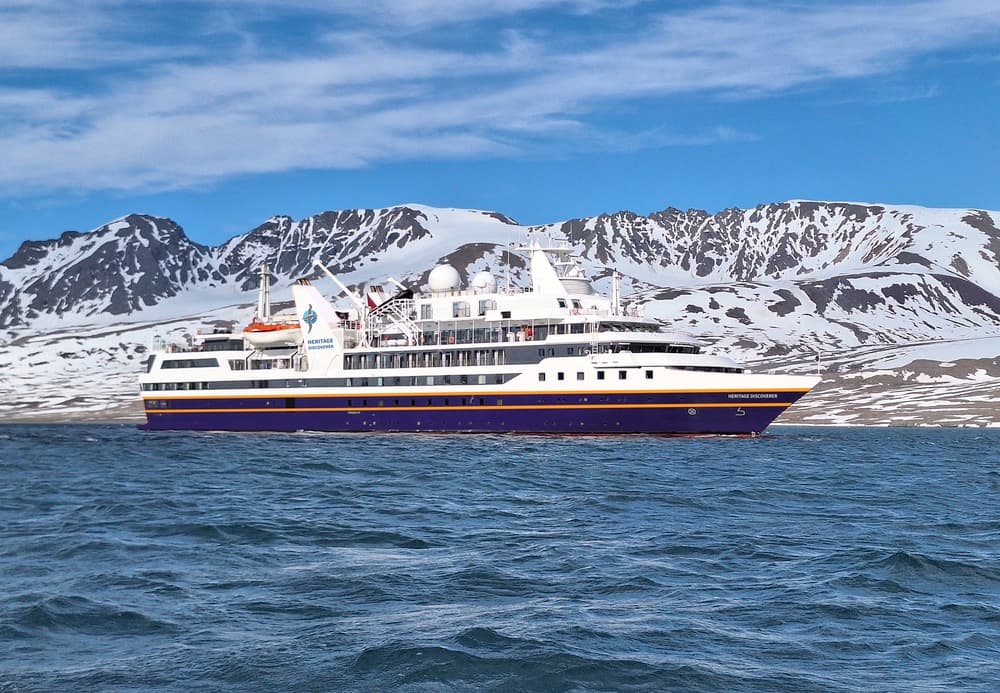
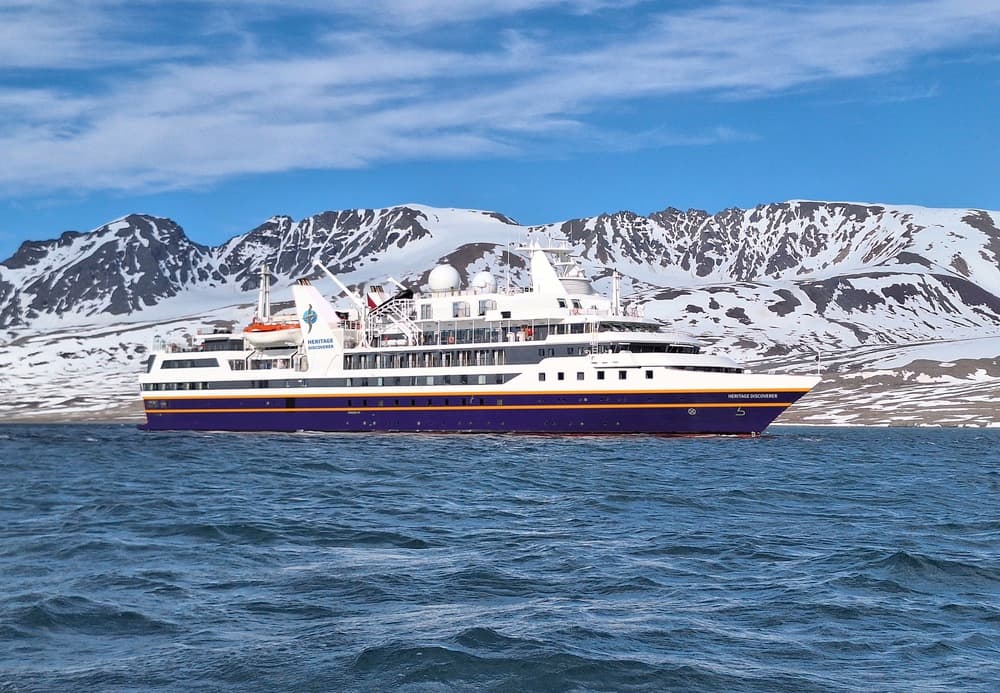
Heritage Discoverer is a trailblazing expedition ship, purpose-built to navigate the world’s most demanding waters.

Ship Facts
cabin count
70
capacity
130
crew count
15
deck count
5
currency
USD onboard
gross tonnage
6158
language
en
launch year
1989
length
108m
speed
14kts
wheelchair count
No Data
width
16m
DINING

Savour international gourmet fare crafted by leading chefs in our two restaurants and celebrate the day’s adventures in the Bar and Lounge.
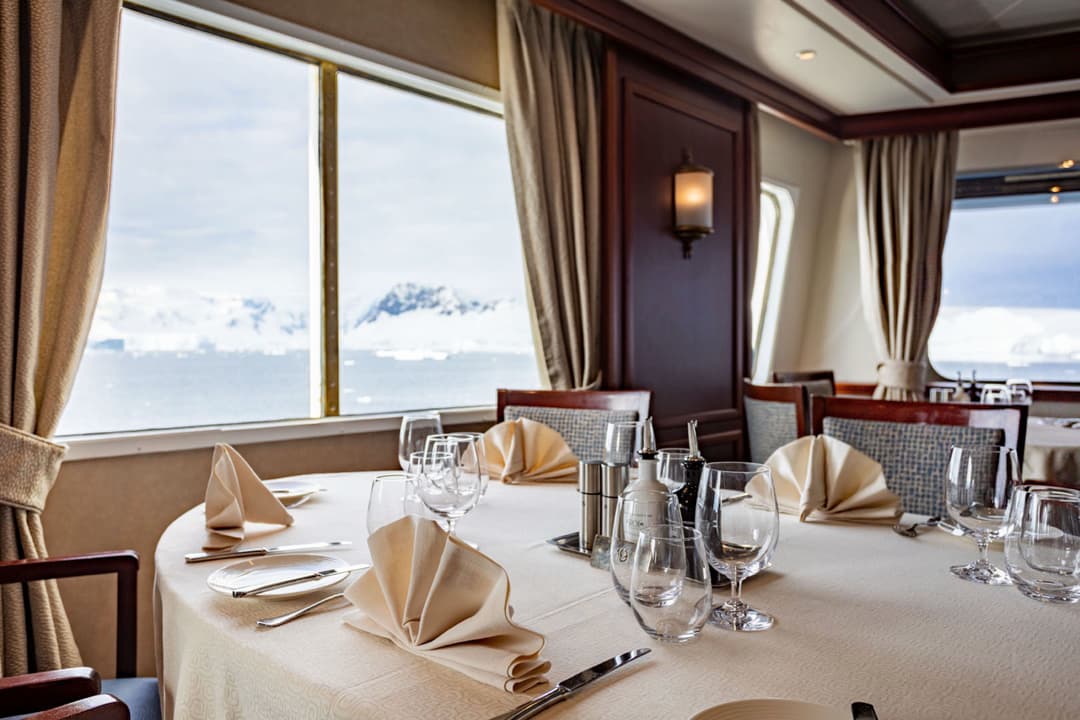
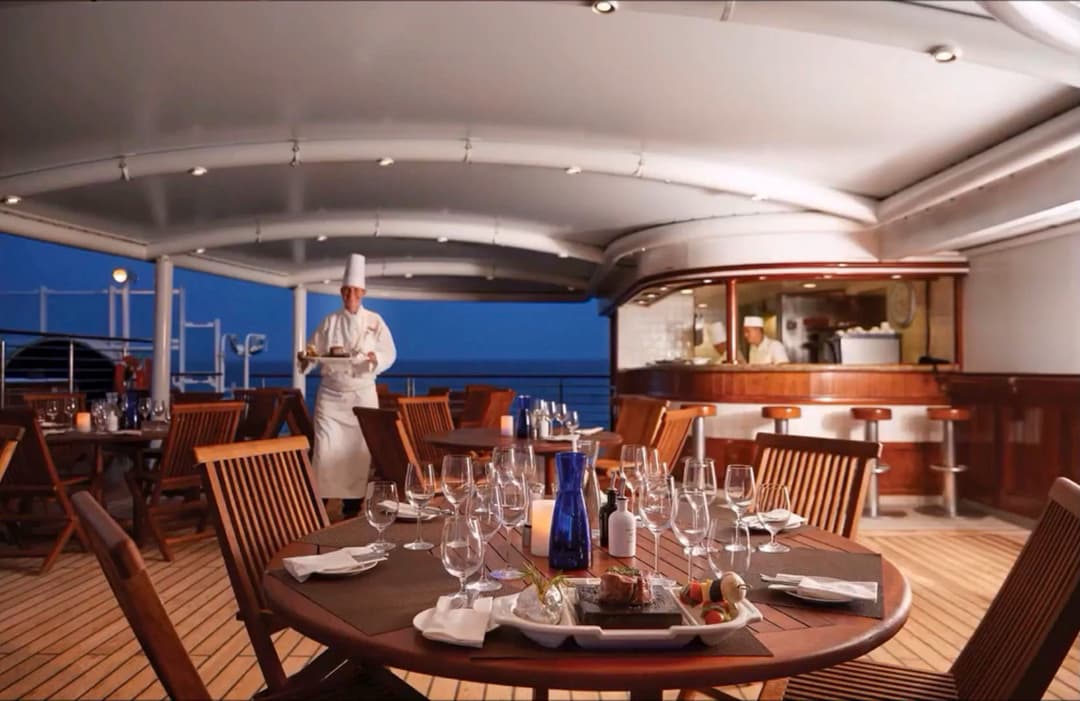
The Restaurant

Savour international gourmet fare crafted by leading chefs in our two restaurants

Outdoor Grill

The Outdoor Grill is located on Deck 6

Entertainment

On board, discover lavish amenities, welcoming social areas and expansive panoramic decks. Visit the captain and crew on the Bridge under our Open Bridge policy. 
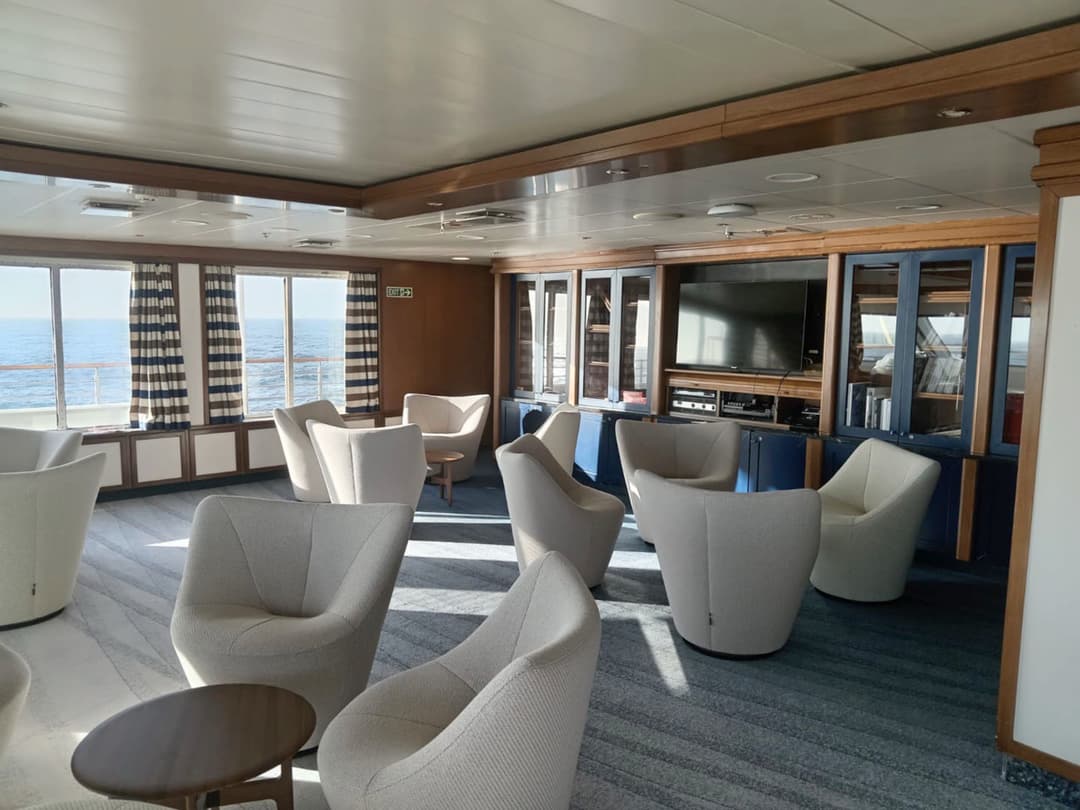
Observation Lounge

Watch your adventure unfold from one of the many spectacular viewing locations, including Heritage Discoverer’s breathtaking Observation Lounge

Main Lounge

Celebrate the day’s adventures in the Bar and Lounge.

Health And Fitness

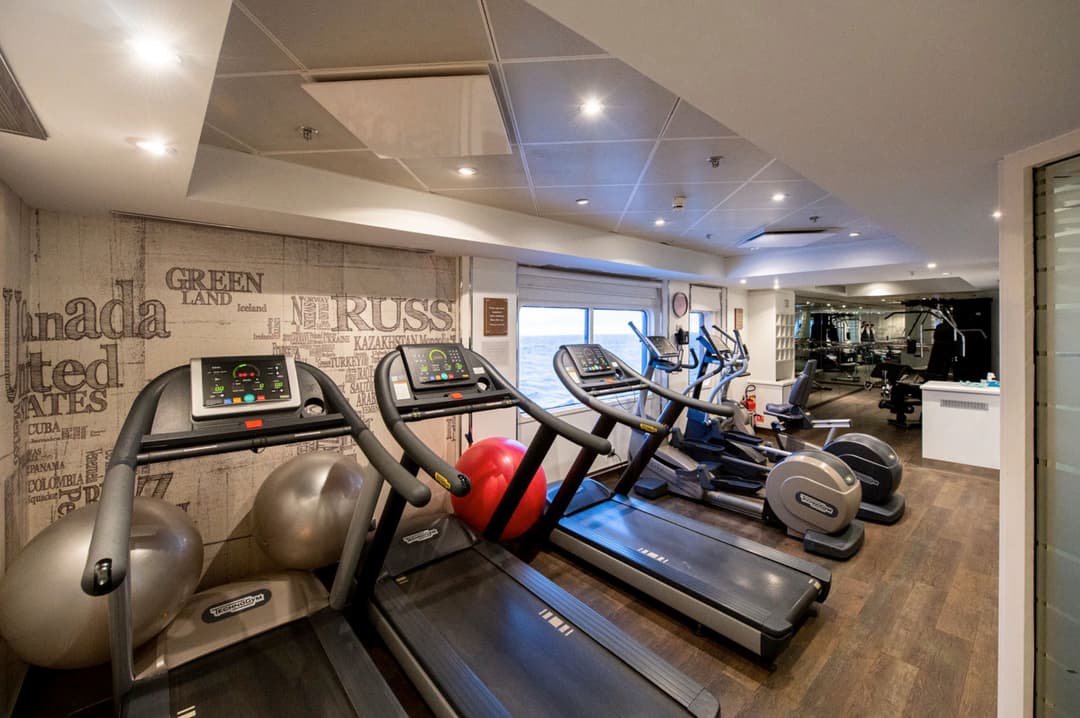
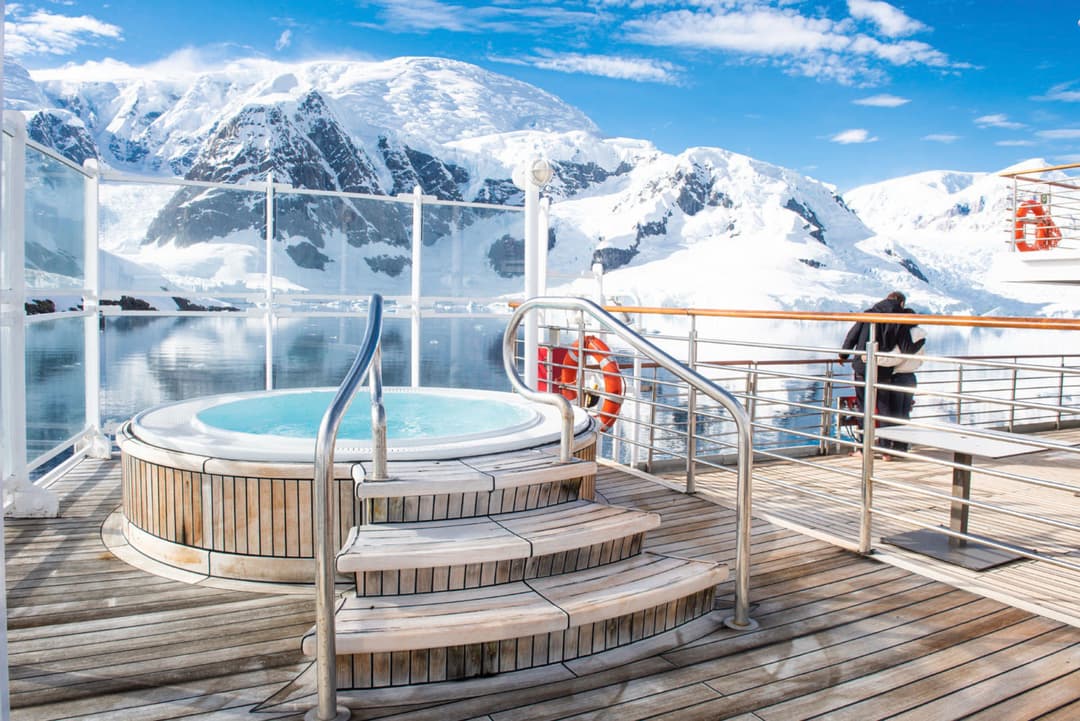
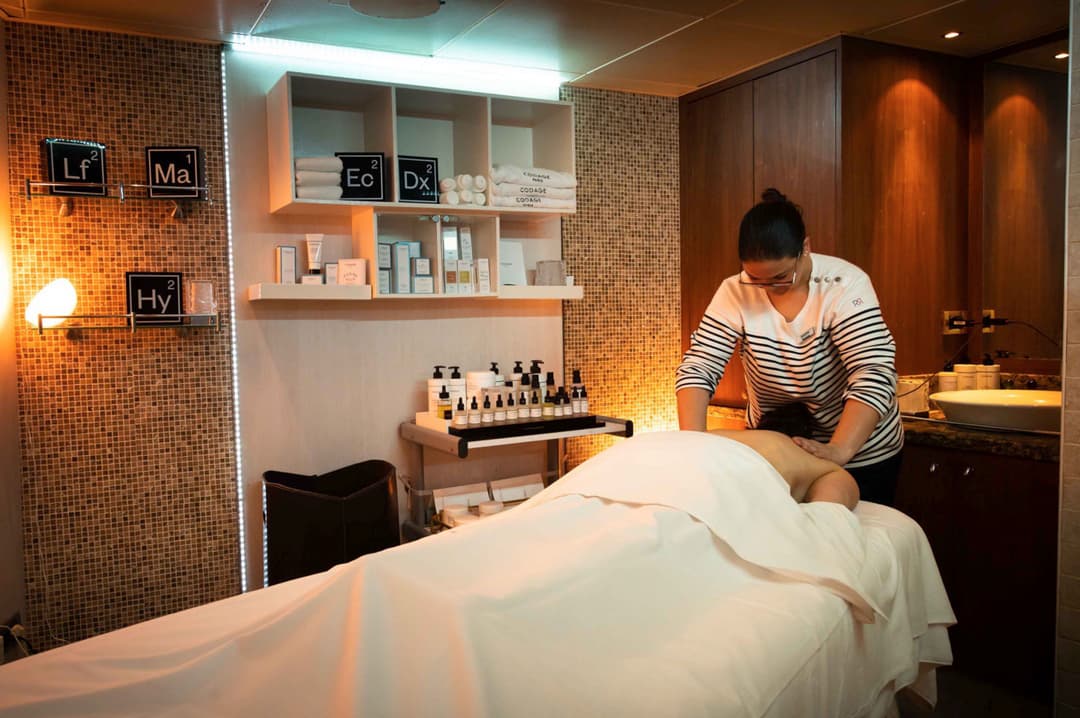
When it’s time to unwind, head to the Wellness Centre, where the sauna and dedicated massage room await, visit the well-equipped gym, or soak up the views from one of the two outdoor Jacuzzis.

Fitness Centre

Visit the well-equipped gym on Deck 4

Outdoor Jacuzzi

Soak up the views from one of the two outdoor Jacuzzis.

Wellness Centre

Head to the Wellness Centre, where the sauna and dedicated massage room await