

Ross Sea Odyssey
CRUISE ID # AURORAROS002G
Hobart, Tasmania TO Dunedin
$32,936
WITH SPECIAL SAVINGS APPLIED
FARES SHOWN ARE PER GUEST
Suites & Fares
CHOOSE START DATE
: December 14, 2026
Itinerary
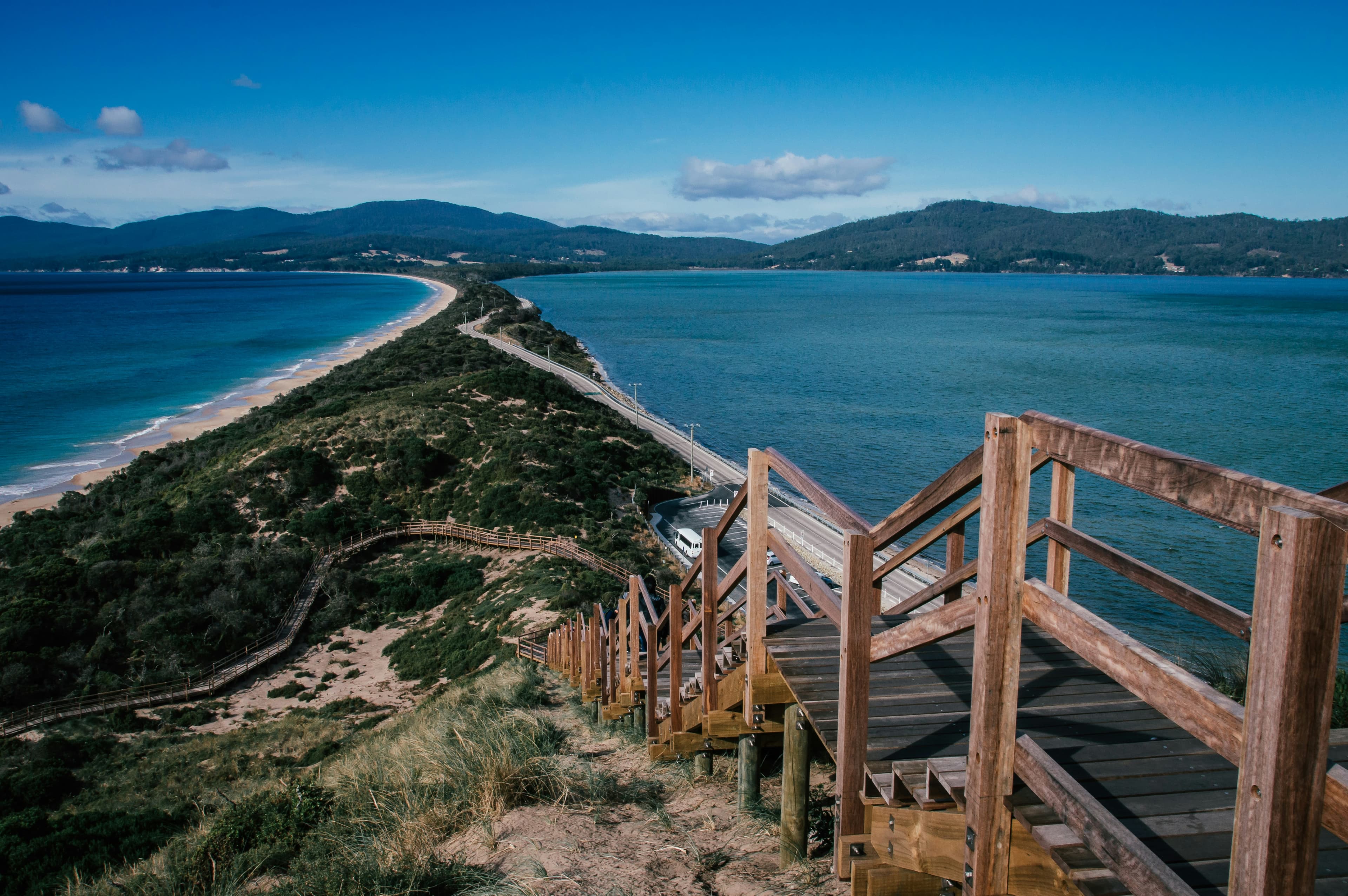
Straddling the Derwent River at the foot of Mt. Wellington's forested slopes, Hobart was founded as a penal settlement in 1803. It's the second-oldest city in the country after Sydney, and it certainly rivals its mainland counterpart as Australia's most beautiful state capital. Close-set colonial brick-and-sandstone shops and homes line the narrow, quiet streets, creating a genteel setting for this historic city of 215,000. Life revolves around the broad Derwent River port, one of the deepest harbors in the world. Here warehouses that once stored Hobart's major exports of fruit, wool, and corn and products from the city's former whaling fleet still stand alongside the wharf today.Hobart sparkles between Christmas and New Year's—summer Down Under—during the annual Sydney-to-Hobart yacht race. The event dominates conversations among Hobart's citizens, who descend on Constitution Dock to welcome the yachts and join in the boisterous festivities of the crews. The New Year also coincides with the Tastes of Tasmania Festival, when the dockside area comes alive with the best of Tasmanian food and wine on offer in numerous cafés, bars, and waterfront stalls. Otherwise, Hobart is a placid city whose nightlife is largely confined to excellent restaurants, jazz clubs, and the action at the Wrest Point Casino in Sandy Bay.The Hobart Tasmanian Travel and Information Centre hours are weekdays 8:30–5:30 and Saturday 9–5.
Straddling the Derwent River at the foot of Mt. Wellington's forested slopes, Hobart was founded as a penal settlement in 1803. It's the second-oldest city in the country after Sydney, and it certainly rivals its mainland counterpart as Australia's most beautiful state capital. Close-set colonial brick-and-sandstone shops and homes line the narrow, quiet streets, creating a genteel setting for this historic city of 215,000. Life revolves around the broad Derwent River port, one of the deepest harbors in the world. Here warehouses that once stored Hobart's major exports of fruit, wool, and corn and products from the city's former whaling fleet still stand alongside the wharf today.Hobart sparkles between Christmas and New Year's—summer Down Under—during the annual Sydney-to-Hobart yacht race. The event dominates conversations among Hobart's citizens, who descend on Constitution Dock to welcome the yachts and join in the boisterous festivities of the crews. The New Year also coincides with the Tastes of Tasmania Festival, when the dockside area comes alive with the best of Tasmanian food and wine on offer in numerous cafés, bars, and waterfront stalls. Otherwise, Hobart is a placid city whose nightlife is largely confined to excellent restaurants, jazz clubs, and the action at the Wrest Point Casino in Sandy Bay.The Hobart Tasmanian Travel and Information Centre hours are weekdays 8:30–5:30 and Saturday 9–5.
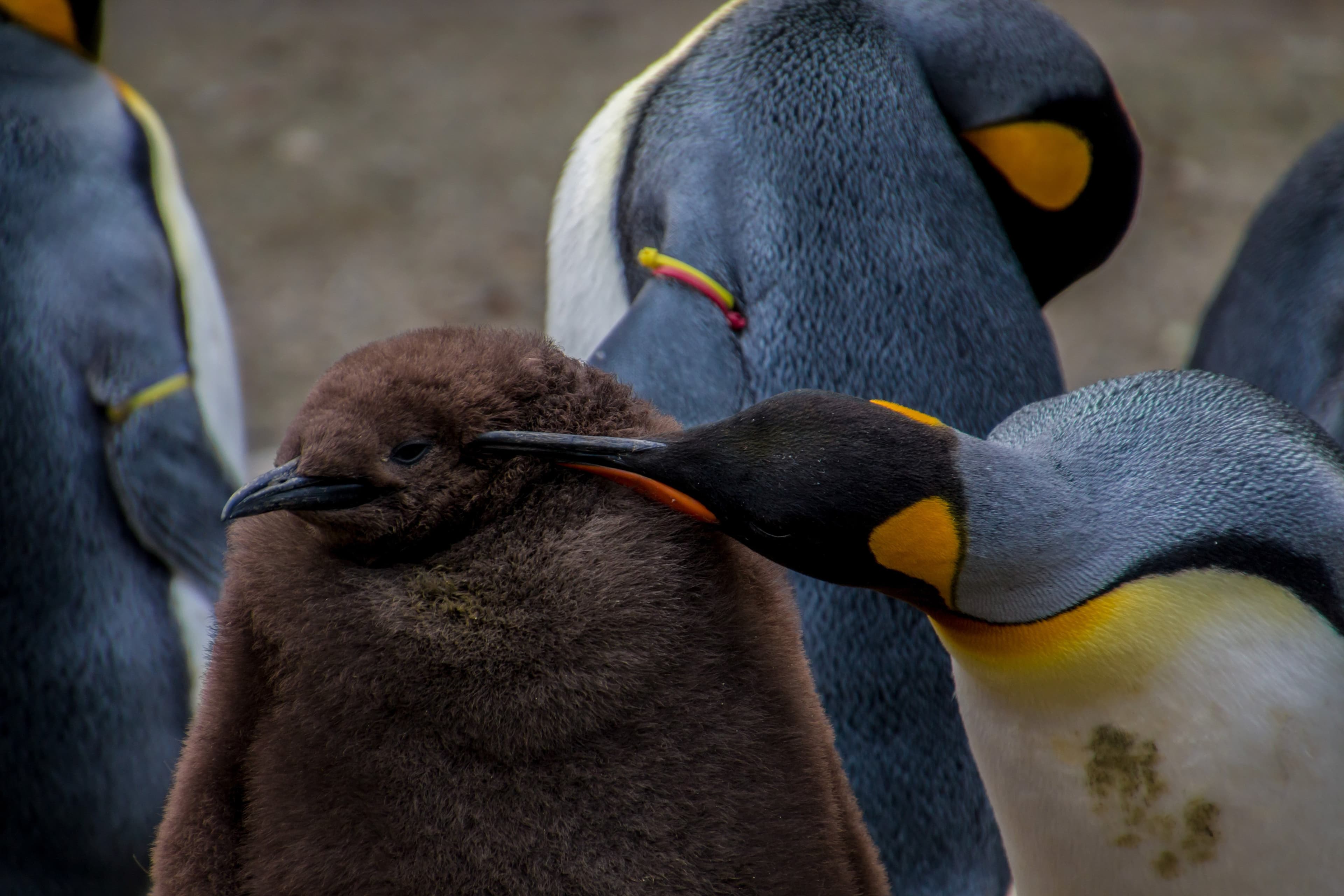
Macquarie Island is a UNESCO World Heritage Site due to its major geoconservation significance. It is the only island in the world that is entirely composed of oceanic crust and rocks from the mantel. The unique diversity of the island makes it a truly remarkable place to visit. Sand Bay is located on the east coast where you will find Royal and King Penguin rookeries as well as Southern Elephant Seals, and if the weather permits, you will have the opportunity to get closer on a Zodiac®.
It’s almost impossible to describe the feeling of arriving in this storied, ice-bound sector of Antarctica. Stepping outside and taking a deep breath of some of the most fresh, crisp air on earth is an experience to cherish forever.
The Ross Sea region is a globally significant wildlife sanctuary. Its nutrient-rich waters support an astonishing array of uniquely adapted Antarctic species, including Ross Sea orcas, Antarctic petrels and South Pacific Weddell seals. It is also home to Antarctica’s largest Adélie penguin colony, and many of the largest emperor penguin colonies. The unique biodiversity of the Ross Sea has been protected within the world’s largest marine protected area since 2016.
The human heritage of the Ross Sea coast is equally impressive. Since James Clark Ross discovered the region in 1841, countless expeditions have built base camps on scattered ice-free slivers of land, using them as staging posts for bold forays across the polar plateau. Many of them departed in a hurry, leaving artefacts, scientific equipment and sometimes entire huts behind. Today these sites are preserved as open-air museums and protected under the Antarctic Treaty System.
Embrace the spirit of exploration as your expedition team designs your voyage from day to day, bringing decades of experience to selecting the ideal sites based on the prevailing weather, ice conditions and wildlife opportunities.
Some places we may visit include:
Ross Ice Shelf
Find a spot on deck as we cruise perfectly cleaved ice cliffs towering some 30 metres above the crystalline waters of the Ross Sea. This is the floating edge of the largest ice shelf in Antarctica, which covers an area the size of France. Watch for elegant emperor penguins, sweet-faced Weddell seals hauled out on ice floes, and the unmistakable ‘pouf’ of an orca’s exhalation.
Franklin Island
This delightful ice-free outpost with a rookery of rambunctious Adélie penguins is well worth a visit. Stretch your legs as you stroll up a gentle incline past the colony to a high point, where panoramic views of the Ross archipelago and the ice shelf unfurl.
McMurdo Sound
Enter a realm of exquisite beauty, an otherworldly icescape set against a backdrop of gleaming glaciers, shimmering mountains, and the polar ice sheet itself. McMurdo Sound is the historic gateway to the South Pole and remains a busy working harbour today, serving as a logistics hub for the extensive scientific operations taking place at the McMurdo and Scott Research bases on Ross Island.
It is here, in this achingly barren landscape, that early explorers established their base camps and struck out for the South Pole. If conditions allow, we aim to land at one (or more) of their beautifully preserved huts, many of which still stand, to dwell for a moment amongst the artefacts of a distant time, and reflect on the triumphs and tragedies of those who brought them here.
Cape Washington, Terra Nova Bay
Bounded by soaring peaks and fed by immense glaciers, Terra Nova Bay supports an abundance of polar wildlife, including the rarely sighted Arnoux's Beaked Whale. Fast ice anchored to the bay’s northern shore in the shelter of Cape Washington is home to one of the largest known emperor penguin colonies. Some 20,000 males huddle here each winter, incubating their eggs and awaiting the sun’s return. Weather and ice permitting, visit the bustling rookery to witness the delightful emperors and their fledging chicks.
Cape Hallett
The snow-capped Admiralty Mountains rise dramatically from the gravelly spit of Cape Hallett, where we hope to land. This is the site of a decommissioned scientific base and an abundance of Antarctic mosses, lichens and invertebrates, protected by the Antarctic Treaty System.
Amble across gently undulating terrain, taking care to give resting Weddell seals a wide berth. The Adélie penguin rookery here can host close to 50,000 breeding pairs, while snow petrels, Wilson’s storm petrels and South Polar skuas breed in the rocky crevices nearby.
Cape Hallett also has a special significance for Aurora. It was from this rocky foothold that Greg Mortimer, co-founder of Aurora Expeditions, launched the Australian Bicentennial Antarctic Expedition in 1988. Cape Hallett provided access to the glaciated coastal ranges beyond, where the six-man team completed the first ascent of Mt Minto (4,165 metres).
Cape Adare
Cape Adare lies 100 km (62 miles) north of Cape Hallet, at the western entrance to the Ross Sea. A rare ice-free refuge on this icebound coastline, Cape Adare is home to Antarctica’s largest Adélie penguin colony. Ice and weather permitting, wend your way through the pack ice to land on the flat, cobbled spit where more than 250,000 breeding pairs of Adélies gather to busily breed, feed and raise their chicks in the short southern summer.
First visited by James Clark Ross in 1841, this rocky promontory played an important role in the pioneering expeditions of the Heroic Age of Antarctic exploration. It was here in 1899 that the Southern Cross expedition, led by Carsten Borchgrevink, became the first to winter over in Antarctica and establish the first human structures on the continent.
The remnants of these pioneering constructions, and thousands of artefacts scattered in their vicinity, remain virtually untouched and protected under the Antarctic Treaty System. We hope to enter Borchgrevink’s living quarters to experience the awe and imagine the perils of conducting science here, as they did, through an Antarctic winter.
First visited by Māori navigators centuries ago, these islands are of great significance to Ngāi Tahu, the indigenous peoples of New Zealand’s South Island. Their natural beauty and astonishing biodiversity have now been recognised globally, but few have had the privilege to visit these far-flung shores, which are now yours to explore.
Auckland Islands (Maungahuka / Motu Maha)
Born of fire, scoured by ancient glaciers and shaped by the fierce hand of the Southern Ocean, there is an exquisite ruggedness to this group of weather-worn islands. This apparent bleakness belies the extraordinary abundance of life that thrives here. Roughly half of the world’s yellow-eyed penguins (hoiho), most of the world’s white-capped mollymawks, and the entire population of Auckland Islands wandering albatross find shelter on these shores.
Embrace the spirit of exploration as your expedition team designs your voyage from day to day, bringing decades of experience to selecting ideal sites based on the prevailing conditions and wildlife opportunities.
Some places we may visit include:
Sandy Bay
Sandy Bay is home to a breeding colony of rare New Zealand (Hooker’s) sea lions and an enchanting rātā forest where yellow-eyed penguins (hoiho) make their nests.
Carnley Harbour, Erlangen Clearing
Carnley Harbour offers superb Zodiac cruising through a landscape rich in human history. In 1864, five men became stranded here after their schooner, the Grafton, was wrecked, putting a sudden end to their sealing and tin prospecting ambitions. We hope to see the skeletal remnants of the Grafton, and the moss-covered remains of the Epigwaitt Hut, where they sheltered for 20 months.
Victoria Passage
Victoria Passage is a lively channel separating Auckland Island from the mountainous Adams Island to the south. We may Zodiac cruise these scenic waters, watching for sooty shearwaters, penguins and sea-lions frolicking in the pure waters.
Campbell Island (Motu Ihupuku)
Wind and weather permitting, we will Zodiac cruise sheltered harbours and coves in search of Campbell Island snipes and teals, yellow-eyed penguins (hoiho), and New Zealand (Hooker’s) sea lions (whakahao).
We hope to land at Beeman Cove, Perseverance Harbour, where an old meteorological station stands vigil on the windswept shoreline. Follow a boardwalk through tussock and upland tundra, then enter an otherworldly landscape where large-leaved megaherbs abound. Wonder at the Ross Lily, Campbell Island Daisy and Campbell Island carrot, whose brilliant flowers would look more at home in the tropics than these southern climes. Continue towards the nesting grounds of majestic southern royal albatross, whose wingspans can exceed three metres (10 feet). It is truly humbling to be in the presence of these great wanderers of the southern seas. Find a spot to quietly observe these marvellous birds as they go about their daily duties, undisturbed by their human visitors.
Clinging to the walls of the natural amphitheater at the west end of Otago Harbour, the South Island's second-largest city is enriched with inspiring nearby seascapes and wildlife. Because Dunedin is a university town, floods of students give the city a vitality far greater than its population of 122,000 might suggest. Its manageable size makes it easy to explore on foot—with the possible exception of Baldwin Street, the world's steepest residential street and home to the annual "gutbuster" race, in which people run up it, and the "Jaffa" race, in which people roll the namesake spherical chocolate candy down it.Dunedin, the Gaelic name for Edinburgh, was founded in 1848 by settlers of the Free Church of Scotland, a breakaway group from the Presbyterian Church. The city's Scottish roots are still visible; you'll find New Zealand's first and only (legal) whisky distillery, a statue of Scottish poet Robert Burns, and more kilts, sporrans, and gillies than you can shake a stick at! The Scottish settlers and local Māori came together in relative peace, but this wasn't true of the European whalers who were here three decades before, as places with names such as Murdering Beach illustrate.Dunedin has always had a reputation for the eccentric. Wearing no shoes and a big beard here marks a man as bohemian rather than destitute, and the residents wouldn't have it any other way. The University of Otago was the country's first university and has been drawing writers ever since its founding in 1871, most notably Janet Frame and the poet James K. Baxter. Dunedin also has a musical heritage, which blossomed into the "Dunedin Sound" of the 1970s and '80s.
About the Ship
Name
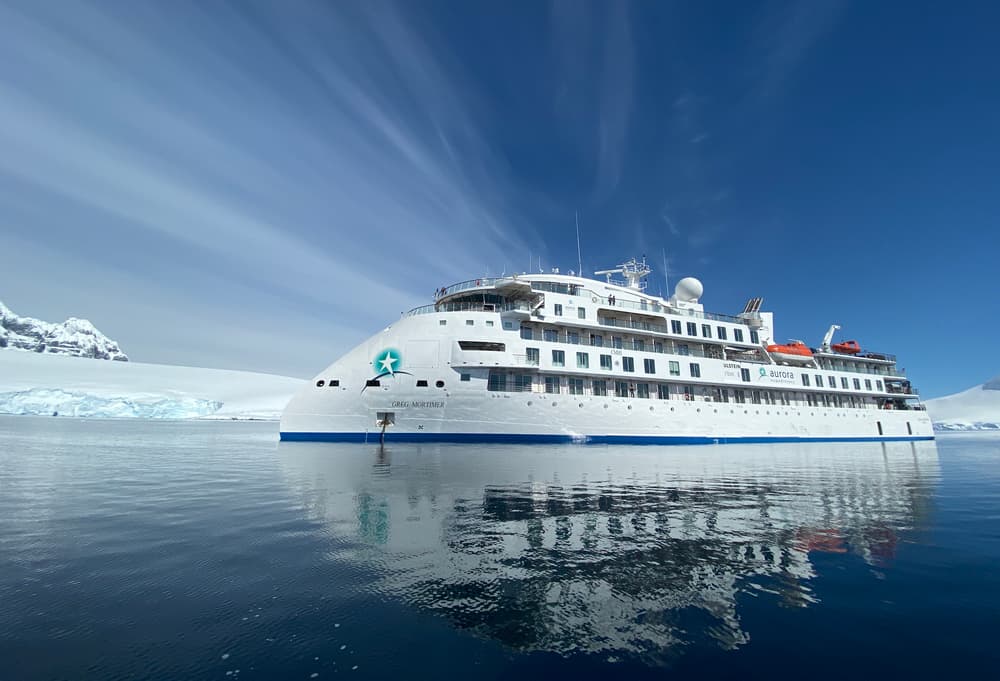
Greg Mortimer
Operator
Aurora Expeditions

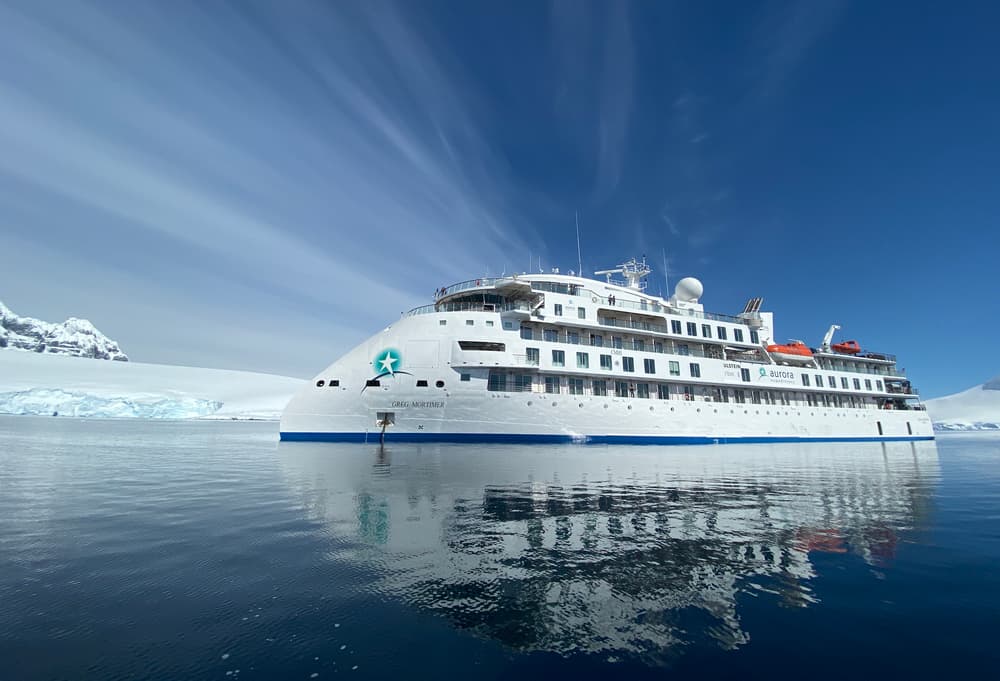
Purpose-built for expeditions to the most remote places on earth.
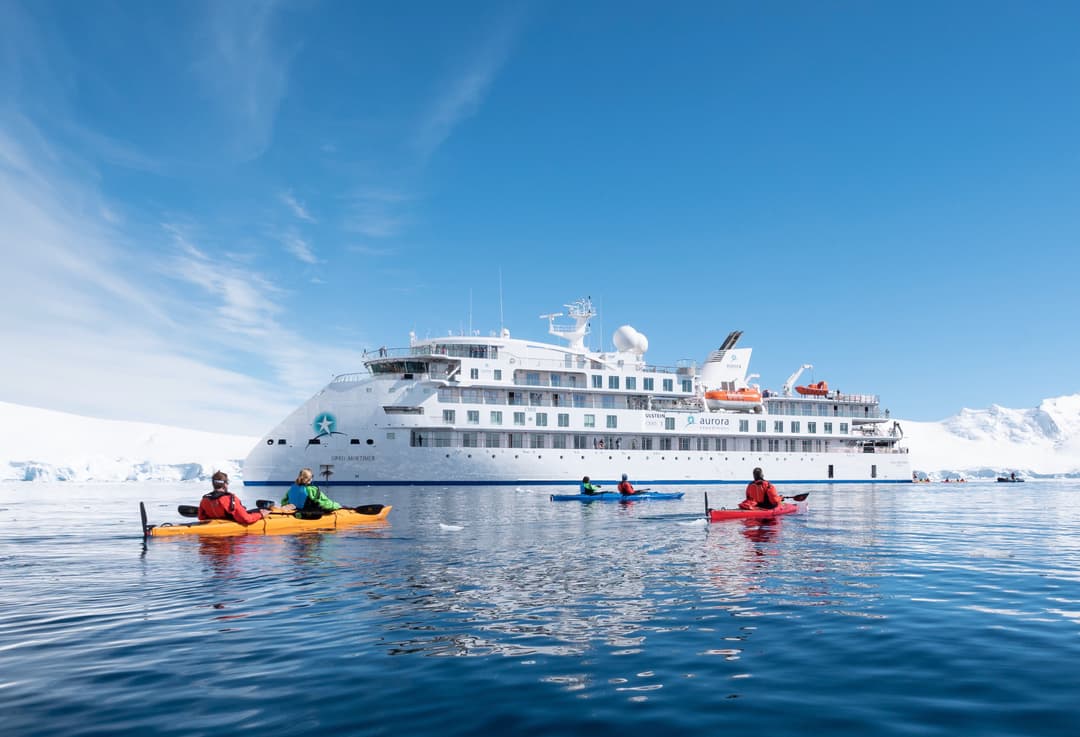
We drew on centuries of collective experience to map out the Greg Mortimer: purpose-built for expeditions to the wildest and most remote places on earth.
Loading...
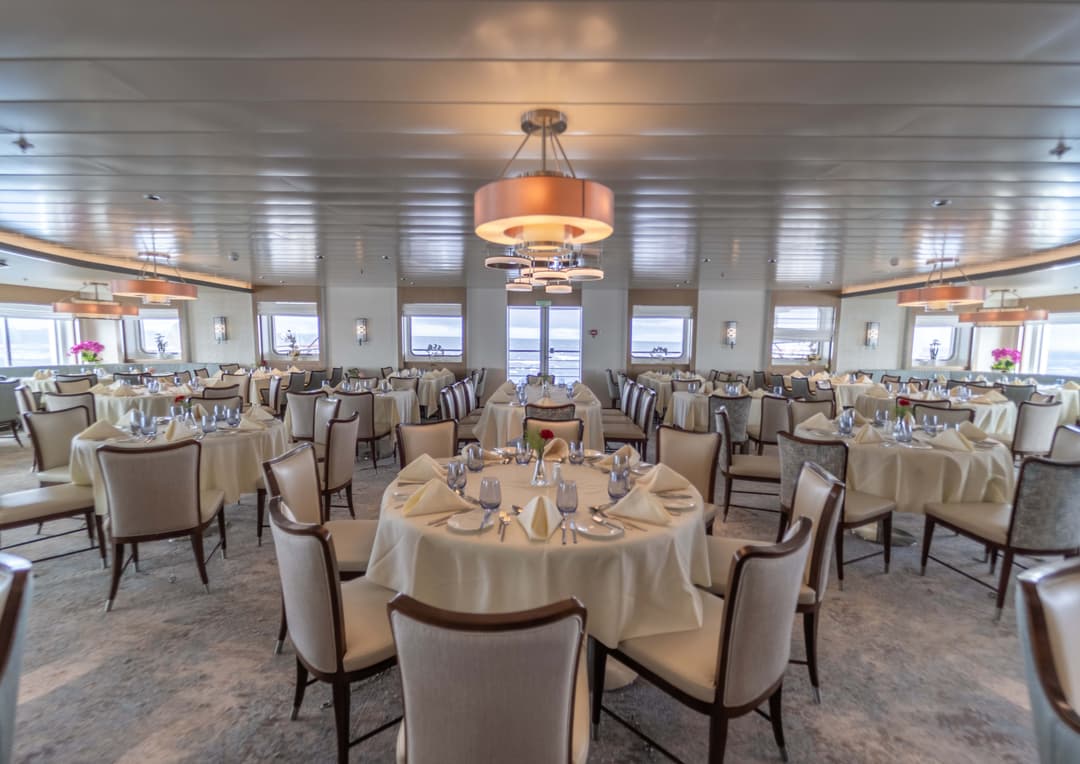
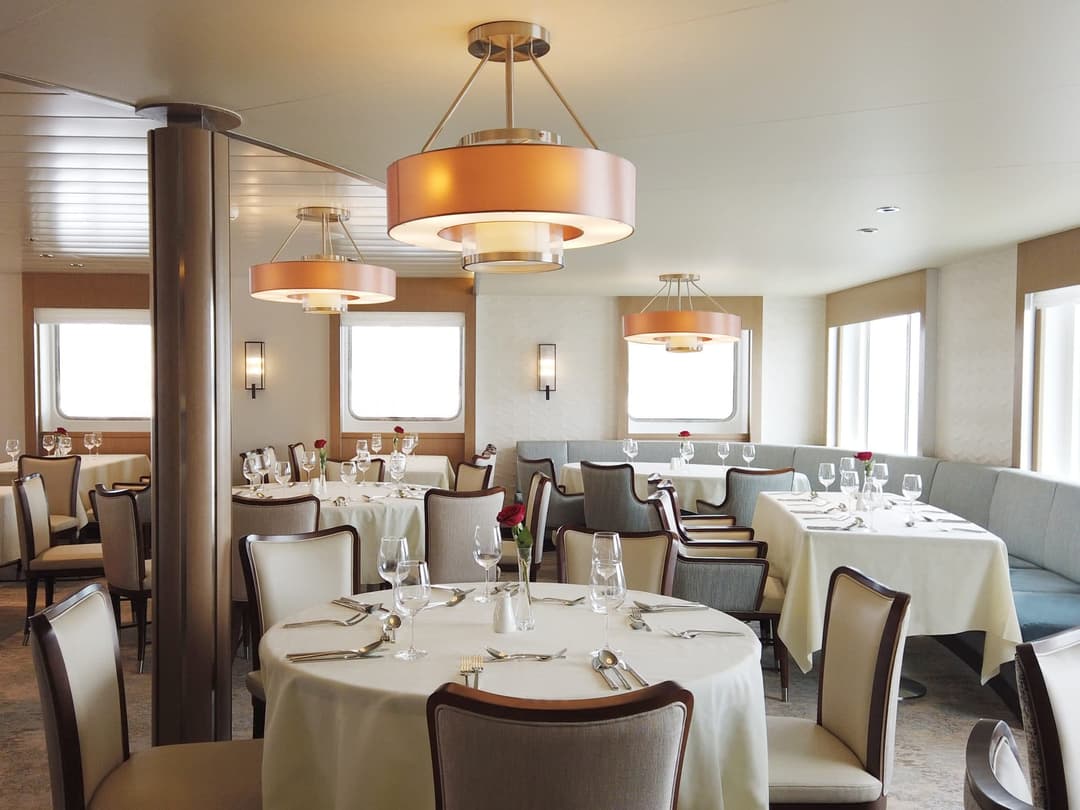
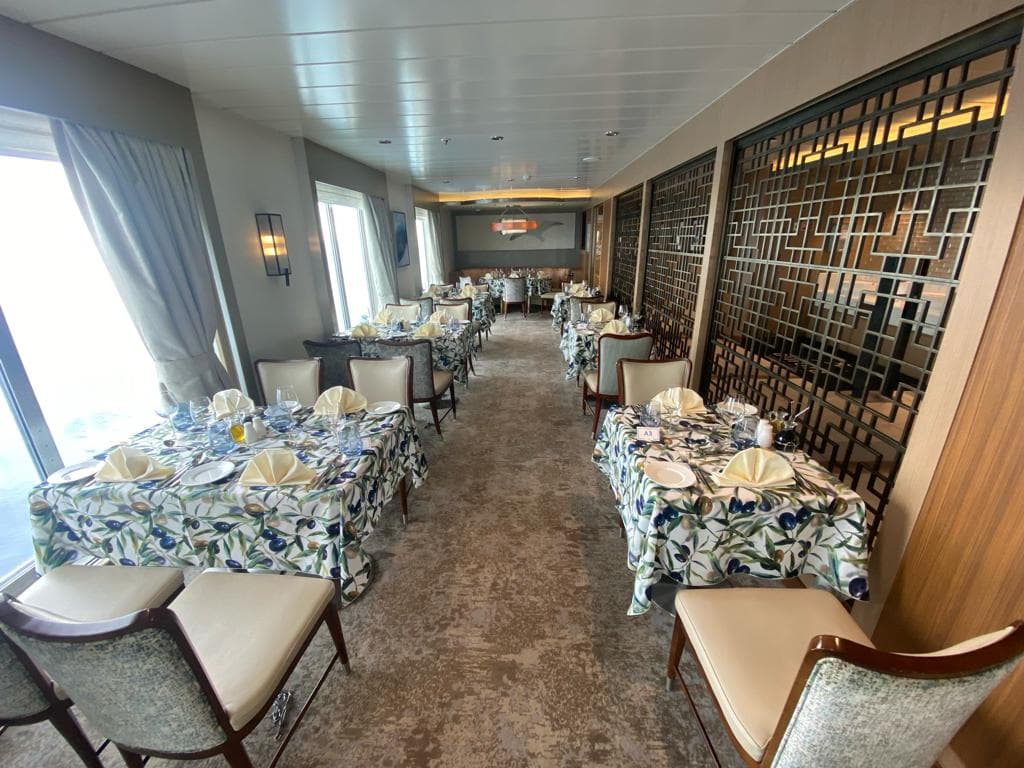
Choose from two restaurants: our main venue serving buffet-style family meals with à la carte dinner and our new reservations-required concept restaurant, Tuscan Grill.
Meals are a great time to soak up the expedition camaraderie in our open seating dining area. Share stories with your fellow travellers and ask our expedition team questions that may have come up during the day.
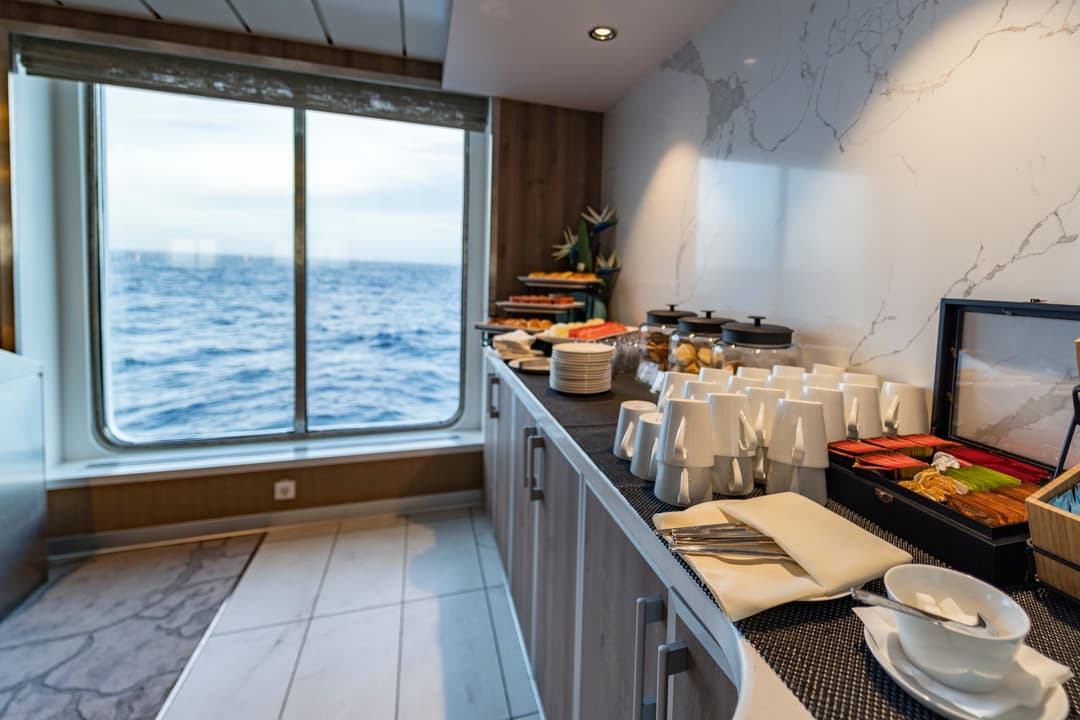
Tea, coffee and snacks are available 24 hours a day, and our chefs offer different menu options and courses for each meal. Enjoy the range of house wine, beers and soft drinks included with dinner after a long day in the wild.
When you’re relaxing during a sea day or you have a little downtime on the ship between excursions, what is there to do onboard the Greg Mortimer? Plenty!
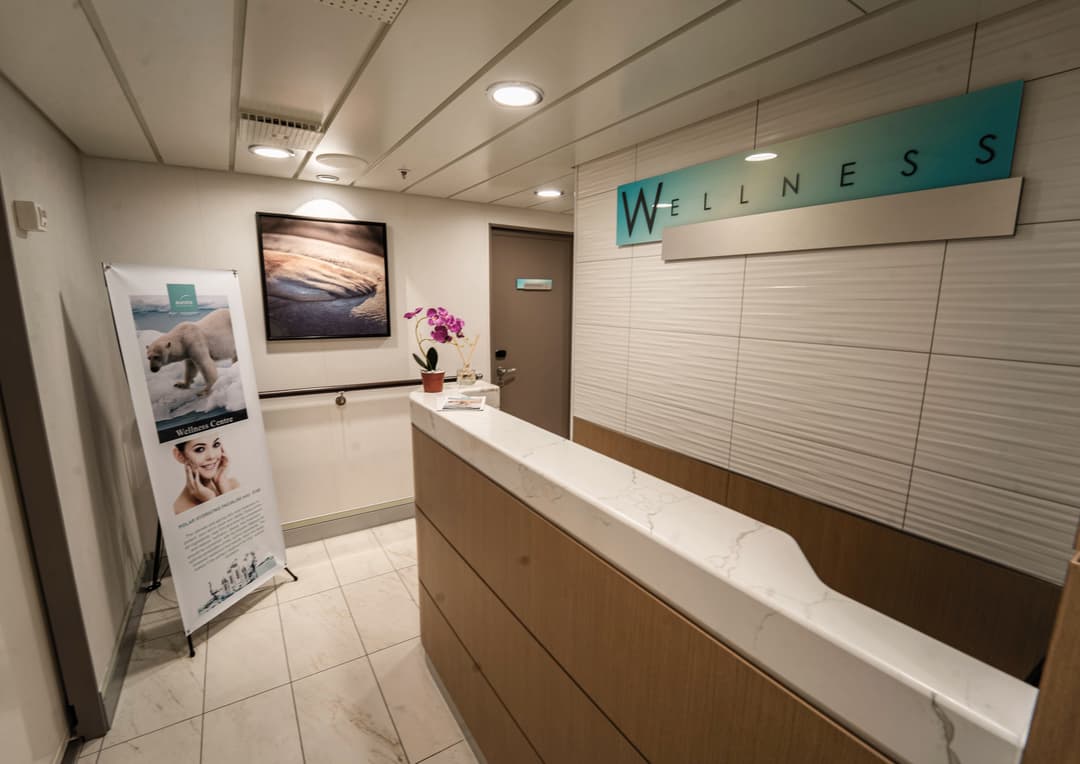
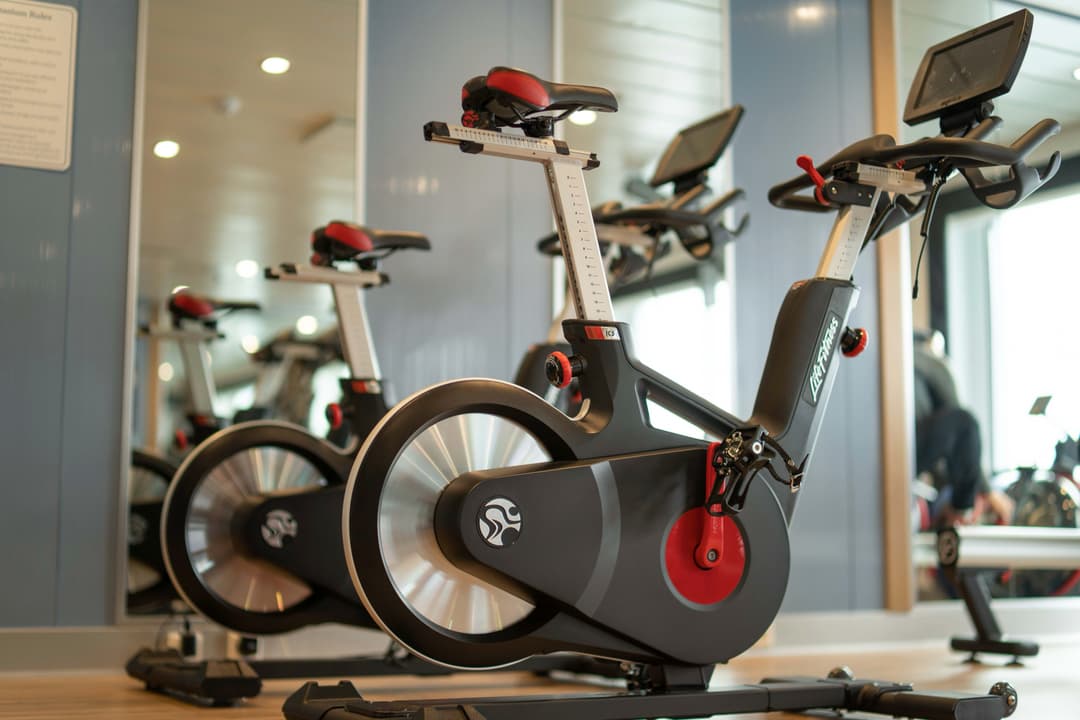
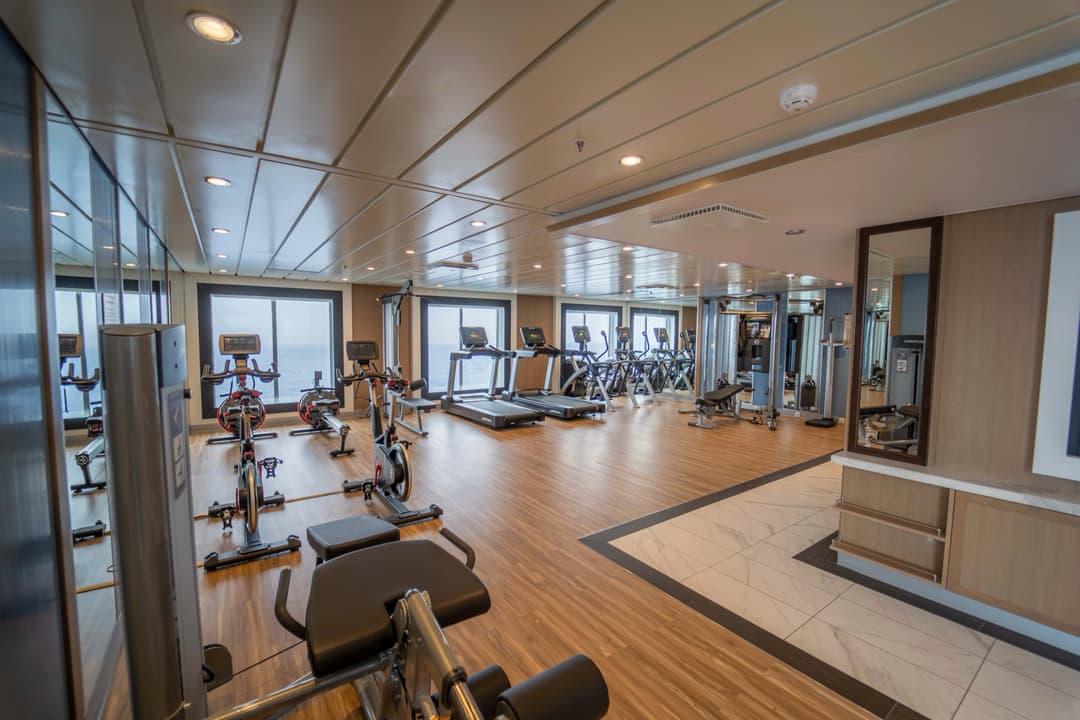
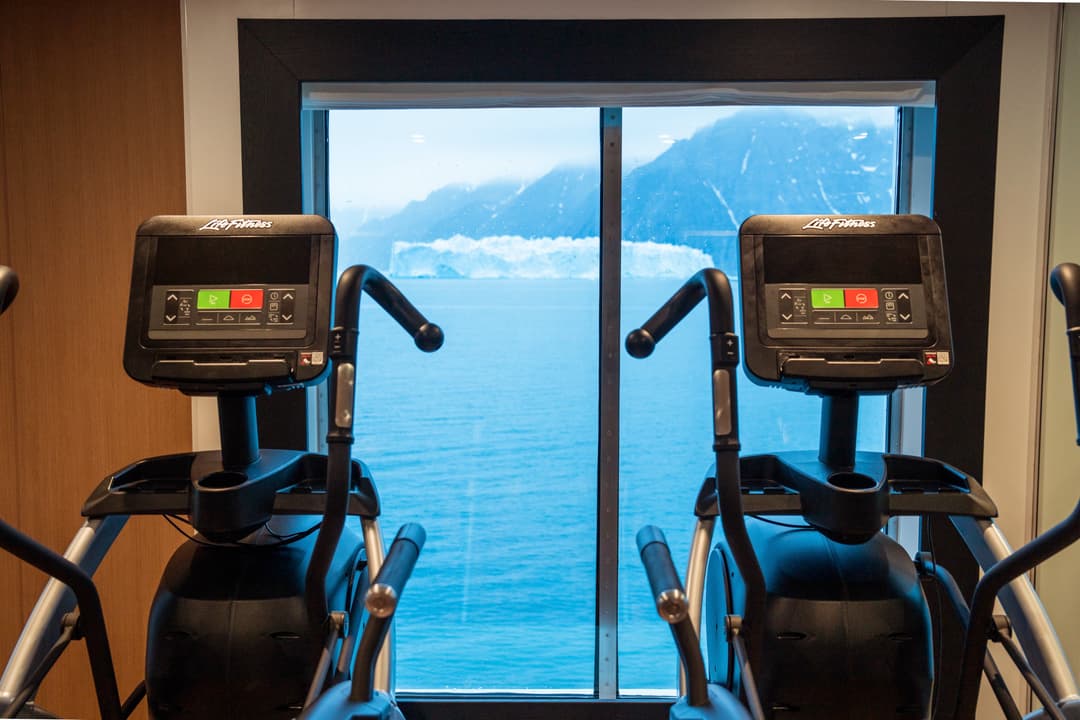
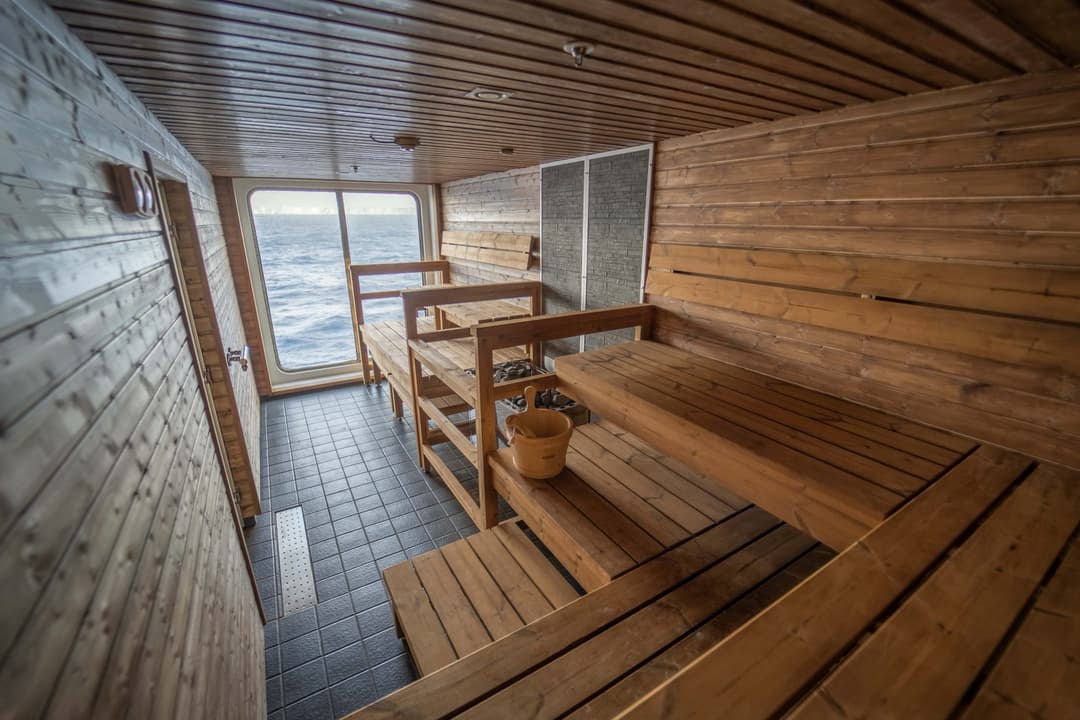
The Greg Mortimer is also decked out with other facilities for your enjoyment. There is a library on Deck 5 with books and maps and a Wellness Centre complete with gym equipment, sauna and spa. Feeling a little sore after walking around all day? Treat yourself to a massage at the Wellness Centre and feels the aches disappear! Keen photographers and artists will revel in the multimedia room on Deck 5.
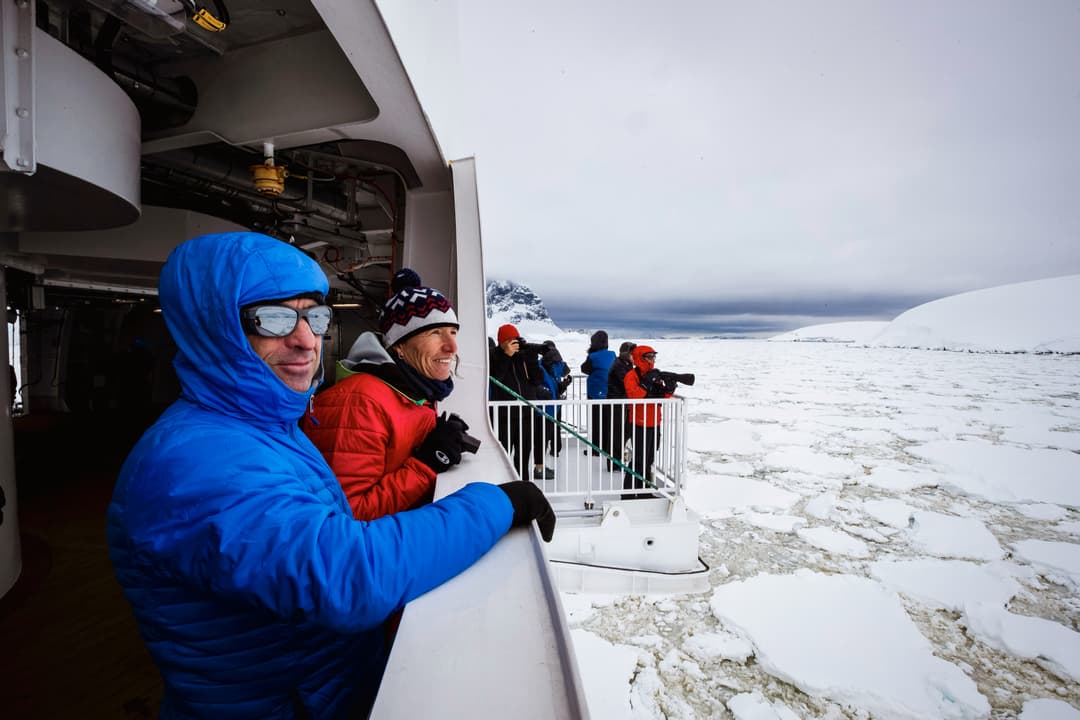
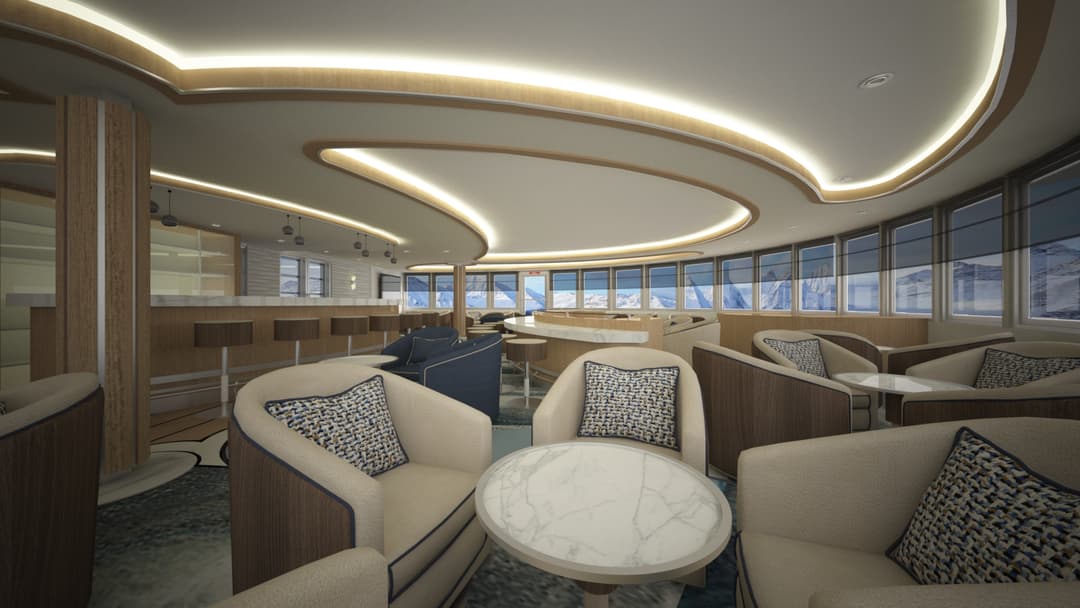
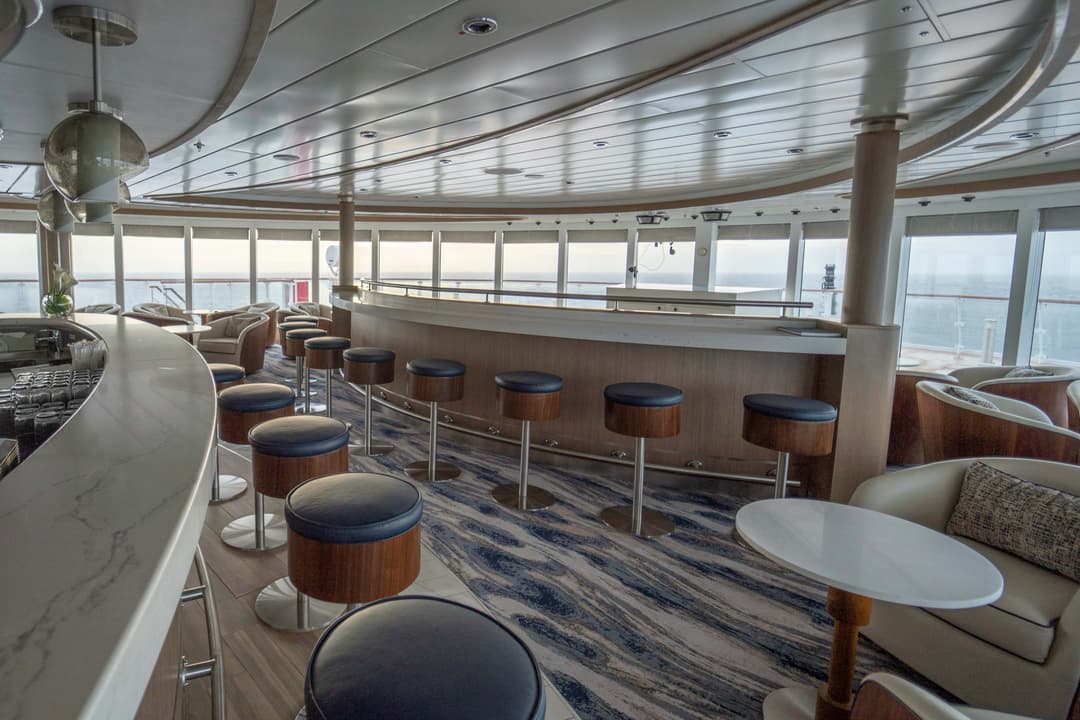
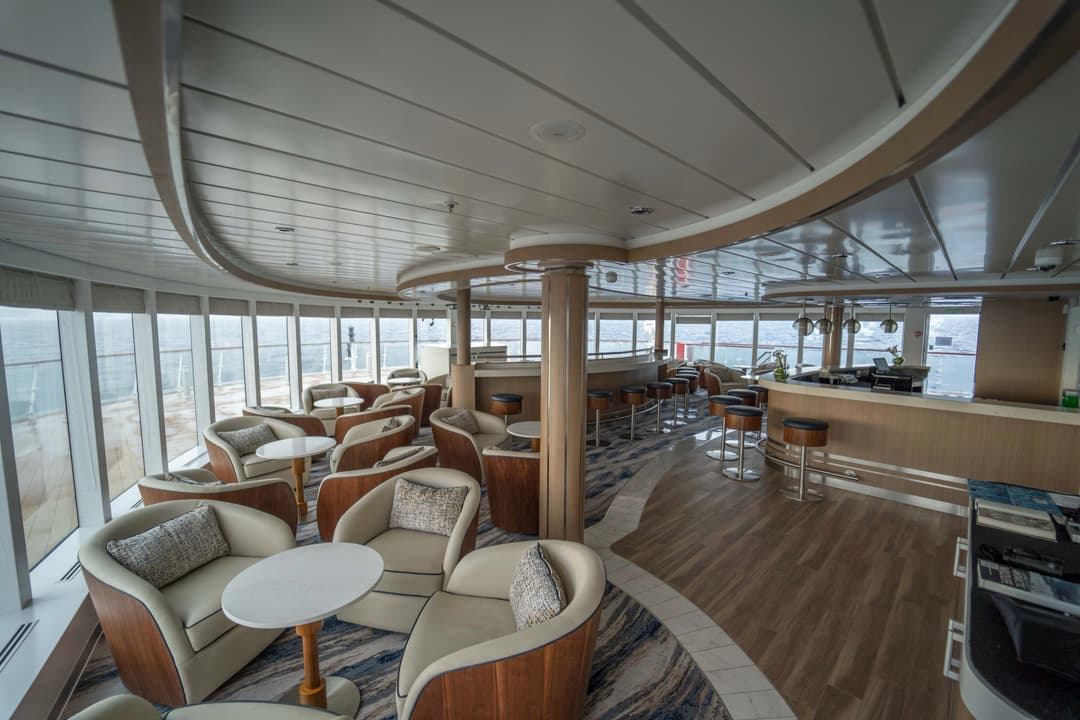
Let's face it – you don't want windowless rooms when travelling around some of the most beautiful locations around the world. This is why the Greg Mortimer is designed with plenty of dedicated observation spaces – ideal for keen bird spotters, wildlife watchers and those wanting to watch the scenery go past.
From the indoor 180-degree lounge and outdoor 360-degree open deck, both on deck 8, to the 270-degree open sundeck on level 7, ther....

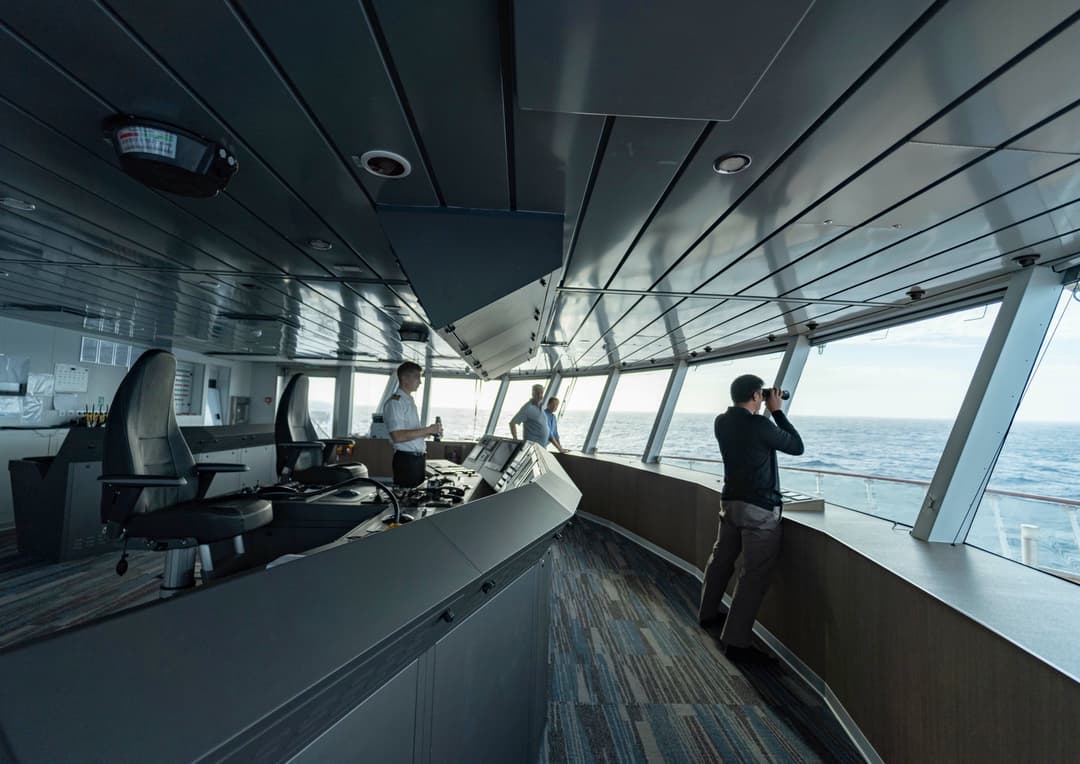
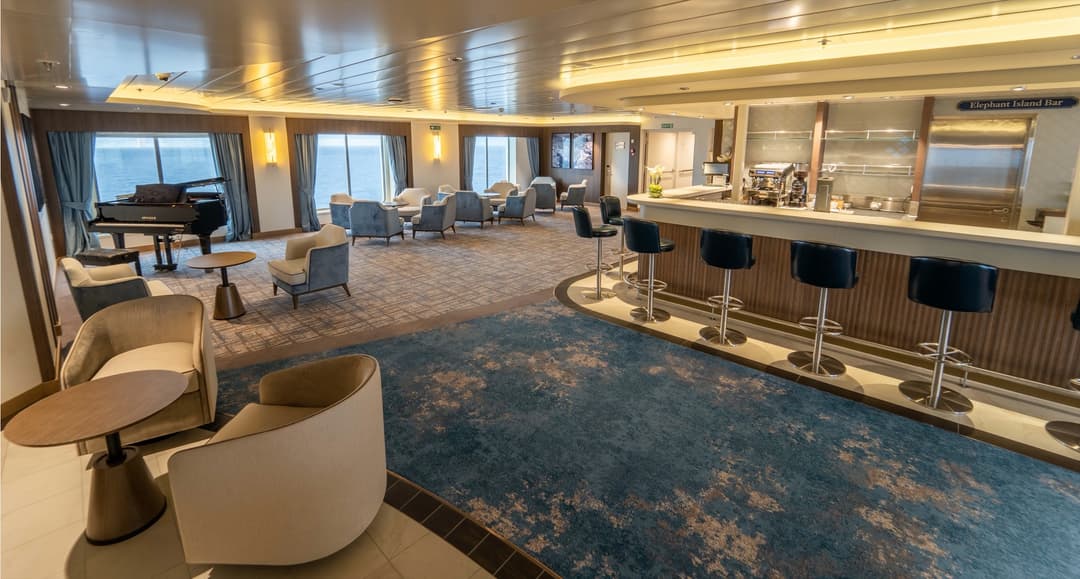
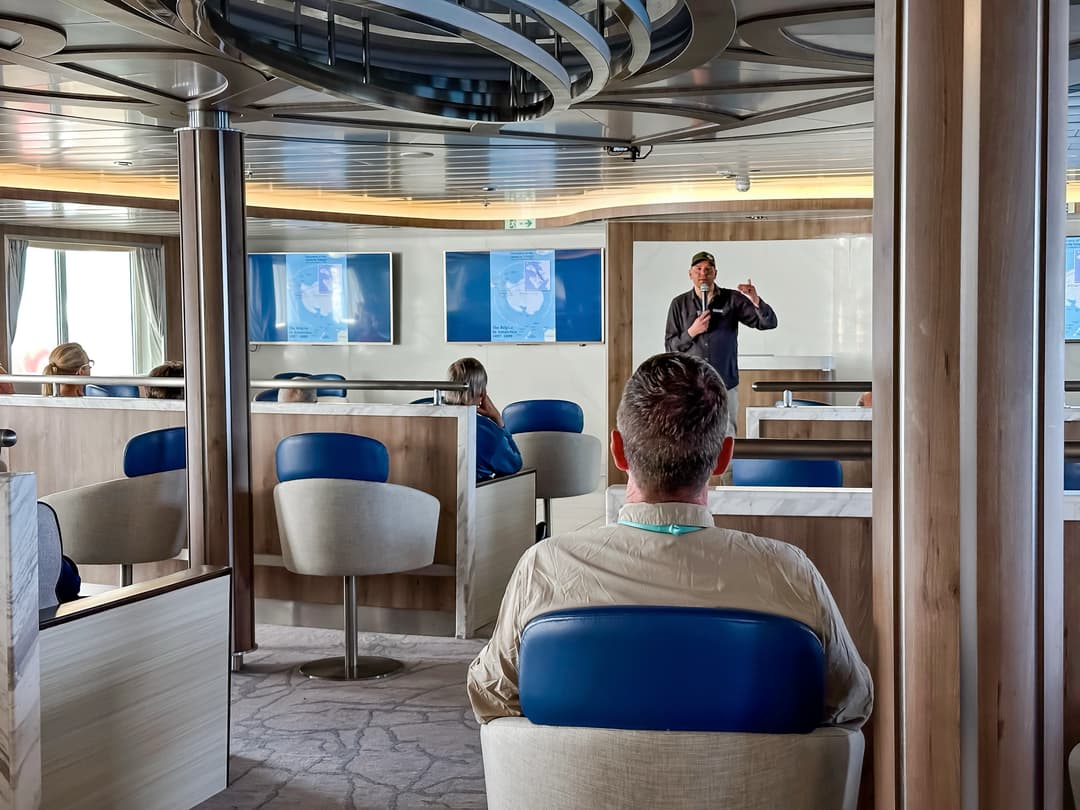
Communal meeting areas have always played a major role in fostering the warm camaraderie on board our ships. They are the heart of the expedition, where people meet to share tales from the day, swap photos, keep an eye out for wildlife and watch the sun go down.
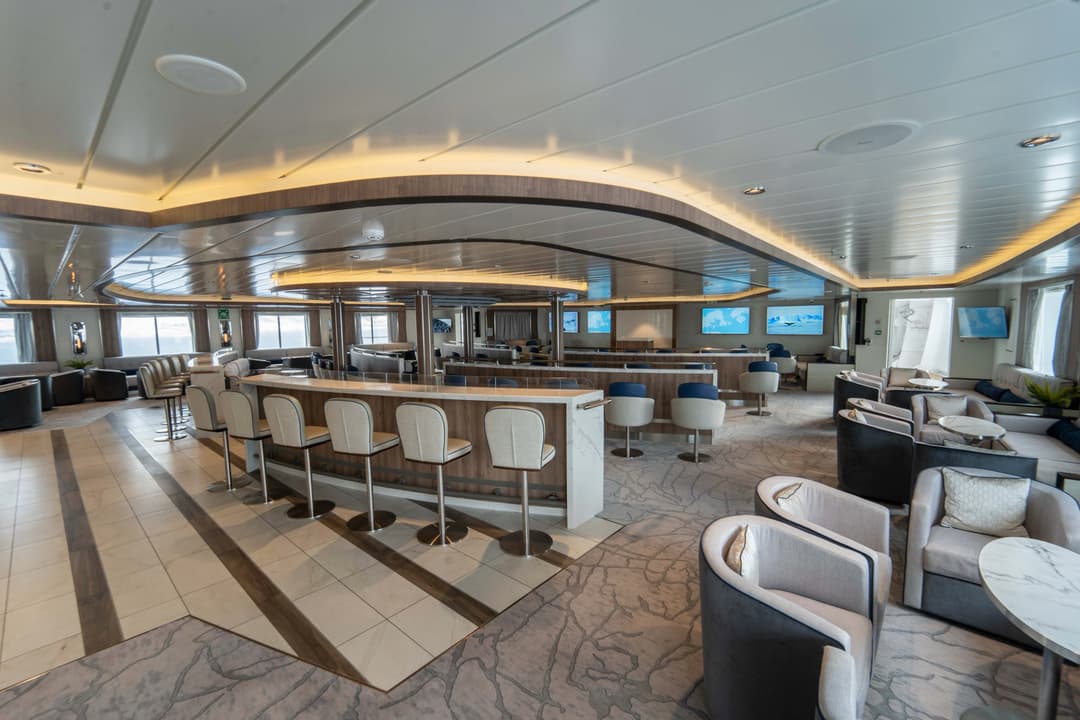
The bars and lounges on board are refined yet inviting places to gather, with floor-to-ceiling windows offering stunning views, and of course friendly bartenders to shoot the bre....
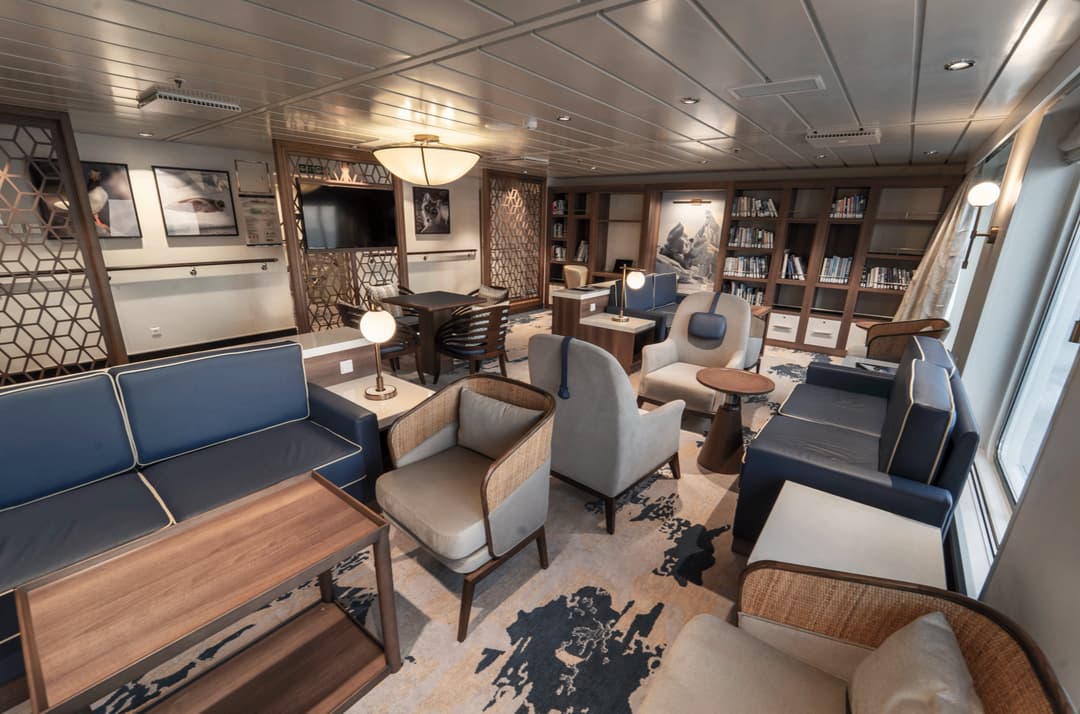
With floor-to-ceiling windows, the library is a peaceful sanctuary where you can find non-fiction books to read up on the day’s destinations, plug in and organise your photos or play board games with newfound friends.Choose from our range of informative nonfiction titles, wildlife guidebooks, travel journals, novels and a selection of children’s books and board games.
Choose from our range of informative nonfiction titles, wildlife guide....
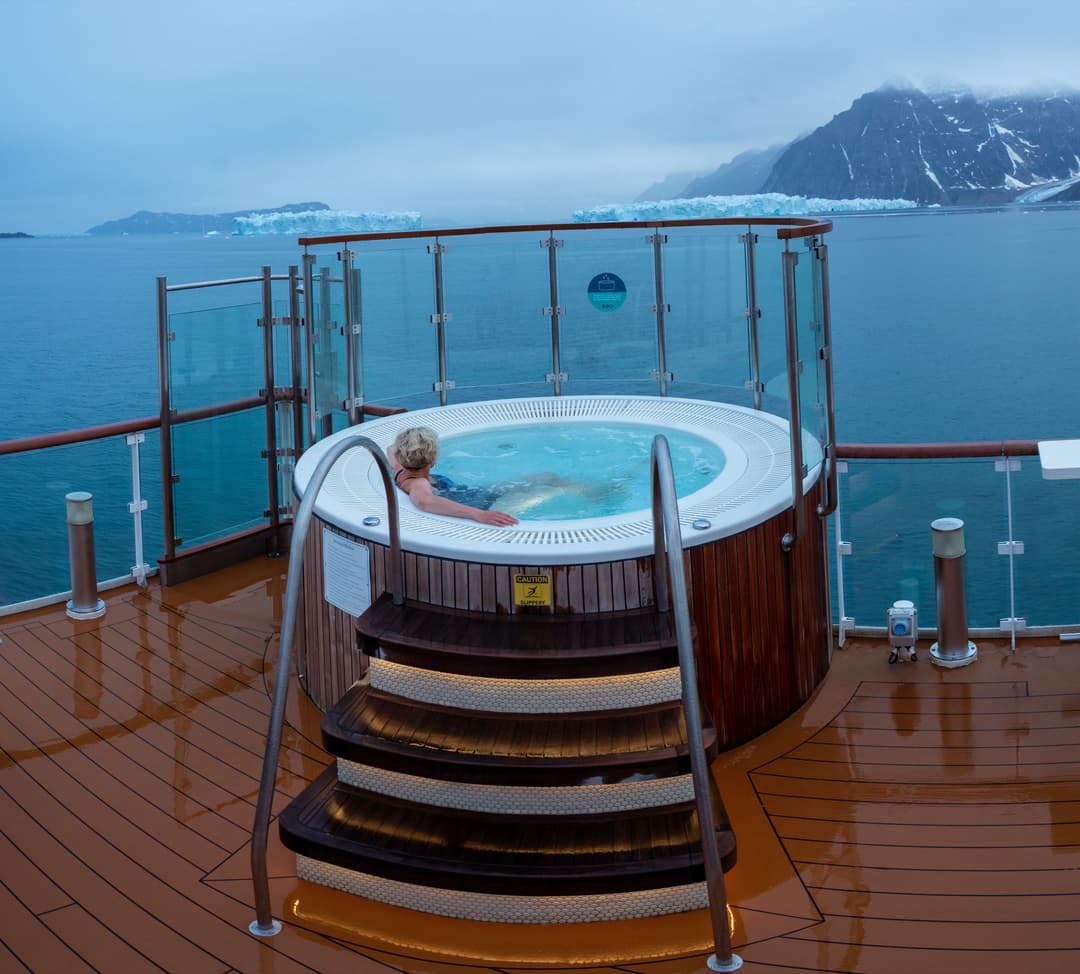
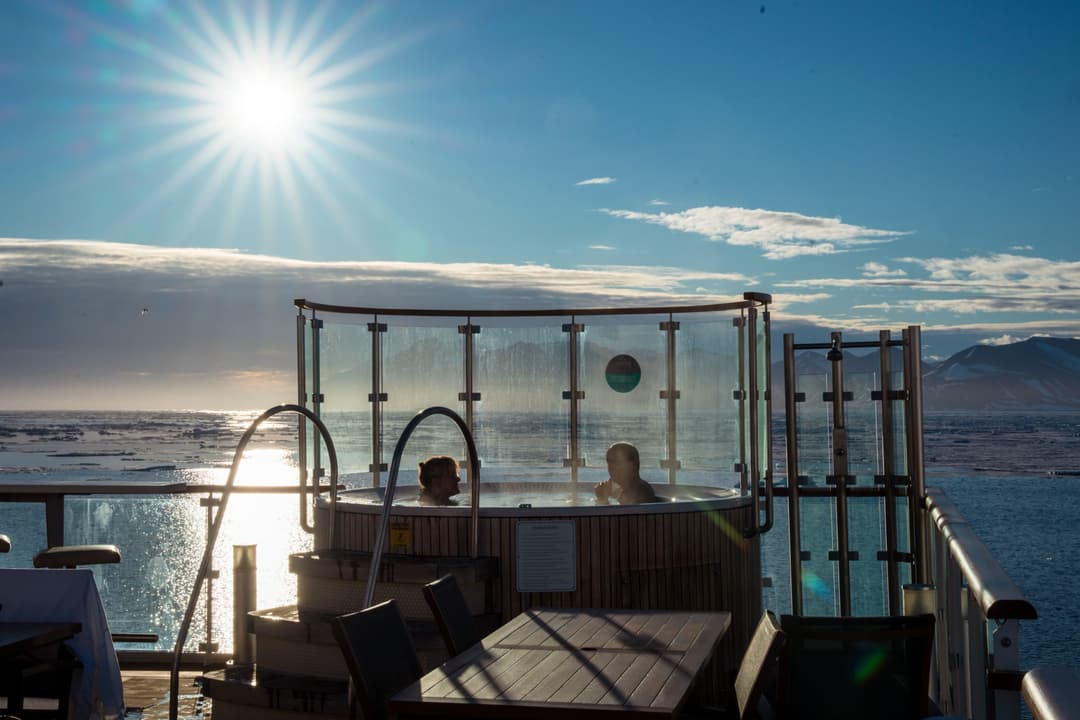
There is a Wellness Centre complete with gym equipment, sauna and spa. Feeling a little sore after walking around all day? Treat yourself to a massage∘ at the Wellness Centre and feels the aches disappear!
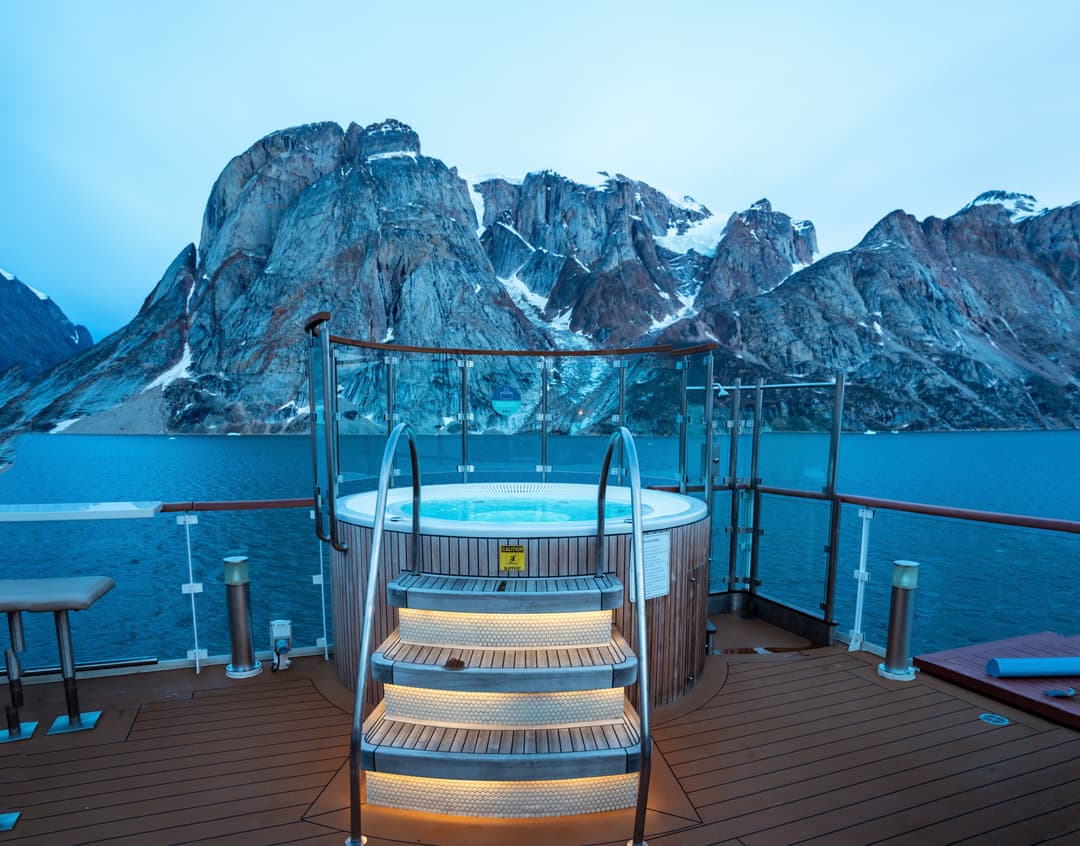
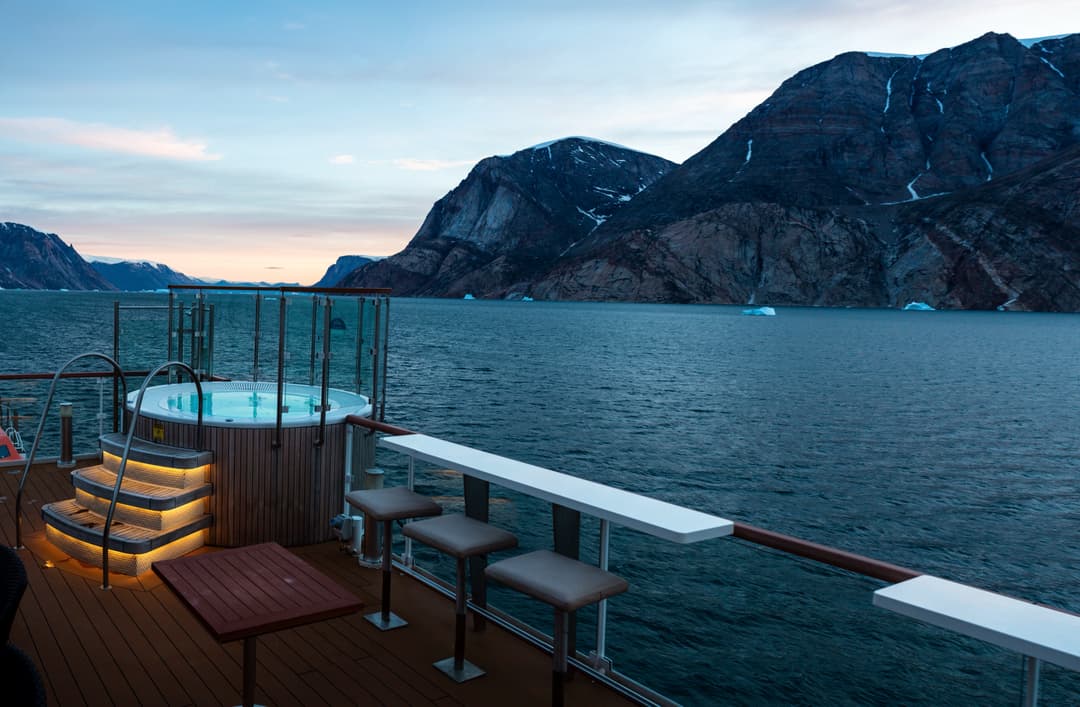
One of the great benefits of travelling with AE Expeditions is the number of optional activities that you can participate in. From kayaking and skiing to diving and climbing, these are one-in-a-lifetime opportunities that you need to take advantage of.
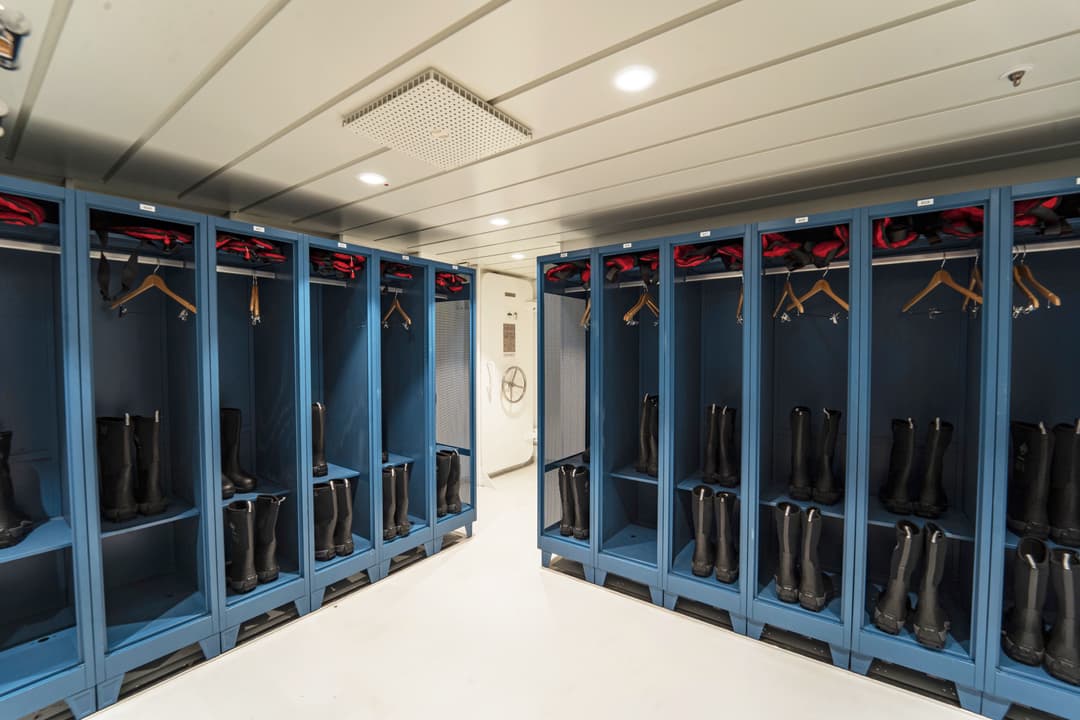
Aboard the Greg Mortimer there is a specially designed launching platform for all activities, a concept overseen by our activity experts. This area also includes individual lockers in the expansive mudroom and rapid drying areas for wetsuits so you can quickly get warm after exploring in the elements!
Loading...
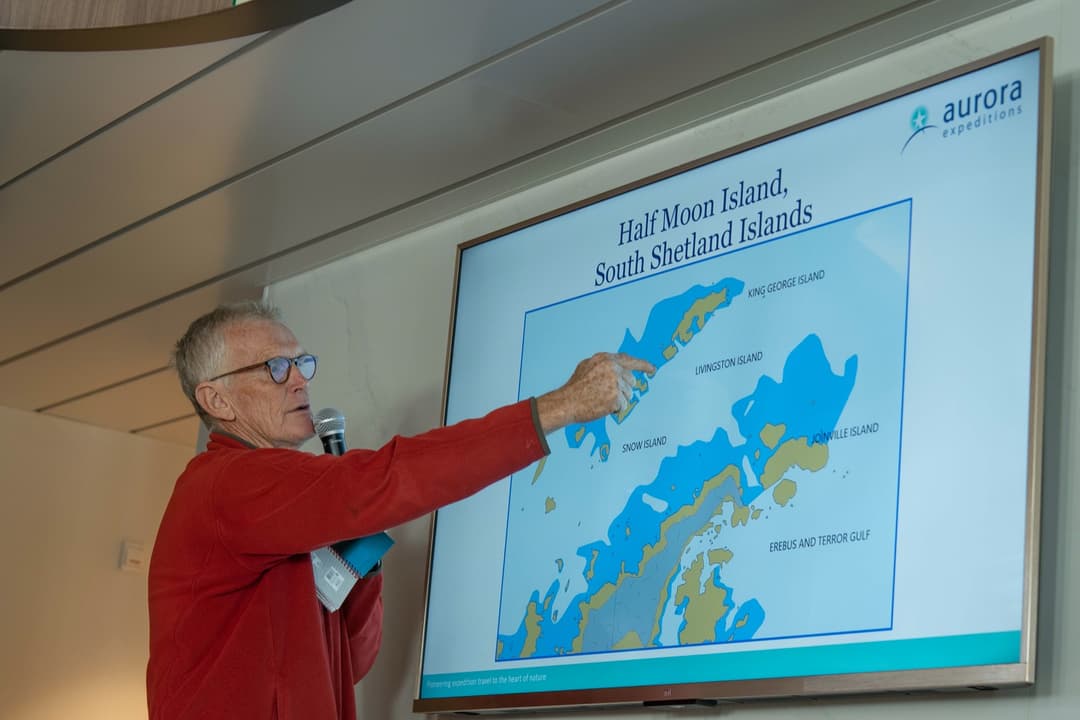
Travel is always the best educator and we offer the chance to enrich your curiosity and expand your knowledge and understanding of the places we travel to. There is no better learning opportunity than being in the field with subject matter experts.
Our Citizen Science Program is designed to be an interactive forum of like-minded travellers to share new discoveries and deepen their connection to the natural world in a relaxed, informal a....
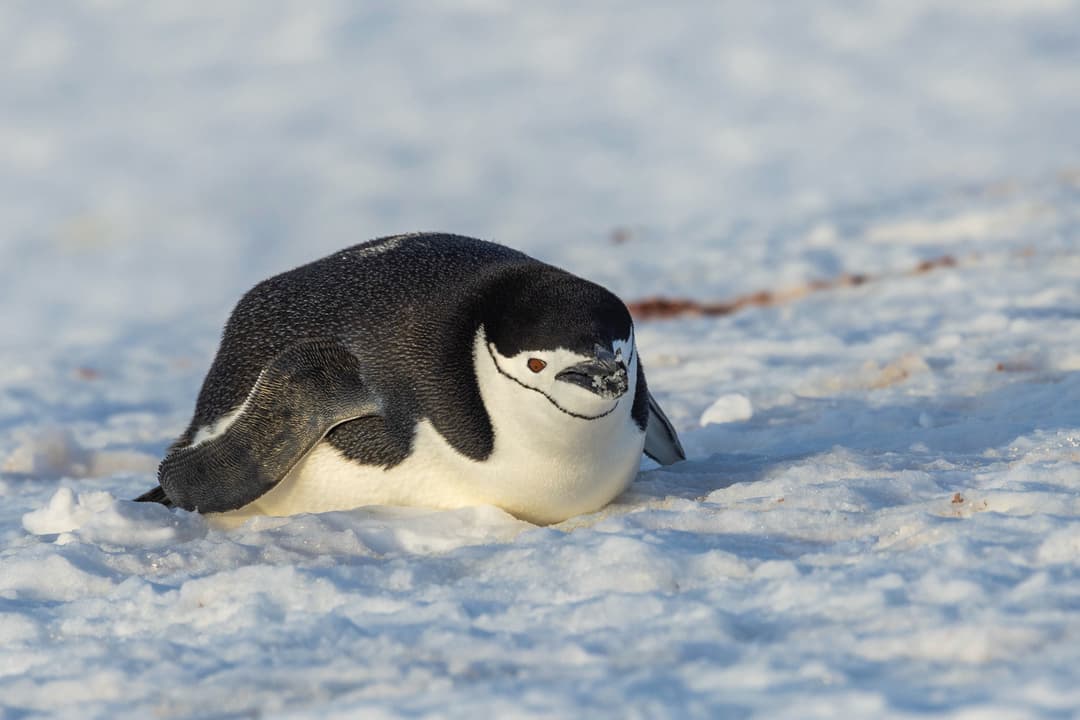
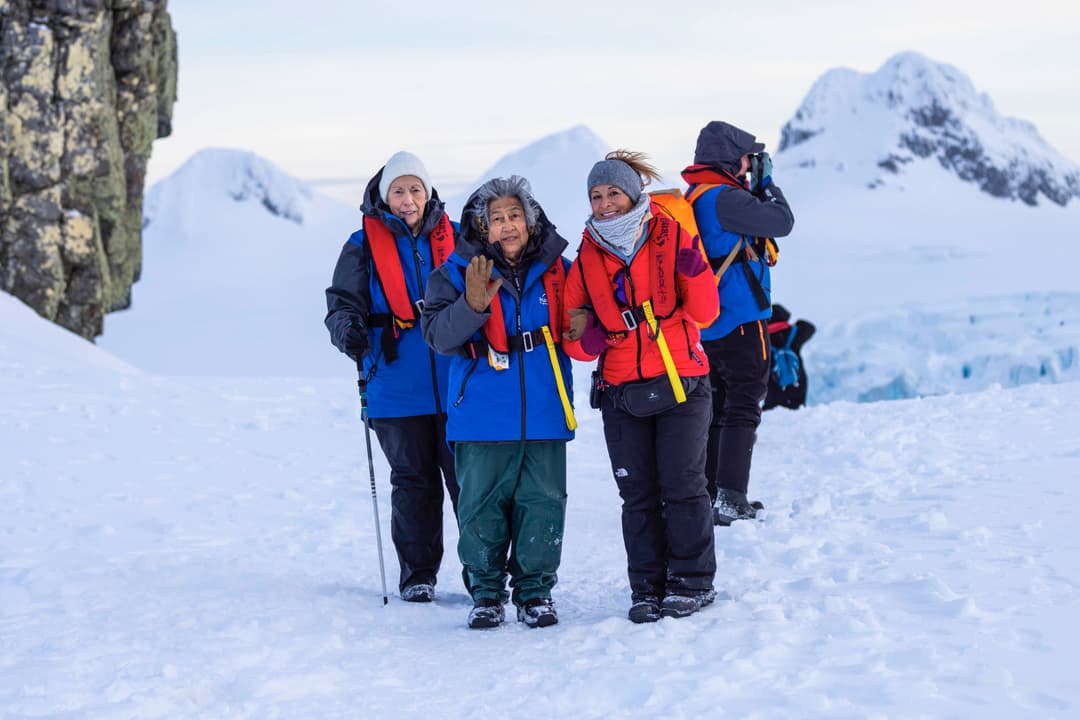
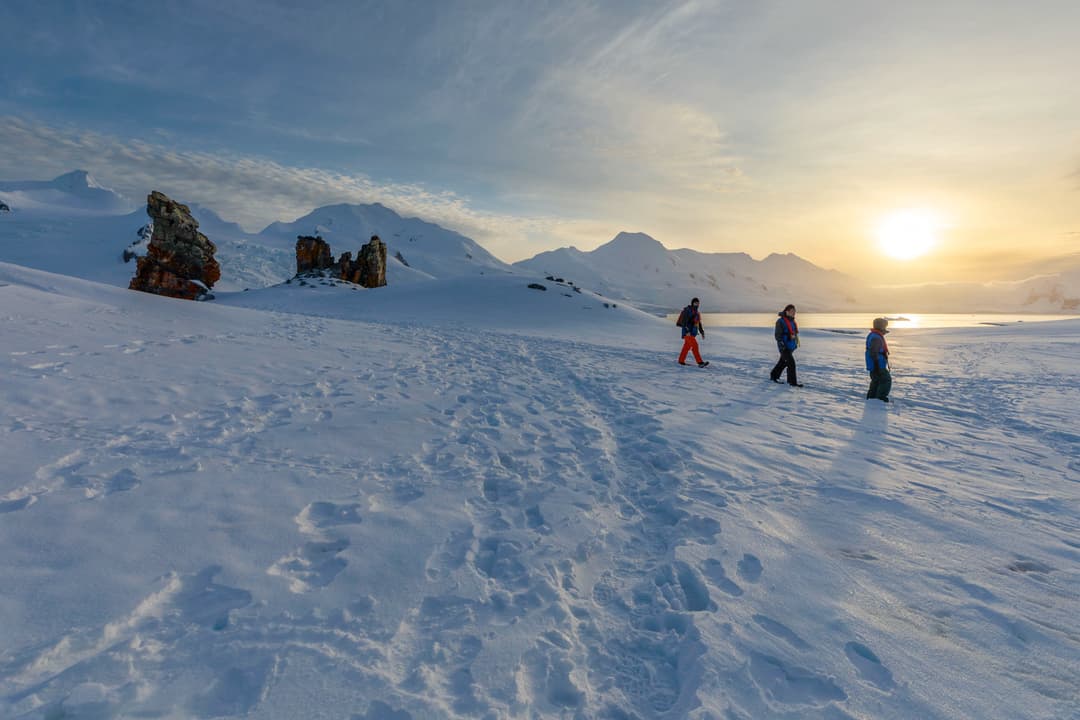
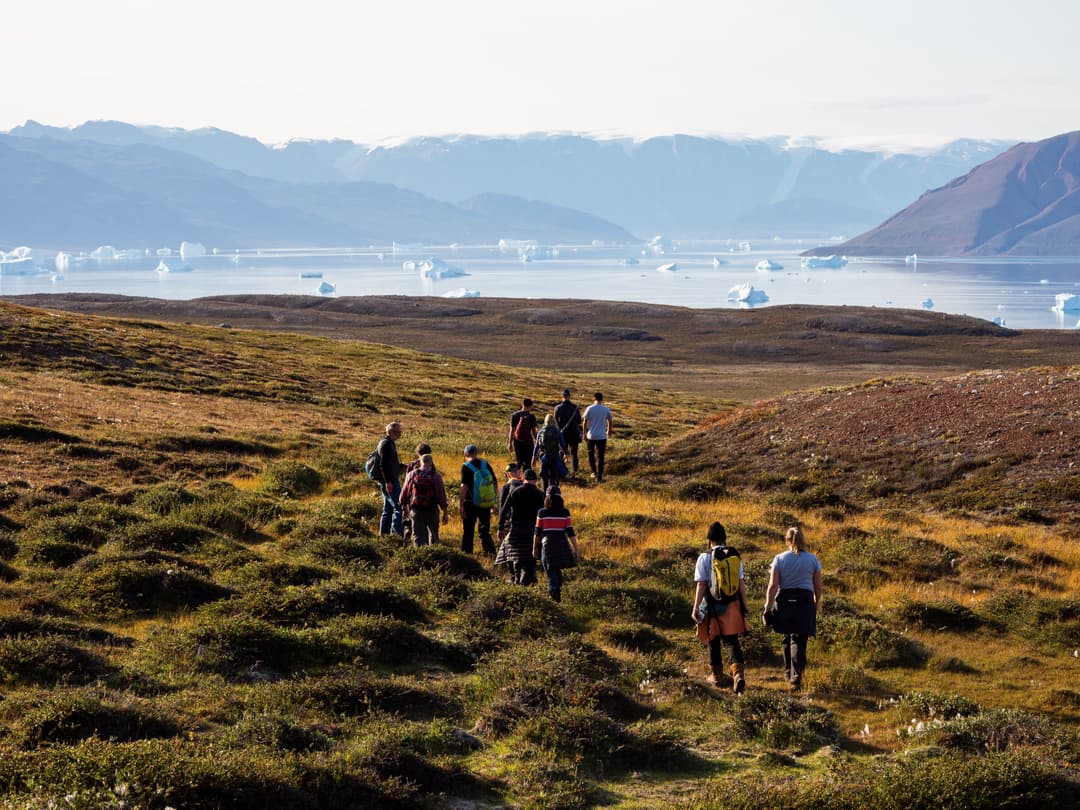
Although the ship is fun, the real enjoyment comes from the many shore excursions that are available. Depending on weather conditions, it may be possible for multiple landings, taking a look at everything from rock formations and ancient ruins to cute groups of penguins. We know time is of the essence in these wild locations, so the Greg Mortimer has been designed to carry 15 Zodiacs, which means you can maximise your time on shore.
From....
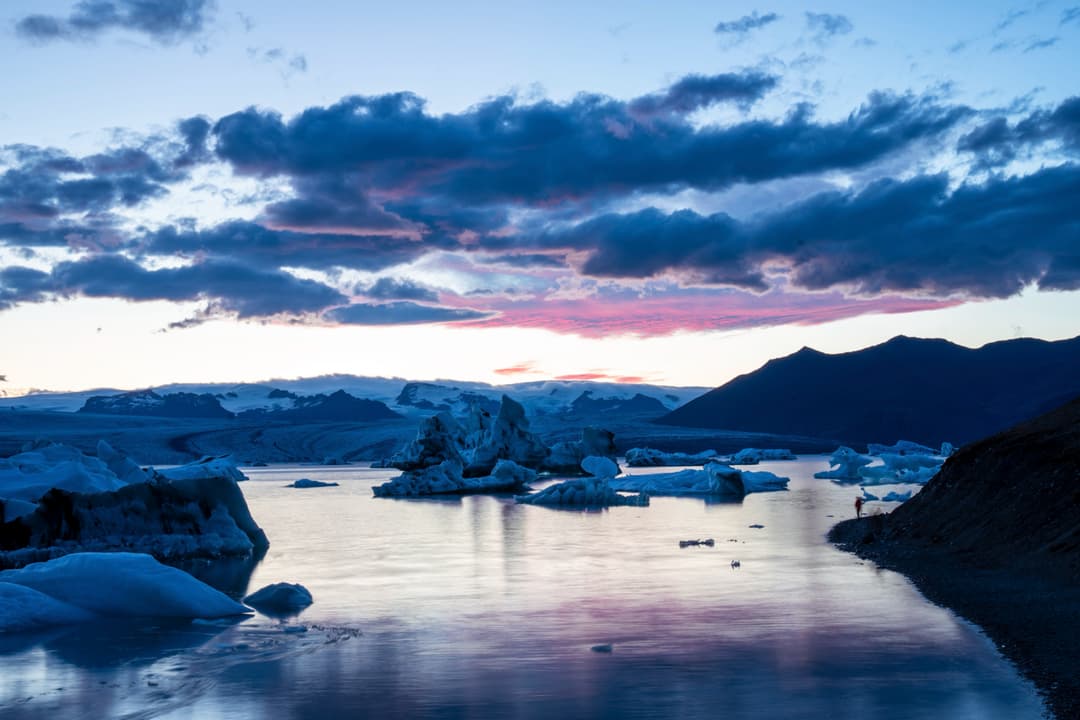
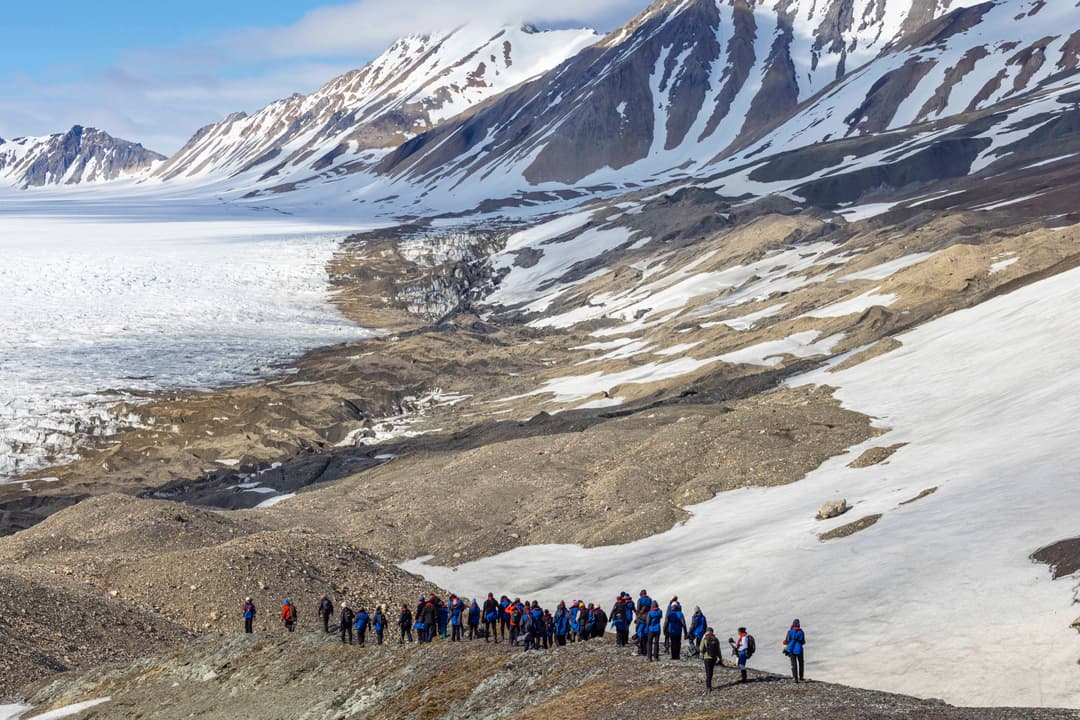
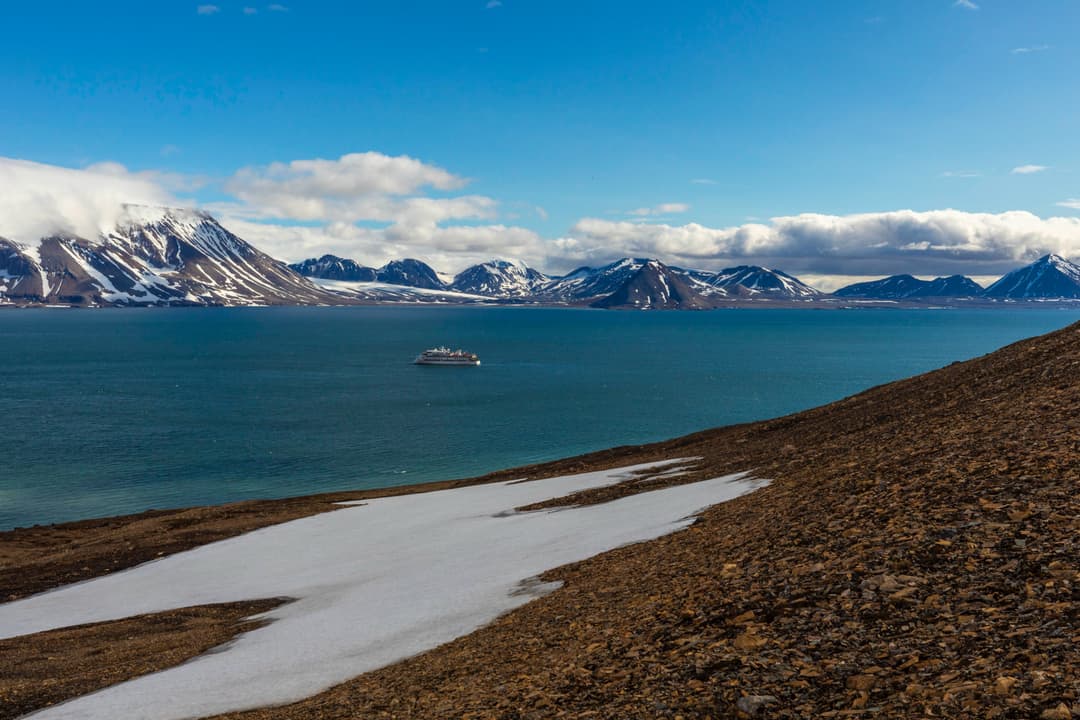
Although there is no doubt that you'll love the aesthetics of the Greg Mortimer, we are all here to admire the spectacular landscape and spot the elusive wildlife in their natural habitat. To ensure you get the best views possible, the new ship features unique viewing platforms, custom-built for the Greg Mortimer.
Accessed from Deck 5, the two platforms fold out hydraulically for unobstructed views of passing marine life and seabirds – ....
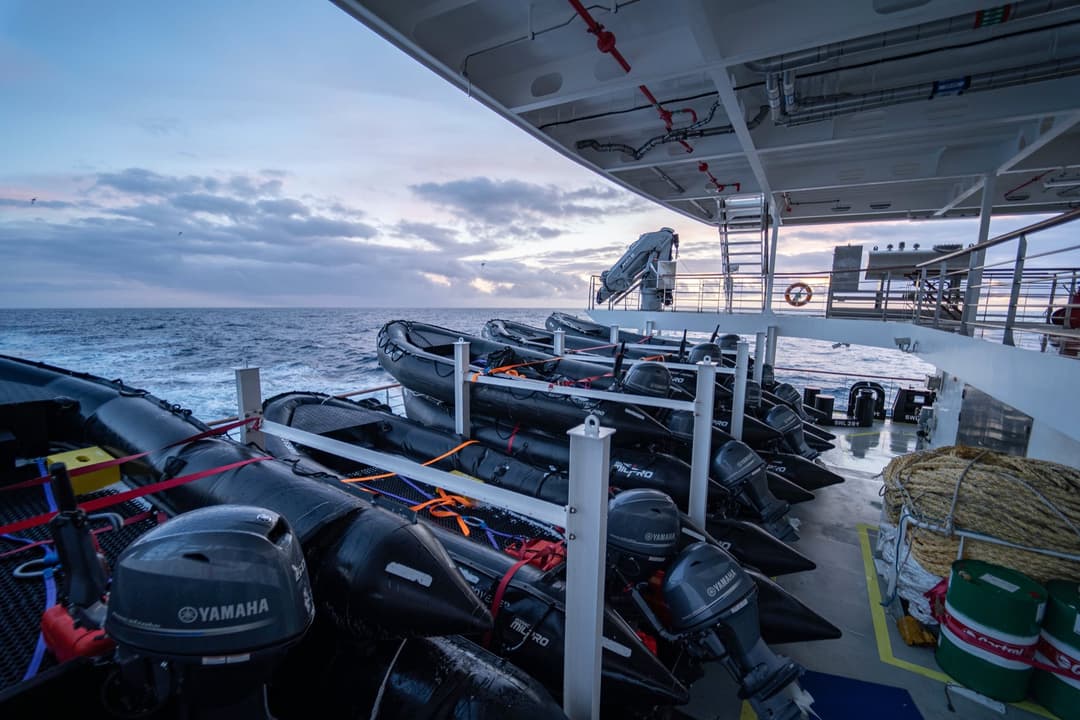
Zodiacs are a vital part of getting up close and personal on your adventure – sneaking into areas that the Greg Mortimer can't reach. On this new ship, there are specially designed launching platforms that enables us to load Zodiacs easily and quickly, allowing you to spend more time exploring on the two to three daily landings.
There are 15 Zodiacs that are boarded from either side of Deck 3 (sea level), perfect for when there is a grou....


There are no dedicated children's facilities onboard the Greg Mortimer.

Shipboard clothing is informal and casual Jeans, jumpers and long-sleeved shirts are ideal for indoors in the polar regions; however be sure to keep your jacket close for unexpected wildlife sightings! Some people like to take a nicer outfit for the captain's welcome and farewell drinks but formal clothing is not necessary. For health and safety reasons, we do request you wear enclosed shoes in public areas while on board the ship. AE Expediti....
We can accommodate most special meal requests if given advance notice. Our talented chefs will take your requirements into their meal planning and ensure you receive tasty, healthy meals. Ensure you list any dietary requirements on your personal details form. Although we aim to accommodate most dietary requirements, we are unable to cater to all requirements, nor can we guarantee that our onboard meals do not contain traces of peanuts or other....
Medical Form
It is compulsory for each passenger to return a signed medical from their general practitioner. Your Medical Form is required to be signed by your general practitioner and returned to AE Expeditions no later than three months and no earlier than six months before your voyage departure date.
If you become aware of any change in your health and fitness that may be likely to affect your participation on the trip (e....
When packing for your holiday, do you have trouble deciding between what to take versus leave at home? If so, you’re certainly not alone – it can be tricky deciding what makes the cut into your luggage.
Of course, what often helps is knowing the environment that you’re entering into. With Antarctica and the Arctic – known as the coldest, most isolated and remote landscapes in the world – there might be a tendency to pack your suitcase wi....
Standard Inclusions
We offer a number of standard inclusions on our voyages. Please see full list below:
- Fully-serviced accommodation in your chosen stateroom or suite
- Daily shore excursions, guided walks, Zodiac cruises and some activities^
- Entry fees to historic or tourist sites
- An experienced team of destination specialists, activity leaders, and local guides*
- An informative and entert....