

Northwest Passage
CRUISE ID # AURORANWP009S
Toronto, Ontario TO Calgary, Alberta

$24,926
WITH SPECIAL SAVINGS APPLIED
FARES SHOWN ARE PER GUEST
Suites & Fares
CHOOSE START DATE
: August 30, 2027
Itinerary
Having made your way to Toronto, take the complimentary hotel shuttle and check in at our group hotel at Toronto Airport. Please visit the Aurora Expeditions hospitality desk to collect your luggage cabin tags and to speak with our ground operations team, who may have information to share with you about pre-embarkation procedures and the charter flight to Nuuk tomorrow. You will receive Aurora Expeditions cabin tags for your luggage. Please clearly label the tags with your name and ship cabin number.
The remainder of your time is at leisure. All meals today are at your own expense.
Accommodation: Westin Toronto Airport Hotel
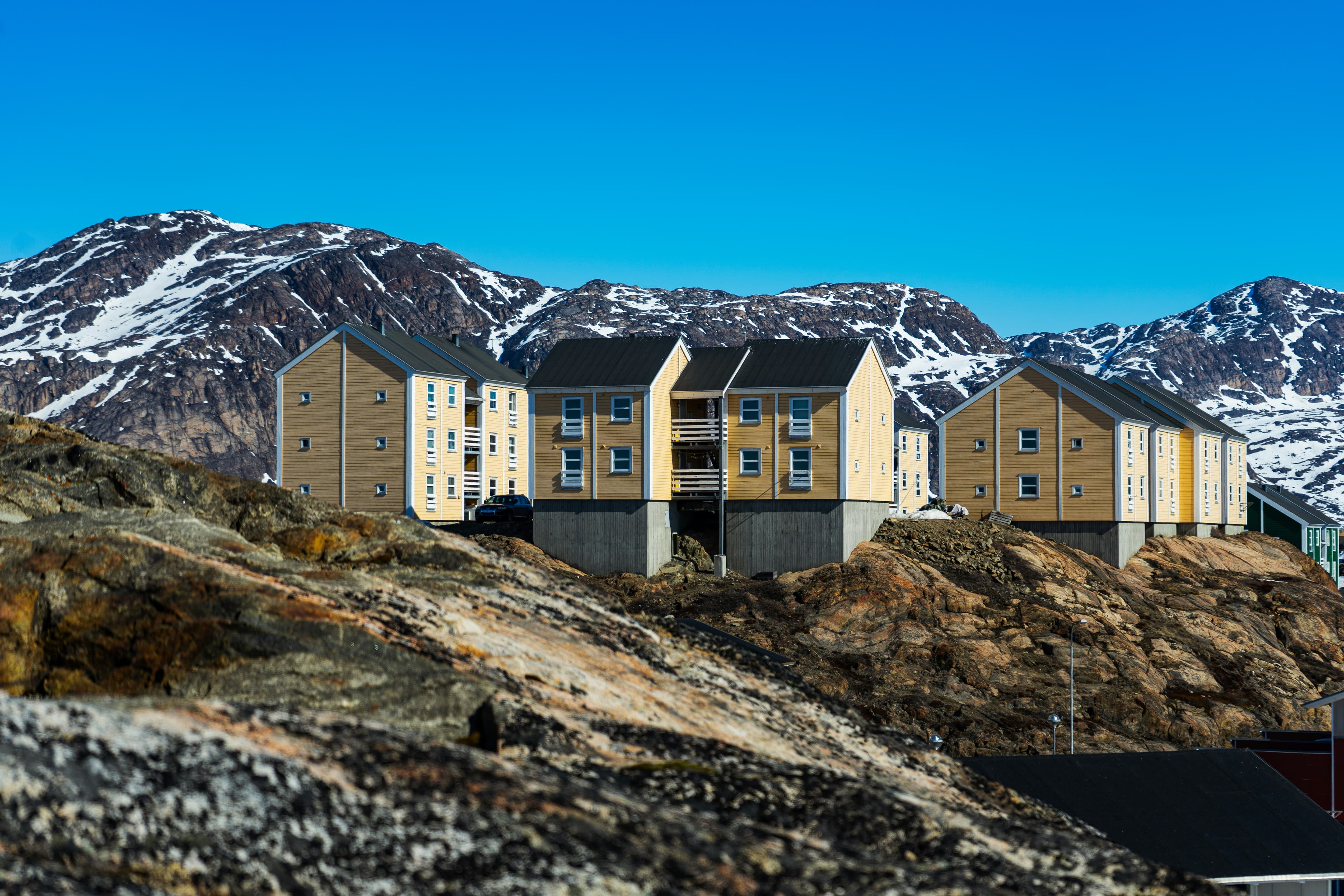
Nuuk, meaning “the cape”, was Greenland’s first town (1728). Started as a fort and later mission and trading post some 240 kilometers south of the Arctic Circle, it is the current capital. Almost 30% of Greenland’s population lives in the town. Not only does Nuuk have great natural beauty in its vicinity, but there are Inuit ruins, Hans Egede’s home, the parliament, and the Church of our Saviour as well. The Greenlandic National Museum has an outstanding collection of Greenlandic traditional dresses, as well as the famous Qilakitsoq mummies. The Katuaq Cultural Center’s building was inspired by the undulating Northern Lights and can house 10% of Nuuk’s inhabitants.
Located just north of the Arctic Circle, Sisimiut is the northernmost town in Greenland where the port remains free of ice in the winter. Yet it is also the southernmost town where there is enough snow and ice to drive a dogsled in winter and spring. In Sisimiut, travelling by sled has been the primary means of winter transportation for centuries. In fact, the area has been inhabited for approximately 4,500 years. Modern Sisimiut is the largest business center in the north of Greenland, and is one of the fastest growing Greenlandic cities. Commercial fishing is the lead economy in the town‘s thriving industrial base.
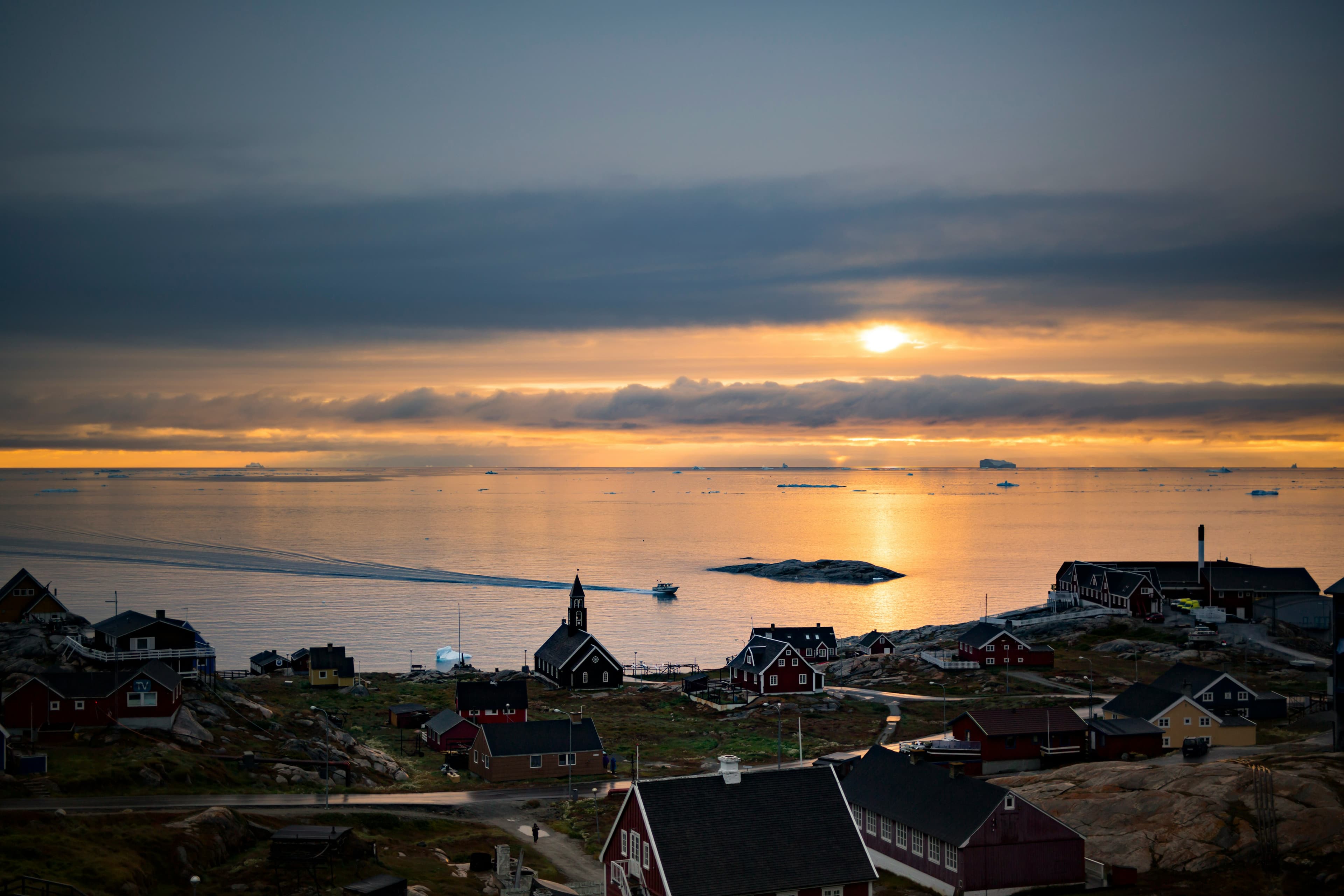
Known as the birthplace of icebergs, the Ilulissat Icefjord produces nearly 20 million tons of ice each day. In fact, the word Ilulissat means “icebergs” in the Kalaallisut language. The town of Ilulissat is known for its long periods of calm and settled weather, but the climate tends to be cold due to its proximity to the fjord. Approximately 4,500 people live in Ilulissat, the third-largest town in Greenland after Nuuk and Sisimiut. Some people here estimate that there are nearly as many sled dogs as human beings living in the town that also boasts a local history museum located in the former home of Greenlandic folk hero and famed polar explorer Knud Rasmussen.
Explore the remote northern reaches of West Greenland, where traditional Inuit settlements cling to the rugged coastline and towering icebergs drift through the deep, clear waters. Every day presents new possibilities, guided by your expedition team, who will hunt for the perfect location to explore the stunning fjord systems by Zodiac. Vast fjord systems such as Uummannaq Fjord, offers endless opportunities for adventure, every corner revealing jaw-dropping views, monumental icebergs, and vibrant rock formations that beg to be explored. Whether you’re cruising silently through the ice-choked waters, hiking across the colourful tundra, or visiting one of the remote communities that dot the coast, the options for discovery are limitless. Kayakers can paddle among the floating icebergs while keeping an eye out for humpback and minke whales. With the spirit of true expedition cruising, this region invites you to immerse yourself in the untamed beauty of Greenland’s northern frontier.
Located in northern Baffin Island, Pond Inlet is a small, predo¬minantly Inuit community, with a population of roughly 1,500 inhabitants. In 1818, the British explorer John Ross named a bay in the vicinity after the English astronomer John Pond. Today Pond Inlet is considered one of Canada's "jewels of the North" thanks to several picturesque glaciers and mountain ranges nearby. Many archaeological sites of ancient Dorset and Thule peoples can be found near Pond Inlet. The Inuit hunted caribou, ringed and harp seals, fish, polar bears, walrus, narwhals, geese, ptarmigans and Arctic hares, long before European and American whalers came here to harvest bowhead whales. Pond Inlet is also known as a major center of Inuit art, especially the printmaking and stone carving that are featured in the town’s art galleries.
In genuine expeditionary style, our itinerary for the following days is heavily dependent on weather conditions and unpredictable sea ice. The following places are some that we hope to visit.
Devon Island (Tallurutit)
At a latitude of almost 75° degrees north, we are now truly in the High Arctic. Here, nutrient-rich waters support an abundance of wildlife, giving the area the moniker ‘wildlife superhighway’ of the Arctic. Devon Island (Tallurutit) is the largest uninhabited island on Earth and features stunning geology, with flat-topped mountains and glacial valleys giving Devon Island its unique character. We hope to visit Dundas Harbour to enjoy offers walks on undulating tundra, and perhaps some birdwatching. A dilapidated Royal Canadian Mounted Police outpost and remnants of a Hudson’s Bay Company trading post can be found here. In the bay, walruses are often present. Other possible places that we might visit include Croker Bay and Maxwell Bay.
Maxwell Bay (Tasiujaq)
Maxwell Bay is a broad, sheltered inlet that offers outstanding opportunities for exploration both on land and by sea. The surrounding tundra landscapes provide excellent hiking, with sweeping views of the rugged coastline and inland valleys. Wildlife is abundant in this remote area: muskoxen and caribou roam the open terrain, while polar bears are occasionally seen along the shoreline or on ice floes. The sheltered waters of Maxwell Bay are a haven for marine mammals, including harp seals, ringed seals, and bearded seals. Walruses are sometimes spotted hauled out on the ice or rocky beaches, adding to the rich wildlife experience. Birdlife is also notable, with seabirds such as glaucous gulls and northern fulmars often seen soaring overhead. The bay’s numerous coves and inlets create a sense of discovery at every turn, making it a rewarding destination for Zodiac cruises and shore landings.
Beechey Island (Iluvilik)
At the western end of Devon Island lies Beechey Island (Iluvilik), where we plan to land. Named after Frederick William Beechey, the island is a designated Canadian National Historic Site. During the Franklin expedition of 1845–46, Franklin attempted to sail through the Northwest Passage with HMS Erebus and HMS Terror, with perilous results – three of his men are buried here. Roald Amundsen landed at Beechey Island in 1903, during the first successful voyage by ship to fully transit the Northwest Passage from the Atlantic Ocean to the Pacific Ocean.
Radstock Bay
Just a short distance away, Radstock Bay offers a captivating contrast to the open sea. Here, we’ll disembark via Zodiac onto a beach strewn with remnants of the past. Explore the ruins of a Thule village nestled beneath the imposing Caswell Tower, where well preserved stone dwellings coexist with artifacts from later explorers. Witness the stark beauty of this remote bay, characterised by its dramatic cliffs, gravelly beaches, and the scattered remains of whale skeletons that have shaped the landscape and the lives of those who called it home.
Prince Leopold Island (Appait)
On the southern side of Lancaster Sound from Beechey Island lie the towering bird cliffs of Prince Leopold Island (Appait), a historic site where in 1848, English explorer James Clark Ross overwintered during the search for the missing Franklin expedition. Prince Leopold Island is the most important bird sanctuary in the Canadian Arctic, with approximately 500,000 birds nesting here in summer. Ringed seals are often spotted on the sea ice around the island and polar bears often lurk nearby.
Port Leopold
Port Leopold, a barren, windswept bay on the northeastern corner of Somerset Island (Inuktitut Kuuganajuk), is steeped in history. Here, the crews of HMS Enterprise and Investigator were forced to endure a harsh winter while searching for the lost Franklin expedition. Their presence is indelibly marked on a rock engraved with "1849" and the ships' initials. The desolate landscape is punctuated by a lone Hudson Bay Company hut, a failed trading post from the 1920s.
We hope to hike and explore the coastline, discovering the historic Hudson Bay Company house and intriguing Inuit archaeological sites. Be amazed by the otherworldly formations shaped by the region’s freezing and thawing cycles, which our expedition team will detail during recap. Nearby, a cairn marks the spot where Ross's rescue expedition left vital supplies.
Elwin Bay (Ikpiarjuk)
Situated on the southeastern coast of Somerset Island, Elwin Bay is a breathtaking, wide inlet famous for its wildlife, particularly polar bears. This area was historically used by hunters and today remains an important habitat for bears who hunt along the ice edge and swim between the scattered ice floes. During summer, beluga whales are sometimes seen offshore, and the rocky beaches may reveal evidence of Arctic foxes and seabird colonies. The surrounding landscapes offer stunning contrasts, from rolling tundra to rugged limestone cliffs. Elwin Bay’s rich natural history and raw beauty make it a highlight for wildlife photography.
Batty Bay, Somerset Island
Nestled along the northeastern coast of Somerset Island, Batty Bay is a narrow, sheltered fjord steeped in Arctic exploration history. In the 1850s, it served as a winter refuge for expeditions searching for Sir John Franklin’s lost ships. Here we will hike the surrounding tundra slopes and trace the paths of early explorers. The calm waters of the bay are perfect for Zodiac cruising, with opportunities to spot ringed seals on ice floes and polar bears along the rocky shoreline. The cliffs and rugged terrain also attract a variety of nesting seabirds.
Bellot Strait
Bellot Strait is one of the most legendary waterways of the Arctic; a narrow, fast-flowing channel that separates the northern tip of the Boothia Peninsula from Somerset Island. Just two kilometres wide at its narrowest point, this passage is known for its strong tidal currents, shifting ice, and dramatic scenery. Bellot Strait marks the northernmost point of mainland North America and was first navigated by explorers seeking the elusive Northwest Passage. Today, it remains a thrilling and challenging route for expedition vessels. Wildlife is often seen along the shores and in the water, including polar bears, seals, and occasionally beluga whales riding the tides. Steep cliffs and rugged hills frame the strait, offering a dramatic backdrop for cruising.
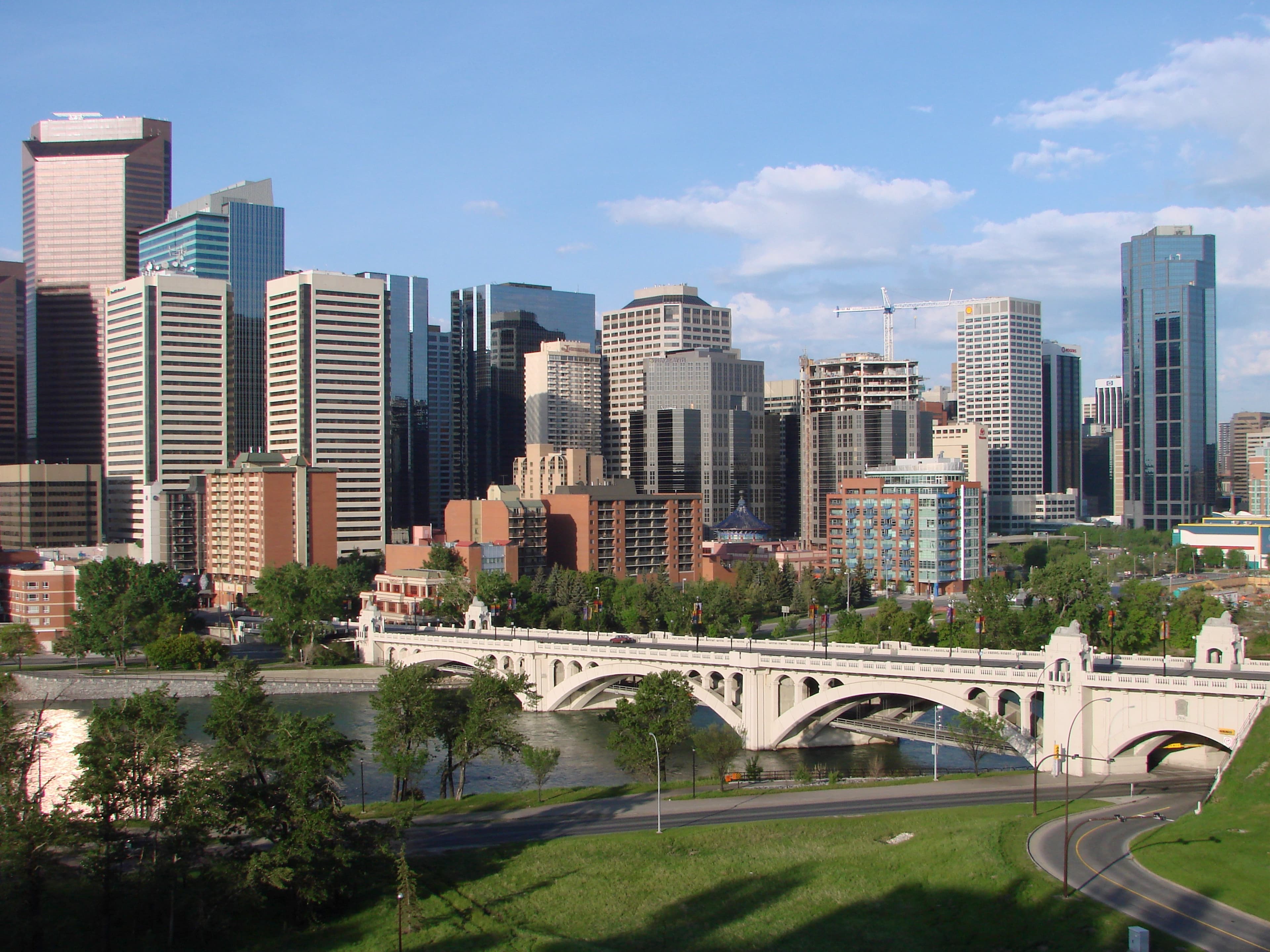
In Resolute, farewell the crew, expedition team and fellow travellers before a Zodiac shuttle whisks you ashore. Transfer to the airport for a charter flight to Calgary, where you will transfer to your group hotel and stay overnight.
Accommodation: Residence Inn by Marriott Calgary Downtown / Beltline District
After breakfast, check-out of your room and you will be transferred to the airport to continue your journey.
About the Ship
Name
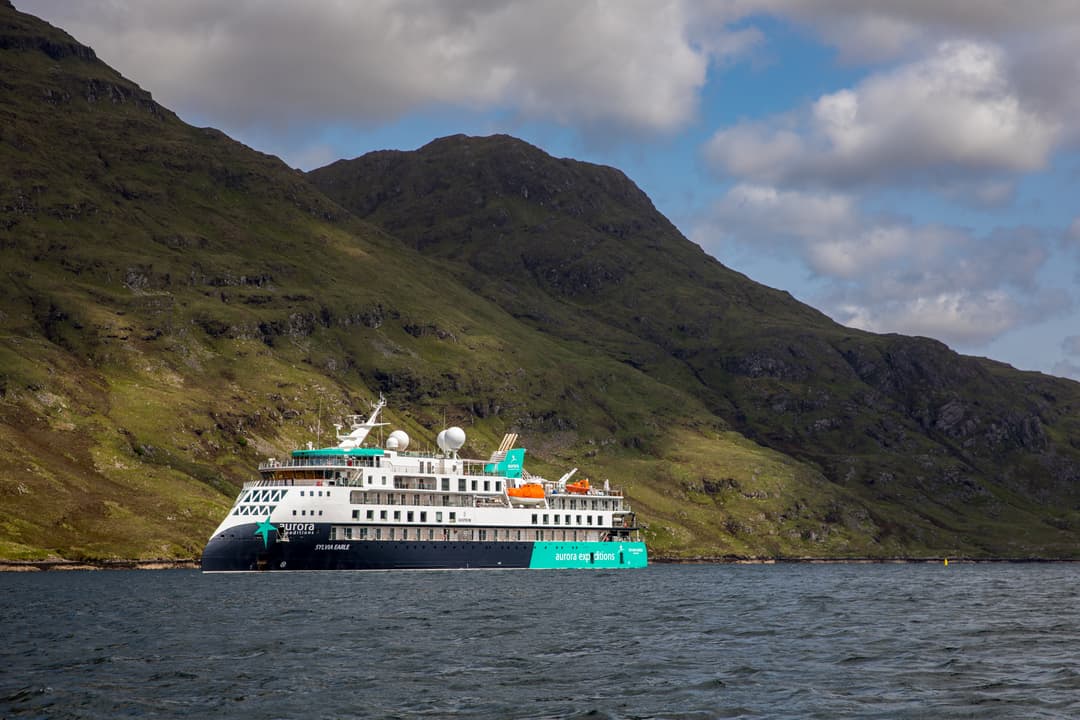
Sylvia Earle
Operator
Aurora Expeditions

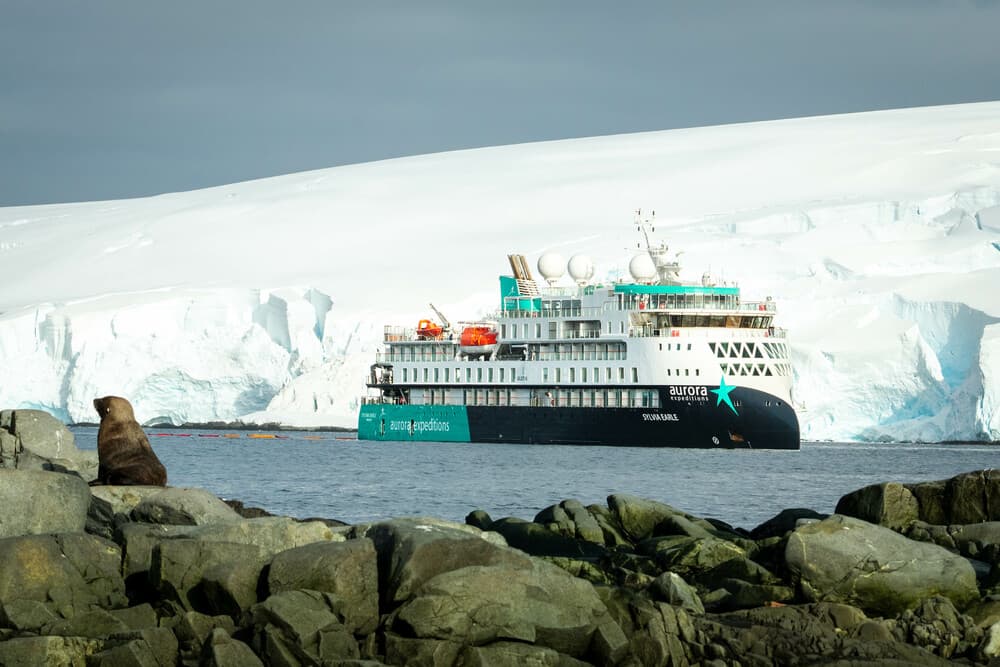
A floating ambassador for the planet.
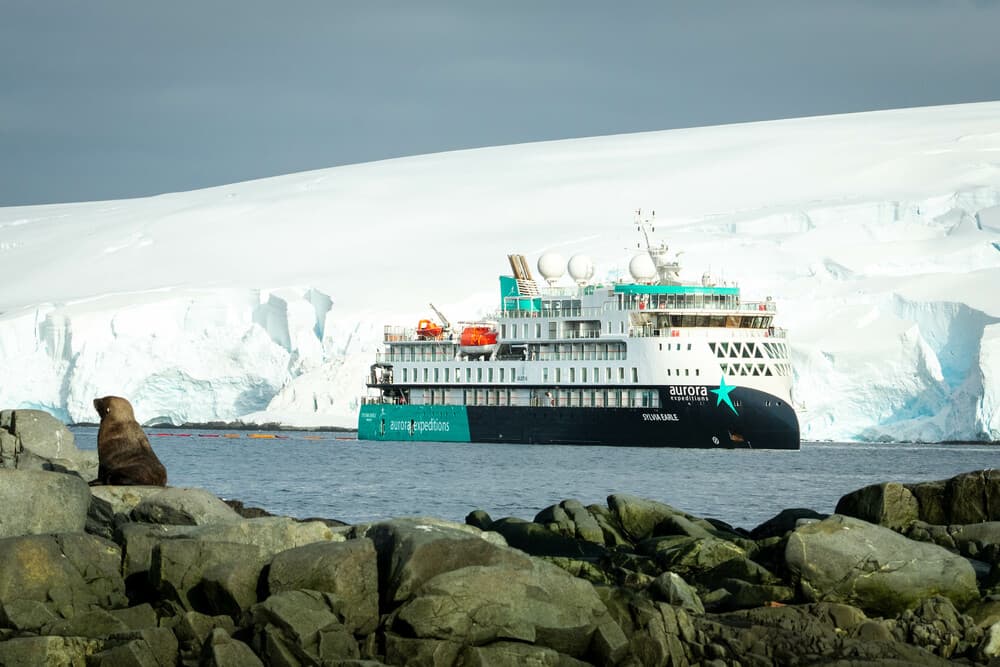
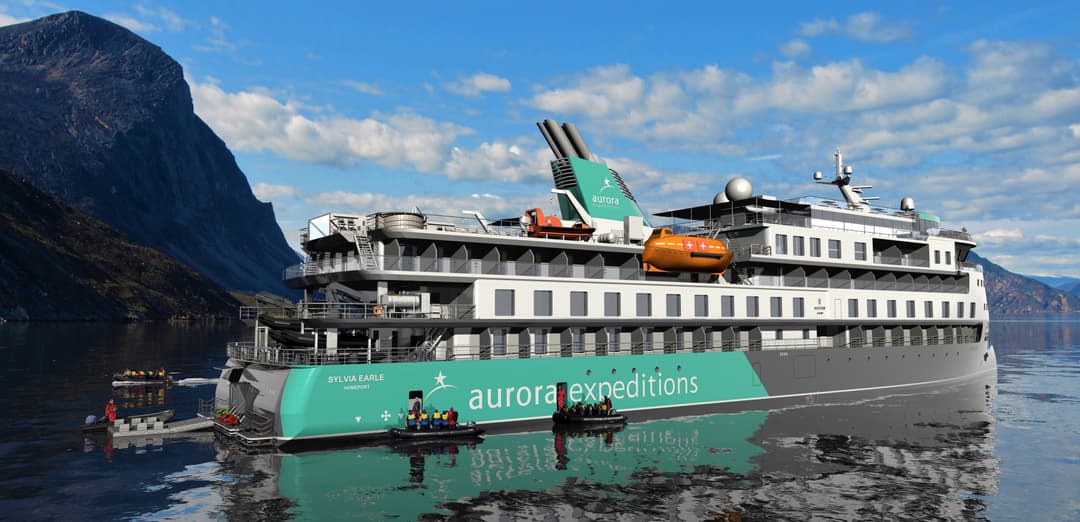
On our small purpose-built ship, the Sylvia Earle, connect with like-minded travellers in a meaningful way on perspective-altering voyages to some of the most remote, unique and spectacular places on the planet. Featuring the Ulstein X-BOW® design, it cuts through the swell for a smoother transit through waves while minimising its environmental impact.
Loading...
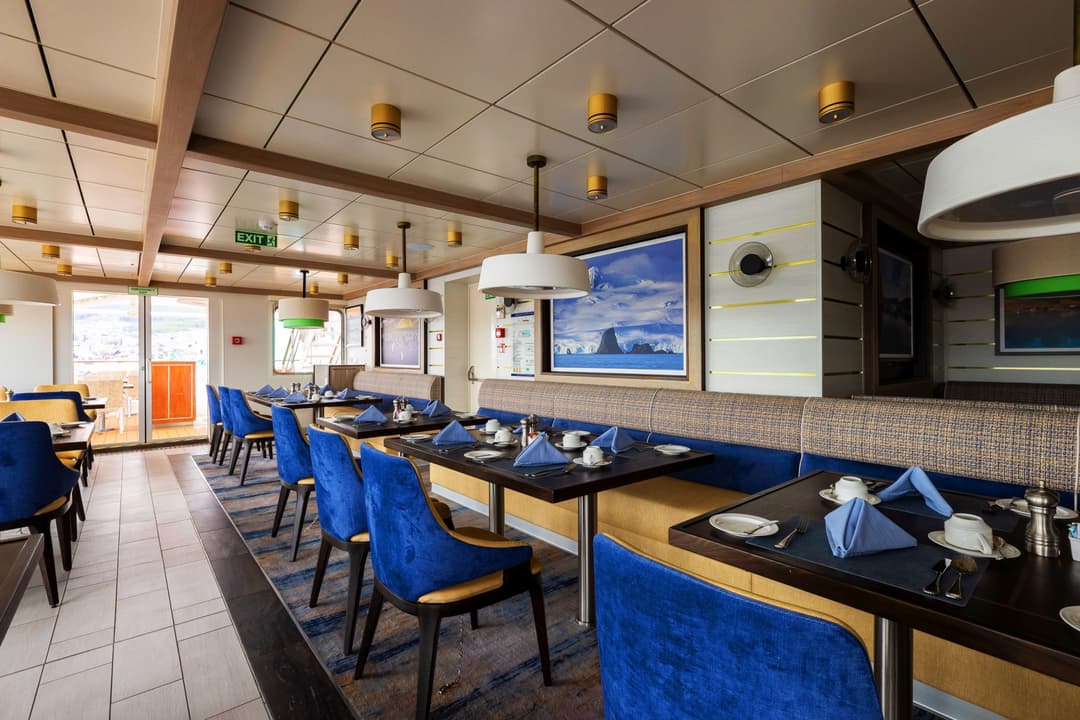
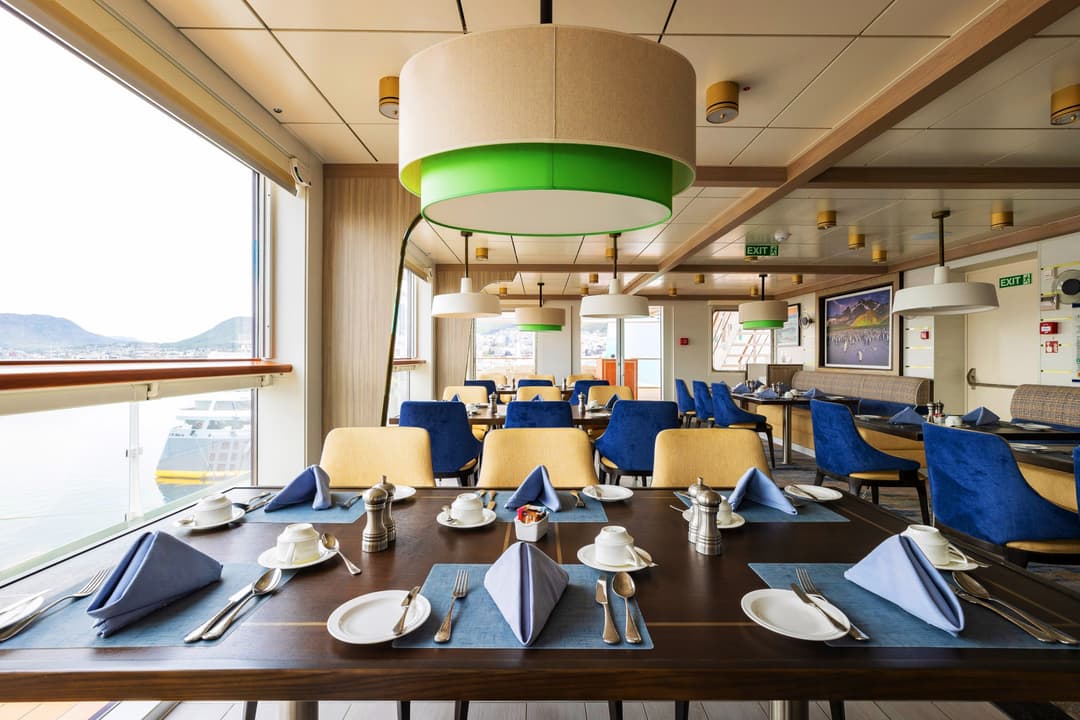
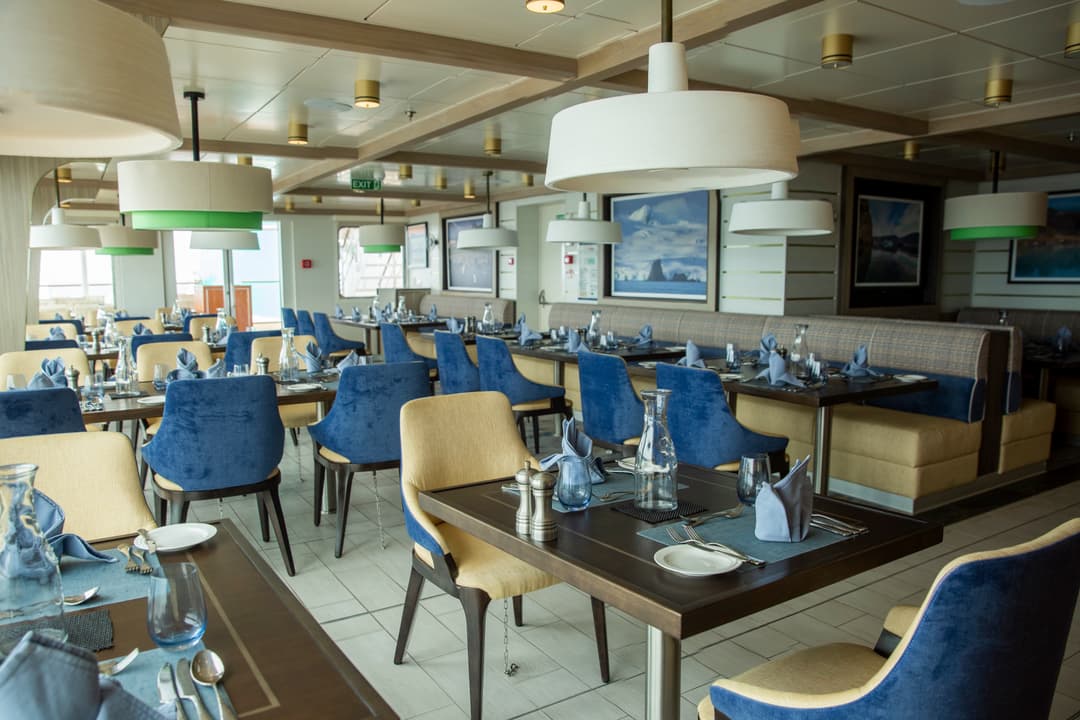
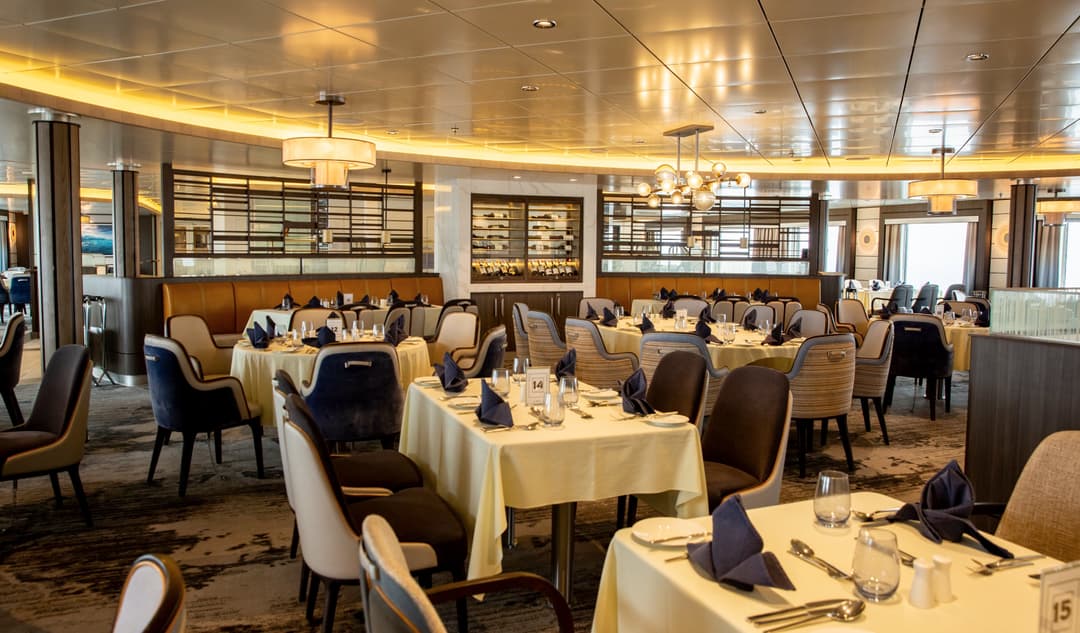
Whatever adventures the day holds, you will be fuelled-up with hearty meals and delicious morning and afternoon teas cooked by our onboard chefs.
Meals are a great time to soak up the expedition camaraderie in our open seating dining area. Share stories with your fellow travellers and ask our expedition team questions that may have come up during the day.
Tea, coffee, and snacks are available 24 hours a day, and our chefs offer dif....
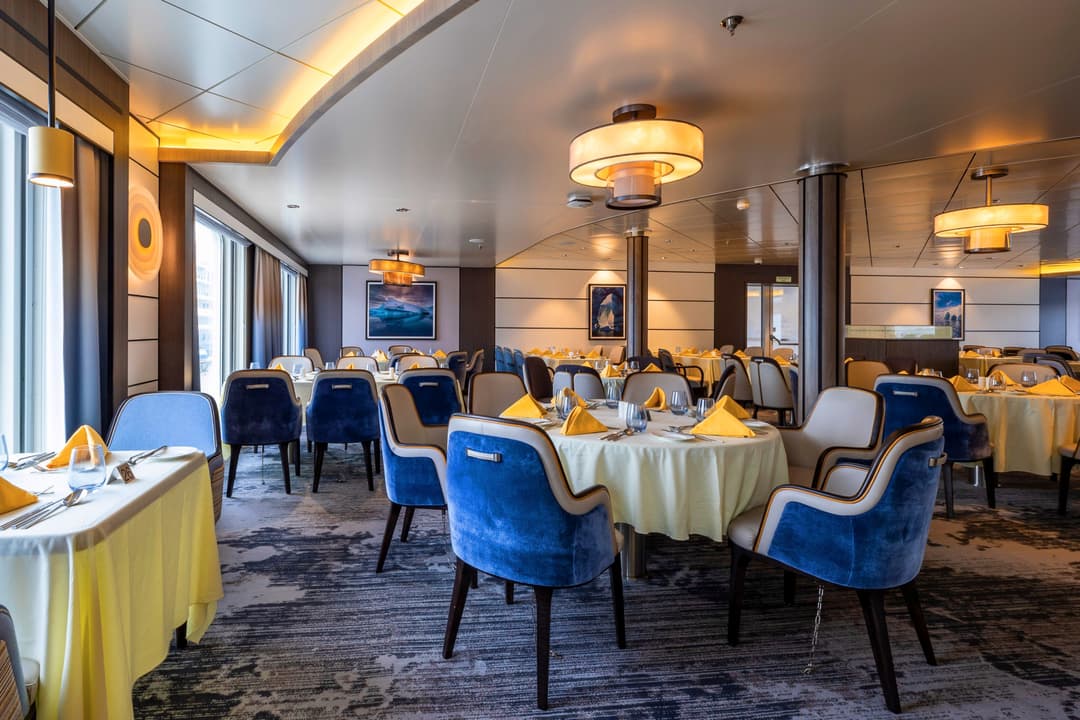
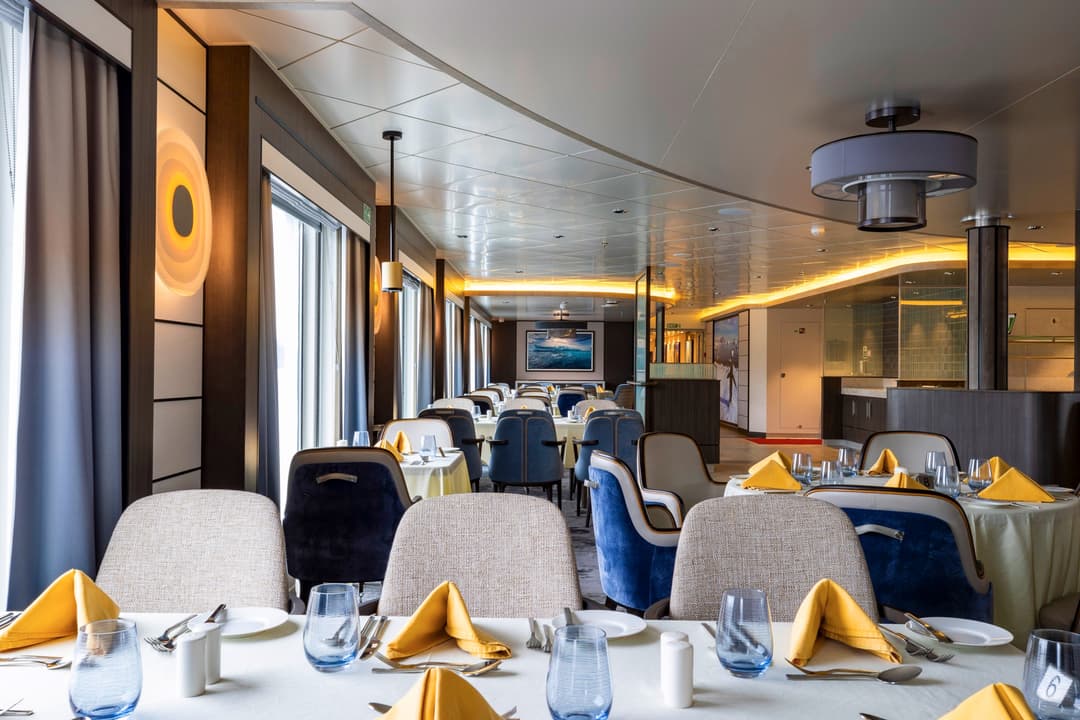
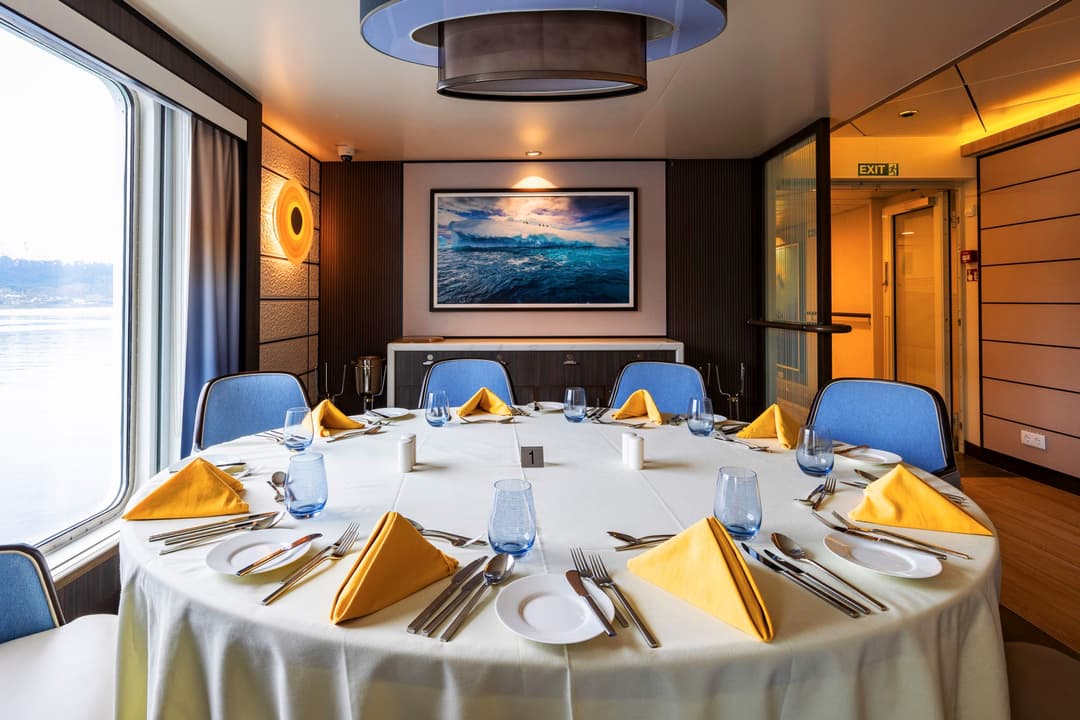
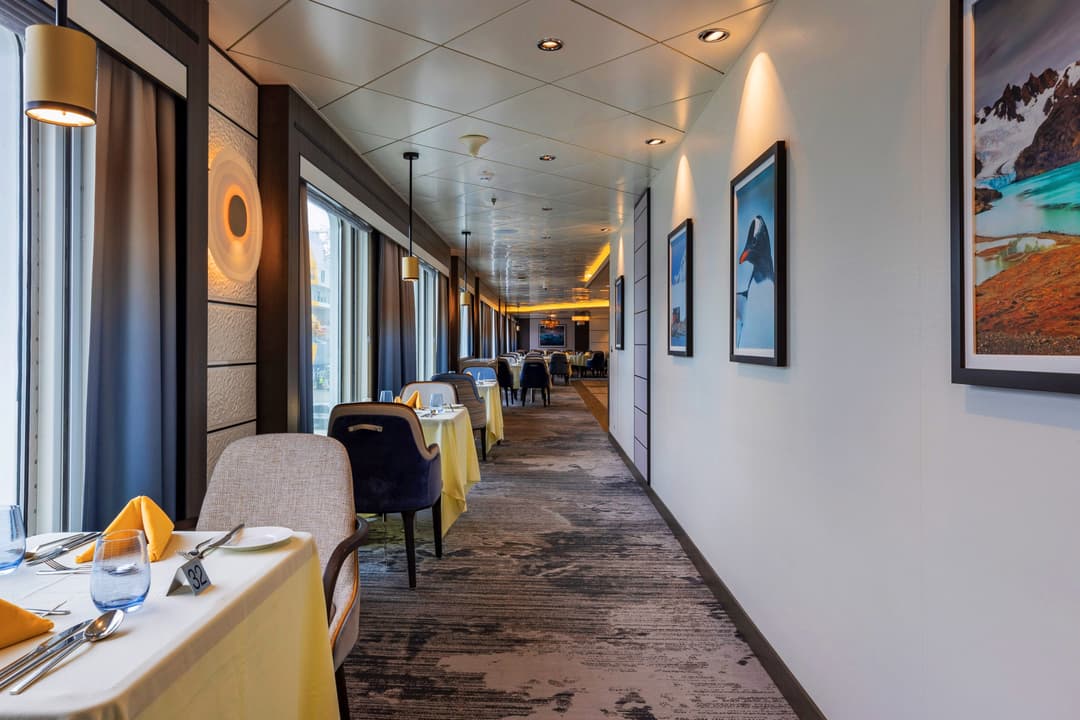
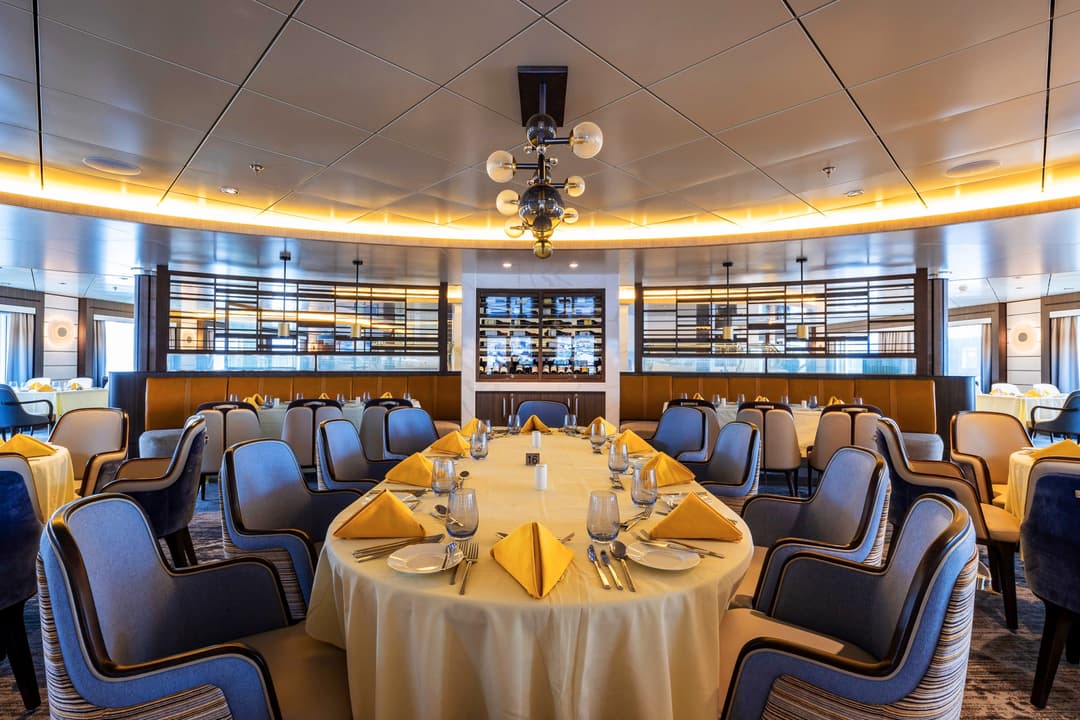
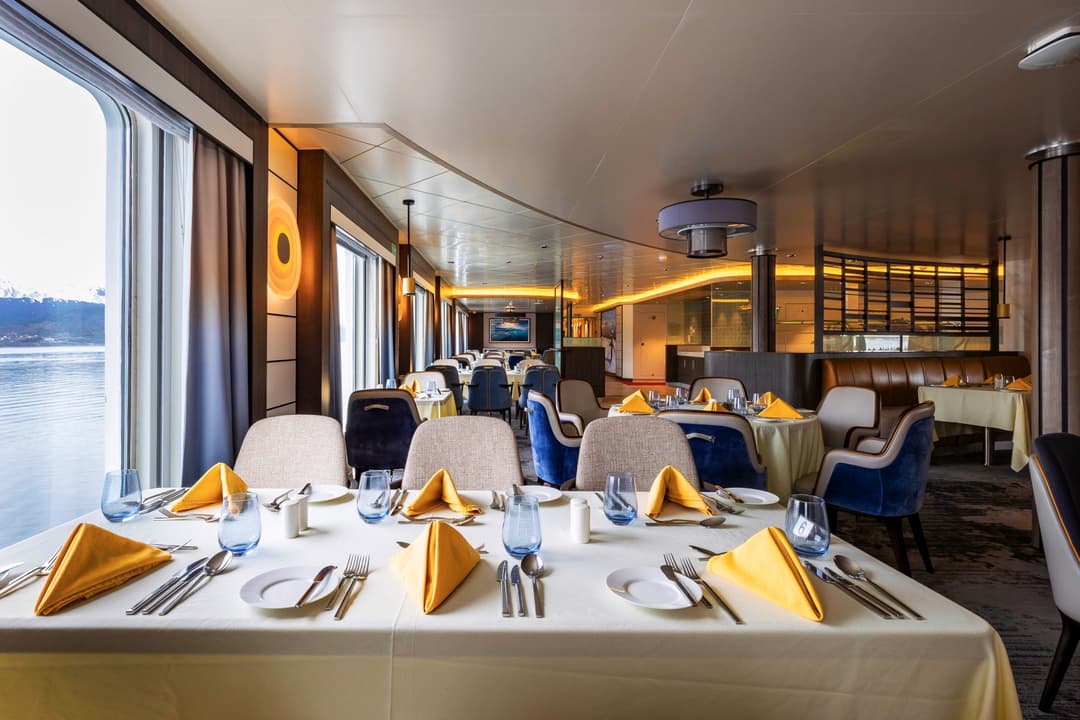
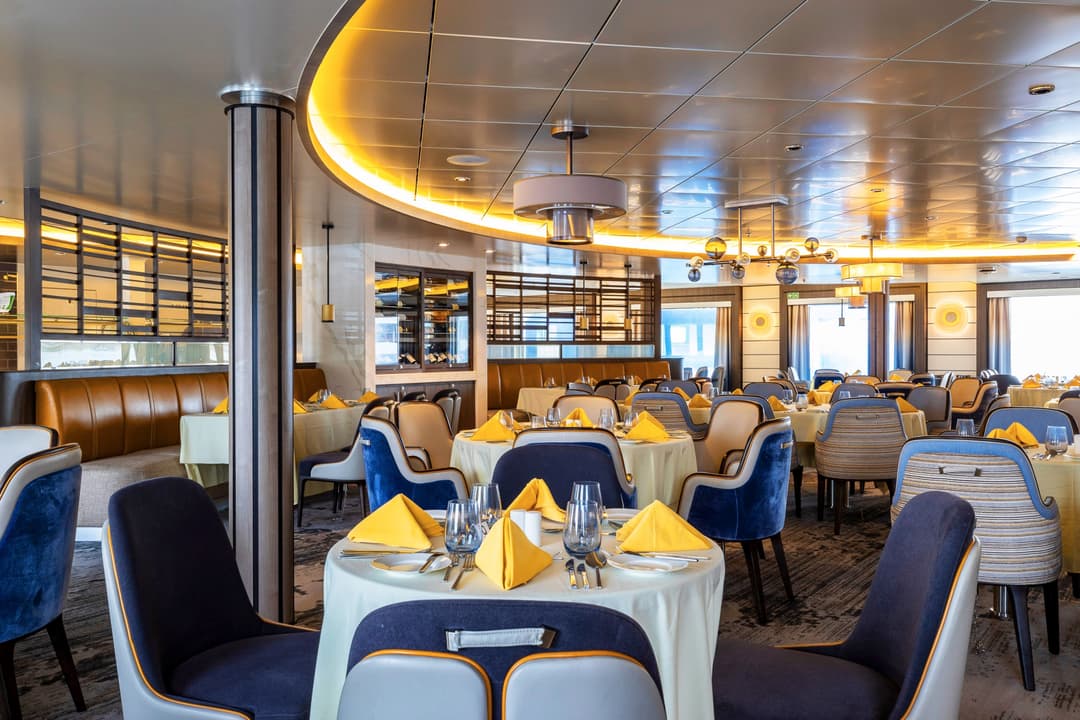
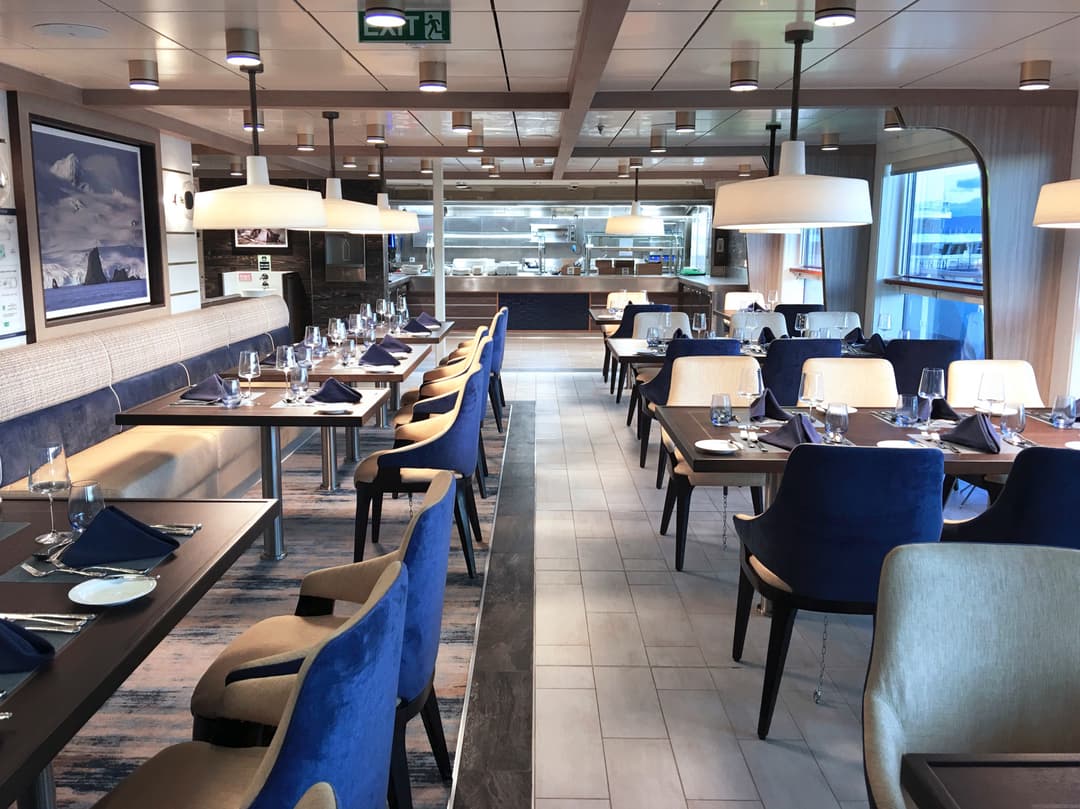
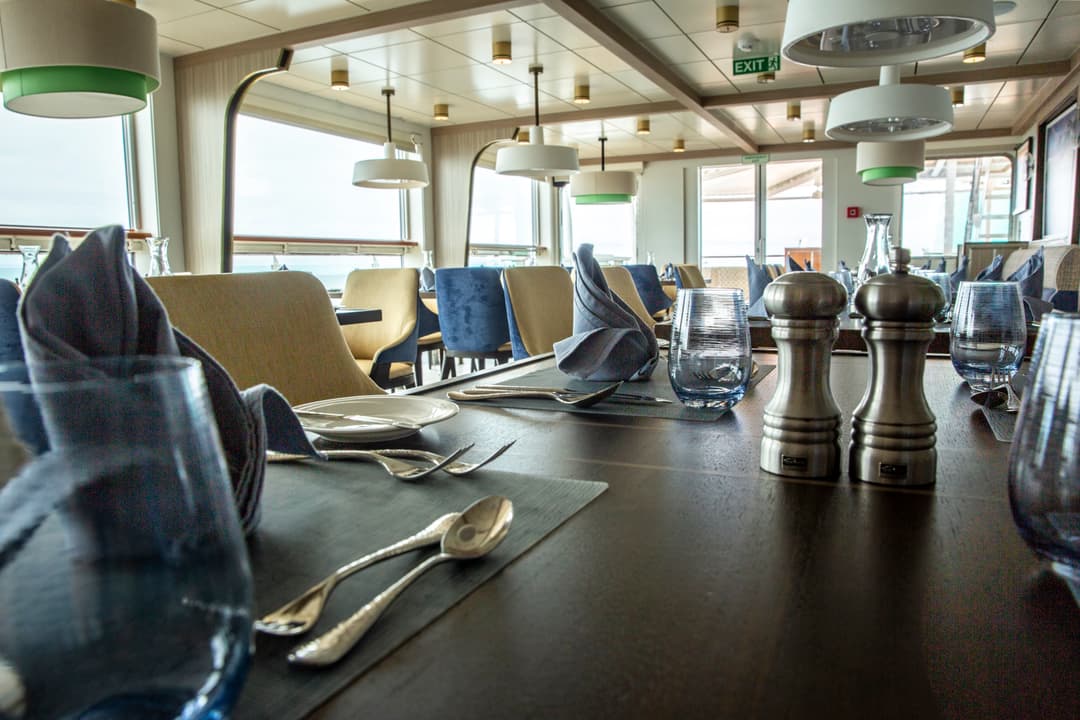
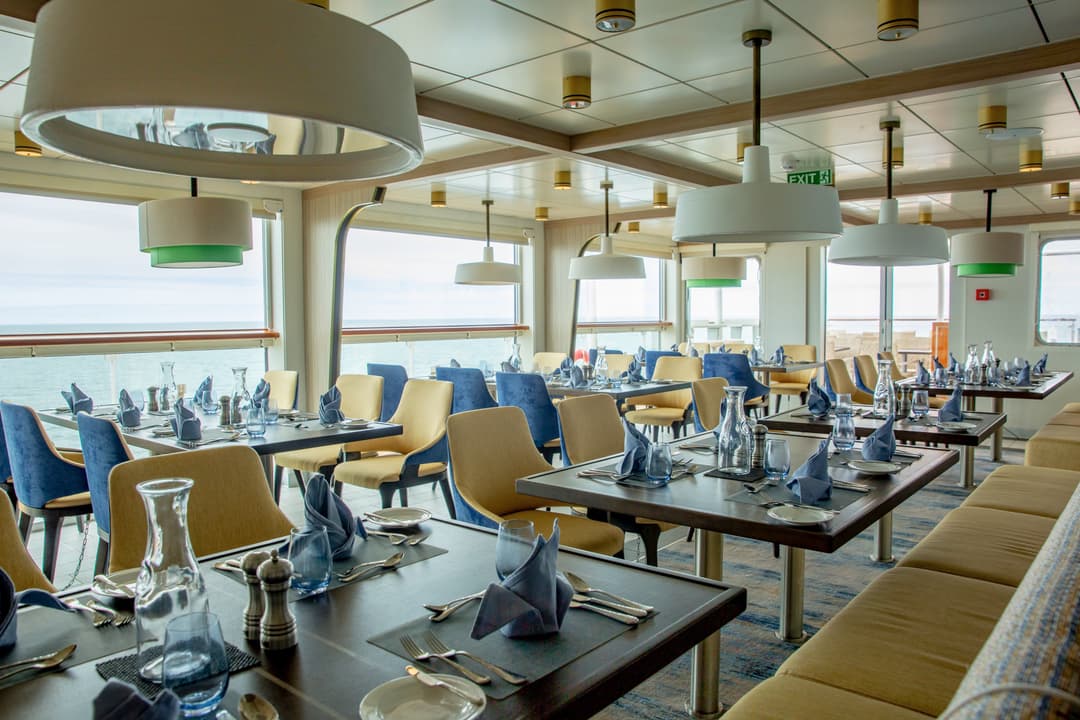
When you’re relaxing during a sea day or you have a little downtime on the ship between excursions, what is there to do onboard the Sylvia Earle? Plenty!
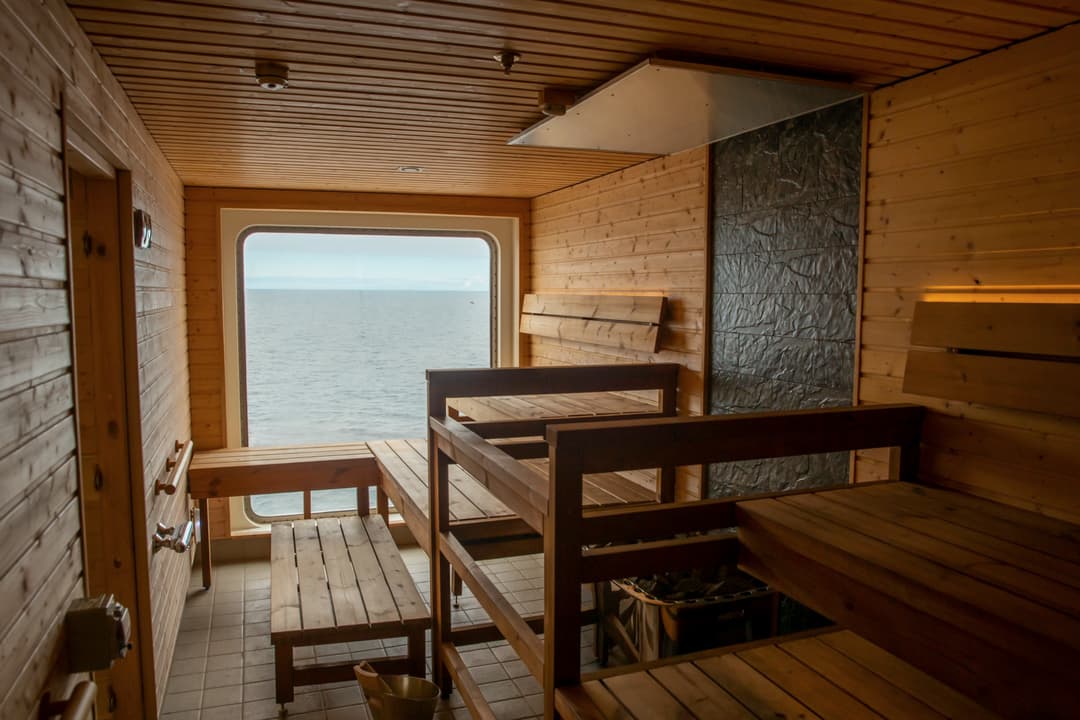
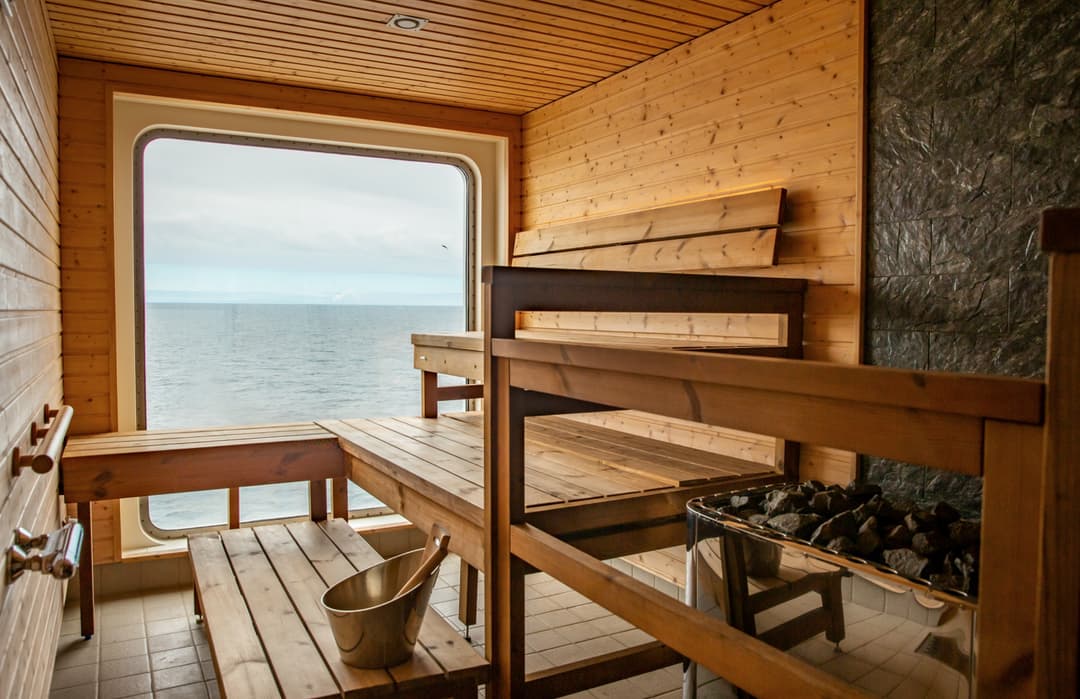
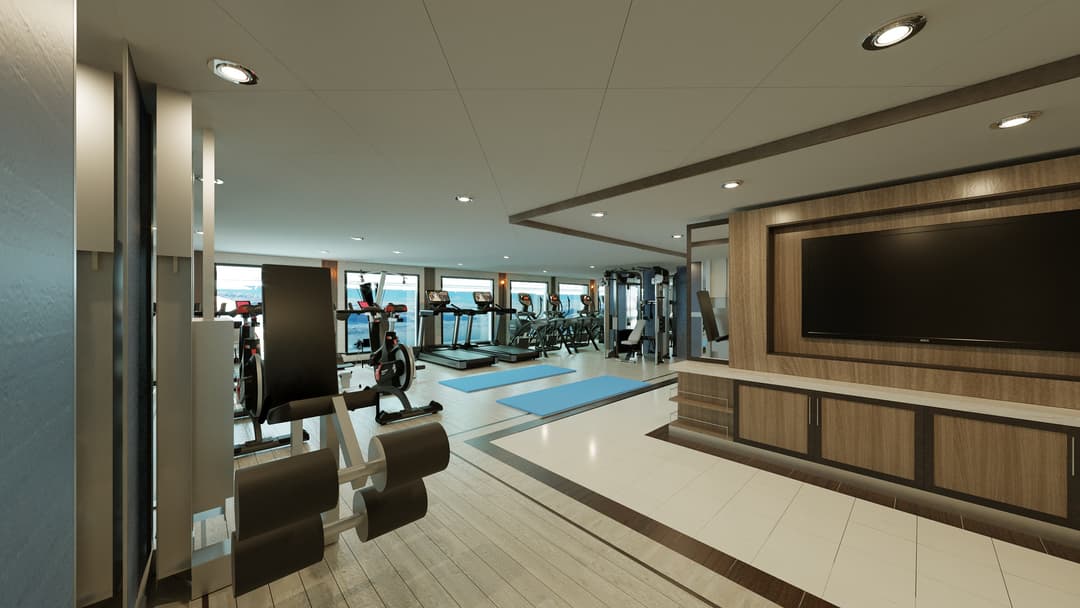
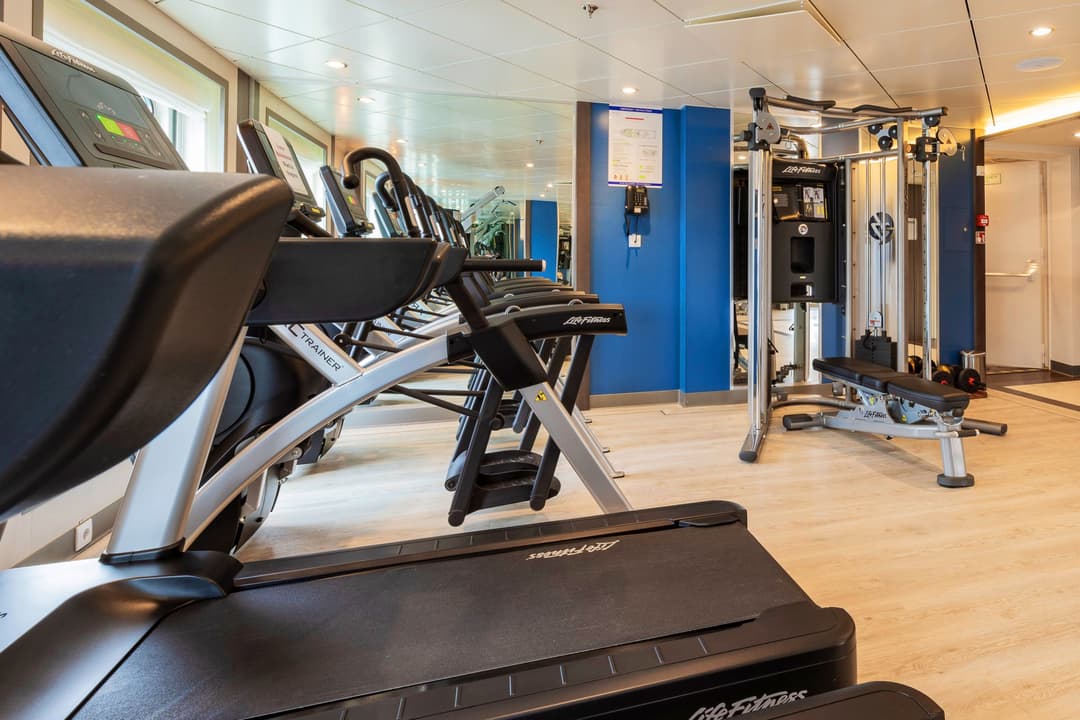
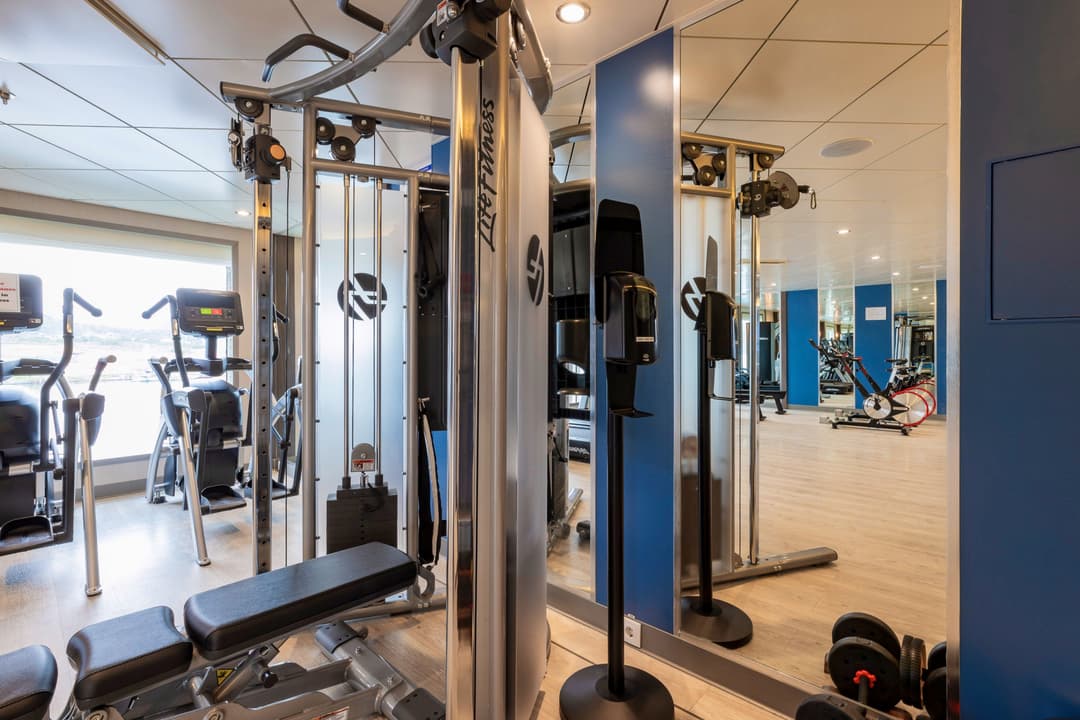
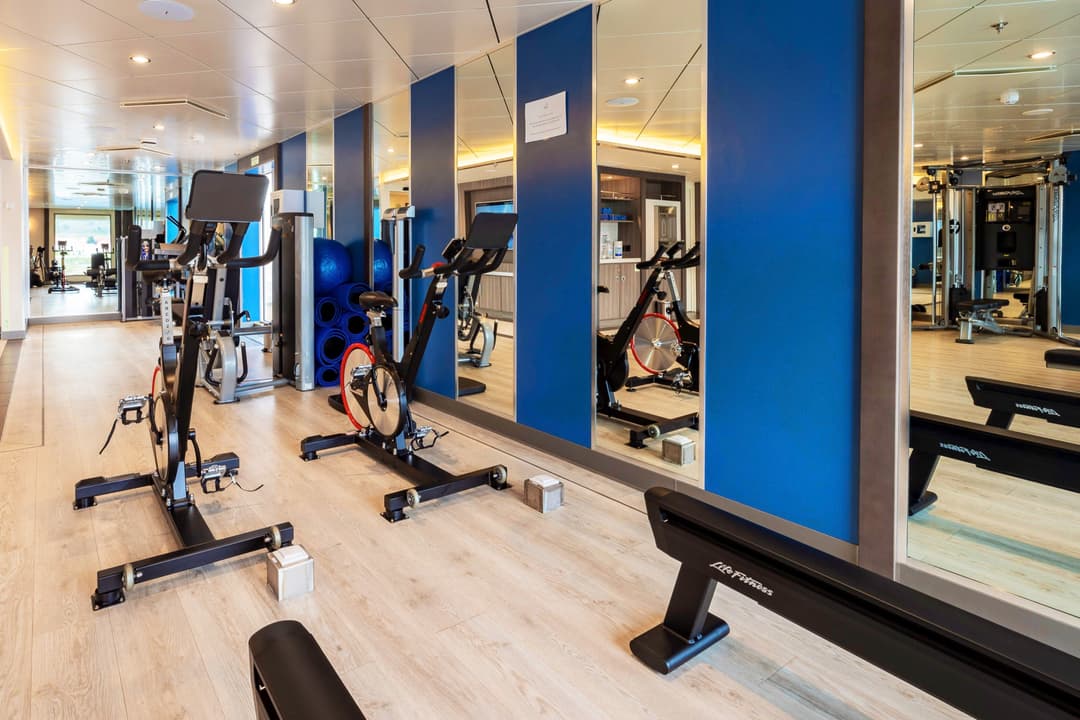
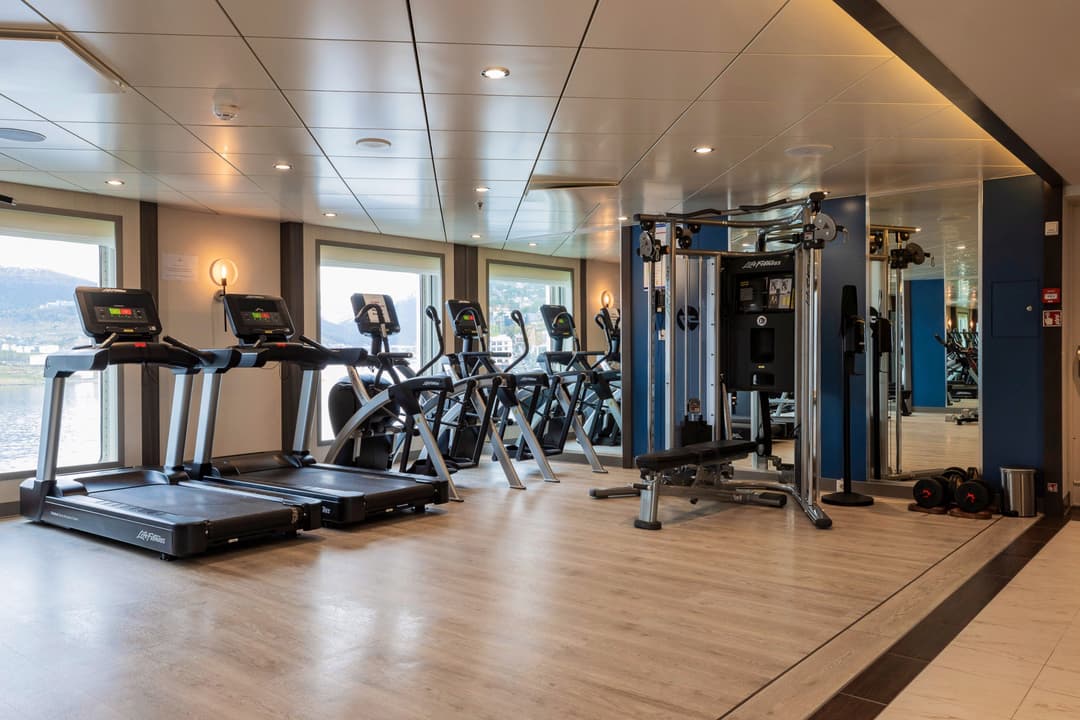
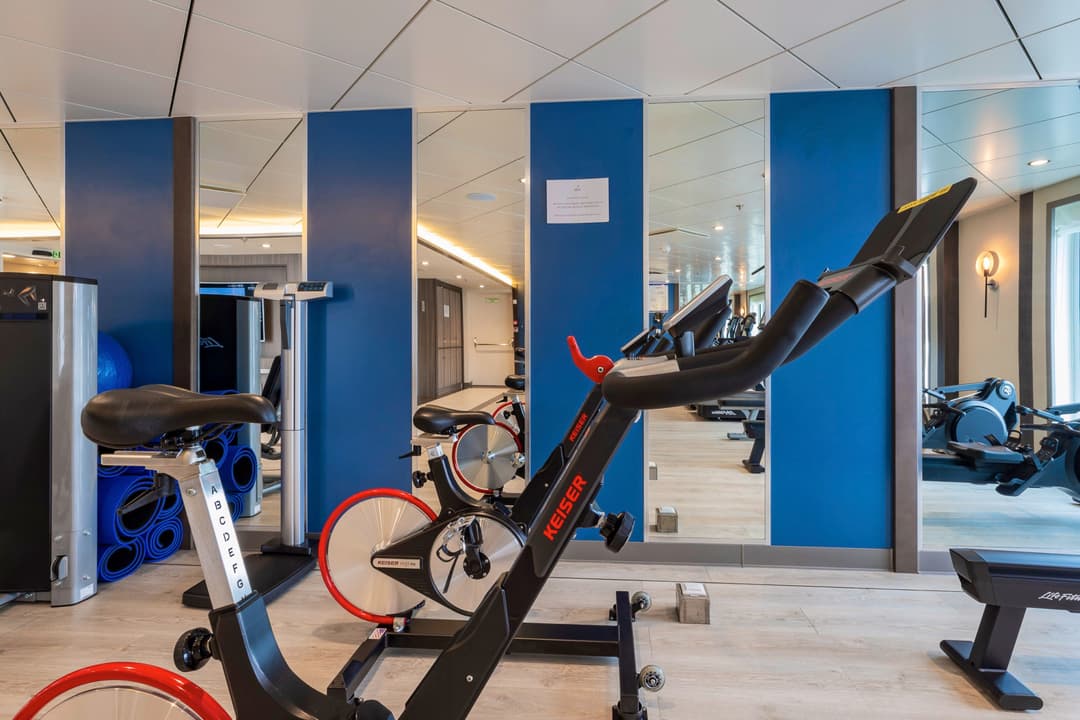
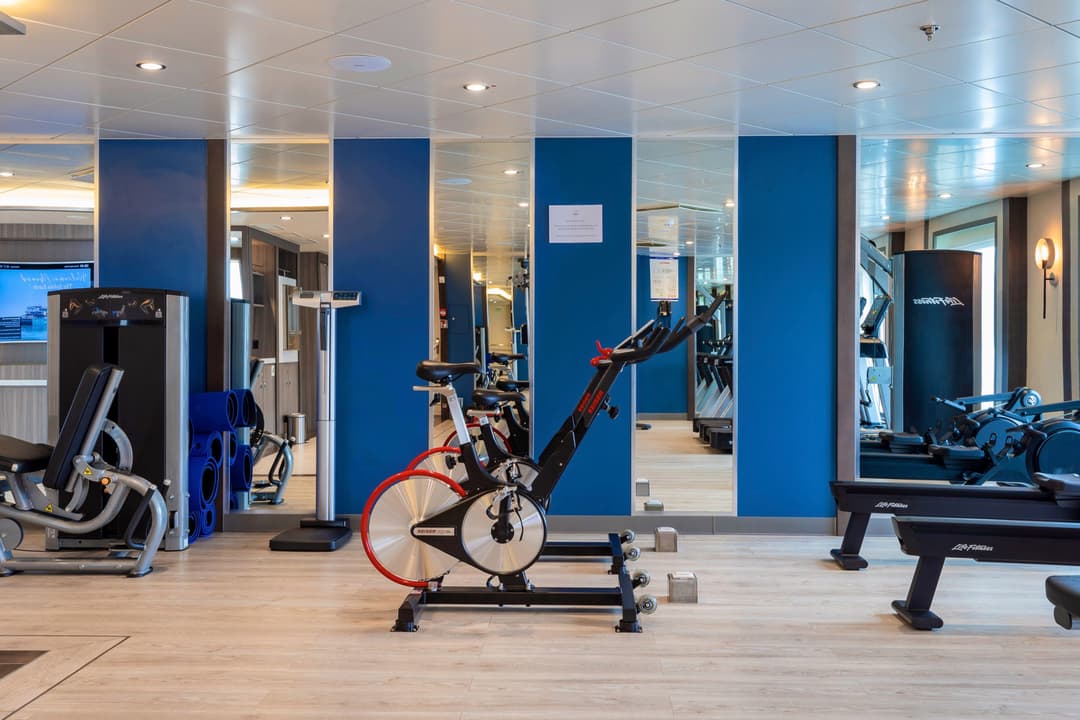
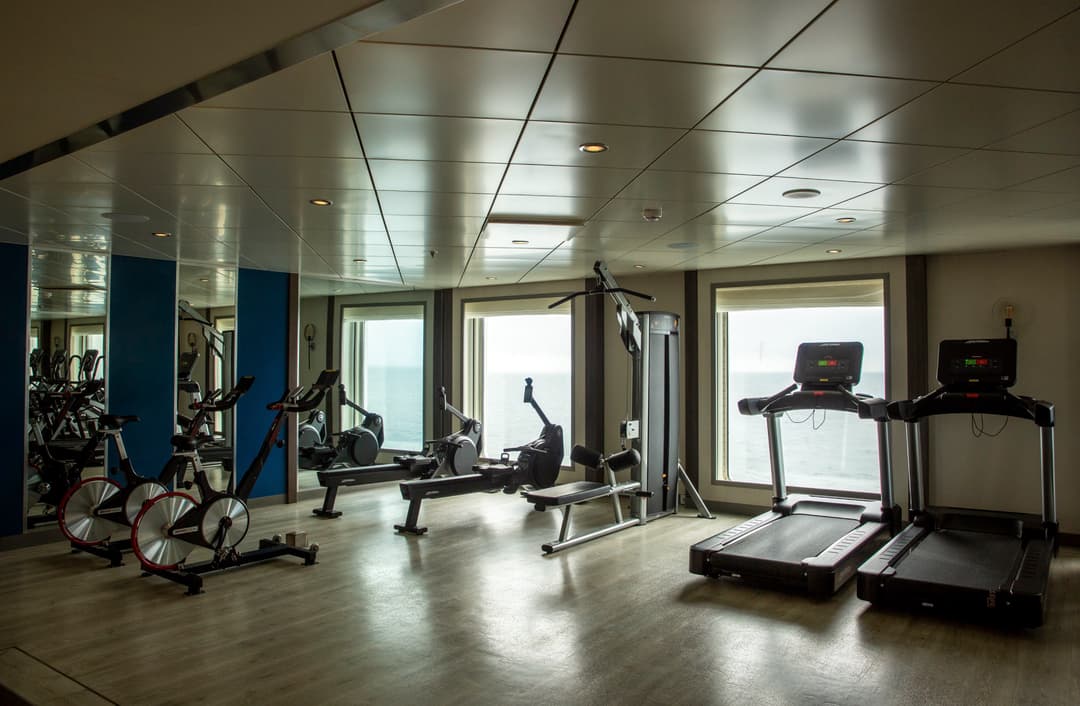
The Sylvia Earle is also decked out with other facilities for your enjoyment. There is a library on Deck 5 with books and maps and a Wellness Centre complete with gym equipment, sauna and spa. Feeling a little sore after walking around all day? Treat yourself to a massage at the Wellness Centre and feels the aches disappear!
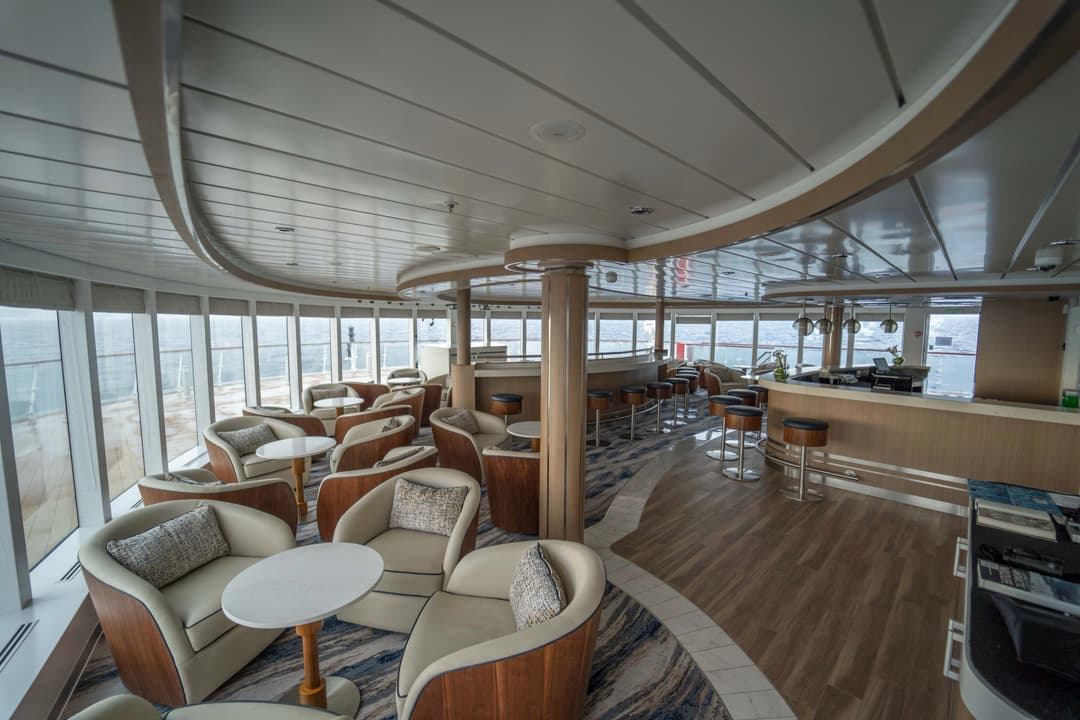
Let's face it – you don't want windowless rooms when travelling around some of the most beautiful locations around the world. This is why the Sylvia Earle is designed with plenty of dedicated observation spaces – ideal for keen bird spotters, wildlife watchers and those wanting to watch the scenery go past.
From the indoor 180-degree lounge and outdoor 360-degree open deck, both on deck 8, to the 270-degree open sundeck on level 7, there....
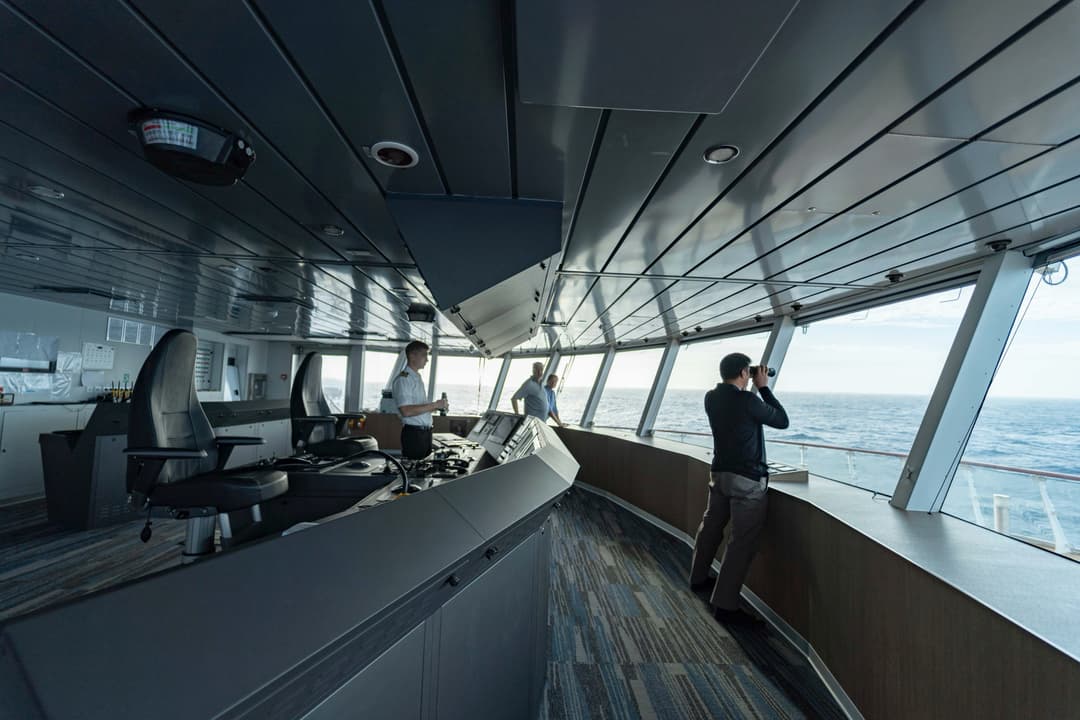

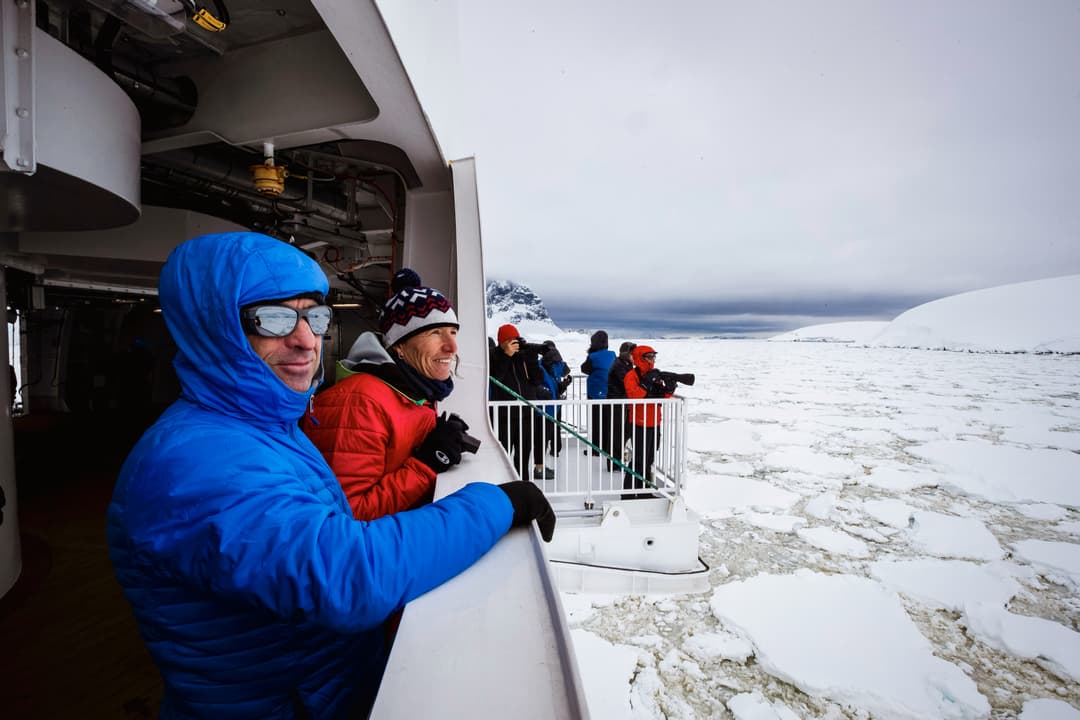
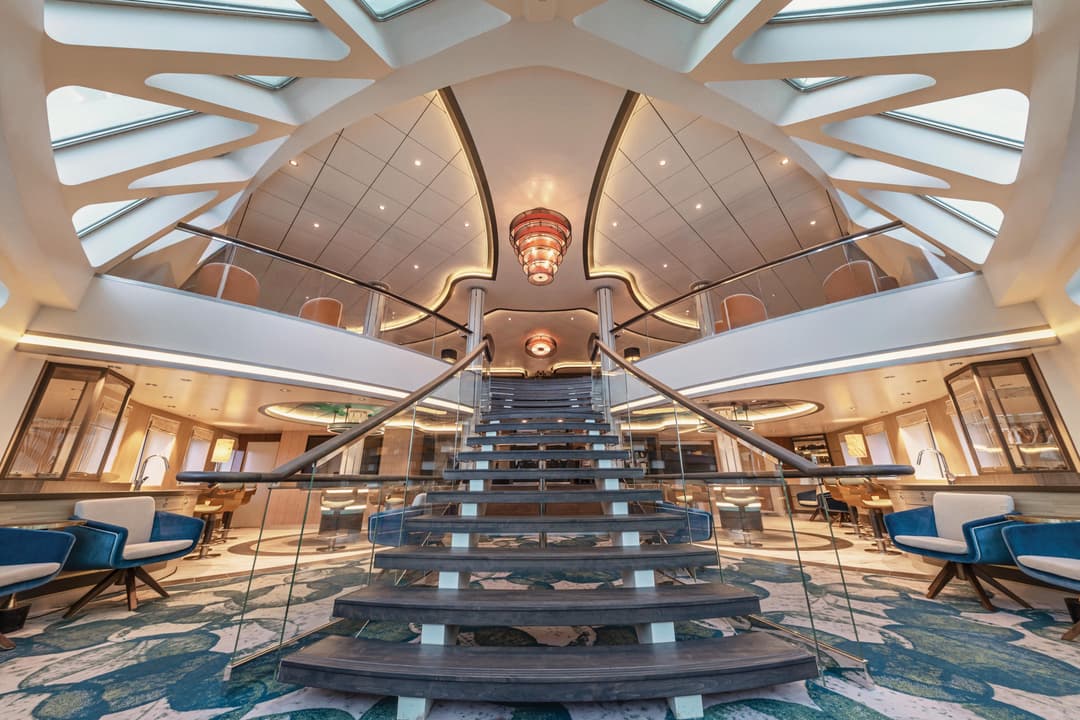
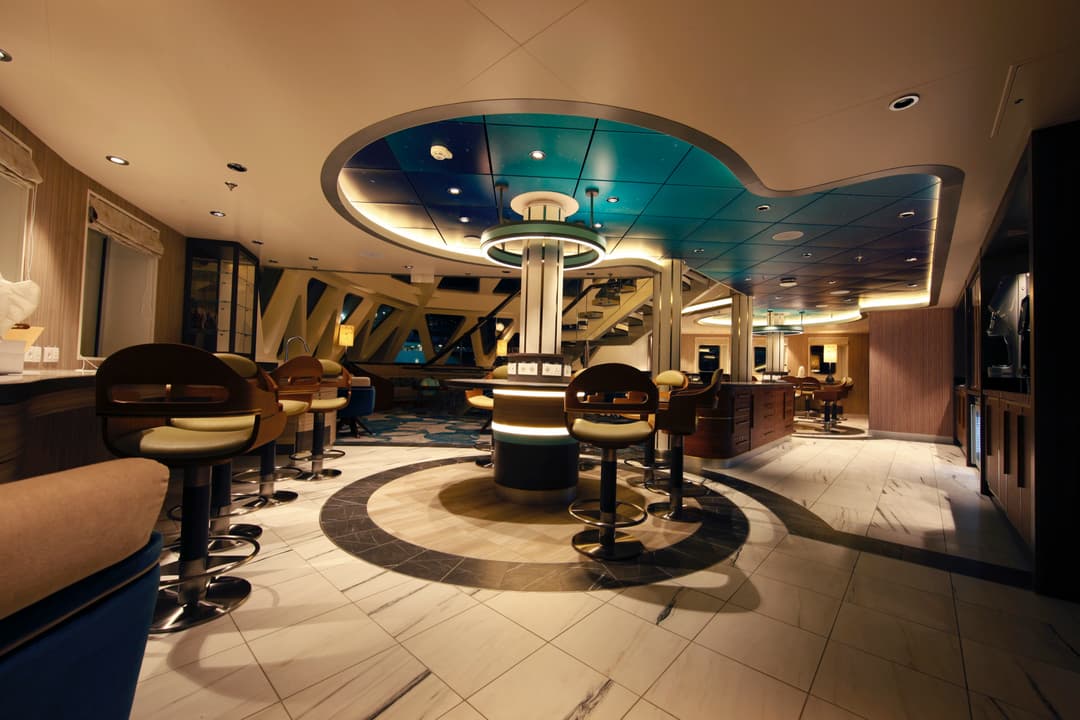
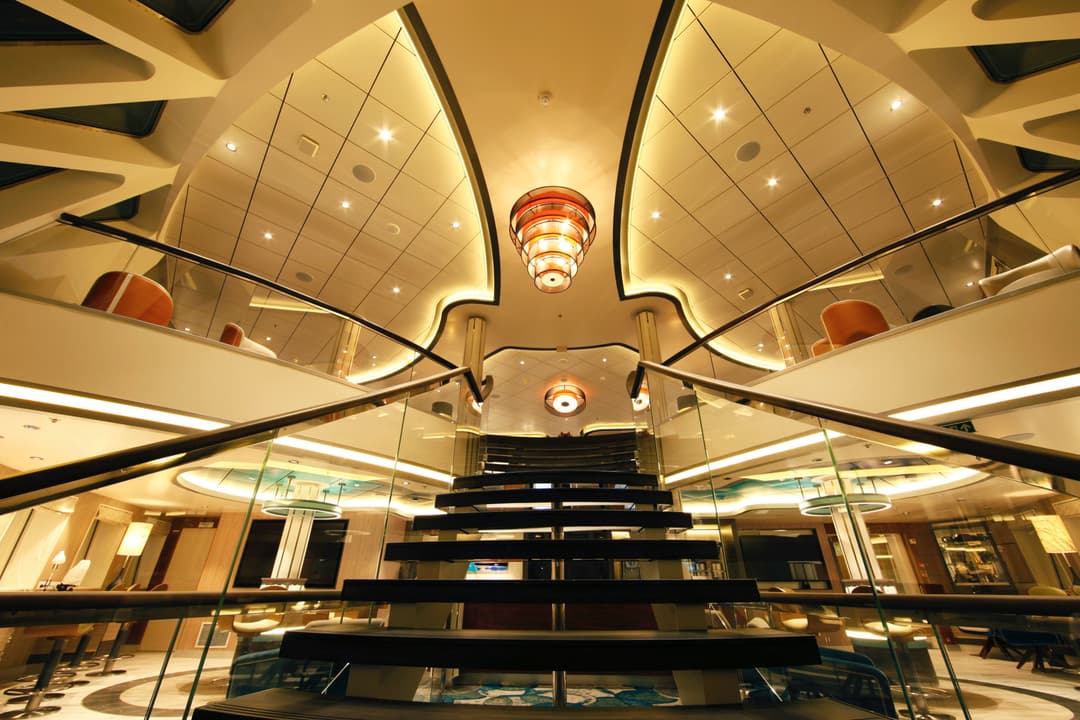
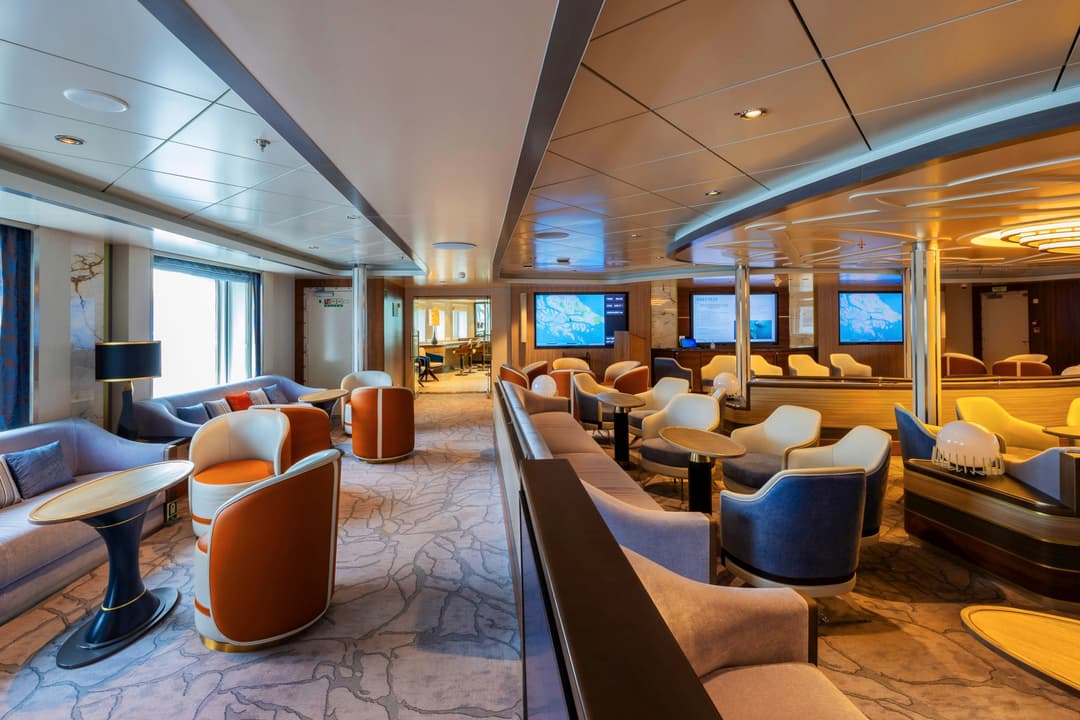
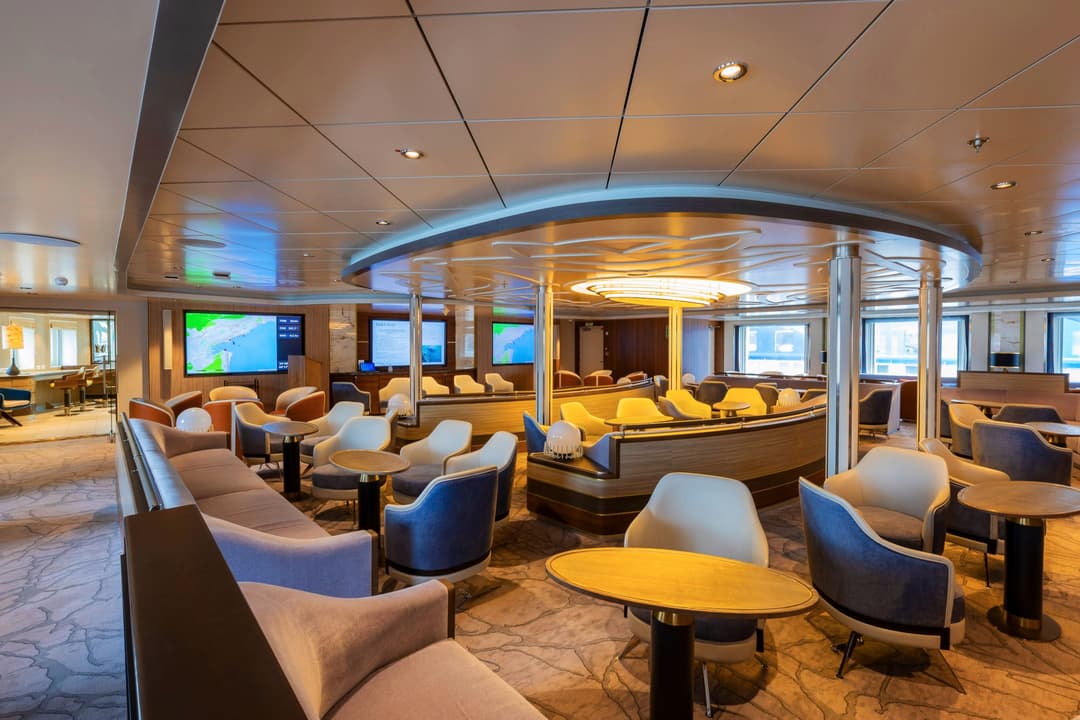
Communal meeting areas have always played a major role in fostering the warm camaraderie on board our ships. They are the heart of the expedition, where people meet to share tales from the day, swap photos, keep an eye out for wildlife and watch the sun go down.
The bars and lounges on board are refined yet inviting places to gather, with floor-to-ceiling windows offering stunning views, and of course friendly bartenders to shoot the bre....
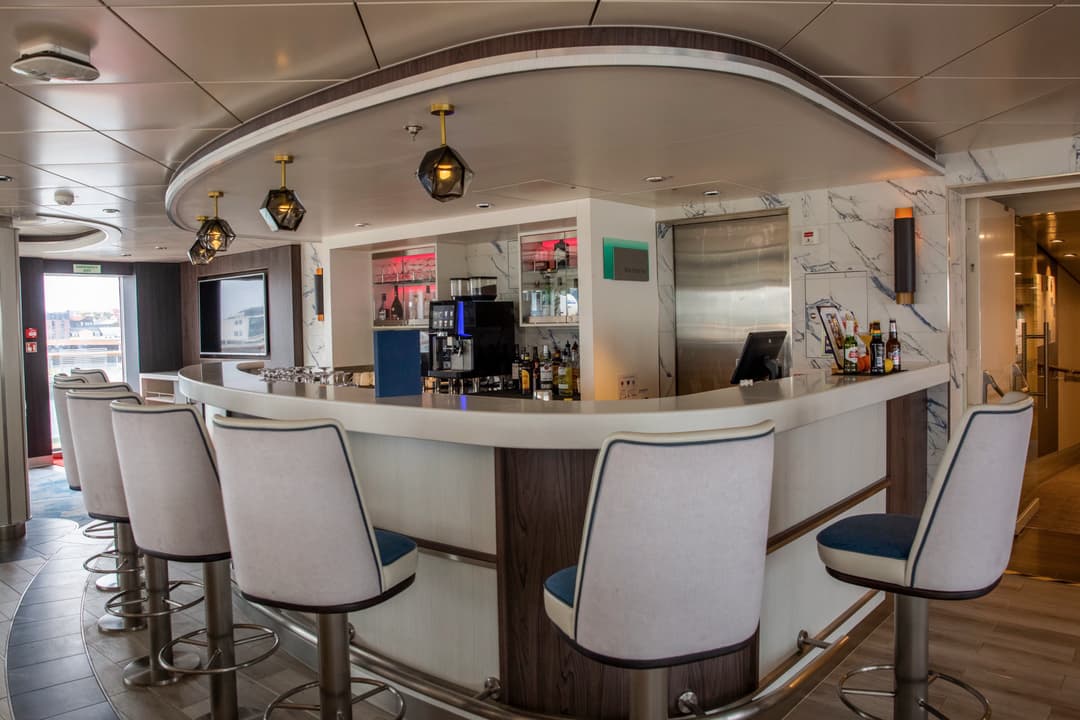
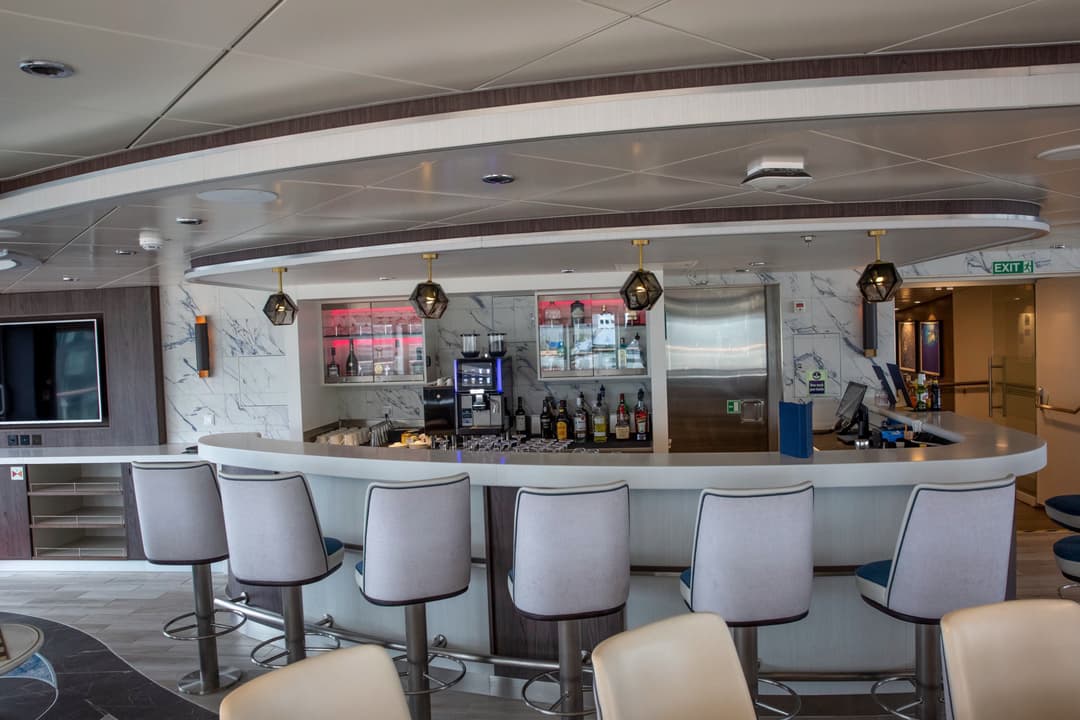
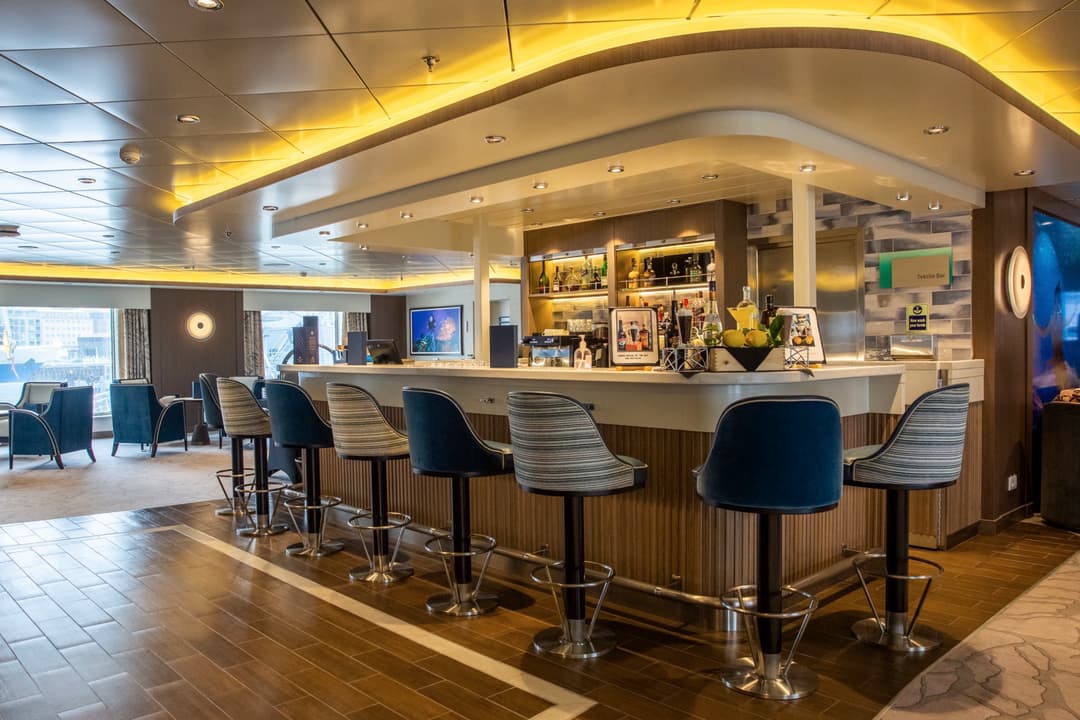
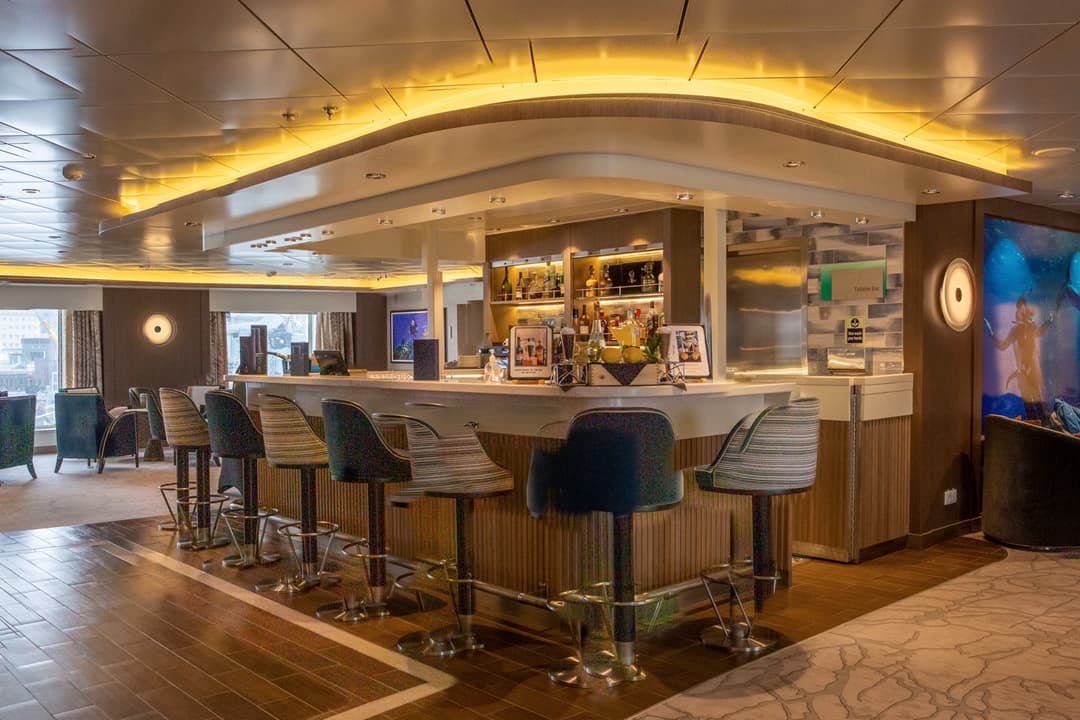
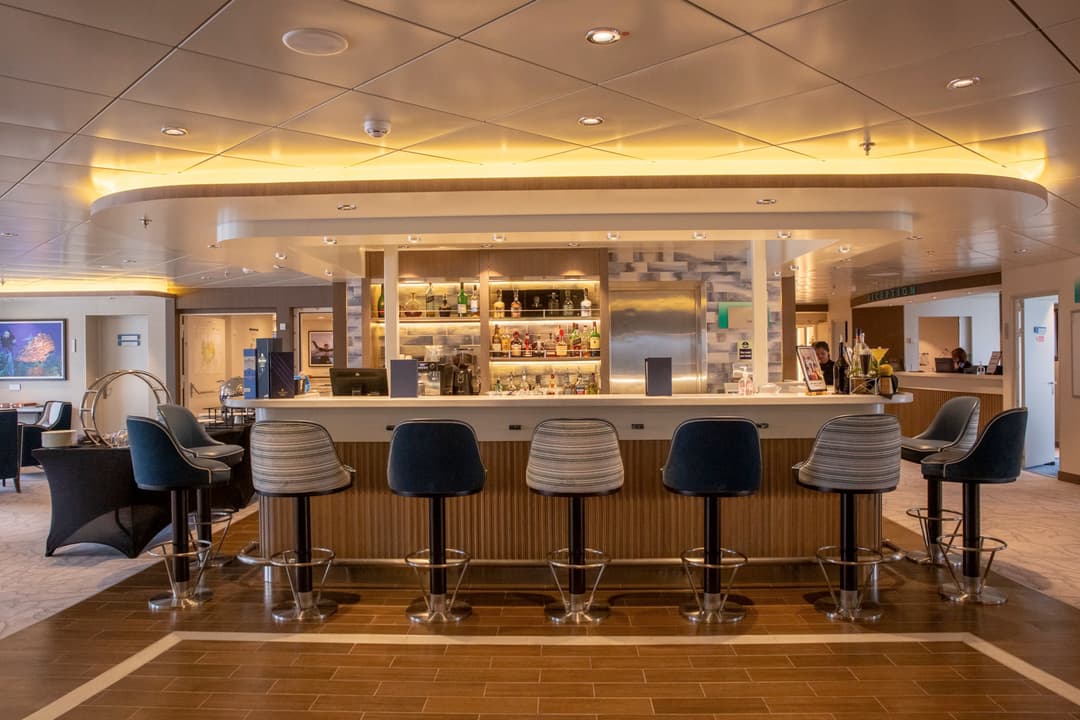
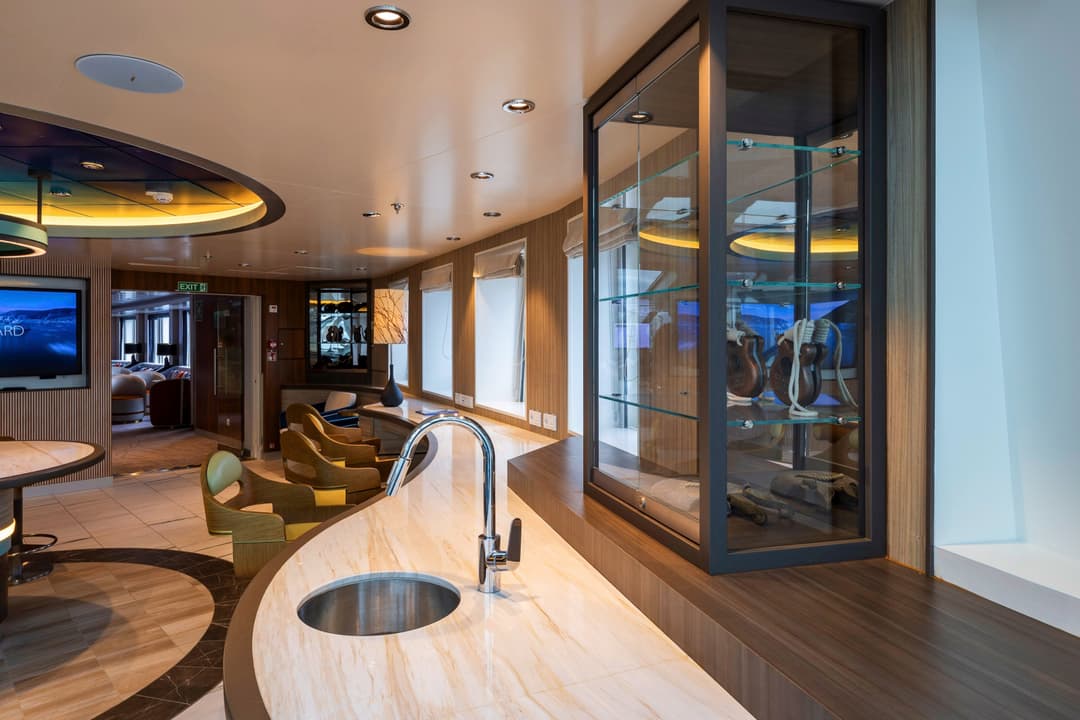
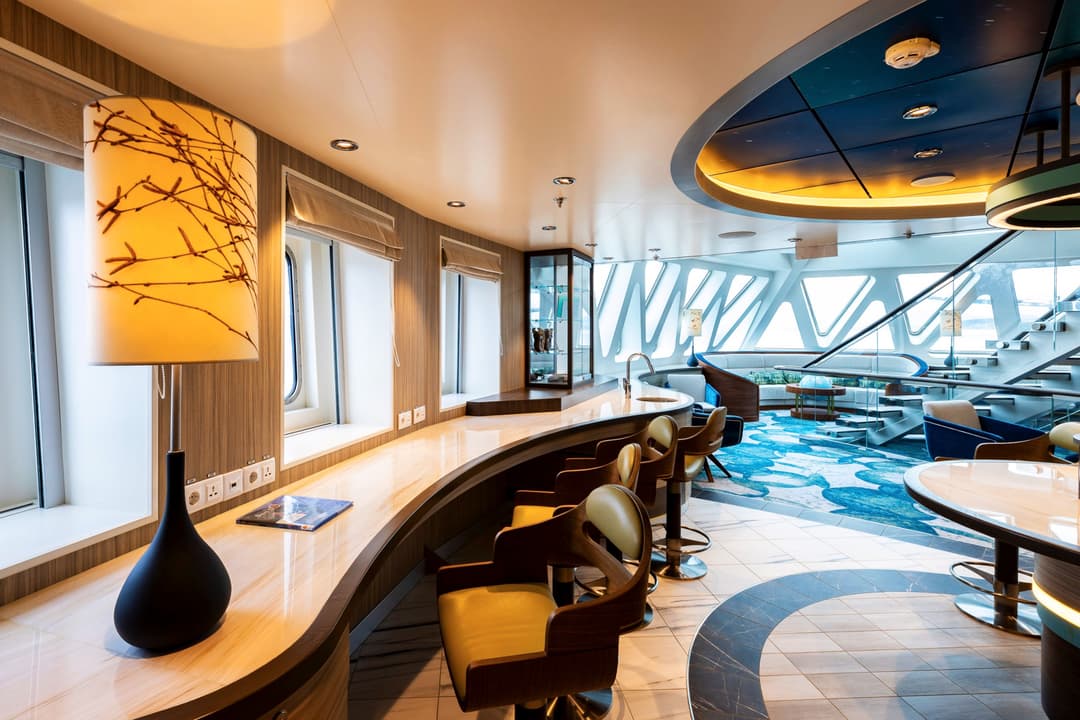
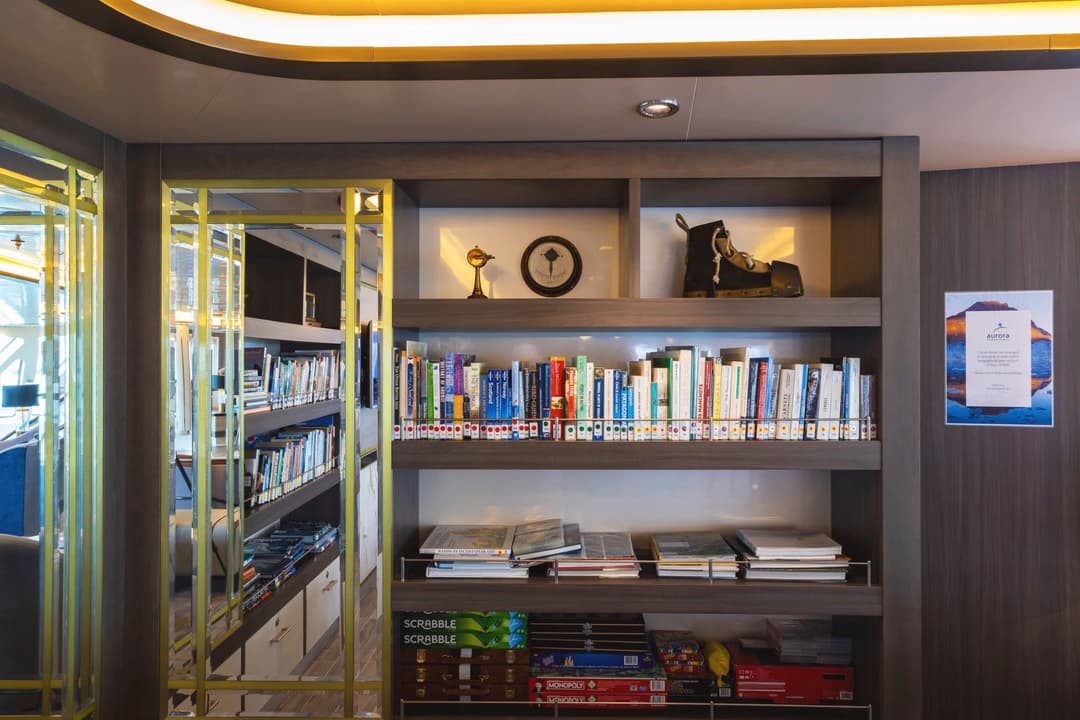
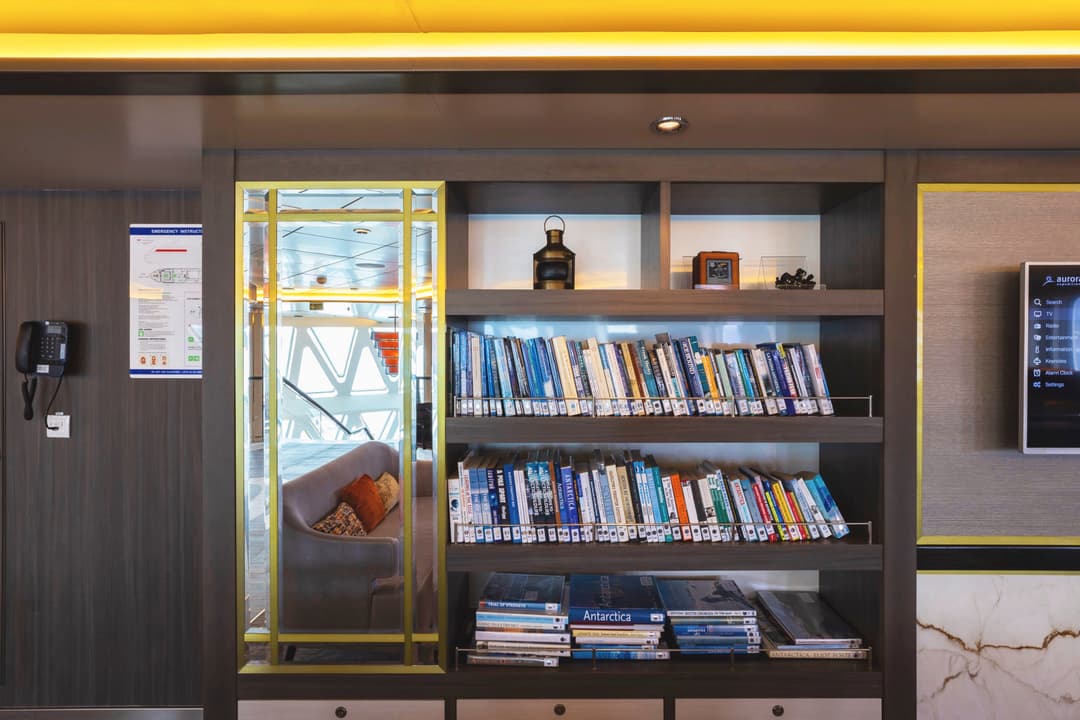
With floor-to-ceiling windows, the library is a peaceful sanctuary where you can find non-fiction books to read up on the day’s destinations, plug in and organise your photos or play board games with newfound friends.
Choose from our range of informative non-fiction titles, wildlife guidebooks, travel journals, novels and a selection of children’s books and board games.
Wildlife guides, books and binoculars can also be found on the....

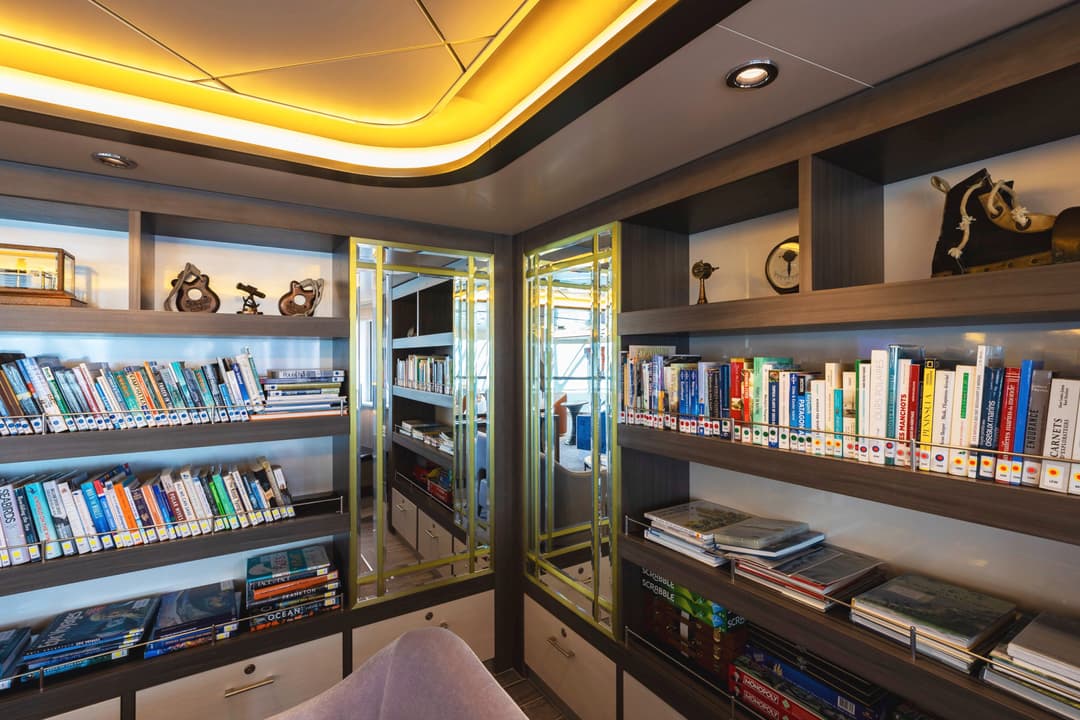
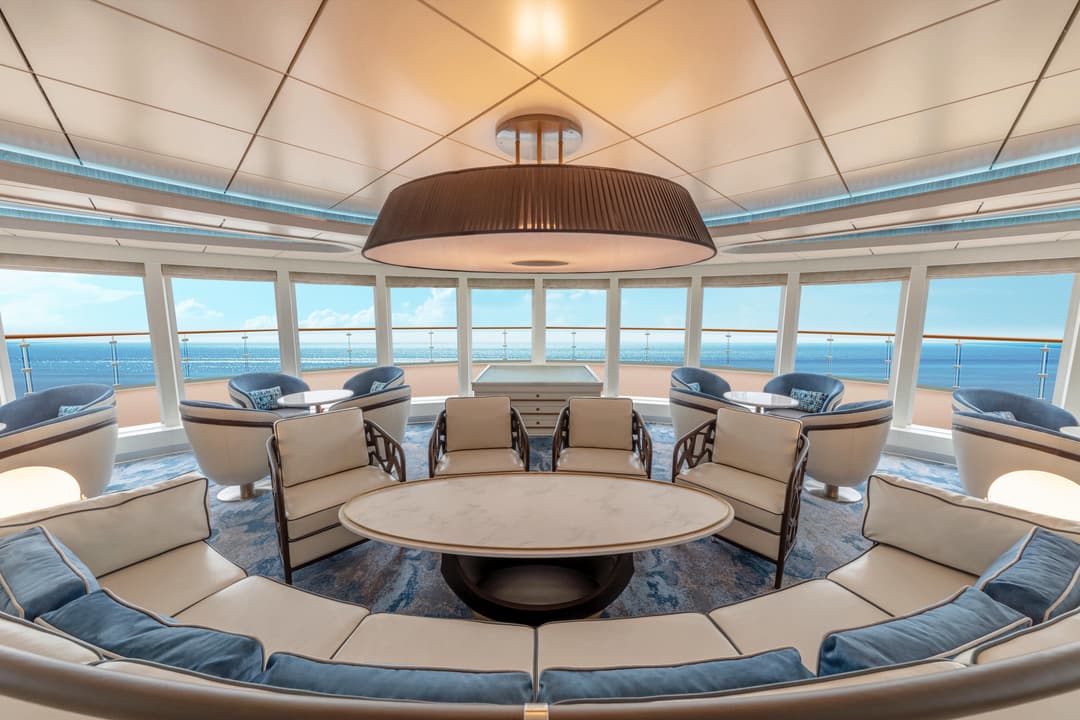
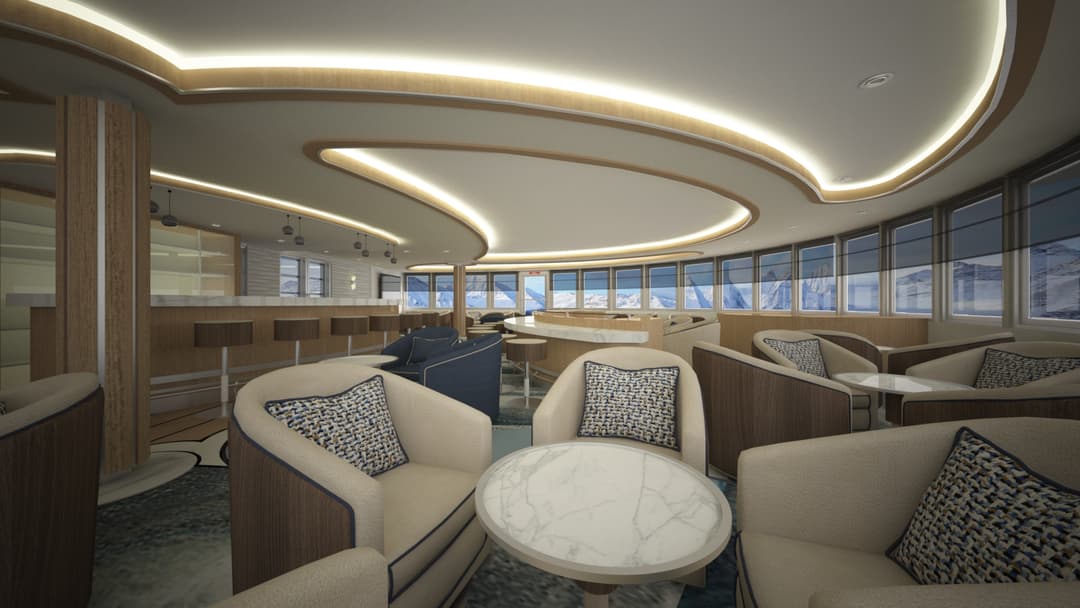
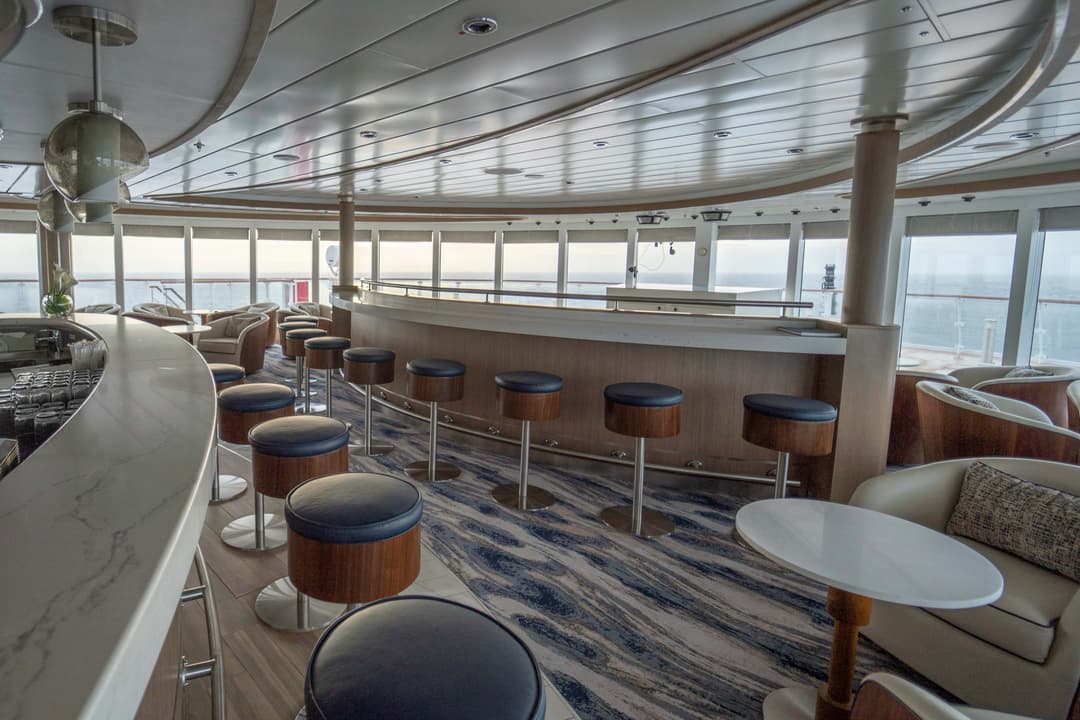
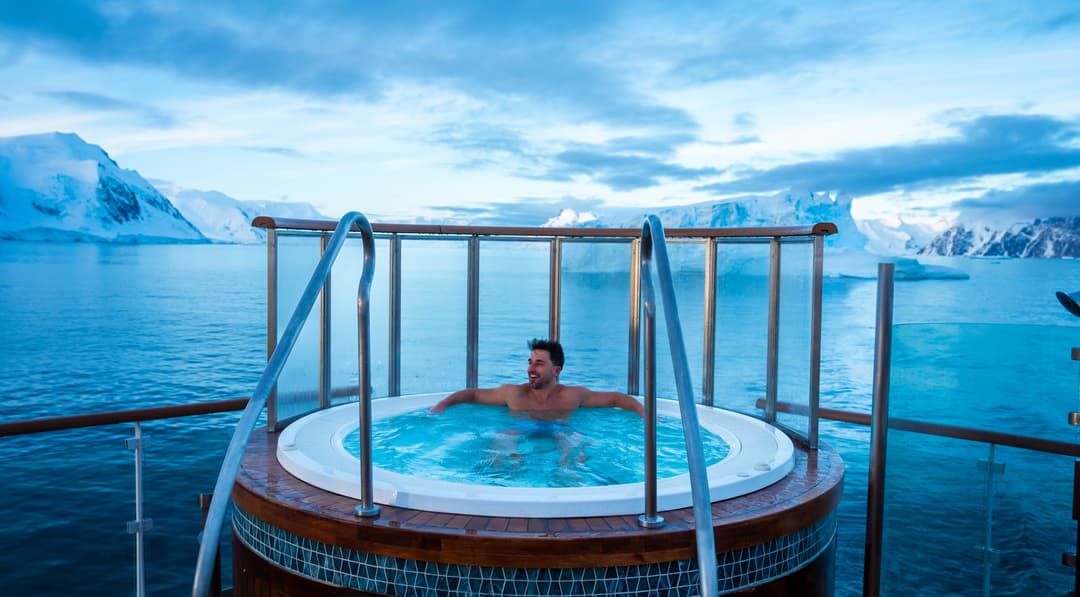
There is a Wellness Centre complete with gym equipment, sauna and spa. Feeling a little sore after walking around all day? Treat yourself to a massage∘ at the Wellness Centre and feels the aches disappear!
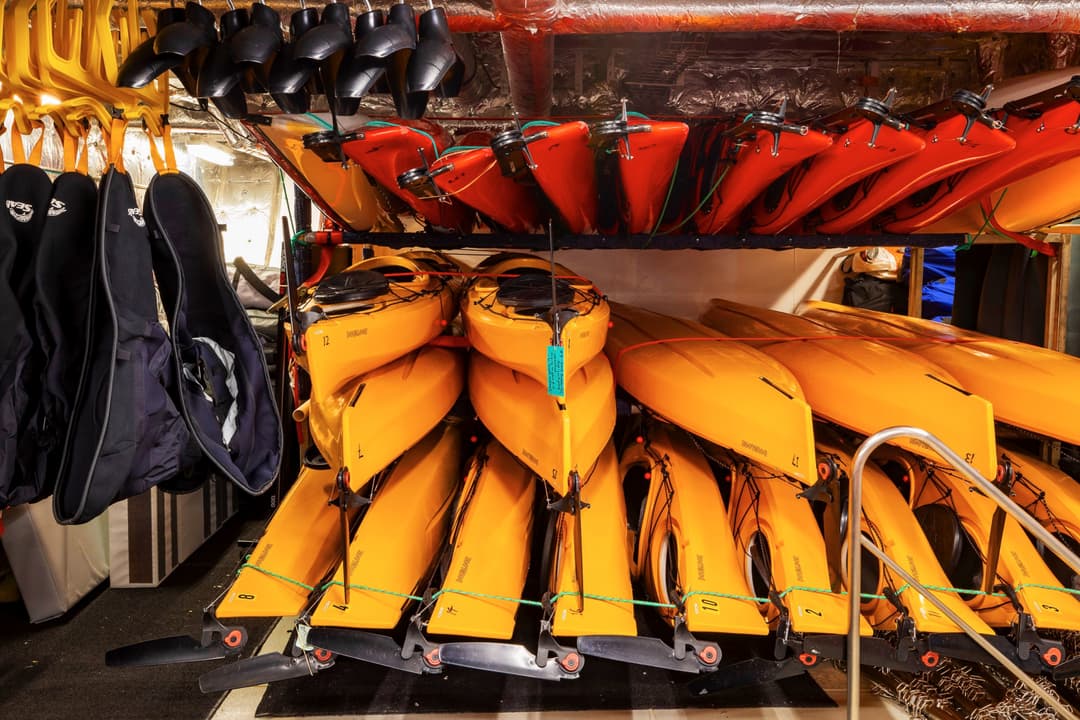
One of the great benefits of travelling with AE Expeditions is the number of optional activities that you can participate in. From kayaking and skiing to diving and climbing, these are one-in-a-lifetime opportunities that you need to take advantage of.
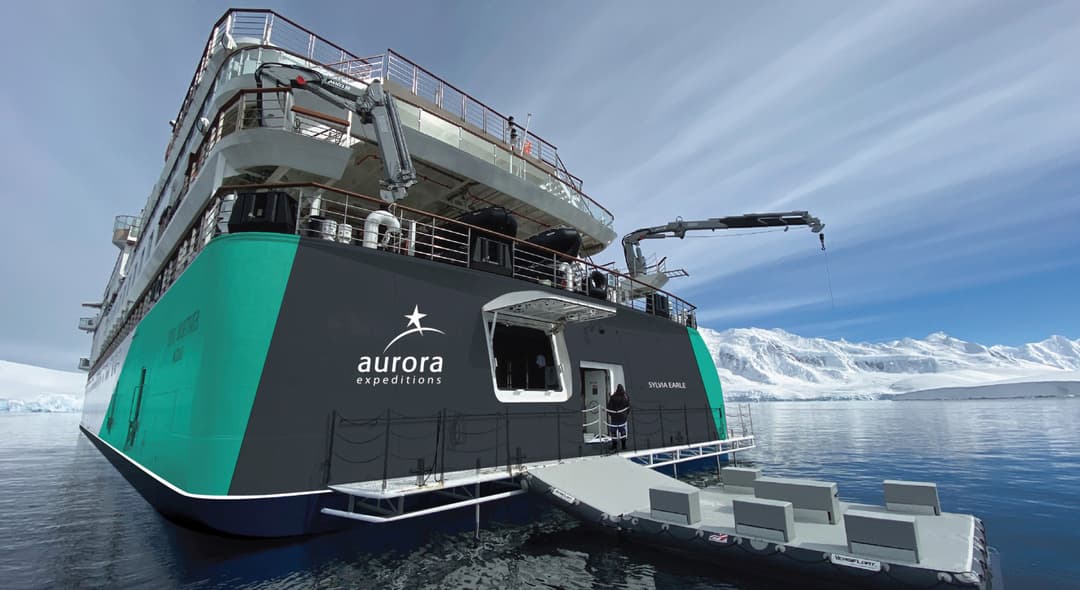
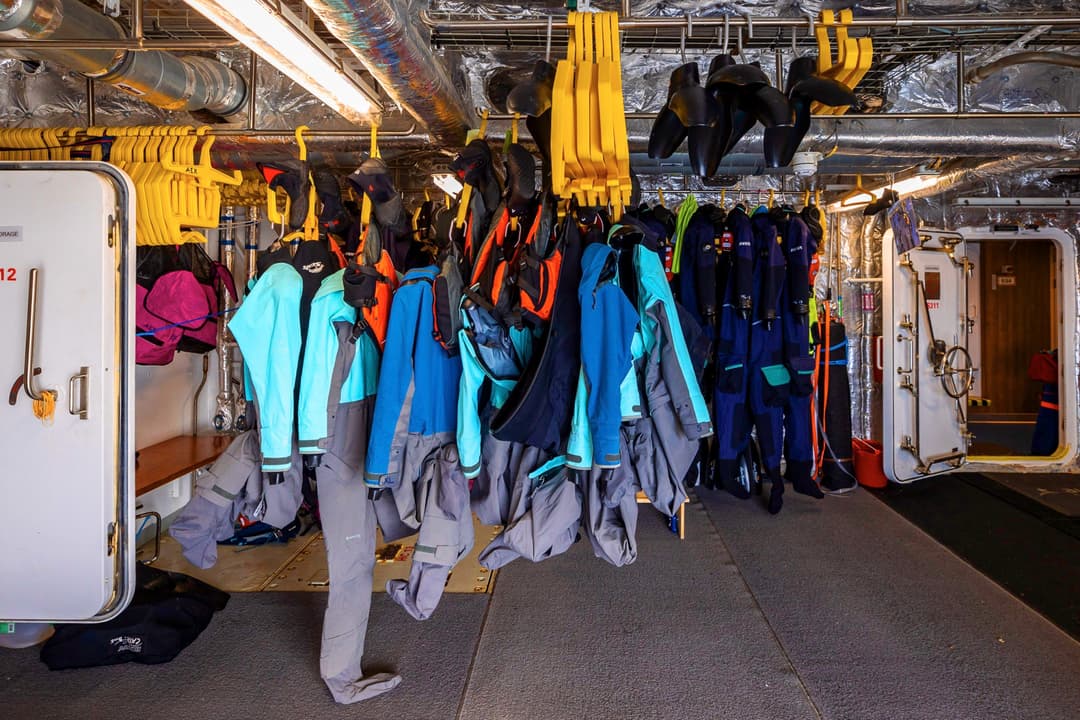
Aboard the Sylvia Earle there is a specially designed launching platform for all activities, a concept overseen by our activity experts. This area also includes individual lockers in the expansive mudroom and rapid drying areas for wetsuits so you can quickly get warm after exploring in the elements!
Loading...
Travel is always the best educator and we offer the chance to enrich your curiosity and expand your knowledge and understanding of the places we travel to. There is no better learning opportunity than being in the field with subject matter experts.
Our Citizen Science Program is designed to be an interactive forum of like-minded travellers to share new discoveries and deepen their connection to the natural world in a relaxed, informal an....
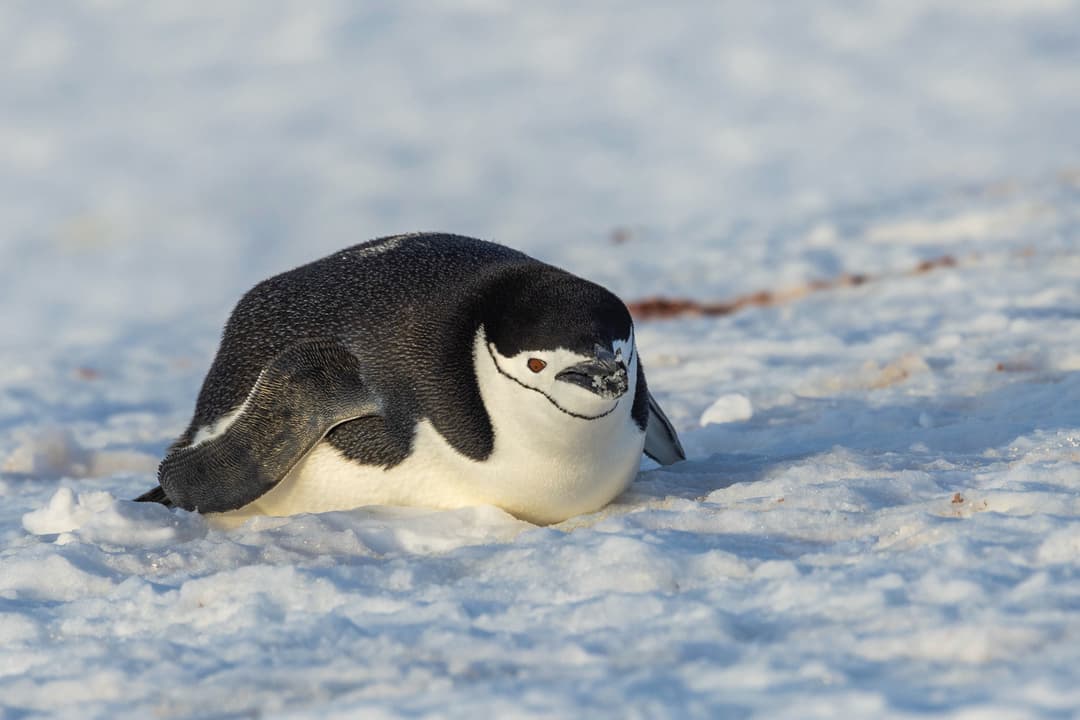
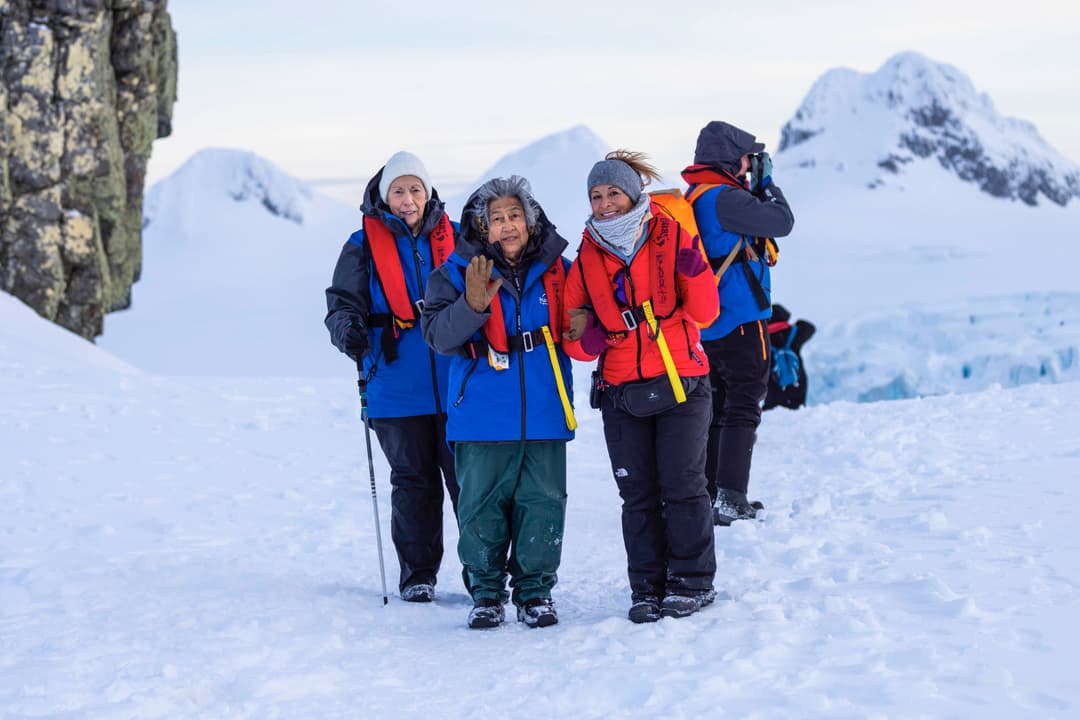
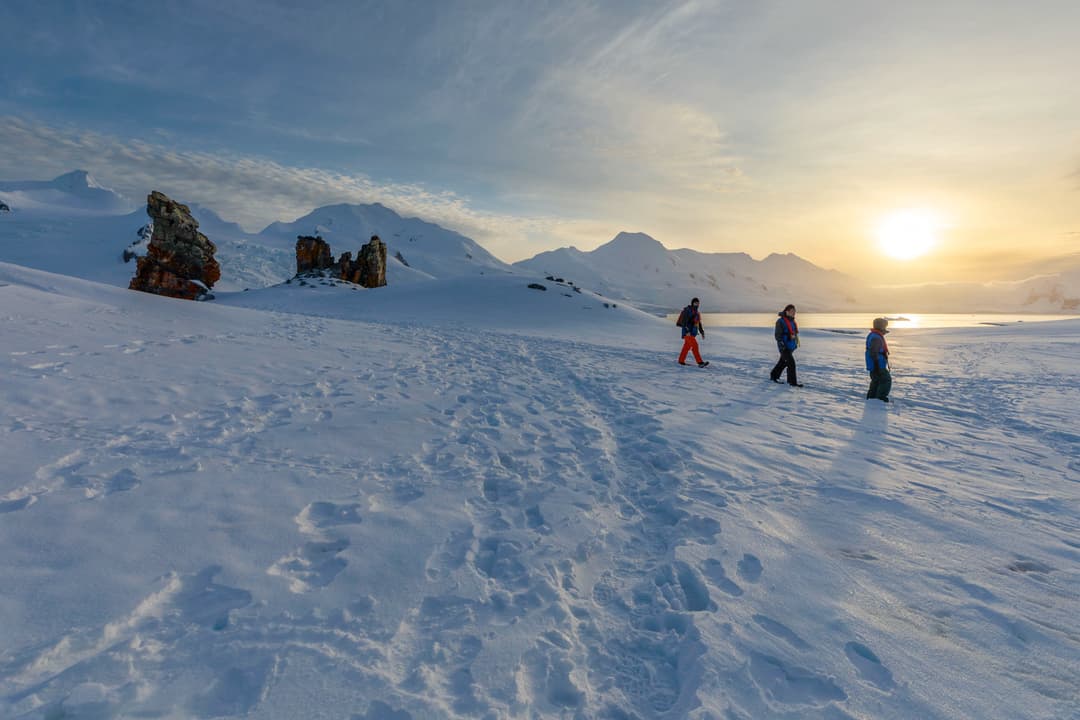
Although the ship is fun, the real enjoyment comes from the many shore excursions that are available. Depending on weather conditions, it may be possible for multiple landings, taking a look at everything from rock formations and ancient ruins to cute groups of penguins. We know time is of the essence in these wild locations, so the Sylvia Earle has been designed to carry 15 Zodiacs, which means you can maximise your time on shore.
From ....
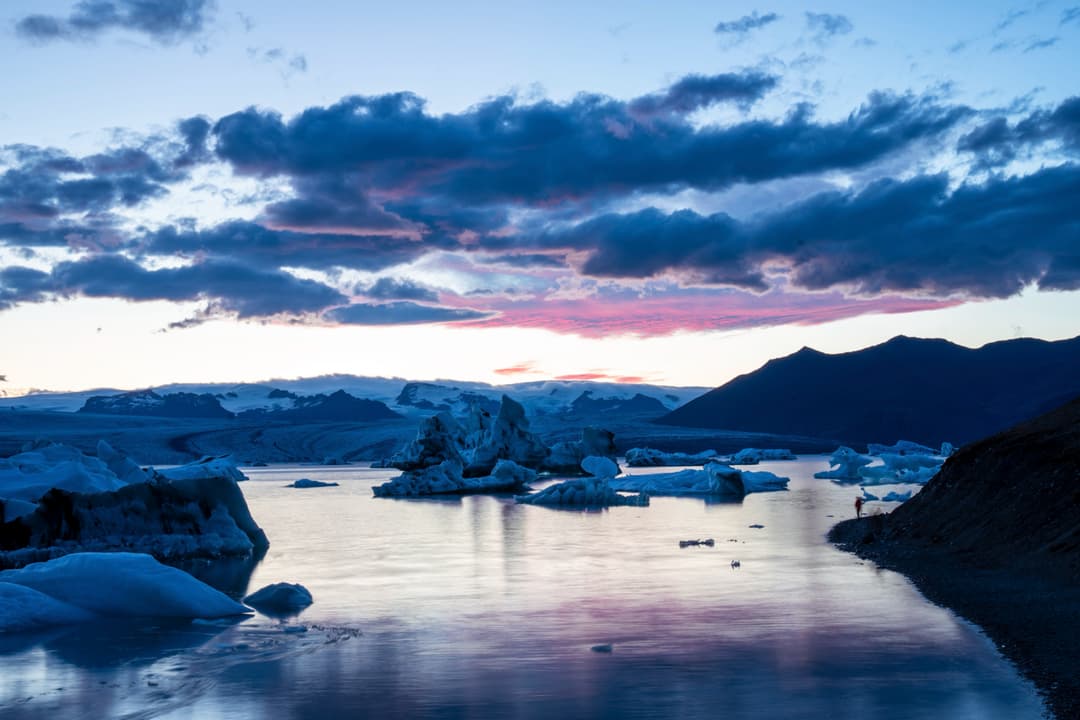
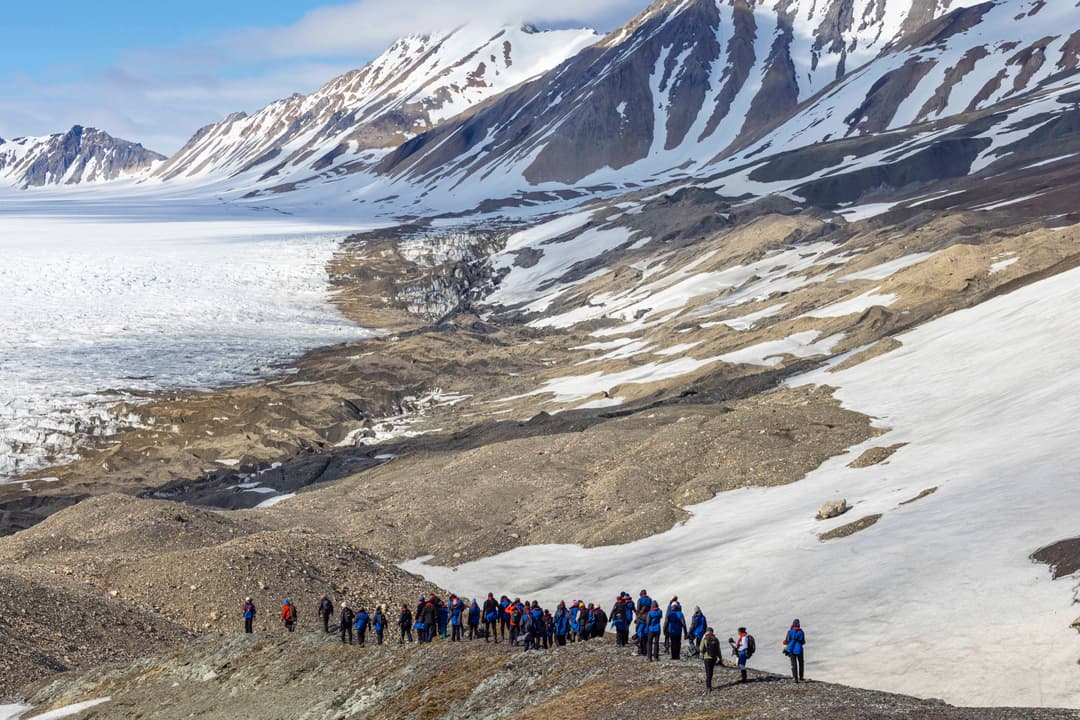
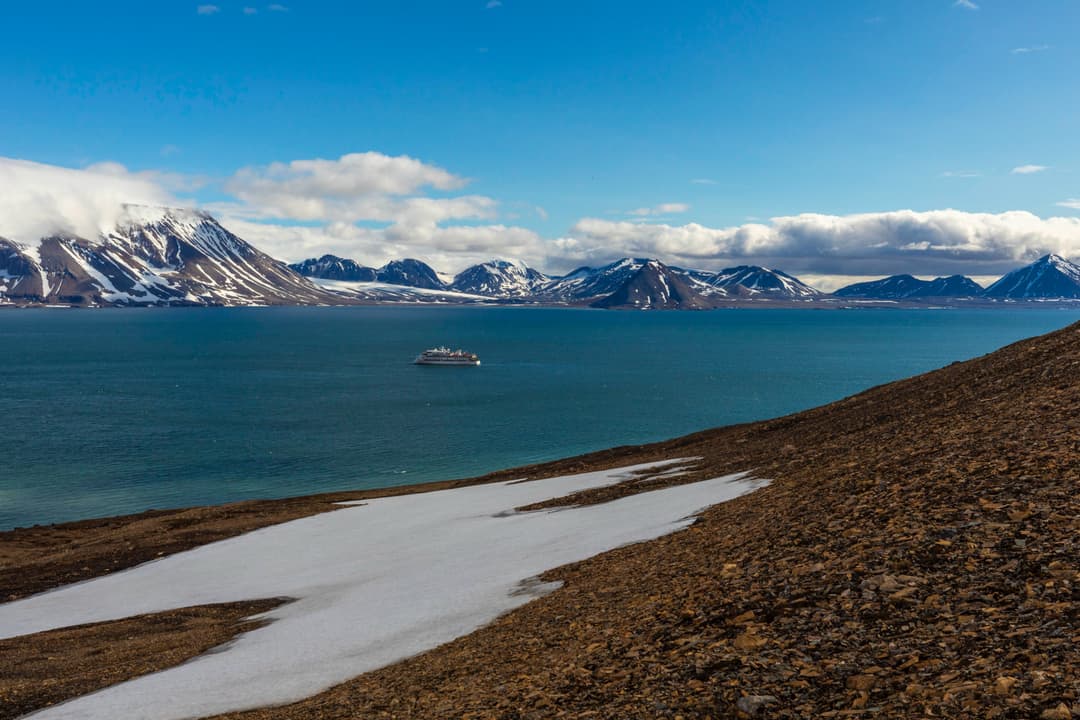
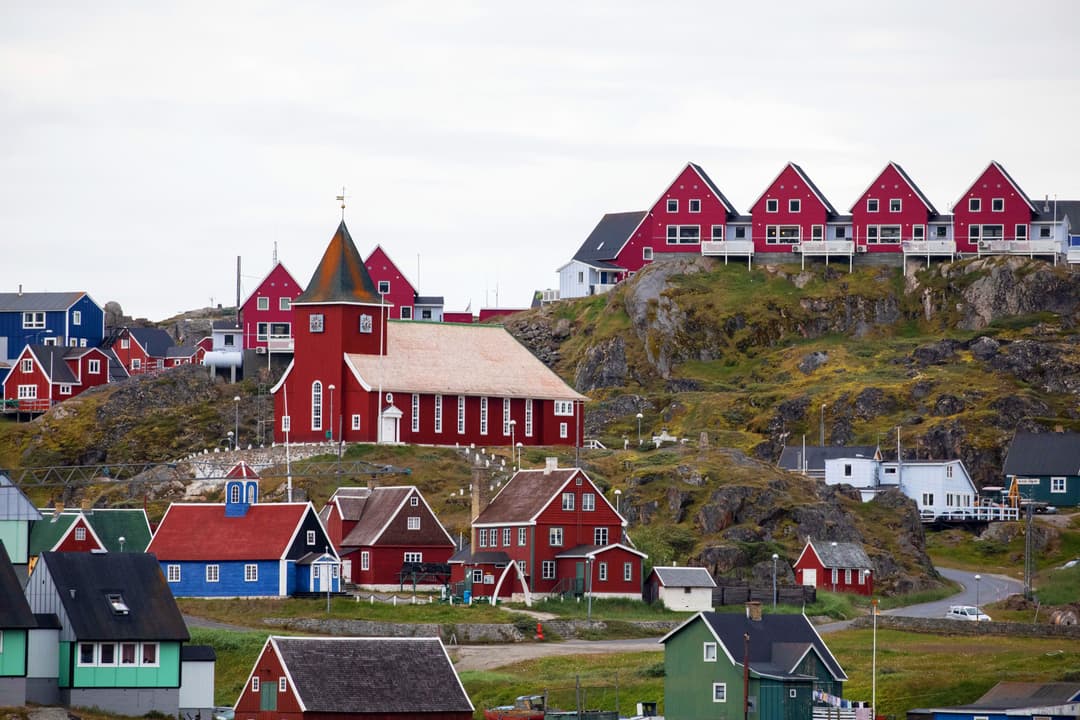
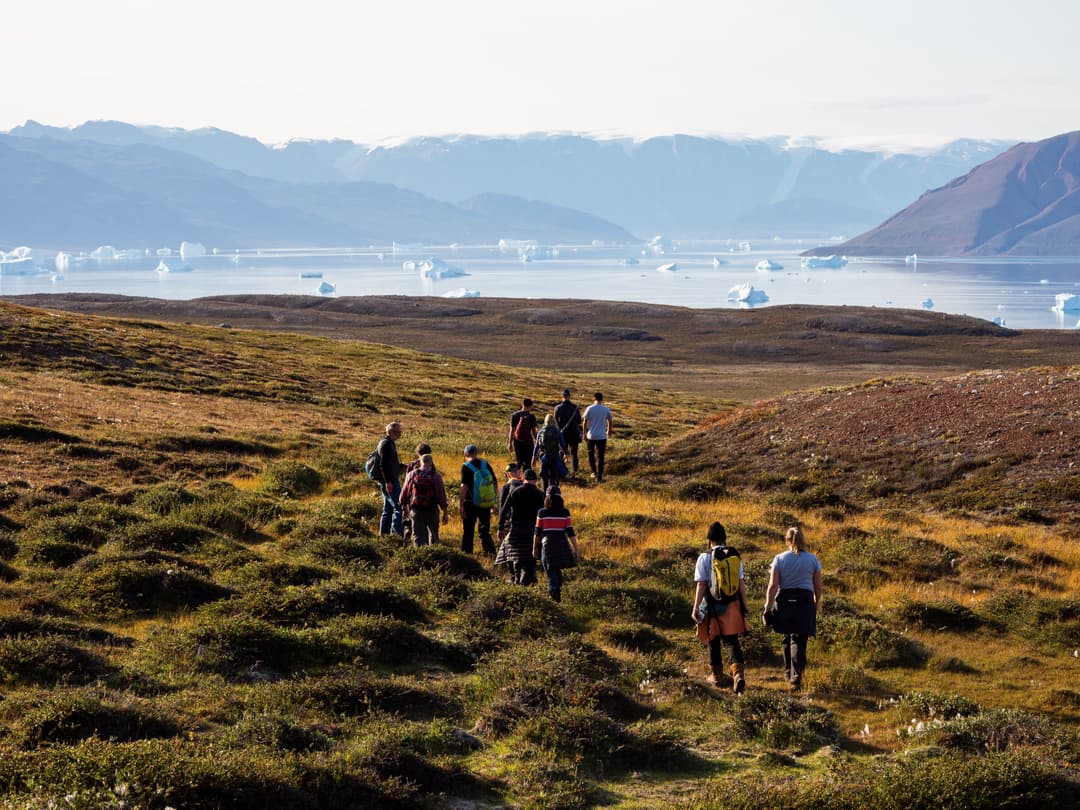
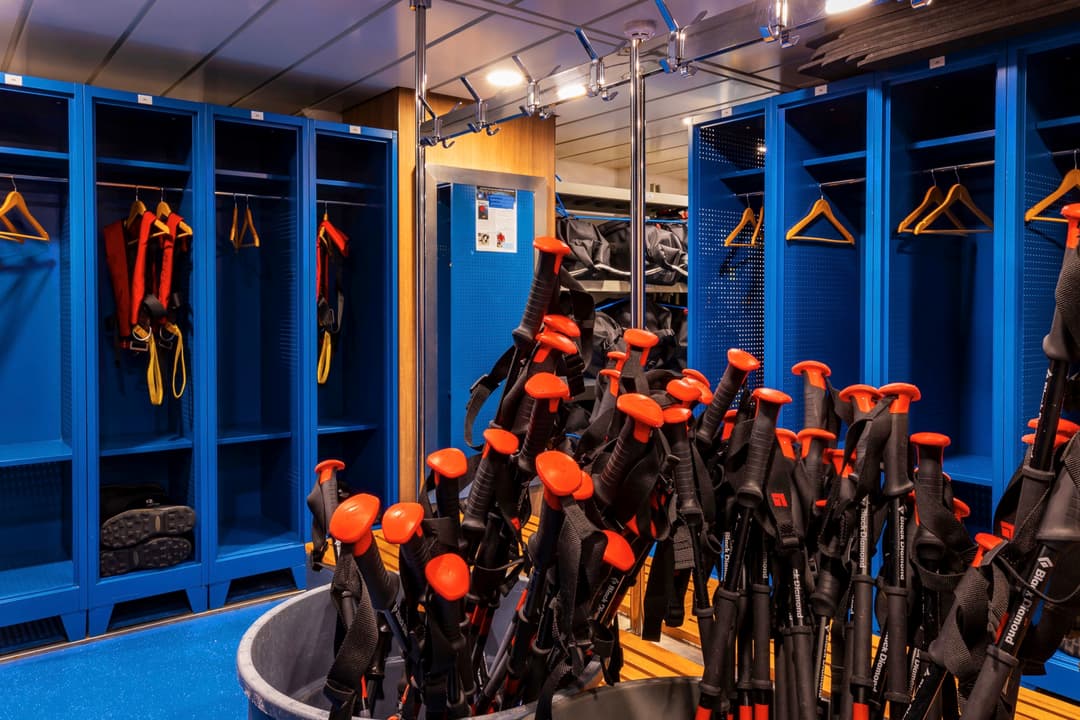
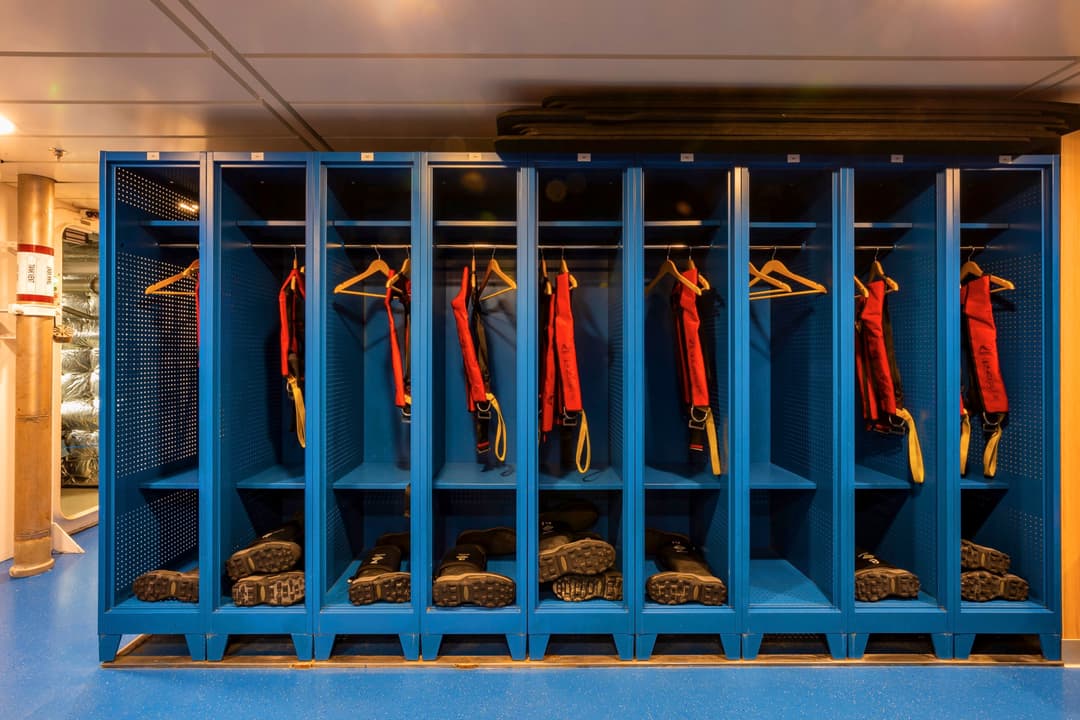
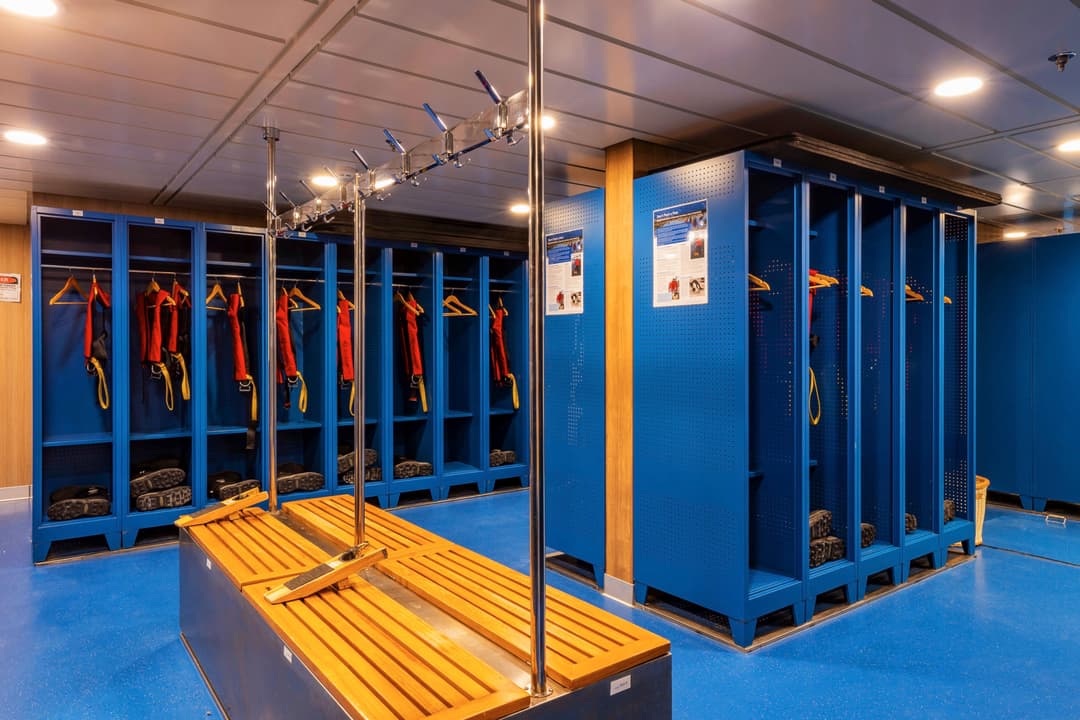
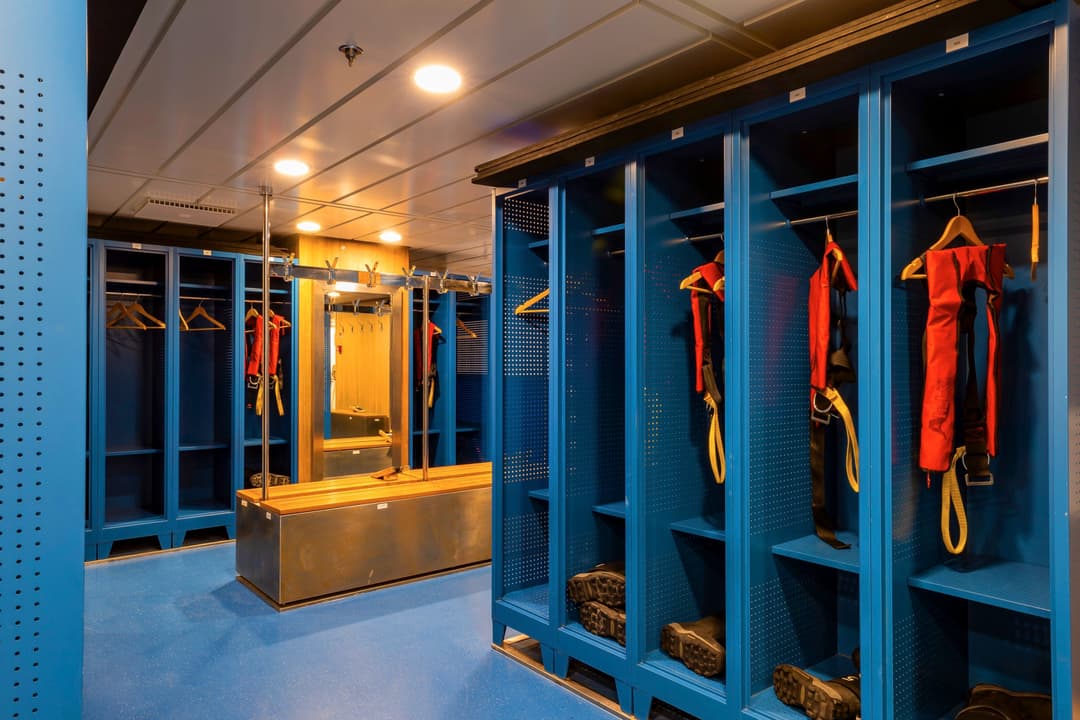
Zodiacs are a vital part of getting up close and personal on your adventure – sneaking into areas that the Sylvia Earle can't reach. On this new ship, there are specially designed launching platforms that enables us to load Zodiacs easily and quickly, allowing you to spend more time exploring on the two to three daily landings.
There are 15 Zodiacs that are boarded from either side of Deck 3 (sea level), perfect for when there is a group....
There are no dedicated children's facilities onboard the Sylvia Earle.
Shipboard clothing is informal and casual Jeans, jumpers and long-sleeved shirts are ideal for indoors in the polar regions; however be sure to keep your jacket close for unexpected wildlife sightings! Some people∘ like to take a nicer outfit for the captain's welcome and farewell drinks but formal clothing is not necessary. For health and safety reasons, we do request you wear enclosed shoes in public areas while on board the ship. AE Expedit....
Medical Form
It is compulsory for each passenger to return a signed medical from their general practitioner. Your Medical Form is required to be signed by your general practitioner and returned to AE Expeditions no later than three months and no earlier than six months before your voyage departure date.
If you become aware of any change in your health and fitness that may be likely to affect your participation on the trip (e....
Standard Inclusions
We offer a number of standard inclusions on our voyages. Please see full list below:
- Fully-serviced accommodation in your chosen stateroom or suite
- Daily shore excursions, guided walks, Zodiac cruises and some activities^
- Entry fees to historic or tourist sites
- An experienced team of destination specialists, activity leaders, and local guides*
- An informative and entert....
When packing for your holiday, do you have trouble deciding between what to take versus leave at home? If so, you’re certainly not alone – it can be tricky deciding what makes the cut into your luggage.
Of course, what often helps is knowing the environment that you’re entering into. With Antarctica and the Arctic – known as the coldest, most isolated and remote landscapes in the world – there might be a tendency to pack your suitcase wi....