EXPEDITION CRUISE

Out of the Northwest Passage

CRUISE ID # ADVCANADAA227-OV

Kugluktuk, Nunavut TO Kangerlussuaq Havn
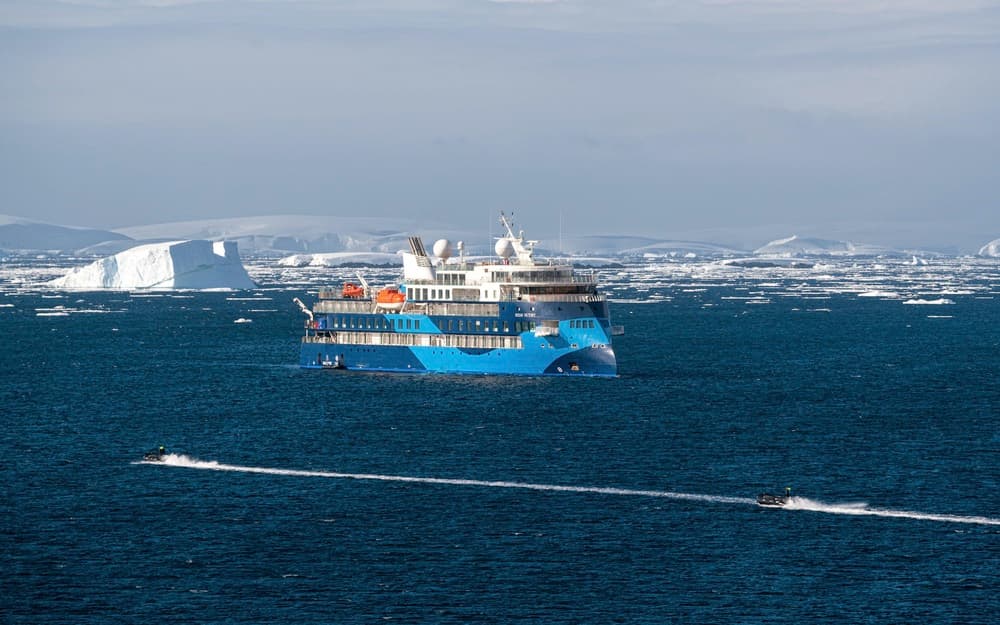
Out of the Northwest Passage
TRIP STARTS ON
September 10, 2027
SHIP SAILS ON
September 10, 2027
HOTEL NIGHTS
Pre-Cruise: 0, Post-Cruise: 0
SHIP
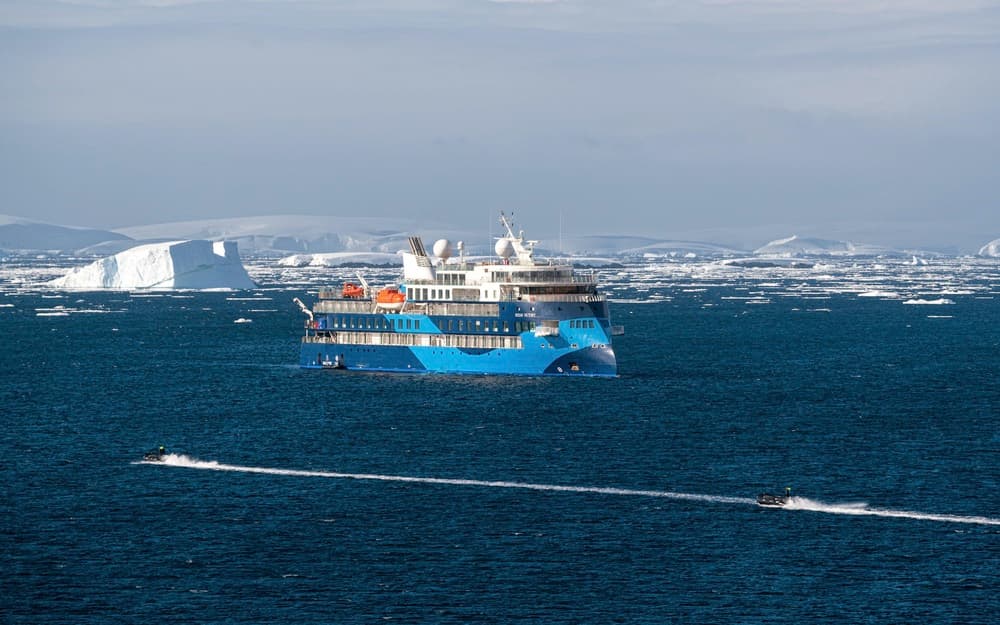
Ocean Victory
TRIP ENDS ON
September 26, 2027
STOPS
17 Stops, 2 Countries
CRUISE NIGHTS
16
OPERATOR
Adventure Canada
FROM: 

$21,745

WITH SPECIAL SAVINGS APPLIED

FARES SHOWN ARE PER GUEST

Suites & Fares

CHOOSE START DATE 

: September 10, 2027

 
STEP 1: CHOOSE YOUR PREFERRED DEAL
Expedition Fare (incl. Charter Flights)
View Suites

Itinerary

17 Ports
2 Countries

Your journey begins at Kugluktuk—the westernmost community in Nunavut—where the Coppermine River meets the open sea. Its Inuinnaqtun name means “place of moving waters,” a fitting departure for a voyage defined by flow and connection. Explore this welcoming community known for artistry and warmth. Local hosts share stories of life in the western Arctic, where tradition and modern life move together with the rhythm of tide and season. As you embark on your ice-class expedition vessel, the horizon opens before you—an expanse of muted blues and greys threaded with drifting ice. The ship turns east, tracing the first lines of the storied Northwest Passage.

The Kitikmeot Region stretches across the central Arctic, a landscape of tundra, island chains, and shifting sea ice. This is the heart of the Northwest Passage—a place where the stories of Inuit and explorers intertwine across centuries. Visit a community where you are welcomed as a guest. Hear from Inuit hosts about local history, hunting traditions, and daily life. The scent of tundra moss, the laughter of children, and the steady thrum of a drum dance create a portrait of life deeply rooted in place. Zodiac excursions explore quiet bays where caribou and muskoxen graze beneath wide skies.

The Kitikmeot Region stretches across the central Arctic, a landscape of tundra, island chains, and shifting sea ice. This is the heart of the Northwest Passage—a place where the stories of Inuit and explorers intertwine across centuries. Visit a community where you are welcomed as a guest. Hear from Inuit hosts about local history, hunting traditions, and daily life. The scent of tundra moss, the laughter of children, and the steady thrum of a drum dance create a portrait of life deeply rooted in place. Zodiac excursions explore quiet bays where caribou and muskoxen graze beneath wide skies.

The Kitikmeot Region stretches across the central Arctic, a landscape of tundra, island chains, and shifting sea ice. This is the heart of the Northwest Passage—a place where the stories of Inuit and explorers intertwine across centuries. Visit a community where you are welcomed as a guest. Hear from Inuit hosts about local history, hunting traditions, and daily life. The scent of tundra moss, the laughter of children, and the steady thrum of a drum dance create a portrait of life deeply rooted in place. Zodiac excursions explore quiet bays where caribou and muskoxen graze beneath wide skies.

Reach Ikirahaq—known to many as Bellot Strait—a narrow channel where the tides of east and west converge. Threading between Somerset Island and the Boothia Peninsula, it marks the northernmost tip of continental North America. Granite headlands rise close on either side, streaked with scree, snow, and time. The currents twist and surge beneath the hull, where seals, seabirds, and occasional belugas or narwhals forage for food. For Inuit, Ikirahaq has long been a place of movement and gathering—a reminder that the meeting of waters mirrors the meeting of stories.

Beechey Island is a small island off the southwest coast of Devon Island, separated by a narrow waterway called the Barrow Strait. Captain William Edward Parry was the first European to visit the island in 1819. His lieutenant, Frederick William Beechey, named the island after his father, the artist William Beechey (1753–1839). Beechey Island played a significant role in the history of Arctic Exploration. During the winter of 1845-46, Sir John Franklin and his men camped on the island as part of their ill-fated quest to find the Northwest Passage. Mummified remains of three of Franklin’s crew were discovered, giving a better understanding of what happened before the disappearance of the expedition. In 1850 Edward Belcher used the island as a base while surveying the area. Later, in 1903, Norwegian explorer Roald Amundsen stopped at the island at the beginning of his successful voyage in search for the Northwest Passage. Subsequently, Beechey Island has been declared a "Territorial Historic Site" since 1975 by the Northwest Territories government

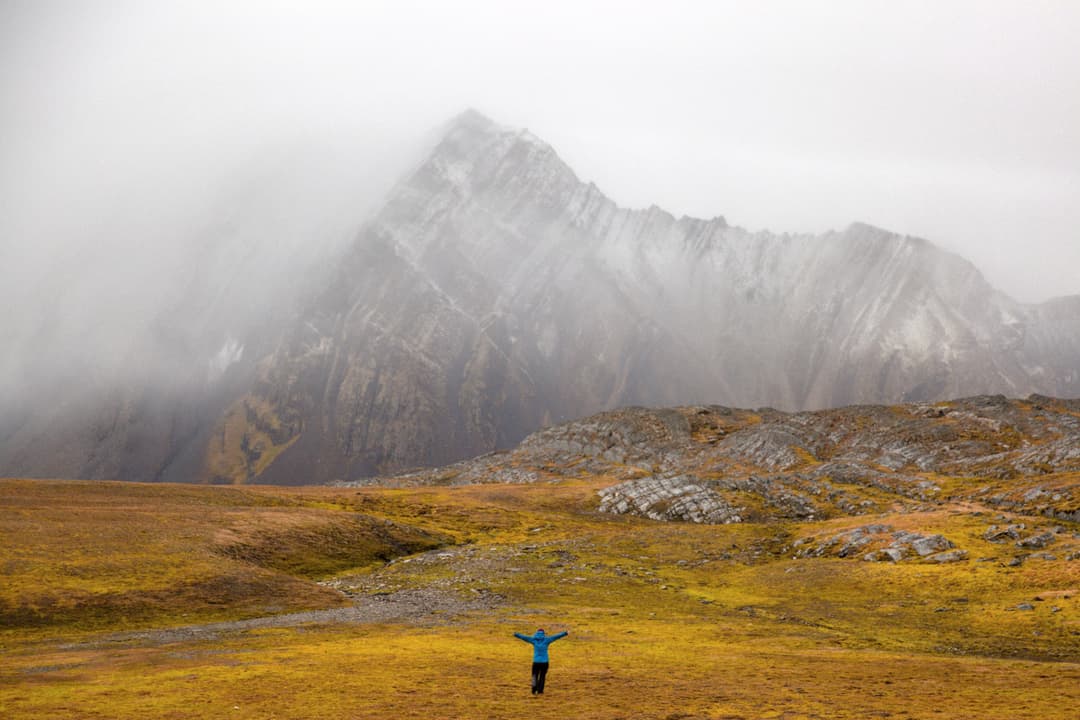
Enter Tallurutiup Imanga, a great inlet where glaciers feed cold, life-rich waters. Designated as one of Canada’s largest National Marine Conservation Areas, it is a confluence of nature and culture. Inuit knowledge and stewardship sustain a balance as intricate as the migration of narwhal and bowhead. Watch for polar bears on the ice, walrus on floes, and seabirds circling overhead. Devon Island rises to the north, vast and uninhabited—a landscape of stone and silence. Hike across tundra valleys where traces of ancient camps speak to the endurance of those who have travelled this coast for generations.

Enter Tallurutiup Imanga, a great inlet where glaciers feed cold, life-rich waters. Designated as one of Canada’s largest National Marine Conservation Areas, it is a confluence of nature and culture. Inuit knowledge and stewardship sustain a balance as intricate as the migration of narwhal and bowhead. Watch for polar bears on the ice, walrus on floes, and seabirds circling overhead. Devon Island rises to the north, vast and uninhabited—a landscape of stone and silence. Hike across tundra valleys where traces of ancient camps speak to the endurance of those who have travelled this coast for generations.

Grise Fiord is an Inuit hamlet on the southern tip of Ellesmere Island, in the Qikiqtaaluk Region, Nunavut, Canada. It is one of three populated places on the island; despite its low population, it is the largest community on Ellesmere Island.

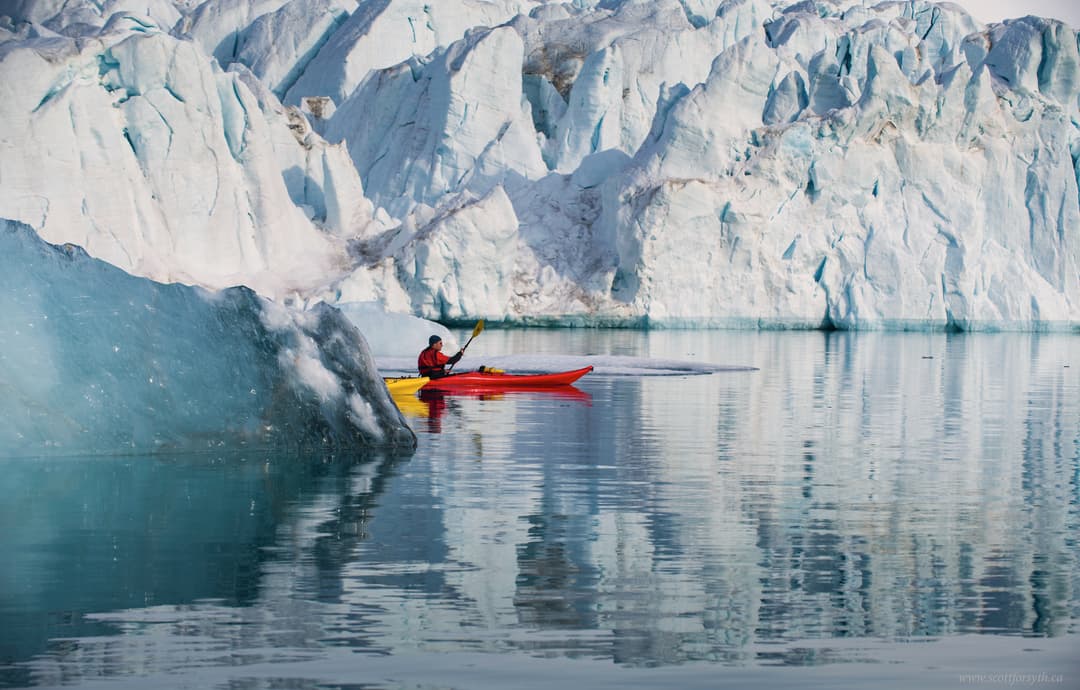
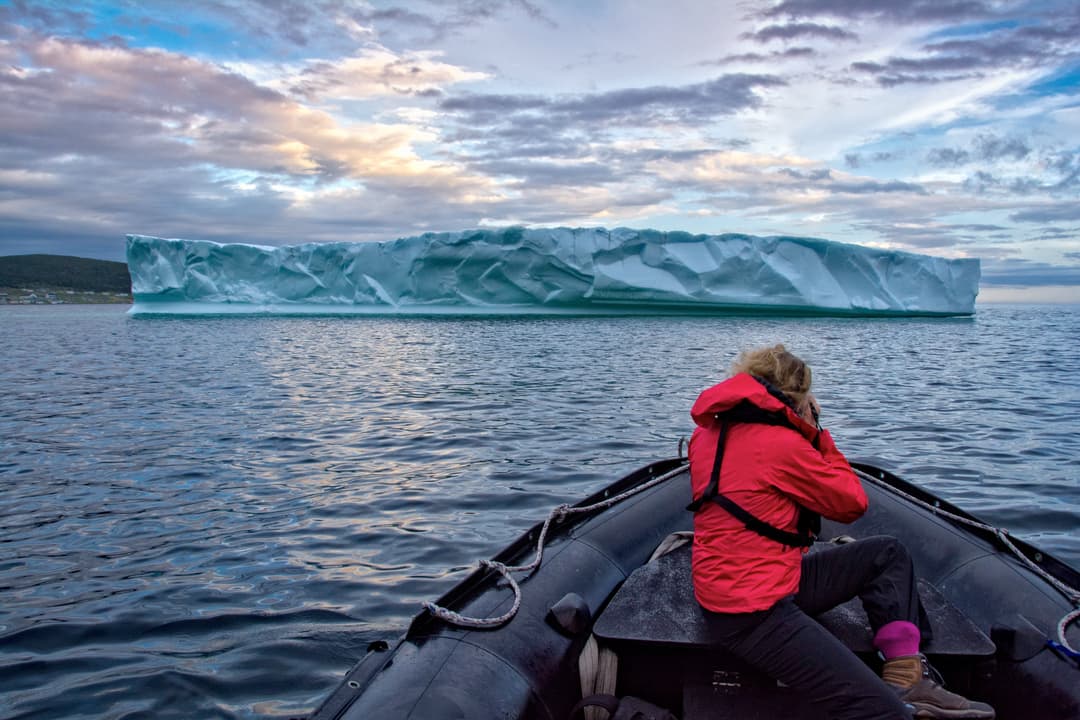
Sail into Smith Sound, a broad waterway marking the meeting place of Canada and Greenland—and, historically, the threshold to the North Pole. Icebergs drift south from Greenland’s glaciers, glowing with every hue of blue. For centuries, Inuit hunters have crossed its frozen expanse, while European expeditions sought passage north through its icy corridors. Today, its silence is punctuated only by wind and the slow fracture of ice. As we continue eastward, the sense of scale deepens—water and sky expanding endlessly, carrying us forward through time and tide.
Day
Eleven
Arrival
September 20, 2027
Port
Day at Sea

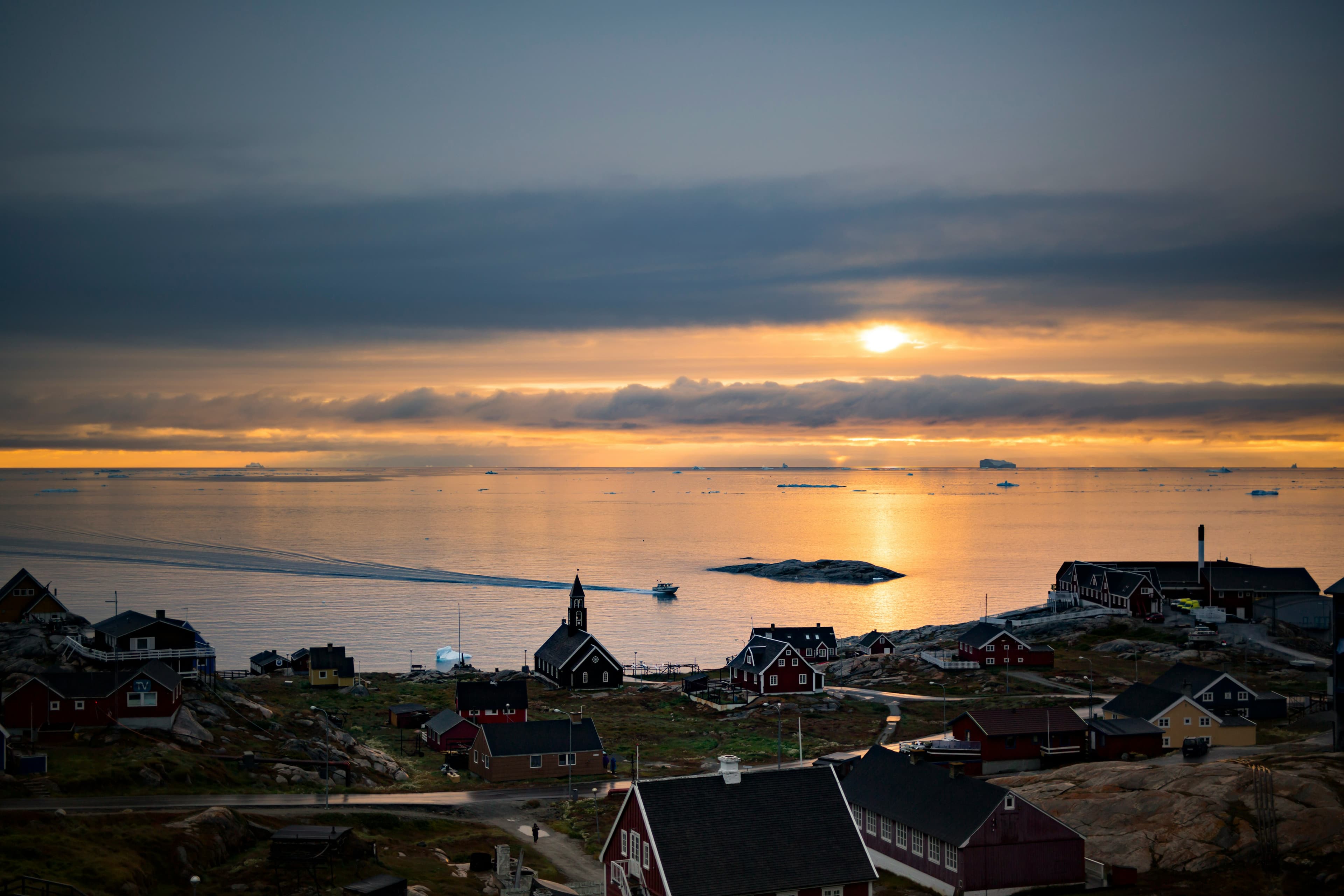
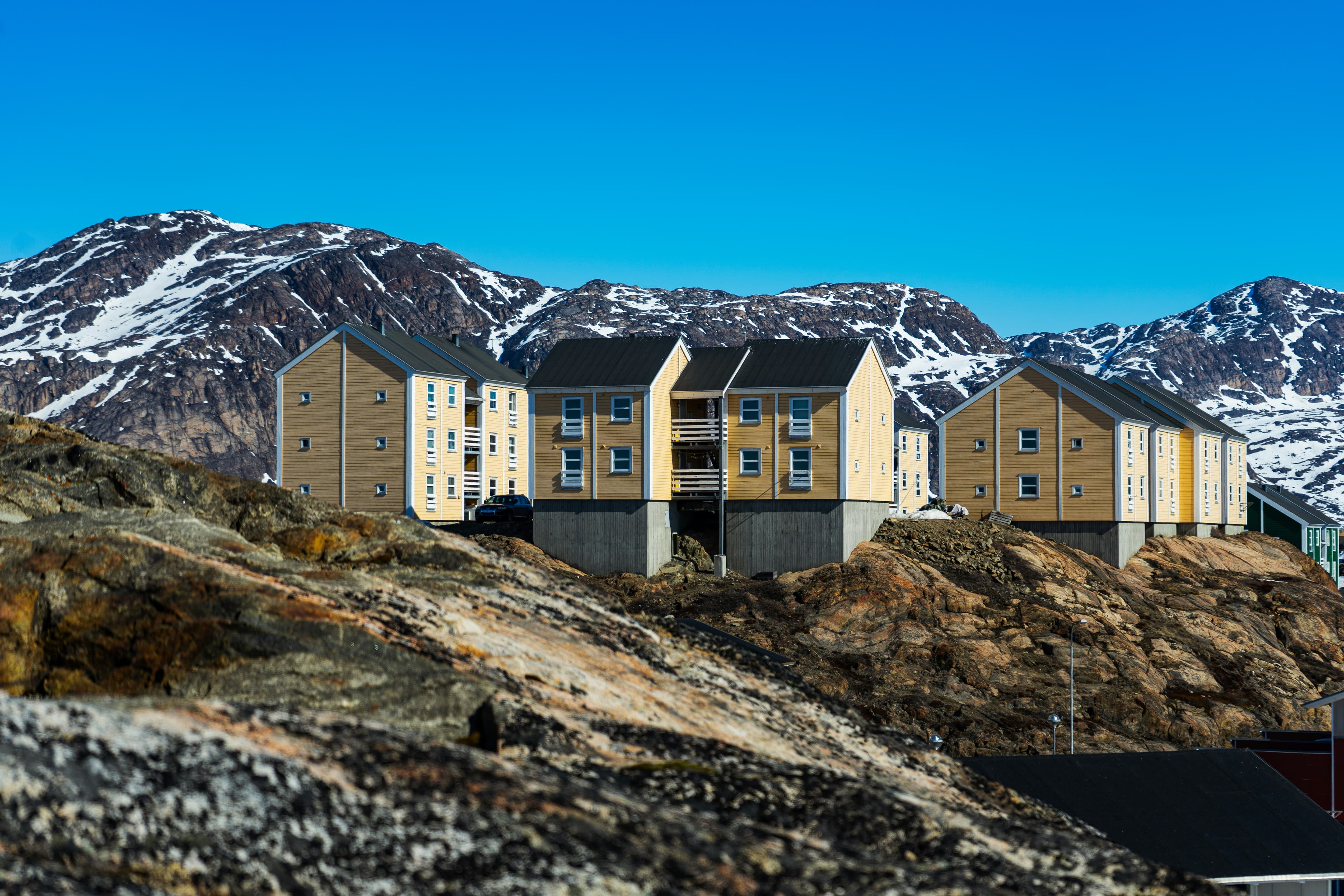
Crossing into Greenland, the coast reveals a world sculpted by ice. Glaciers descend from the inland cap, feeding fjords that stretch deep into the land. Scattered villages dot the shoreline, their bright homes vivid against the vastness of rock and snow. Go ashore where conditions allow to explore bays fringed with bergs or hike along tundra scented with Arctic cotton and crowberry. Ice and light combine to create a palette of silvers and aquas. Each moment shows how landscape shapes life—and how people, in turn, shape their bond with it.

Crossing into Greenland, the coast reveals a world sculpted by ice. Glaciers descend from the inland cap, feeding fjords that stretch deep into the land. Scattered villages dot the shoreline, their bright homes vivid against the vastness of rock and snow. Go ashore where conditions allow to explore bays fringed with bergs or hike along tundra scented with Arctic cotton and crowberry. Ice and light combine to create a palette of silvers and aquas. Each moment shows how landscape shapes life—and how people, in turn, shape their bond with it.

Known as the birthplace of icebergs, the Ilulissat Icefjord produces nearly 20 million tons of ice each day. In fact, the word Ilulissat means “icebergs” in the Kalaallisut language. The town of Ilulissat is known for its long periods of calm and settled weather, but the climate tends to be cold due to its proximity to the fjord. Approximately 4,500 people live in Ilulissat, the third-largest town in Greenland after Nuuk and Sisimiut. Some people here estimate that there are nearly as many sled dogs as human beings living in the town that also boasts a local history museum located in the former home of Greenlandic folk hero and famed polar explorer Knud Rasmussen.

Located just north of the Arctic Circle, Sisimiut is the northernmost town in Greenland where the port remains free of ice in the winter. Yet it is also the southernmost town where there is enough snow and ice to drive a dogsled in winter and spring. In Sisimiut, travelling by sled has been the primary means of winter transportation for centuries. In fact, the area has been inhabited for approximately 4,500 years. Modern Sisimiut is the largest business center in the north of Greenland, and is one of the fastest growing Greenlandic cities. Commercial fishing is the lead economy in the town‘s thriving industrial base.

Located just north of the Arctic Circle, Sisimiut is the northernmost town in Greenland where the port remains free of ice in the winter. Yet it is also the southernmost town where there is enough snow and ice to drive a dogsled in winter and spring. In Sisimiut, travelling by sled has been the primary means of winter transportation for centuries. In fact, the area has been inhabited for approximately 4,500 years. Modern Sisimiut is the largest business center in the north of Greenland, and is one of the fastest growing Greenlandic cities. Commercial fishing is the lead economy in the town‘s thriving industrial base.

The name Kangerlussuaq means "Big Fjord" in the local Kalaallisut language. The settlement of about 500 people is located in western Greenland on flat land at the head of a fjord with the same name. Kangerlussuaq is the site of Greenland's largest commercial airport and most of the economy here is dependent on the air transportation hub and tourism. The rugged lands around the settlement support terrestrial Arctic fauna including muskoxen, caribou, and Gyrfalcons.

Show more

About the Ship

Name

Ocean Victory

Operator

Adventure Canada

Adventure Canada’s next-generation expedition vessel.

Ship Facts
cabin count
93
capacity
175
crew count
101
deck count
7
currency
USD onboard
gross tonnage
8181
language
en-US
launch year
2021
length
104m
speed
16kts
wheelchair count
No Data
width
18m

Loading...

DINING

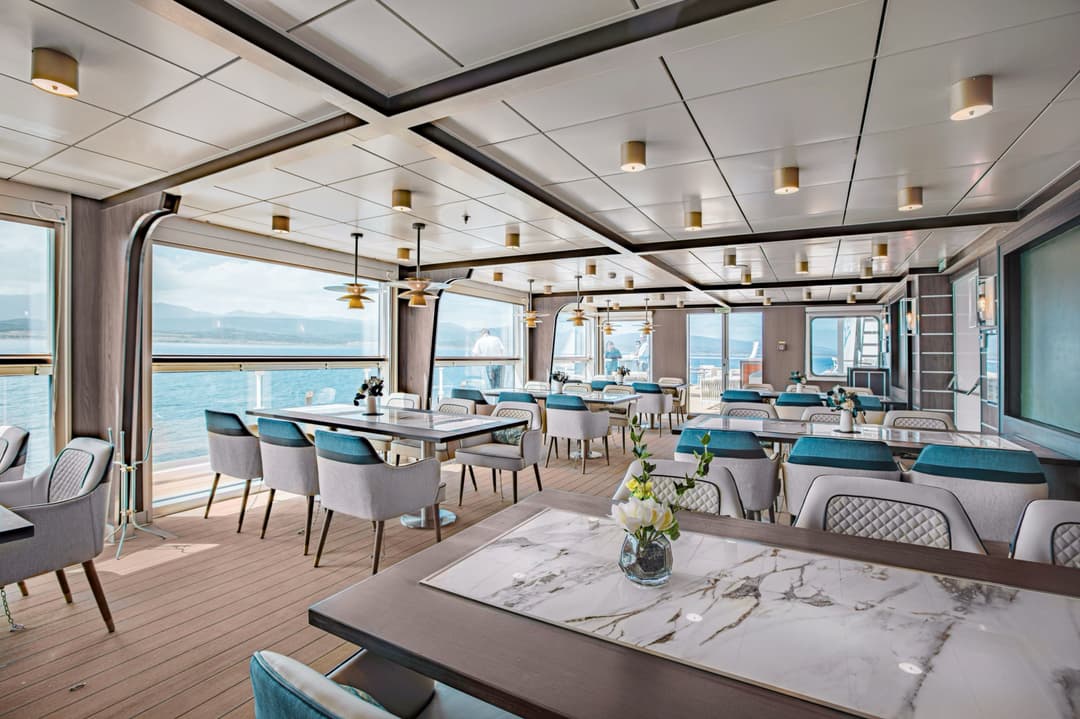
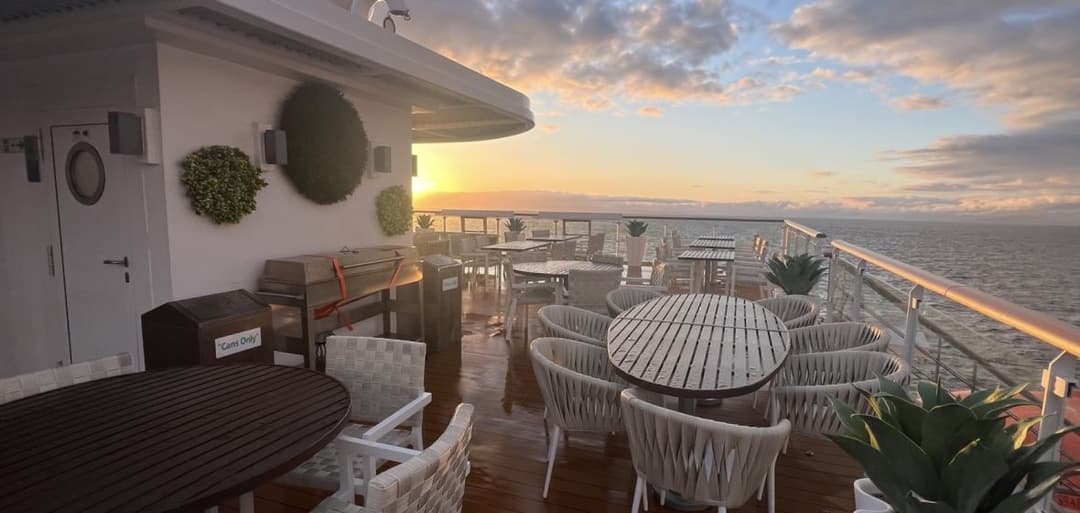
Meals aboard the Ocean Victory are as much about connection as nourishment. Guests enjoy dining in either of two restaurants, or, when weather allows, outdoor barbecues set against spectacular backdrops. Complimentary wine, beer, and soft drinks are served with dinner. Between meals, the Nordic Bar offers a welcoming space for drinks and conversation—making the experience a celebration of community, place, and purpose. 
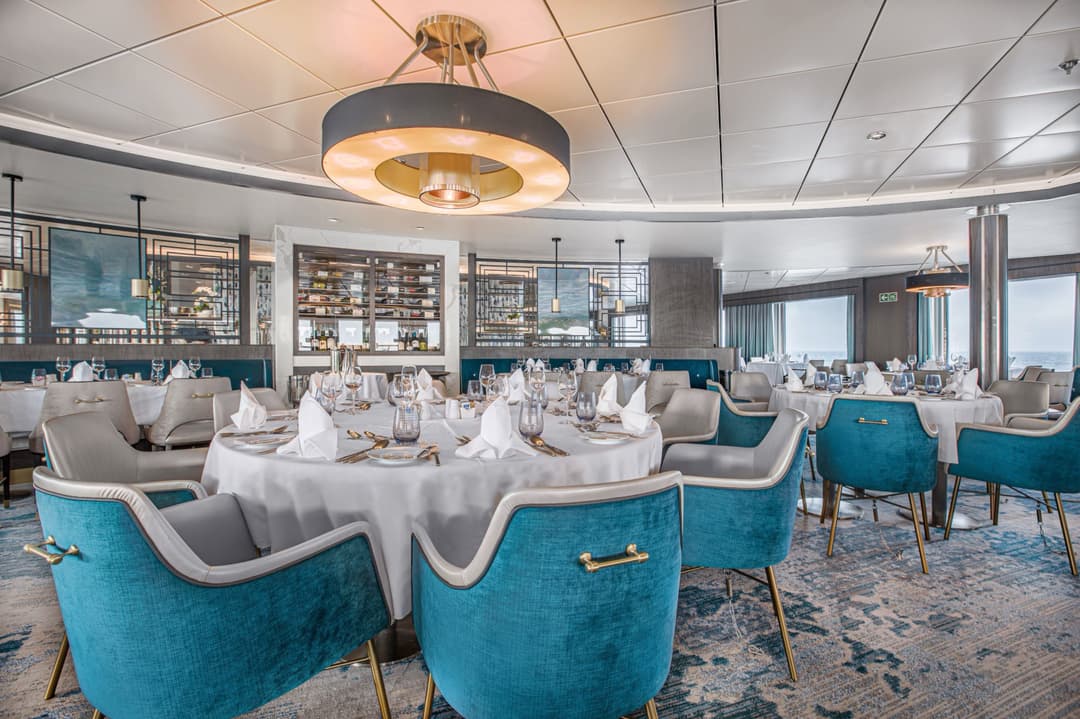
Beagle Restaurant

Savour hot soups, fresh salads, and nightly entrées of meat, fish, or vegetarian dishes, followed by desserts and ship-made ice cream, paired with wines, beers, or cocktails.

Panorama Specialty Restaurant

Dine with sweeping top-deck views, enjoying distinctive menus in a setting that celebrates both flavour and scenery.

BBQ Deck
When weather permits, savour a delicious barbecue lunch on deck—an unforgettable way to enjoy grilled flavours surrounded by pristine scenery.
Entertainment

Life aboard the Ocean Victory feels like stepping into a welcoming community at sea. With a generous ratio of guests to expedition staff, travellers enjoy connecting with cultural educators, knowledge holders, scientists, naturalists, artists, musicians, and community leaders, whose stories and expertise add depth to every day.

Panoramic decks, bright lecture lounges, a cozy library, and excellent outdoor spaces provide natural gathering places—perfect for sharing discoveries, swapping stories, or reflection. Guests also enjoy hands-on workshops that spark creativity and learning. Accommodation includes ninety-three ocean-view cabins, most with private balconies, plus solo-occupancy options for independent travellers. Wi-Fi (basic service included) ensures guests stay connected while immersed in the adventure. 
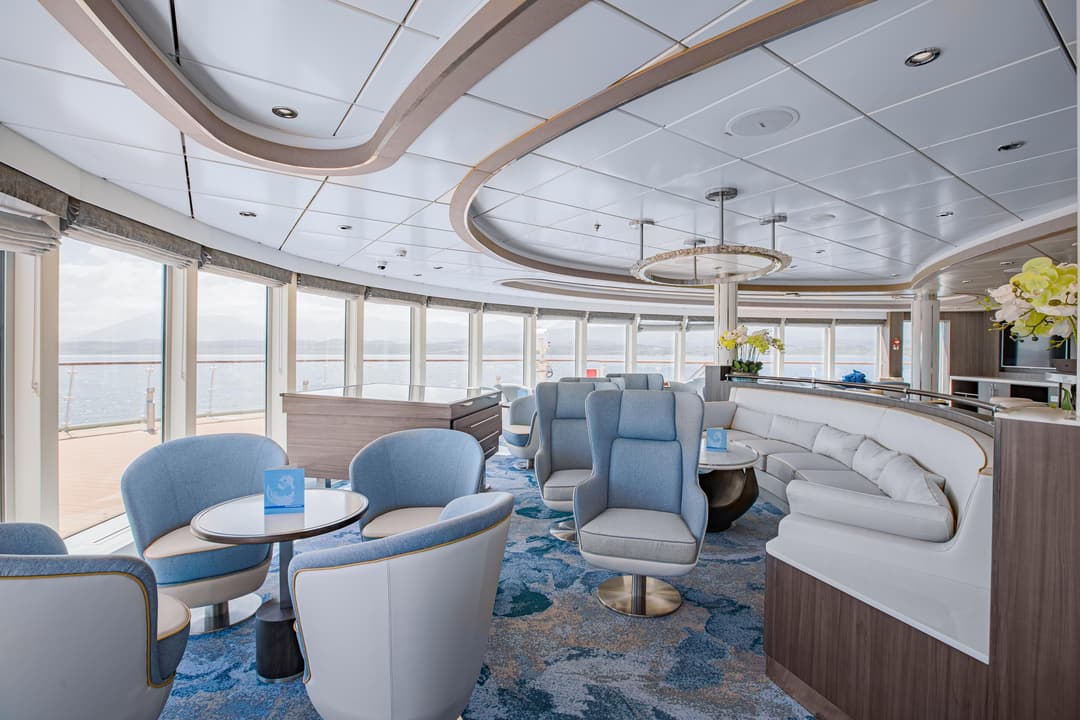
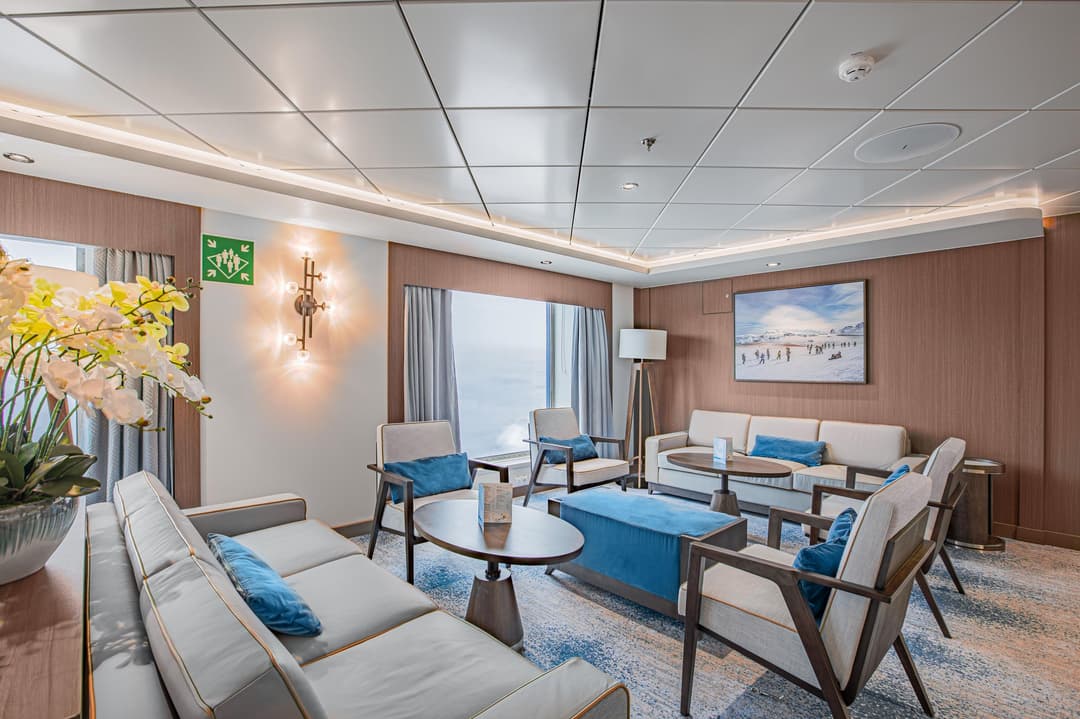
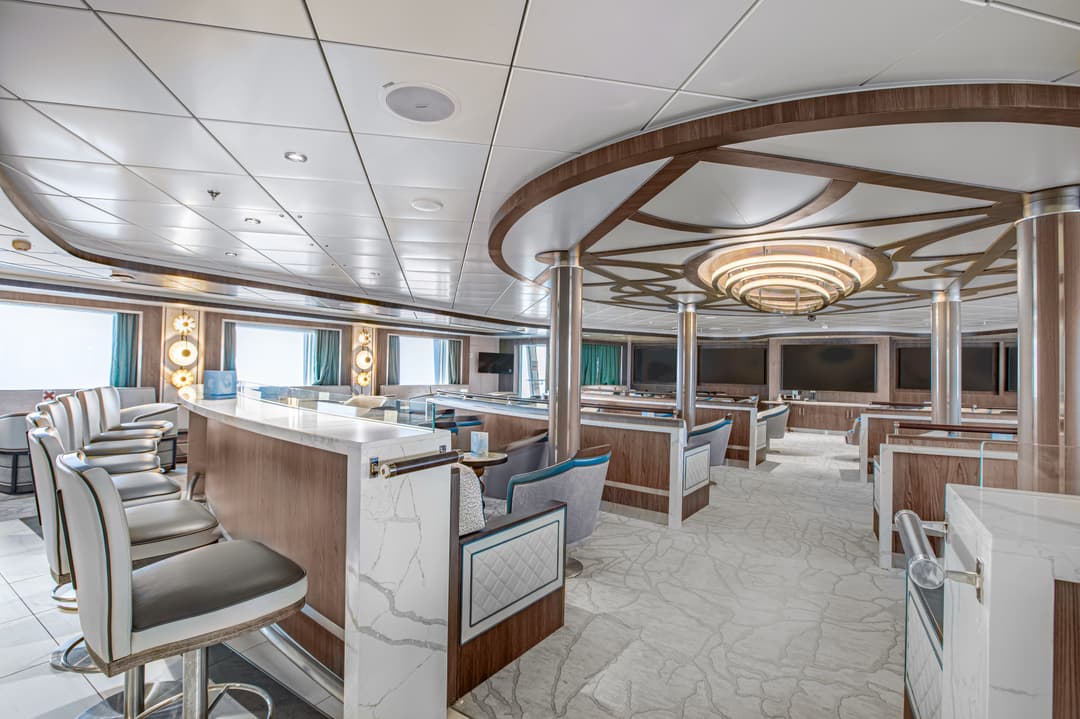
Observation Lounge

Relax in comfortable seating, enjoy sweeping polar views, and share conversation in a welcoming atmosphere designed to celebrate exploration and create memorable moments throughout your journey.

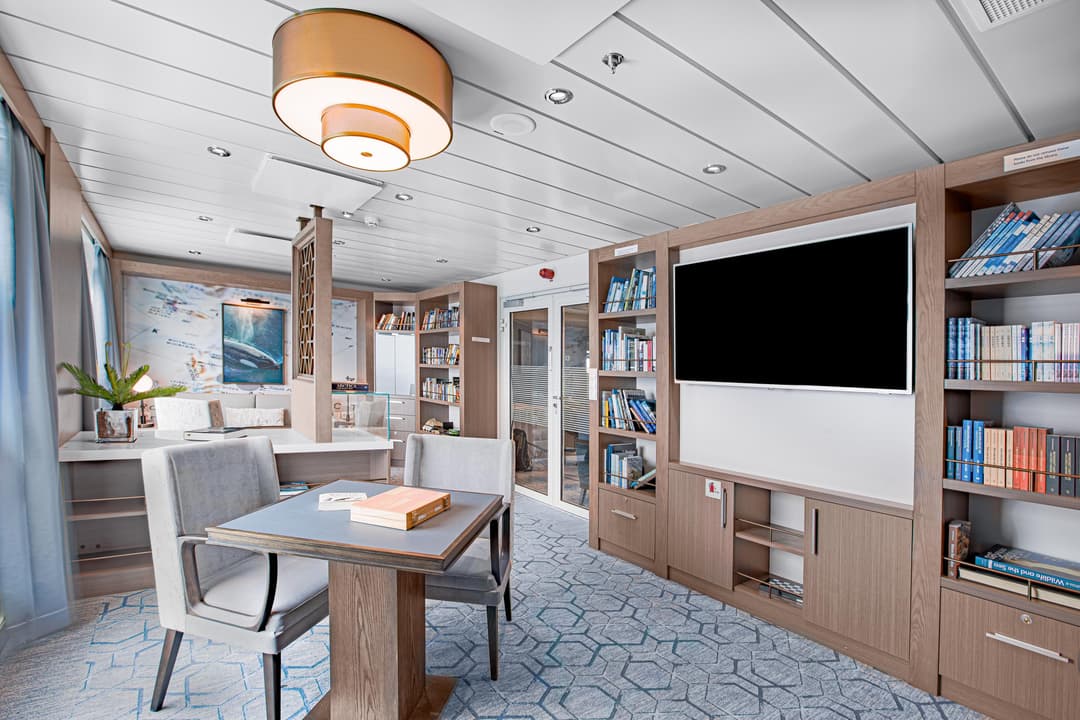
Knud Rasmussen Library

Explore sagas, polar histories, wildlife encyclopedias, and expedition tales—a quiet space to feed curiosity, spark imagination, and reflect on the spirit of exploration while at sea.

Nordic Bar Lounge

Experience warm Nordic hospitality with a wide selection of drinks, including curated wine tastings—the perfect setting to unwind, share stories, and connect after a day of exploration.

Health And Fitness
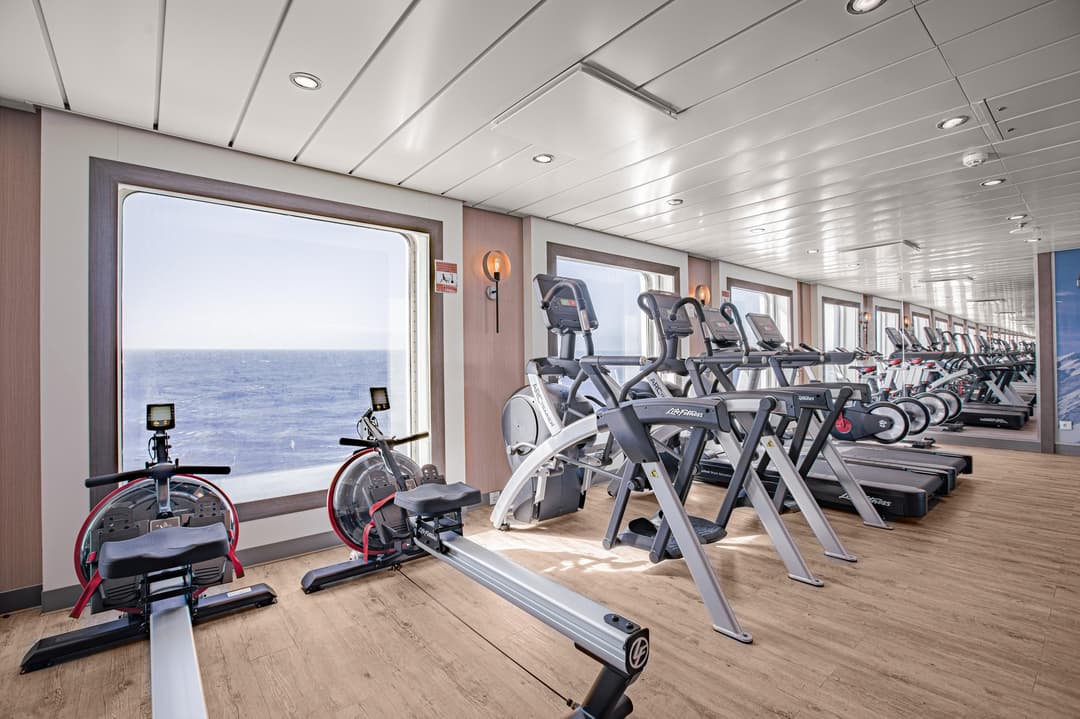
Fitness Room

Stay active at sea with cardio equipment and weight machines. Floor-to-ceiling windows provide inspiring ocean views, turning every workout into a refreshing connection with the surrounding environment.

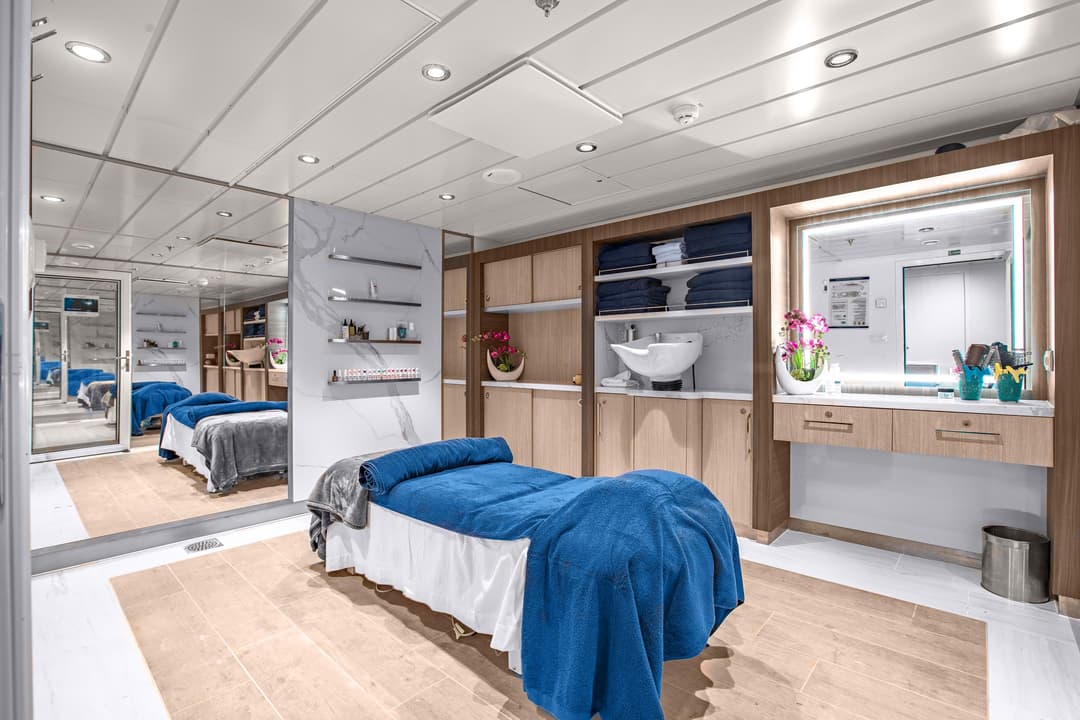
The Polar Spa

Unwind with destination-inspired treatments that reflect the spirit of the regions we explore—an inviting sanctuary for relaxation, renewal, and a deeper sense of well-being at sea.

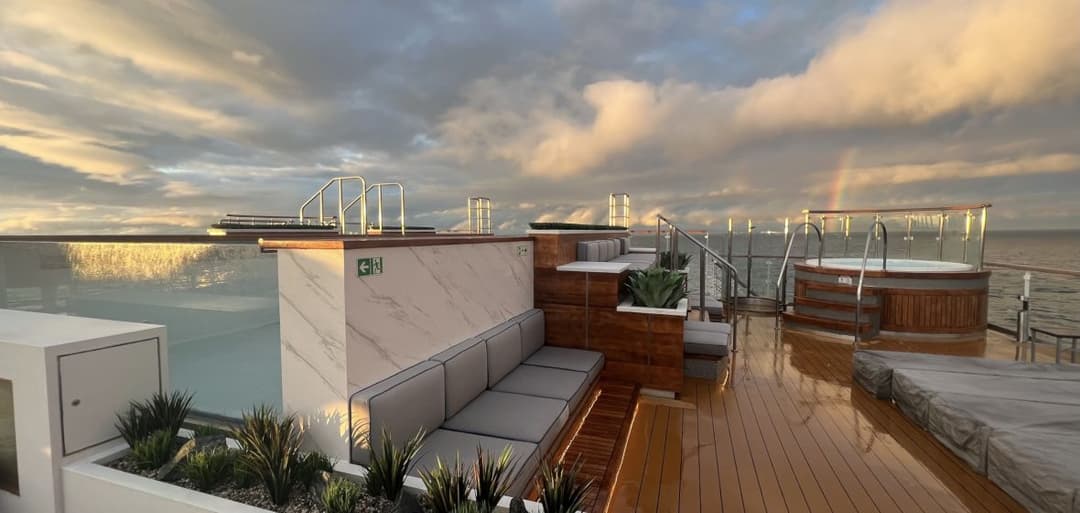
Jacuzzis, Pool & Bar

Relax in two jacuzzis or the infinity pool, with an outside bar nearby—offering spectacular upper-deck views of the polar landscape in a refreshing, social setting.

Enrichment
Expeditions

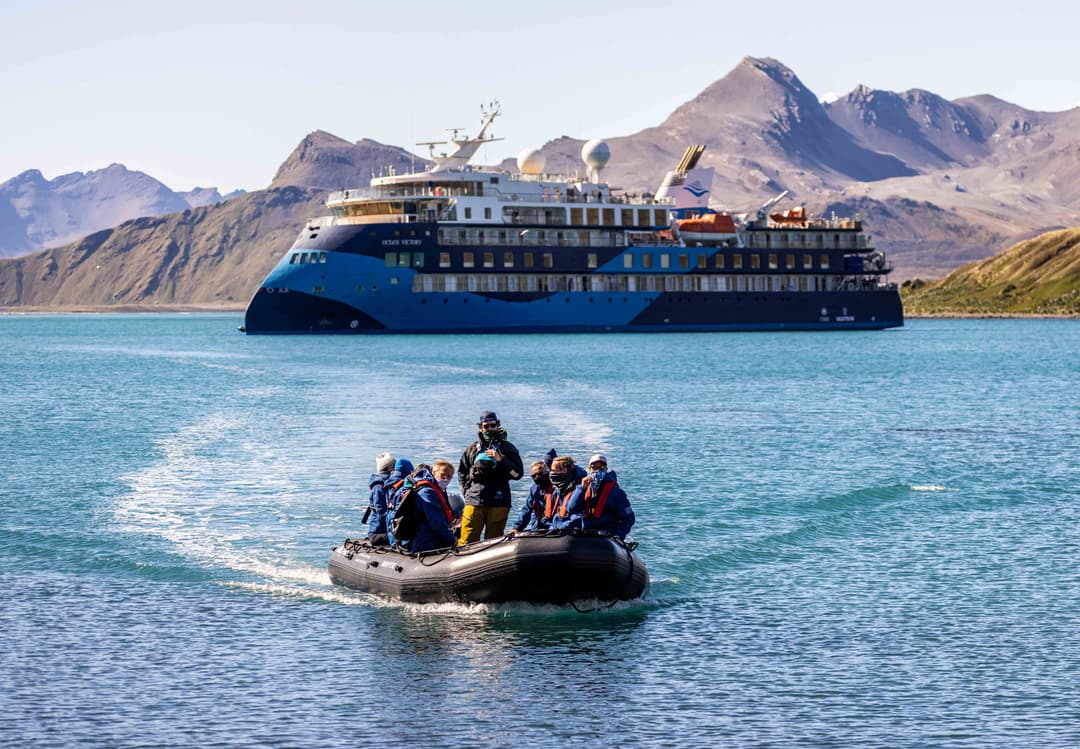
Every landing from the Ocean Victory is designed for ease and discovery. A spacious mud room keeps gear organized, while a fleet of eighteen Zodiacs ensures quick, safe access to beaches, coastlines, and wildlife viewing. These versatile crafts bring guests into the heart of the action—whether stepping onto wild shores or cruising past a seabird colony.

With Polar Code 6 and Ice Class 1A certification, the ship navigates icy seas confide....
Shackleton Lecture Lounge

Hear stories and insights from Indigenous knowledge holders, biologists, geologists, and artists. Inspiring talks, lively entertainment, and music in this welcoming space enrich the spirit of exploration between landings and adventures.

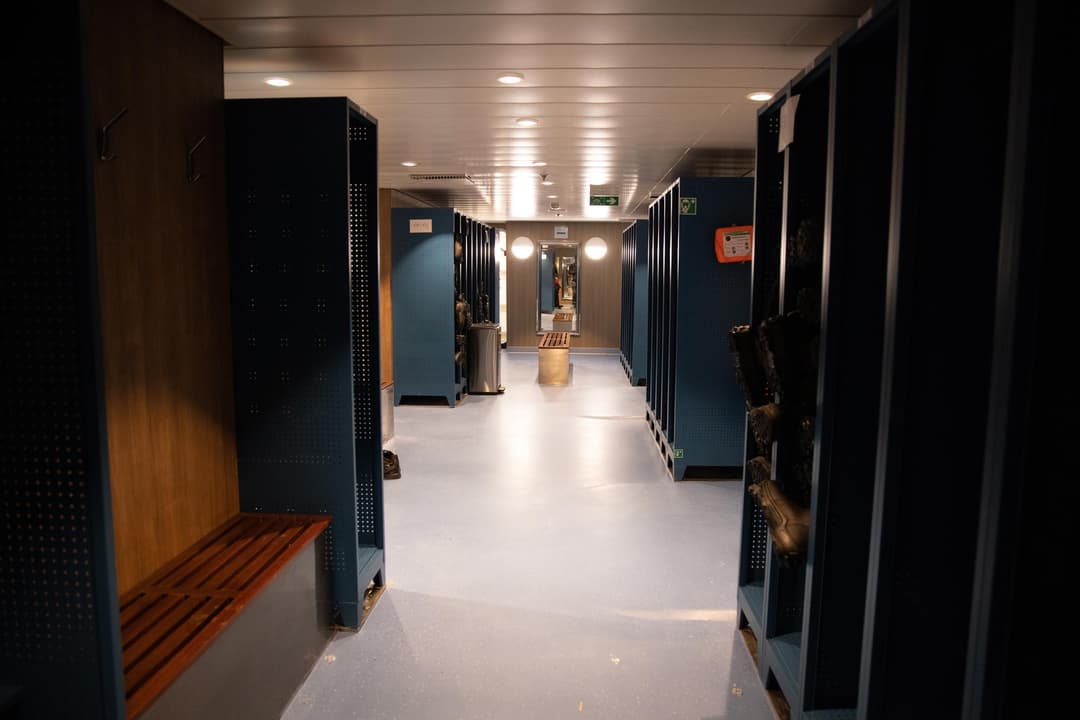
Mud Room

Organized for smooth Zodiac embarkations, the mud room stores jackets, boots, and expedition gear—keeping guests prepared, comfortable, and ready for each exciting shore landing and adventure.

USEFUL TO KNOW
Temperatures

In June, July, and August, the temperatures in the regions we visit are usually quite comfortable. It is common to have beautiful sunny days with temperatures reaching a high of 18°C. In the Arctic, we can also experience temperatures close to 0°C. When you are on land and walking around it usually gets quite warm and people tend to take off layers.

European and Canadian maritime destinations tend to be warmer than the Arctic in the summ....

Health & Safety

As a leader in expedition cruising, Adventure Canada has a deep commitment to safety. Our staff are rigorously trained and certified for their roles, and our ships’ crews have lifetimes of experience. We plan our routes in consultation with captain, crew, expedition leaders, and local guides for safe adventuring everywhere.

Medical Facilities

Adventure Canada expeditions take place far away from hospitals and other institutional medical care and are therefore intended for persons in good health. An adequate medical facility could be 72 hours away or more, and emergency evacuation and adequate medical treatment may be delayed or unavailable in certain areas. Our vessel is not equipped to handle serious medical conditions. Medical and Emergency Evacuation insurance is mandatory. If y....

Activity Level

Adventure Canada expeditions necessitate that passengers be in reasonably good health. Zodiac cruises and transfer times can be lengthy. You must be able to climb stairs between decks on the ship. You must also be able to climb the external gangway stairs to transfer between the ship and the Zodiacs. Our expedition team and ship crew are available to assist you in and out of the Zodiacs, both on shore and at the gangway. Adventure Canada exped....

Inclusions

Included

  • Passage aboard the Ocean Victory
  • Applicable taxes and credit card fees
  • Complimentary expedition jacket
  • Special access permits, entry, and park fees
  • Expert expedition team
  • Guided activities
  • Sightseeing and community visits
  • All Zodiac excursions
  • Port fees
  • Pre-departure materials
  • Educational program
  • Interactive workshops
  • Even....
Age Limitations

Adventure Canada offers family friendly Cruises. There is no minimum or maximum age restriction. Passengers under the age of 18 must have Adventure Canada’s “Agreement for Accompanying a Minor Guest” completed at the time of booking if travelling without their legal guardian. Passengers 16 and under must be accompanied by and share a cabin with a travel companion over the age of 18. No babysitting or childcare services are provided.

Special Accommodations

Adventure Canada is committed to extending a high level of customer service to all travellers, including persons with disabilities. We are committed to meeting the needs of persons with disabilities in a timely manner, and will do so by preventing and removing barriers to accessibility wherever possible.

Certain mandated safety requirements in the construction and operation of the Vessel inherently restrict maneuverability in many areas.....

Drones

Adventure Canada does not permit Passenger use of drones, including underwater drones or other unmanned vehicles. No exceptions will be made.