

Greenland & Wild Labrador: A Torngat Mountains Adventure
CRUISE ID # ADVCANADALG27-ON
Saint-John's, Newfoundland and Labrador TO Nuuk (Godthaab)
$13,645
WITH SPECIAL SAVINGS APPLIED
FARES SHOWN ARE PER GUEST
Suites & Fares
CHOOSE START DATE
: July 23, 2027
Itinerary
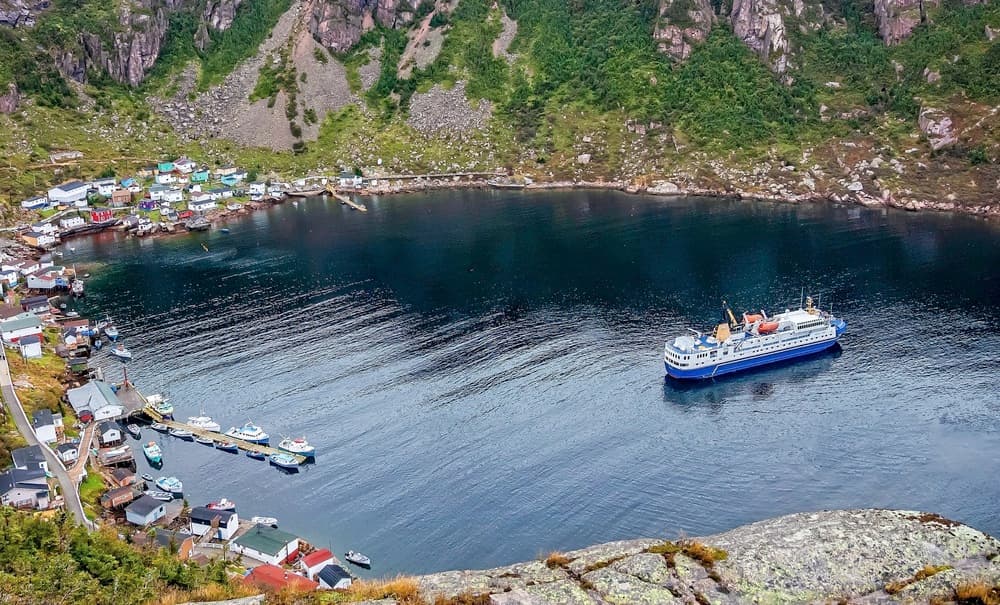
Old meets new in the province's capital (metro-area population a little more than 200,000), with modern office buildings surrounded by heritage shops and colorful row houses. St. John's mixes English and Irish influences, Victorian architecture and modern convenience, and traditional music and rock and roll into a heady brew. The arts scene is lively, but overall the city moves at a relaxed pace.For centuries, Newfoundland was the largest supplier of salt cod in the world, and St. John's Harbour was the center of the trade. As early as 1627, the merchants of Water Street—then known as the Lower Path—were doing a thriving business buying fish, selling goods, and supplying alcohol to soldiers and sailors.
Around the year 1000, Vikings from Greenland and Iceland founded the first European settlement in North America, near the northern tip of Newfoundland. They arrived in the New World 500 years before Columbus but stayed only a few years and were forgotten for centuries. Since the settlement's rediscovery in the last century, the archaeological site has brought tourism to the area. Viking themes abound but so do views, whales, icebergs, fun dining experiences, and outdoor activities. L'Anse Aux Meadows on the northern tip of the island of Newfoundland is a remote community of just 40 people, with St Anthony, 40 minutes away, having a population of only 3,500. The region is locally famous for springtime polar bears, nesting eider ducks, the northern extreme of the Appalachians at nearby Belle Isle, numerous spring and summer icebergs, and a rich ocean fishery. L’Anse Aux Meadows National Historic Site is the UNESCO World Heritage Site that tells the story of Leif Erickson and the first Europeans in the new world. This site is often the keystone attraction for cruises themed around the Vikings. Discovered in 1960, it is the site of a Norse village, the only known one in North America outside of Greenland. The site remains the only widely-accepted instance of pre-Columbian trans-oceanic contact, and is notable for possible connections with the attempted colony of Vinland established by Leif Ericson around 1003, or more broadly with Norse exploration of the Americas. The root of the name "L'Anse aux Meadows" is believed to have originated with French fishermen in the area during the nineteenth and twentieth centuries, who named the site L'Anse aux Meduses, meaning 'Jellyfish Bay'.
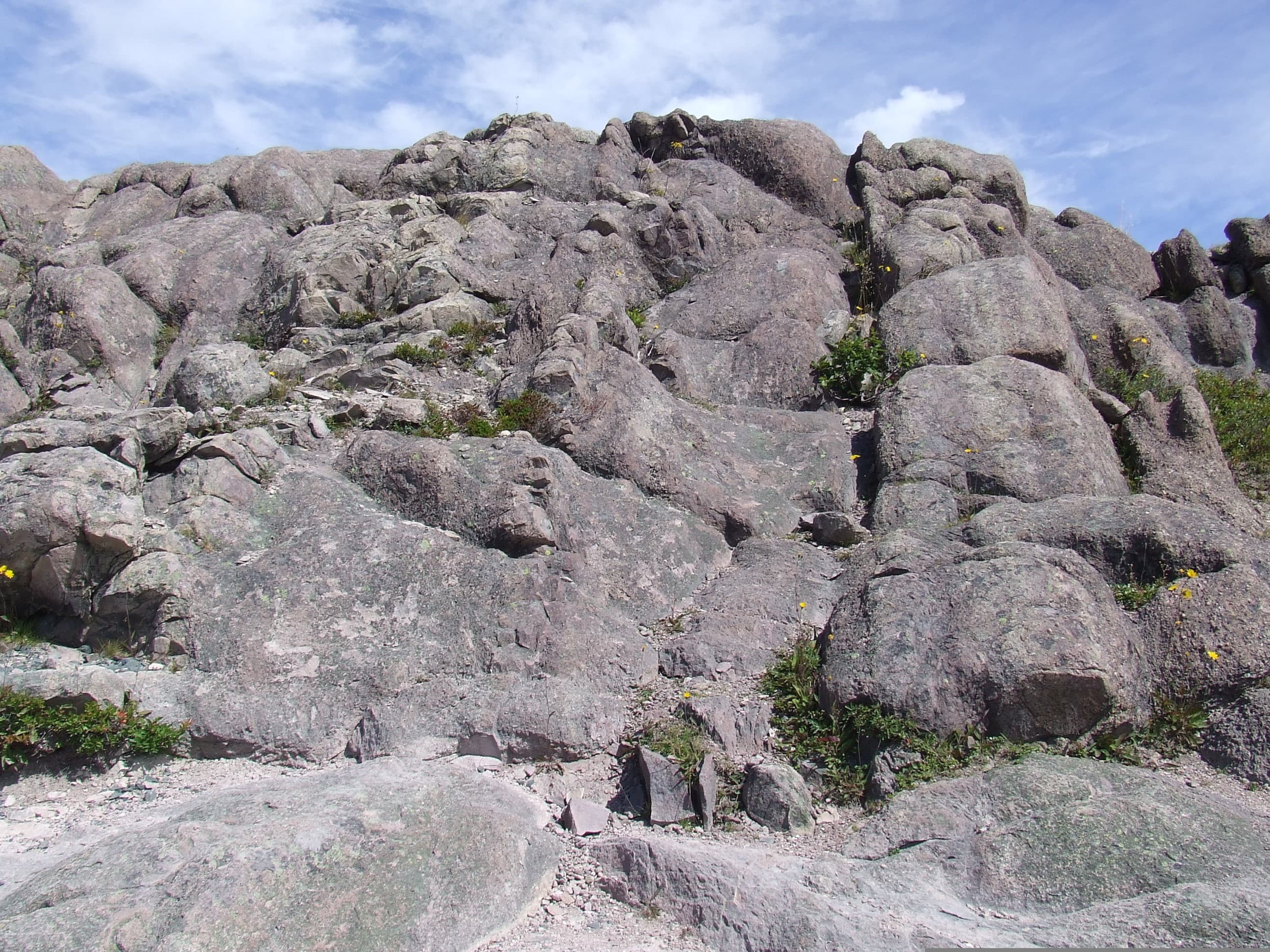
The Torngat Mountains National Park is situated on the eastern side of Labrador’s northernmost point and features mountains sometimes described as the “Eastern Rocky Mountains”. The park covers an area of 9,700 km2 (over 6,000 mi2) and is dotted with remnants of several cirque glaciers. Saglek Fjord has an outstanding array of geological features and the steep cliffs provide some of the best exposures to the earth’s geologic history. The name of the national park goes back to Torngarsoak, who was believed to control the life of sea animals and took the form of a huge polar bear. Polar bears hunt seals on the ice here in the winter months, and herds of Torngat Mountain and George River caribou migrate to and from their calving grounds in the warmer months. Inuit use the area to hunt, fish and travel throughout the year and many still have a strong spiritual connection to this “Place of Spirits”.
The Torngat Mountains National Park is situated on the eastern side of Labrador’s northernmost point and features mountains sometimes described as the “Eastern Rocky Mountains”. The park covers an area of 9,700 km2 (over 6,000 mi2) and is dotted with remnants of several cirque glaciers. Saglek Fjord has an outstanding array of geological features and the steep cliffs provide some of the best exposures to the earth’s geologic history. The name of the national park goes back to Torngarsoak, who was believed to control the life of sea animals and took the form of a huge polar bear. Polar bears hunt seals on the ice here in the winter months, and herds of Torngat Mountain and George River caribou migrate to and from their calving grounds in the warmer months. Inuit use the area to hunt, fish and travel throughout the year and many still have a strong spiritual connection to this “Place of Spirits”.
The Torngat Mountains National Park is situated on the eastern side of Labrador’s northernmost point and features mountains sometimes described as the “Eastern Rocky Mountains”. The park covers an area of 9,700 km2 (over 6,000 mi2) and is dotted with remnants of several cirque glaciers. Saglek Fjord has an outstanding array of geological features and the steep cliffs provide some of the best exposures to the earth’s geologic history. The name of the national park goes back to Torngarsoak, who was believed to control the life of sea animals and took the form of a huge polar bear. Polar bears hunt seals on the ice here in the winter months, and herds of Torngat Mountain and George River caribou migrate to and from their calving grounds in the warmer months. Inuit use the area to hunt, fish and travel throughout the year and many still have a strong spiritual connection to this “Place of Spirits”.
The Torngat Mountains National Park is situated on the eastern side of Labrador’s northernmost point and features mountains sometimes described as the “Eastern Rocky Mountains”. The park covers an area of 9,700 km2 (over 6,000 mi2) and is dotted with remnants of several cirque glaciers. Saglek Fjord has an outstanding array of geological features and the steep cliffs provide some of the best exposures to the earth’s geologic history. The name of the national park goes back to Torngarsoak, who was believed to control the life of sea animals and took the form of a huge polar bear. Polar bears hunt seals on the ice here in the winter months, and herds of Torngat Mountain and George River caribou migrate to and from their calving grounds in the warmer months. Inuit use the area to hunt, fish and travel throughout the year and many still have a strong spiritual connection to this “Place of Spirits”.
Nuuk, meaning “the cape”, was Greenland’s first town (1728). Started as a fort and later mission and trading post some 240 kilometers south of the Arctic Circle, it is the current capital. Almost 30% of Greenland’s population lives in the town. Not only does Nuuk have great natural beauty in its vicinity, but there are Inuit ruins, Hans Egede’s home, the parliament, and the Church of our Saviour as well. The Greenlandic National Museum has an outstanding collection of Greenlandic traditional dresses, as well as the famous Qilakitsoq mummies. The Katuaq Cultural Center’s building was inspired by the undulating Northern Lights and can house 10% of Nuuk’s inhabitants.
About the Ship
Name
Ocean Nova
Operator
Adventure Canada

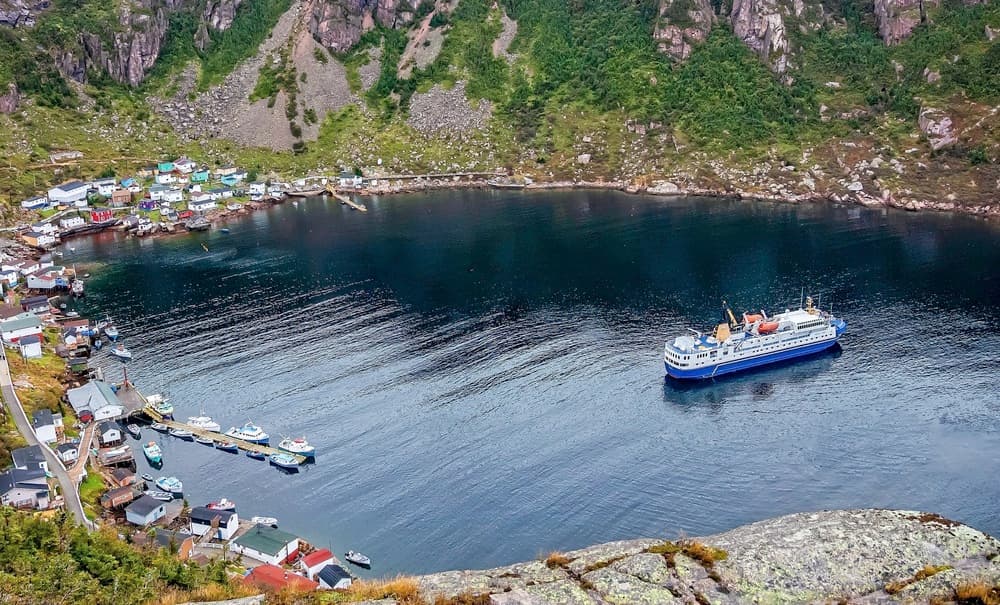
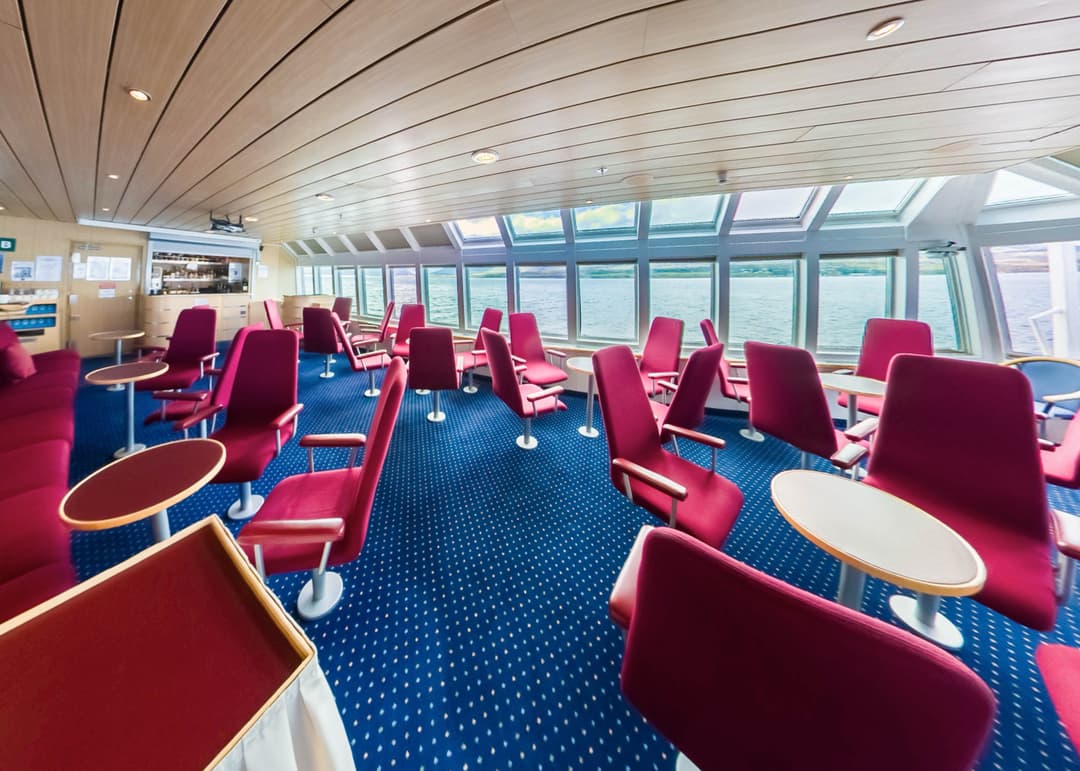
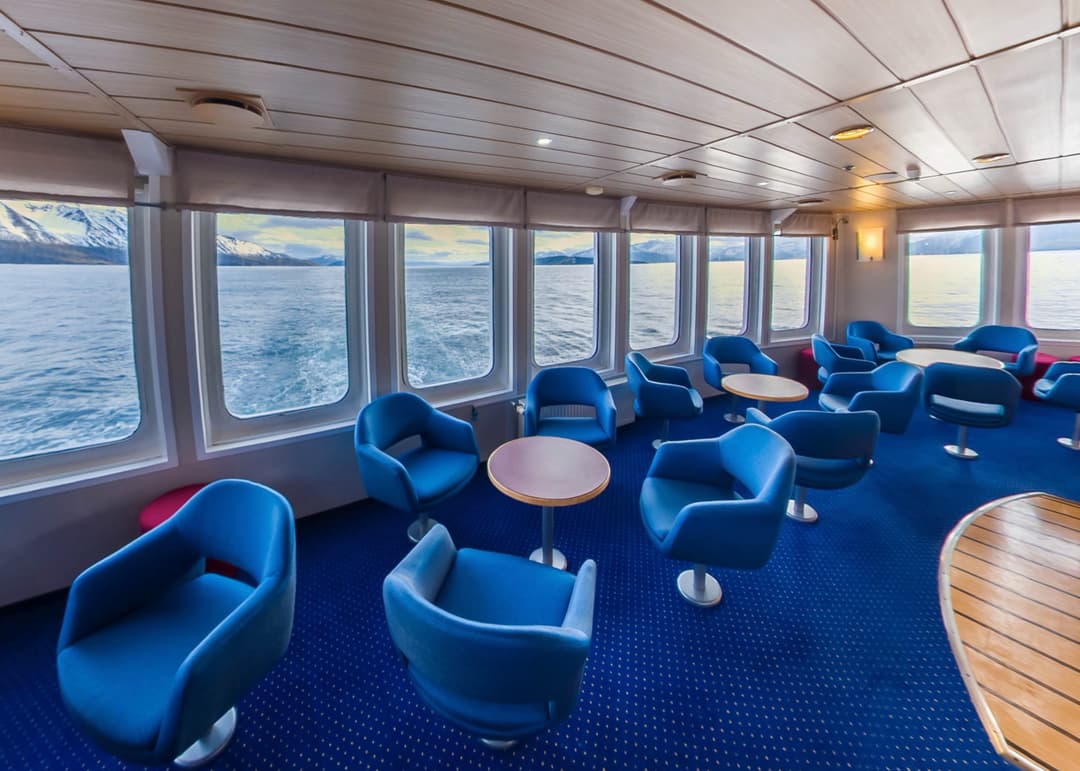
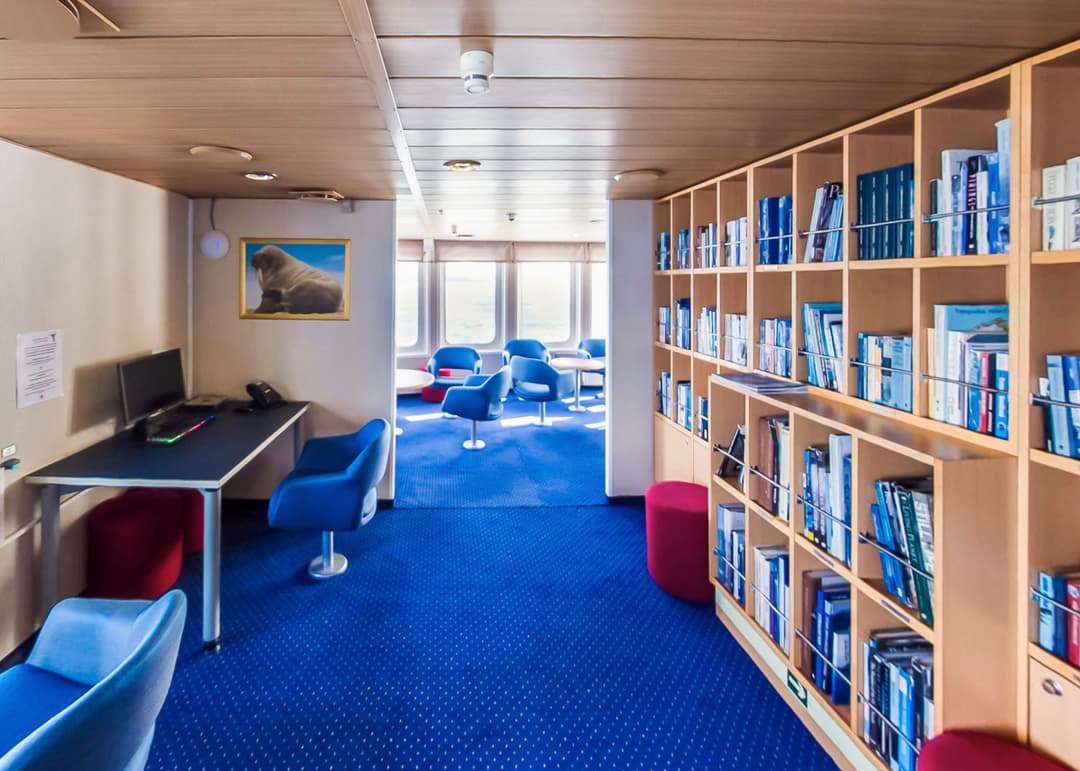
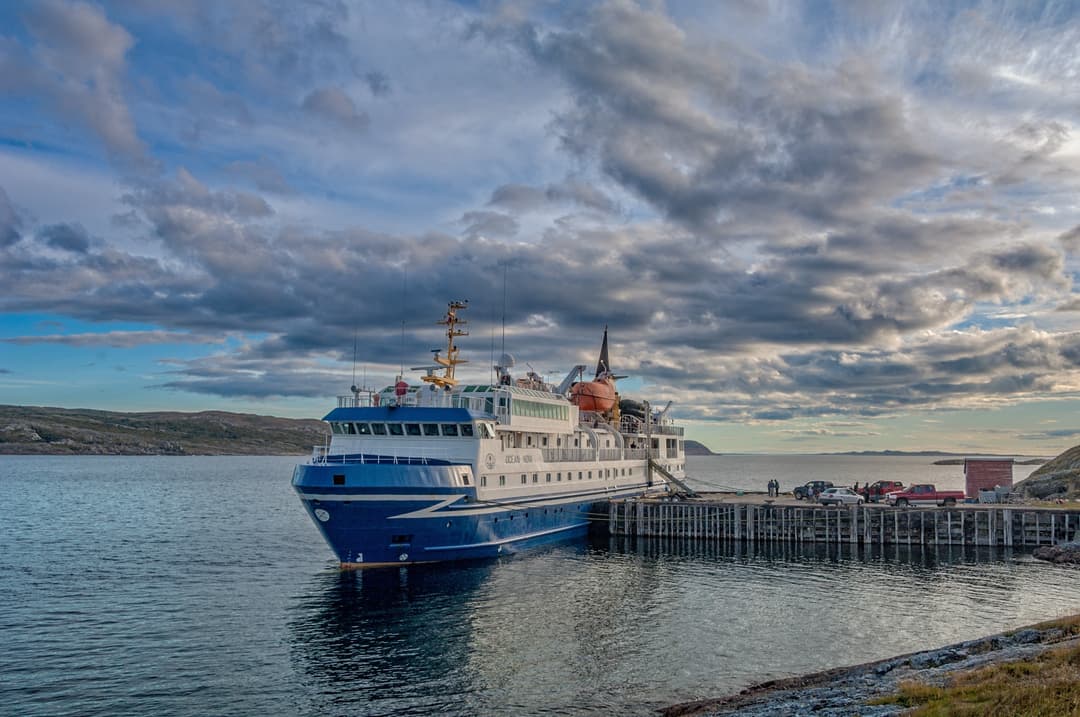
Compact, cozy, and purpose-built for polar waters, the Ocean Nova carries just 75 guests in warmth and comfort. Designed for connection—with nature, with others, and with place—it offers panoramic views, swift shore access, and an inviting, community-minded atmosphere at sea.
Loading...
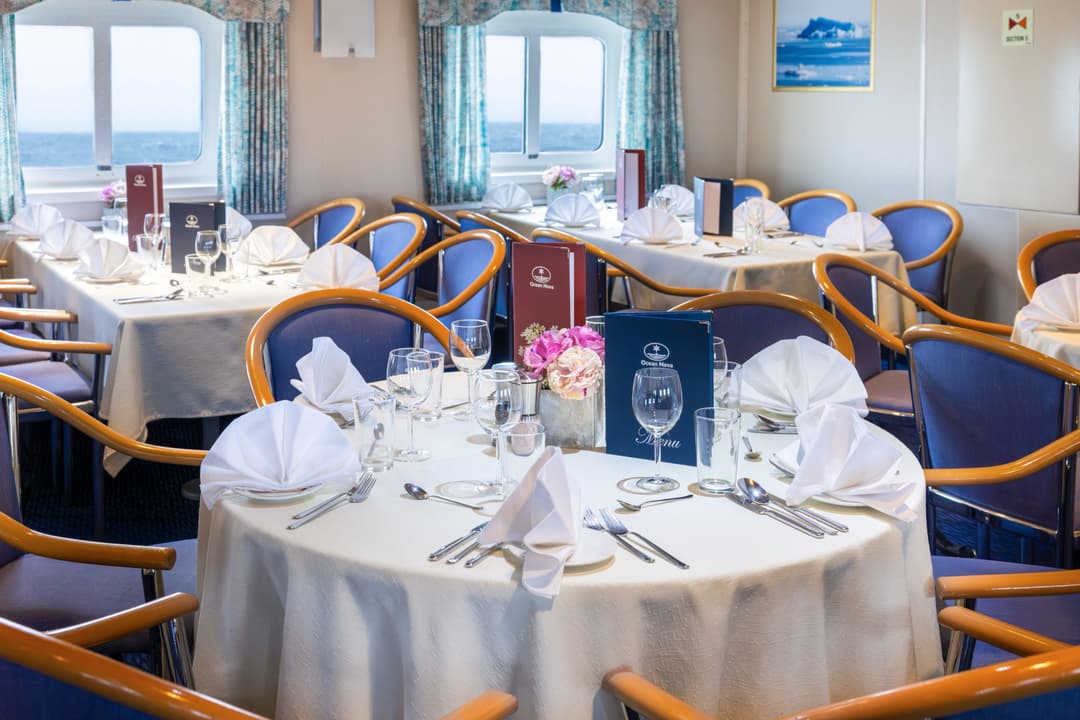
Enjoy open-seating meals in the roomy restaurant, surrounded by ocean views. Adventure Canada expedition team mingle with guests to share their expertise and swap stories over meals.
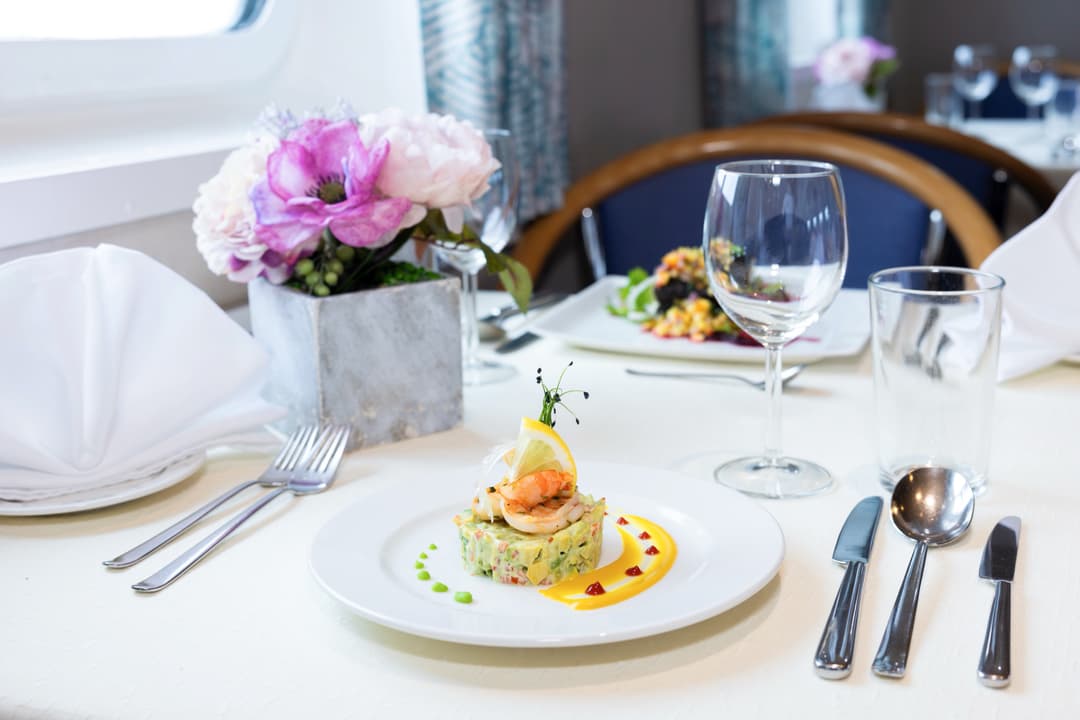
Breakfast and lunch include a wide variety of tasty and healthy choices. Globally inspired a la carte suppers offer options to suit every taste, including fish and vegetarian options. Desserts, made fresh daily, are a highlight! Food sensitivities, special d....
Thanks to the Ocean Nova’s intimate group size and our seamless operations, hopping into one of our eight Zodiacs is a breeze—rain, shine, or snow. With the ship’s shallow draft and ability to anchor close to shore, you’ll spend less time ferrying and more time exploring. Need to head back to the ship mid-excursion? No problem. Simply return to the landing site, and we’ll whisk you back in no time. More adventure, less waiting—that’s the Ocean....
Additional Facilities
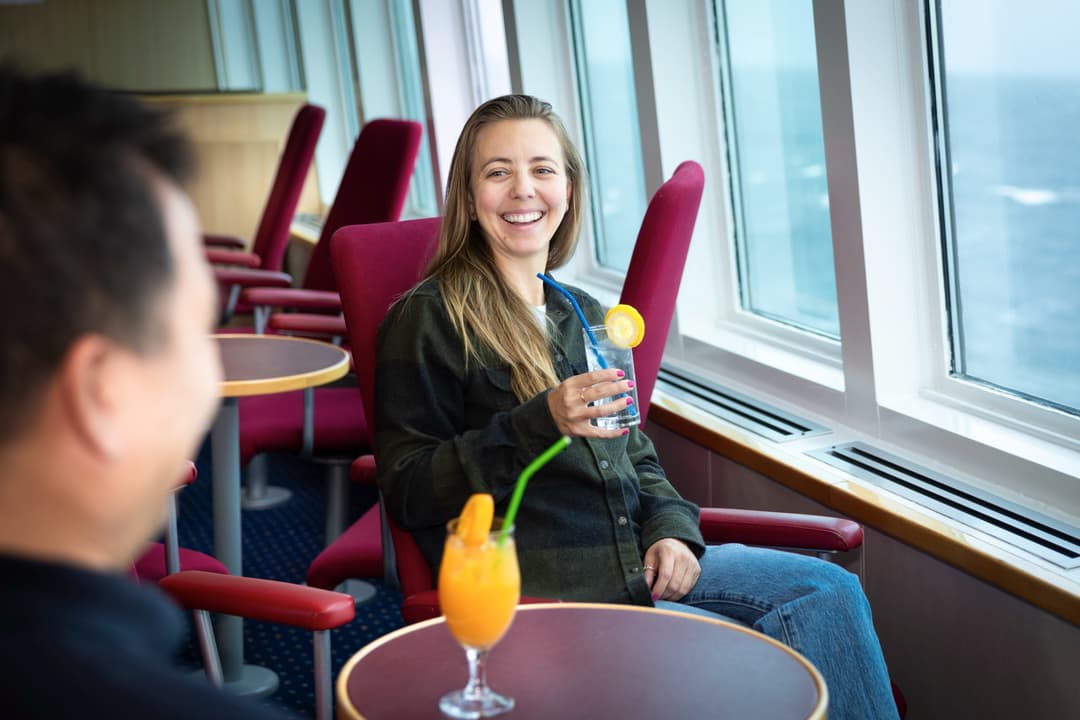
- 24-hour beverage station
- Front deck
- Back deck
- Top deck
- Ocean facing gym
- Bar
- Medical clinic
- Open bridge policy
- Wi-Fi access (charges apply)
- Polar boutique
- Laundry
Technical Details
- Capacity: 78 passengers
- Crew: 32
- Registry: Bahamas
- Type of vessel: Passenger cruise sh....
In June, July, and August, the temperatures in the regions we visit are usually quite comfortable. It is common to have beautiful sunny days with temperatures reaching a high of 18°C. In the Arctic, we can also experience temperatures close to 0°C. When you are on land and walking around it usually gets quite warm and people tend to take off layers.
European and Canadian maritime destinations tend to be warmer than the Arctic in the summ....
Adventure Canada is committed to extending a high level of customer service to all travellers, including persons with disabilities. We are committed to meeting the needs of persons with disabilities in a timely manner, and will do so by preventing and removing barriers to accessibility wherever possible.
Certain mandated safety requirements in the construction and operation of the Vessel inherently restrict maneuverability in many areas.....
Adventure Canada expeditions take place far away from hospitals and other institutional medical care and are therefore intended for persons in good health. An adequate medical facility could be 72 hours away or more, and emergency evacuation and adequate medical treatment may be delayed or unavailable in certain areas. Our vessel is not equipped to handle serious medical conditions. Medical and Emergency Evacuation insurance is mandatory. If y....
Adventure Canada expeditions necessitate that passengers be in reasonably good health. Zodiac cruises and transfer times can be lengthy. You must be able to climb stairs between decks on the ship. You must also be able to climb the external gangway stairs to transfer between the ship and the Zodiacs. Our expedition team and ship crew are available to assist you in and out of the Zodiacs, both on shore and at the gangway. Adventure Canada exped....